Tracking signals shaping the future of mobility and transportation — autonomous mobility, EV infrastructure, multimodal transport, and logistics technologies.
Technologies
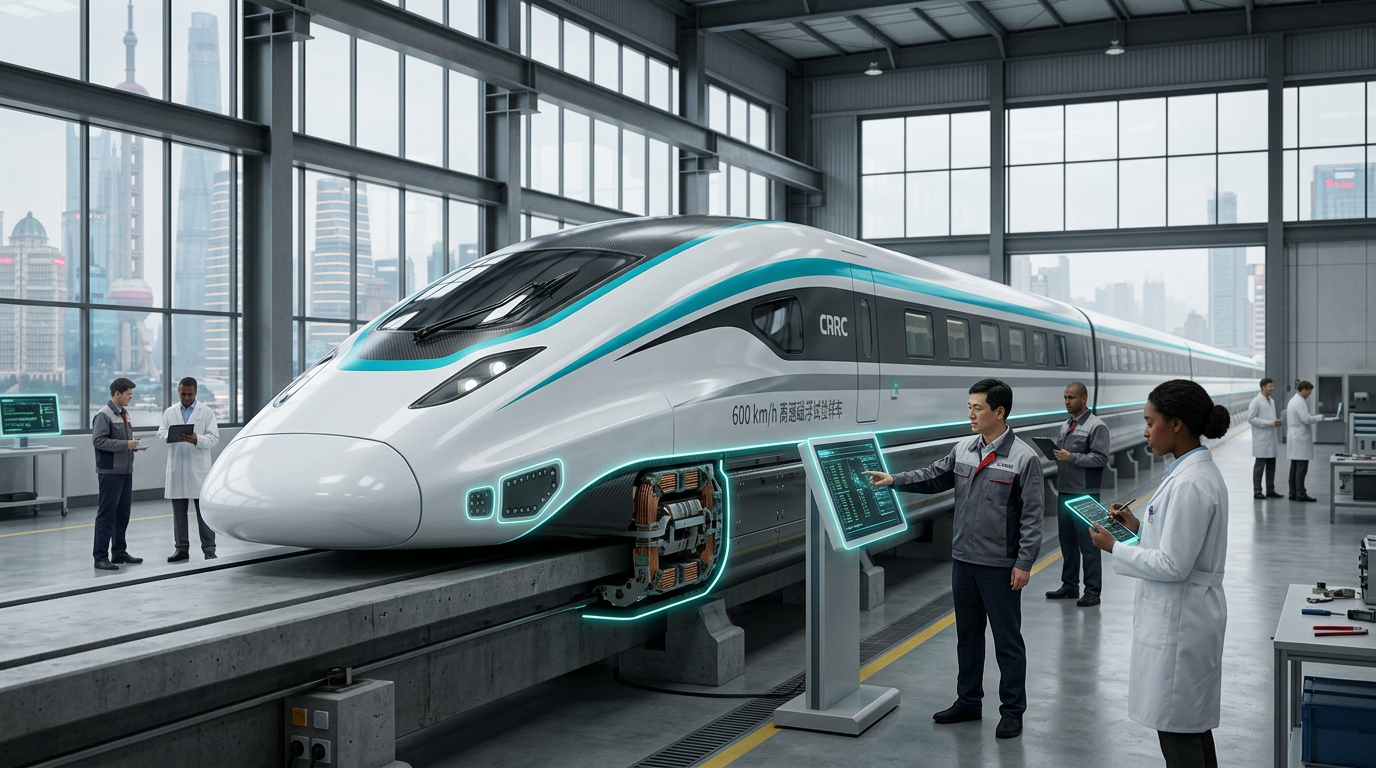
CRRC unveiled an 8-car superconducting maglev prototype in July 2025 designed for 600 km/h — filling the speed gap between rail and aviation — but no operational line exists
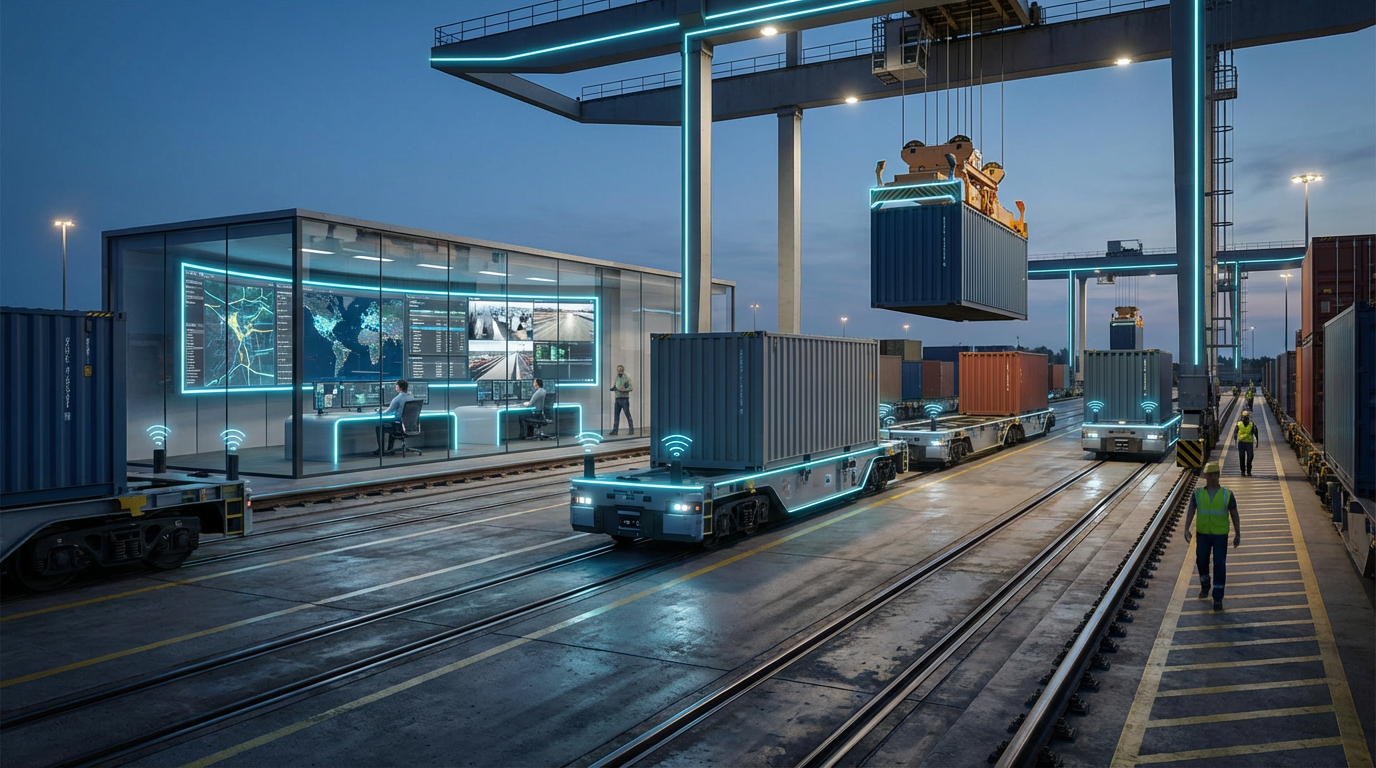
AI systems that autonomously coordinate and optimize logistics operations across supply chains
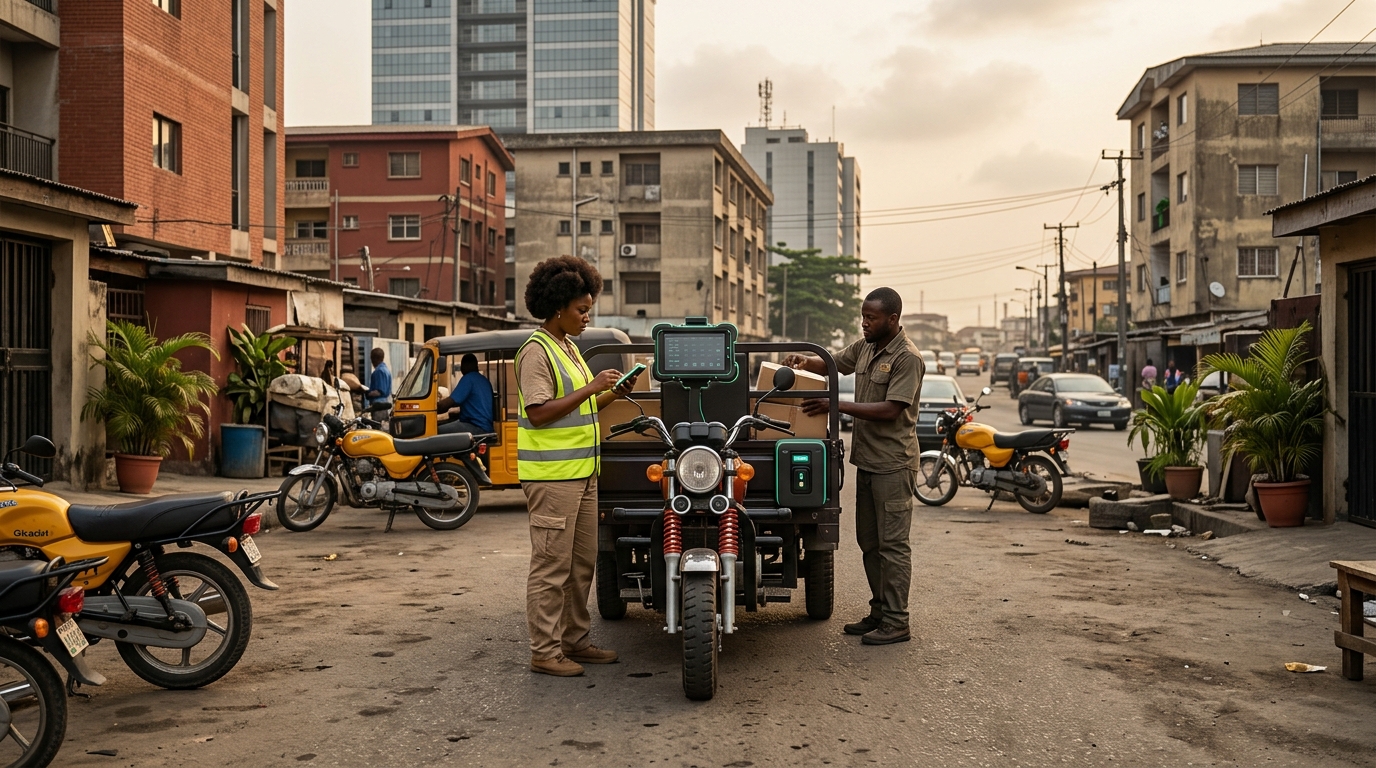
African logistics platforms use AI to optimize deliveries across cities with no formal addresses — companies like Kobo360, Lori Systems, and Sendy serve as Africa's digital freight backbone.
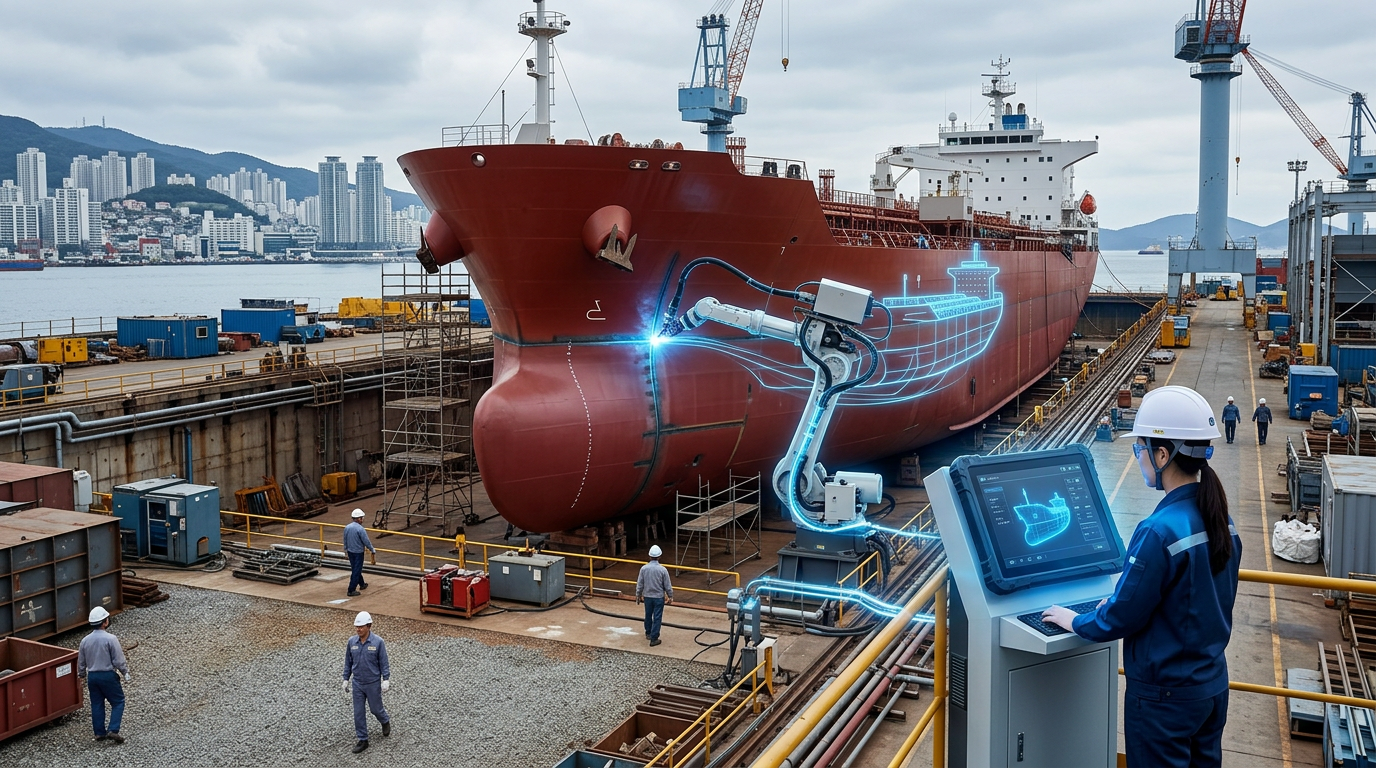
HD Hyundai, Samsung Heavy Industries, and Hanwha Ocean are deploying AI, digital twins, and robotic welding across Korean shipyards, which build 40%+ of global commercial vessels by tonnage.
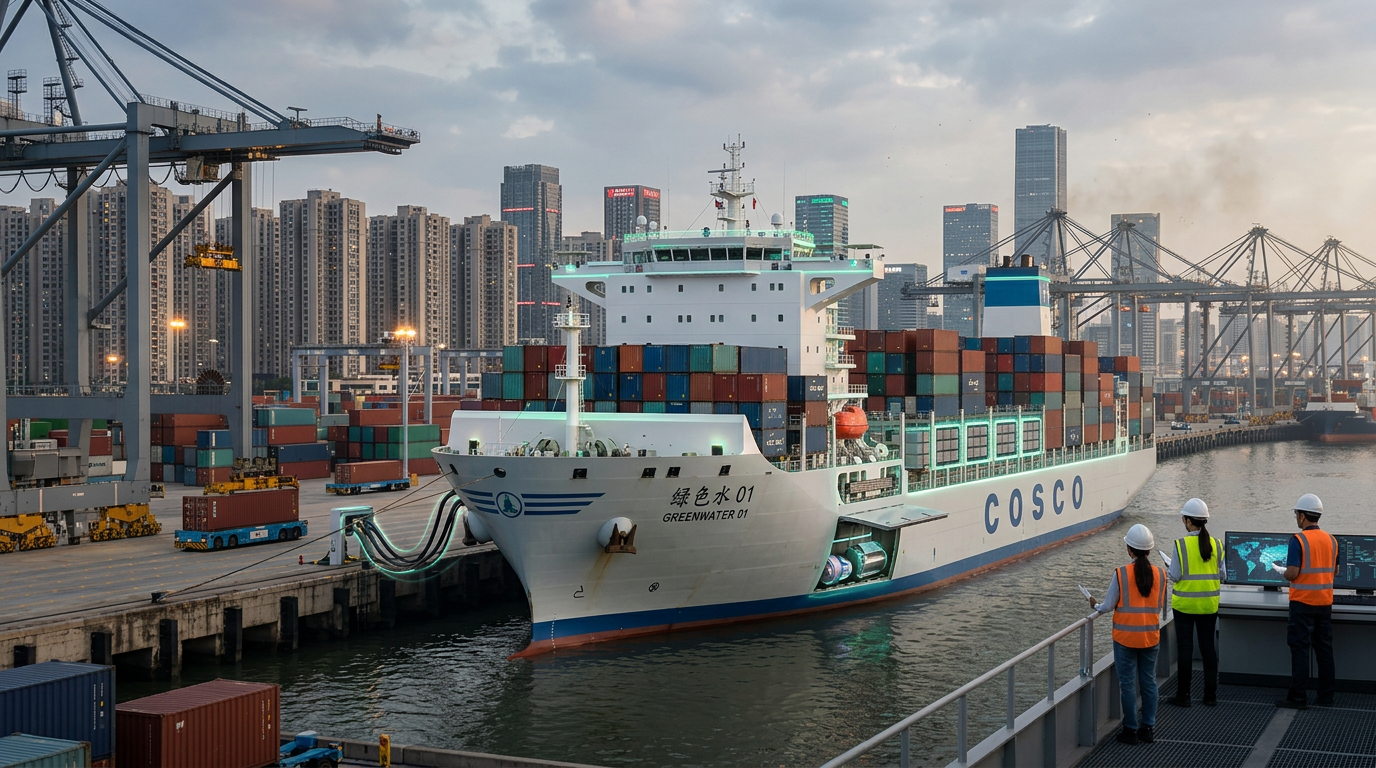
COSCO's Greenwater 01 is the world's largest all-electric container ship, saving 3,900 kg of fuel per 100 nautical miles on China's coastal routes
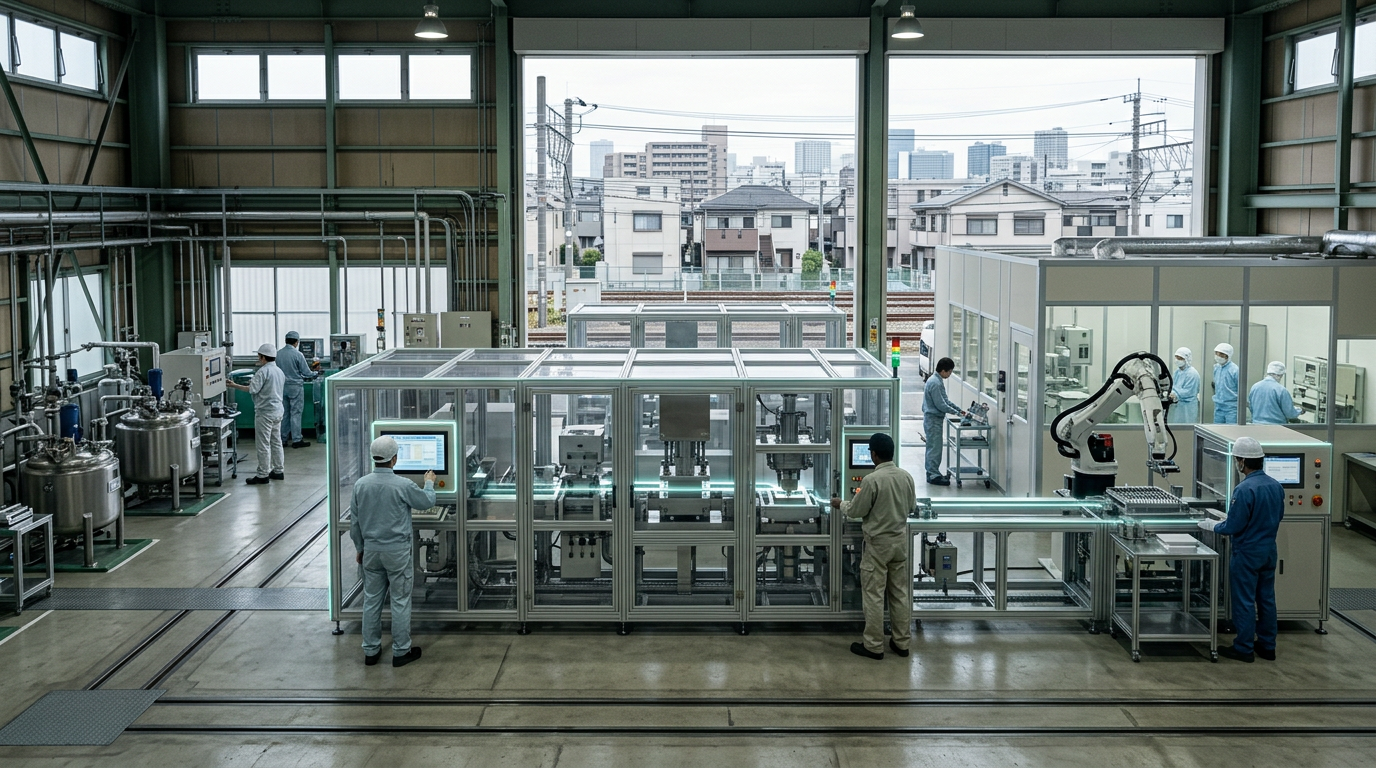
Toyota and Idemitsu Kosan broke ground on a solid electrolyte pilot plant in January 2026 — targeting 1,000km range EVs and 10 GWh production by 2027.
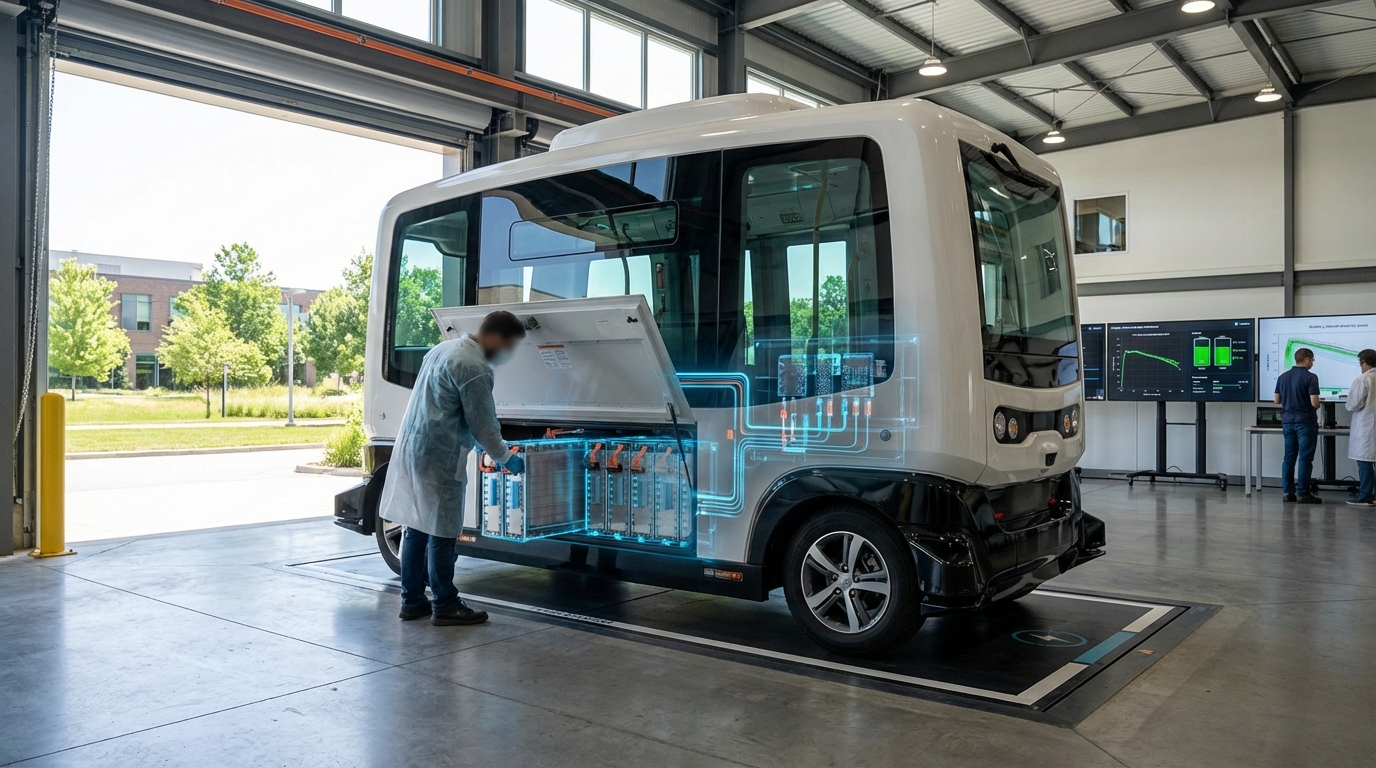
Sodium-ion, lithium-sulfur, and other battery technologies diversifying energy storage beyond lithium-ion
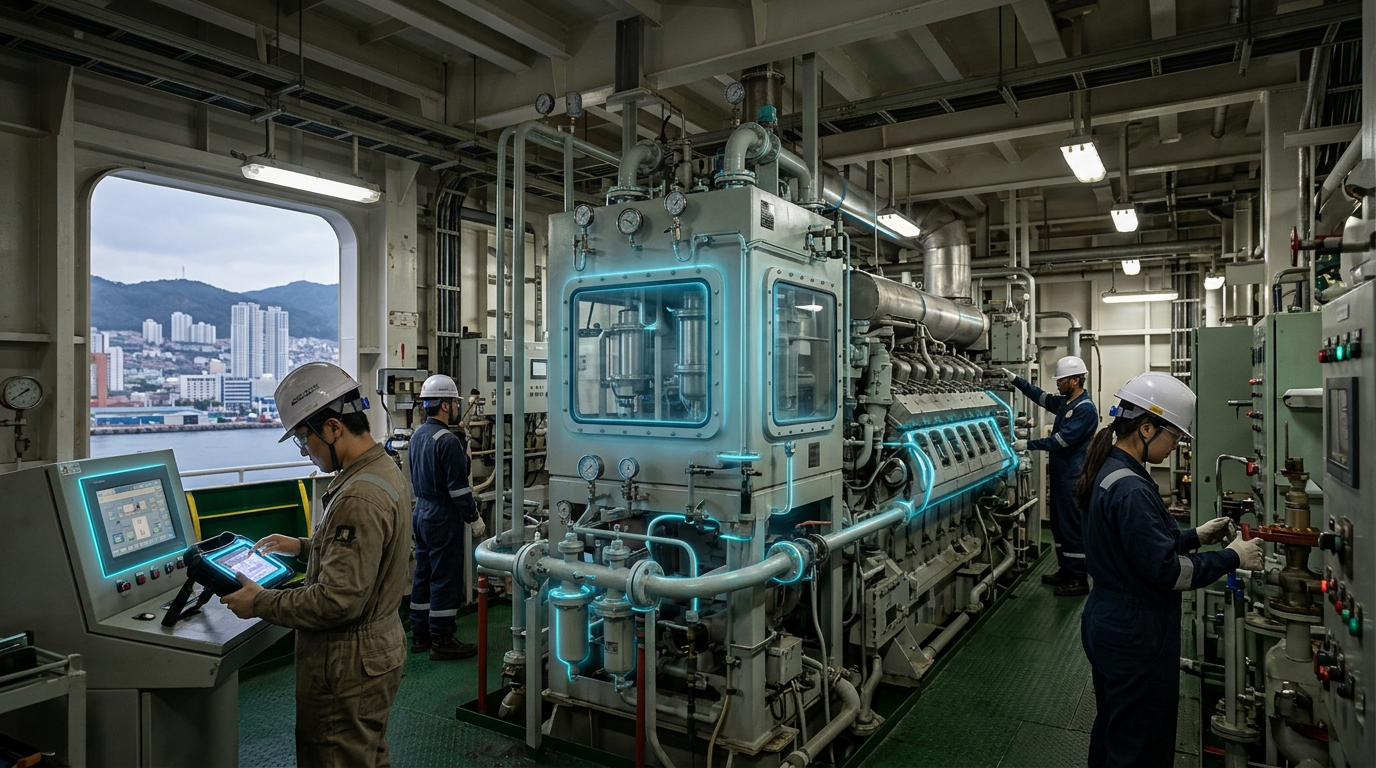
HD KSOE is building the world's first commercial ammonia-powered vessels, with $534M in government R&D backing alternative marine fuels as Korean yards pivot from LNG to zero-carbon propulsion.
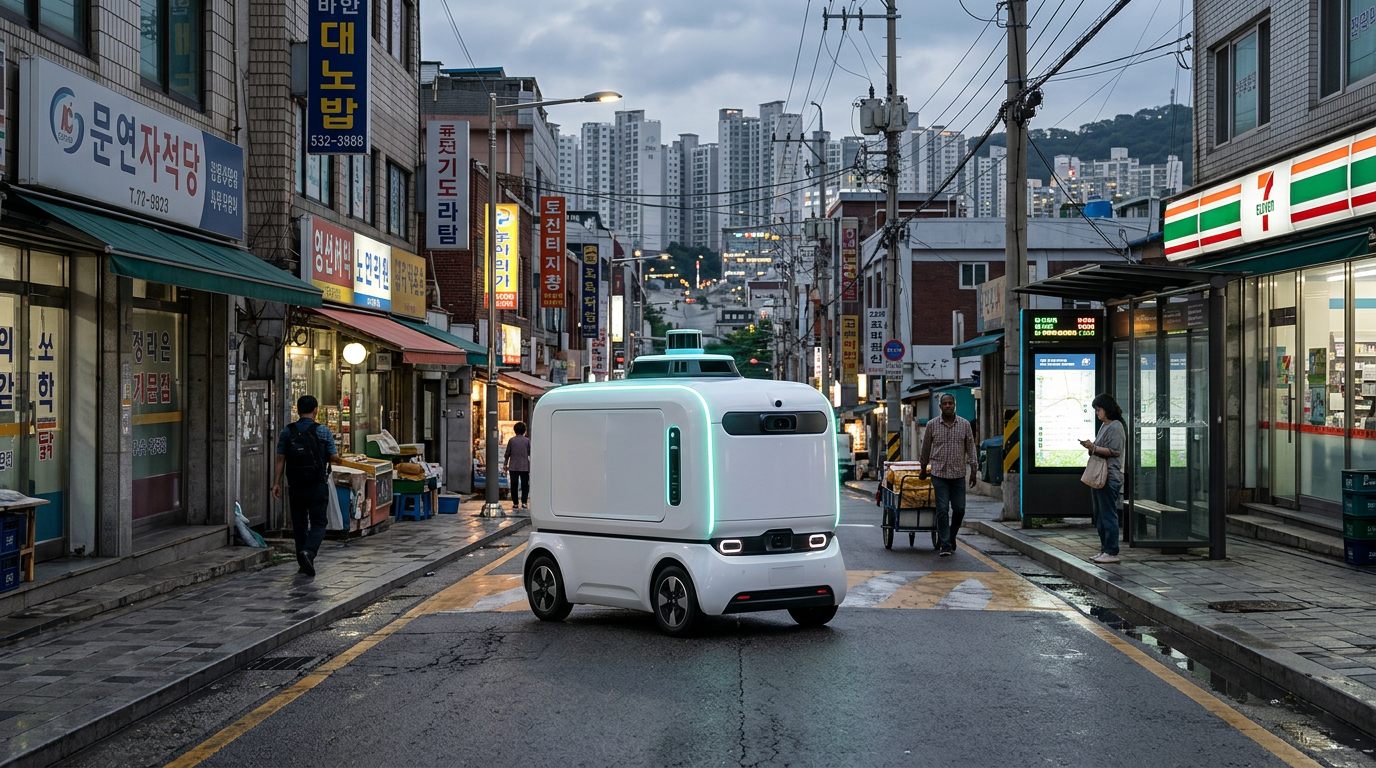
Korean autonomous driving startups including 42dot (acquired by Hyundai), Seoul Robotics, and RideFlux are developing Level 4 autonomy for urban, logistics, and industrial applications.
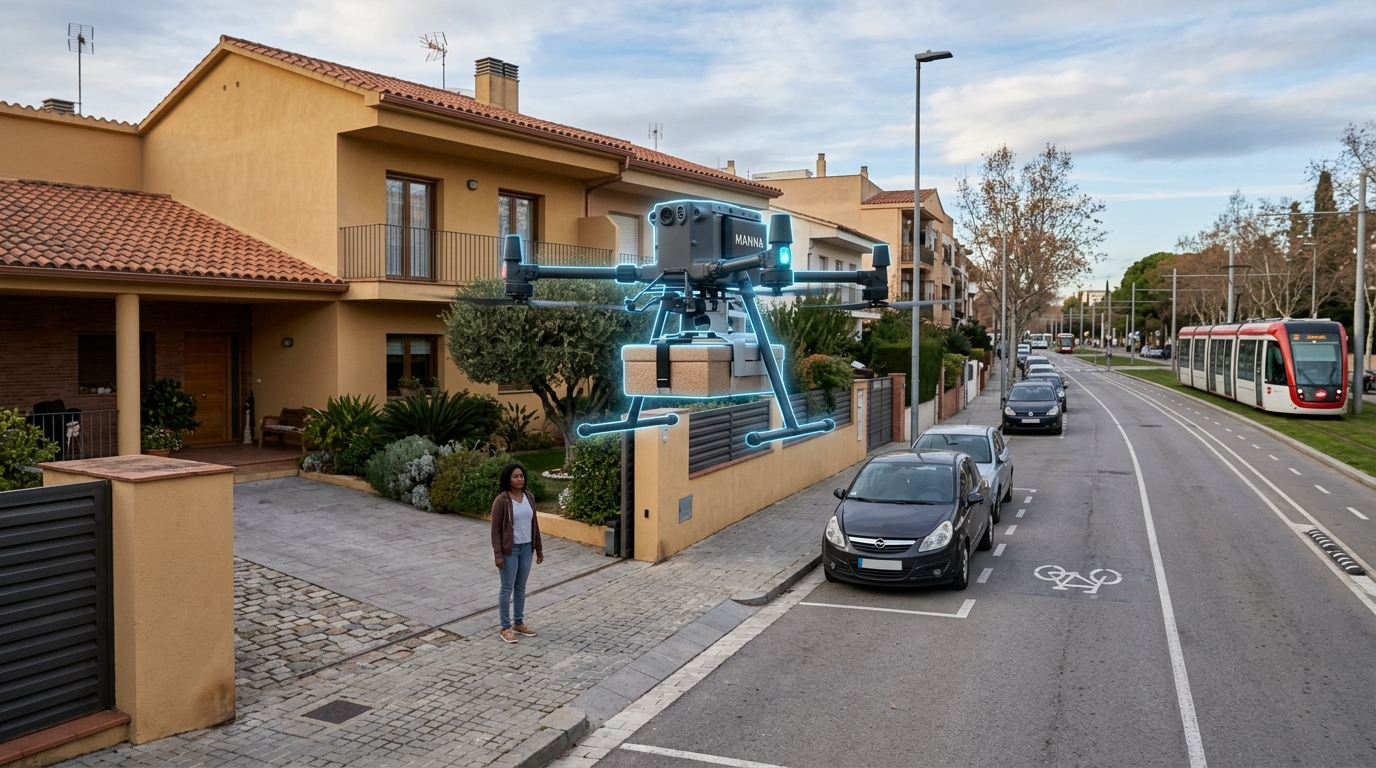
Manna Aero (Ireland) operates continuous autonomous drone deliveries in Dublin suburbs — outpacing Amazon and Google Wing in actual operational volume
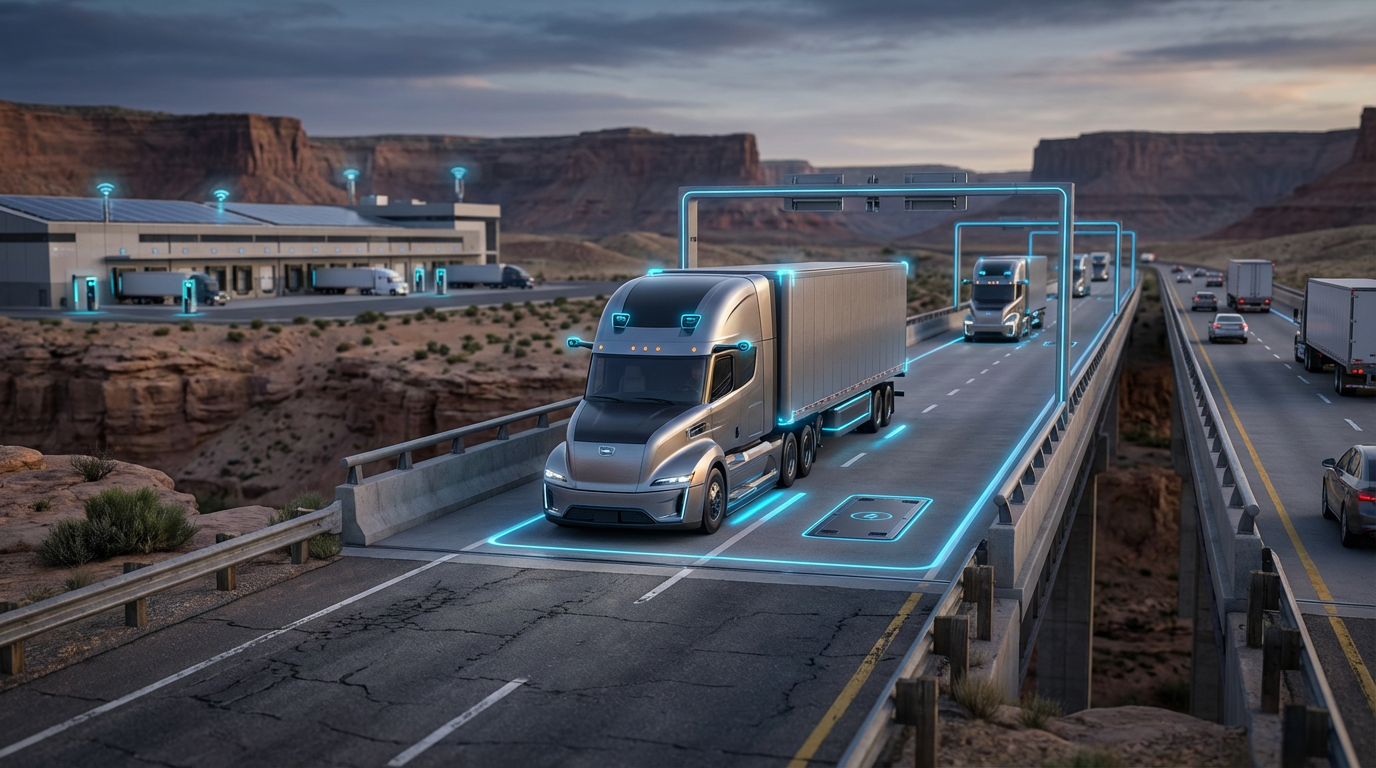
Dedicated highway lanes and routes optimized for driverless long-haul trucks
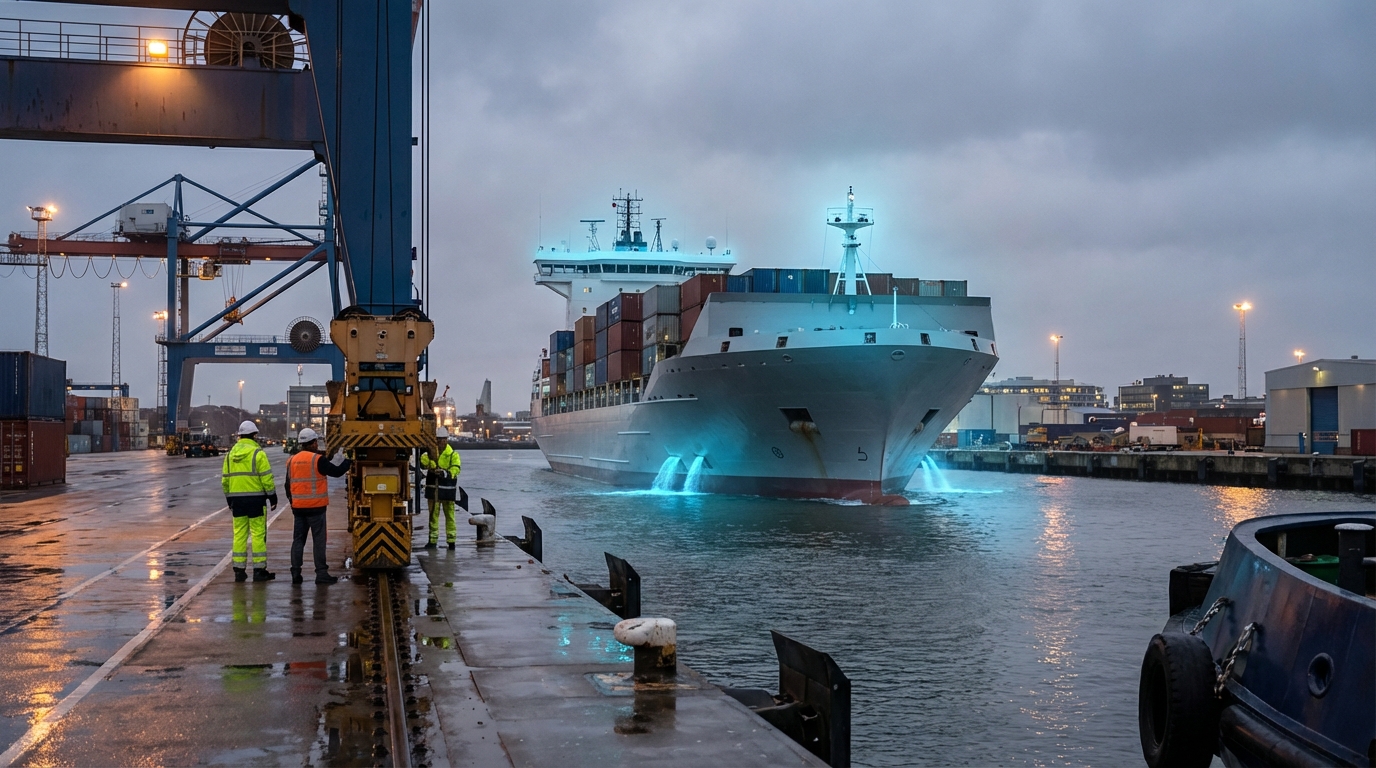
Self-navigating ships using AI, sensors, and satellite guidance for cargo and port operations
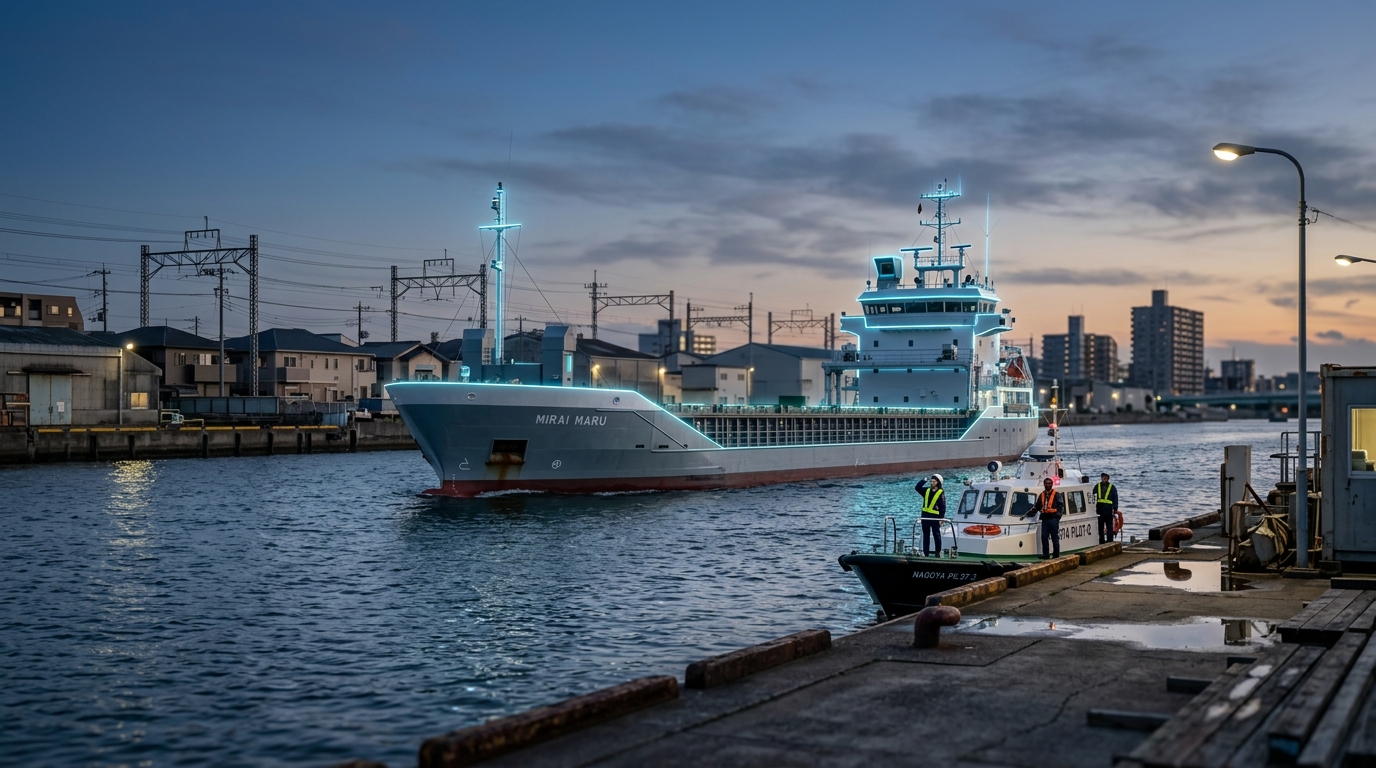
Japan completed the world's first fully autonomous cargo ship voyages in 2022 and is commercializing autonomous coastal shipping to address a 50% seafarer shortage.
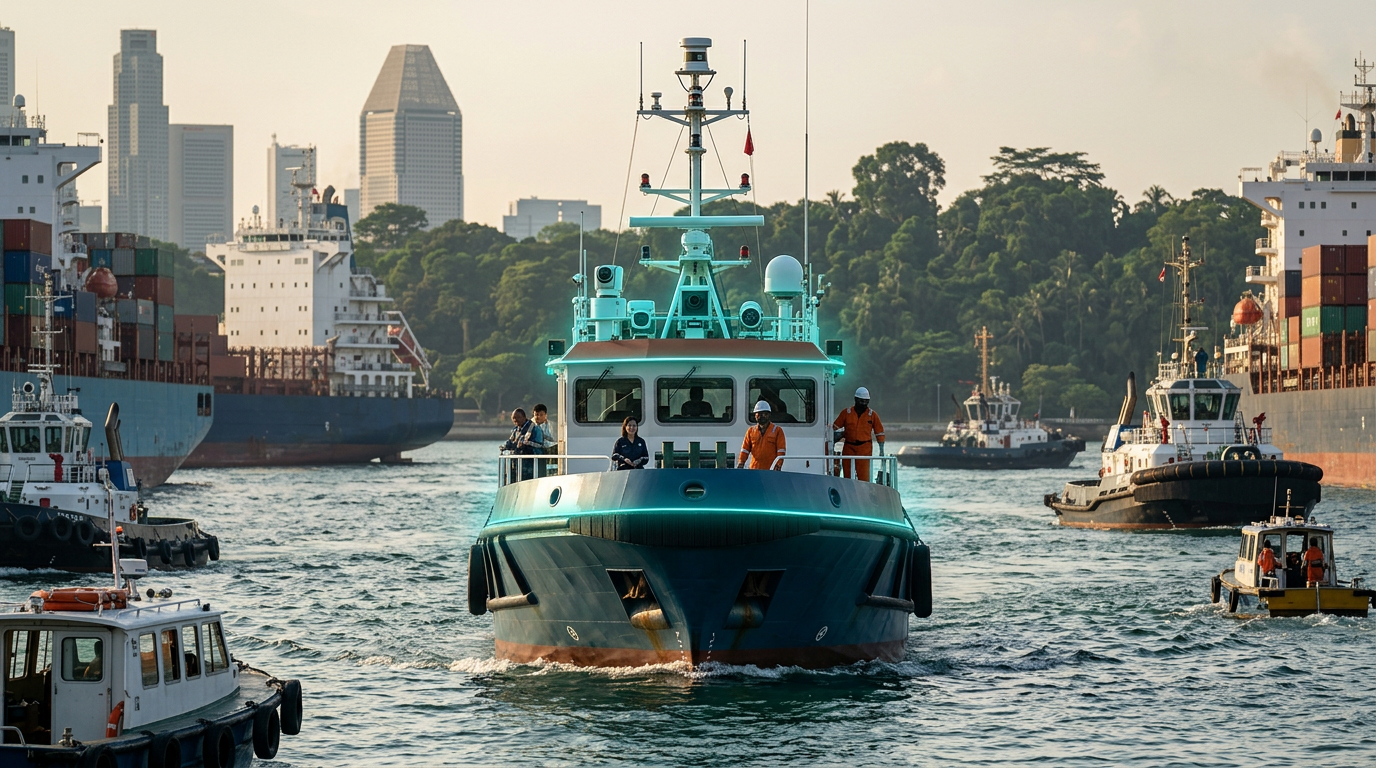
MPA Singapore is testing autonomous vessel navigation in the world's busiest shipping lanes, developing standards for unmanned cargo ships that could reshape Indo-Pacific maritime logistics.
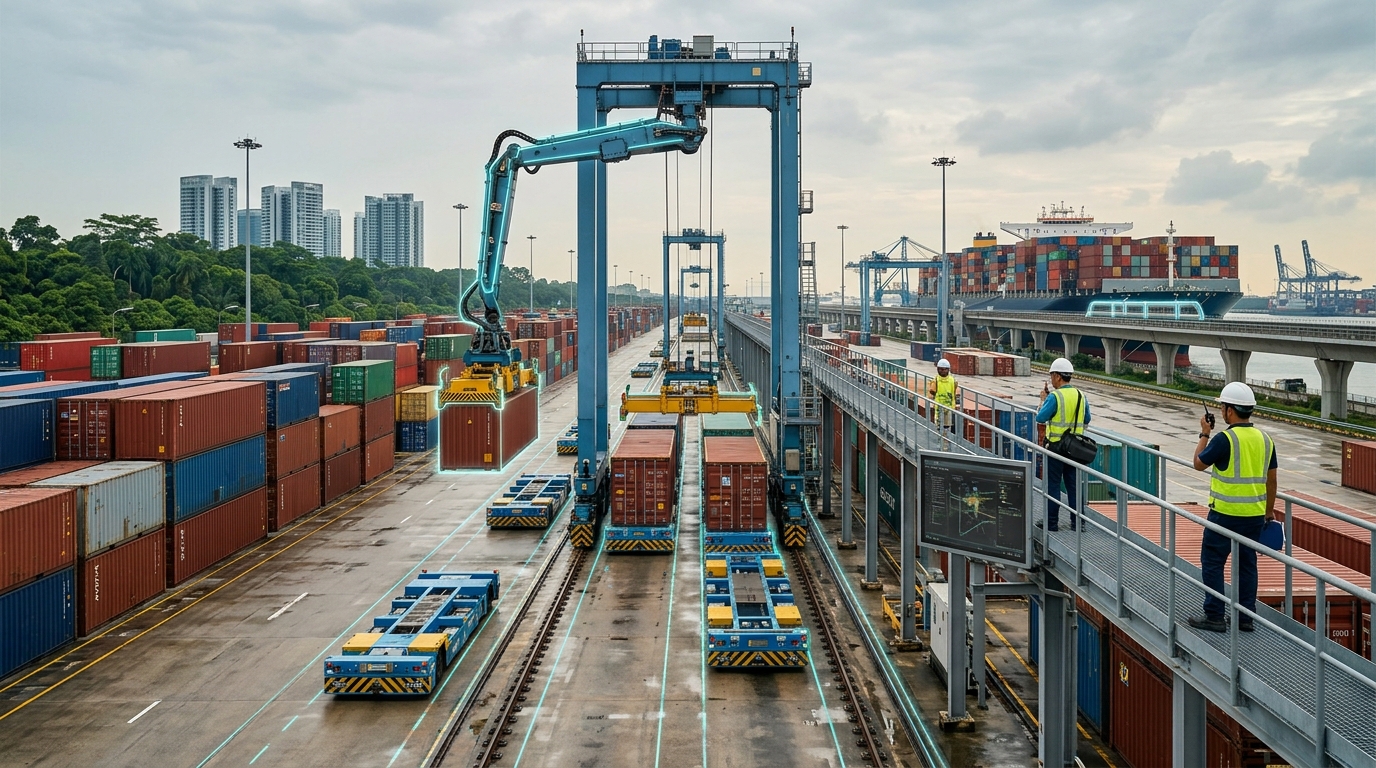
Singapore's Tuas Mega Port deploys AI-orchestrated autonomous cranes, AGVs, and digital twin systems to handle 65M TEUs — the world's largest fully automated container terminal.

Singapore's Tuas Mega Port, opening in phases through 2040, deploys autonomous cranes, AI-optimized vessel scheduling, and digital twin systems to handle 65M TEUs — the world's largest capacity.
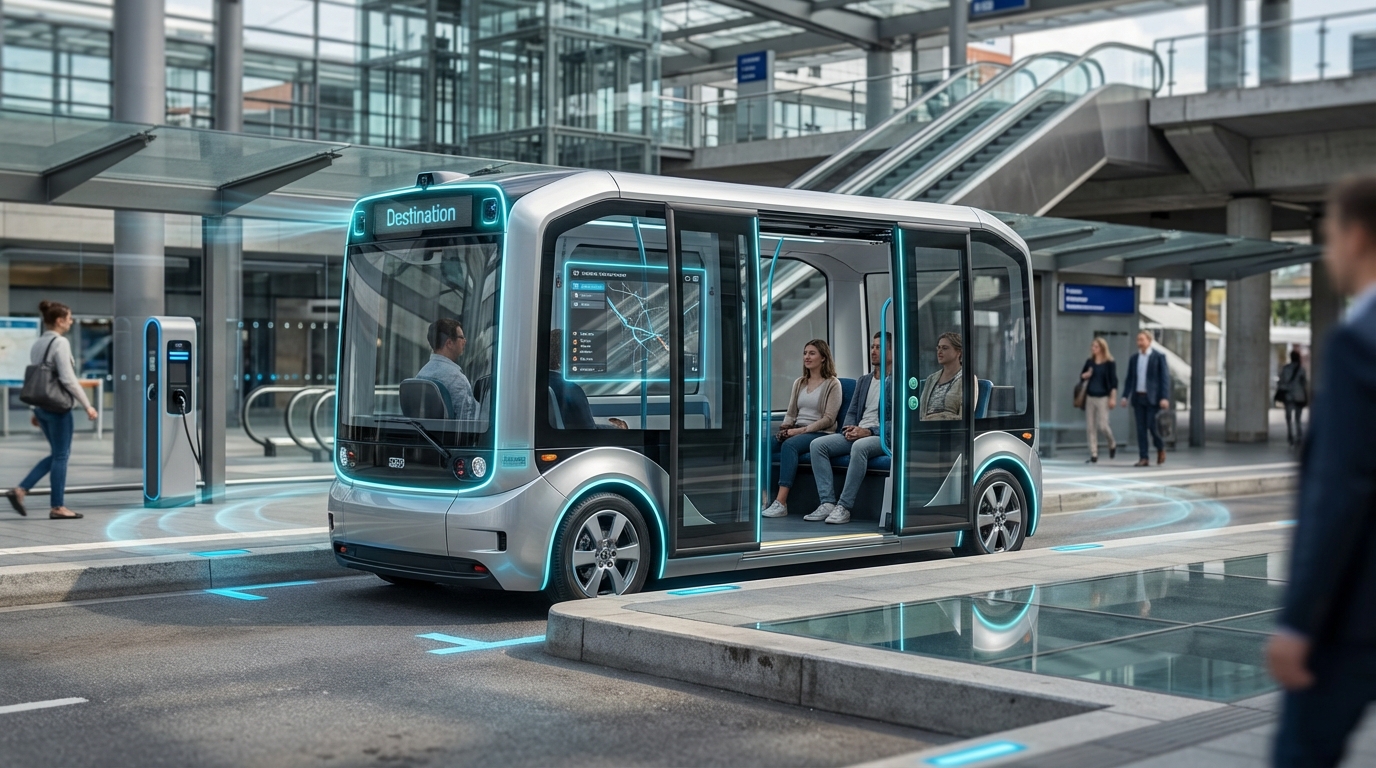
Self-driving buses and shuttles that navigate urban routes using AI and sensor arrays
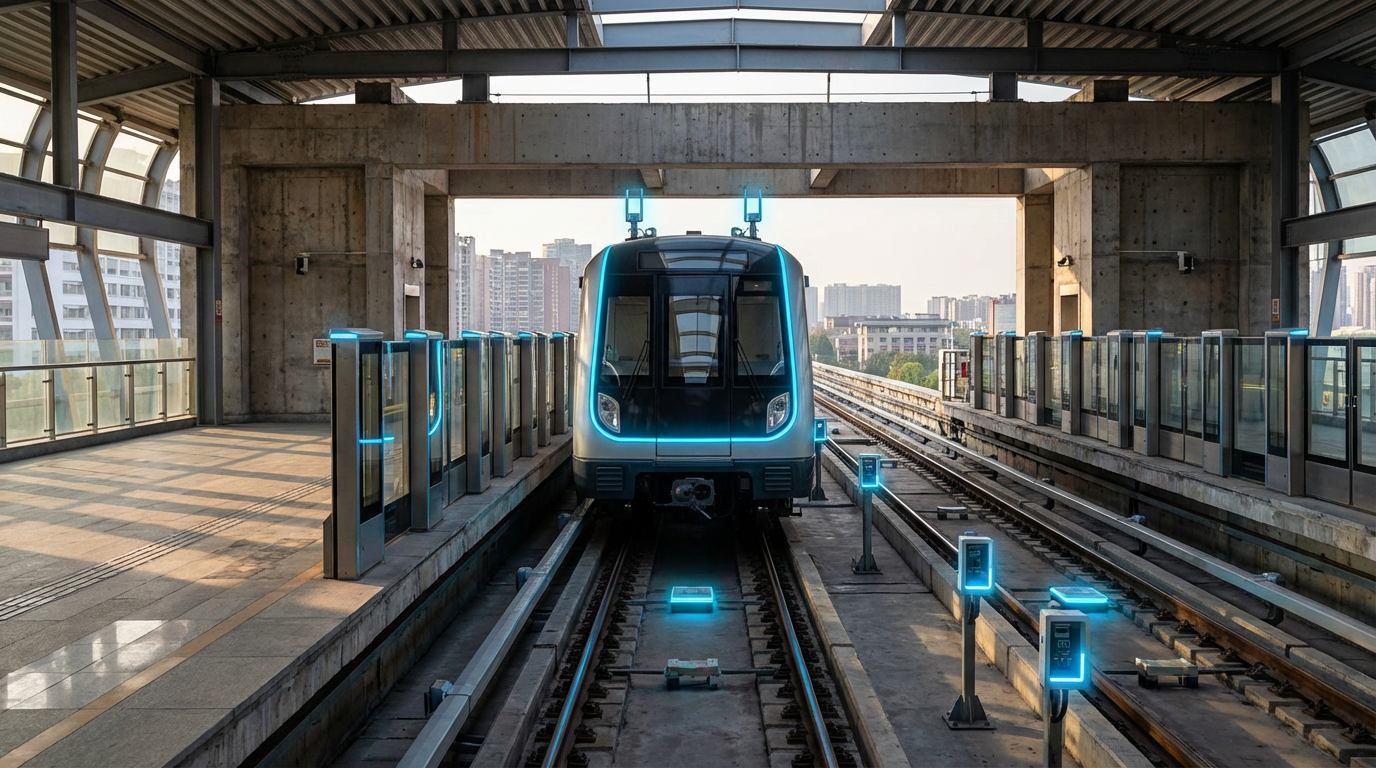
Fully automated mainline trains operating without onboard staff or human intervention
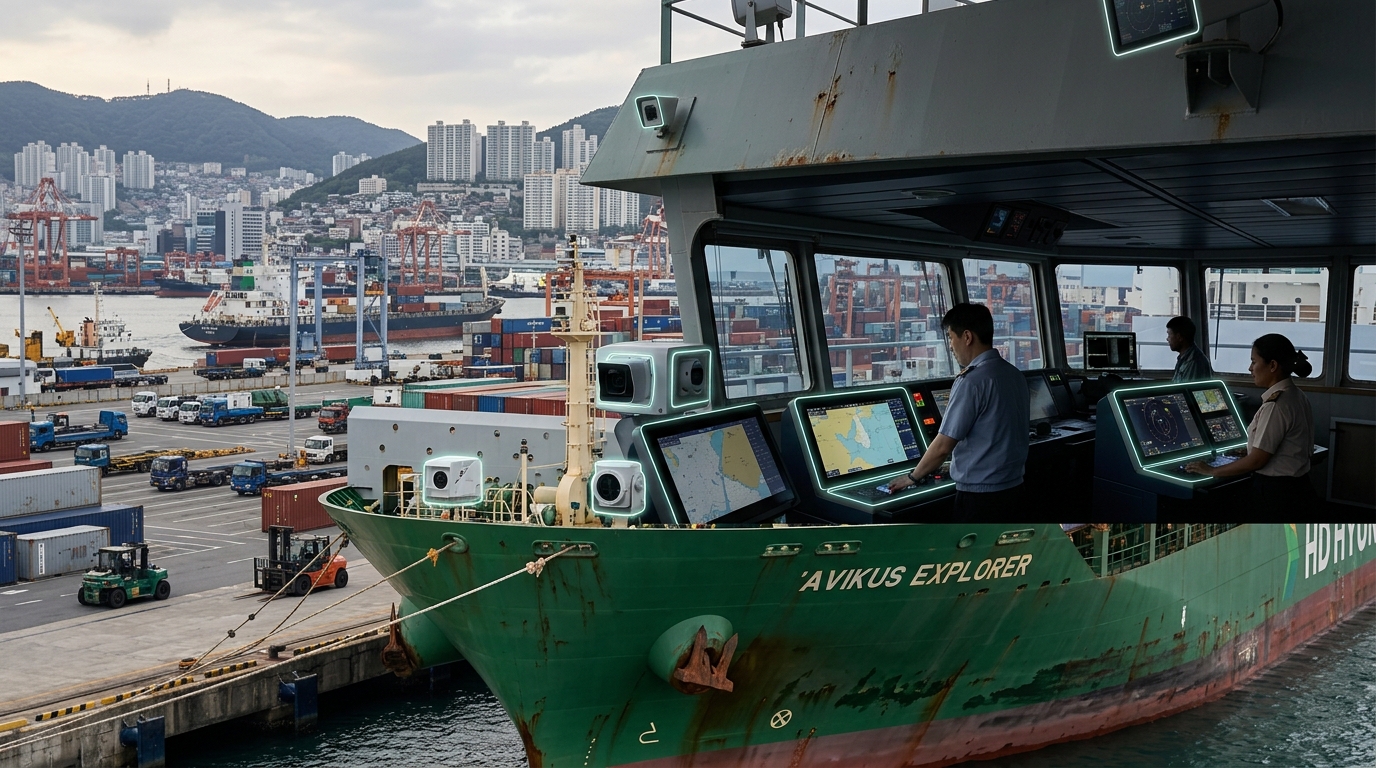
HD Hyundai's Avikus subsidiary completed the first transoceanic autonomous voyage in 2022 and is now deploying AI navigation systems across HD Hyundai's commercial fleet.
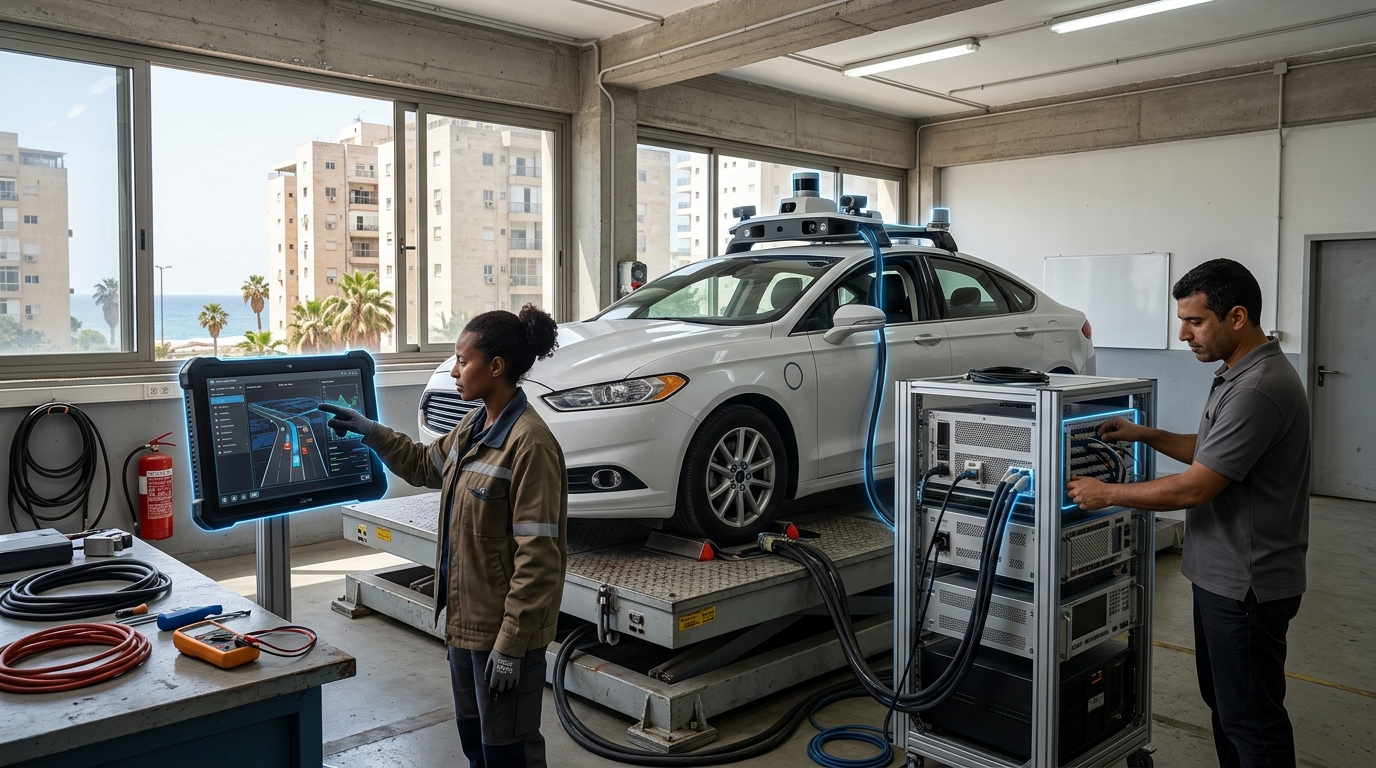
Foretellix's coverage-driven verification platform generates billions of driving scenarios to validate autonomous vehicles, adapted from Israeli semiconductor verification expertise.
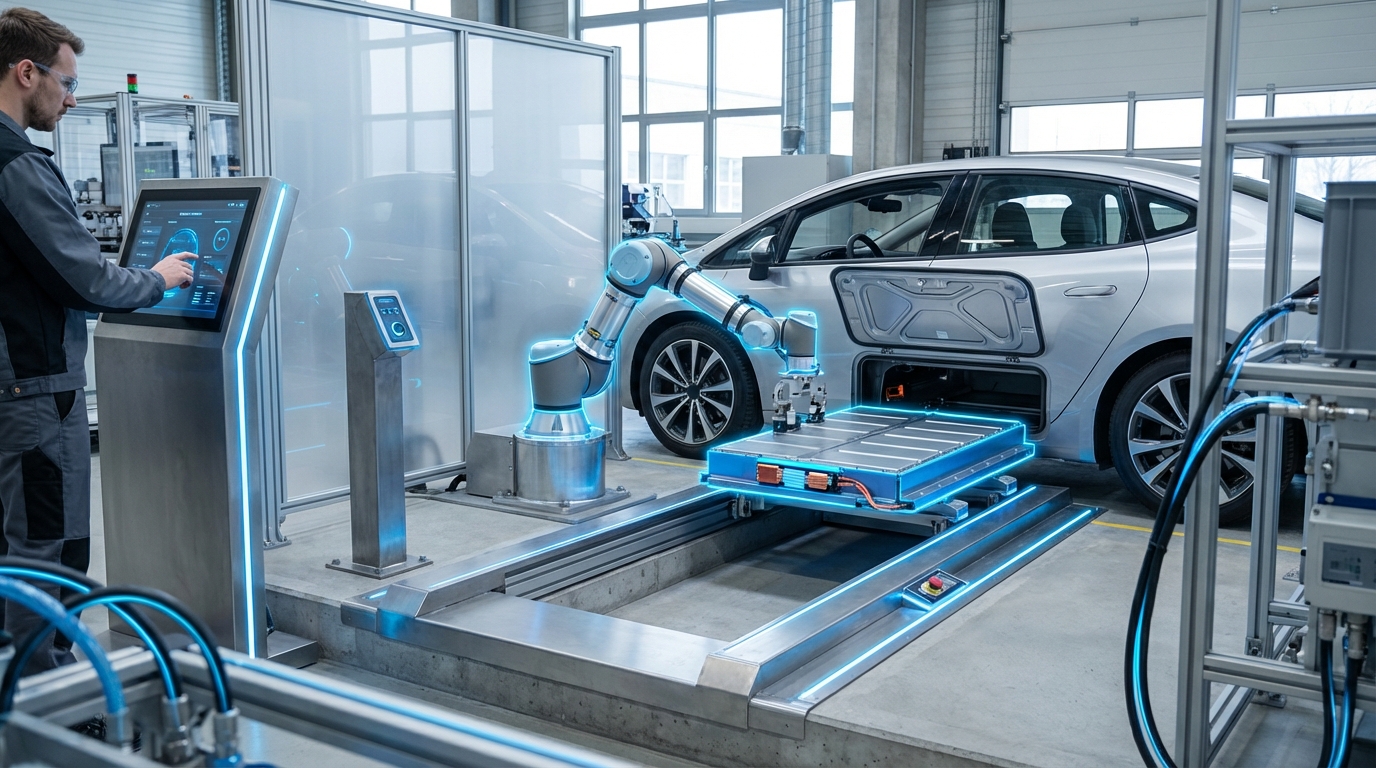
Automated stations that exchange depleted EV batteries for fully charged ones in minutes
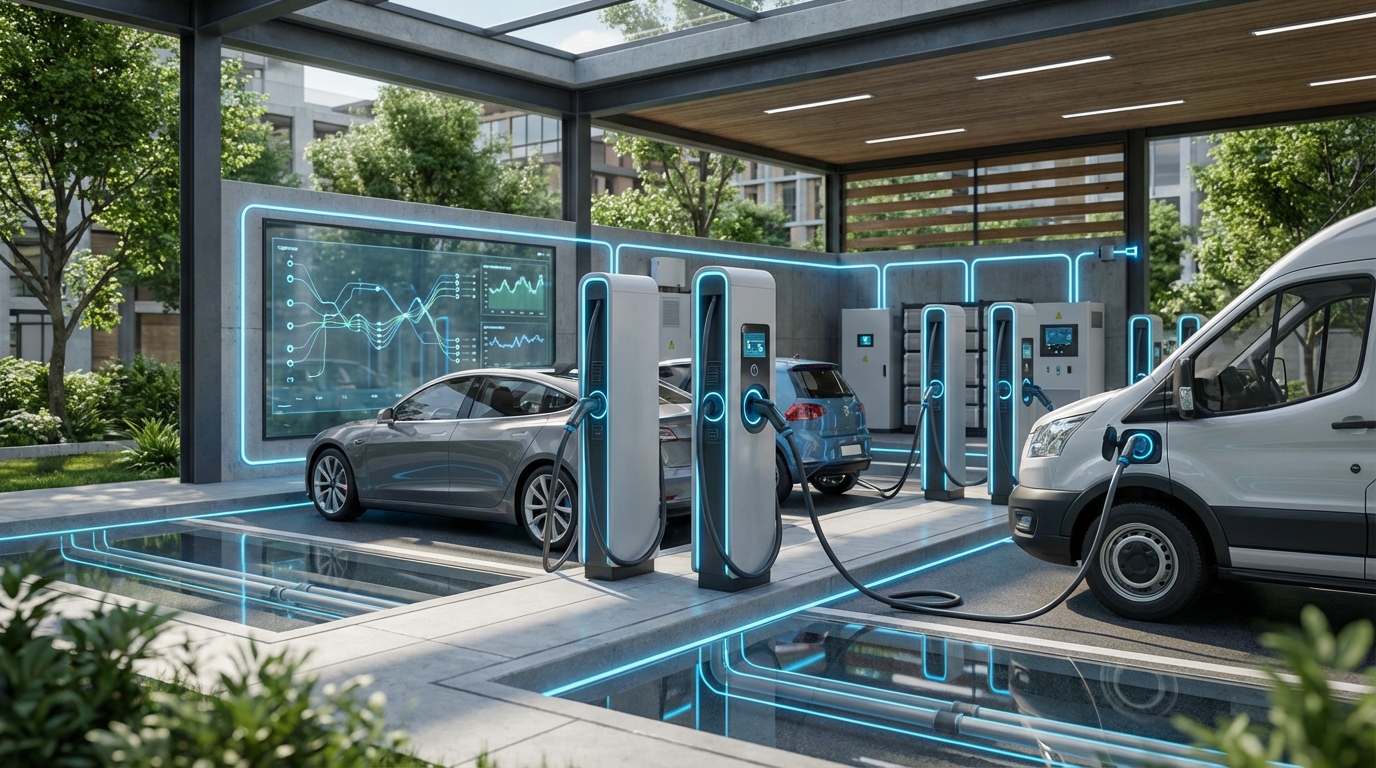
Two-way charging systems that let EVs supply power back to homes, buildings, and the grid
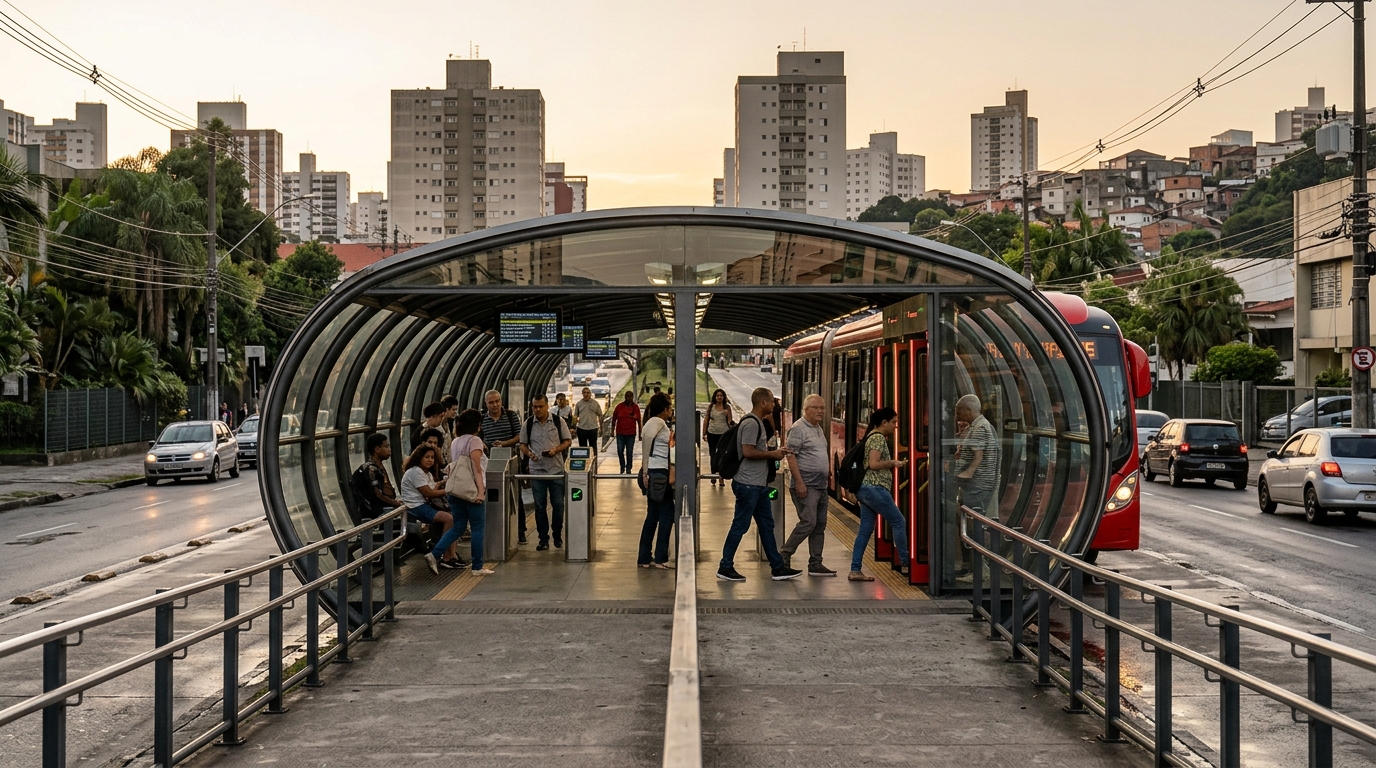
Curitiba invented Bus Rapid Transit in 1974 — the model has been adopted by roughly 200 cities worldwide, proving that bus systems can match metro performance at a fraction of the cost
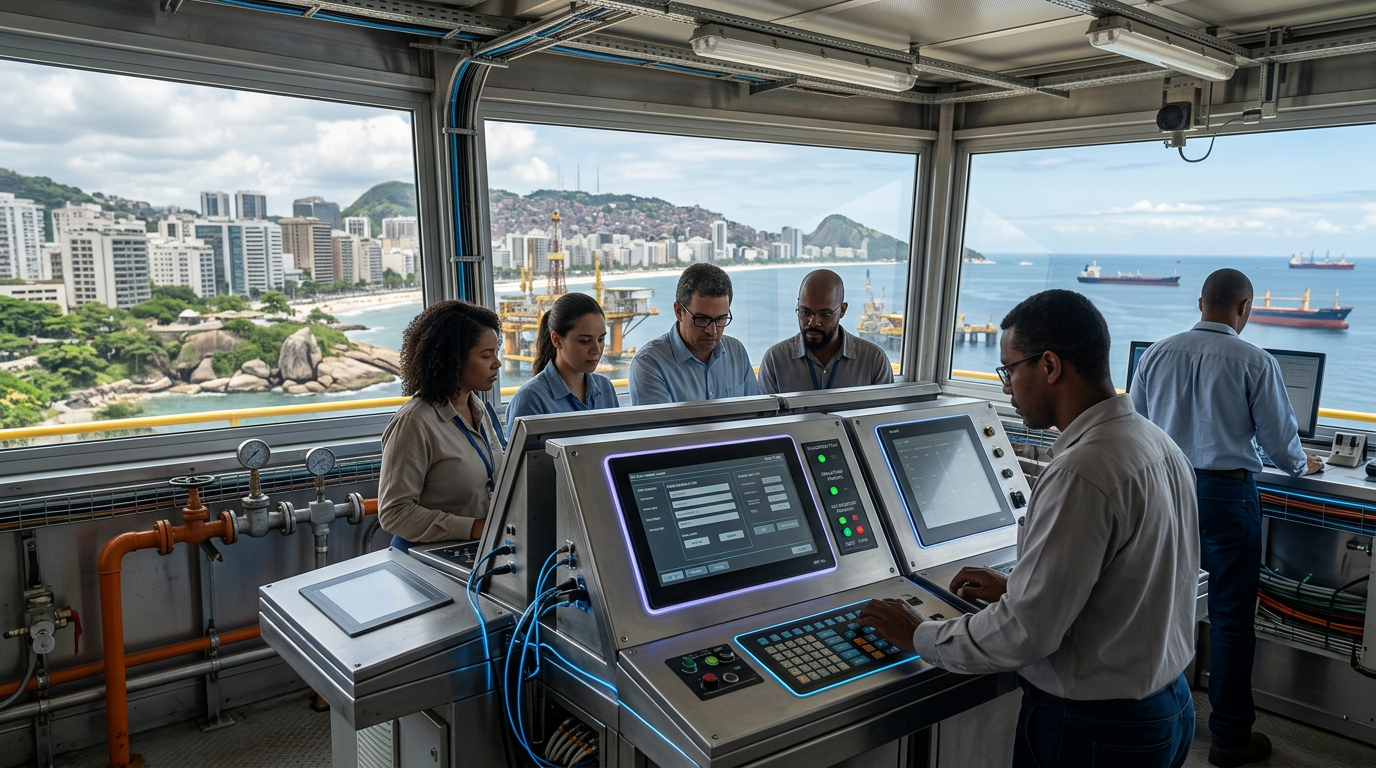
Petrobras reinjects CO2 separated from pre-salt oil back into reservoirs — one of the world's largest offshore carbon capture operations, storing millions of tons annually
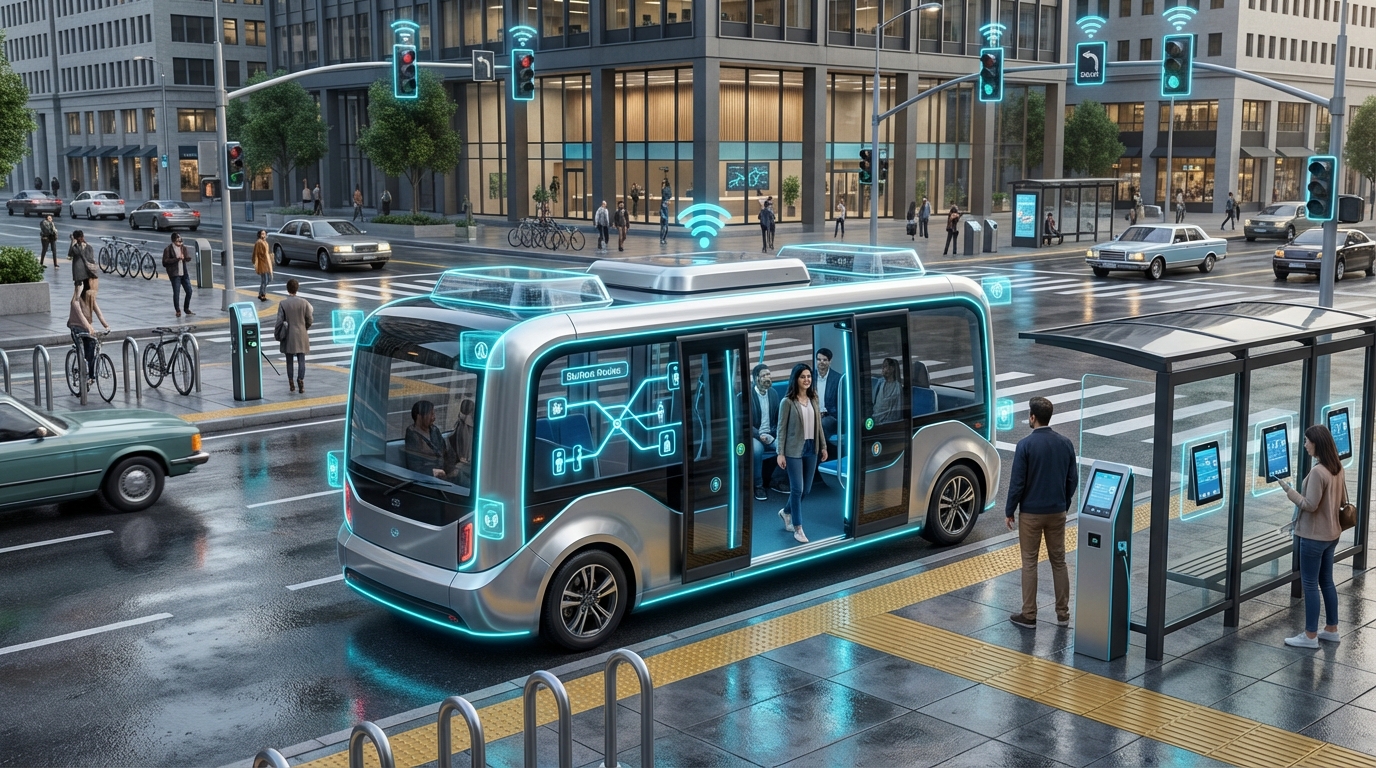
Flexible public transit that adjusts routes and schedules based on real-time passenger requests
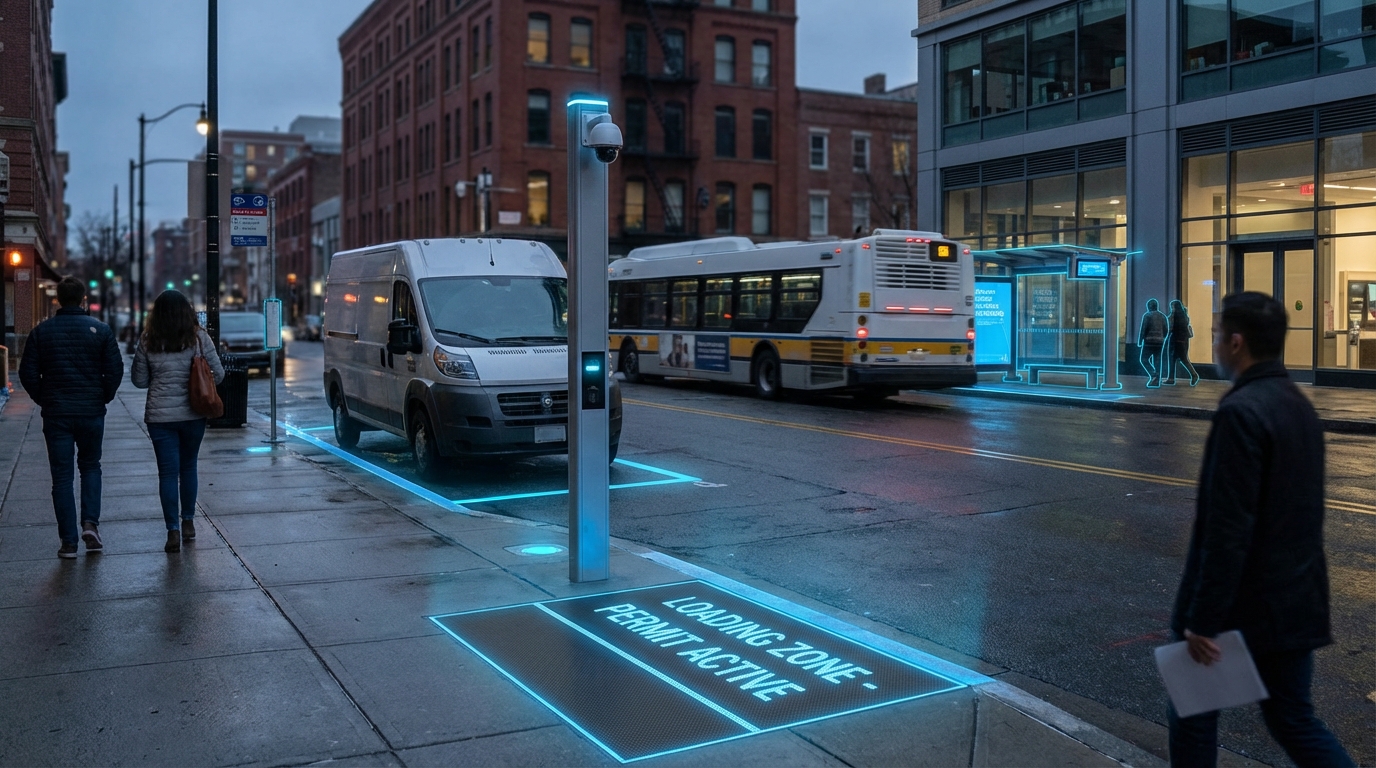
AI platforms that dynamically allocate curb space for deliveries, transit, and ride-hailing
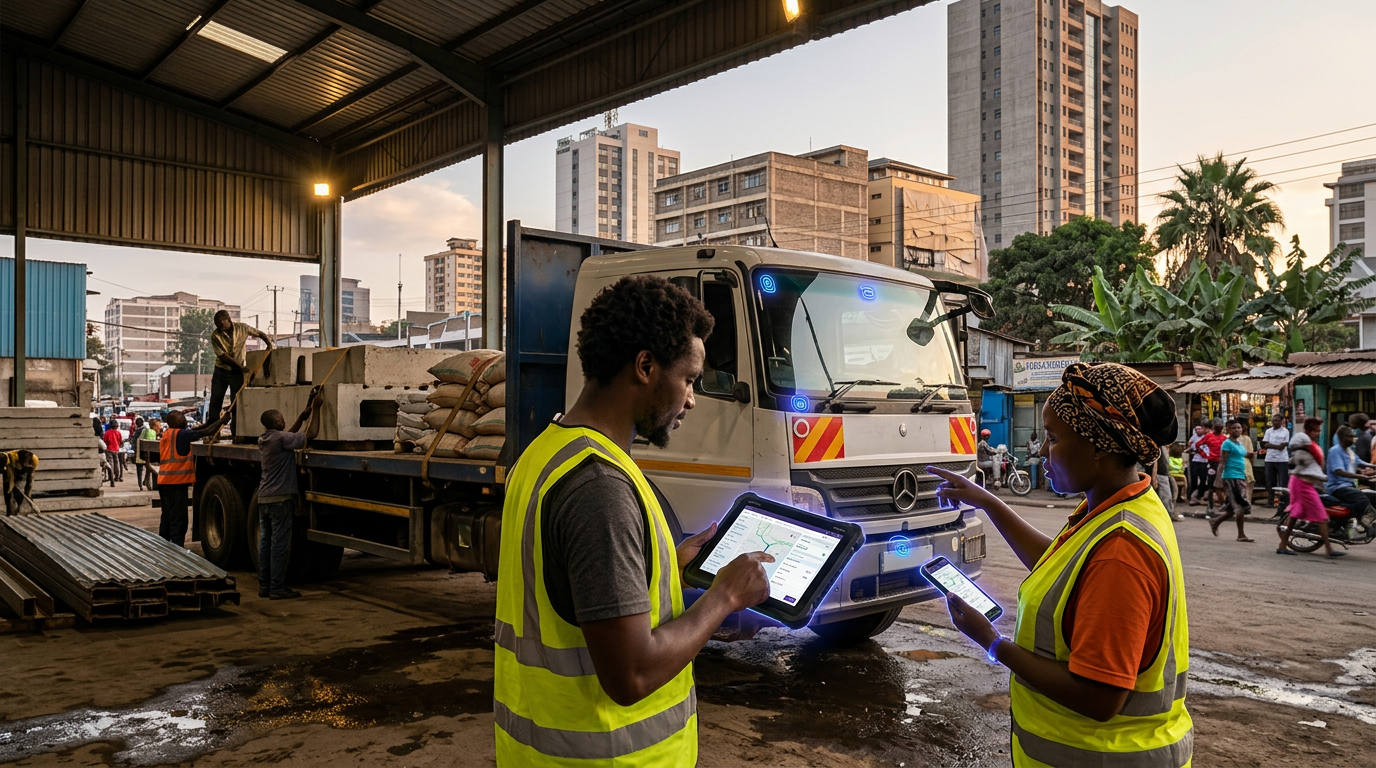
Platforms like Kobo360 and Lori Systems use AI to match cargo with trucks across Africa — reducing the 40%+ empty backhaul rate that makes African logistics the world's most expensive.
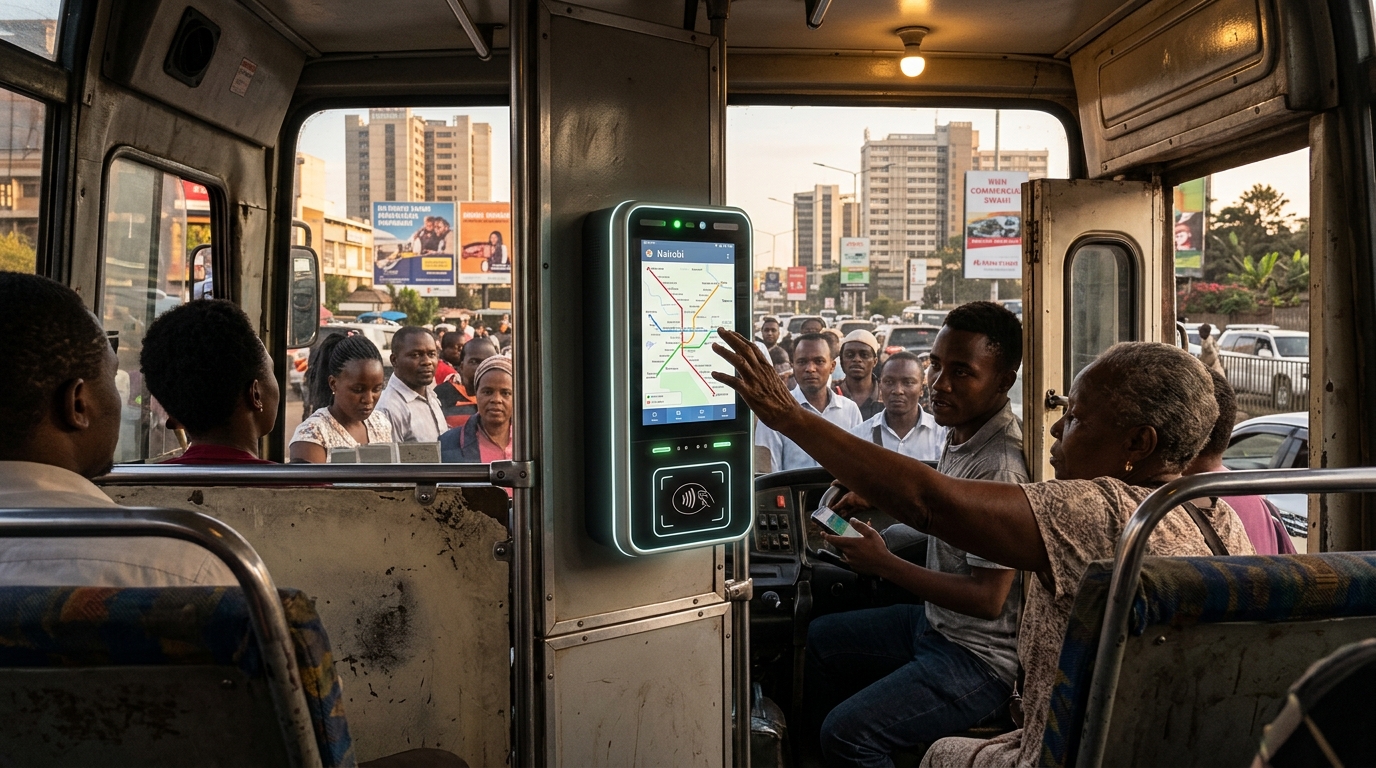
Nairobi's informal matatu bus network has been digitally mapped and integrated with cashless payment systems, serving 3M+ daily riders without formal transit planning.

Dynamic virtual replicas of transportation networks fed by real-time sensor and vehicle data
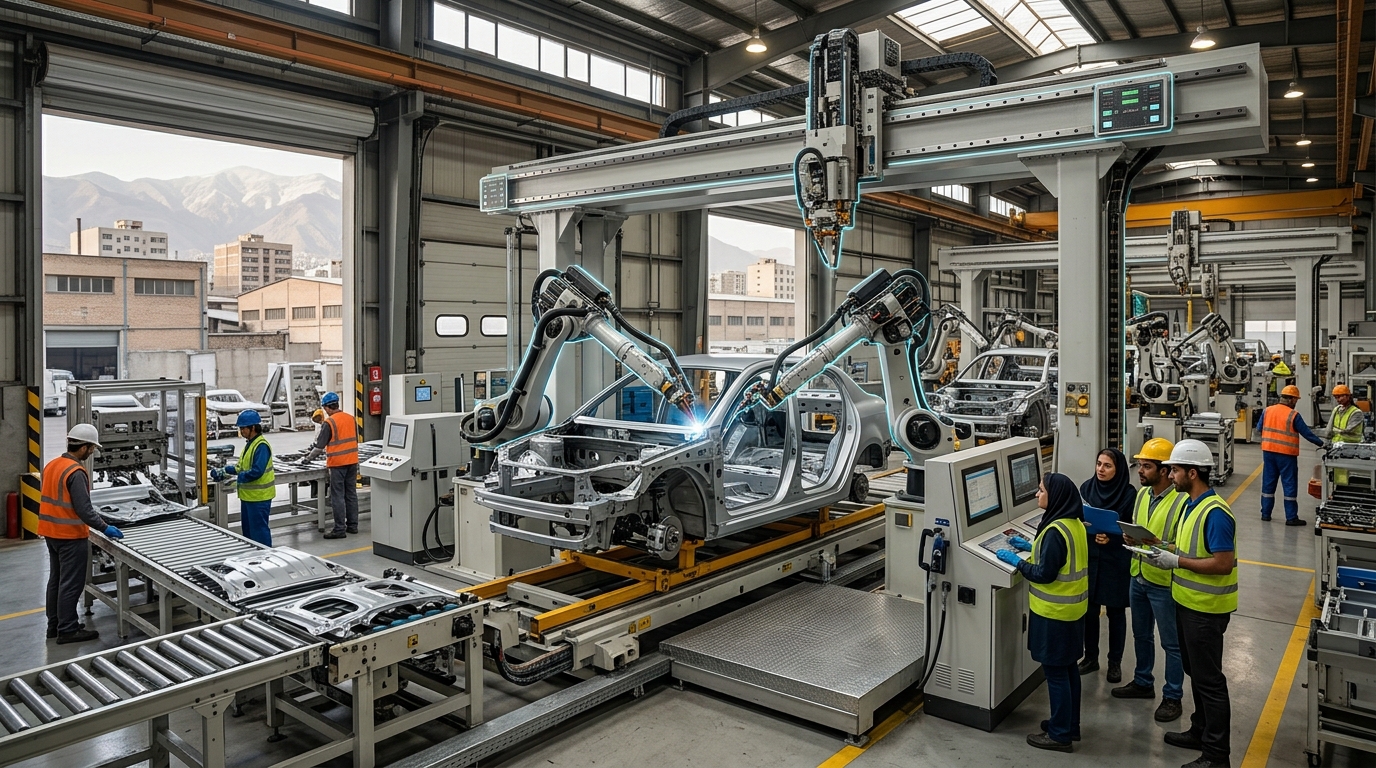
Middle East's largest automotive industry with ~1.2M vehicles/year production via IKCO and SAIPA — 1,200 parts companies, 15,000 factories in the supply chain.
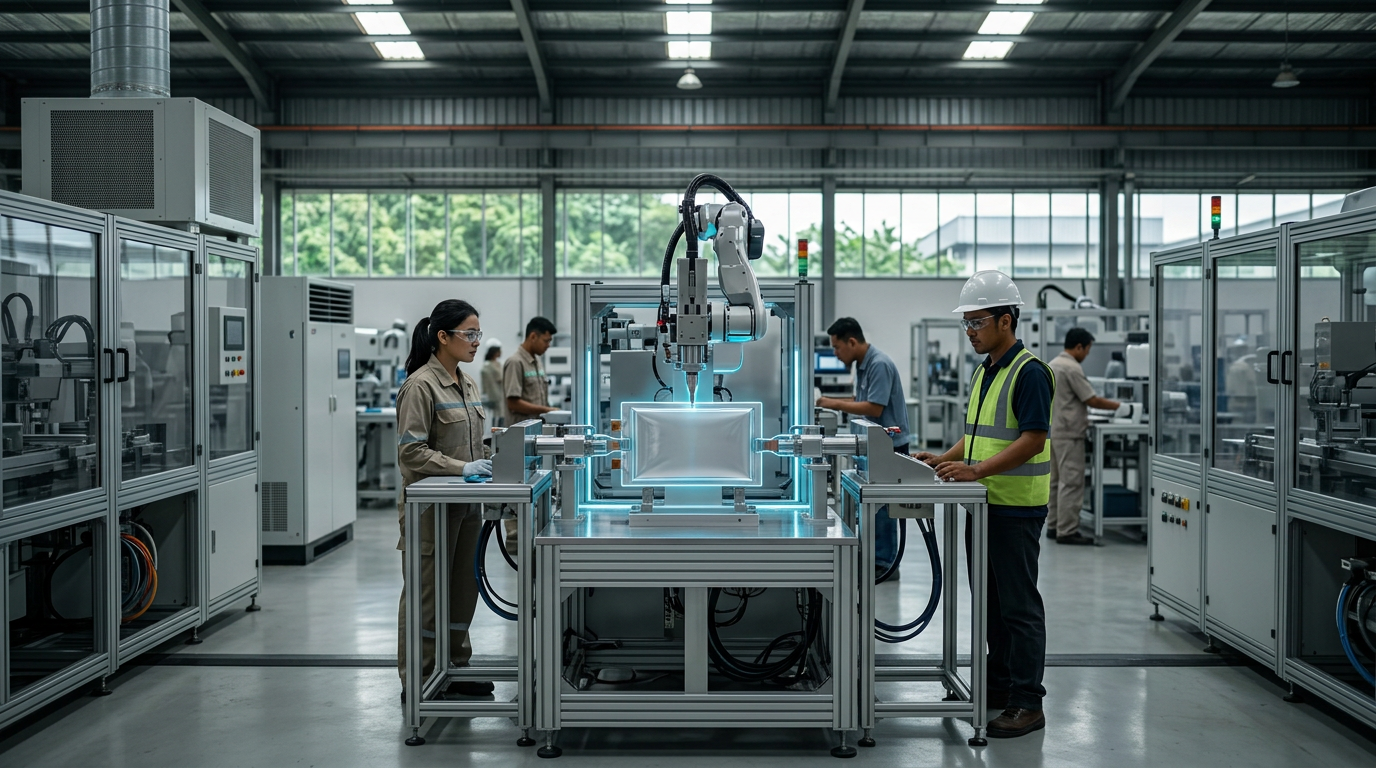
Indonesia leverages its nickel reserves to attract LG, CATL, and Hyundai battery cell manufacturing, targeting full cathode-to-cell production in Sulawesi and Java industrial zones.
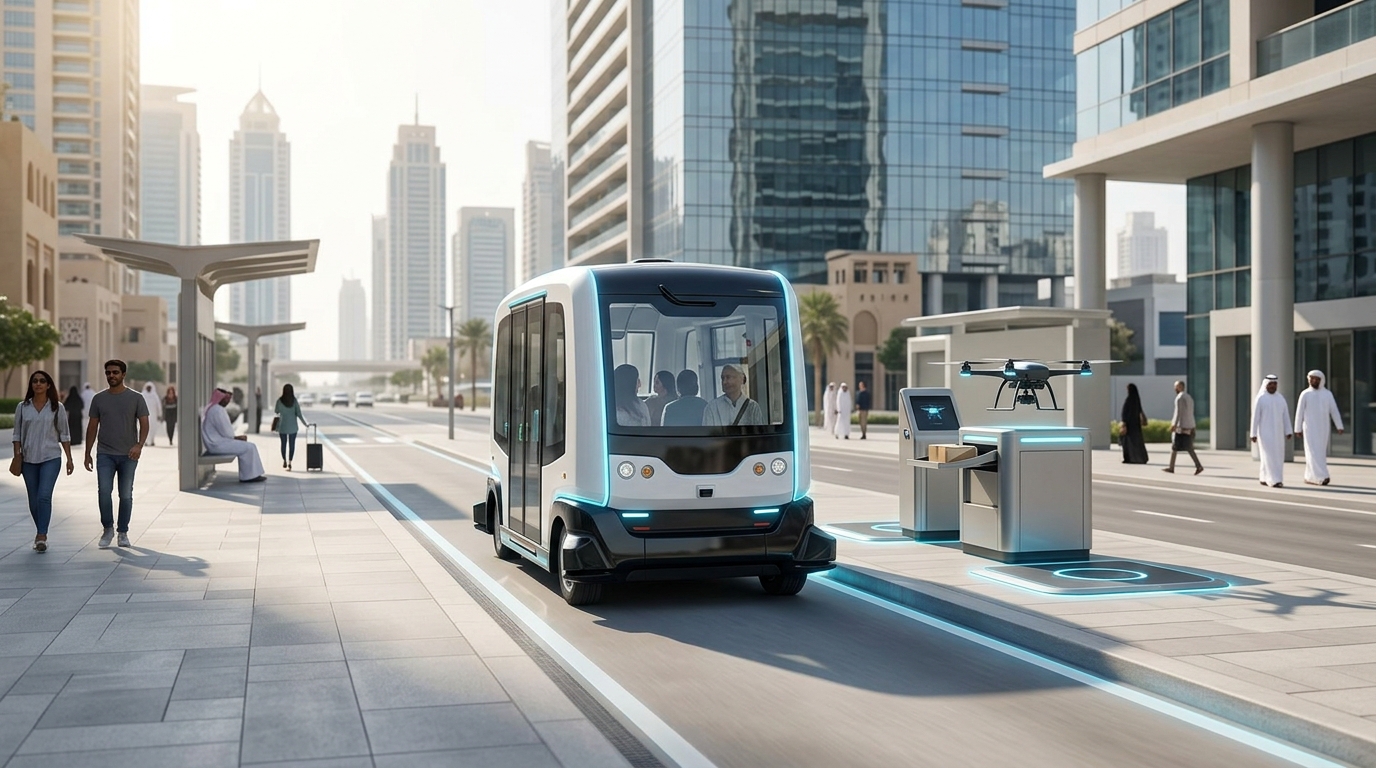
Dubai aims to make 25% of all trips autonomous by 2030, with active deployments of autonomous taxis, autonomous metro extensions, and drone delivery services.
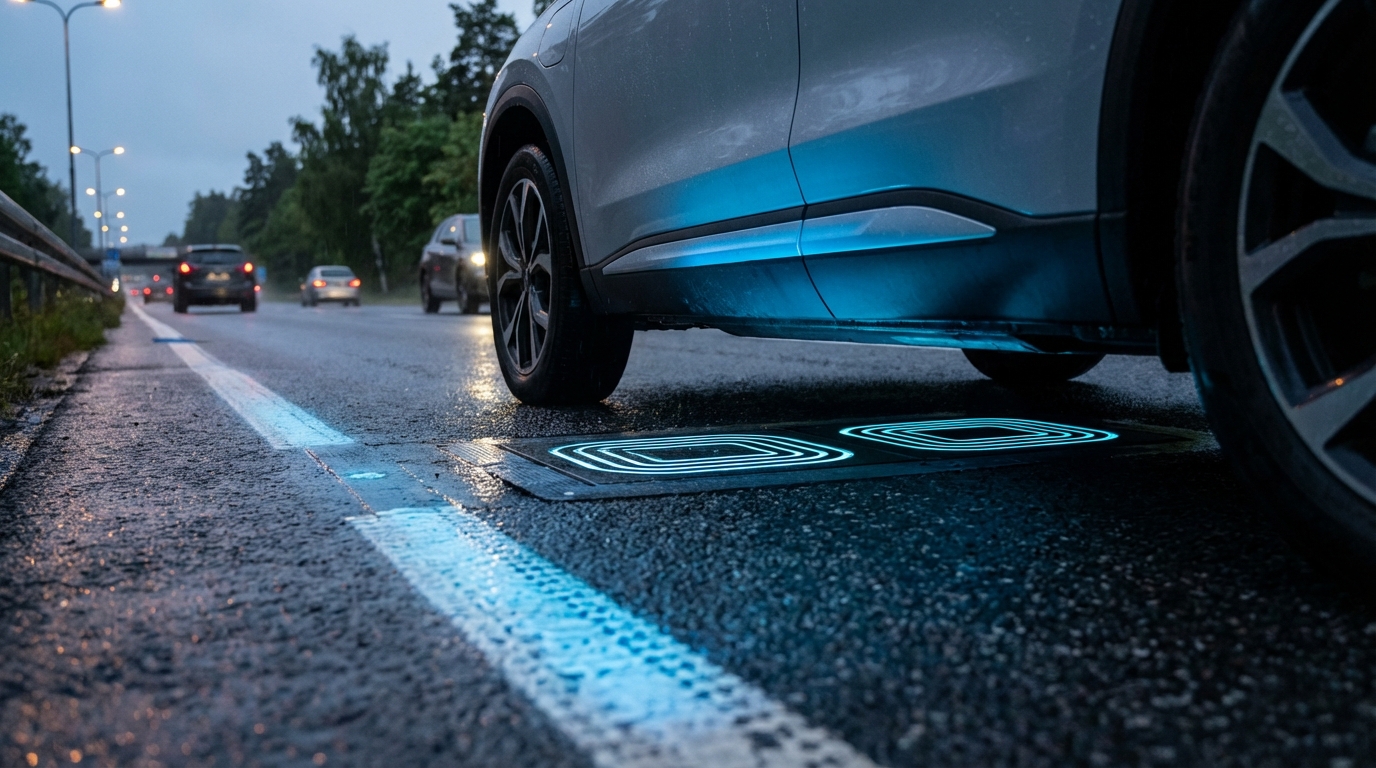
Road-embedded inductive coils that charge electric vehicles while driving
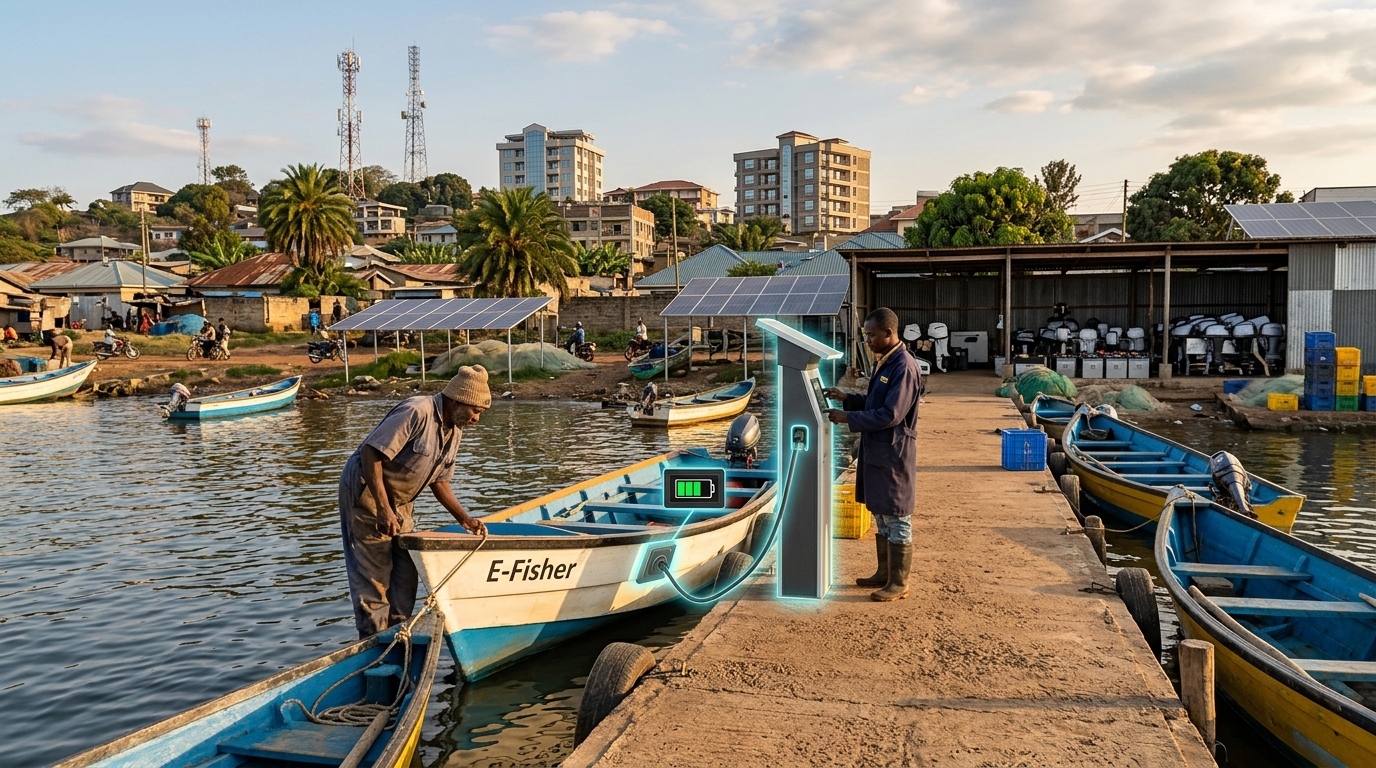
East African startups are developing electric boats for Lake Victoria's 70,000+ fishing vessels and passenger ferries — replacing dangerous petrol-powered boats with solar-charged electric motors.
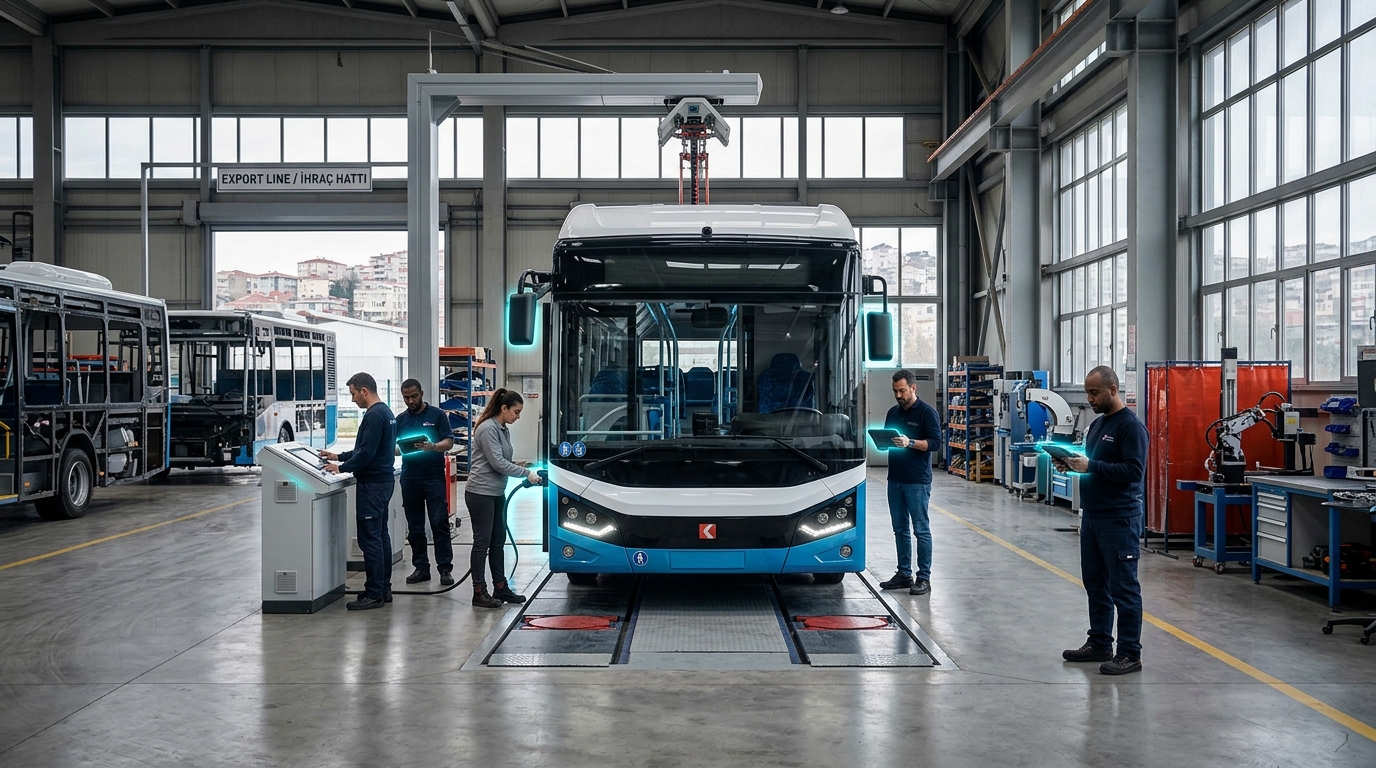
Turkish-made electric buses account for 84% of Turkey's EV bus exports to Europe, with Karsan e-ATA operating in 16+ European countries and Temsa expanding globally.
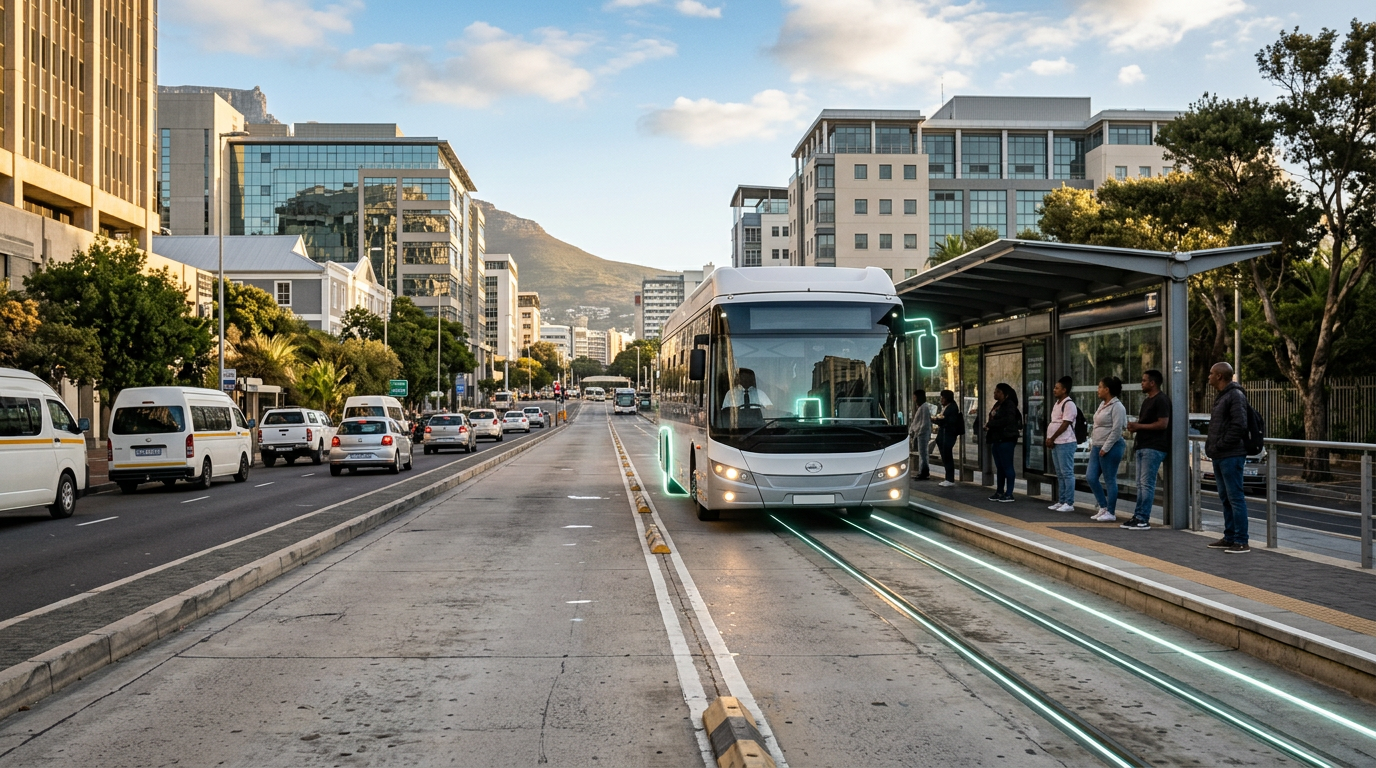
South African cities are deploying Africa's first electric BRT buses, with Cape Town and Johannesburg piloting battery-electric vehicles on dedicated busways.
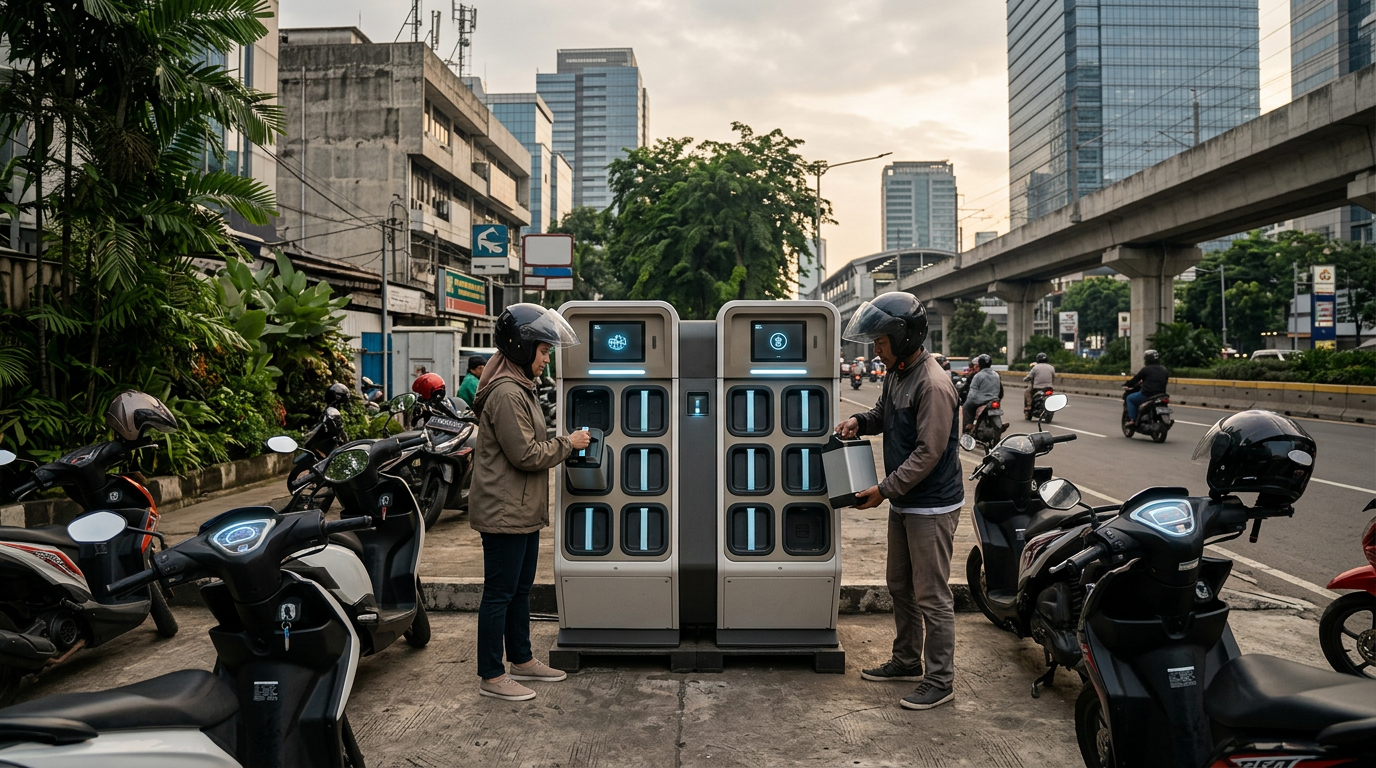
Indonesia is deploying interoperable battery swap networks for its 90M-motorbike market, with Gogoro, Swap, and local players building station infrastructure across Java.

Indonesia's 90M motorbike market is transitioning to electric, with local startup Alva, plus Gogoro and VinFast building production capacity targeting affordable urban transport.
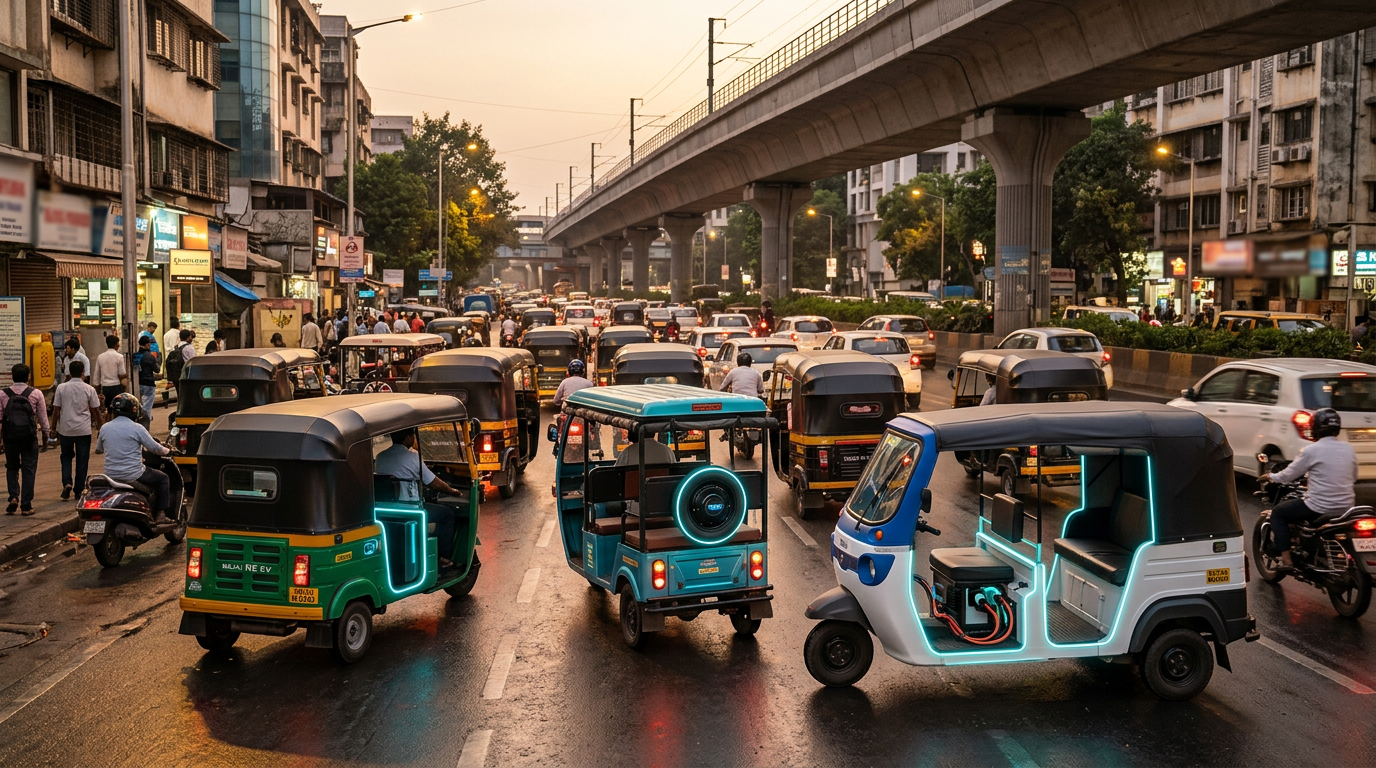
India's three-wheeler segment achieved the highest EV adoption rate of any vehicle category globally — 1.73 million e-rickshaws sold, from Bajaj and Mahindra to $1,500 grassroots builds.
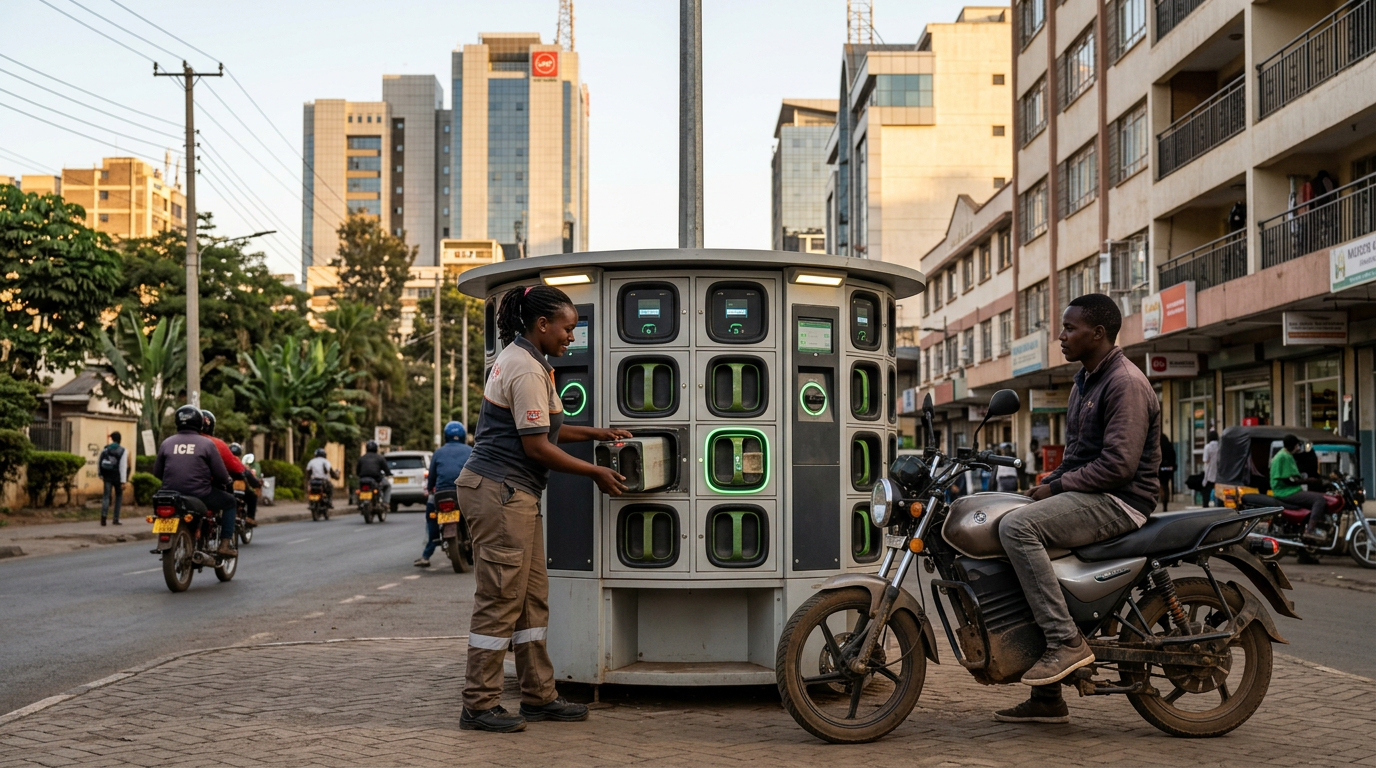
Spiro and Roam are building Africa's EV infrastructure from scratch — 10,000+ electric motorcycles deployed with battery-swap networks across 6 countries, targeting 2M bikes by 2030.
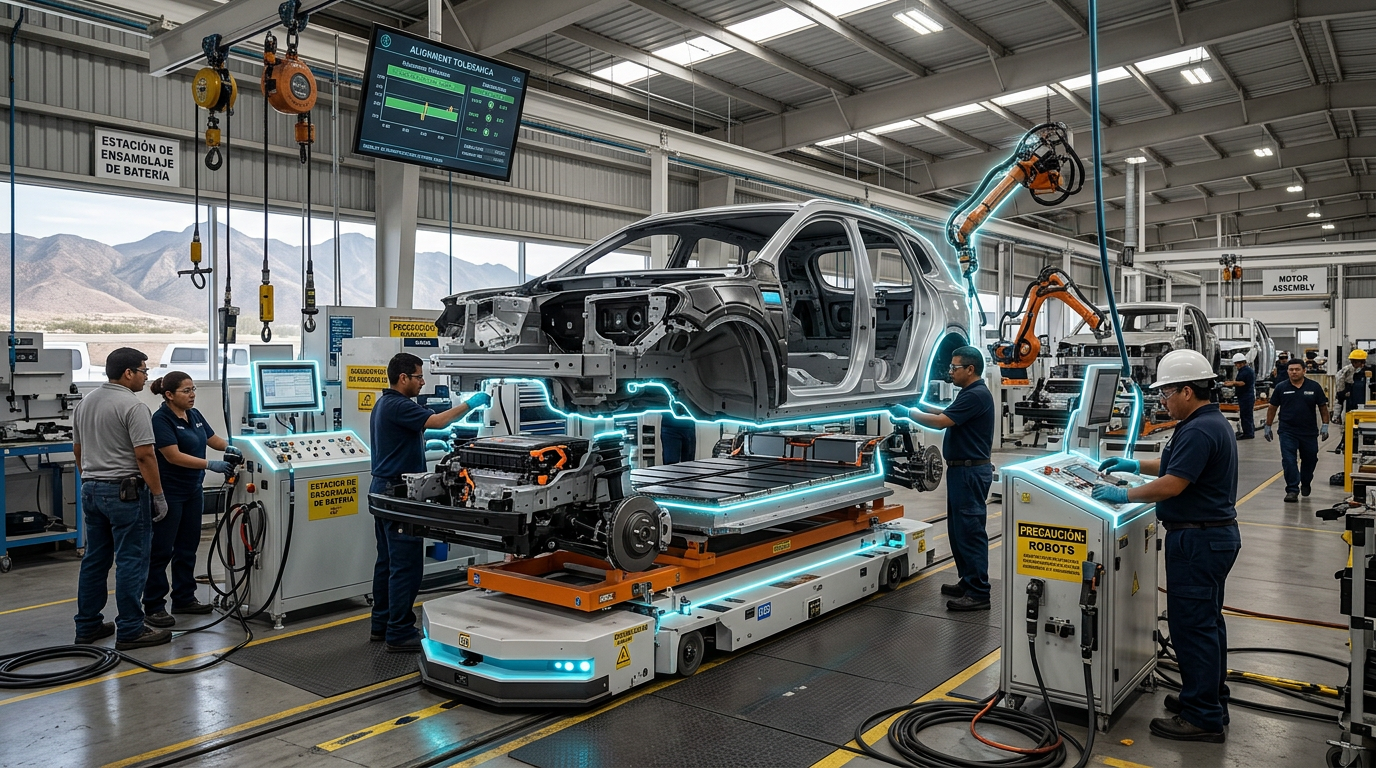
Mexico's EV production surged 72% in early 2025; Tesla's $5B Monterrey gigafactory, BMW, and Chinese OEMs are building integrated assembly for the North American market.
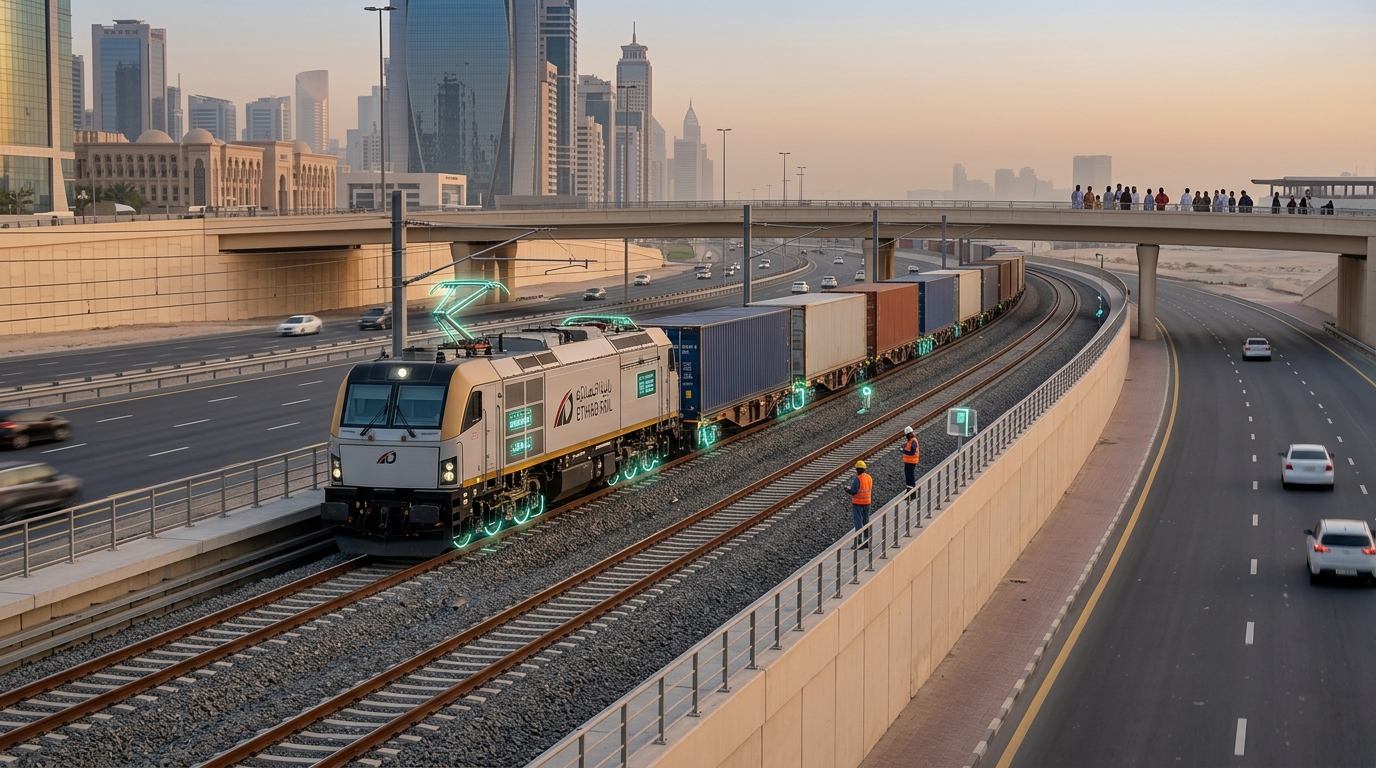
The UAE's $11B Etihad Rail network is connecting all seven emirates with 1,200km of rail for the first time, transforming logistics and enabling passenger services by 2030.

Thailand's EV transition is driving battery cell production investments, with Chinese manufacturers (BYD, CATL) and local players building gigawatt-hour capacity in the Eastern Economic Corridor.
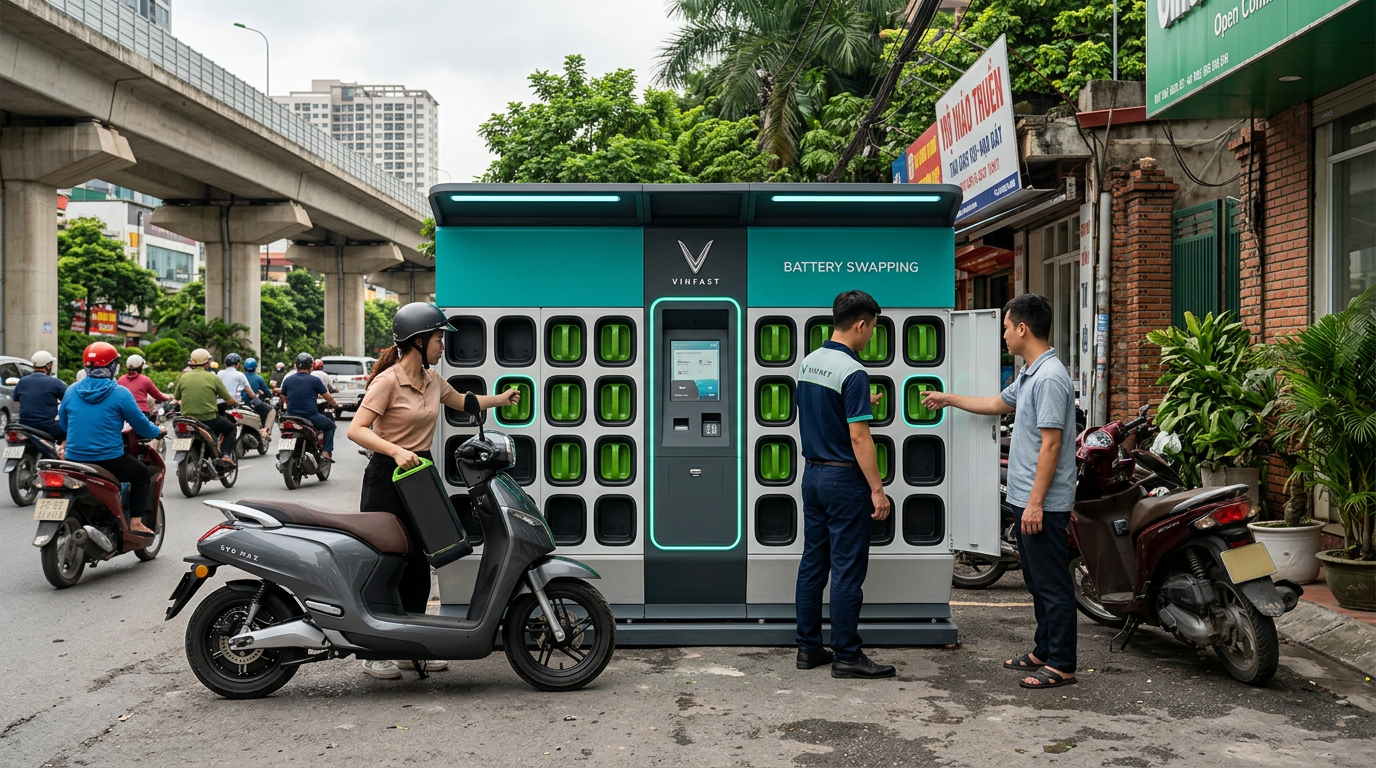
VinFast is deploying a nationwide battery-swapping network for electric scooters in Vietnam, starting with the Evo Max, targeting the 45M motorbike market.
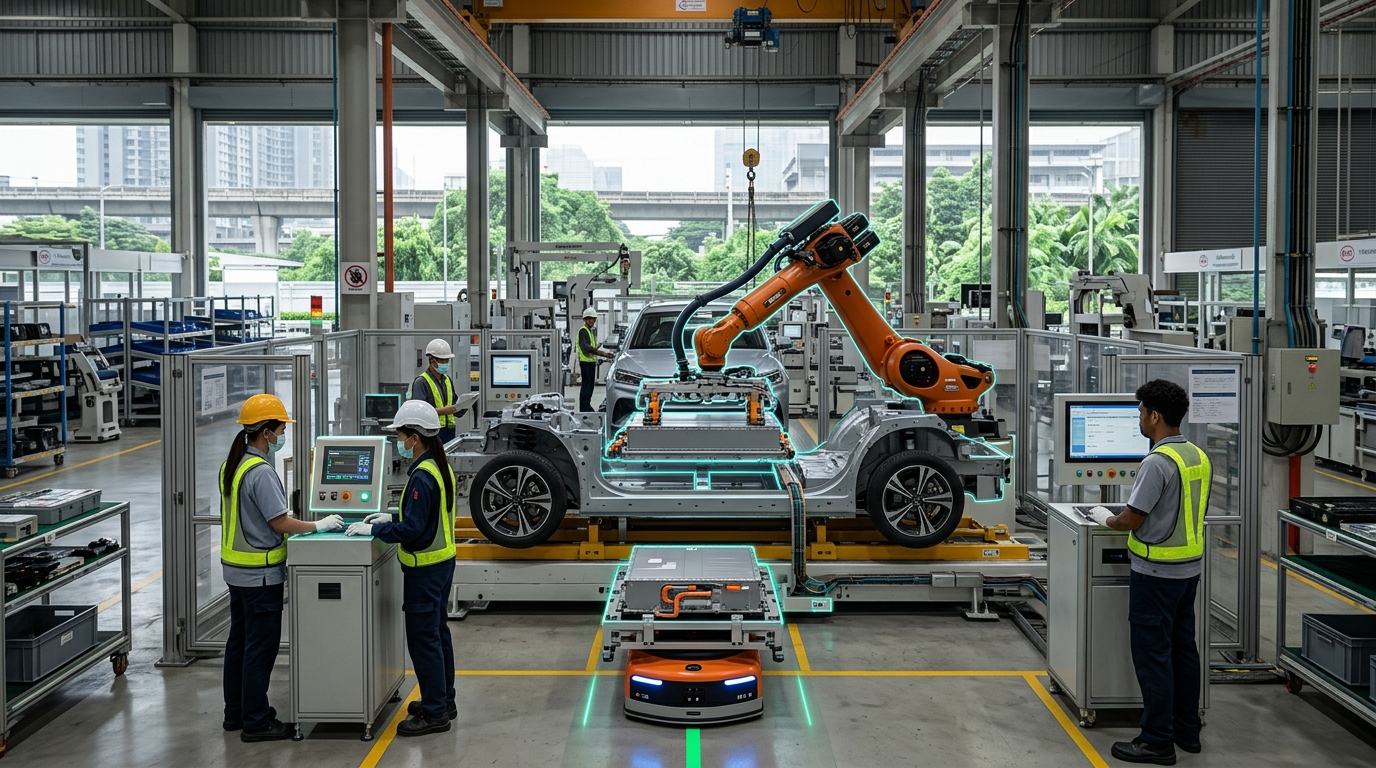
Thailand's EV manufacturing pivot hosts BYD's first overseas factory (150K units/year), already exporting to Europe, with projections to reach 52,000 exports by 2026.
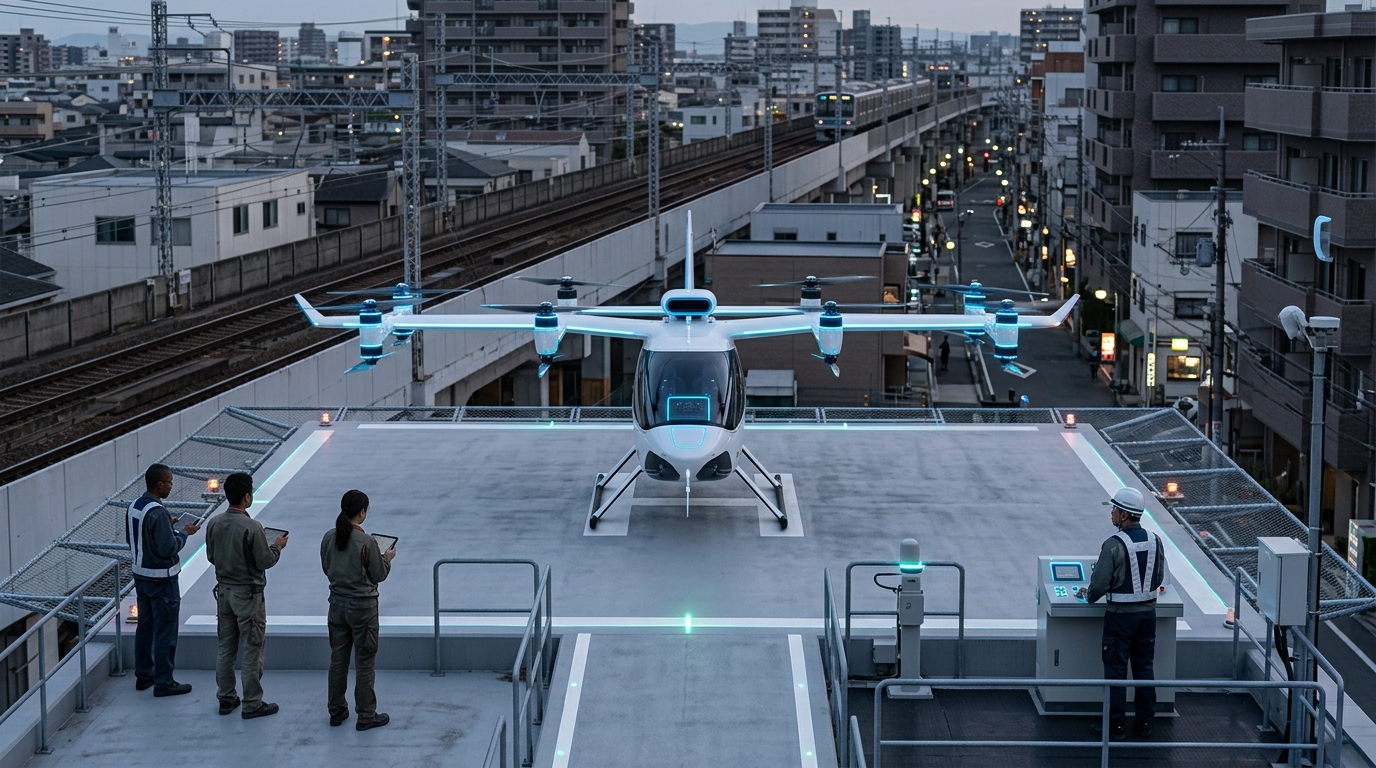
SkyDrive conducted Japan's first public eVTOL demo flights at Osaka Expo 2025 and is expanding to US markets with showroom partners in Florida.
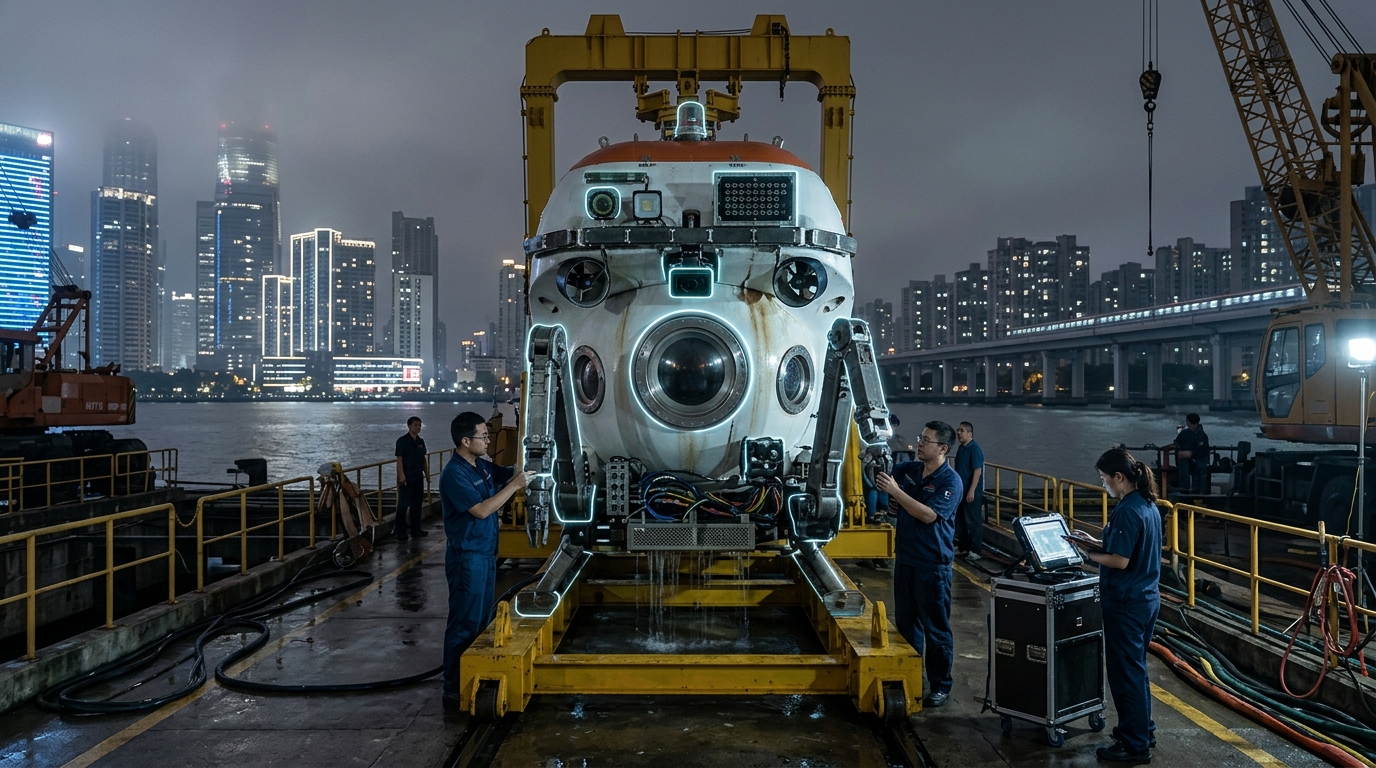
China leads the world in ultra-deep manned ocean exploration — 329 dives, 25 below 10,000 meters, discovering 7,564 microbial species (89% unknown to science)
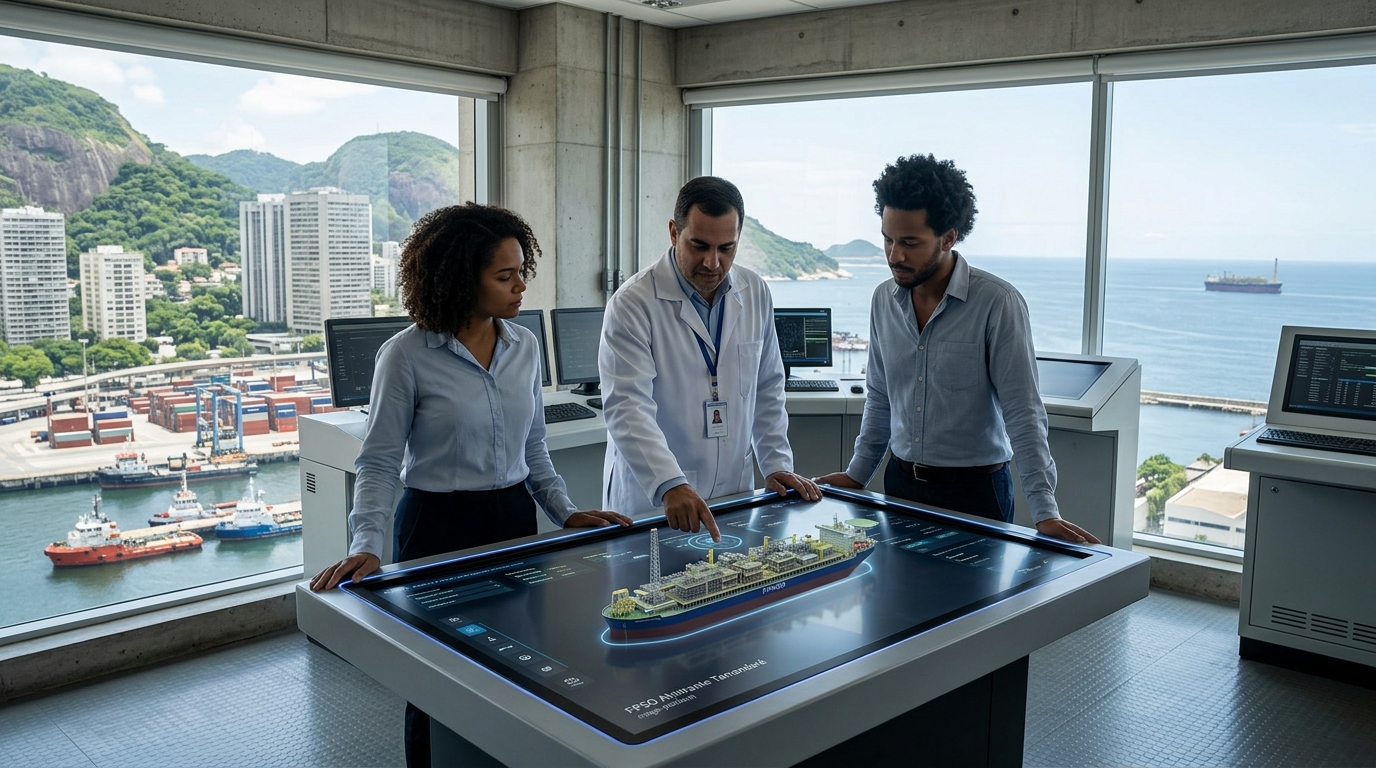
Floating Production Storage and Offloading vessels the size of aircraft carriers — the Almirante Tamandaré stands 182 meters tall, processing 270,000 barrels/day in open ocean
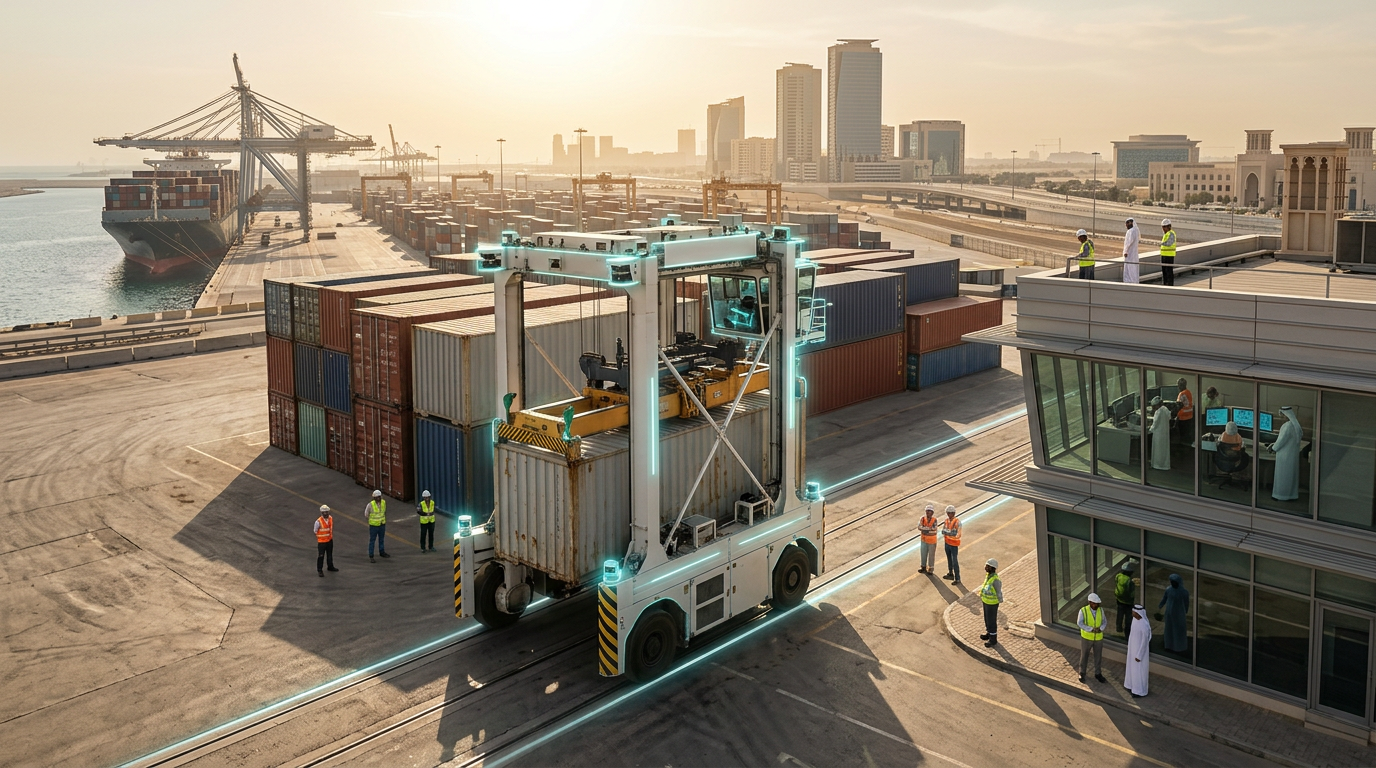
Jebel Ali (DP World), Khalifa Port, and King Abdullah Port deploy automated container handling, AI-driven logistics optimization, and blockchain-based trade documentation.
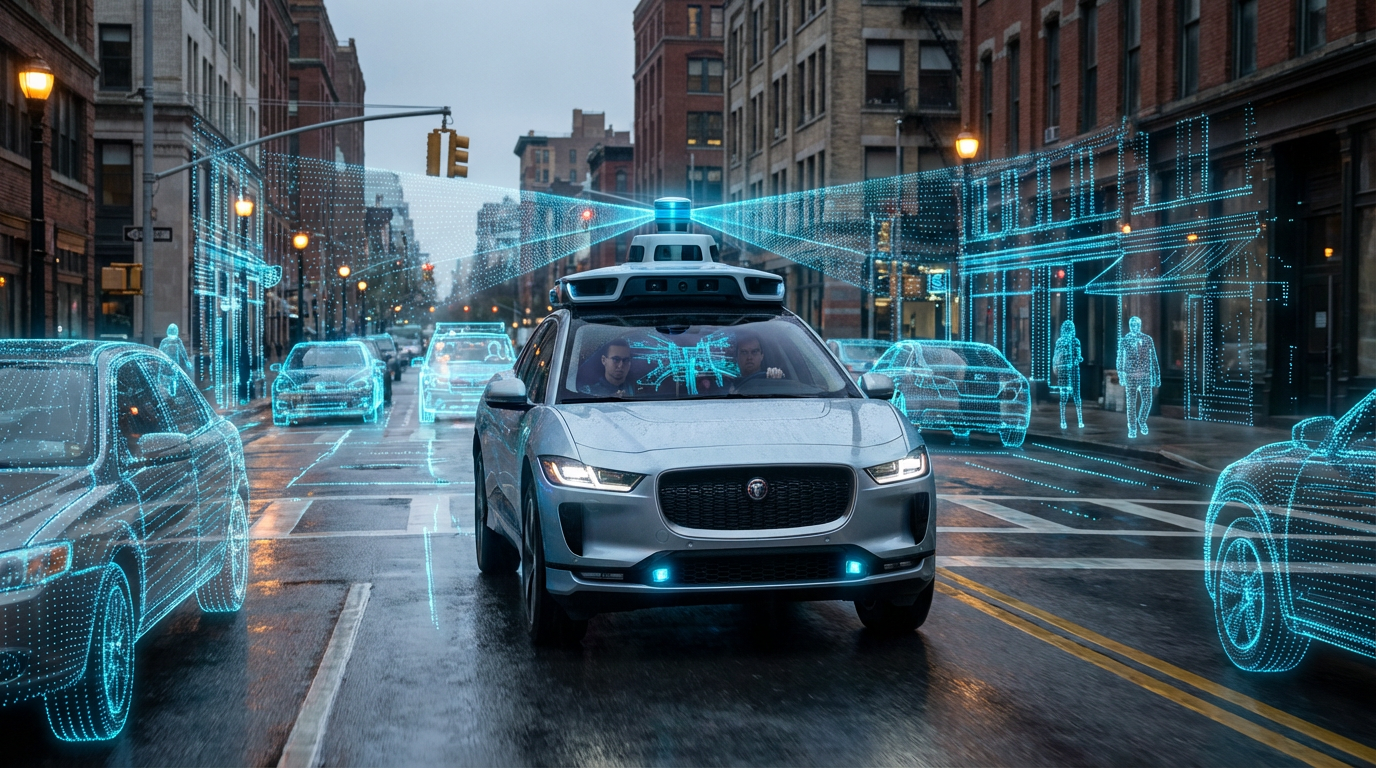
3D maps with contextual layers that help autonomous vehicles understand road environments
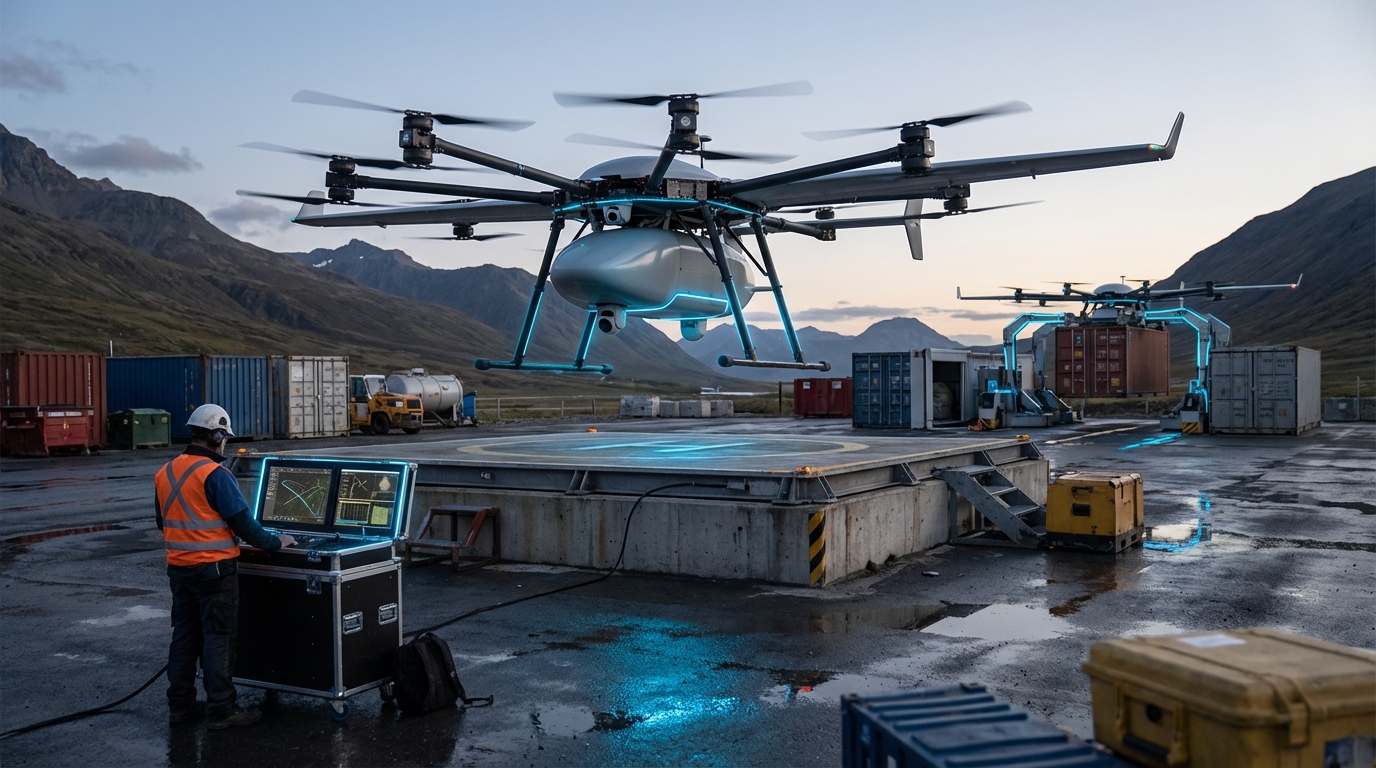
Autonomous aerial vehicles transporting 100+ kg payloads for middle-mile and remote logistics
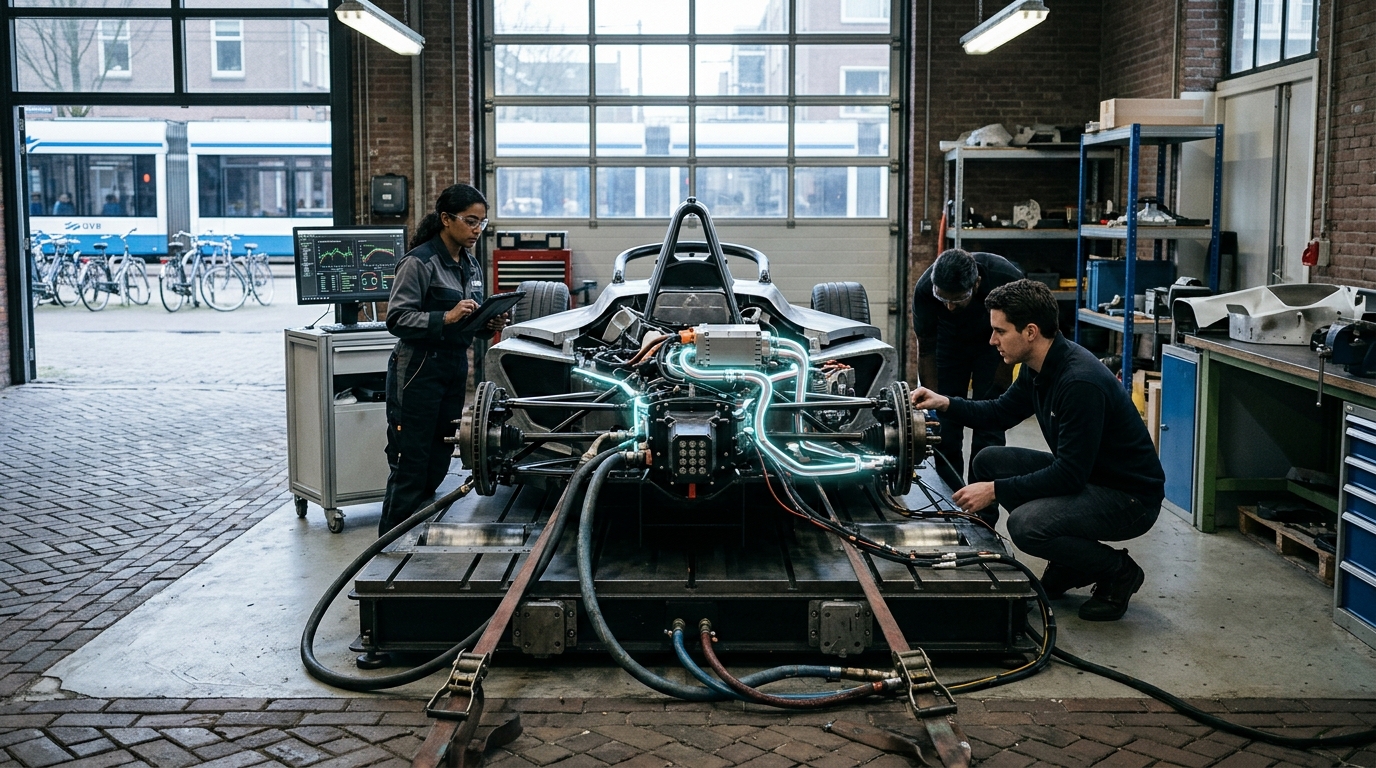
Hyperdrives (Germany) developed hollow-conductor cooling for electric motors — 3x current density of conventional motors, enabling mass-producible motorsport-level performance
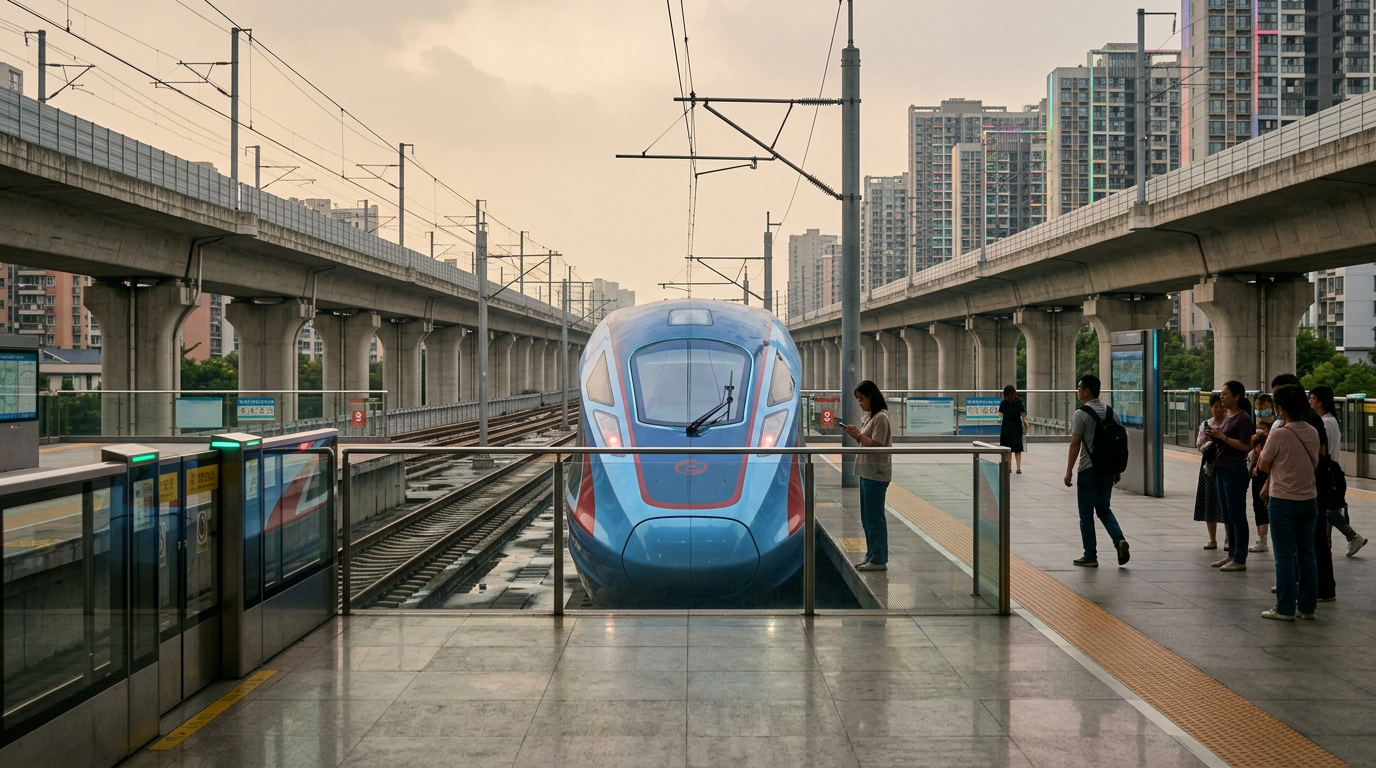
China operates 45,000+ km of high-speed rail — more than the rest of the world combined — connecting cities at 350 km/h
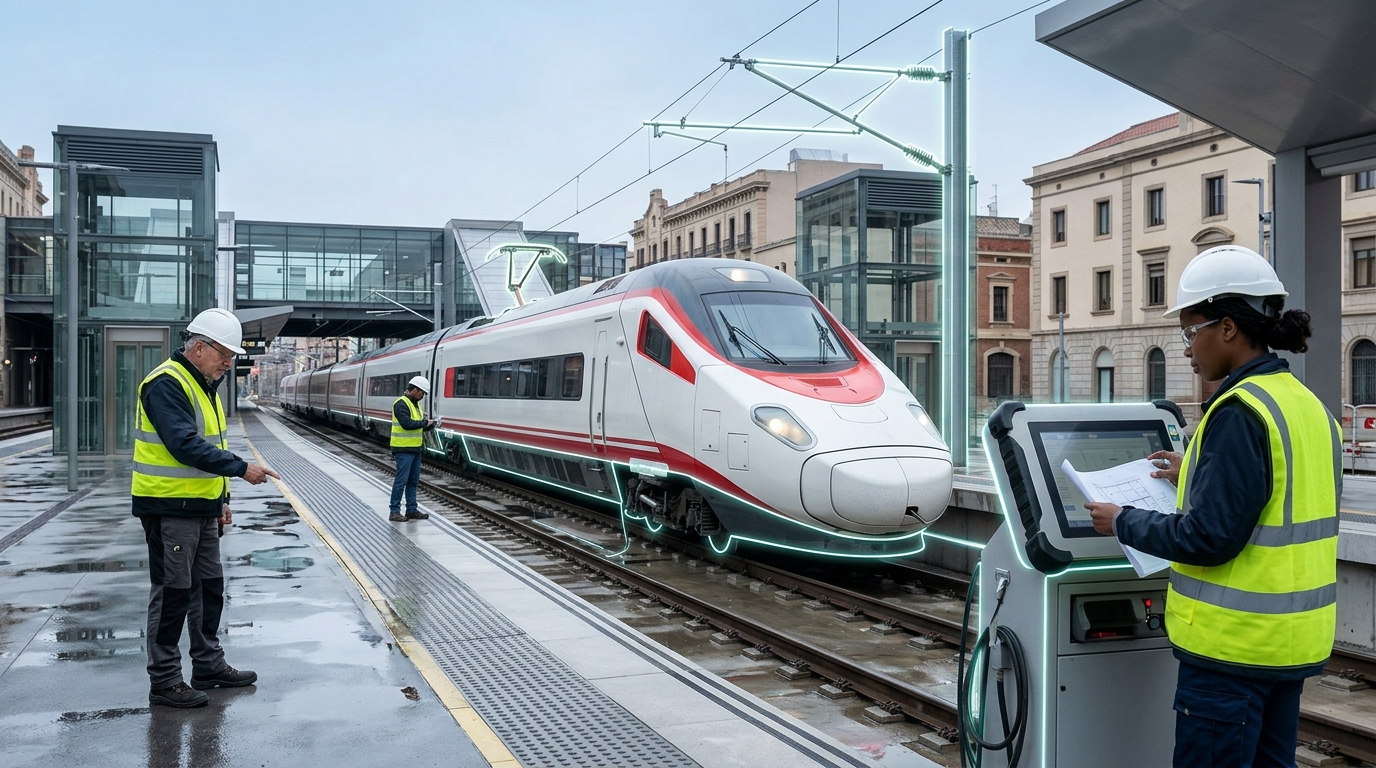
Europe's 10,000+ km high-speed rail network expanding with cross-border connections — Paris-Madrid, Baltic Rail Baltica, and Athens-Sofia planned by 2035
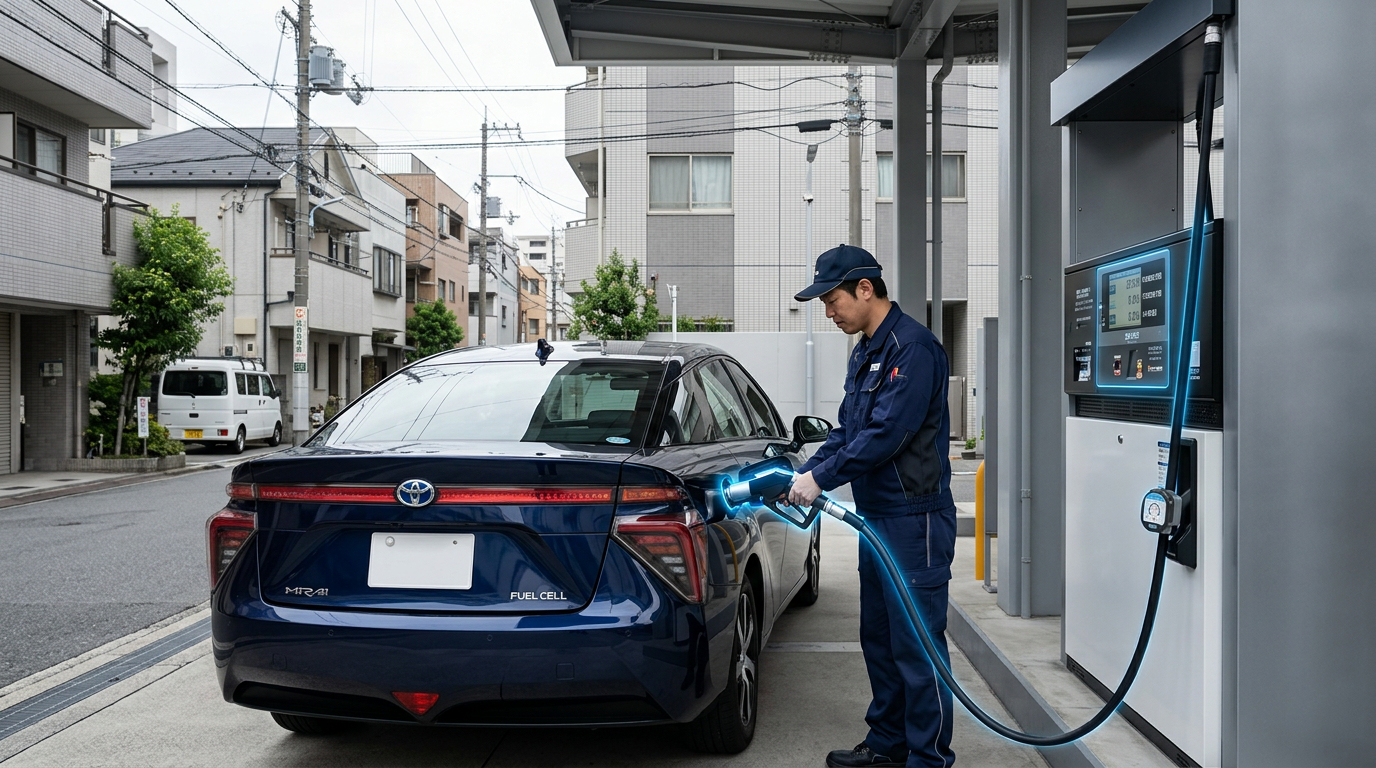
Japan operates the world's most extensive hydrogen refueling network (~160 stations) with Toyota Mirai and Honda CR-V FC leading fuel cell vehicle production.

High-pressure stations enabling fast refueling for fuel cell electric vehicles
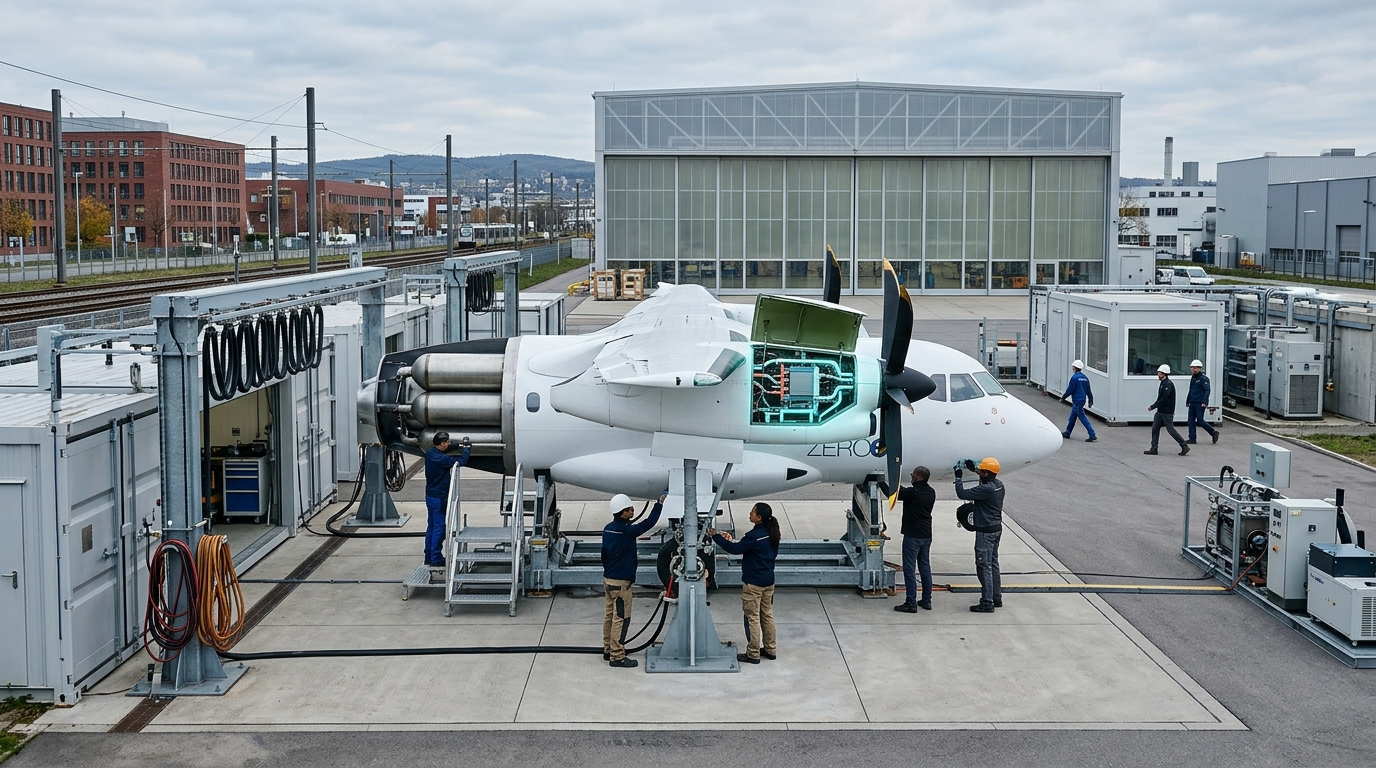
Airbus ZEROe program developing hydrogen fuel cell aircraft for regional routes — the most powerful aviation fuel cell ever tested at 1.2 MW
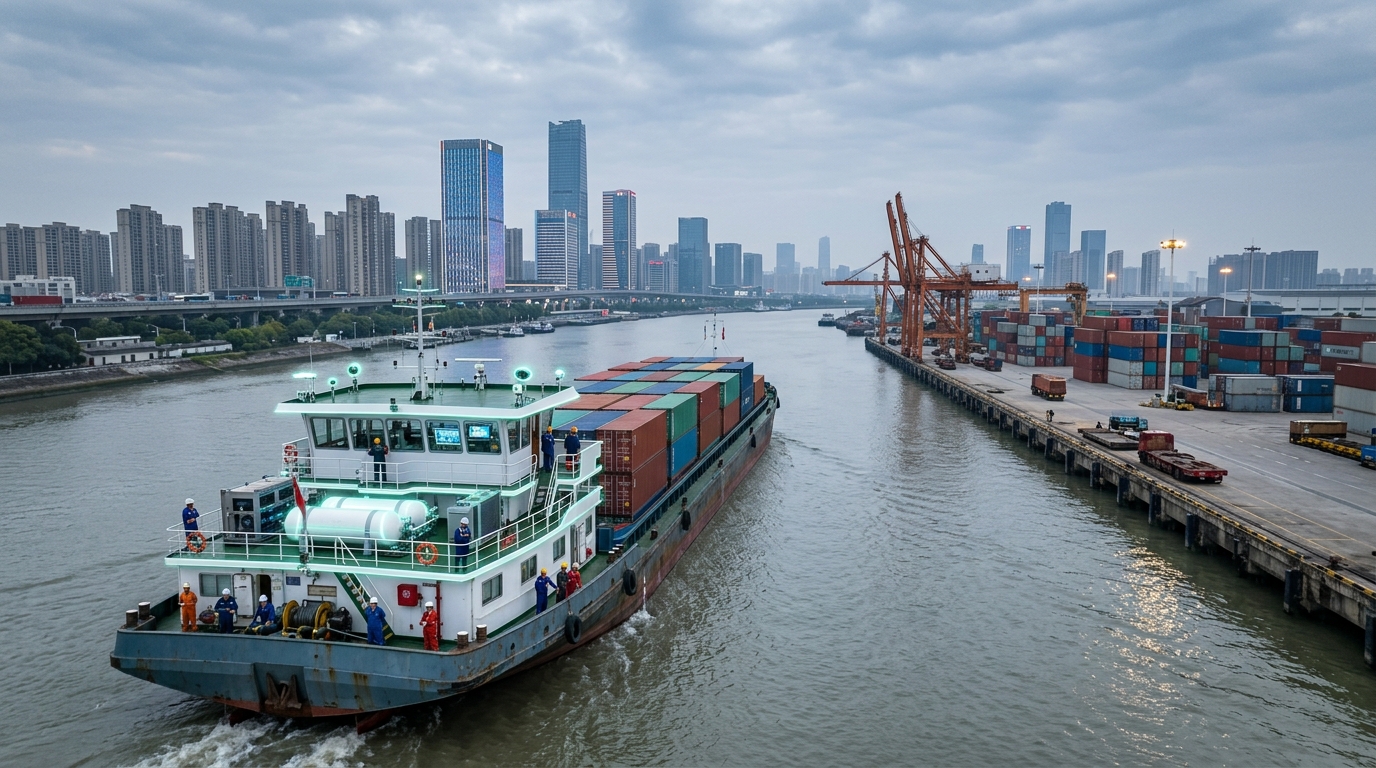
China launched its first hydrogen-powered container ship for inland waterways in Zhejiang Province, beginning operations in 2025
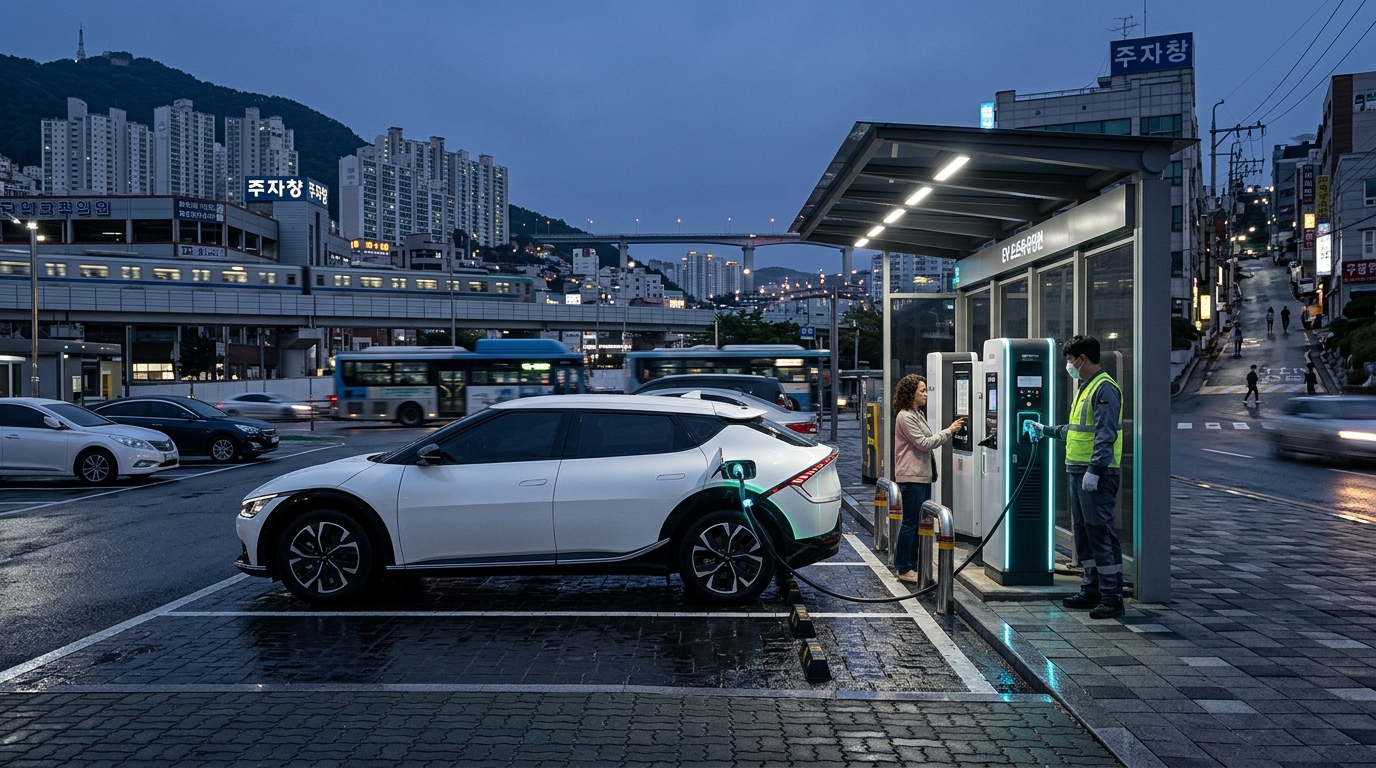
Hyundai and Kia's E-GMP and new IMA platforms underpin vehicles like the Ioniq 5, Ioniq 6, EV6, and EV9, with 800V architecture enabling 10-80% charging in 18 minutes.
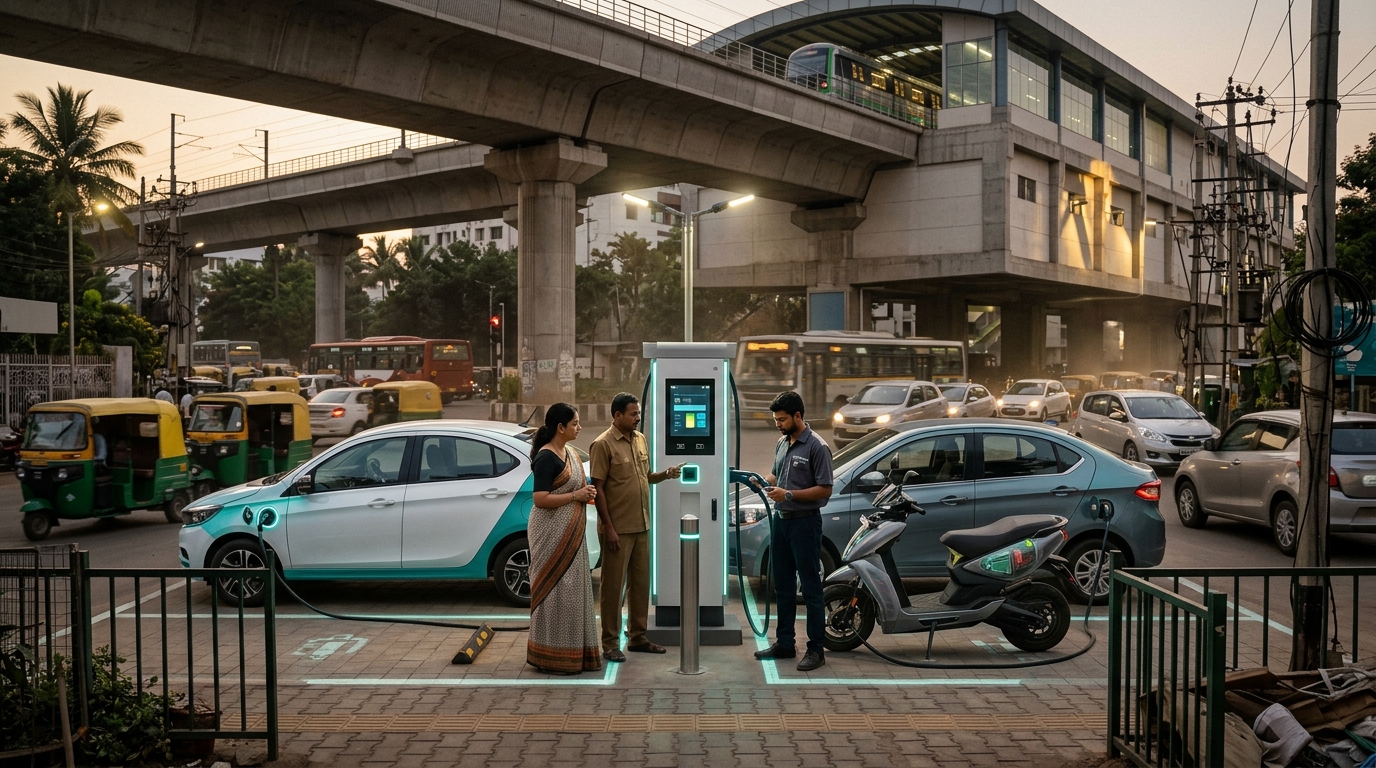
A rapidly growing domestic EV market led by Tata Motors (electric cars), Ather Energy (premium e-scooters), and Mahindra — targeting the world's third-largest automotive market.
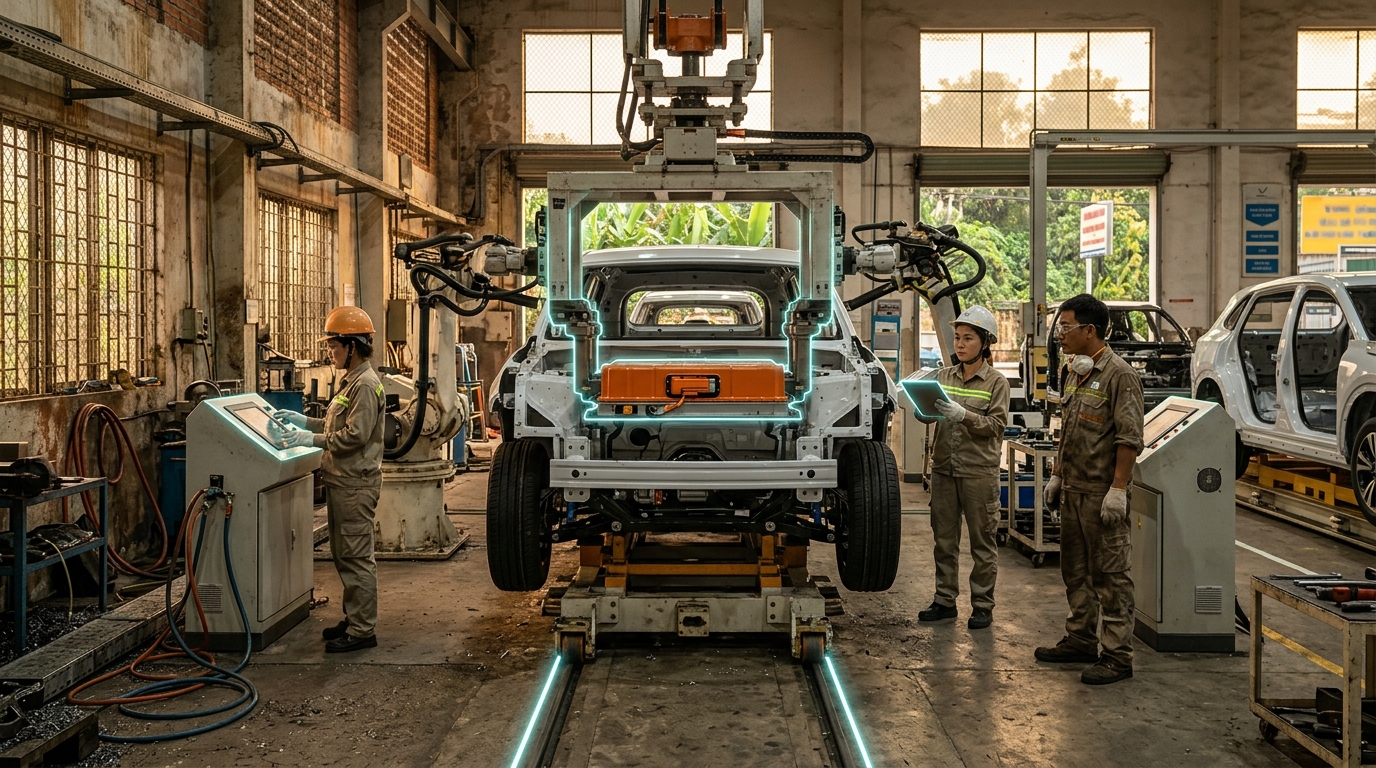
VinFast operates two Vietnamese factories producing 500K EVs/year with plans for range-extended electric vehicles, making Vietnam a rare emerging-market indigenous EV maker.
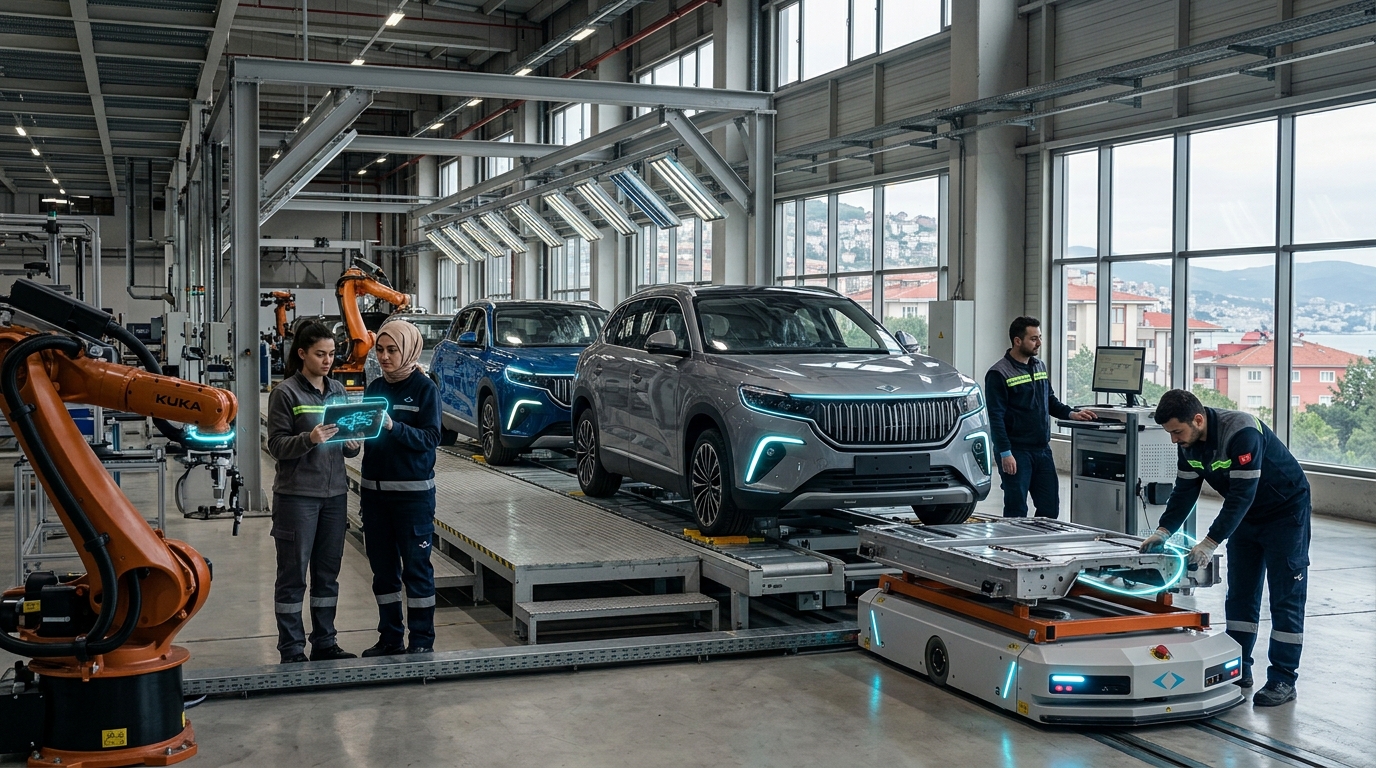
Togg T10X sold 30,000+ units in 2024 with ~20% Turkish EV market share, outselling all EV brands except Tesla Model Y, and launched German sales in late 2025 from $40,300.
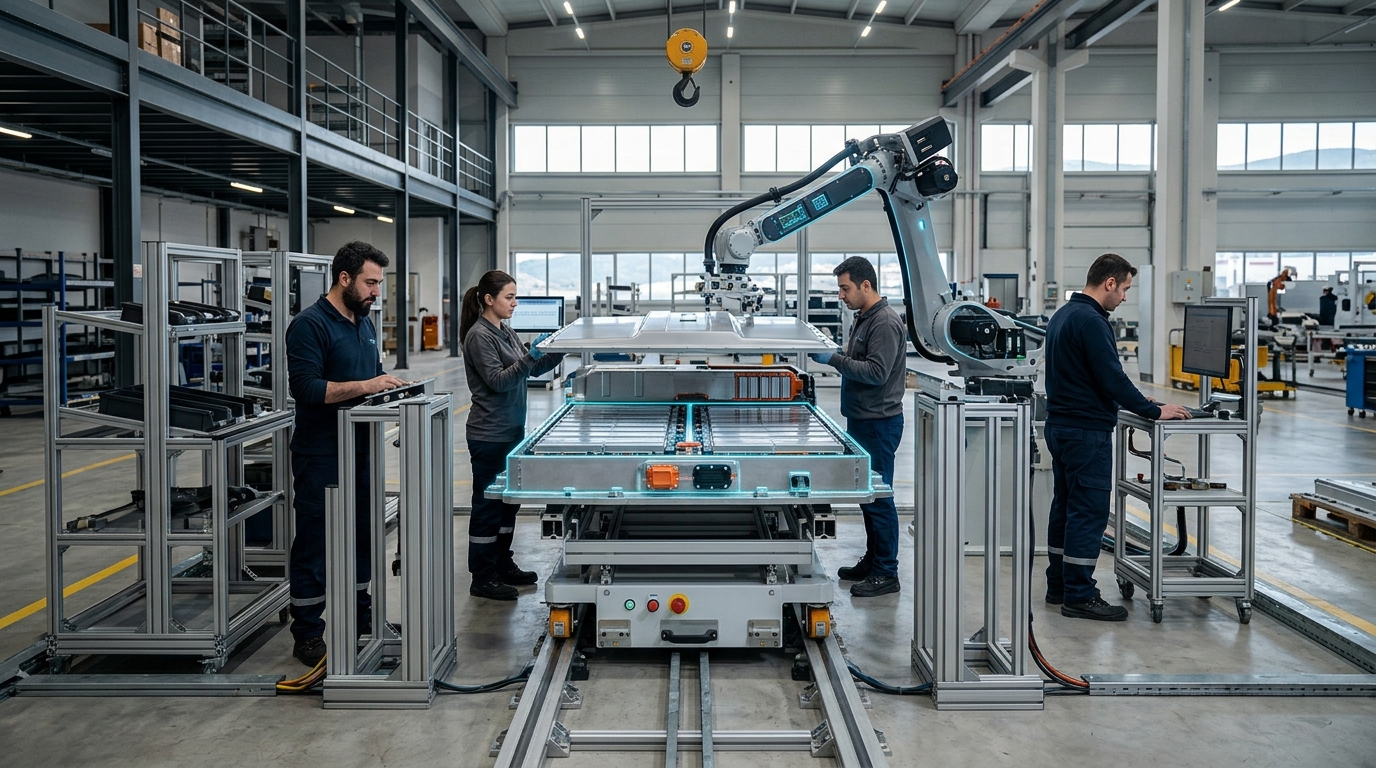
Siro (Togg subsidiary) produces lithium-ion battery packs domestically at the Gemlik factory, establishing Turkey's first sovereign EV battery supply chain.
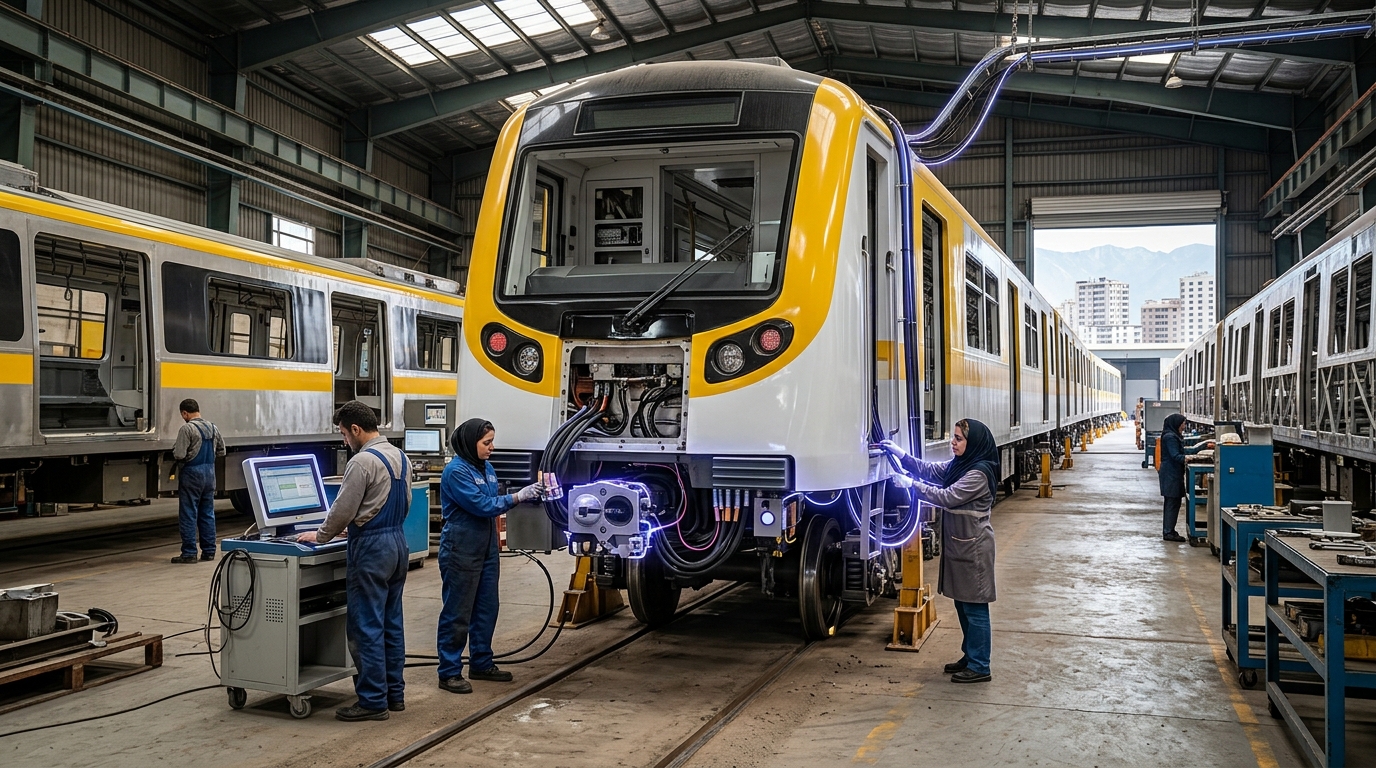
Serial production of domestically designed metro trains with 85% local content — Wagon Pars and Tehran Wagon Mfg produce 1 car/day for 5 operational metro systems across Iran.
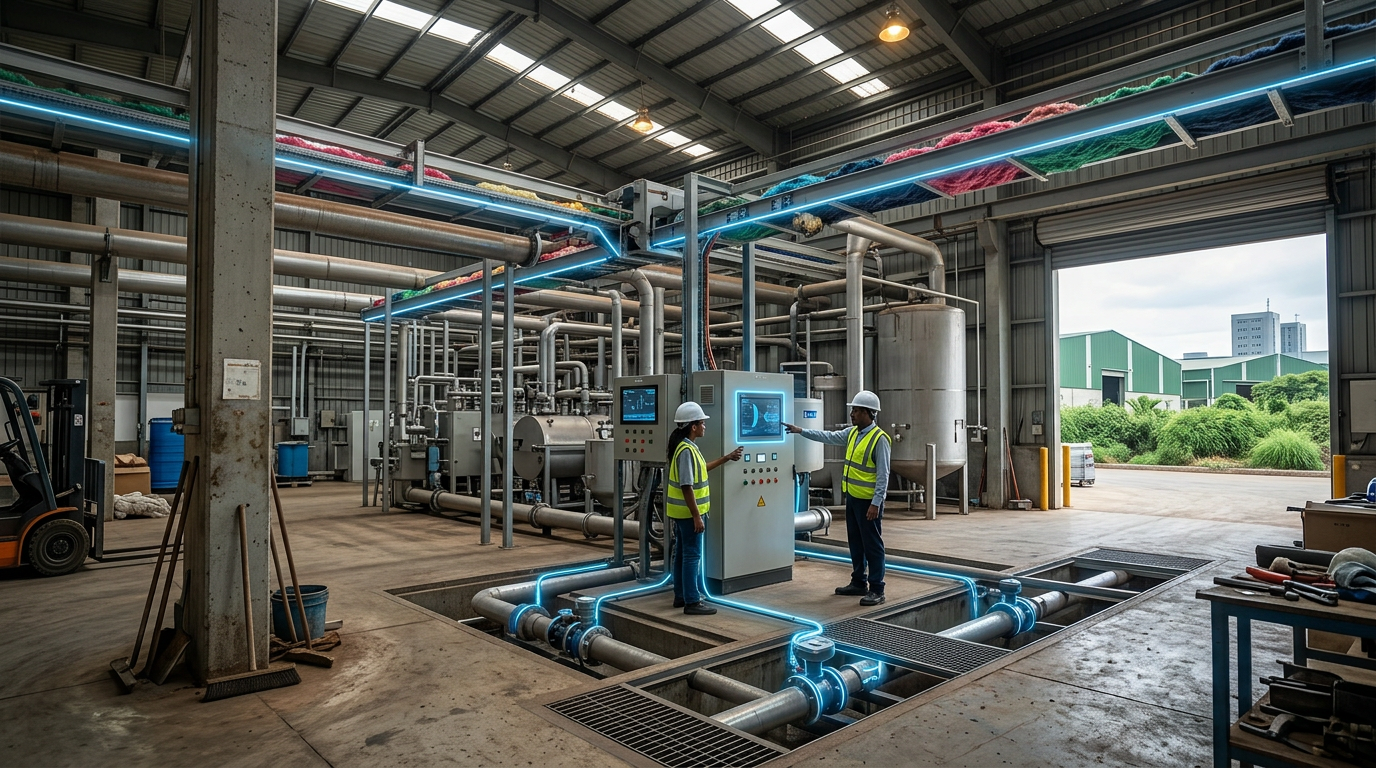
Ethiopia's Hawassa Industrial Park — Africa's largest at 1.4M sqm — integrates zero-liquid-discharge textile processing, on-site water treatment, and 50km of underground piping in a closed-loop system.
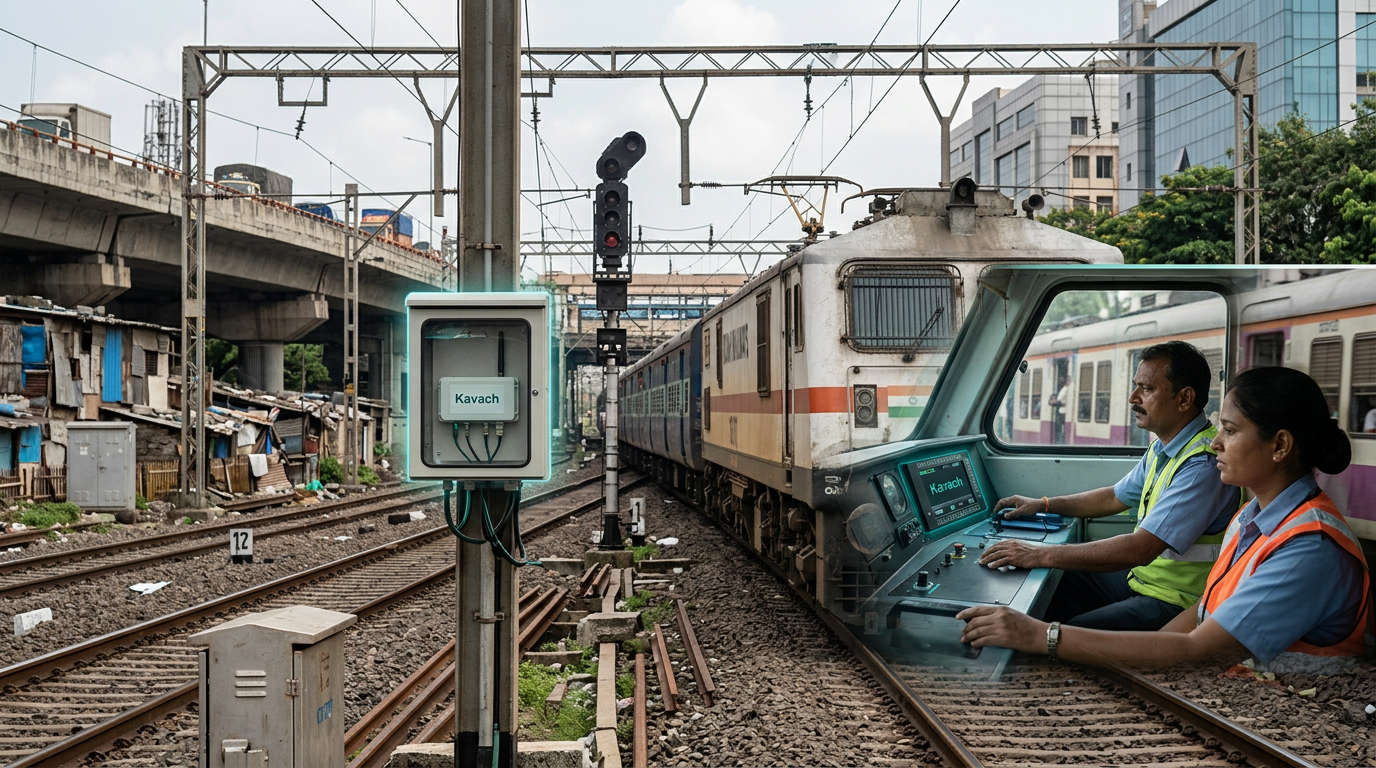
India's indigenous automatic train collision avoidance system uses RFID and radio to prevent accidents, designed to protect the world's 4th-largest rail network at a fraction of European system costs.
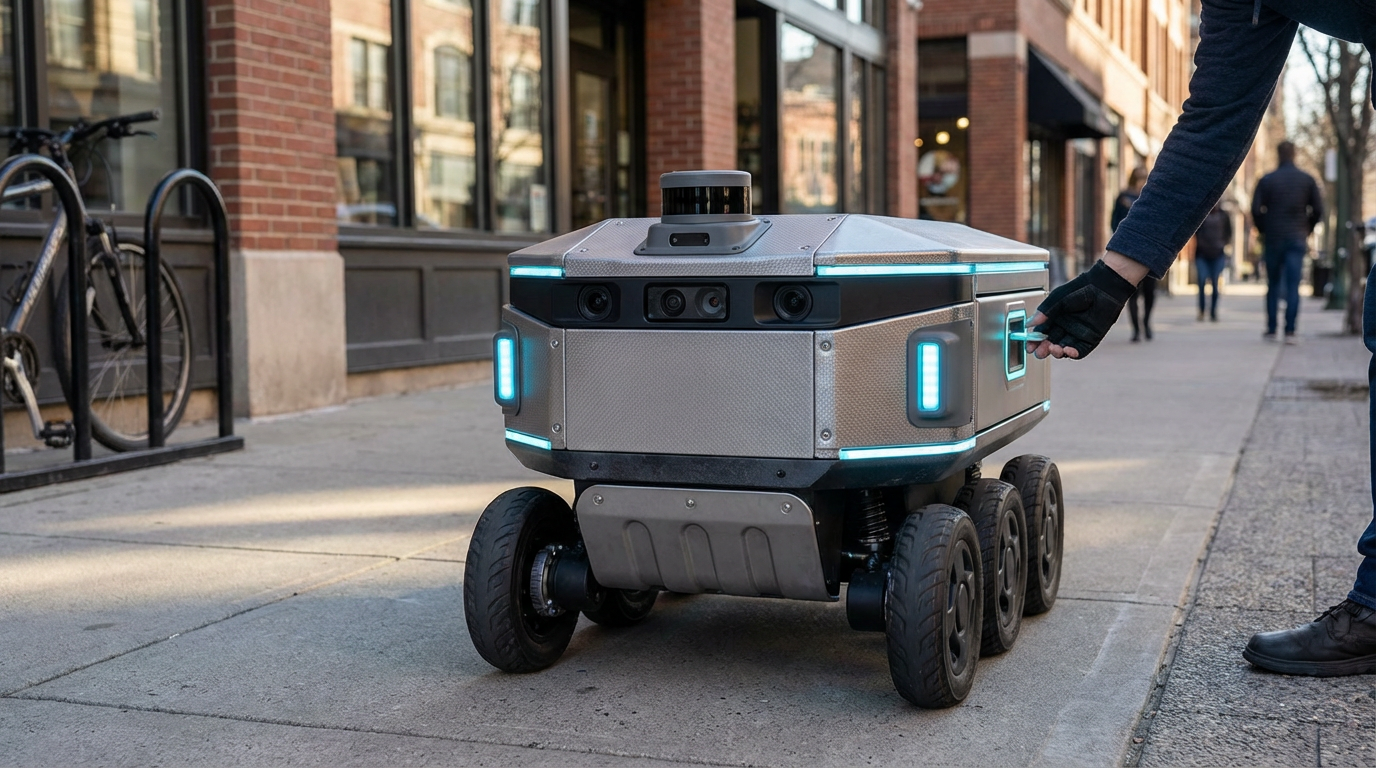
Autonomous sidewalk robots delivering packages and food at walking speed
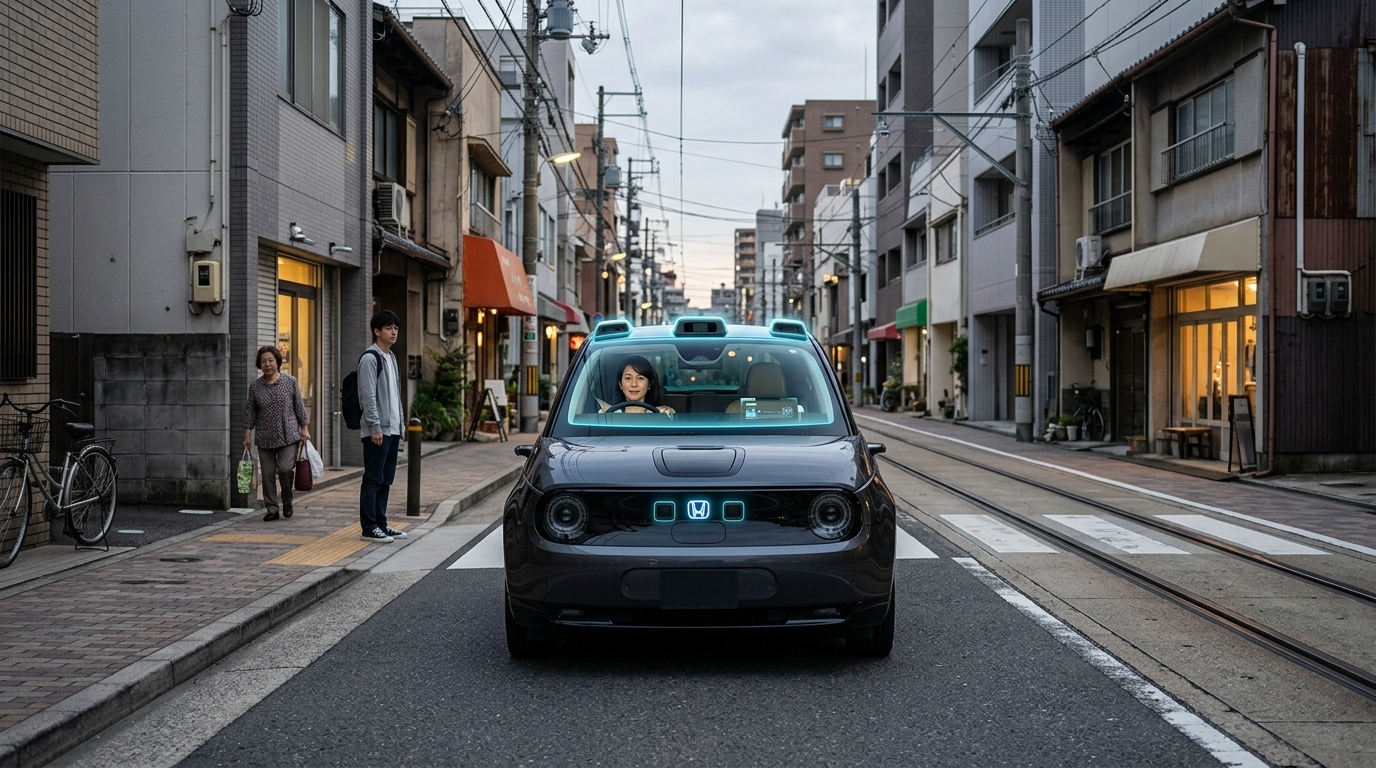
Honda launched the world's first commercially available Level 3 autonomous vehicle in 2021 and is bringing Level 3 to its 2026 '0 Series' EVs globally.
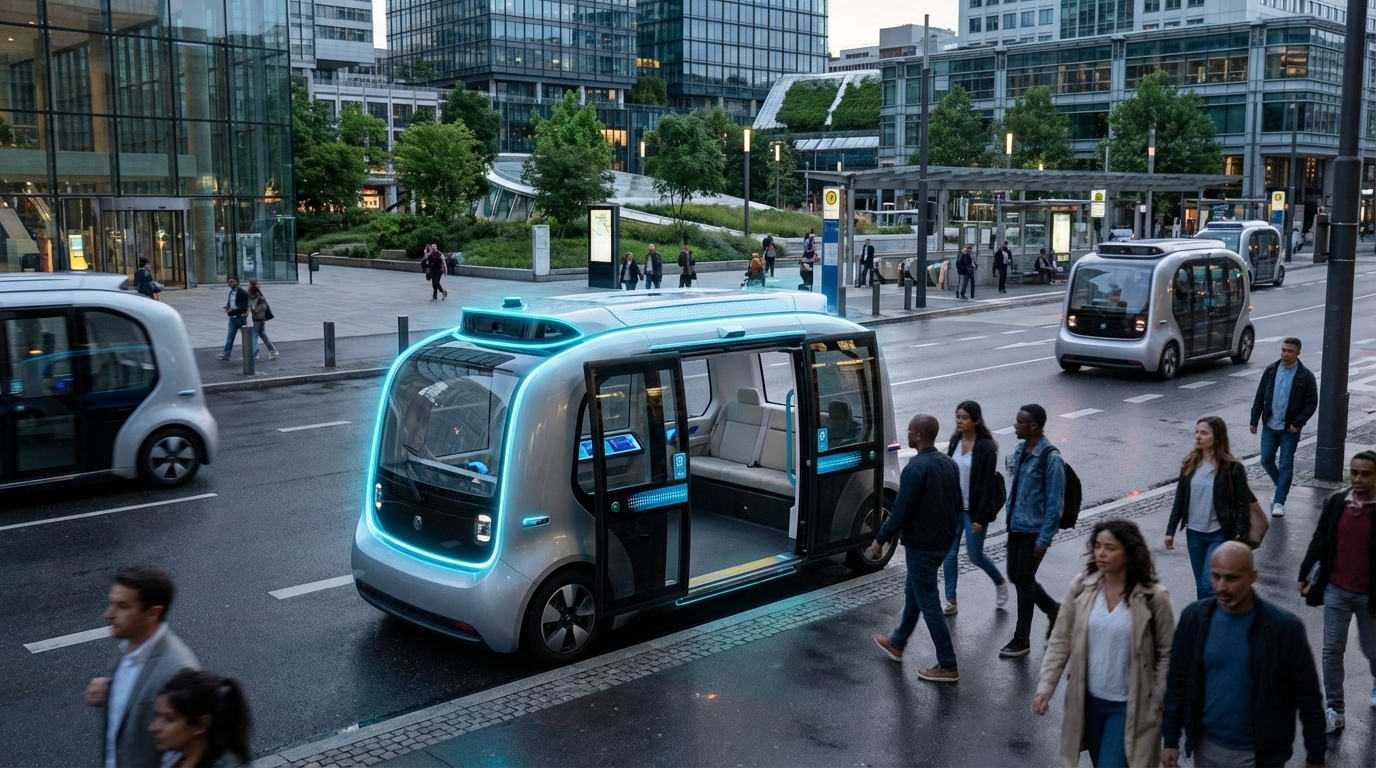
Fully autonomous vehicle fleets operating without human drivers in all conditions

Korean shipyards build over 70% of the world's LNG carriers, the most technologically complex commercial vessels, with order backlogs extending past 2028.
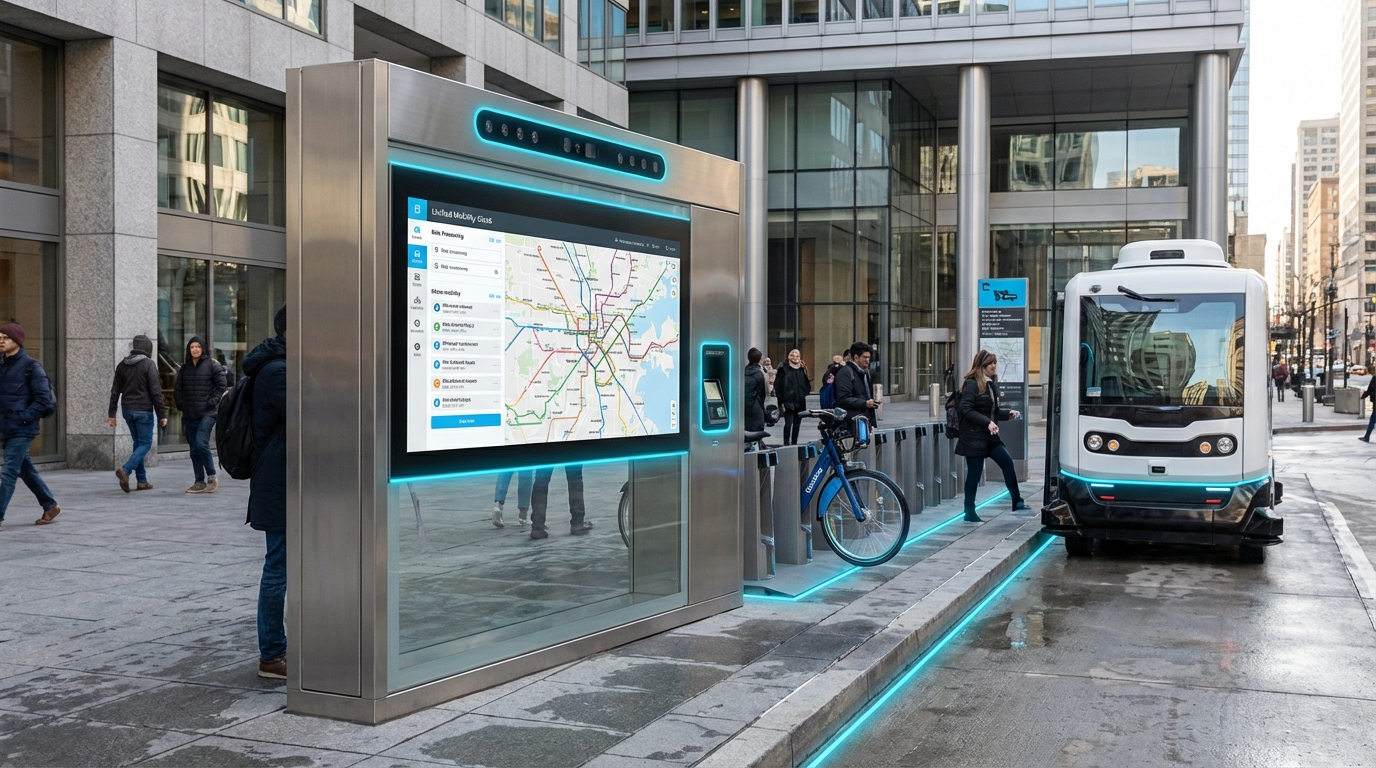
Digital platforms that combine public transit, ride-hailing, bikes, and scooters into one app
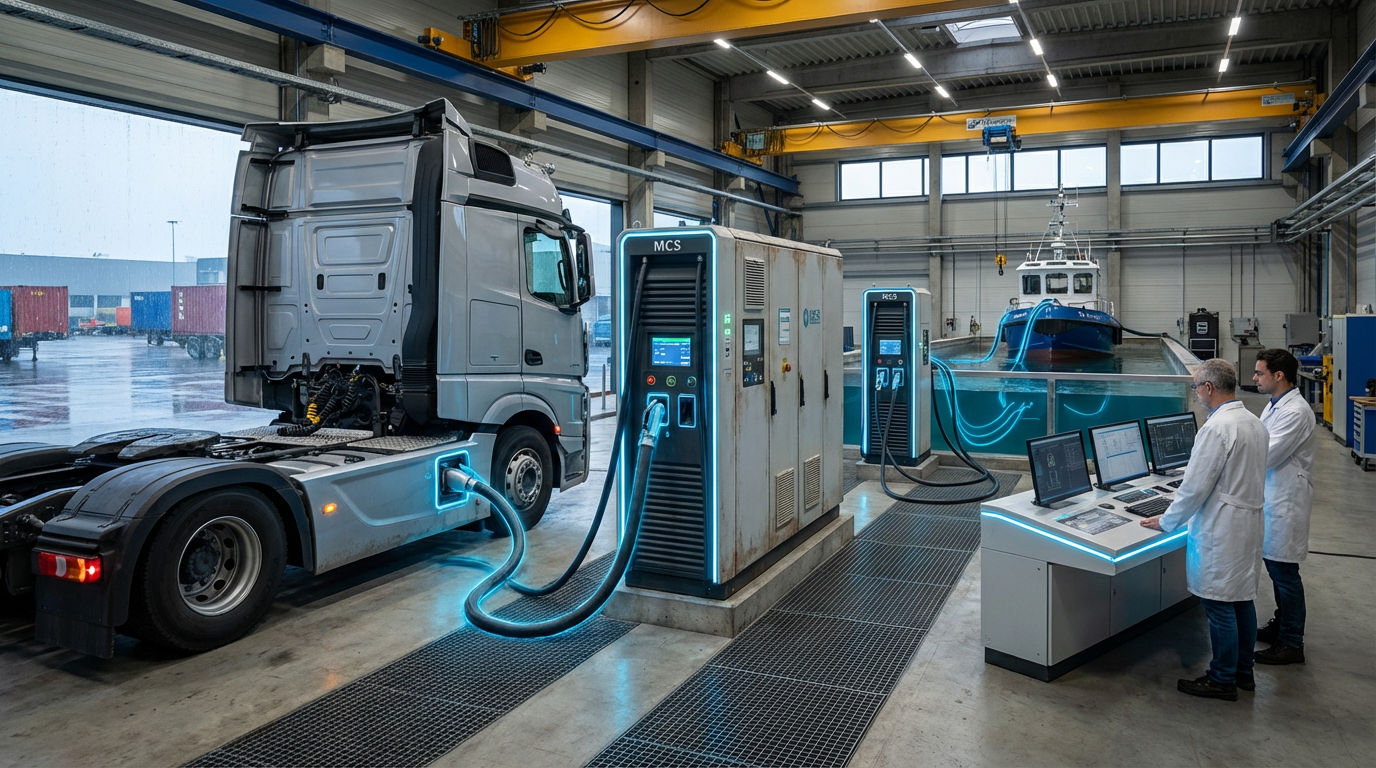
Ultra-fast charging infrastructure delivering up to 3.75 MW for electric trucks and commercial fleets
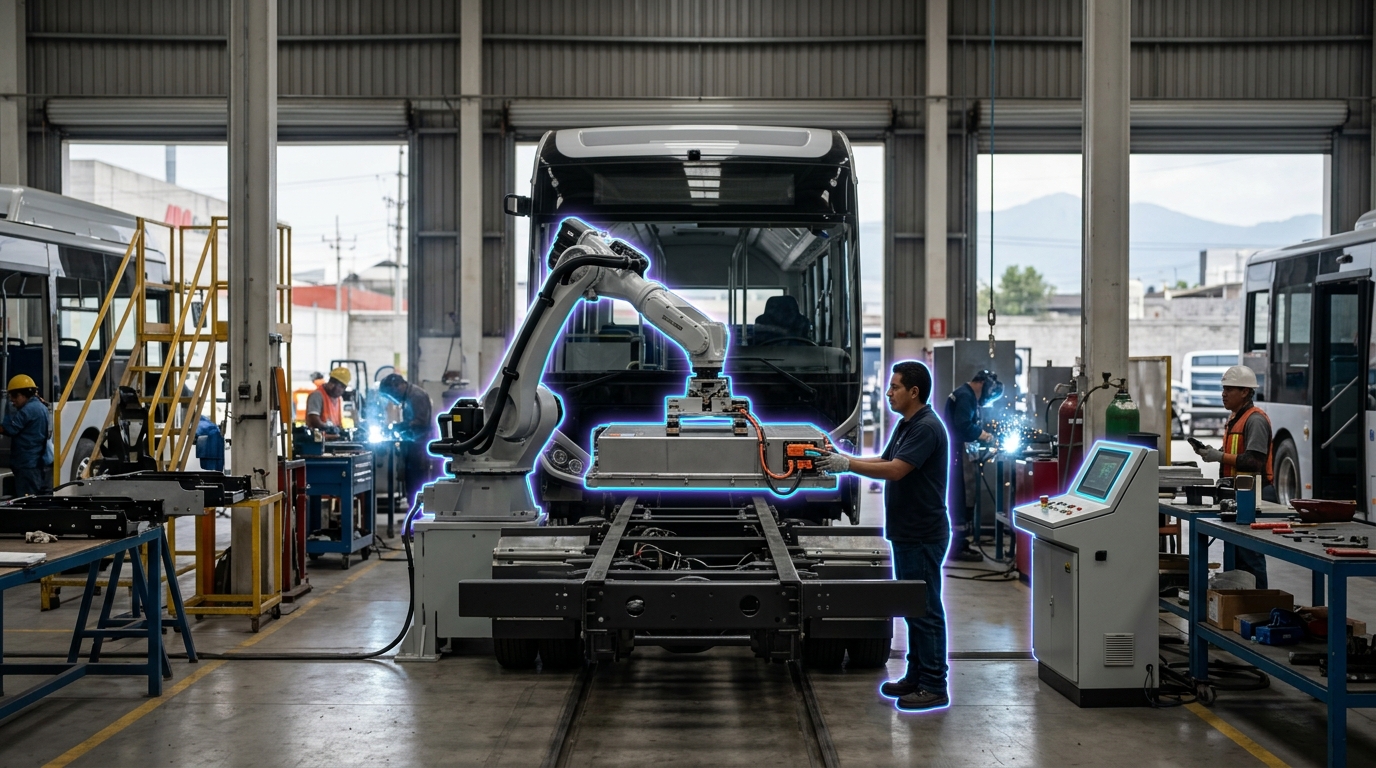
Mexico is building domestic electric bus assembly capacity through Mobility ADO and Yutong partnerships, targeting LATAM's urban transit electrification market.
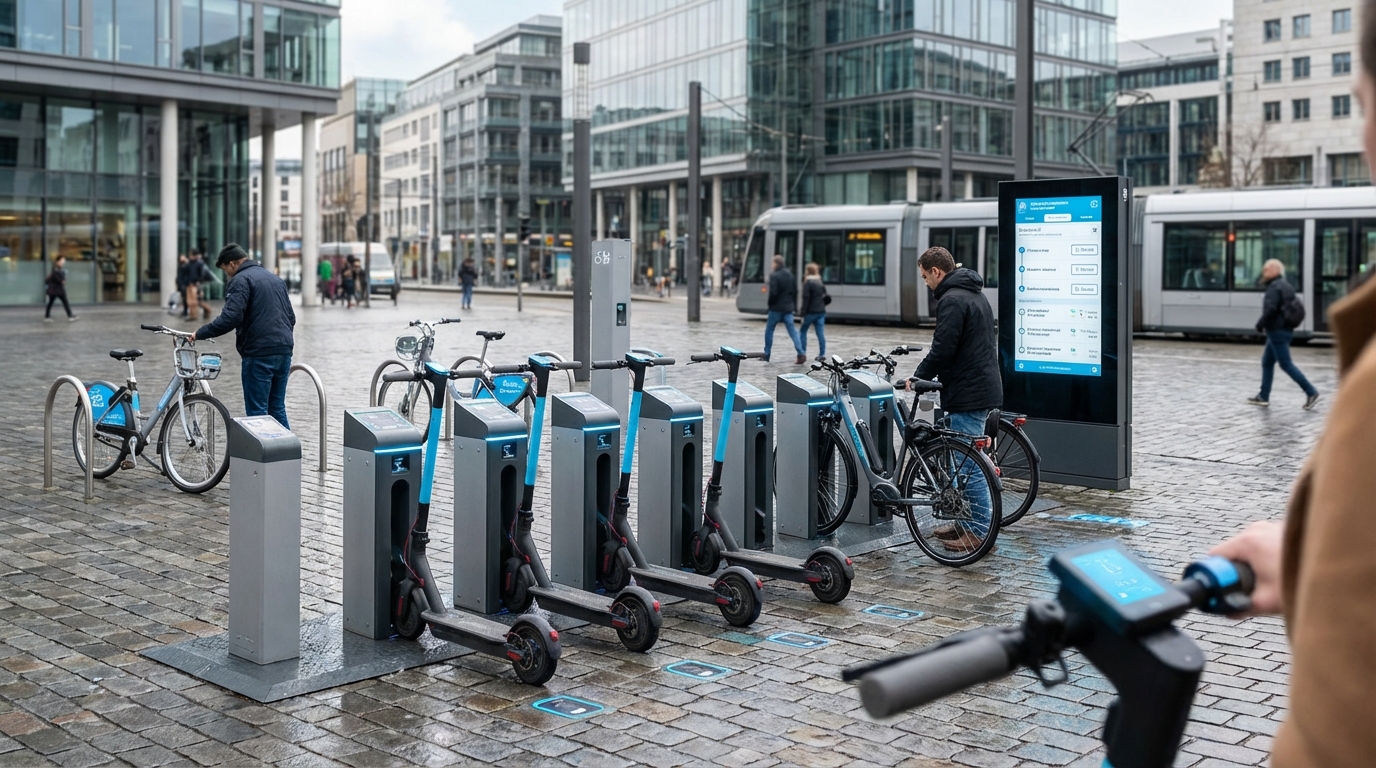
E-scooters, e-bikes, and shared cycles integrated into urban transport systems

Motional, the Hyundai-Aptiv joint venture, operates autonomous robotaxi service using Ioniq 5-based vehicles in Las Vegas and Los Angeles, targeting commercial launch through Uber and Lyft partnerships.
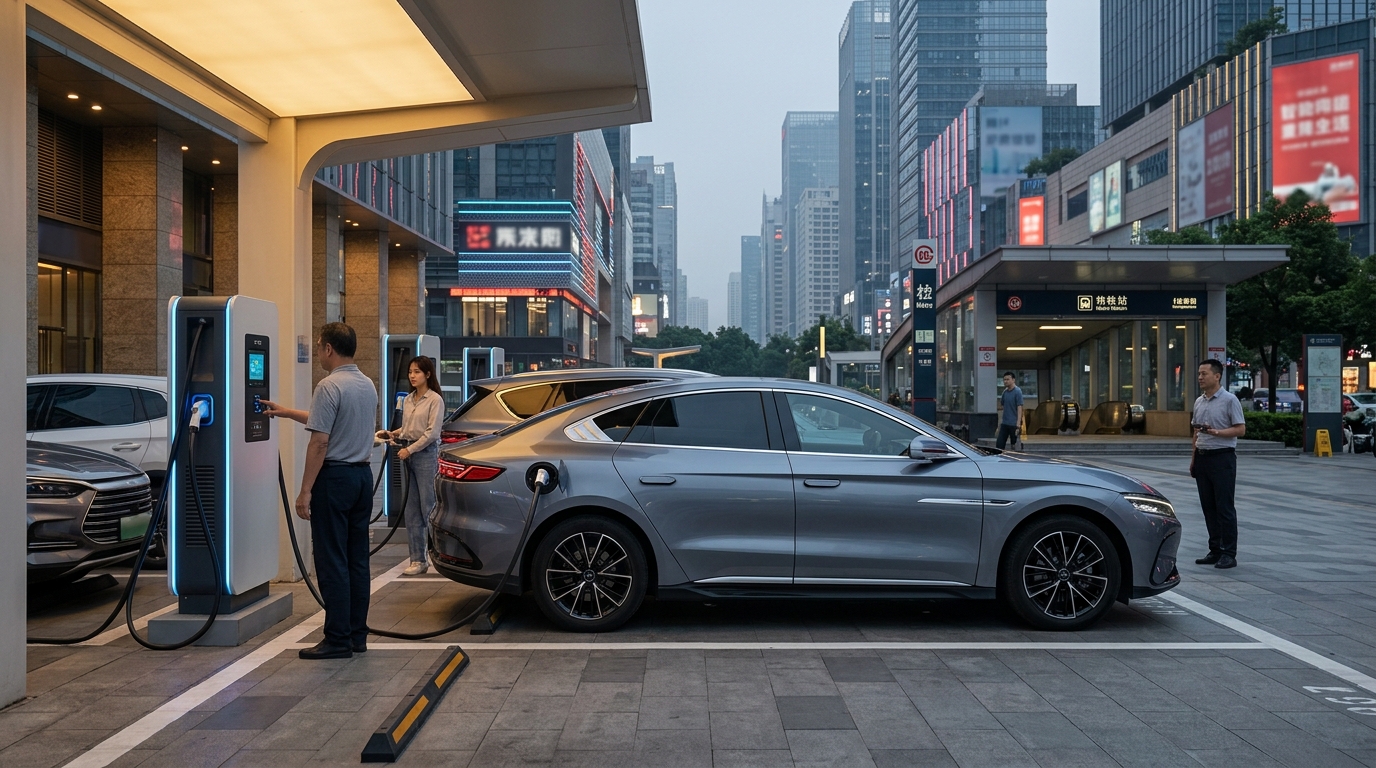
Chinese automakers now outsell Tesla globally, led by BYD, which shipped 4.3M vehicles in 2025 — more than any other EV maker on Earth
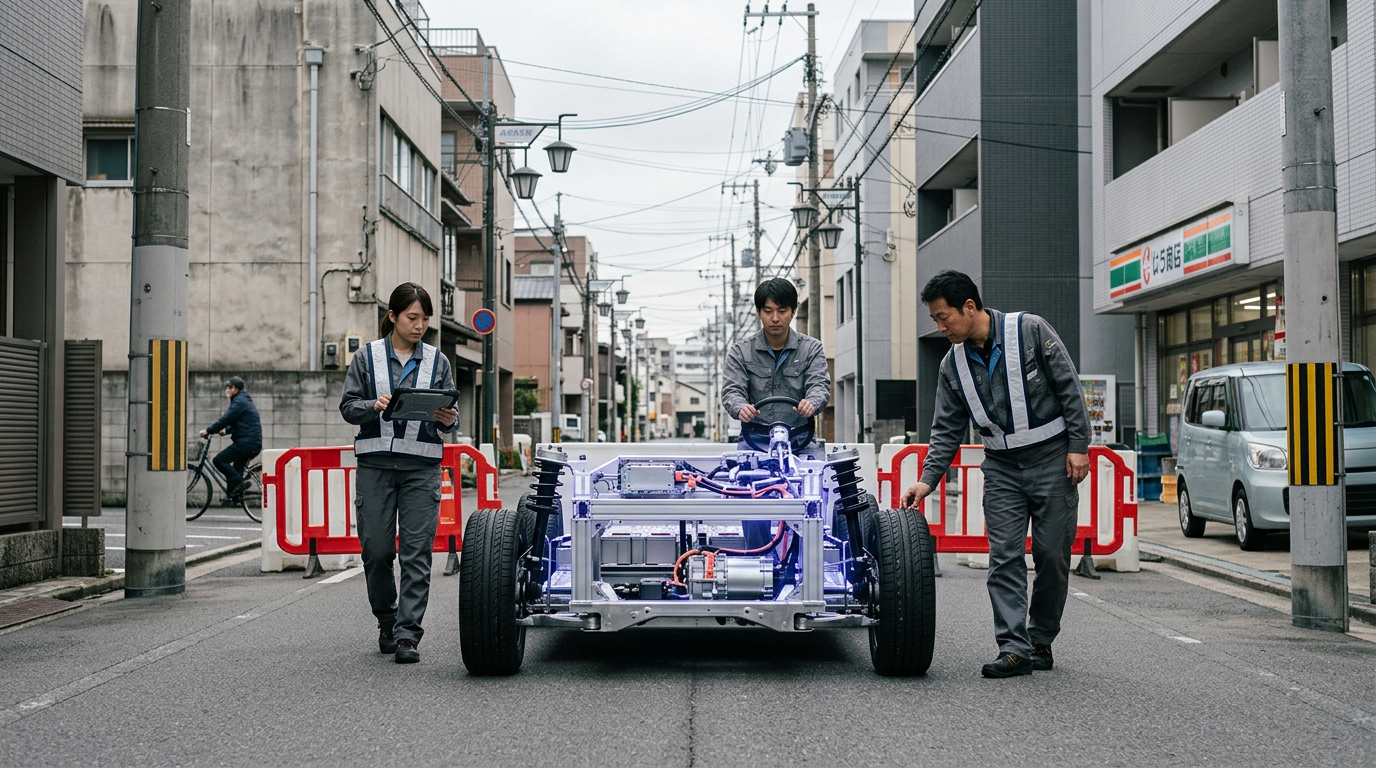
Toyota, Honda, and Nissan are launching dedicated EV platforms in 2025-2027 after initially falling behind Chinese and Tesla competitors.
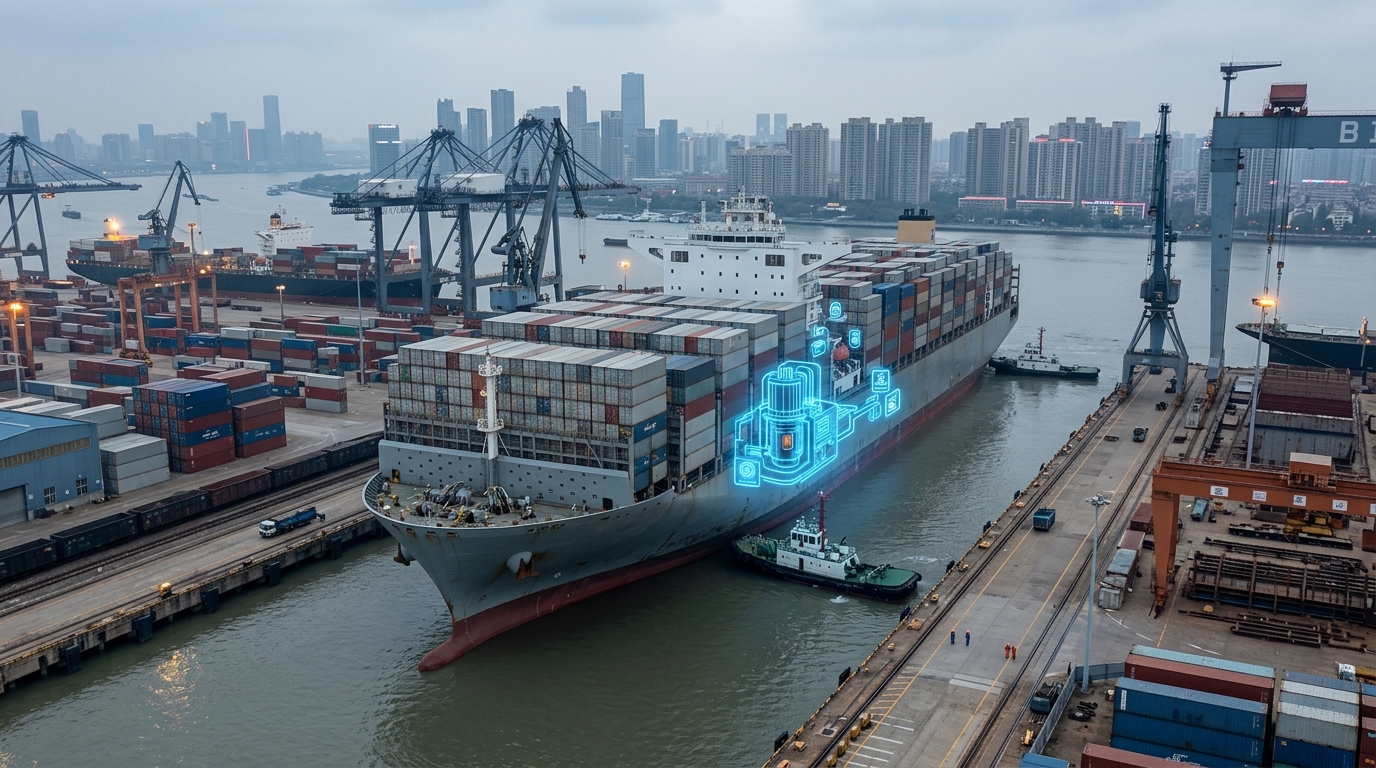
Jiangnan Shipyard is building the world's first nuclear-powered container ship — 25,000 TEU capacity, thorium-fueled, able to sail 10 years without refueling
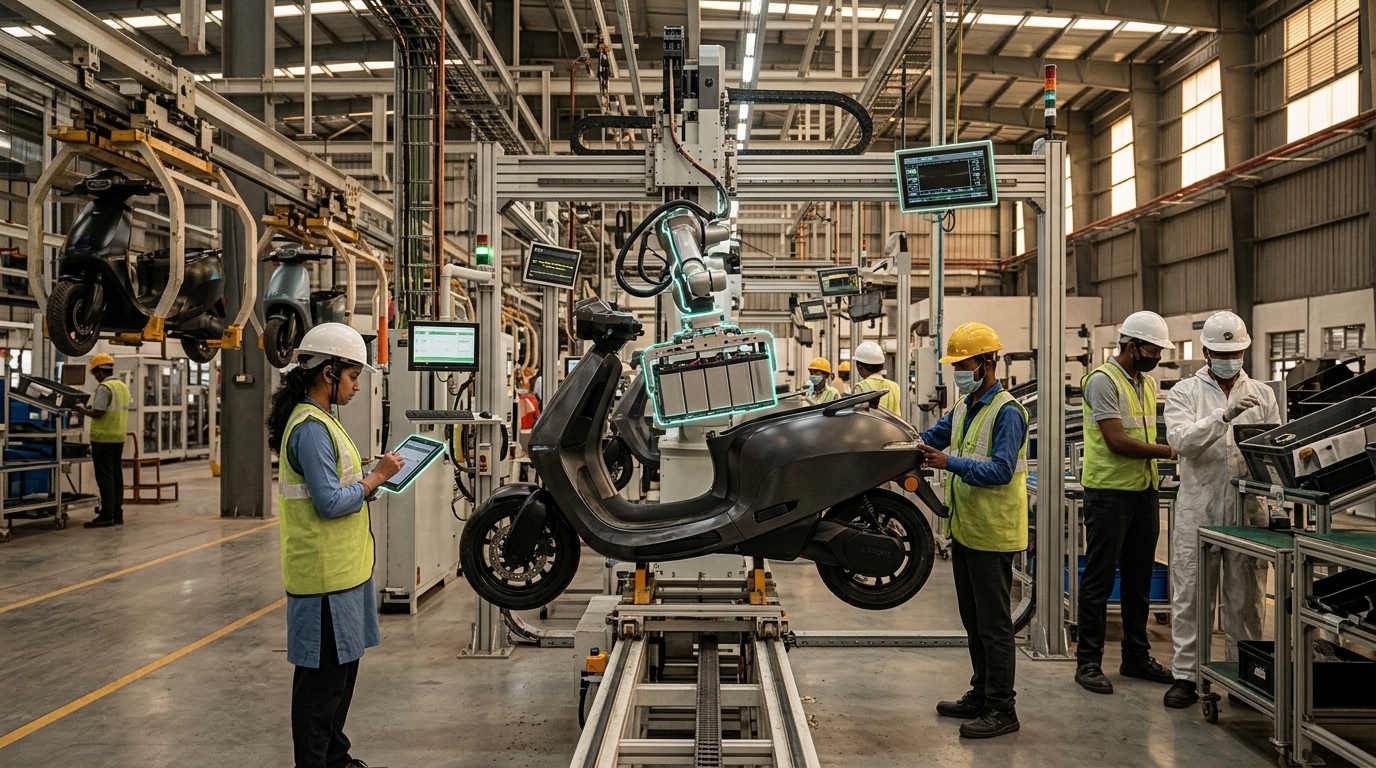
The world's largest electric scooter manufacturer — Ola Electric's FutureFactory produces millions of units annually and went public in 2024 at a $4B+ valuation.
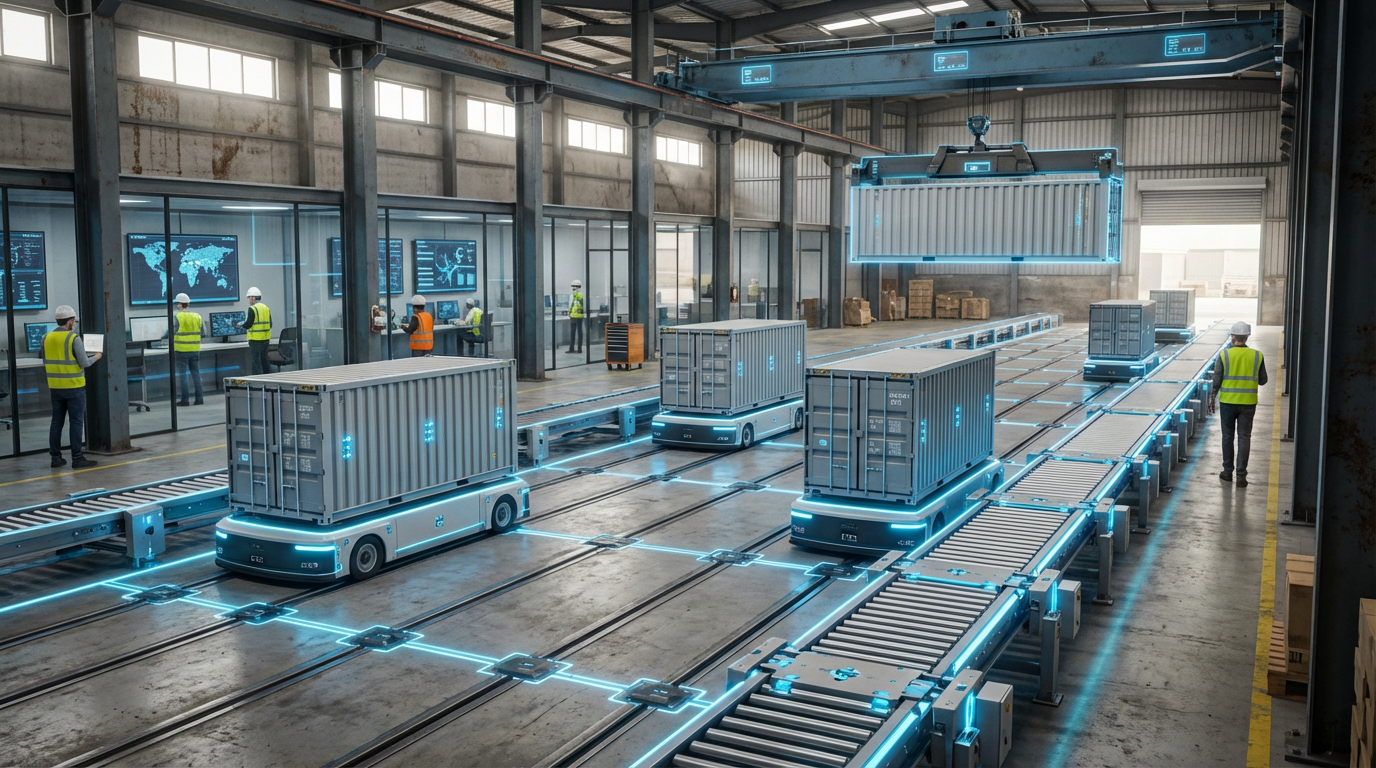
Standardized modular logistics network enabling shared routing of goods across open infrastructure

Petrobras pioneered ultra-deepwater drilling through 2km of water, 1km of rock, and 2km of salt to reach oil reservoirs — the Búzios field hit 1 million barrels/day in October 2025
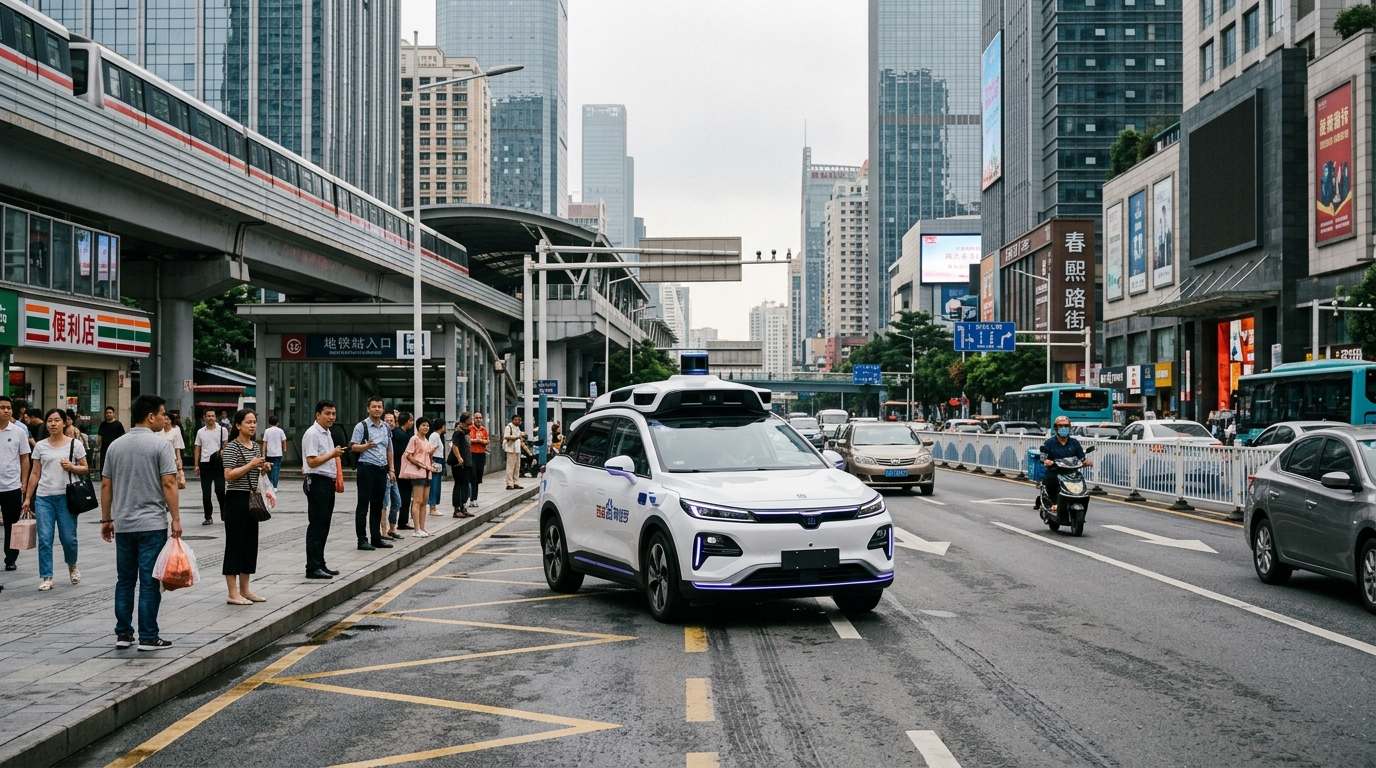
Baidu Apollo Go operates the world's largest robotaxi fleet across 65+ Chinese cities, with Pony.ai and WeRide expanding to Dubai and Abu Dhabi

Roads embedded with sensors and communication systems that exchange real-time data with vehicles
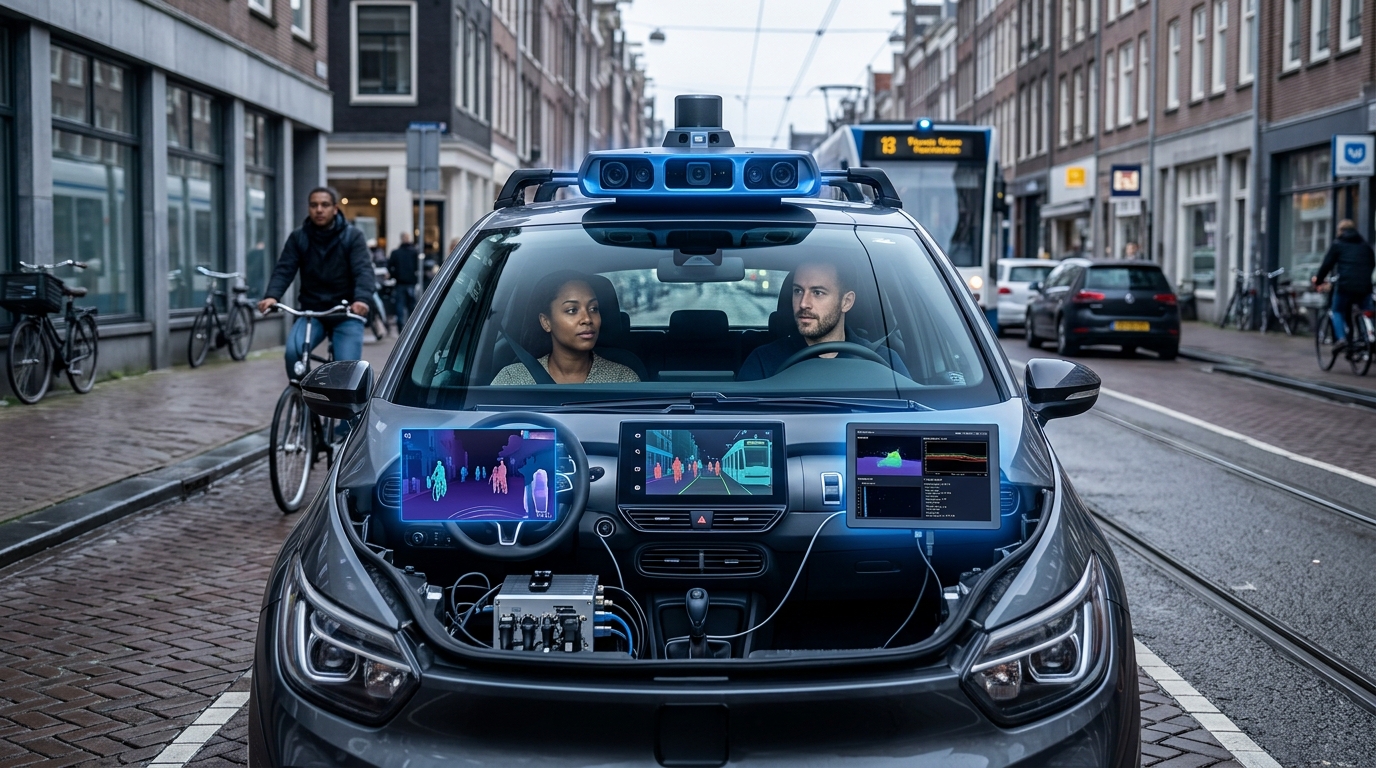
UK startup Wayve ($4B) transforms any car into self-driving with computer vision alone — no lidar or expensive hardware required
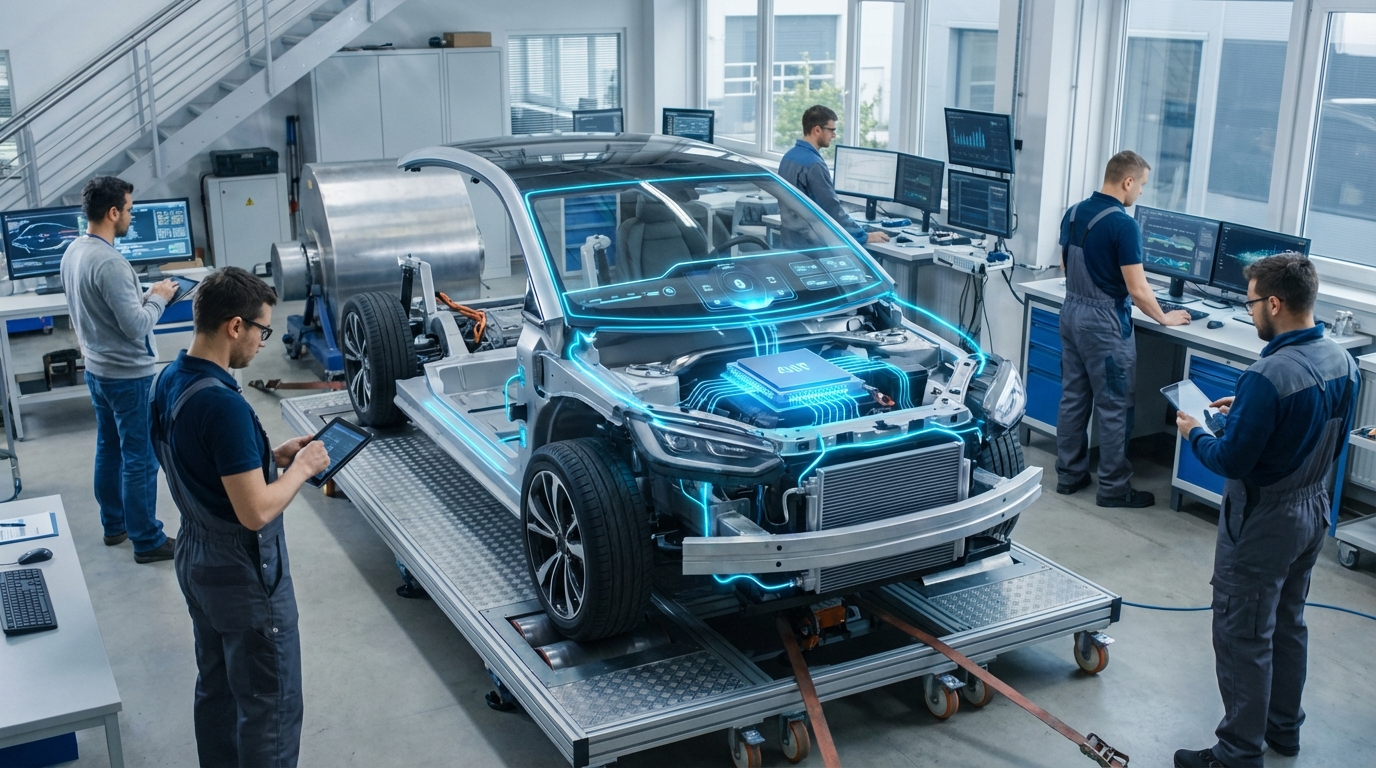
Centralized computing platforms that control vehicle functions through software rather than fixed hardware
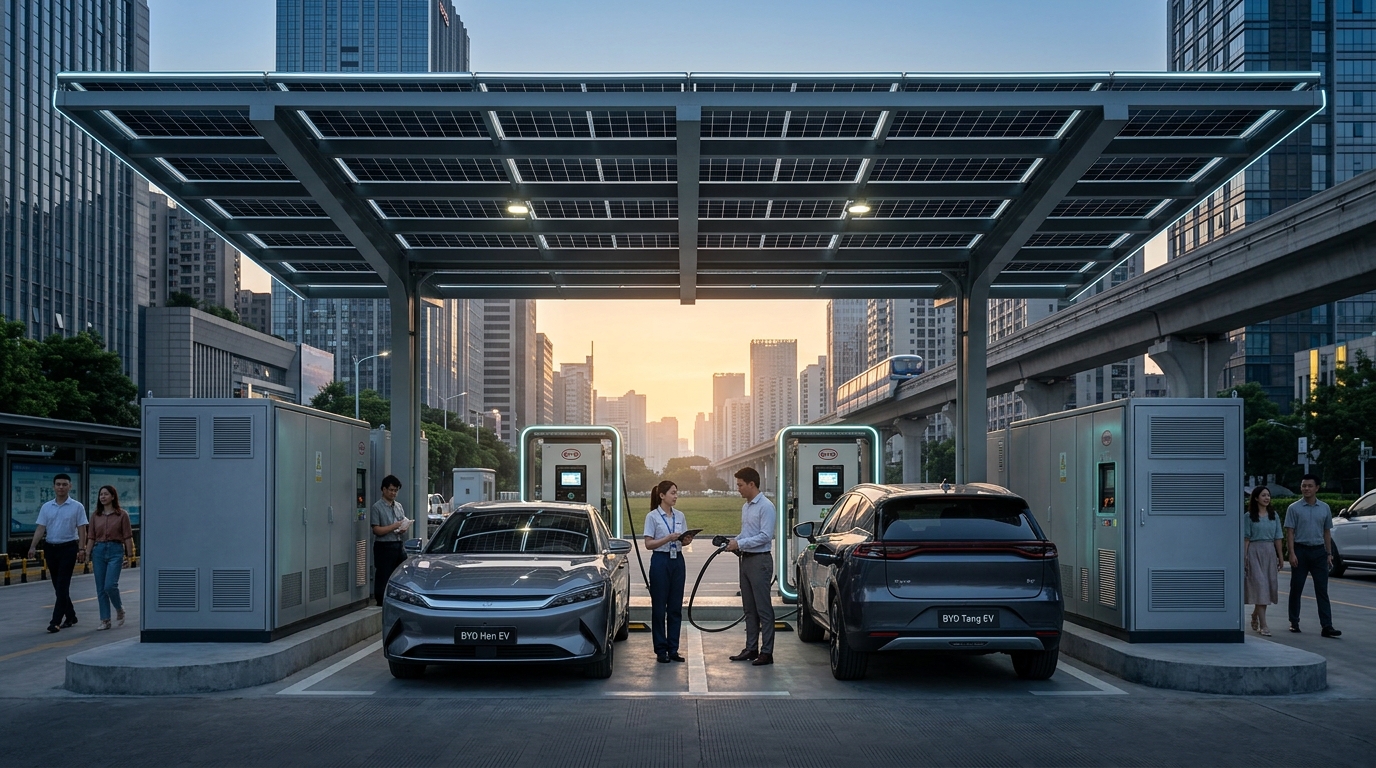
BYD and others are building large EV supercharging stations powered by their own solar canopies and battery storage — decoupling EV charging from grid constraints
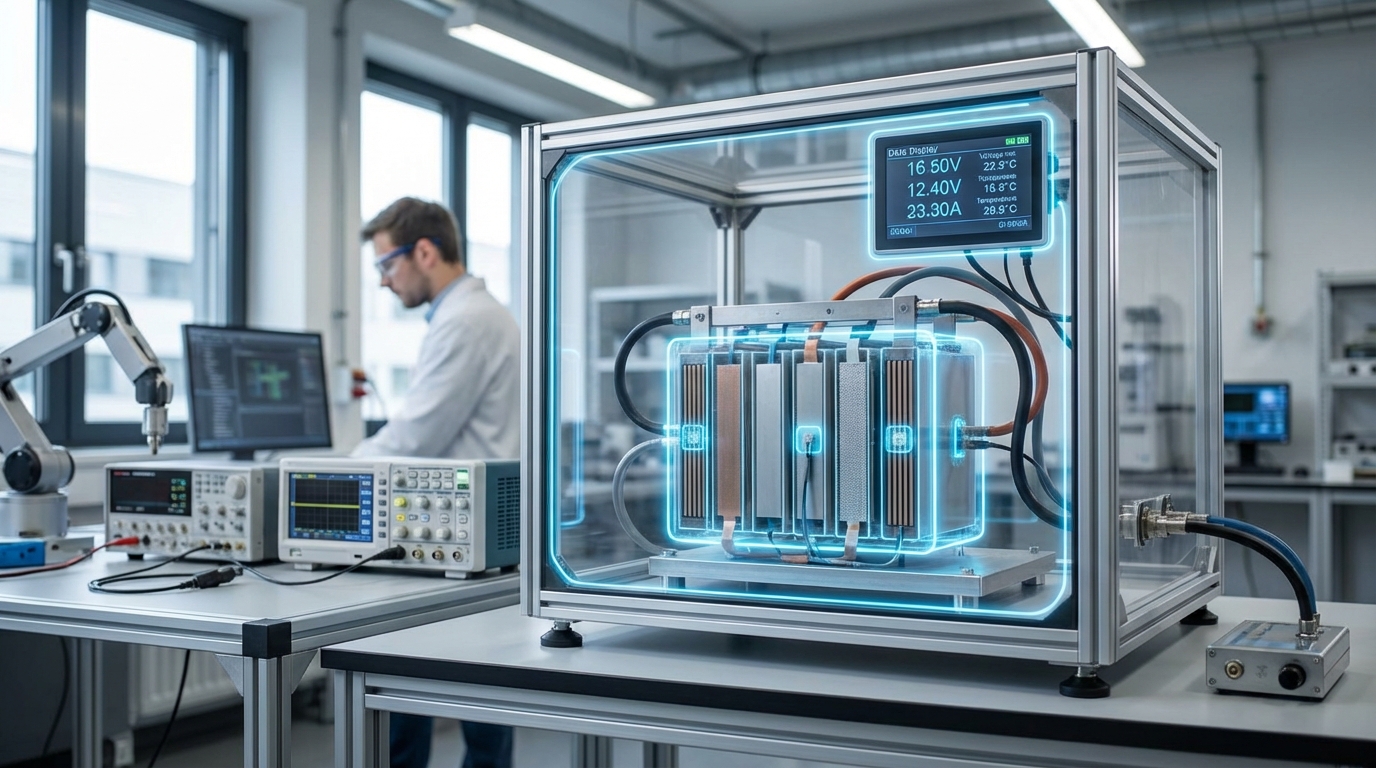
Batteries using solid electrolytes instead of liquids for safer, denser energy storage
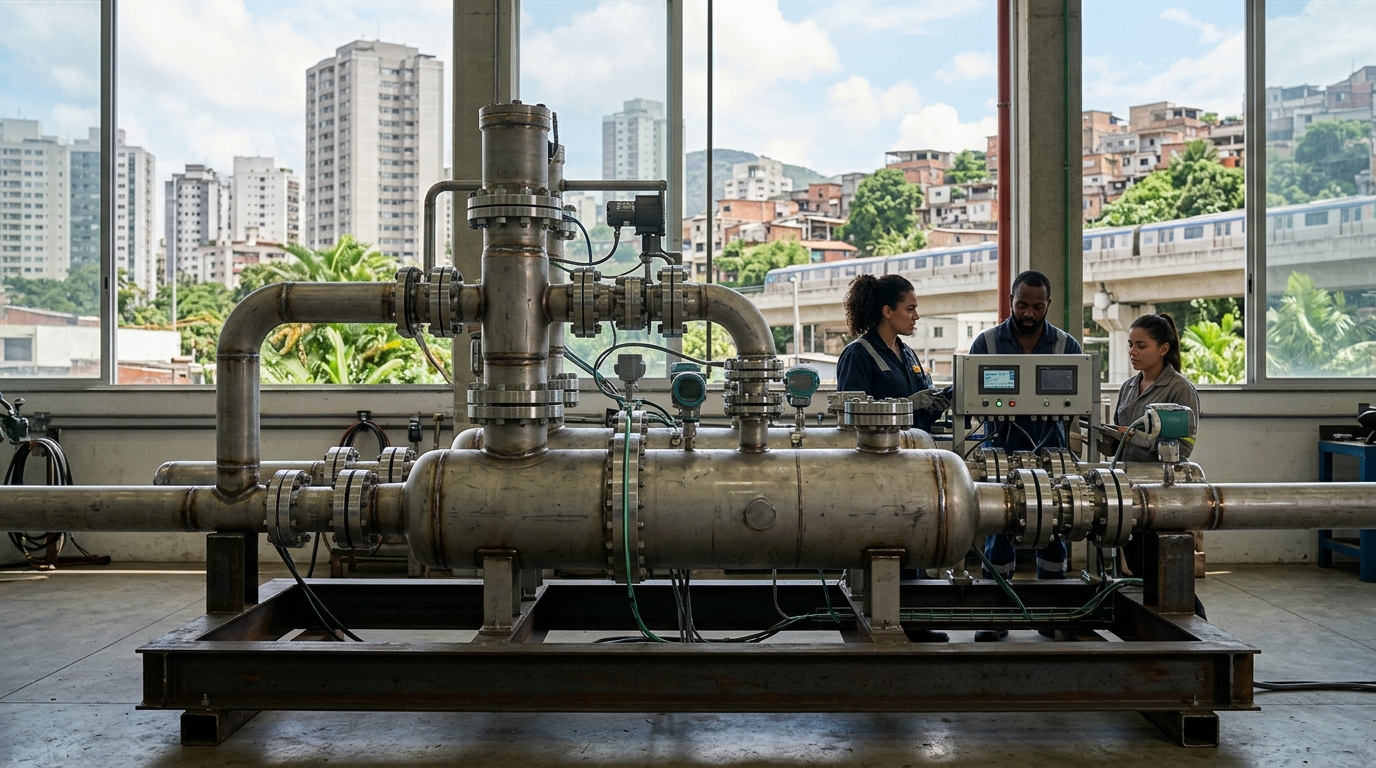
Petrobras pioneered subsea oil-water-gas separation on the ocean floor at 2,000m+ depth — reducing topside processing and enabling production from otherwise uneconomical fields.
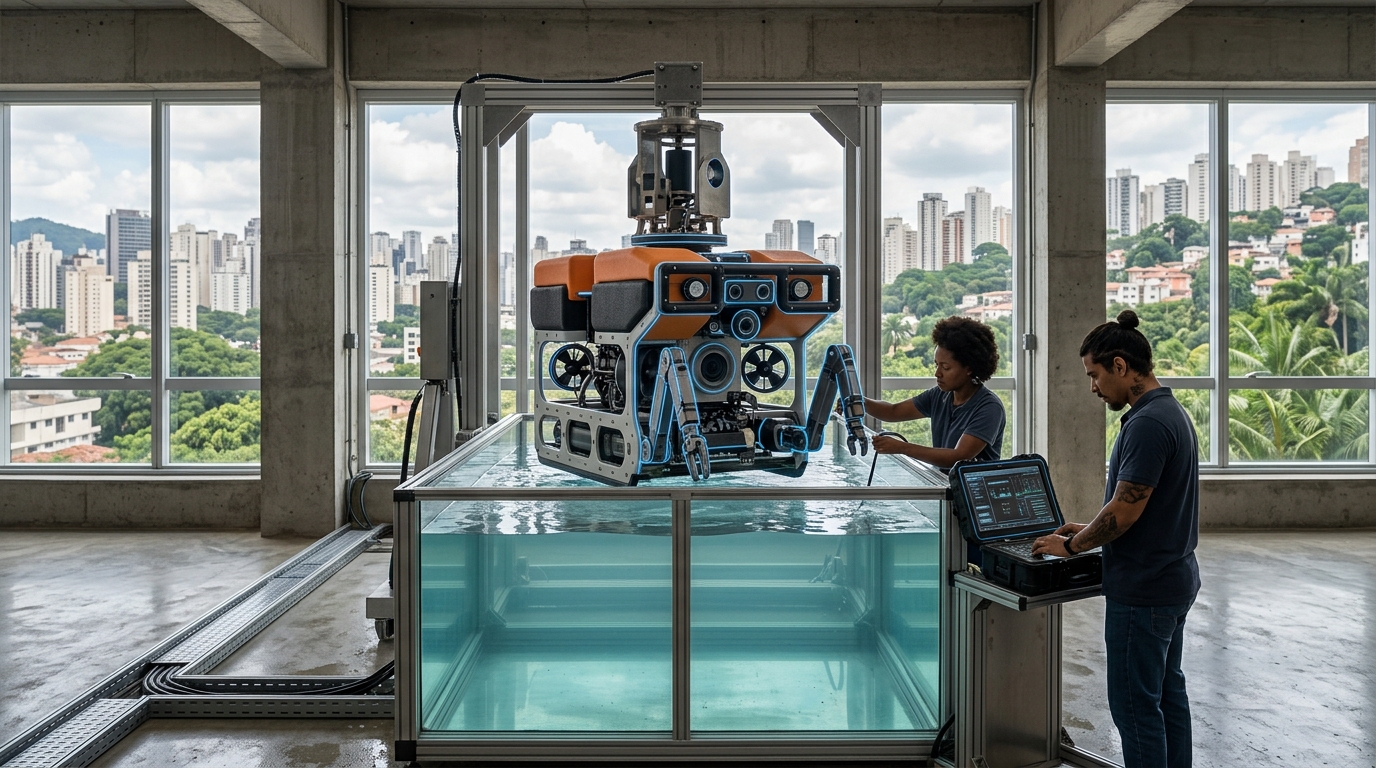
Remotely operated and autonomous underwater vehicles for pre-salt oil field inspection, maintenance, and intervention at depths exceeding 2,000 meters

Egypt's expanded Suez Canal uses AI-powered vessel traffic management, electronic navigation aids, and real-time monitoring to handle 100+ daily transits through the world's most important waterway.
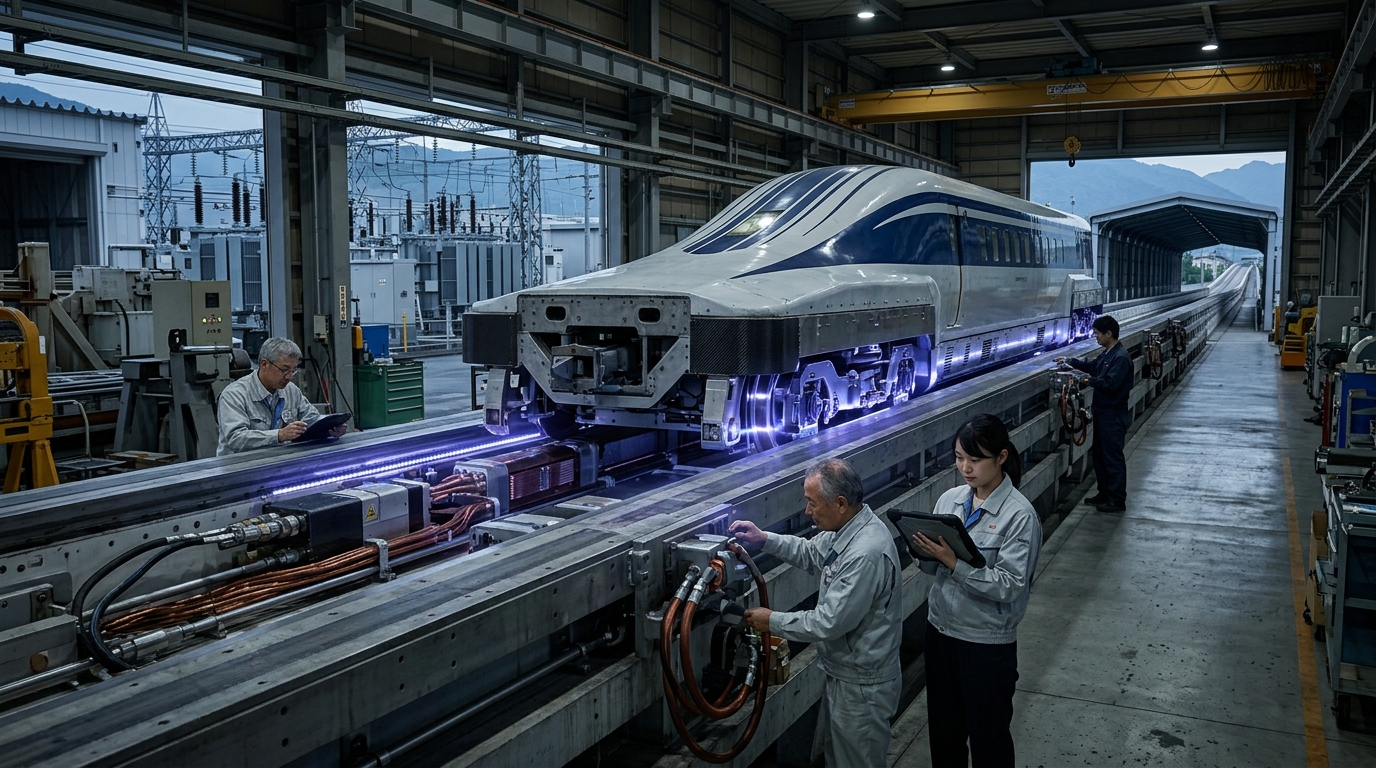
JR Central's Chuo Shinkansen superconducting maglev achieved 603 km/h — the world's fastest train — but the Tokyo-Osaka line faces delays to 2037+.
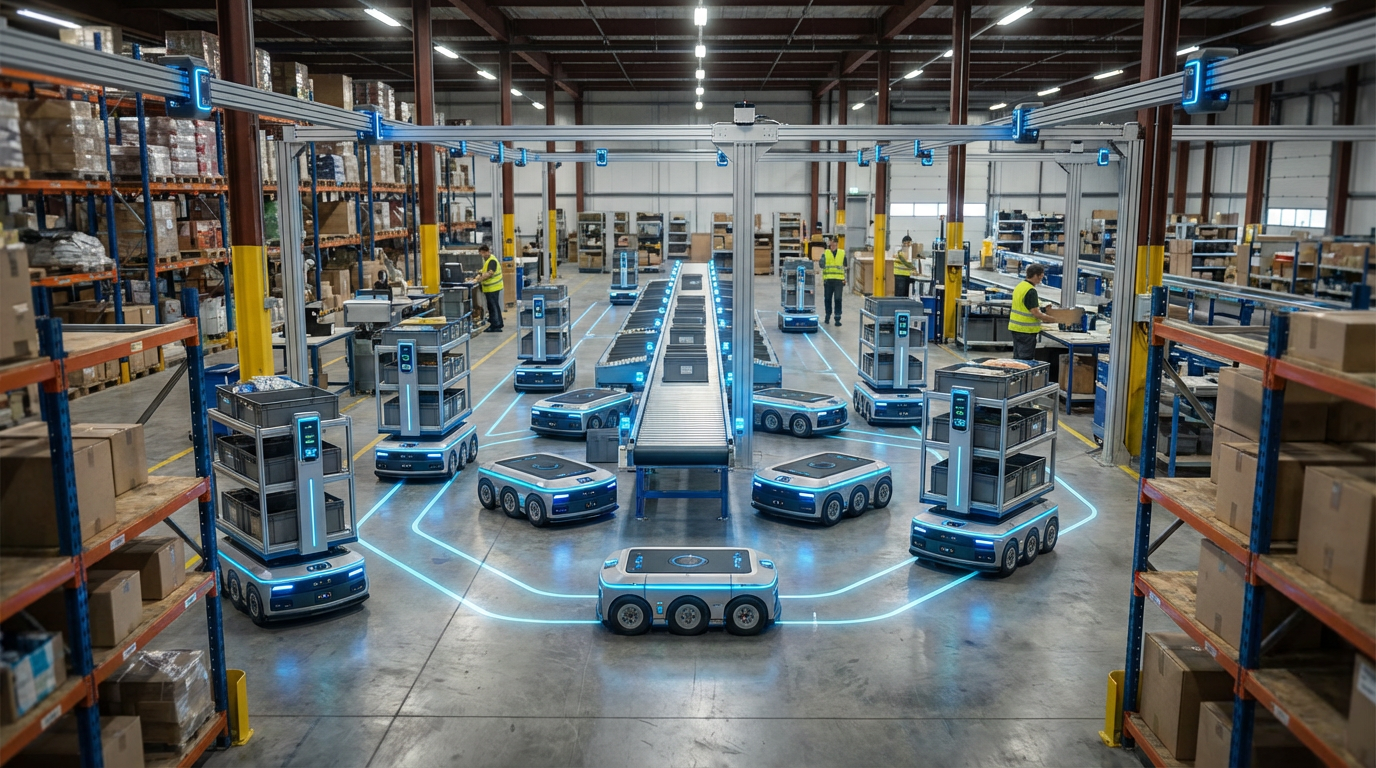
Decentralized robot fleets that coordinate through local interactions to automate warehouse operations

Remote hubs where human operators monitor and intervene in autonomous vehicle fleets

Brazilian architects and engineers developed passive cooling, natural ventilation, and bioclimatic design principles for tropical buildings — reducing energy demand in a country where air...
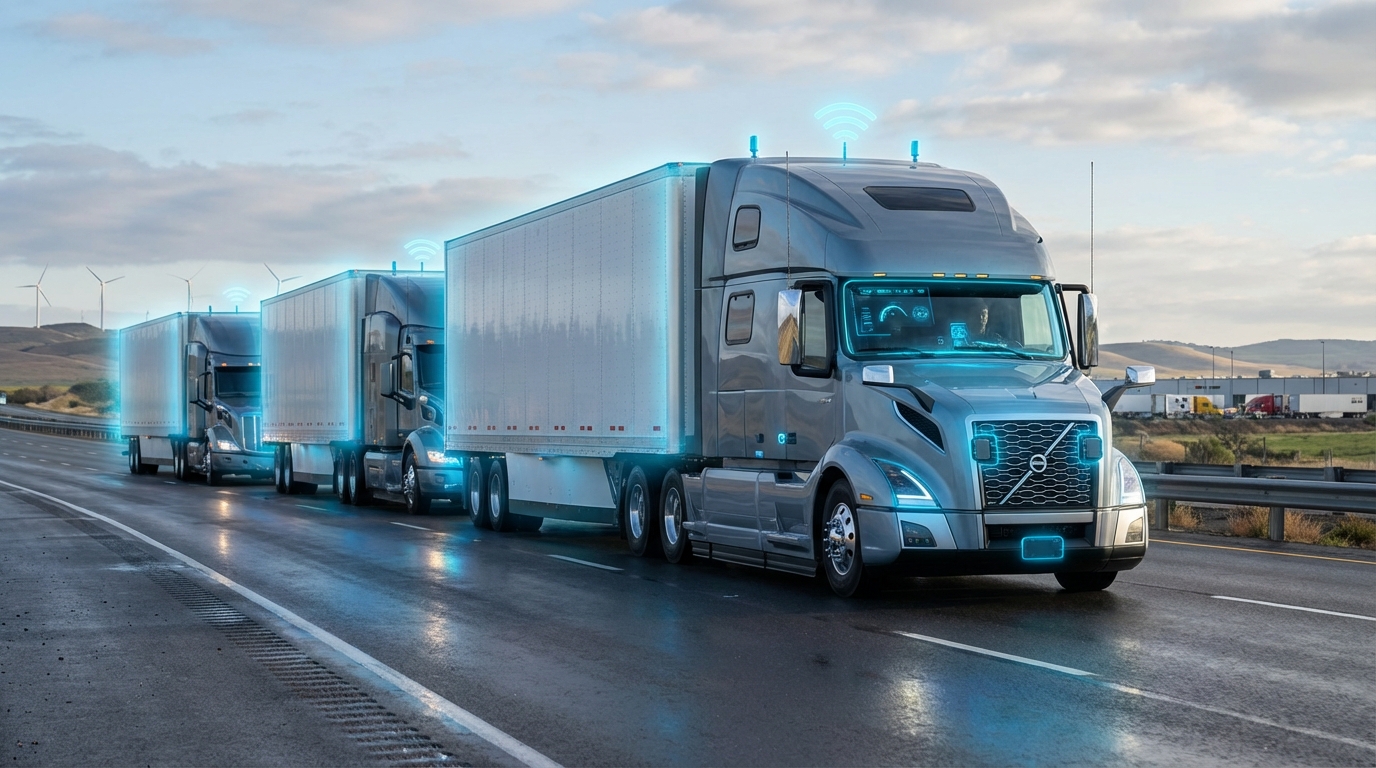
Connected trucks traveling in close formation via V2V communication to reduce fuel use and improve safety
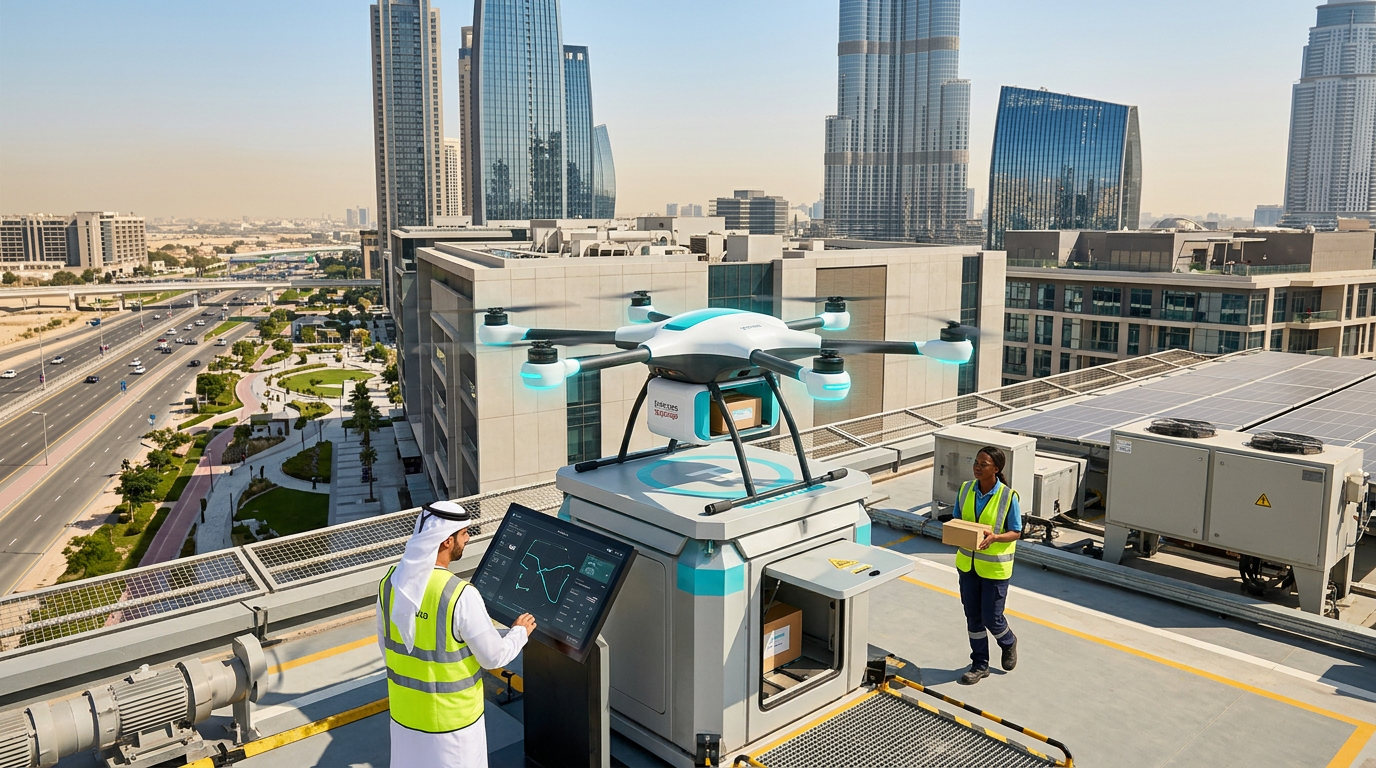
The UAE's autonomous last-mile delivery market reached $1.1B in 2024, with Emirates SkyCargo, Talabat, and LODD Autonomous deploying commercial drone logistics and air corridor mapping expected by 2027.
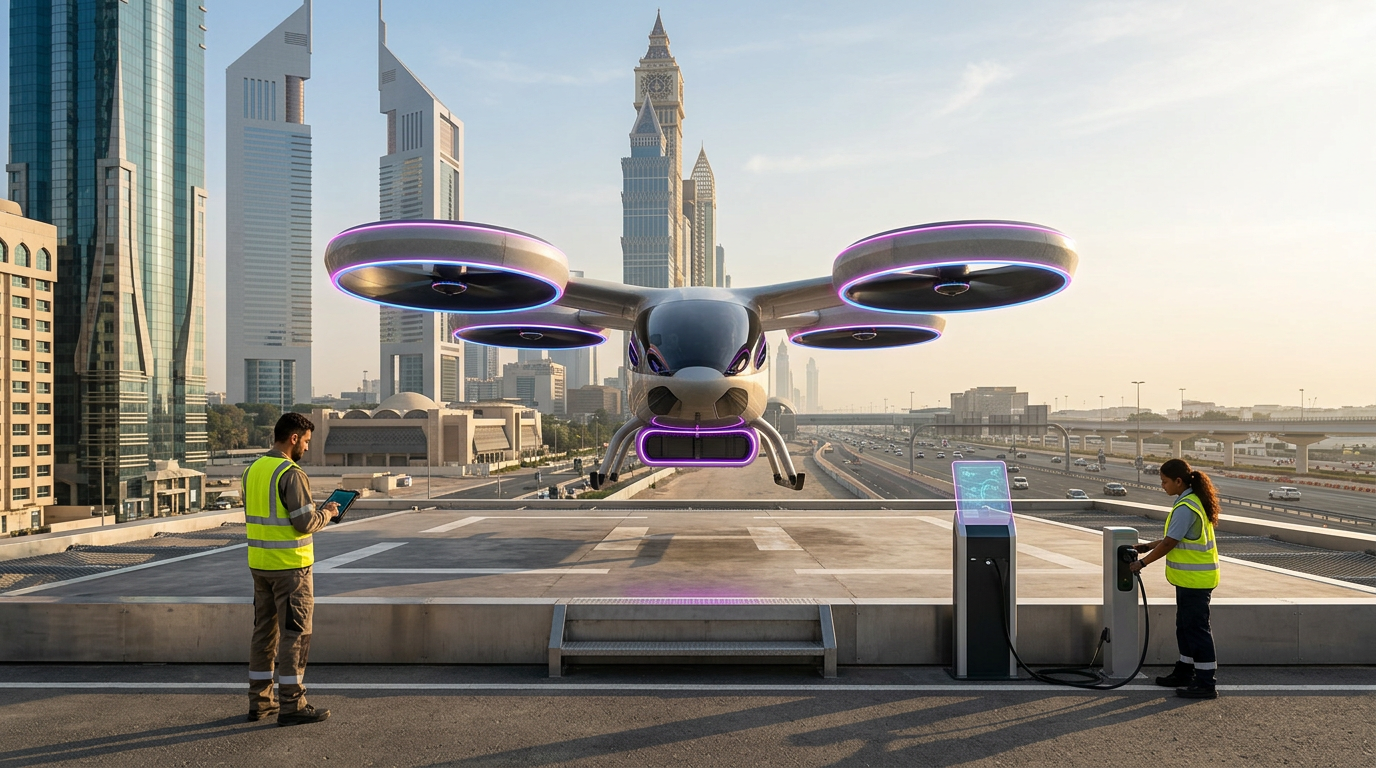
Dubai and Abu Dhabi are testing electric vertical takeoff and landing (eVTOL) aircraft for urban air mobility, with regulatory frameworks in place for commercial air taxi services.

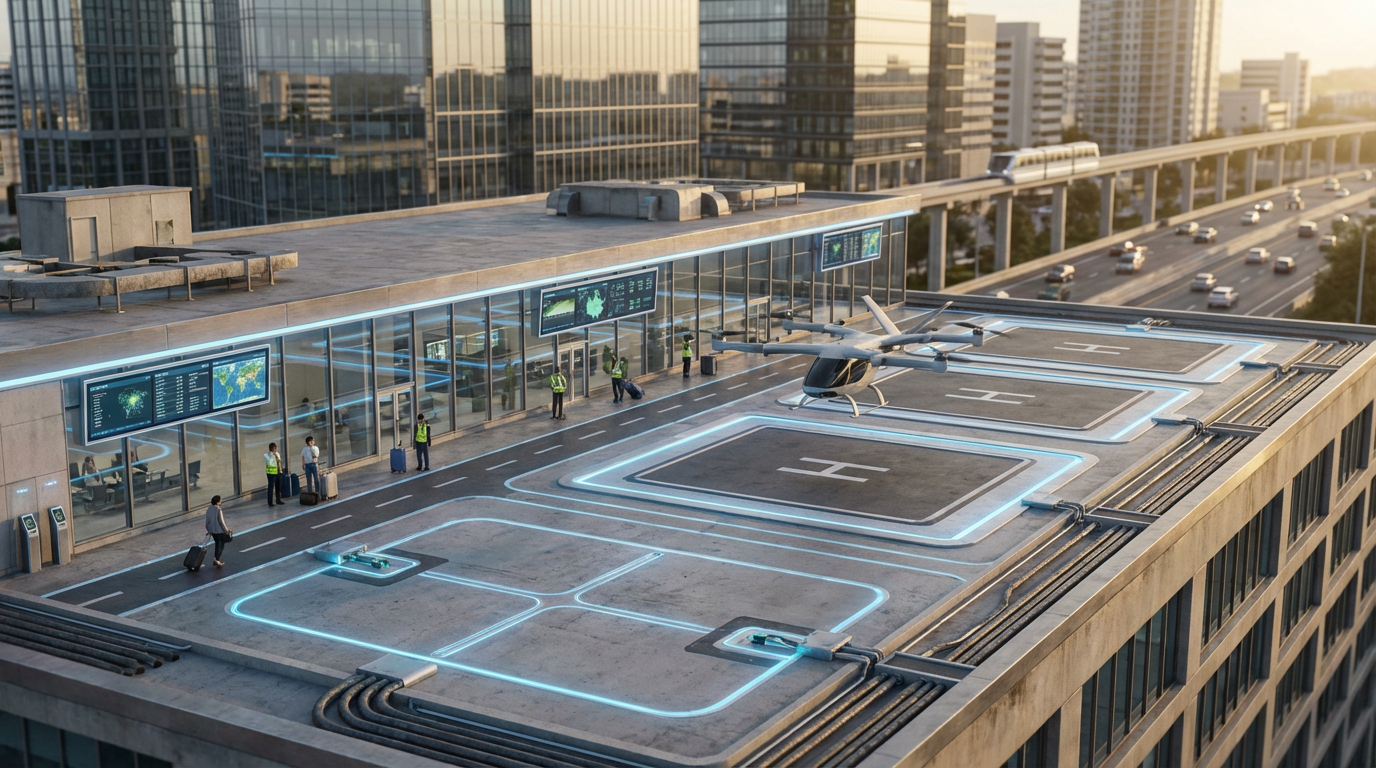
Digital infrastructure coordinating low-altitude drones and air taxis in urban airspace
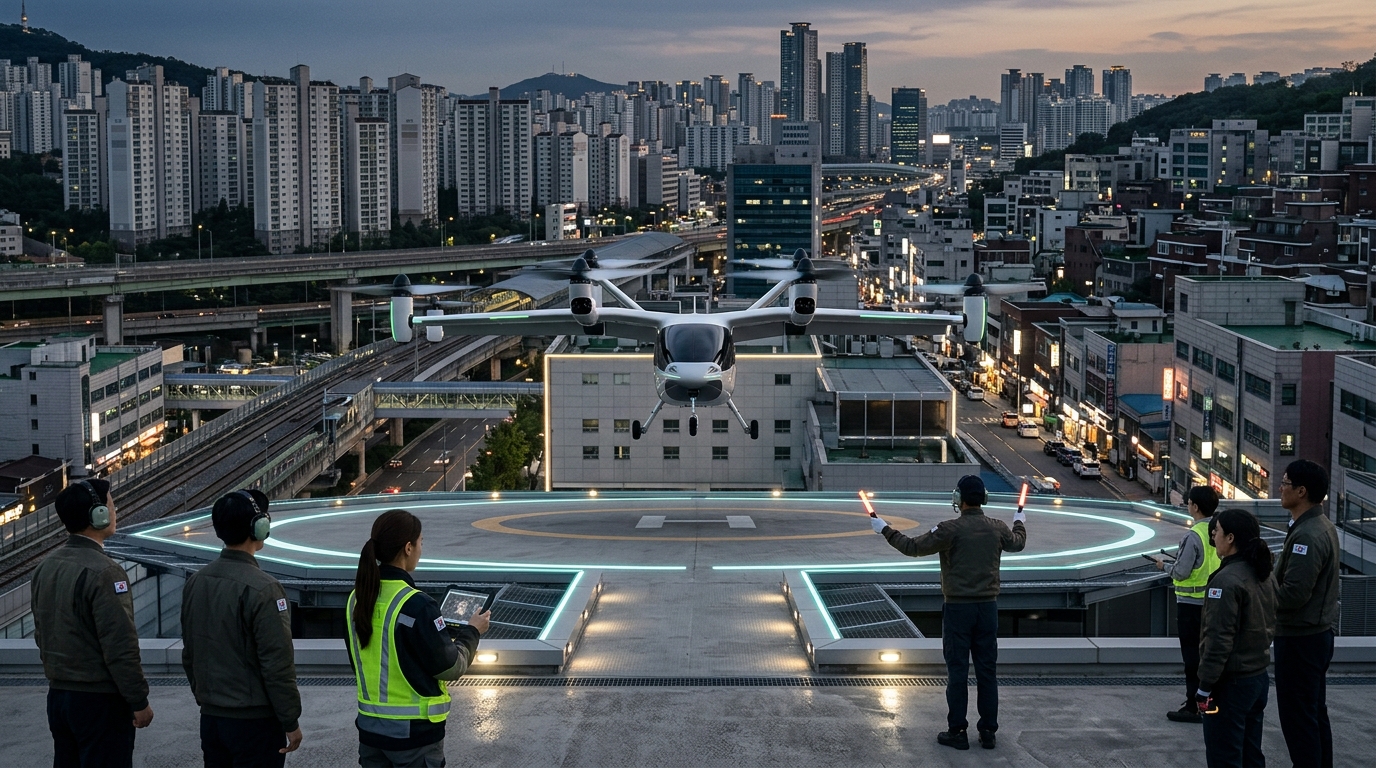
Hyundai's Supernal subsidiary is developing an eVTOL air taxi targeting 2028 commercial launch, while Korea designated UAM corridors in Seoul, Incheon, and Jeju for testing.
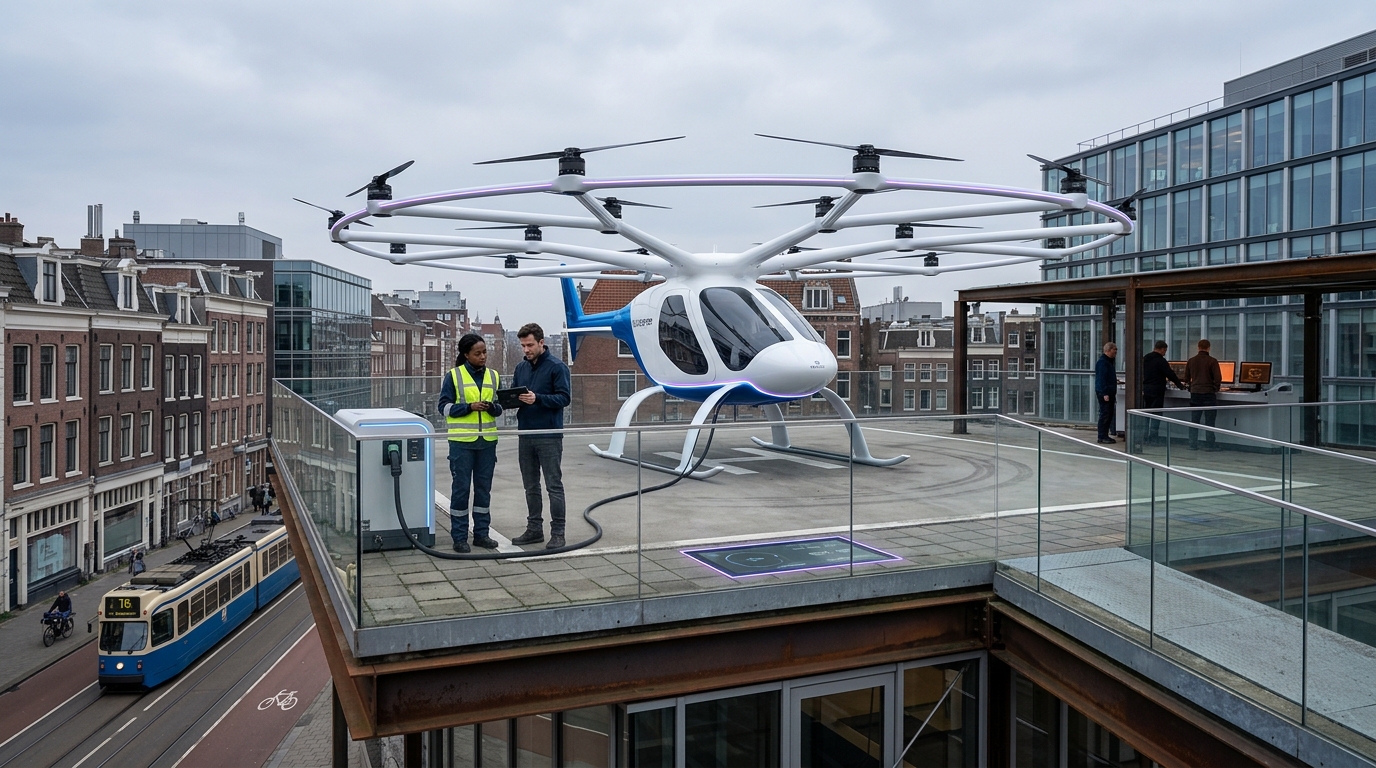
Volocopter (Germany) pursuing EASA certification for electric air taxis by end of 2026 — Europe's first eVTOL sandbox launched for near-commercial flight trials
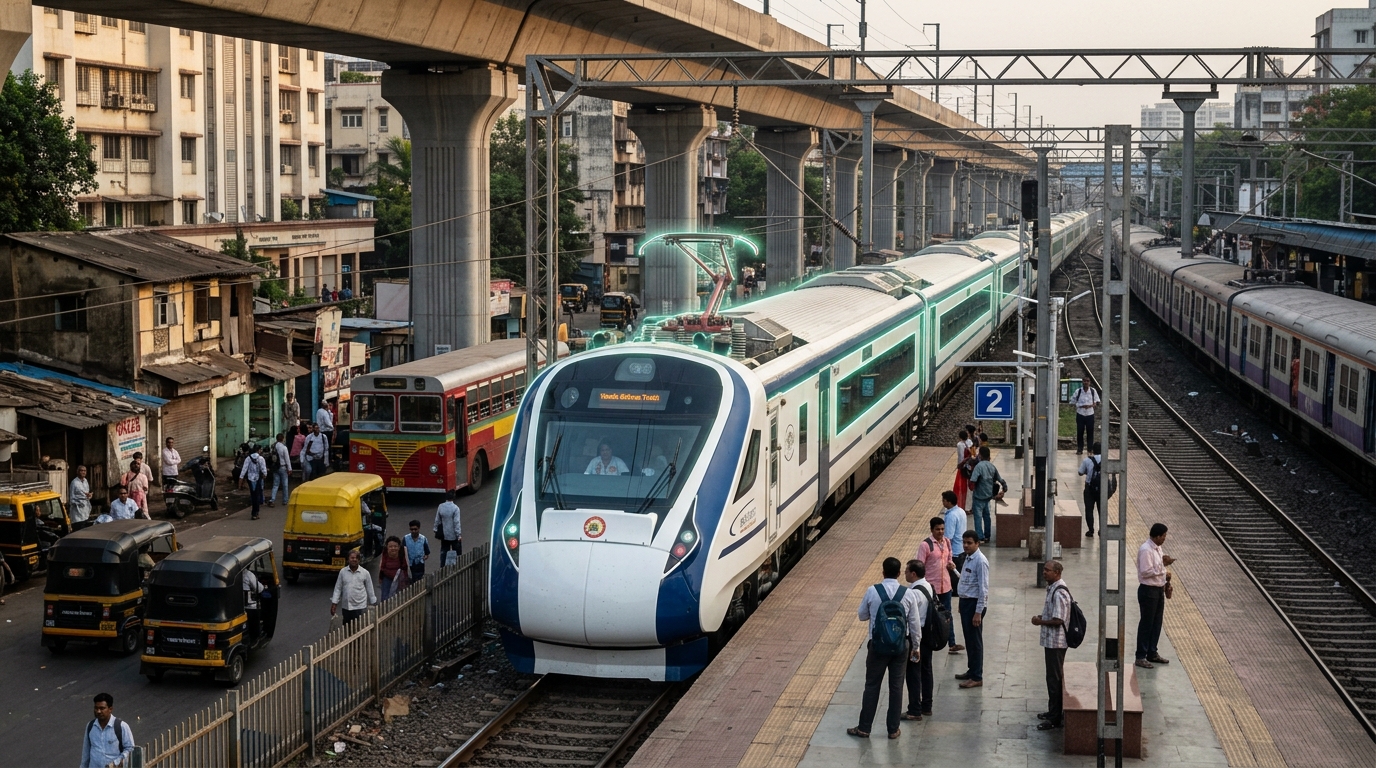
India's indigenously designed semi-high-speed electric trains operating at 160 km/h — over 100 trainsets ordered as Indian Railways modernizes its 68,000 km network.
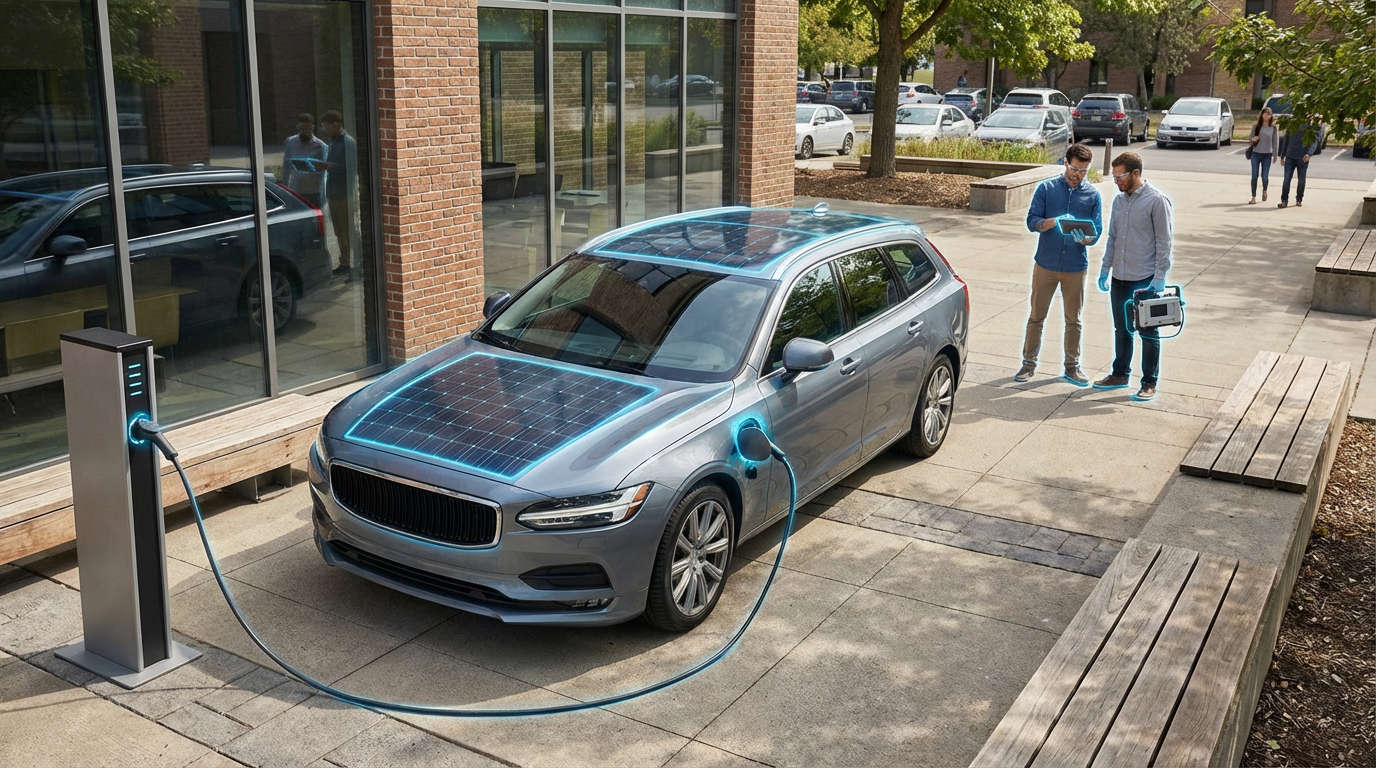
Solar cells embedded in vehicle body panels to generate power while driving or parked
Turn this hub into a team session
Interested in our work?
Newsletter
Follow us for weekly foresight in your inbox.