MaaS Aggregation Platforms
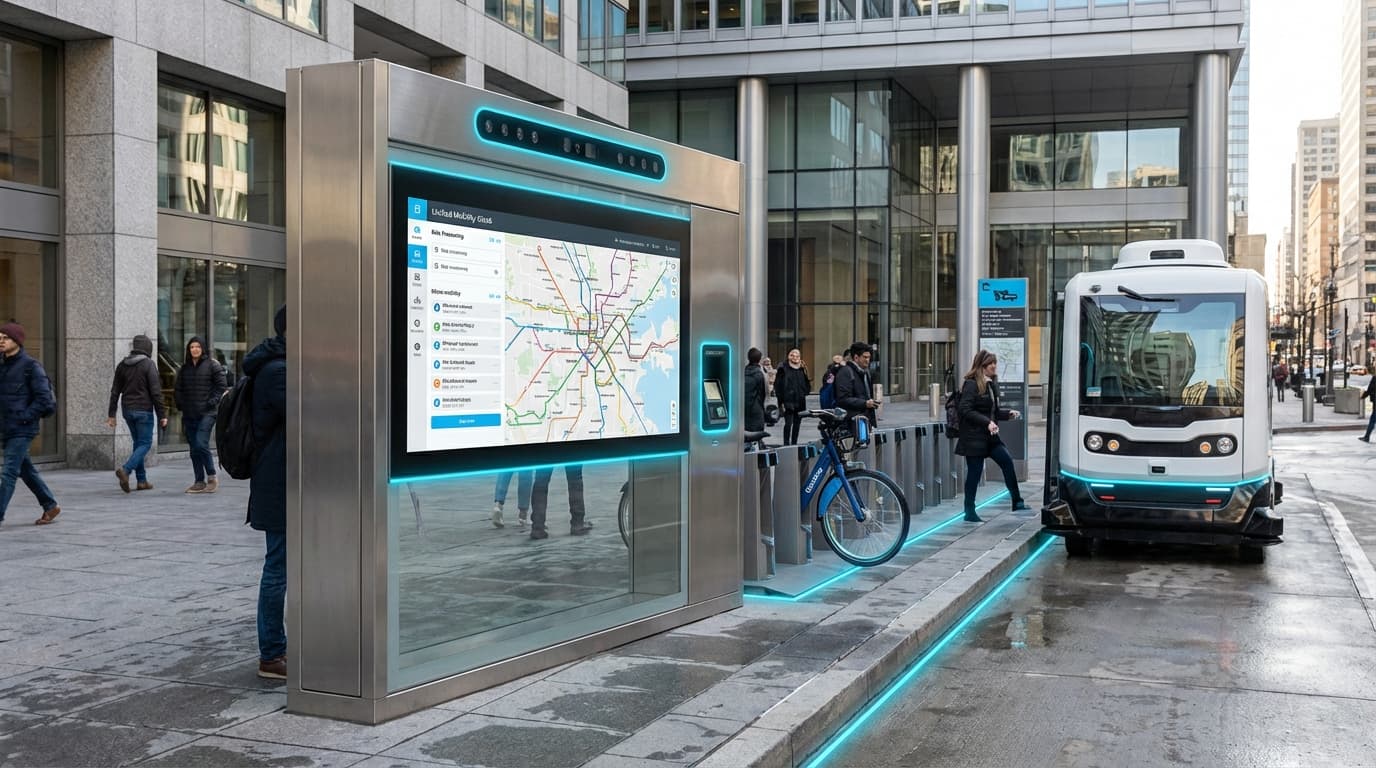
Mobility-as-a-Service (MaaS) aggregation platforms represent a fundamental shift in how urban transportation systems are accessed and utilised. These digital ecosystems function as unified interfaces that consolidate multiple transportation modes—including public transit, ride-hailing services, bike-sharing, scooter rentals, car-sharing, and even taxi services—into a single, seamless user experience. The technical architecture of these platforms relies on sophisticated APIs that connect to various transportation providers, real-time data feeds that track vehicle availability and transit schedules, and intelligent routing algorithms that can calculate optimal multimodal journeys based on factors such as time, cost, carbon footprint, and user preferences. Payment integration allows users to access all these services through a single account, eliminating the friction of managing multiple apps, payment methods, and membership systems. The platforms typically incorporate machine learning capabilities to personalise recommendations and predict demand patterns, while backend systems handle complex tasks such as fare calculation across different operators, trip validation, and revenue distribution among participating service providers.
The emergence of MaaS aggregation platforms addresses several critical challenges facing modern urban mobility. Cities worldwide struggle with traffic congestion, air pollution, inefficient use of transportation infrastructure, and the environmental impact of private vehicle ownership. Traditional transportation systems operate in silos, with each mode requiring separate planning, ticketing, and payment processes, creating barriers that discourage multimodal travel and keep commuters dependent on personal vehicles. MaaS platforms break down these barriers by making it easier and often more cost-effective to combine different transportation modes for a single journey. This integration enables new business models, such as subscription-based mobility packages that offer unlimited access to various services for a monthly fee, similar to telecommunications bundles. For transportation operators, these platforms provide access to broader customer bases and valuable data insights about travel patterns and demand. For cities, MaaS represents a pathway toward reducing car dependency, optimising existing infrastructure utilisation, and achieving sustainability goals without necessarily building new transit lines or expanding road networks.
Early implementations of MaaS aggregation platforms have emerged in cities across Europe and Asia, with varying degrees of integration and success. Helsinki's Whim service, often cited as a pioneering example, demonstrated the viability of subscription-based multimodal mobility, while similar platforms have launched in cities such as Vienna, Antwerp, and Singapore. However, widespread adoption faces challenges including the need for cooperation among competing transportation providers, regulatory frameworks that may not accommodate new mobility models, and the requirement for robust digital infrastructure and data-sharing agreements. The success of these platforms depends heavily on achieving critical mass—both in terms of participating service providers and active users—to create network effects that make the service indispensable. As urban populations continue to grow and climate concerns intensify, MaaS aggregation platforms are positioned to play an increasingly central role in the evolution of urban transportation. The technology aligns with broader trends toward the sharing economy, digitalisation of services, and the transition from ownership to access-based consumption models. Future developments may include integration with autonomous vehicles, dynamic pricing that responds to real-time demand and congestion levels, and deeper connections with urban planning systems to create truly responsive, demand-driven transportation networks that adapt to the changing needs of cities and their inhabitants.
Related Organizations

Berlin's public transport authority which launched 'Jelbi', widely considered one of the most successful deep-integration MaaS deployments globally.
A public-private partnership creating the foundations for a common approach to MaaS, focusing on open standards and legal frameworks.

Developer of the TripGo API and white-label MaaS solutions allowing organizations to create their own mobility apps.

Provides MaaS technology platforms for cities, powering solutions like Berlin's Jelbi and Munich's MVGO.

Iomob
Spain · Startup
Provides a middleware platform for open mobility marketplaces, enabling seamless roaming between MaaS apps.

A MaaS solutions provider (owned by Intel/Mobileye) offering an app with strong accessibility features for visually and mobility-impaired users.

A popular consumer app that aggregates public transport data and integrates ticketing and ride-hailing payments directly in the interface.

Provides TransitTech software to cities and agencies, powering on-demand microtransit services globally.

Provider of payment and information solutions for public transit, including the Umo MaaS platform.

Provides cloud-based software solutions for Mobility as a Service, focusing on integrated mobility platforms.

French developer of white-label MaaS solutions for local authorities and transport operators.

A leading navigation technology developer in Asia offering comprehensive multimodal route search and booking integration.

Industrial giant offering intermodal transport solutions and MaaS platforms for transit agencies.

Global rail solutions provider delivering ATO systems, recently acquiring Thales' Ground Transportation Systems to bolster autonomy capabilities.

Pioneer of Fare Payments-as-a-Service, enabling ticketing integration into MaaS apps like Uber and Transit.
Supporting Evidence
Research this in Signals
Signals turns a topic into a sourced research record you can inspect and rerun. Your first scan is free, and this one starts with MaaS Aggregation Platforms already loaded, so edit it or scan as is.