Micromobility Integration
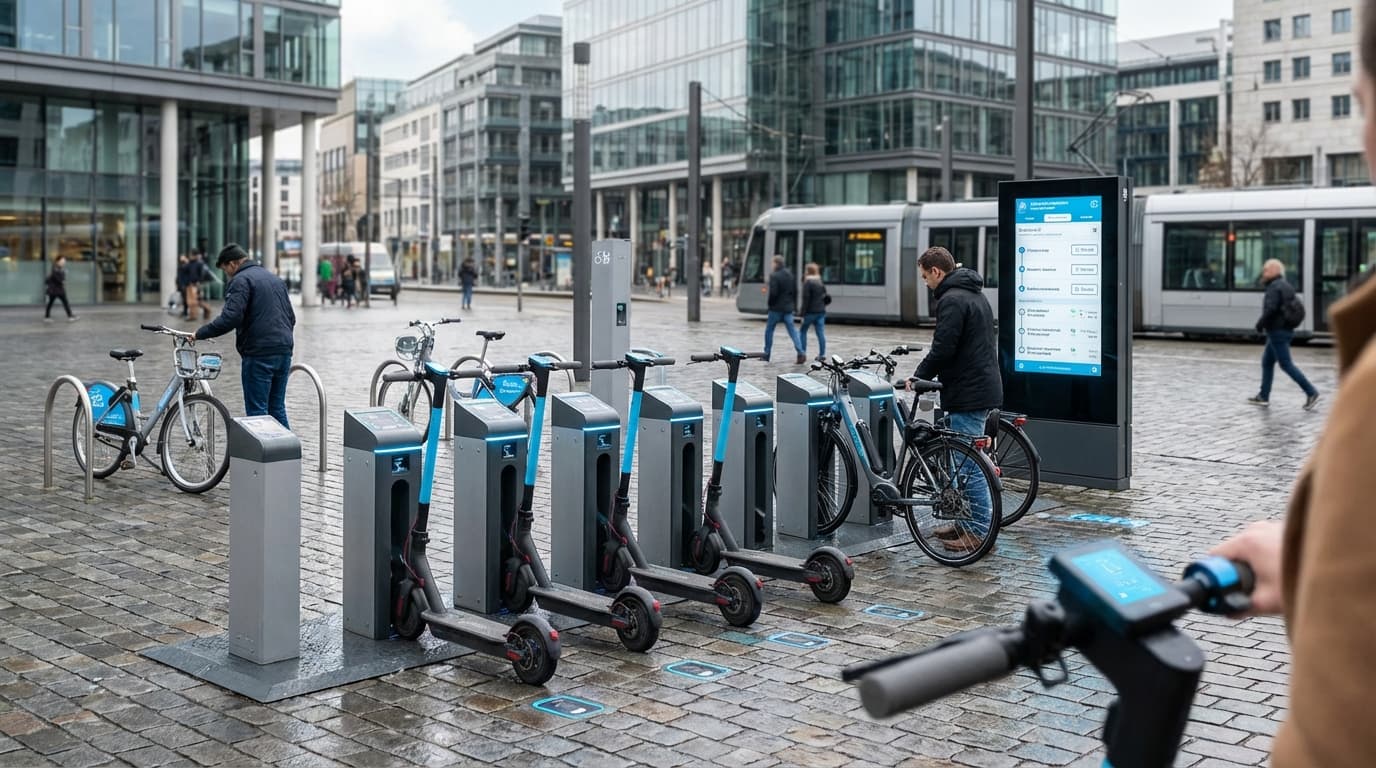
Micromobility integration represents the systematic incorporation of lightweight electric vehicles—primarily e-scooters, e-bikes, and shared bicycles—into urban transportation networks. This approach relies on a combination of physical infrastructure, digital platforms, and regulatory frameworks to create cohesive mobility ecosystems. The technical foundation includes dedicated cycling lanes, designated parking and charging zones, GPS-enabled vehicle tracking, and smartphone-based rental systems. These elements work together through Mobility-as-a-Service (MaaS) platforms that allow users to seamlessly plan, book, and pay for trips across multiple transportation modes. The vehicles themselves typically feature electric motors, removable batteries, IoT connectivity for fleet management, and integrated sensors that monitor usage patterns and vehicle health. This digital-physical infrastructure enables operators to dynamically redistribute vehicles based on demand patterns while cities can monitor usage data to optimise urban planning decisions.
The primary challenge micromobility addresses is the persistent "first-mile/last-mile" problem in urban transportation—the difficulty of efficiently connecting people between their homes or destinations and major transit hubs. Traditional public transportation systems often leave gaps that are too far to walk comfortably but too short to justify driving, leading to increased car dependency and urban congestion. By providing flexible, on-demand access to lightweight vehicles, micromobility fills these critical gaps while offering environmental benefits through reduced carbon emissions and decreased demand for parking infrastructure. This integration also enables cities to reclaim street space previously dedicated to private vehicles, potentially reallocating it for pedestrian zones, green spaces, or expanded cycling infrastructure. The economic model shifts transportation from ownership to access, reducing the financial burden on individuals while creating new opportunities for shared mobility services and supporting broader urban sustainability goals.
Cities across Europe and Asia have emerged as early adopters, with municipalities implementing various regulatory approaches ranging from permit systems to designated operating zones. Pilot programs have demonstrated measurable impacts on reducing short car trips and complementing existing public transit networks. However, challenges remain around vehicle parking behaviour, sidewalk clutter, and ensuring equitable access across different neighbourhoods and socioeconomic groups. As urban populations continue to grow and climate concerns intensify, micromobility integration is evolving from experimental programs into permanent components of urban transportation strategies. Future developments point toward improved vehicle durability, expanded charging infrastructure, better integration with autonomous vehicle networks, and more sophisticated data analytics to optimise fleet distribution and support evidence-based urban planning decisions.
Related Organizations
Develops 'PathPilot', an IoT module using computer vision to detect if scooters are on sidewalks, streets, or bike lanes.

A leading European shared micromobility provider (recently merged with Dott) focused on multimodal solutions.

A European micromobility operator offering e-scooters and e-bikes for sharing.

Duckt
Estonia · Startup
Develops universal docking and charging infrastructure for e-scooters and e-bikes (Acquired by ACTON).

Provides a white-label software platform that enables entrepreneurs and cities to launch their own micromobility fleets.

A global leader in short-distance transportation solutions and the primary manufacturer of e-scooter hardware for sharing fleets.

Provides software and hardware solutions for vehicle sharing operators to manage fleets and integrate with cities.

The North American Bikeshare & Scootershare Association connects industry leaders to support shared micromobility.
Supporting Evidence
Research this in Signals
Signals turns a topic into a sourced research record you can inspect and rerun. Your first scan is free, and this one starts with Micromobility Integration already loaded, so edit it or scan as is.