Dynamic Wireless Charging
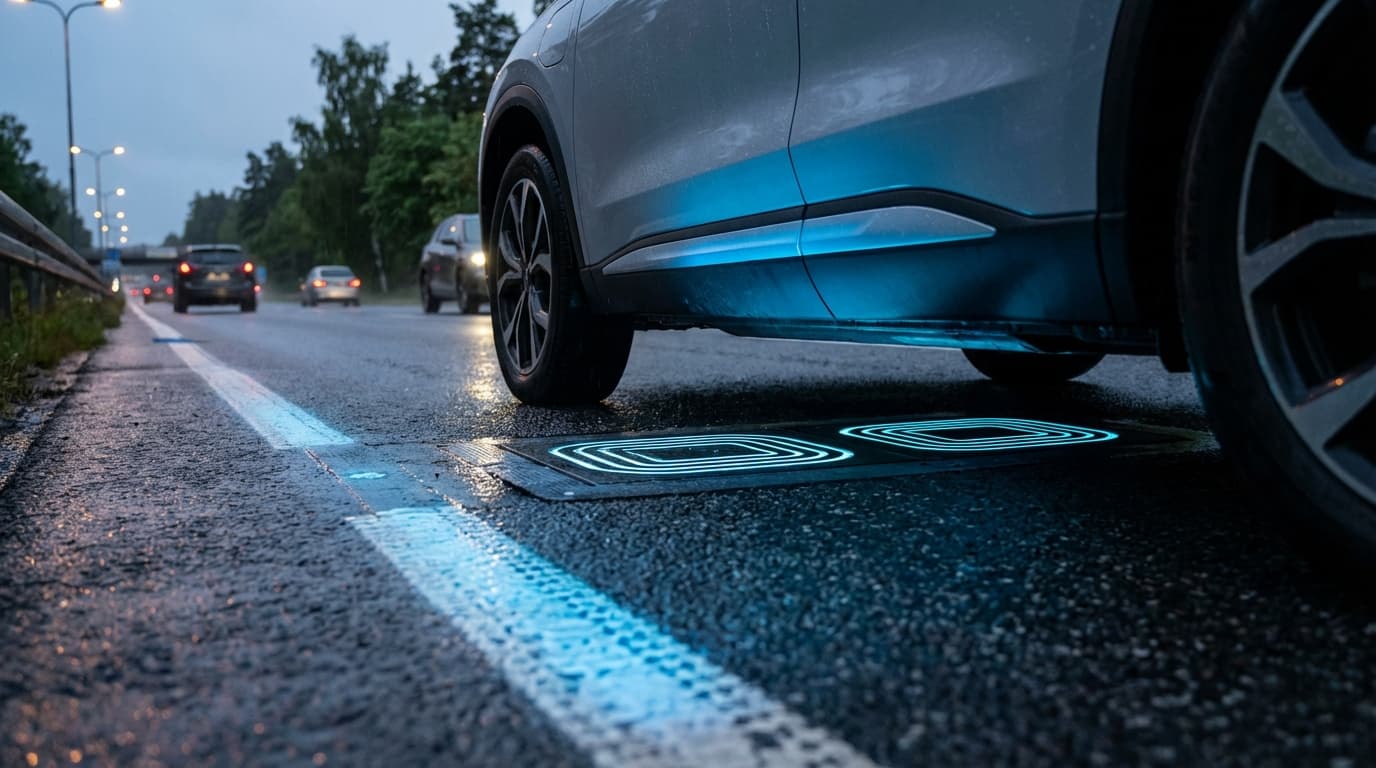
Dynamic wireless charging represents a paradigm shift in electric vehicle infrastructure, addressing one of the most persistent barriers to widespread EV adoption: range anxiety and charging downtime. Unlike conventional static charging stations that require vehicles to stop for extended periods, this technology embeds inductive charging coils directly into road surfaces, creating what are essentially electrified highways. The system operates through electromagnetic induction, where alternating current flowing through transmitter coils beneath the road surface generates a magnetic field that induces current in receiver coils mounted on the vehicle's underside. This wireless power transfer occurs across an air gap of several centimeters, allowing vehicles to charge continuously while maintaining normal highway speeds. The infrastructure typically consists of segmented charging zones rather than continuous electrification, with power management systems that activate coils only when vehicles are directly overhead, optimizing energy efficiency and reducing operational costs.
The transportation sector faces mounting pressure to decarbonize while maintaining the operational efficiency that modern logistics and mobility demand. Dynamic wireless charging directly addresses several critical challenges that have limited electric vehicle deployment, particularly for commercial applications. Heavy-duty trucks, buses, and delivery vehicles require substantial battery capacity to complete their routes, resulting in prohibitively expensive battery packs that add significant weight and reduce payload capacity. By enabling vehicles to charge during operation, this technology allows manufacturers to specify smaller, lighter battery systems while actually extending effective range. For urban transit systems, buses equipped with dynamic charging capability can operate continuously on electrified routes without the lengthy charging stops that disrupt schedules and require additional vehicles to maintain service frequency. The technology also eliminates the need for extensive charging depot infrastructure, freeing valuable urban real estate and reducing the capital investment required for fleet electrification.
Several pilot programs and demonstration projects have begun validating the commercial viability of dynamic wireless charging systems. Research initiatives in Europe and Asia have installed test sections of electrified roadway, with early deployments focusing on bus rapid transit corridors and dedicated freight routes where predictable traffic patterns maximize infrastructure utilization. Industry analysts note that the technology appears most promising for applications with high-frequency vehicle movements over fixed routes, such as airport shuttles, port logistics, and urban delivery services. The economic case strengthens considerably when considering total cost of ownership: while the initial infrastructure investment is substantial, the reduction in battery costs, extended vehicle lifespan, and elimination of charging downtime can yield favorable returns for high-utilization commercial operations. As battery technology continues advancing and renewable energy integration becomes more sophisticated, dynamic charging infrastructure could evolve into a critical component of zero-emission transportation networks, particularly when combined with smart grid systems that optimize charging based on renewable energy availability and grid demand.
Related Organizations

Provides wireless charging solutions for electric vehicles (EVs) through dynamic in-road inductive technology.

Formed by the merger of EFD Induction and IPT Technology, specializing in inductive wireless power.

Conducts extensive academic research on sCO2 cycle optimization and component design.

Develops magnetizable concrete materials to improve the efficiency and cost of wireless charging infrastructure.

US Department of Energy multiprogram science and technology national laboratory.

Home to the SELECT (Sustainable Electrified Transportation) research center focusing on dynamic wireless power.

Pioneer in magnetic resonance wireless power transfer, focusing heavily on automotive EV charging and aftermarket solutions.

Automotive conglomerate testing dynamic wireless charging at their 'Arena del Futuro' circuit in Italy.

Operator of the A35 toll road in Italy, hosting the 'Arena del Futuro' dynamic charging pilot.

A global leader in the production of Bismuth-based high-temperature superconducting wires.
Supporting Evidence
Research this in Signals
Signals turns a topic into a sourced research record you can inspect and rerun. Your first scan is free, and this one starts with Dynamic Wireless Charging already loaded, so edit it or scan as is.