Electric Boat Technology for Lake and River Transport
Geography: Emea · Africa · Africa
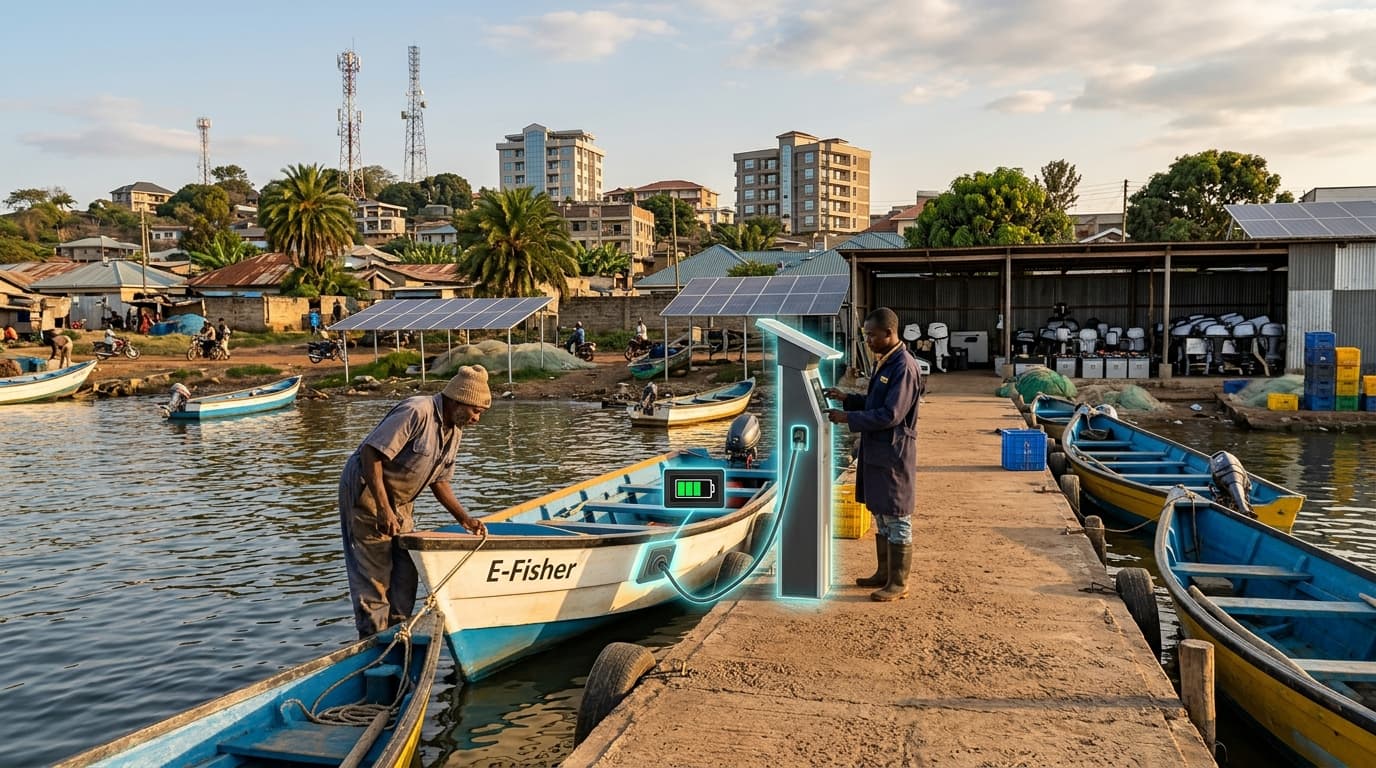
Lake Victoria — shared by Kenya, Uganda, and Tanzania — supports 70,000+ fishing boats and extensive passenger ferry services, almost all powered by petrol outboard motors or oars. East African startups are developing electric boat propulsion systems: solar-charged battery packs powering electric outboard motors that replace petrol engines. The technology addresses fuel cost (fishermen spend 30-40% of income on fuel), safety (petrol-related fires and capsizing from overloaded fuel containers), and environmental impact on the lake ecosystem.
The electric boat systems use lithium-ion battery packs that can be charged at lakeside solar charging stations or swapped at battery-swap points — the same model as electric motorcycle battery swapping adapted for marine use. Early deployments on Lake Victoria show fuel cost reductions of 70%+ and maintenance cost reductions of 80% compared to petrol outboards.
The opportunity extends beyond Lake Victoria. Africa has over 30,000 km of navigable inland waterways and coastlines used by millions of small-vessel operators. Electrifying this fleet would reduce carbon emissions, improve safety, lower operating costs for fishermen and ferry operators, and reduce petroleum dependence. The electric boat sector is earlier-stage than electric motorcycles but follows the same technology trajectory: African-adapted EV technology for the transport modes Africans actually use.
Research this in Signals
Signals turns a topic into a sourced research record you can inspect and rerun. Your first scan is free, and this one starts with Electric Boat Technology for Lake and River Transport already loaded, so edit it or scan as is.