Envisioning is an emerging technology research institute and advisory.

LinkedInInstagramGitHub

2011 — 2026

research
  • Observatory
  • Newsletter
  • Methodology
  • Origins
  • Vocab
  • RSS Feeds
services
  • Signals Session
  • Bespoke Projects
  • Build Sessions
  • Pricing
  • Use Cases
  • Signals
  • Signal Scan↗free
impact
  • ANBIMAFuture of Brazilian Capital Markets
  • IEEECharting the Energy Transition
  • Horizon 2045Future of Human and Planetary Security
  • WKOTechnology Scanning for Austria
solutions
  • Innovation
  • Strategy
  • Consultants
  • Foresight
  • Associations
  • Governments
  • L&D
resources
  • Partners
  • Coding for Non-Coders
  • How We Work
  • Data Visualization
  • Multi-Model Method
  • FAQ
  • Security & Privacy
  • Public Sector
about
  • Manifesto
  • Community
  • Events
  • Support
  • Contact
ResearchServicesSignalsAbout
  1. Home
  2. Research
  3. Vector
  4. Subsea Robotics and Autonomous Underwater Systems

Subsea Robotics and Autonomous Underwater Systems

Remotely operated and autonomous underwater vehicles for pre-salt oil field inspection, maintenance, and intervention at depths exceeding 2,000 meters

Geography: Americas · South America · Brazil

Back to VectorBack to BrazilView interactive version

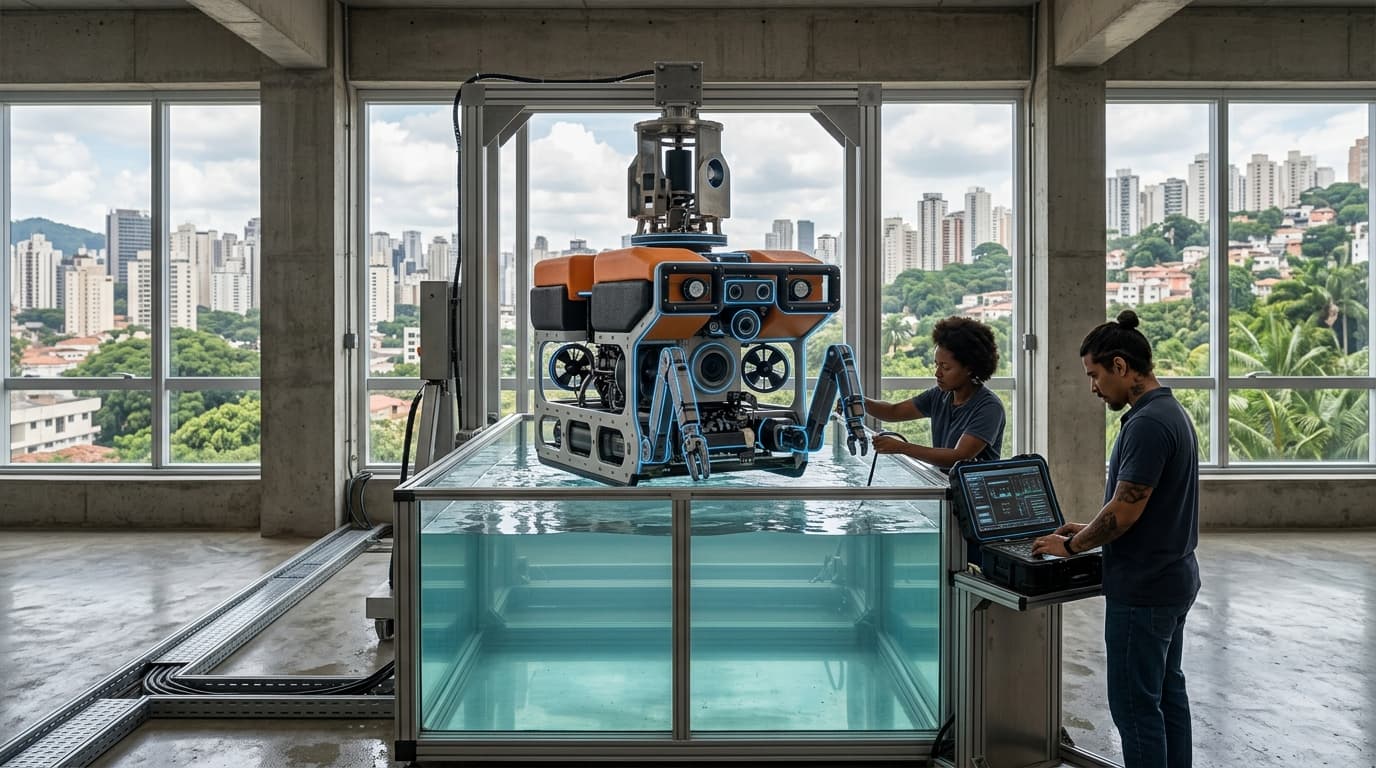
Brazil's pre-salt operations require robotic systems that can operate at extreme depths for extended periods. Petrobras and its technology partners have developed ROVs (Remotely Operated Vehicles) and AUVs (Autonomous Underwater Vehicles) capable of pipeline inspection, equipment maintenance, and subsea intervention at depths beyond 2,000 meters.

The technology includes subsea processing systems that separate oil, gas, and water on the ocean floor — reducing the volume of fluid pumped to surface platforms and enabling production from fields that would otherwise be uneconomical. Ocean floor sensors monitor reservoir behavior in real time.

Brazil's subsea robotics capability grew from necessity: pre-salt oil can't be accessed any other way. The technology developed for oil is now applicable to offshore wind installation, submarine cable maintenance, and deep-sea environmental monitoring.

TRL
8/9Deployed
Impact
3/5
Investment
3/5
Category
Applications

Research this in Signals

Scan Subsea Robotics and Autonomous Underwater Systems for yourself.

Signals turns a topic into a sourced research record you can inspect and rerun. Your first scan is free, and this one starts with Subsea Robotics and Autonomous Underwater Systems already loaded, so edit it or scan as is.