Autonomous Maritime Vessel Technology
Geography: Asia Pacific · Southeast Asia · Southeast Asia
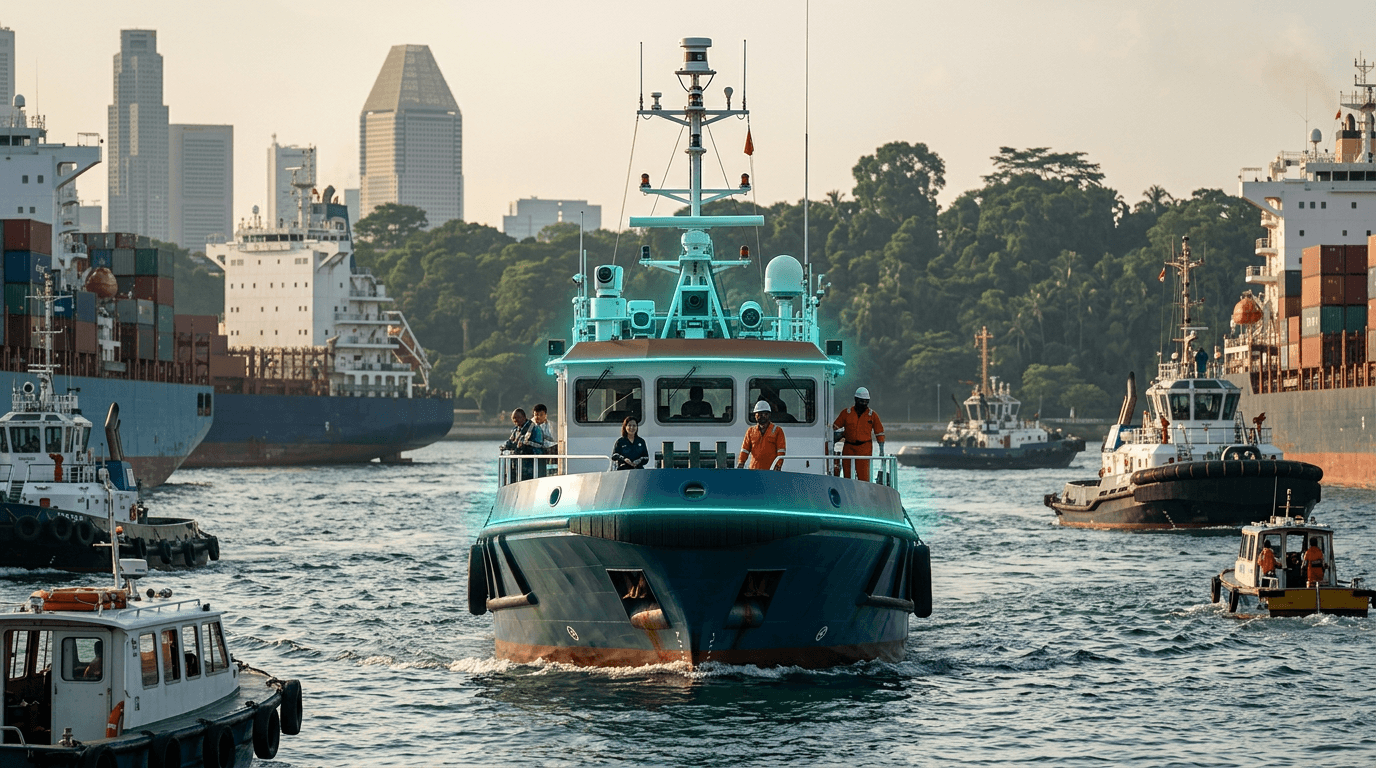
Singapore — The Maritime and Port Authority (MPA) of Singapore is conducting autonomous vessel trials in one of the world's most complex maritime environments — the Singapore Strait, where 1,000+ vessels pass daily. Trials include autonomous navigation, remote vessel operation, and AI-based collision avoidance in dense traffic conditions.
Singapore's approach is regulatory-first: developing safety standards, liability frameworks, and operational protocols for autonomous vessels before commercial deployment. This mirrors its approach to autonomous vehicles on land and cultured meat in food — creating the regulatory infrastructure that de-risks industry investment.
If autonomous vessels prove viable, the implications for global trade are enormous. Crewing costs represent 30-40% of vessel operating expenses. Autonomous ships could reduce shipping costs significantly while addressing a growing global seafarer shortage. Singapore, as the world's busiest port and a major maritime regulatory authority, is positioned to set the global standards that all autonomous vessels must meet.
Research this in Signals
Signals turns a topic into a sourced research record you can inspect and rerun. Your first scan is free, and this one starts with Autonomous Maritime Vessel Technology already loaded, so edit it or scan as is.