Electric Two-Wheeler and Battery-Swap Ecosystems
Geography: Emea · Africa · Africa
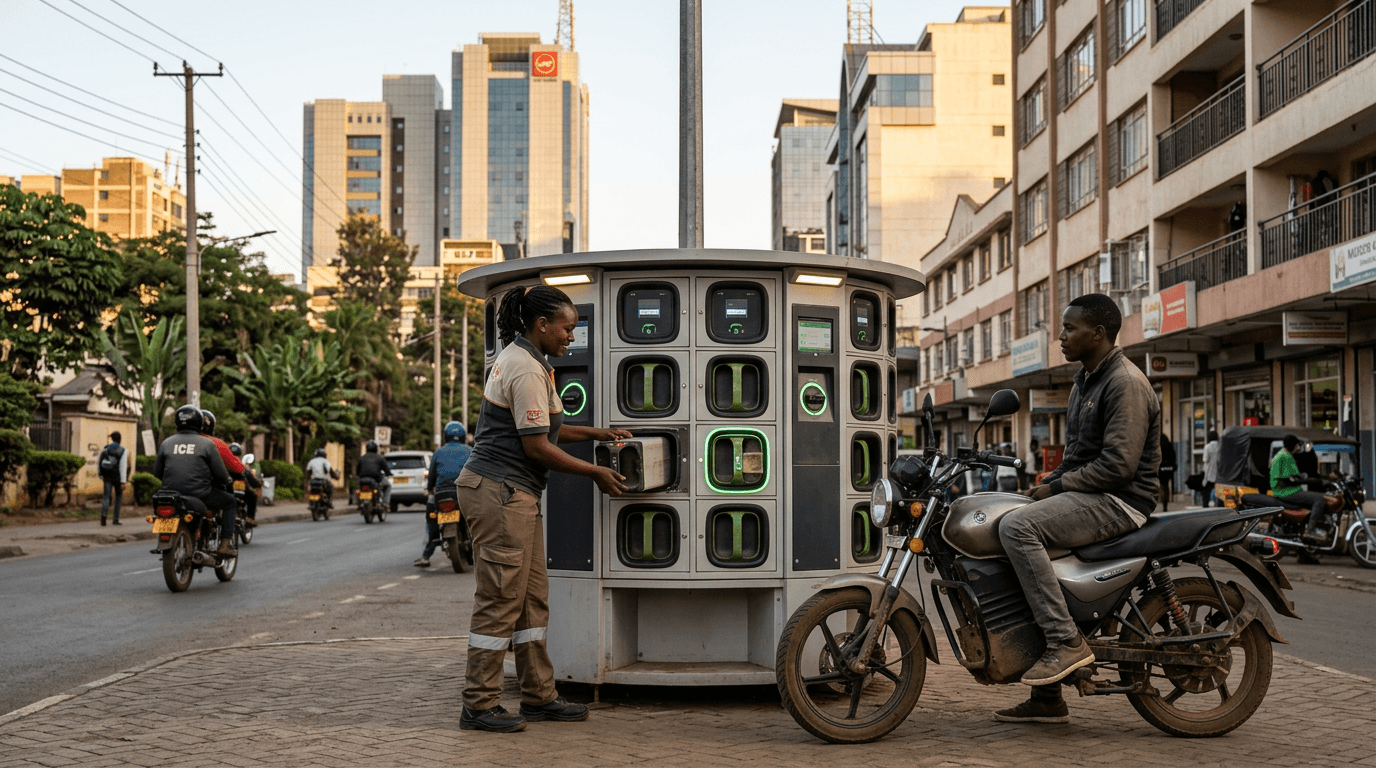
Africa's transport revolution is starting with two-wheelers, not cars. Motorcycles (boda-bodas, okadas, zémidjan) are the dominant form of motorized transport across Sub-Saharan Africa — there are estimated 27 million motorcycle taxis on the continent. Spiro (Benin-founded, operating in Benin, Togo, Rwanda, Kenya, Uganda, Nigeria) and Roam (Kenya-based, assembling in a 10,000 sqm factory) are electrifying this fleet with purpose-built electric motorcycles and battery-swap station networks.
Spiro has deployed over 10,000 electric motorcycles and operates hundreds of battery-swap stations where riders exchange depleted batteries for charged ones in under 60 seconds — eliminating range anxiety and charging downtime. The company has raised over $230 million since 2022 and targets 2 million bikes by 2030. Roam designs and assembles its electric motorcycles locally in Kenya, with a funding round in late 2025 opening to retail investors through crowdfunding.
The model is distinctly African: instead of waiting for charging infrastructure to develop (Africa has almost no public EV charging), the battery-swap approach converts existing petrol station economics into electric distribution networks. A motorcycle taxi driver saves 40-60% on fuel costs by switching to electric, with the swap model ensuring zero downtime. This is how the electrification of African transport will actually happen — two wheels at a time, through swappable batteries.
Research this in Signals
Signals turns a topic into a sourced research record you can inspect and rerun. Your first scan is free, and this one starts with Electric Two-Wheeler and Battery-Swap Ecosystems already loaded, so edit it or scan as is.