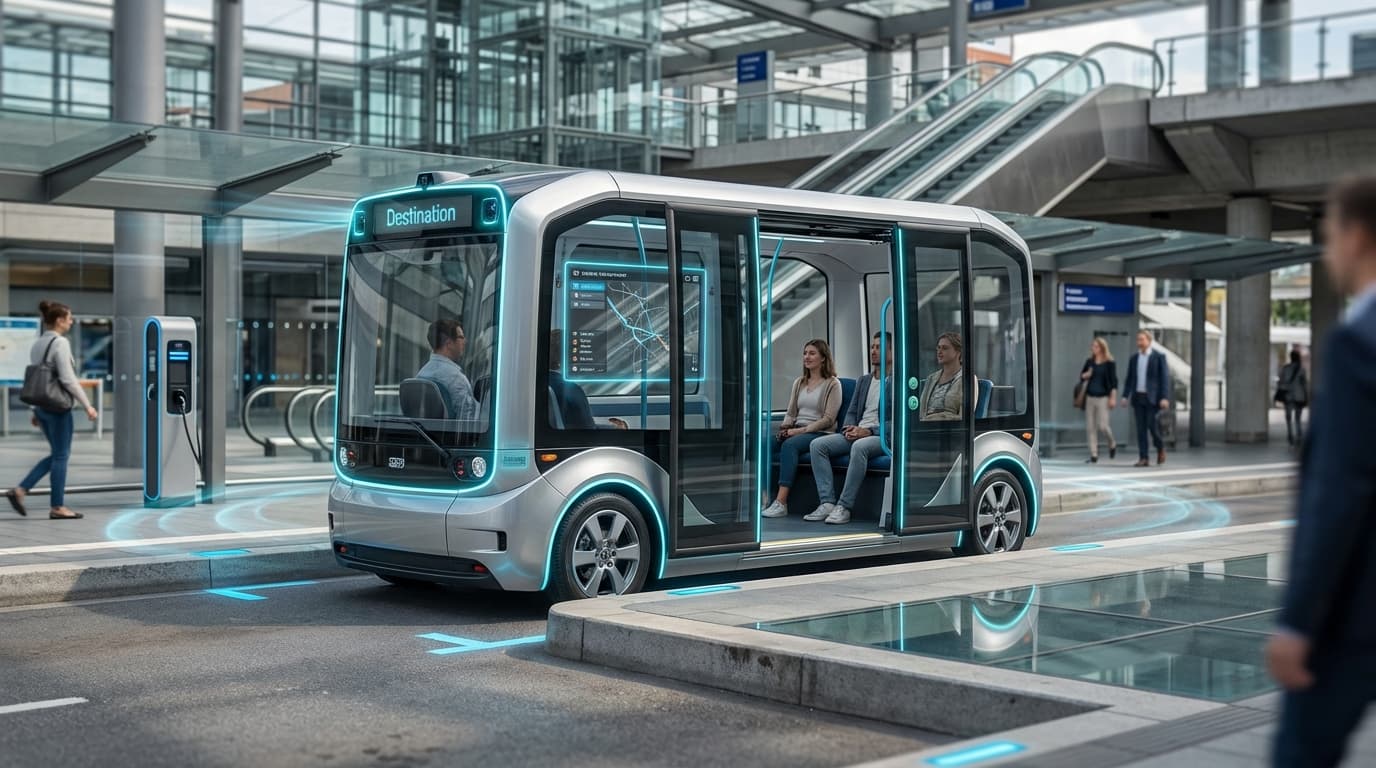
Autonomous Public Transit
Autonomous public transit represents a fundamental shift in how cities approach mass transportation, combining self-driving technology with traditional bus and shuttle services to create more efficient, responsive transit networks. These systems utilize a sophisticated array of sensors—including LiDAR, radar, cameras, and GPS—integrated with artificial intelligence and machine learning algorithms to navigate urban environments without human drivers. The vehicles operate either on dedicated bus rapid transit (BRT) corridors with controlled environments or on mixed-traffic routes, depending on the deployment model and local infrastructure. Advanced vehicle-to-infrastructure (V2I) communication enables these autonomous vehicles to interact with traffic signals, charging stations, and central management systems, optimizing routes and schedules in real-time based on passenger demand and traffic conditions.
The primary challenge autonomous public transit addresses is the escalating cost of operating conventional bus systems, where driver salaries typically represent 60-70% of operational expenses. By eliminating or reducing the need for human operators, cities can extend service hours, increase frequency on underutilized routes, and provide first-mile/last-mile connections that were previously economically unfeasible. This technology also tackles the persistent problem of driver shortages affecting transit agencies worldwide, while simultaneously improving service reliability through consistent adherence to schedules and routes. Furthermore, autonomous transit vehicles can be right-sized for demand, deploying smaller shuttles during off-peak hours and larger vehicles during rush periods, optimizing both energy consumption and passenger experience. The integration with electric powertrains compounds these benefits, reducing both operational costs and environmental impact while contributing to broader urban sustainability goals.
Several cities have already launched pilot programs and limited commercial deployments of autonomous public transit. Early implementations indicate promising results in controlled environments such as university campuses, airport terminals, and dedicated transit corridors where variables can be more easily managed. Industry analysts note that full-scale urban deployment faces regulatory hurdles, public acceptance challenges, and the technical complexity of navigating unpredictable mixed-traffic scenarios. However, the trajectory suggests a gradual rollout model, beginning with geofenced routes in less complex environments and expanding as technology matures and regulatory frameworks evolve. As urban populations continue to grow and cities seek sustainable alternatives to private vehicle ownership, autonomous public transit represents a critical component of future mobility ecosystems, potentially reshaping urban development patterns by enabling more efficient, equitable access to transportation across metropolitan areas.
Related Organizations

A high-tech company specializing in driverless technology and smart mobility solutions, famous for the EZ10 autonomous shuttle.

A leader in autonomous vehicle technology, deploying fleets of self-driving shuttles for public transit in various US cities.

A software company delivering an SAE Level-4 automated driving software platform for commercial vehicles and buses.

Beep
United States · Startup
A mobility-as-a-service provider delivering autonomous mobility networks, operating shuttles in planned communities and cities.

World's largest bus manufacturer, actively deploying autonomous buses (WitGO) in China and globally.

A global technology company supplying systems for passenger cars and commercial vehicles, including autonomous shuttle systems (via 2getthere acquisition).

Develops autonomous mobility solutions for low-speed environments like campuses, airports, and industrial sites.

Parent company of New Flyer, developing the Xcelsior AV heavy-duty autonomous transit bus.

A New Zealand-based manufacturer of autonomous electric shuttles designed for first and last-mile transport.
Supporting Evidence
Research this in Signals
Signals turns a topic into a sourced research record you can inspect and rerun. Your first scan is free, and this one starts with Autonomous Public Transit already loaded, so edit it or scan as is.