Vehicle-Integrated Photovoltaics (VIPV)
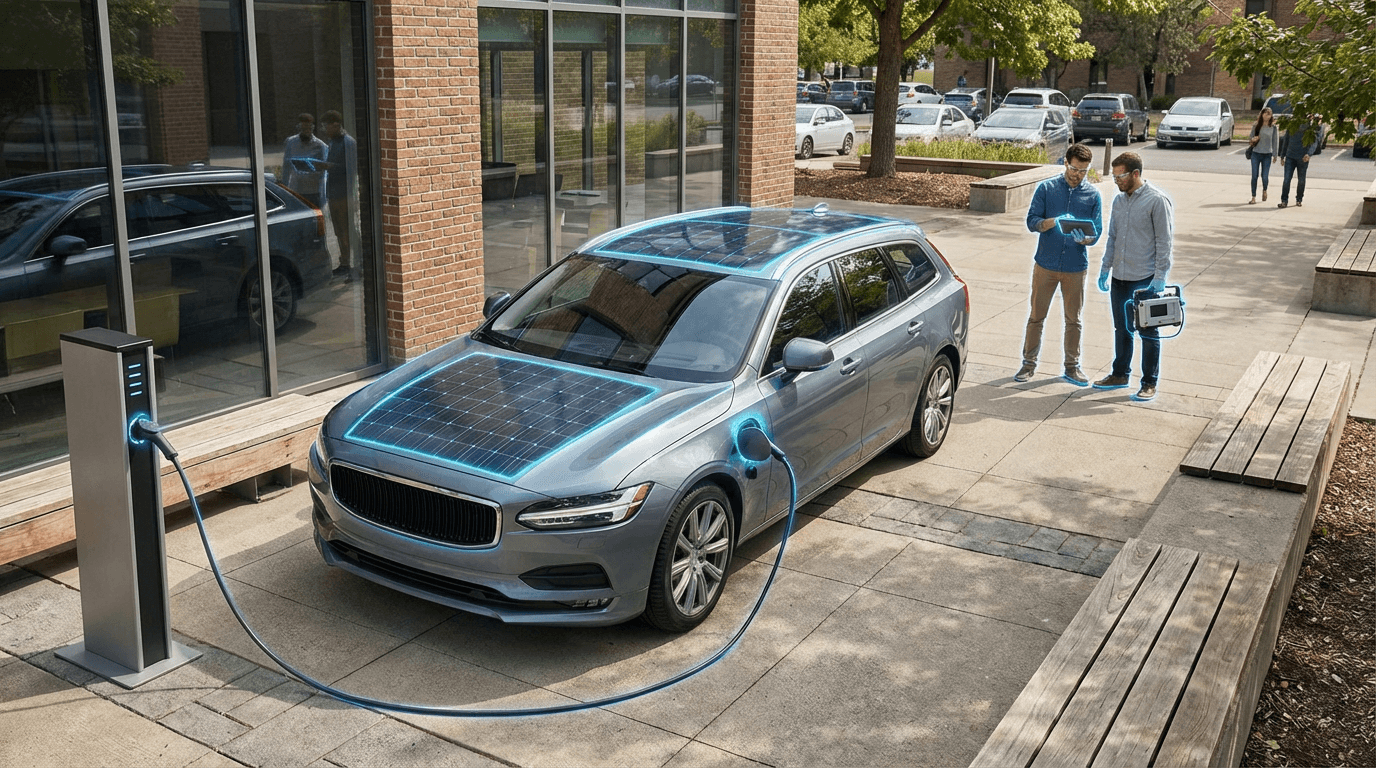
Vehicle-Integrated Photovoltaics represents a fundamental shift in how electric vehicles generate and consume energy, moving beyond traditional plug-in charging models toward self-sustaining power generation. Unlike conventional solar panels that are mounted as aftermarket additions, VIPV systems embed thin-film or crystalline silicon photovoltaic cells directly into the structural components of vehicles during manufacturing—including roofs, hoods, doors, and even curved surfaces like trunk lids. These cells are engineered to be lightweight, durable, and flexible enough to conform to the aerodynamic contours of modern vehicle design while maintaining the aesthetic appeal that consumers expect. The technology relies on advances in solar cell efficiency, protective coatings that resist scratches and UV degradation, and power management systems that convert captured sunlight into usable electricity for the vehicle's battery pack. Research suggests that newer tandem solar cell architectures and perovskite-based materials may further increase energy conversion rates, making VIPV even more viable for mainstream adoption.
The primary challenge VIPV addresses is the limited range and charging infrastructure anxiety that continues to hinder electric vehicle adoption, particularly in regions with dispersed populations or underdeveloped charging networks. By continuously harvesting solar energy during daylight hours—whether the vehicle is parked or in motion—VIPV systems reduce the frequency of grid charging sessions and extend the practical usability of electric vehicles. This capability is especially valuable for urban commuters who may not have access to home charging stations or for fleet operators seeking to minimize downtime and energy costs. Early deployments indicate that vehicles equipped with VIPV can generate enough power to cover short daily commutes in sunny climates without ever plugging in, while also providing auxiliary power for climate control systems when parked, reducing battery drain. The technology also enables new business models, such as vehicle-to-grid systems where parked cars with VIPV can feed excess solar energy back into the electrical grid during peak demand periods, transforming vehicles into distributed energy assets.
Current adoption of VIPV remains concentrated in premium and concept vehicles, with several automakers incorporating solar roofs as optional features on hybrid and electric models. Industry analysts note that cost remains a barrier to widespread implementation, as integrating photovoltaic cells into body panels requires specialized manufacturing processes and adds weight that must be offset by efficiency gains. However, as solar cell costs continue to decline and efficiency improvements make smaller surface areas more productive, VIPV is expected to transition from a luxury feature to a standard component in electric vehicle design. The technology aligns with broader trends toward energy independence and sustainable transportation, offering a pathway to reduce the carbon footprint of vehicle operation while simultaneously addressing practical concerns about charging convenience. As battery technology improves and vehicle designs become more optimized for solar capture—potentially including transparent solar windows and integrated energy storage—VIPV could play a central role in achieving truly autonomous, energy-positive mobility systems that require minimal external infrastructure.
Related Organizations

Developing a highly efficient three-wheeled electric vehicle designed specifically for solar charging capabilities.

Former EV manufacturer pivoted to becoming a solar technology supplier for buses, trucks, and refrigerated trailers.

Leading European research institute for solar energy, pioneering agrivoltaics standards and pilot projects.

Japanese government agency funding extensive research into high-efficiency vehicle solar panels.

Chemical and material manufacturer producing high-efficiency heterojunction solar cells for automotive applications.

Developing a solar city car (L6e/L7e category) designed for shared mobility.

Developing agricultural support tools including electrostatic spraying and growth stimulation technologies for greenhouses.

Swiss research center developing aesthetic and efficient PV technologies for mobility.

Specializes in odd-form and flexible solar modules for automotive integration.

Develops solar-integrated tonneau covers for pickup trucks to provide off-grid power and EV range extension.
Supporting Evidence
Research this in Signals
Signals turns a topic into a sourced research record you can inspect and rerun. Your first scan is free, and this one starts with Vehicle-Integrated Photovoltaics (VIPV) already loaded, so edit it or scan as is.