Autonomous Marine Vessels
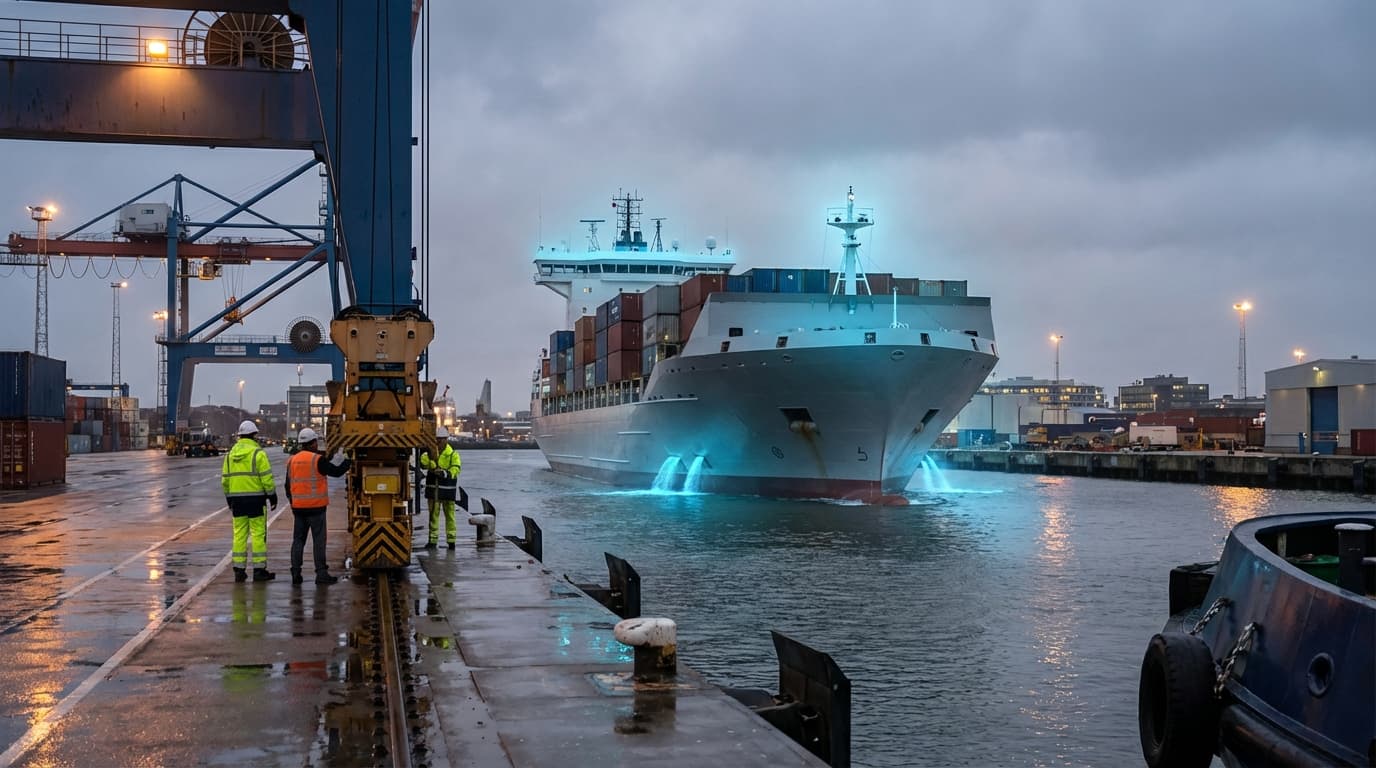
Autonomous marine vessels represent a fundamental shift in maritime transportation, employing sophisticated artificial intelligence systems, advanced sensor arrays, and satellite-based navigation to operate without human crews aboard. These vessels integrate multiple technologies including LIDAR, radar, cameras, and automatic identification systems (AIS) to perceive their surroundings and make real-time navigation decisions. The core architecture typically combines machine learning algorithms trained on vast datasets of maritime conditions with redundant control systems that can respond to changing weather, traffic patterns, and port conditions. Unlike traditional ships that rely on human captains and crew for navigation and operations, these vessels process sensor data through onboard computers that can detect obstacles, calculate optimal routes, and execute complex maneuvers such as docking procedures with precision that matches or exceeds human capabilities.
The maritime industry faces mounting pressures from rising labor costs, persistent safety concerns, and increasing demands for operational efficiency. Human error remains a leading cause of maritime accidents, while crew expenses constitute a significant portion of shipping operational budgets. Autonomous vessels address these challenges by eliminating the need for onboard accommodations, reducing the risk of accidents caused by fatigue or misjudgment, and enabling continuous operations without shift changes or rest periods. These systems can optimize fuel consumption by calculating the most efficient routes and speeds based on real-time weather data and ocean currents, potentially reducing emissions in an industry under growing environmental scrutiny. The technology also opens possibilities for redesigning vessel architecture, as space previously dedicated to crew quarters and life support systems can be repurposed for additional cargo capacity or more efficient propulsion systems.
Several maritime nations have initiated pilot programs to validate autonomous vessel technology in controlled environments. Norway has deployed autonomous ferries and cargo vessels on short coastal routes, while Singapore's port authority has tested autonomous tugboats and harbor craft in its busy container terminals. Japanese shipping companies have conducted trials of autonomous container ships on domestic routes, demonstrating the technology's viability for short-sea shipping applications where vessels operate in relatively predictable environments. These early deployments typically maintain remote monitoring capabilities, with shore-based operators able to intervene if necessary, representing a transitional phase toward fully autonomous operations. The technology aligns with broader maritime industry trends toward digitalization and decarbonization, as autonomous systems can be more readily integrated with alternative propulsion methods such as electric or hydrogen fuel cells. As regulatory frameworks evolve and the technology matures through these pilot programs, autonomous vessels are positioned to transform cargo transport and port operations, particularly for repetitive short-distance routes where the business case for automation is most compelling.
Related Organizations

Delivers 'Vessel Insight' and digital twin technologies that capture sensor data from ships to monitor fuel consumption and emissions.

A joint venture between Kongsberg and Wilhelmsen dedicated to operating autonomous vessels and providing remote control centers.

Subsidiary of HD Hyundai specializing in autonomous navigation solutions for large merchant ships and leisure boats.

Marine robotics company deploying the 'Armada' fleet, a large fleet of uncrewed robotic vessels for ocean data and logistics.
A global crop nutrition company and a provider of environmental solutions.

A global leader in smart technologies for the marine market, developing integrated systems for fleet optimization and emission monitoring.
Major Japanese shipping company leading the MEGURI 2040 consortium to establish fully autonomous ship technologies.

Provides AI-based navigation and collision avoidance systems for commercial ships, a stepping stone to full autonomy.

Manufactures and operates autonomous surface vehicles (USVs) powered by wind and solar for ocean data collection.
Supporting Evidence
Research this in Signals
Signals turns a topic into a sourced research record you can inspect and rerun. Your first scan is free, and this one starts with Autonomous Marine Vessels already loaded, so edit it or scan as is.