Hydrogen Refueling Networks
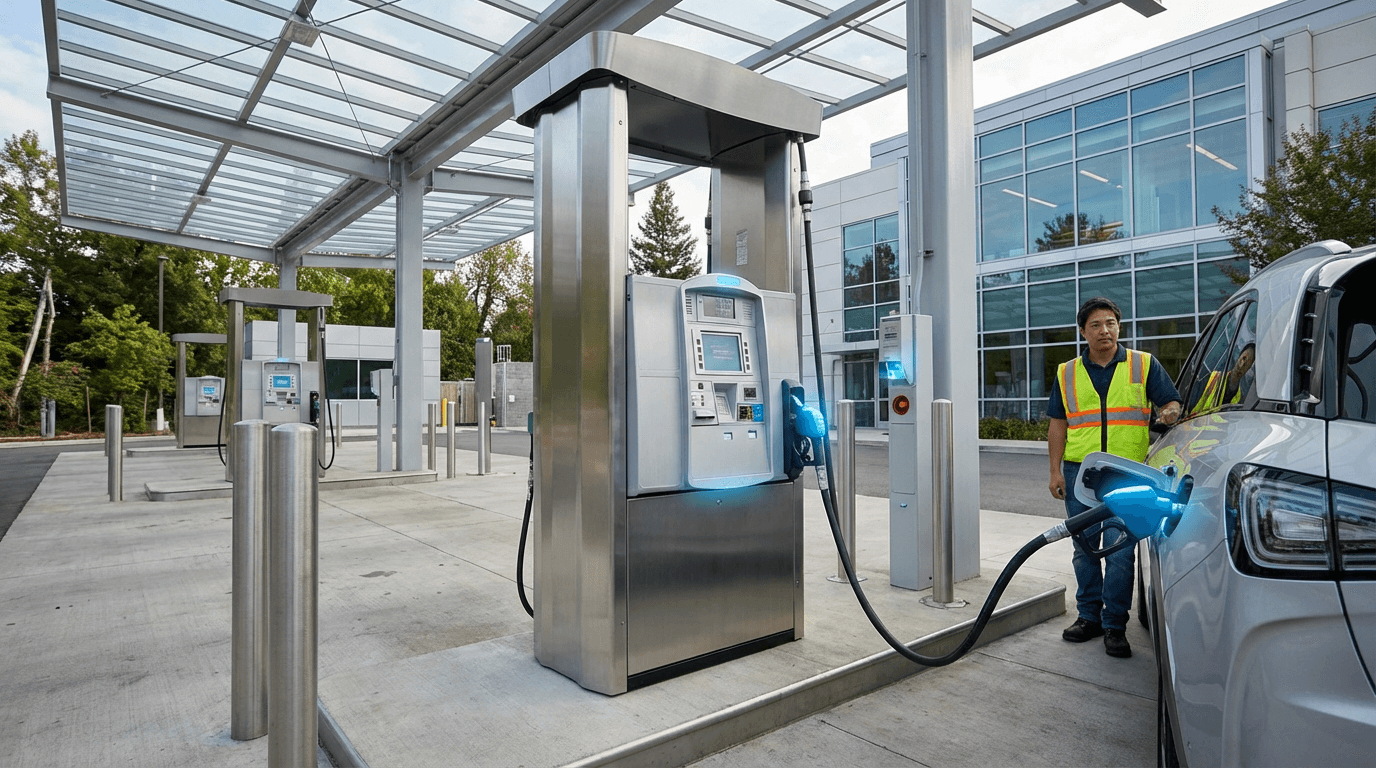
Hydrogen refueling networks represent a critical infrastructure layer for the deployment of fuel cell electric vehicles (FCEVs), particularly in transportation segments where battery-electric solutions face practical limitations. These networks consist of strategically located refueling stations equipped with high-pressure storage systems, compression equipment, and specialized dispensing nozzles capable of safely transferring hydrogen gas at pressures typically ranging from 350 to 700 bar. The refueling process itself mirrors the familiar experience of conventional fuel stations, with fill times of three to five minutes for passenger vehicles and slightly longer for heavy-duty applications. The infrastructure requires robust safety systems, including leak detection, ventilation protocols, and pressure management controls, alongside specialized materials that can withstand hydrogen's unique properties, such as its tendency to embrittle certain metals over time.
The primary challenge these networks address is the range and refueling time limitations that constrain battery-electric vehicles in certain applications, particularly heavy-duty trucking, maritime transport, and long-haul logistics operations. While battery technology continues to advance, the weight penalties and extended charging times associated with large battery packs make them less practical for vehicles requiring maximum payload capacity and minimal downtime. Hydrogen refueling networks enable fleet operators to maintain operational patterns similar to diesel-powered vehicles while eliminating tailpipe emissions. This infrastructure also supports the decarbonization of industrial transport hubs, ports, and distribution centers where continuous operation is essential. Furthermore, hydrogen networks can leverage existing industrial hydrogen production and distribution channels, though the transition to green hydrogen produced via renewable-powered electrolysis remains a key challenge for achieving true zero-emission operations.
Early deployments of hydrogen refueling infrastructure have concentrated in regions with strong policy support and industrial partnerships, including parts of California, Germany, Japan, and South Korea. These initial networks primarily serve demonstration fleets and early commercial adopters in sectors such as municipal transit, port logistics, and regional trucking. Industry analysts note that the economic viability of these networks depends heavily on achieving sufficient utilization rates and coordinating hydrogen production, distribution, and end-use demand. The technology aligns with broader trends toward fuel diversity in transportation, particularly as governments and corporations seek pathways to decarbonize sectors that cannot easily transition to battery-electric solutions. As renewable energy capacity expands and electrolyzer costs decline, hydrogen refueling networks are positioned to play an increasingly important role in comprehensive zero-emission transportation strategies, complementing rather than competing with battery-electric infrastructure across different vehicle classes and duty cycles.
Related Organizations

A company developing and operating the 'True Zero' network of hydrogen fueling stations.
Consortium building and operating the hydrogen refueling infrastructure across Germany.

World leader in gases, technologies, and services for industry and health.


A global dedicated hydrogen company delivering optimal solutions to produce, store, and distribute hydrogen from renewable energy.

State agency providing critical grant funding for the construction of hydrogen stations.
European manufacturer and installer of high-capacity hydrogen refueling stations.

Japan's leading hydrogen supplier, operating a significant network of refueling stations.

China's largest oil refiner, aggressively building a network of hydrogen stations.

Designs and manufactures electrolyzers based on proton exchange membrane (PEM) technology.

Truck manufacturer developing the HYLA brand for hydrogen distribution and dispensing.
Supporting Evidence
Research this in Signals
Signals turns a topic into a sourced research record you can inspect and rerun. Your first scan is free, and this one starts with Hydrogen Refueling Networks already loaded, so edit it or scan as is.