Alternative Battery Chemistries
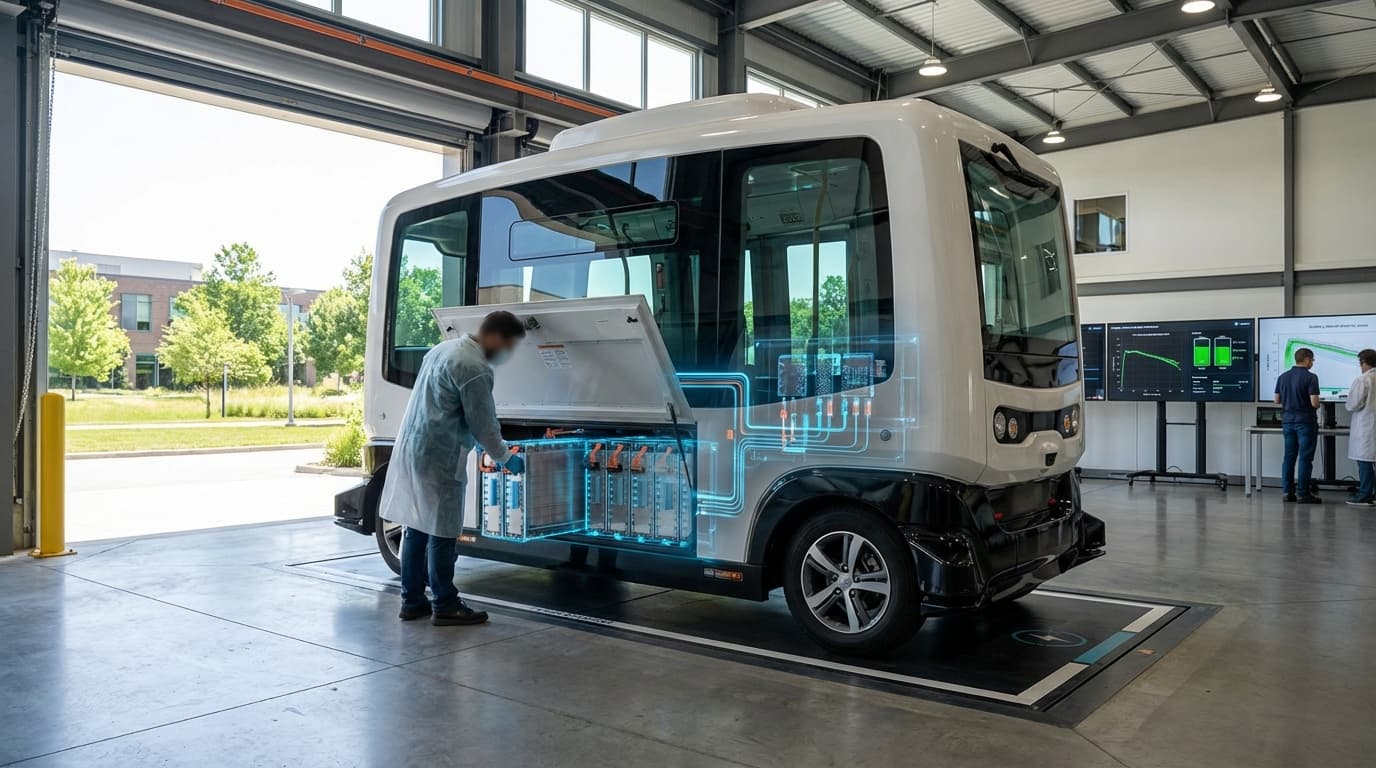
The global transition to electric mobility has exposed critical vulnerabilities in the current reliance on lithium-ion battery technology, particularly concerning resource availability, cost volatility, and performance limitations for specific applications. Alternative battery chemistries represent a diverse portfolio of electrochemical energy storage solutions designed to address these constraints through fundamentally different material compositions and reaction mechanisms. Sodium-ion batteries, for instance, replace lithium with sodium—an element roughly 1,000 times more abundant in the Earth's crust—enabling similar intercalation chemistry while dramatically reducing material costs and supply chain risks. Lithium-sulfur systems leverage sulfur's theoretical energy density of approximately 2,600 Wh/kg, potentially offering significantly lighter battery packs compared to conventional lithium-ion's practical limit of around 250 Wh/kg. Other emerging chemistries include aluminum-air batteries, which generate electricity through the oxidation of aluminum in the presence of oxygen, and solid-state variants that replace liquid electrolytes with solid materials to enhance safety and energy density. Each chemistry involves distinct charge-discharge mechanisms, electrode materials, and electrolyte compositions tailored to overcome specific technical barriers.
The transportation sector faces divergent requirements that no single battery technology can optimally serve across all applications. Heavy-duty vehicles demand different energy-to-weight ratios than passenger cars, while stationary charging infrastructure and grid-scale storage prioritize cost and longevity over weight. Sodium-ion batteries are particularly promising for applications where weight is less critical but cost sensitivity is paramount, such as urban delivery vehicles, stationary energy storage at charging stations, and entry-level electric vehicles in emerging markets. Lithium-sulfur technology addresses the aviation and long-haul trucking sectors' need for maximum energy density to extend range without prohibitive weight penalties. Alternative chemistries also mitigate geopolitical risks associated with lithium and cobalt supply chains, which are concentrated in relatively few countries and subject to price volatility and ethical sourcing concerns. By diversifying the technological foundation of electric mobility, these alternatives enable manufacturers to optimize battery selection based on specific performance requirements, cost targets, and regional resource availability rather than forcing all applications into a one-size-fits-all solution.
Several alternative battery chemistries have progressed beyond laboratory research into pilot production and early commercial deployment. Sodium-ion batteries have entered mass production, with manufacturers in China and Europe beginning to integrate them into electric vehicles and energy storage systems, particularly for applications where slightly lower energy density is acceptable in exchange for reduced costs. Lithium-sulfur technology remains primarily in advanced development stages, with research institutions and startups working to overcome challenges related to cycle life and sulfur dissolution, though prototype applications in specialized aerospace and defense contexts demonstrate its potential. The broader adoption trajectory for these technologies will likely follow a segmented pattern, with each chemistry finding its niche based on the specific demands of different transportation modes and use cases. As battery manufacturing scales globally and supply chain pressures intensify, the diversification enabled by alternative chemistries becomes increasingly strategic for the resilience and sustainability of electric mobility infrastructure. This technological plurality aligns with the broader industry trend toward application-specific optimization rather than universal solutions, suggesting a future where multiple battery technologies coexist to serve the varied needs of an electrified transportation ecosystem.
Related Organizations
The world's largest battery manufacturer, actively deploying Sodium-ion batteries commercially.

Pioneer in non-aqueous sodium-ion battery technology, acquired by Reliance New Energy Solar.
A leading Chinese startup focused exclusively on sodium-ion battery R&D and manufacturing.

Develops Lithium-Sulfur (Li-S) batteries using a proprietary 3D Graphene material.

Manufactures sodium-ion batteries using Prussian Blue electrode chemistry for high-power, long-life industrial and grid applications.

A battery manufacturer with a dedicated recycling program (Revolt) aiming for 50% recycled material in new cells by 2030.
United States · Company
Developer of Licerion technology, a lithium-metal battery system utilizing lithium-sulfur and other advanced chemistries.

Developing a Crystal Battery based on Lithium-Sulfur chemistry targeting 3x energy density.

CNRS spin-off developing sodium-ion batteries for power applications and hybrid vehicles.

Produces 'Fennac', a cathode material for sodium-ion batteries based on Prussian White.

Produces SCC55, a silicon-carbon composite anode material for lithium-ion batteries.

Produces a silicon anode material (Titan Silicon) that replaces graphite to boost energy density.
Supporting Evidence
Research this in Signals
Signals turns a topic into a sourced research record you can inspect and rerun. Your first scan is free, and this one starts with Alternative Battery Chemistries already loaded, so edit it or scan as is.