Digital Freight Exchange and Trucking Platforms
Geography: Emea · Africa · Africa
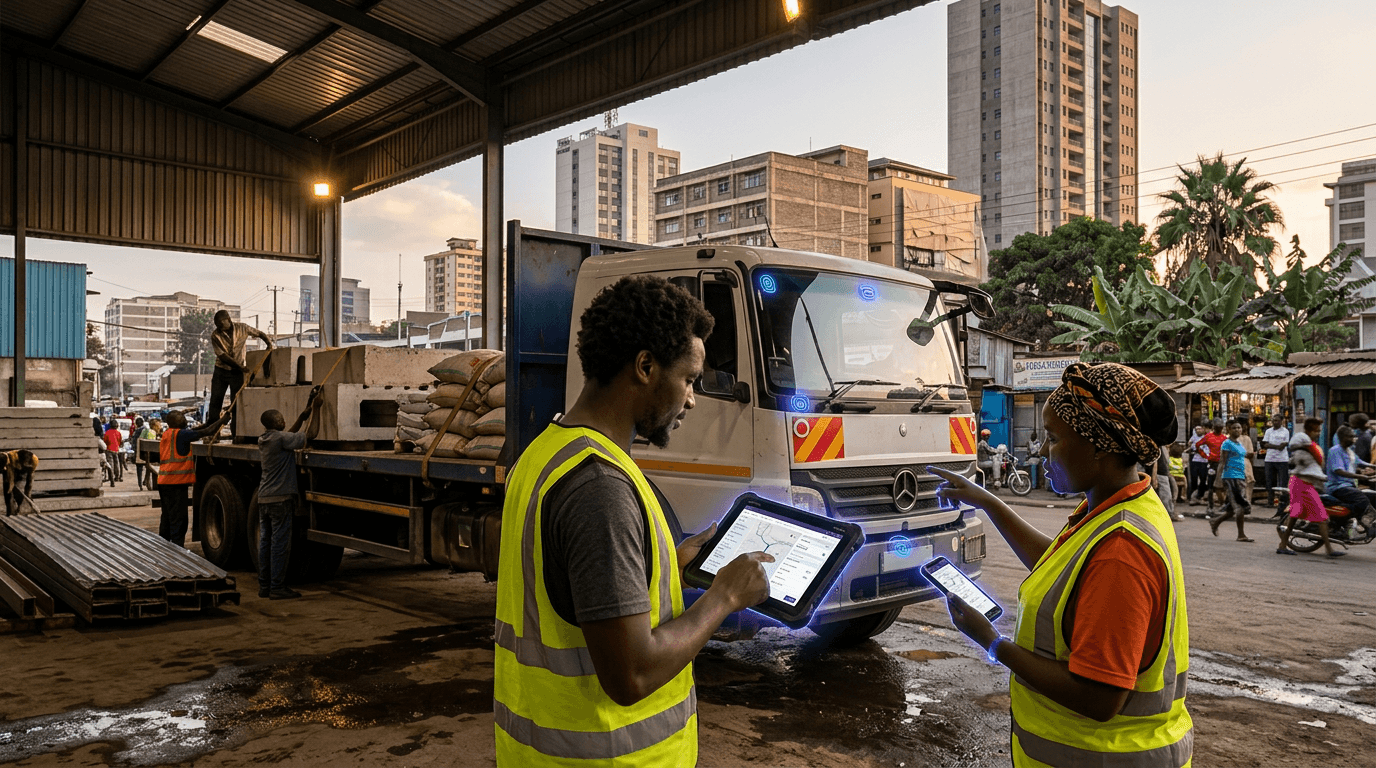
Digital freight exchanges are solving one of Africa's most expensive inefficiencies: trucks drive empty 40-60% of the time because cargo owners and truckers can't find each other. Kobo360 (Nigeria), Lori Systems (Kenya), and similar platforms use AI matching algorithms, GPS tracking, and mobile-money-integrated payment to connect shippers with available trucks in real time. Kobo360 alone operates across Nigeria, Ghana, Kenya, Uganda, and Togo, moving goods worth billions annually.
Africa's logistics costs average 50-75% of goods' value — compared to 6-10% in developed economies — making everything from food to medicine unnecessarily expensive. The primary cause is fragmentation: millions of independent truckers operating without coordination, information, or access to return loads. Digital freight platforms aggregate supply and demand, optimize routes using AI, provide real-time shipment tracking, and handle payments digitally — reducing costs by 20-40% for shippers while increasing income for truckers.
The platforms generate transformative data: trade flow patterns, road condition reports, border crossing times, and demand forecasts that were previously invisible. This data enables better infrastructure investment decisions, trade policy, and supply chain planning. The African Continental Free Trade Area (AfCFTA) will increase intra-African trade — but only if logistics costs come down. Digital freight platforms are the essential technology enabler for continental trade integration.
Research this in Signals
Signals turns a topic into a sourced research record you can inspect and rerun. Your first scan is free, and this one starts with Digital Freight Exchange and Trucking Platforms already loaded, so edit it or scan as is.