Physical Internet
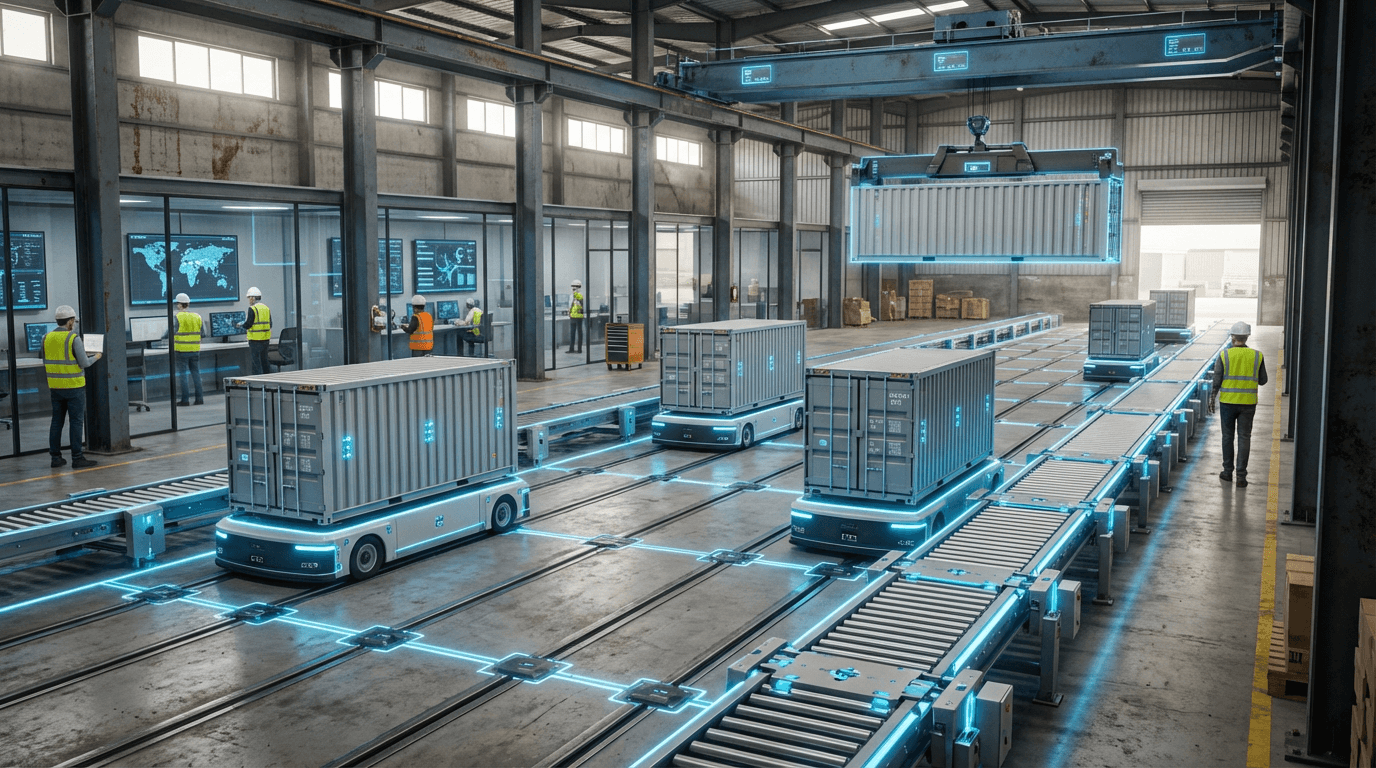
The Physical Internet represents a paradigm shift in logistics and supply chain management, drawing inspiration from how data packets move across the digital internet. At its foundation lies the concept of standardized modular containers, known as π-containers (pi-containers), which can be efficiently nested, stacked, and routed through a shared network of transportation assets. Unlike traditional logistics systems where companies operate proprietary networks with dedicated vehicles and routes, the Physical Internet envisions an open system where goods are broken down into standardized units and transported through the most efficient available pathways. This approach relies on three pillars of interconnectivity: physical standardization of containers and handling equipment, digital protocols for tracking and routing shipments, and operational frameworks that enable seamless handoffs between different carriers and modes of transport. The system employs smart routing algorithms that dynamically optimize paths based on real-time conditions, much like internet protocols route data packets through the most efficient network nodes.
The logistics industry faces mounting pressures from inefficiency, environmental concerns, and rising costs. Current supply chains suffer from significant waste, with trucks running empty on return trips up to 40% of the time in some regions, warehouses operating at suboptimal capacity, and fragmented systems requiring multiple handoffs that increase both time and cost. The Physical Internet addresses these challenges by enabling true multimodal integration and resource sharing across organizational boundaries. By treating physical goods like data packets that can be split, merged, and rerouted dynamically, the system promises to dramatically reduce empty vehicle movements, optimize warehouse utilization through distributed storage nodes, and decrease overall transportation costs. This approach also supports sustainability goals by consolidating shipments, reducing redundant trips, and enabling more efficient use of existing infrastructure. The framework creates new business models where logistics providers can offer capacity on a shared network, similar to how internet service providers operate, potentially democratizing access to sophisticated supply chain capabilities for smaller businesses.
Early research and pilot programs have demonstrated the viability of Physical Internet concepts, with academic institutions and industry consortia exploring standardized container designs and digital protocols for inter-organizational coordination. Several European logistics hubs have tested shared consolidation centers that embody Physical Internet principles, showing measurable improvements in vehicle utilization and delivery efficiency. The technology aligns with broader trends toward circular economy models, urban consolidation centers, and the digitalization of supply chains through IoT sensors and blockchain-based tracking systems. As e-commerce continues to drive demand for faster, more flexible delivery while cities implement stricter environmental regulations, the Physical Internet offers a framework for meeting these competing demands. The transition toward this vision remains gradual, requiring significant coordination among stakeholders and investment in compatible infrastructure, but the potential benefits in efficiency, sustainability, and resilience position it as a compelling direction for the future of global logistics networks.
Related Organizations

The European Technology Platform for logistics, actively developing the roadmap and framework for the implementation of the Physical Internet in Europe by 2030.

A leading academic research center dedicated specifically to the Physical Internet, founded by Benoit Montreuil, one of the concept's originators.

Provides cloud software solutions that enable logistics collaboration and interconnectivity, effectively acting as a router for the Physical Internet.

German research institute working on the 'Silicon Economy' and open source hardware/software for the Physical Internet.

GS1
Belgium · Consortium
Global standards organization (barcodes) now developing the 'GS1 Digital Link' to connect physical products to the web and digital passports.

Home to the 'Physical Internet Chair', conducting advanced research on interconnectivity and logistics protocols.

Developer of 'The Box', a smart, reusable, and trackable shipping container that aligns with the modular containerization goals of the Physical Internet.

Major FMCG company that has been a vocal proponent and pilot partner for Physical Internet concepts to reduce logistics carbon footprints.

Telecommunications giant developing the connectivity layer (5G, IoT) required to track π-containers in a Physical Internet system.
Supporting Evidence
Research this in Signals
Signals turns a topic into a sourced research record you can inspect and rerun. Your first scan is free, and this one starts with Physical Internet already loaded, so edit it or scan as is.