Bidirectional V2X Grids
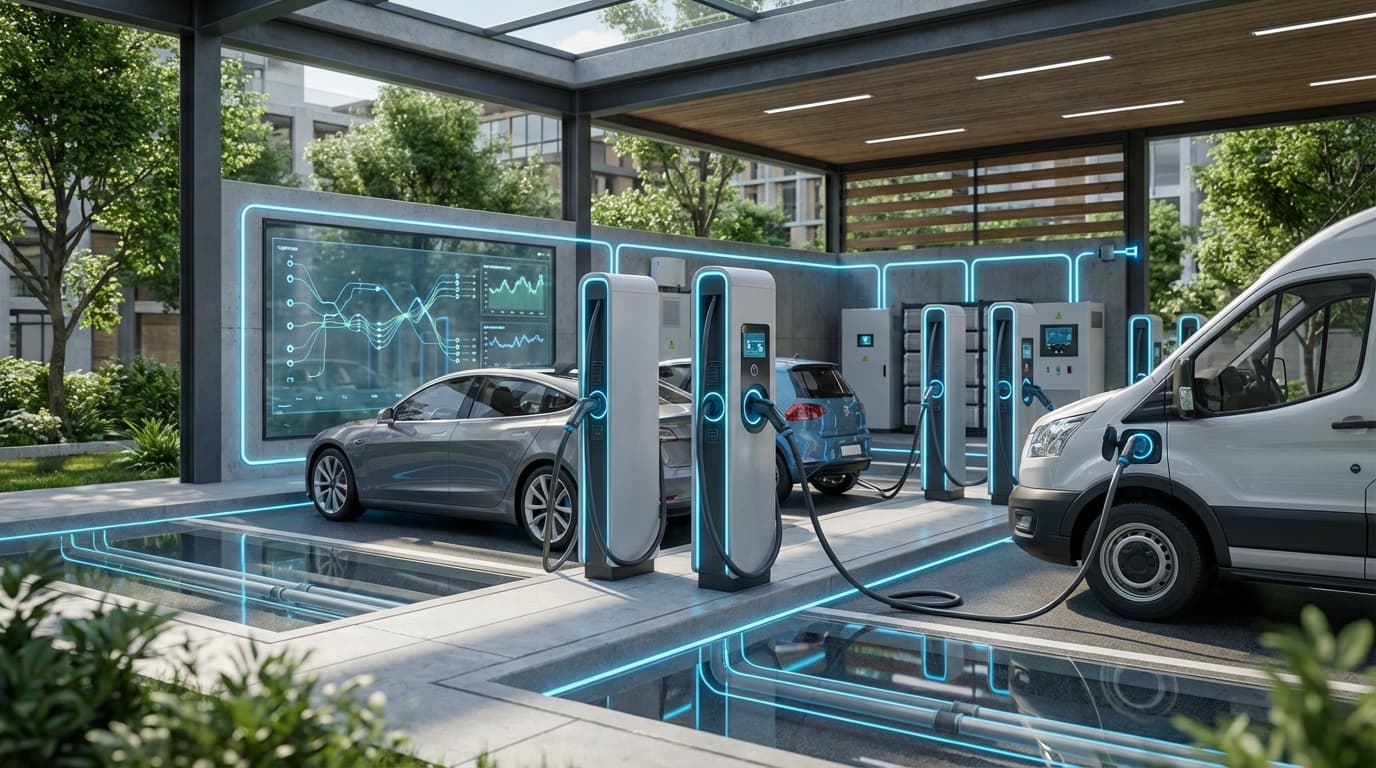
Bidirectional Vehicle-to-Everything (V2X) technology represents a fundamental shift in how electric vehicles interact with energy infrastructure. Unlike conventional charging systems that only allow one-way power flow from the grid to the vehicle, V2X-enabled systems employ sophisticated power electronics and communication protocols that permit electricity to flow in both directions. At the technical core, this requires onboard inverters capable of converting the vehicle's DC battery power to AC grid power, alongside smart charging controllers that can respond to grid signals and pricing mechanisms. The system relies on standardized communication protocols such as ISO 15118 and OpenADR to coordinate between vehicles, charging stations, and grid operators, ensuring that power transfers occur safely and efficiently while maintaining battery health through carefully managed charge-discharge cycles.
The emergence of V2X technology addresses several critical challenges facing modern energy systems and the transportation sector's electrification. As renewable energy sources like solar and wind become more prevalent, grid operators face increasing difficulty managing the intermittent nature of these power sources—solar panels produce no electricity at night, and wind turbines depend on weather conditions. Electric vehicles, which typically sit parked for over 90 percent of their lifetime, represent an enormous reservoir of distributed battery capacity that can absorb excess renewable energy during periods of high generation and return it during peak demand or low generation periods. This capability transforms what would otherwise be a massive additional load on the grid into a flexible asset that enhances grid stability and resilience. For vehicle owners, V2X creates new revenue opportunities through participation in demand response programs and energy arbitrage, where they can sell stored energy back to the grid during high-price periods. For utilities and grid operators, it reduces the need for expensive peaking power plants and dedicated grid-scale battery installations.
Early deployments of V2X technology are already demonstrating real-world viability, with pilot programs operating in regions including California, the Netherlands, and Japan. Several automakers have begun offering V2X-capable vehicles, while charging infrastructure providers are developing compatible bidirectional charging stations for residential, commercial, and public use. In emergency scenarios, V2X systems have proven valuable for providing backup power to homes and critical facilities during outages, with some electric vehicles capable of powering an average home for several days. The technology also enables Vehicle-to-Building applications where commercial fleets can reduce facility energy costs by discharging during peak rate periods. As battery costs continue to decline and EV adoption accelerates, industry analysts project that the aggregated capacity of electric vehicle batteries could eventually rival or exceed traditional grid storage solutions. This convergence of transportation electrification and grid modernization positions V2X as a cornerstone technology for achieving both decarbonisation goals and energy system resilience, fundamentally redefining the relationship between mobility and energy infrastructure.
Related Organizations

A pure-play Vehicle-to-Grid (V2G) technology company managing power between EVs and the grid.

Global association dedicated to promoting interoperability based on the Combined Charging System (CCS) and the Megawatt Charging System (MCS).

Provides V2X bidirectional charging systems and software for commercial fleets.

Develops technology to integrate vehicle batteries into the power grid for stabilization.

Develops the r16 home energy station, combining solar inverter and bidirectional EV charger.

Software platform optimizing smart energy devices, including V2G integration for utilities.

Automotive OEM that pioneered V2G capabilities with the LEAF and CHAdeMO standard.

Global smart charging company known for compact home chargers (Pulsar) and load balancing technology.

The world's leading supplier of microinverter-based solar and battery systems.

EV charging platform provider offering V2G solutions for energy management.

Software company connecting EVs to the grid to optimize charging and enable V2G.
Supporting Evidence
Research this in Signals
Signals turns a topic into a sourced research record you can inspect and rerun. Your first scan is free, and this one starts with Bidirectional V2X Grids already loaded, so edit it or scan as is.