AI-Optimized Last-Mile Logistics Platforms
Geography: Emea · Africa · Africa
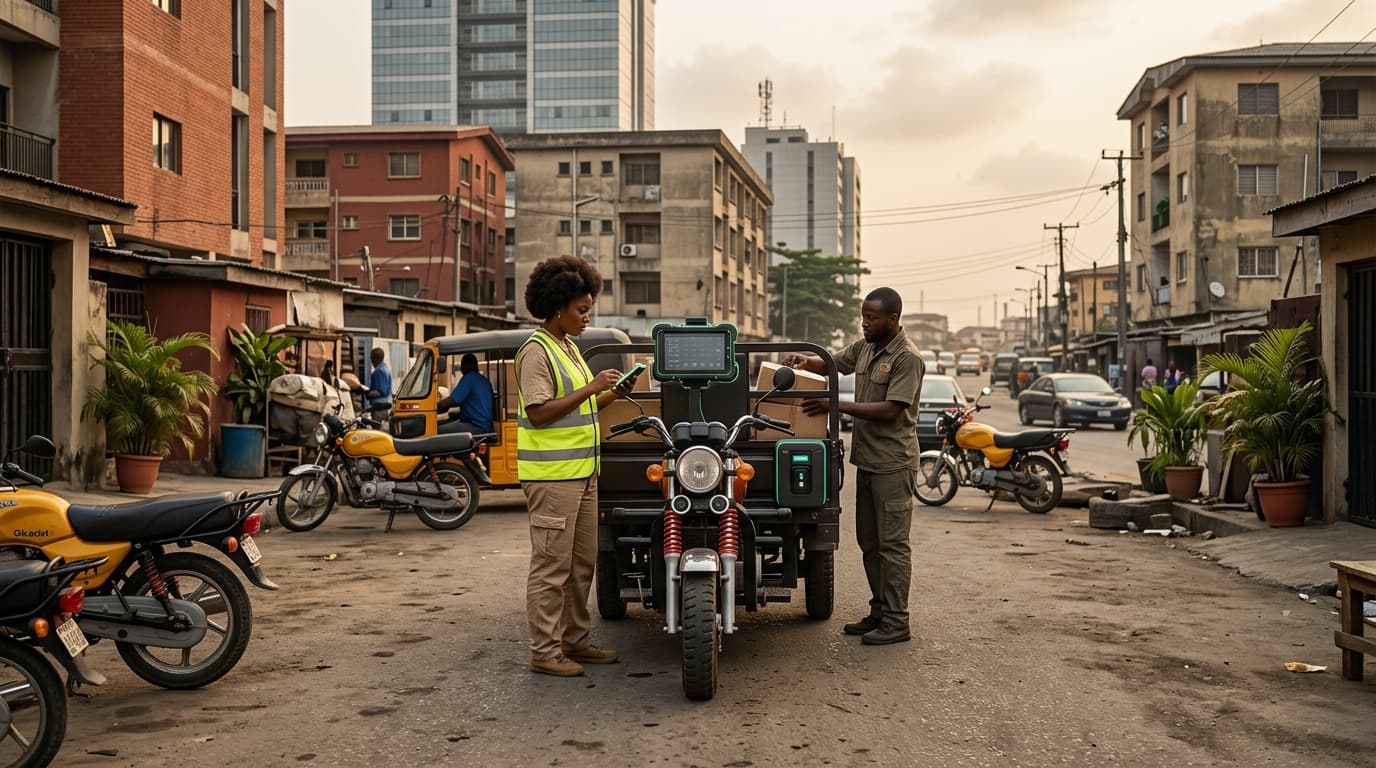
African logistics technology companies have built AI-optimized platforms to coordinate freight and last-mile delivery across cities and countries with no standardized address systems. Kobo360 (Nigeria) connects trucks with cargo across West Africa, using AI to optimize routes, reduce empty backhauls, and match supply with demand. Lori Systems (Kenya) does similar work in East Africa. Last-mile delivery companies like Gokada (Nigeria), Sendy (Kenya), and MAX (Nigeria) use motorcycle fleets coordinated via AI for urban deliveries.
The absence of formal addresses — most African streets have no names, buildings have no numbers — is solved through GPS coordinates, landmark descriptions, and machine learning that maps delivery patterns to actual locations. Over time, delivery data creates de facto address systems. What3words and Plus Codes are being integrated, but the real innovation is adaptive logistics AI that learns to navigate cities based on successful delivery patterns rather than maps.
Africa's logistics costs are 2-3x higher than in developed economies, adding 75% to the cost of goods in some corridors. Technology that reduces these costs has a multiplicative effect on the entire economy — cheaper logistics means cheaper goods, broader market access for producers, and more viable e-commerce. The platforms are also generating data that enables better urban planning, infrastructure investment, and trade policy.
Research this in Signals
Signals turns a topic into a sourced research record you can inspect and rerun. Your first scan is free, and this one starts with AI-Optimized Last-Mile Logistics Platforms already loaded, so edit it or scan as is.