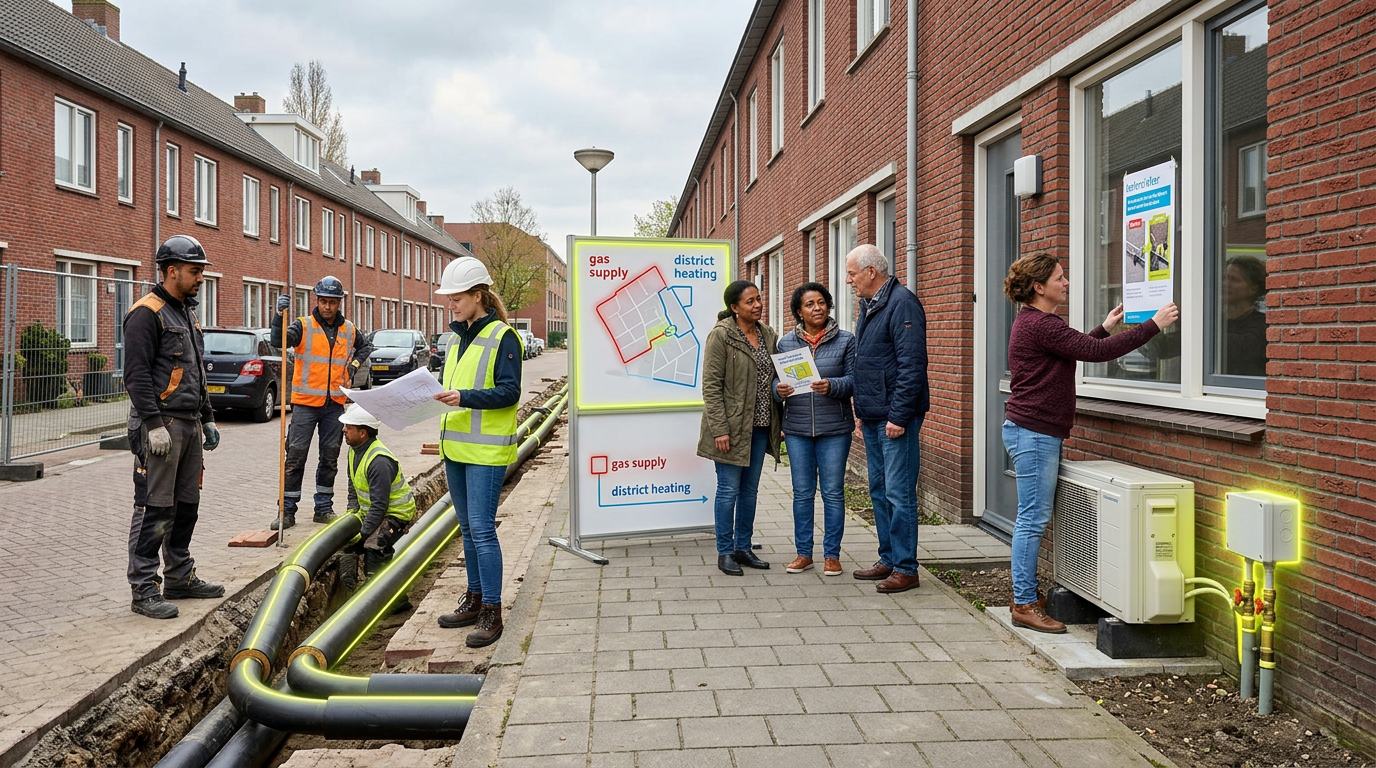



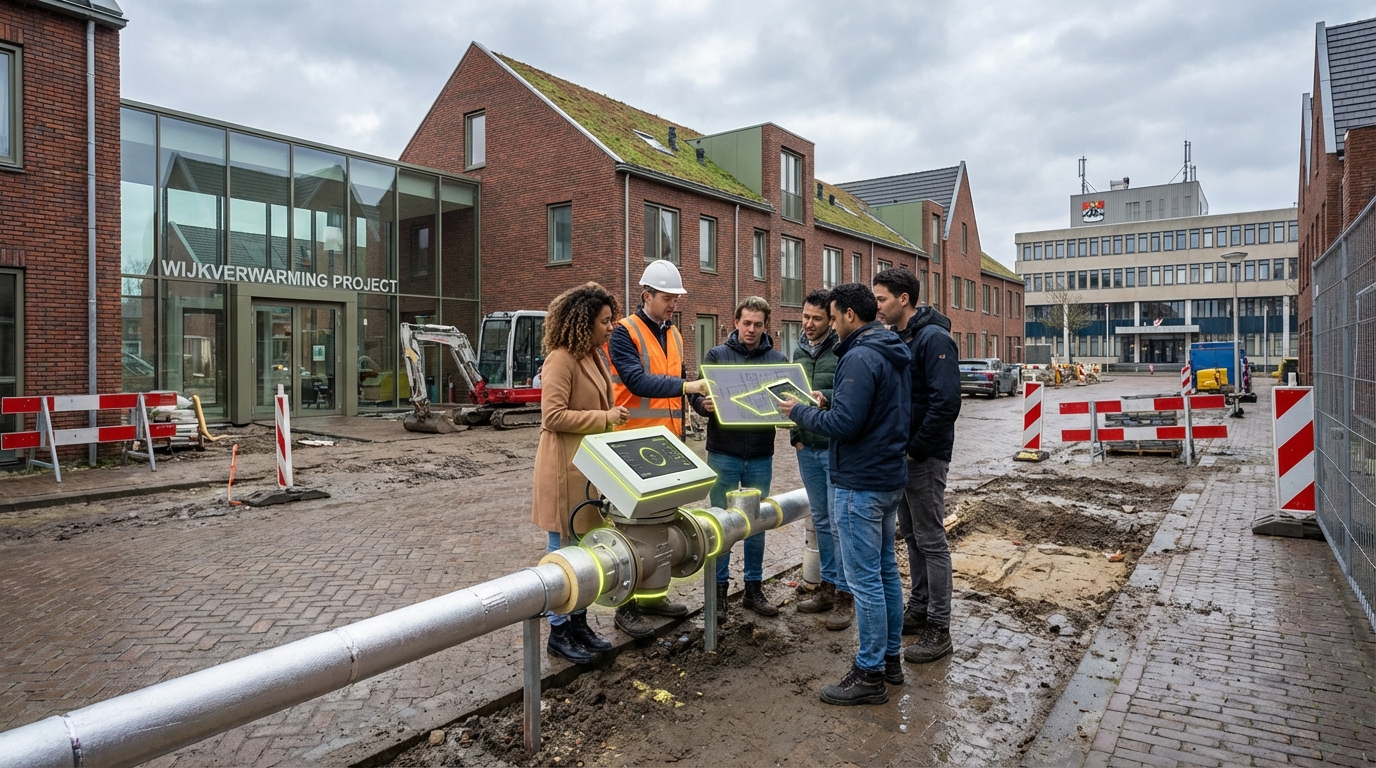





Mandatory transition from natural gas heating in existing and new neighborhoods, requiring coordination between housing and energy infrastructure.
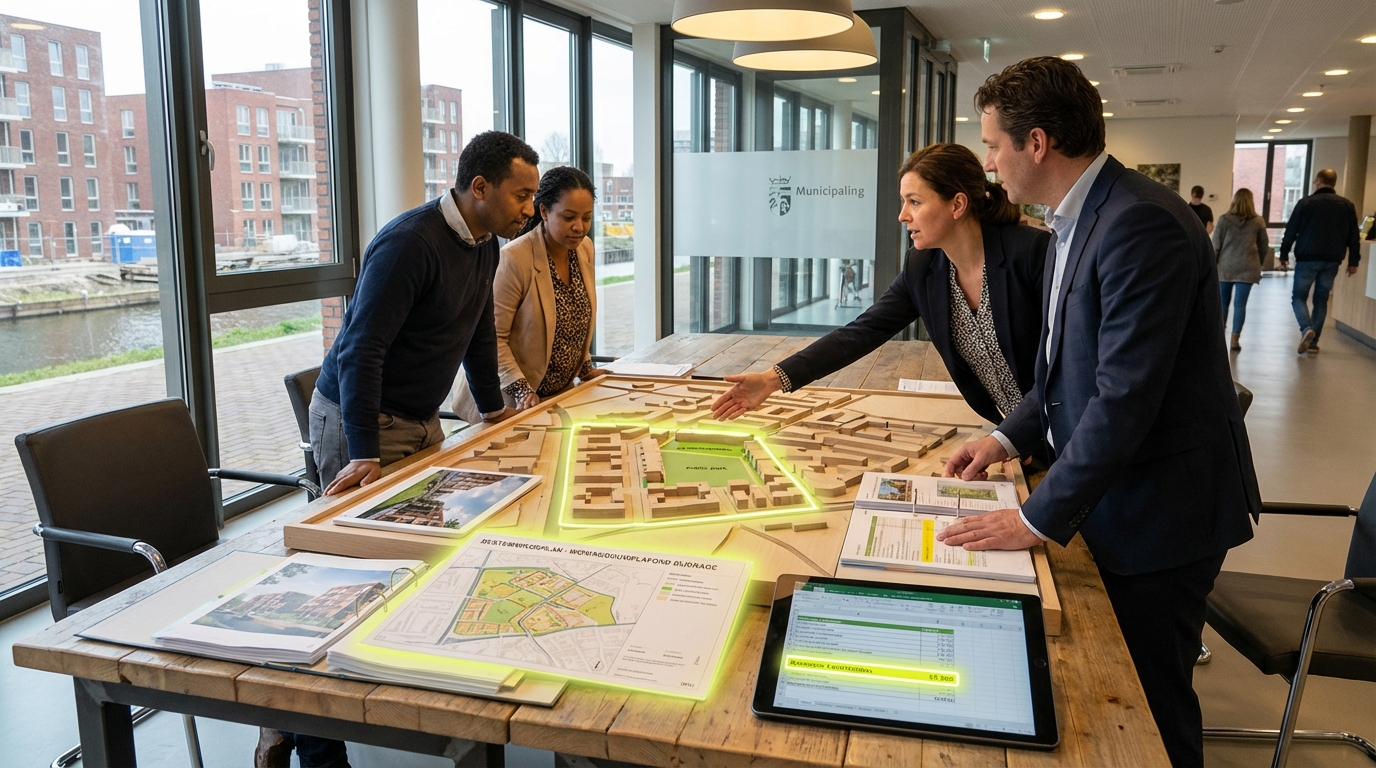
Municipalities buying/servicing land and capturing land value to steer development outcomes (affordability, timing, infrastructure).
Converting existing buildings (offices, industrial, heritage) into housing, potentially reducing opposition and preserving character while meeting housing needs.
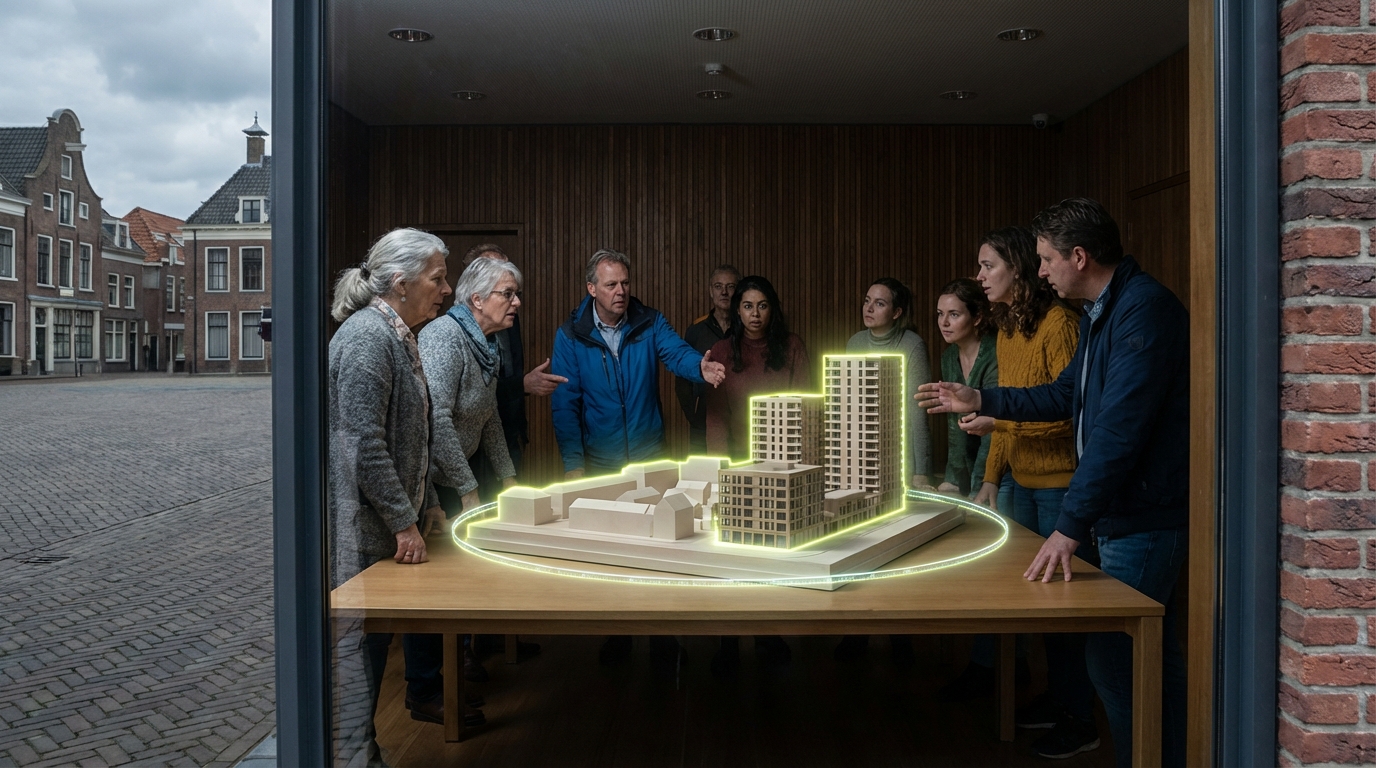
Approaches that address NIMBY dynamics by reframing development narratives and building constructive dialogue.
Deed restrictions preventing quick resale or requiring profit-sharing, ensuring housing serves residents rather than investors.
Tax and regulatory tools to force the development of hoarded buildable land, addressing speculative withholding of supply.
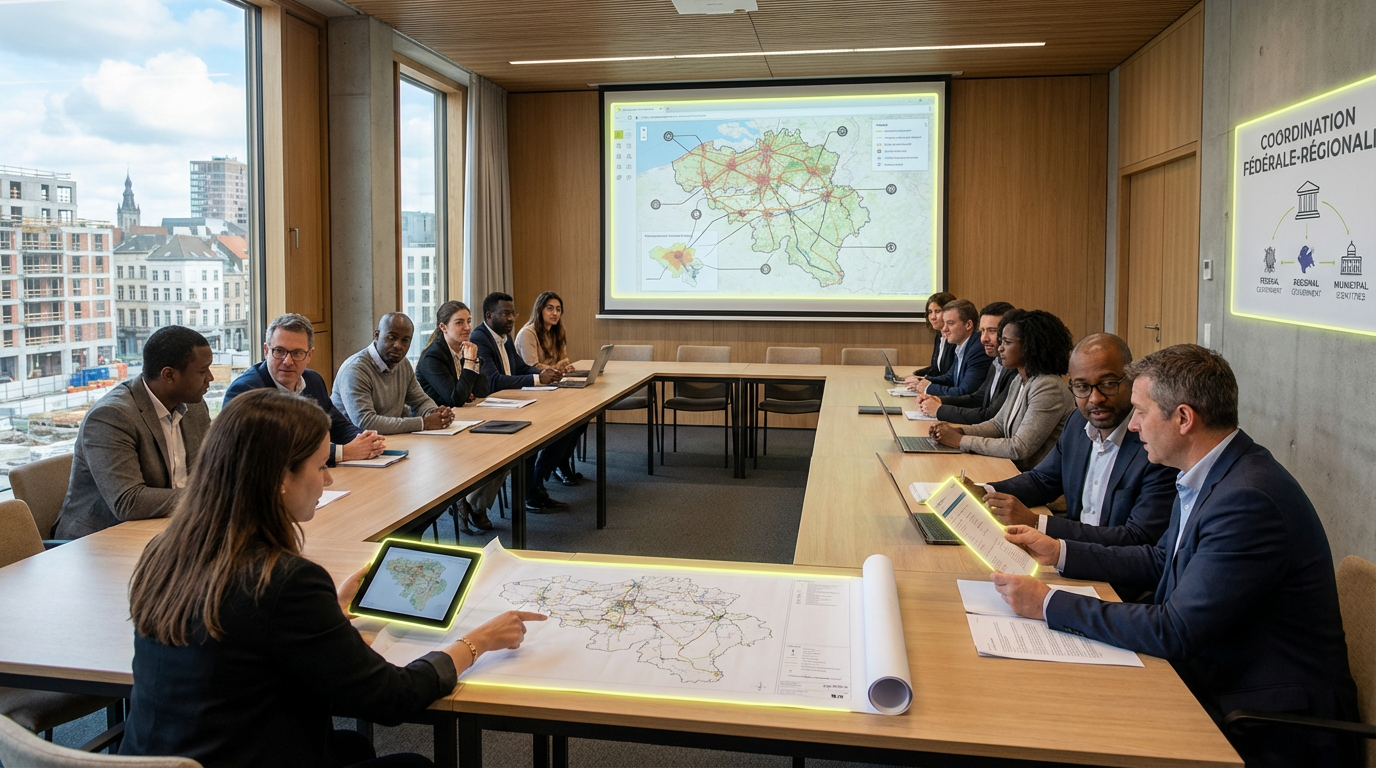
Complex coordination challenges between federal, regional (Flanders, Wallonia, Brussels), and municipal levels in housing and energy project approvals.
Municipal systems where developers acquire land with guaranteed future development rights, balancing public land capture with development certainty.
Independent quality oversight roles that mediate between public goals and private development, often unblocking projects through design excellence.
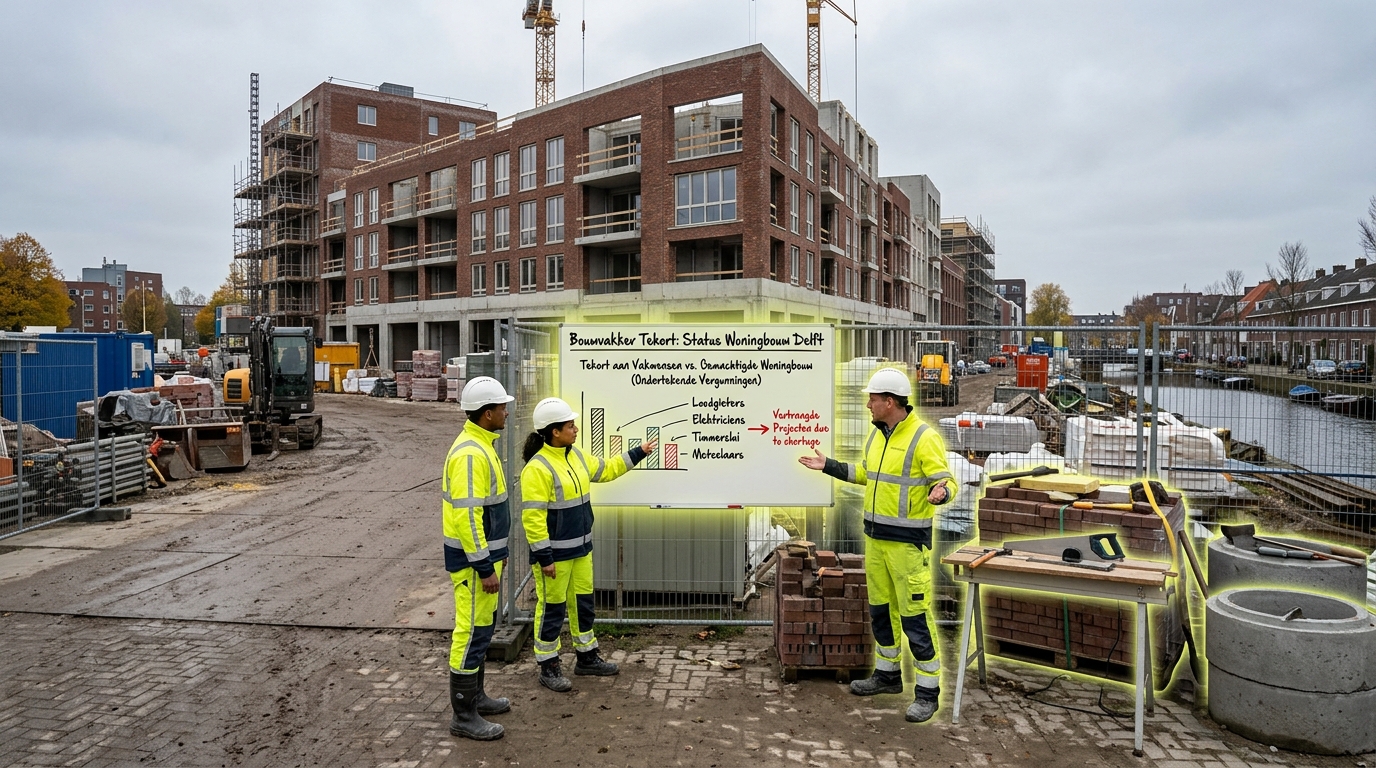
Severe shortage of skilled construction workers limiting development capacity regardless of permits or financing availability.
The governance challenge of 19 separate municipalities within Brussels-Capital Region, creating coordination failures and permit inconsistencies.
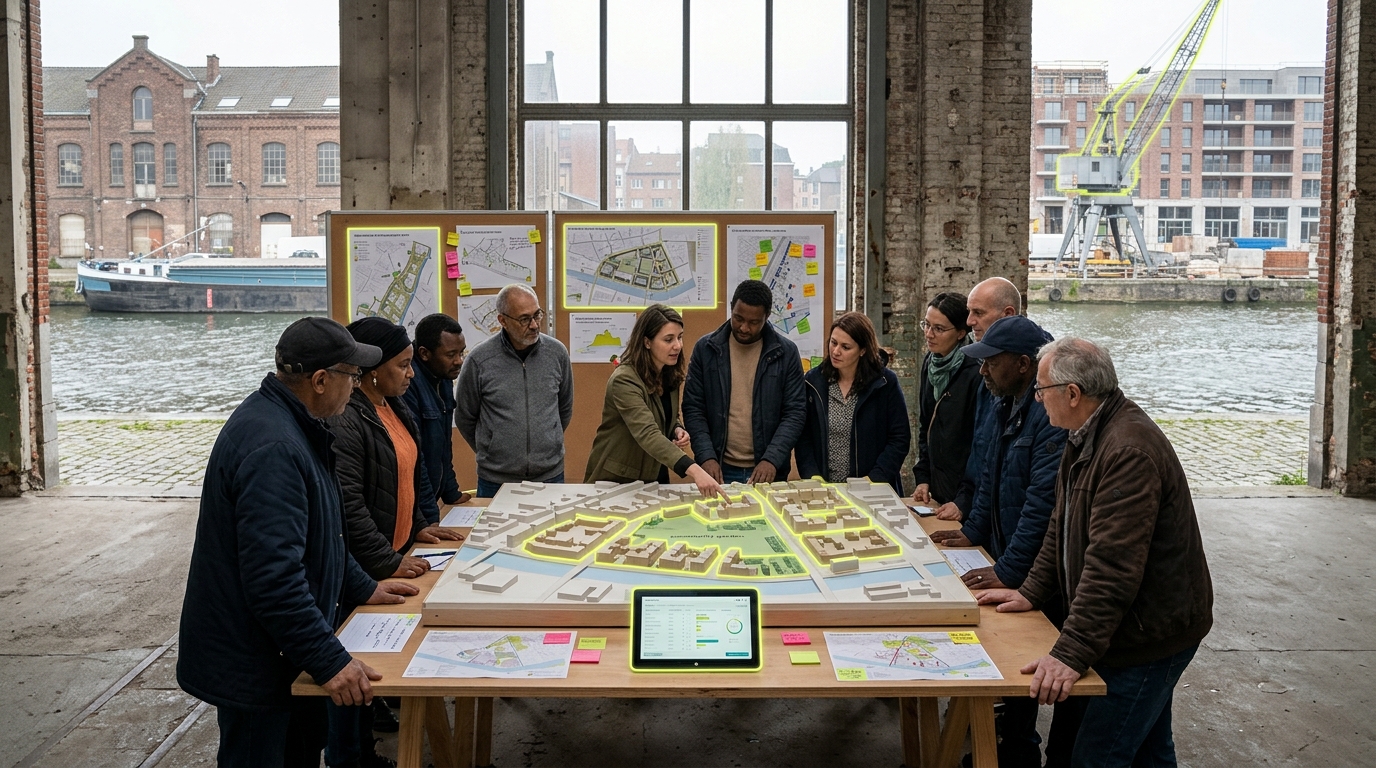
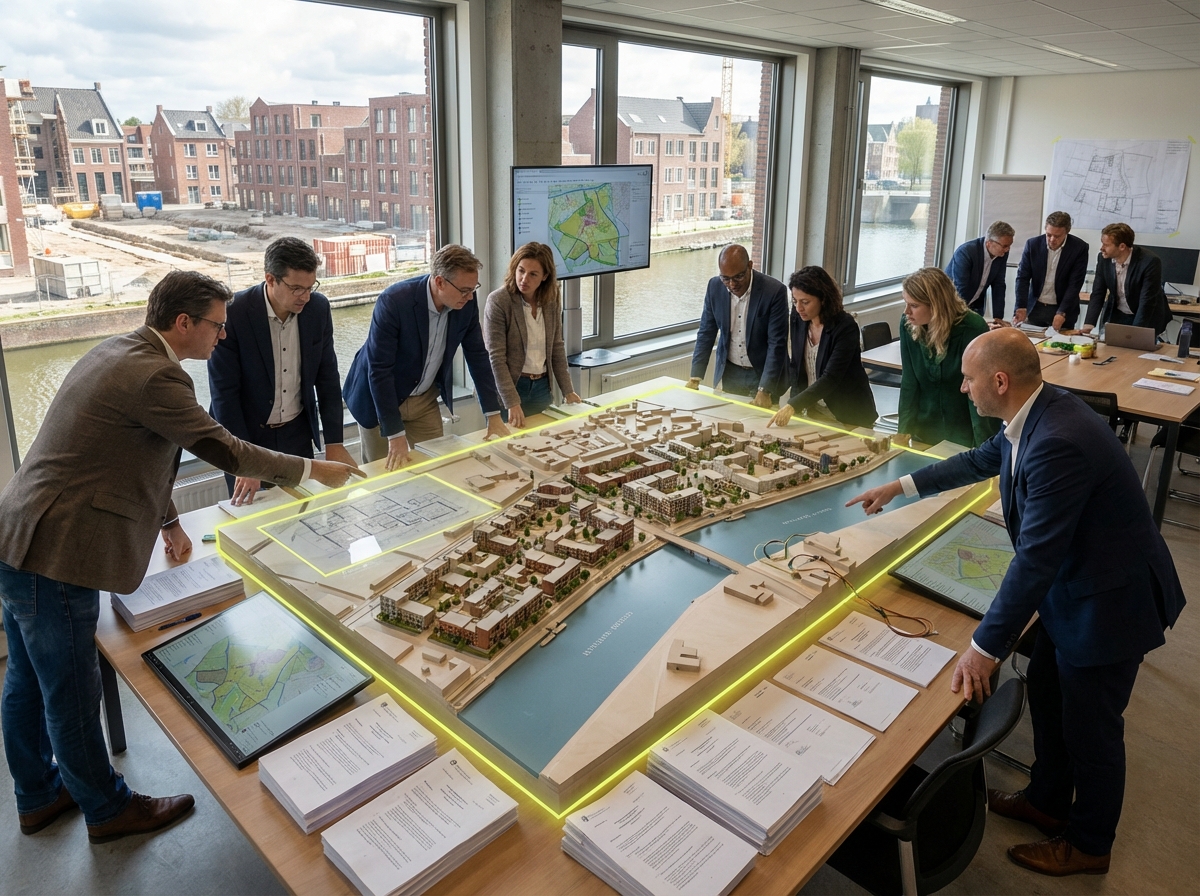
Large-scale urban renewal along Brussels' industrial canal, balancing housing development with gentrification concerns and industrial preservation.
Randomly selected citizen panels debating housing dilemmas, bypassing polarized NIMBY/YIMBY dynamics to find consensus.
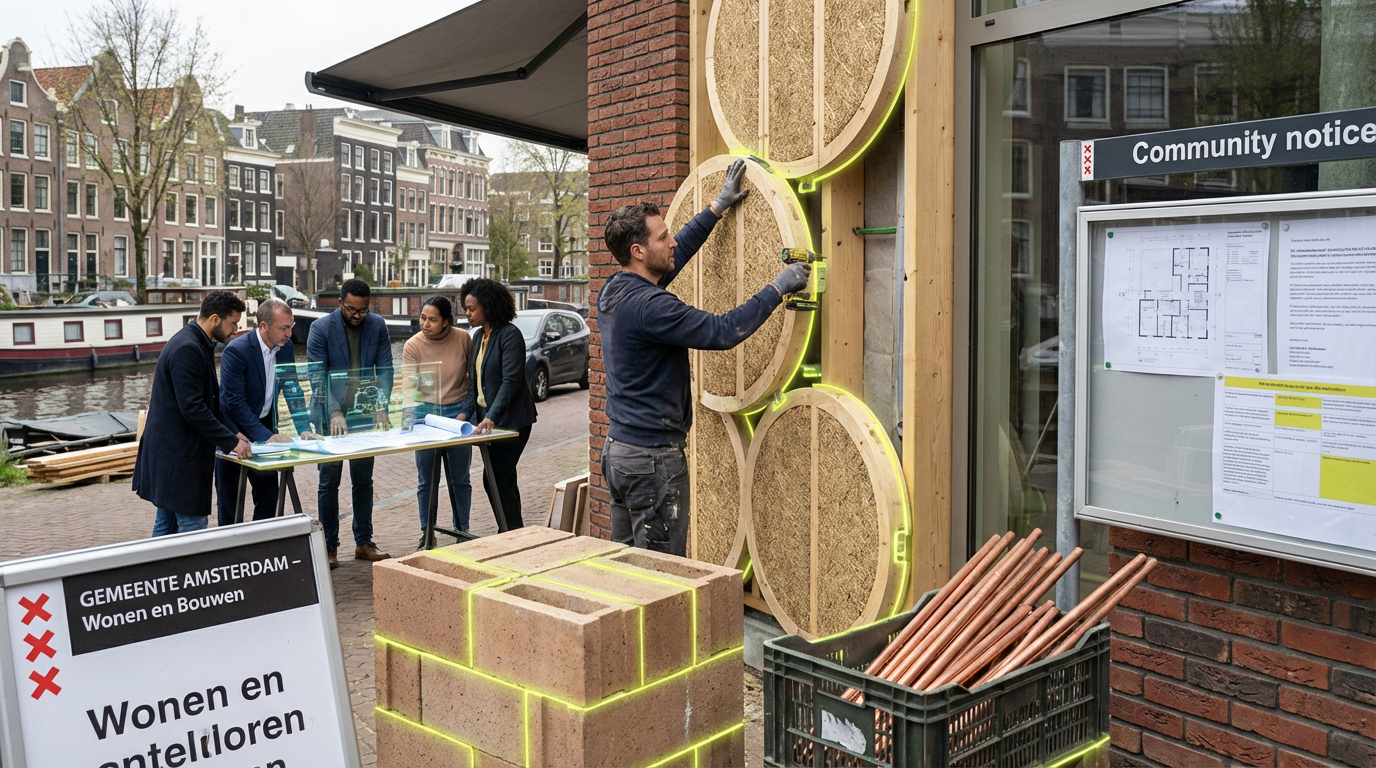
Building materials designed for reuse, recycling, or regeneration, reducing waste and embodied carbon while potentially building acceptance through sustainability.
Intentional communities combining private homes with shared facilities, building acceptance through resident involvement in design and management.
Housing models combining private bedrooms with shared living spaces, addressing affordability and community building while potentially reducing opposition.
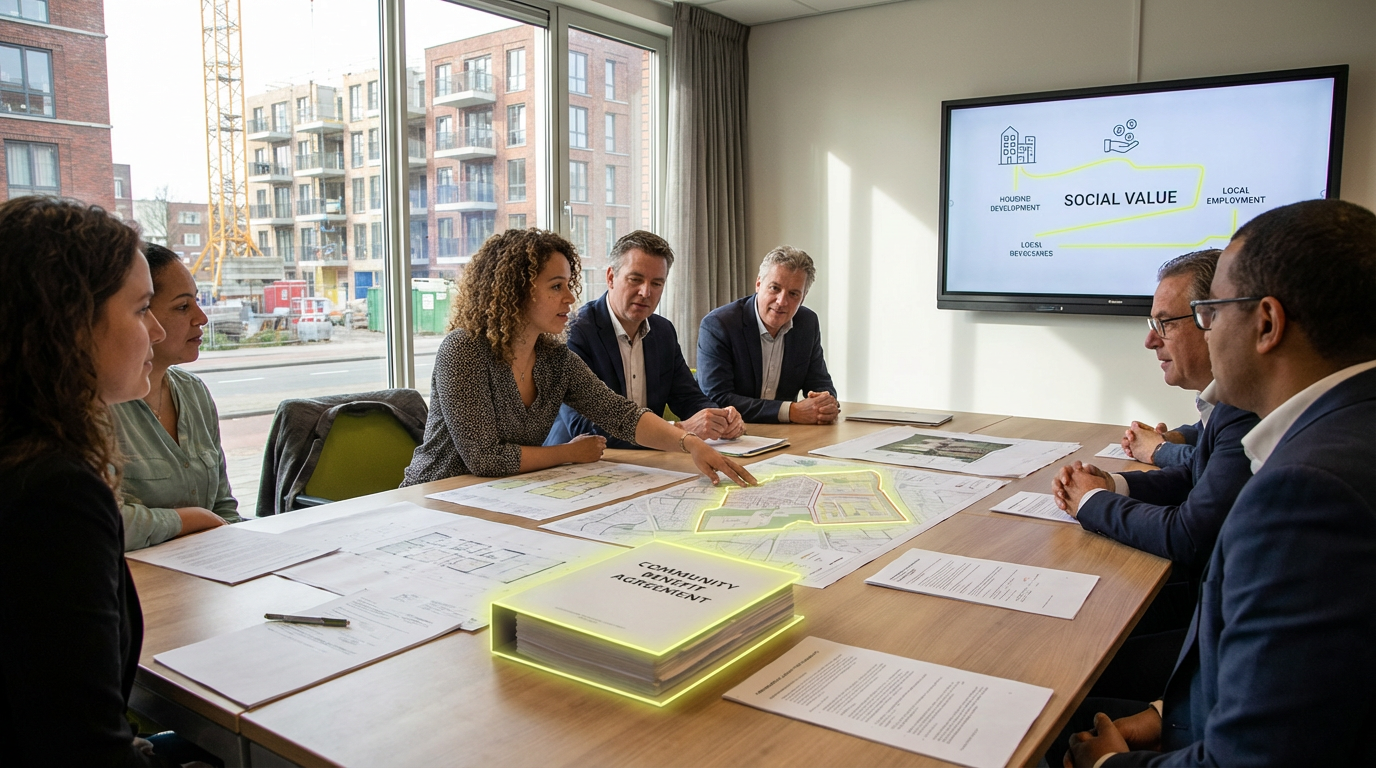
Formal agreements that ensure housing developments generate demonstrable social value for surrounding neighborhoods.
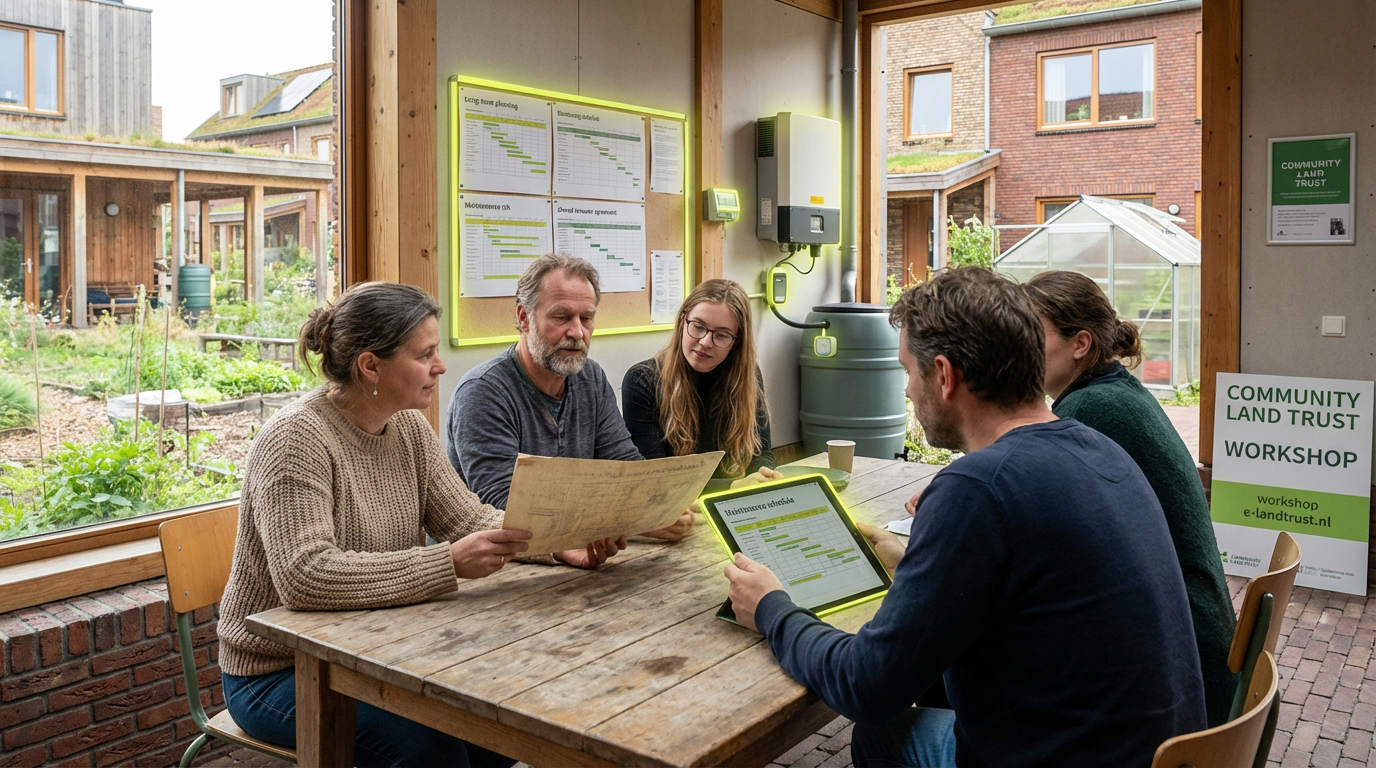
Nonprofit organizations that own land and lease it to residents, separating land ownership from housing to ensure permanent affordability and community control.
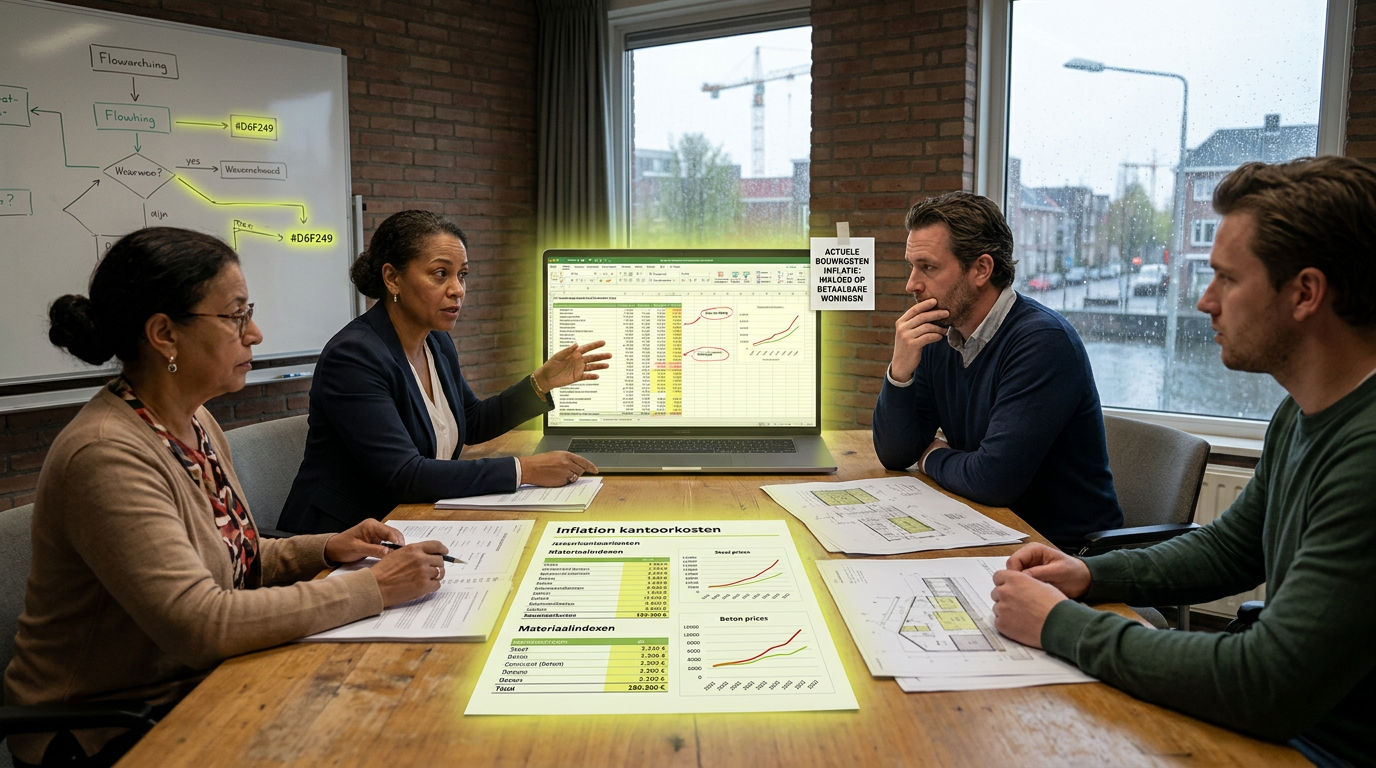
Post-pandemic material and labor cost increases making previously viable housing projects uneconomical, particularly affecting affordable housing.
The housing market distortion from 200,000+ cross-border workers commuting to Luxembourg, driving demand spillover into Belgium, France, and Germany.
EU-mandated separation of social housing activities from commercial activities, reshaping what housing associations can build and for whom.
Systematic resistance to higher-density housing development, even when needed to meet housing shortages and sustainability goals.
Technology platforms that streamline permit applications, coordinate multi-jurisdictional reviews, and provide transparency.
Centralized heating systems serving multiple buildings, enabling efficient renewable energy integration but requiring coordination and acceptance.
Regulatory requirements to measure and reduce carbon emissions from construction materials and building processes, not just operational energy.
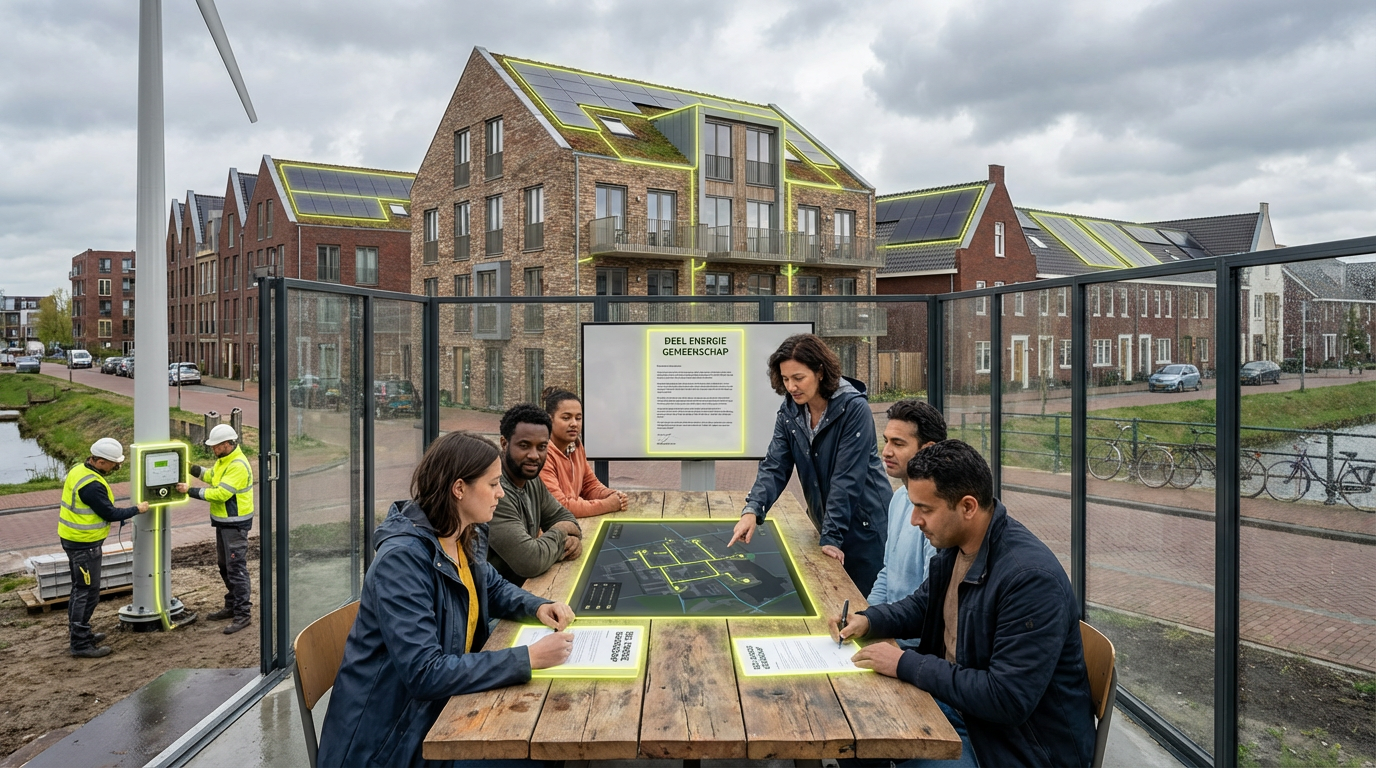
Housing developments that integrate renewable energy with community ownership, aligning sustainability with local benefit.
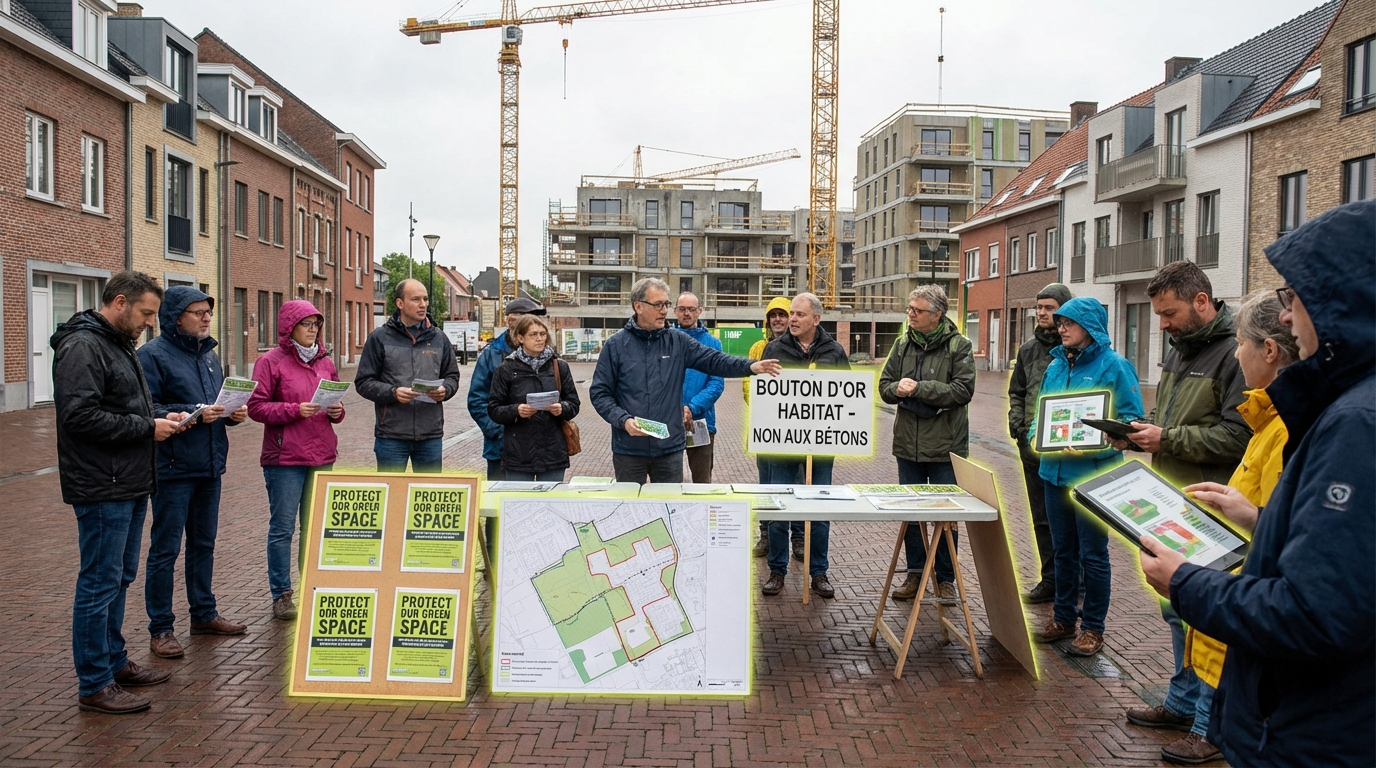
Environmental organizations opposing development projects, even sustainable ones, based on habitat protection, biodiversity, or landscape concerns.
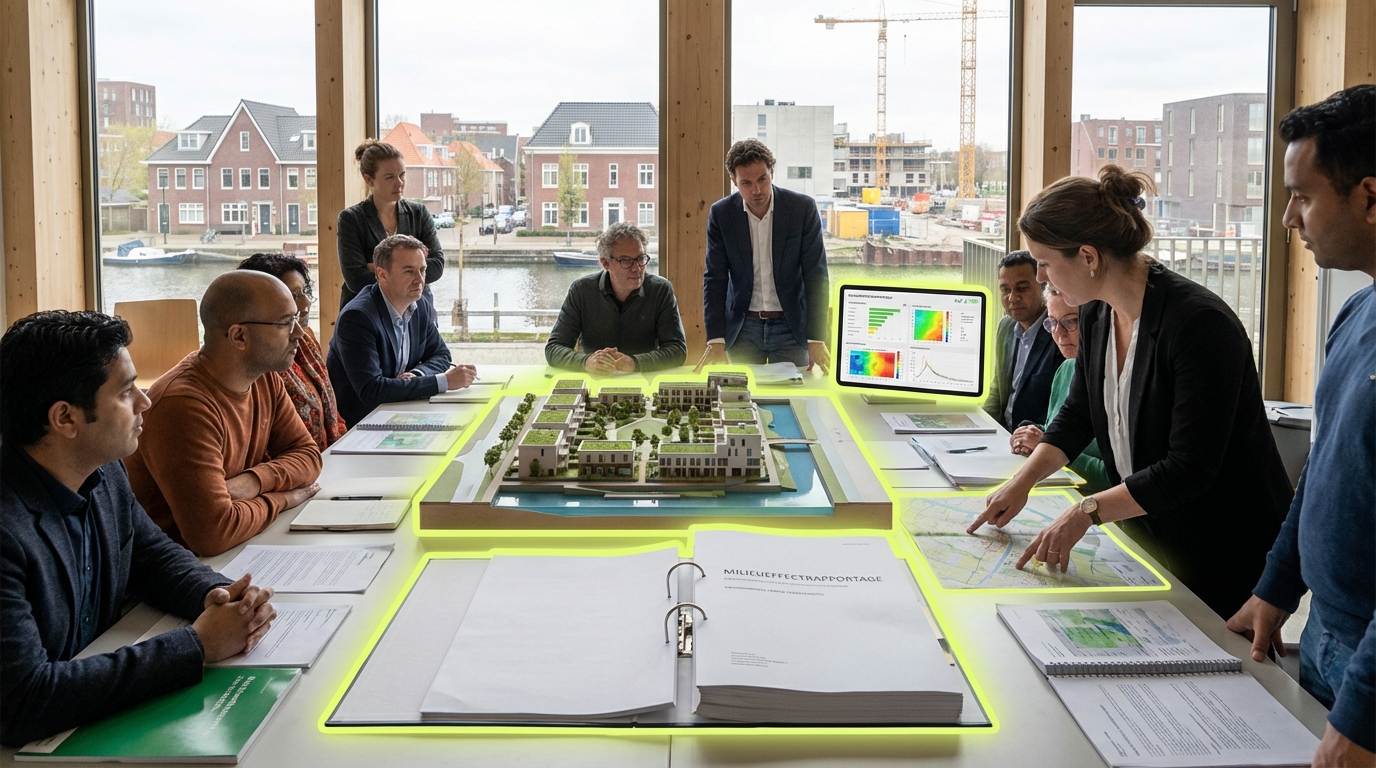
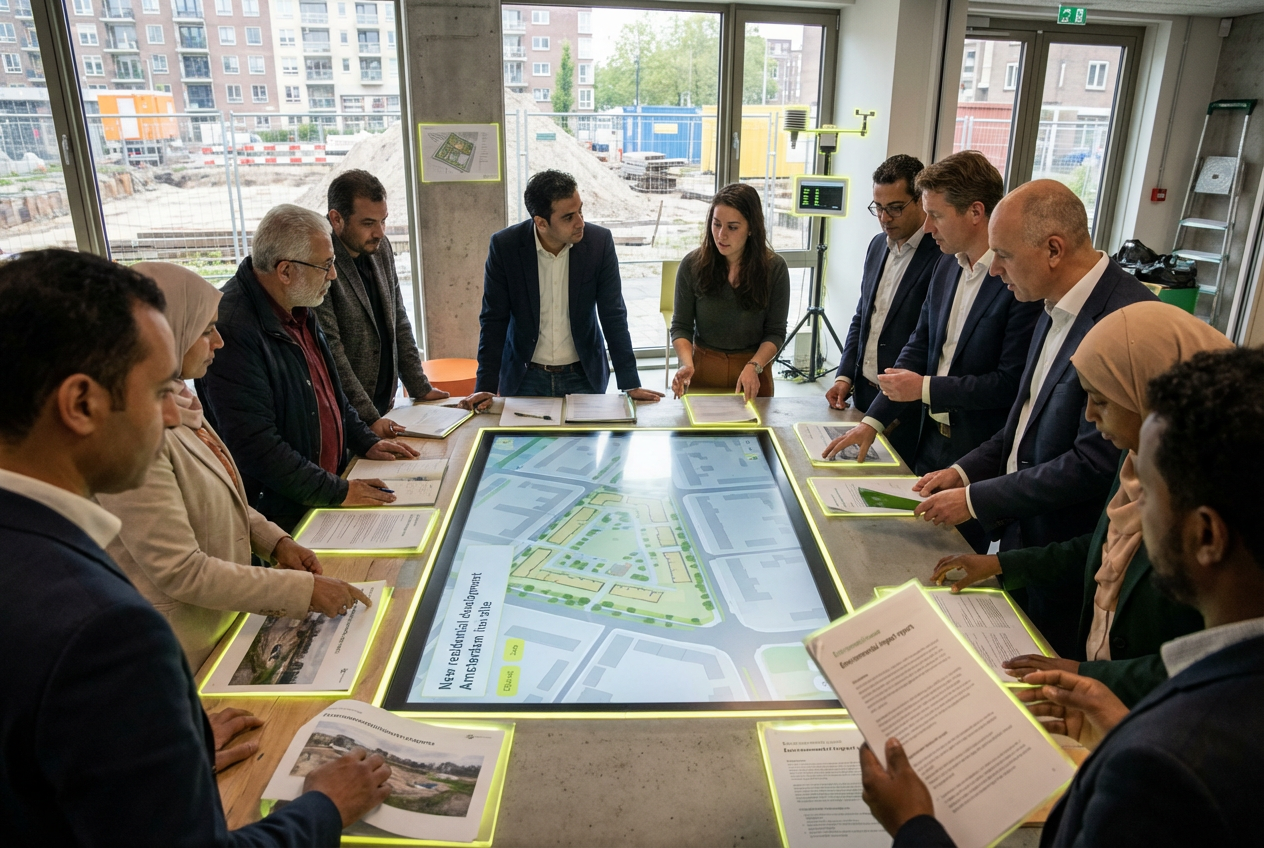
Comprehensive environmental review requirements that can delay projects but also identify mitigation opportunities and build legitimacy.
EU-driven building performance requirements that can trigger mass retrofit obligations—reshaping private rental supply, costs, and political backlash.
Municipal ground lease models separating land ownership from building ownership, enabling long-term public control over land value and speculation.
Sustainability disclosure and classification rules reshaping what gets financed, at what cost, and with what reporting burden—especially for large developers and landlords.
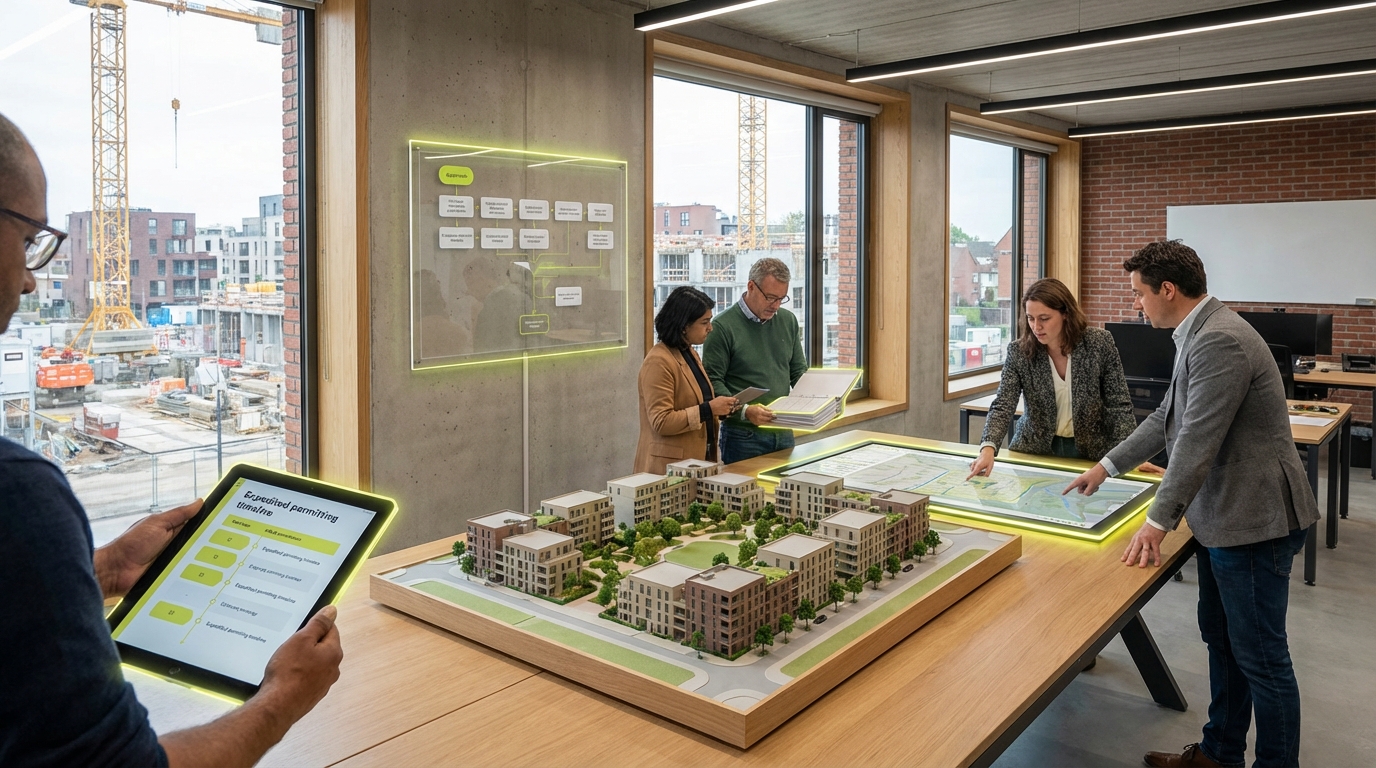
Streamlined approval processes that reduce approval cycles and uncertainty while maintaining quality standards.
Updates to compulsory purchase and compensation rules aimed at making land assembly feasible for housing while maintaining legitimacy and fair treatment.
Transaction-triggered retrofit obligations in Flanders that push upgrades but can also freeze sales or price out buyers without subsidy access.
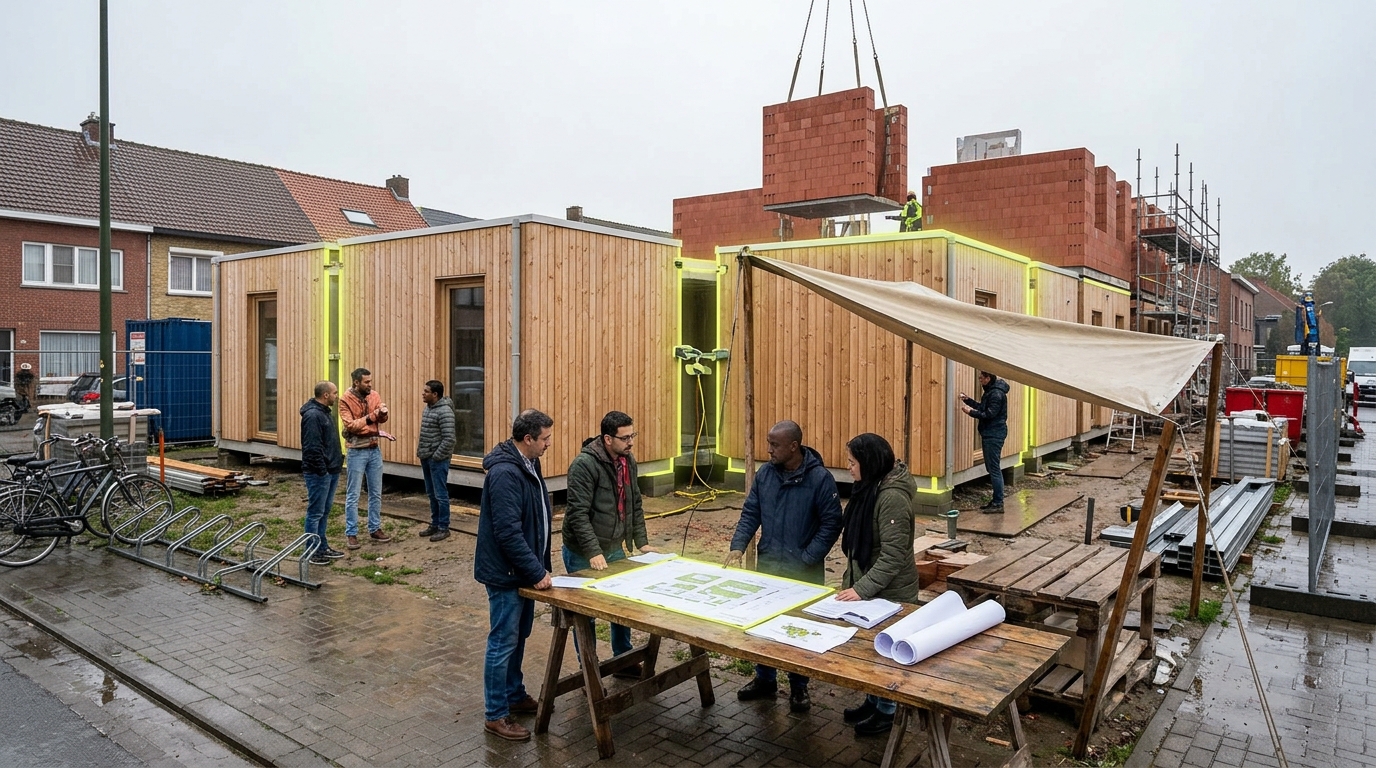
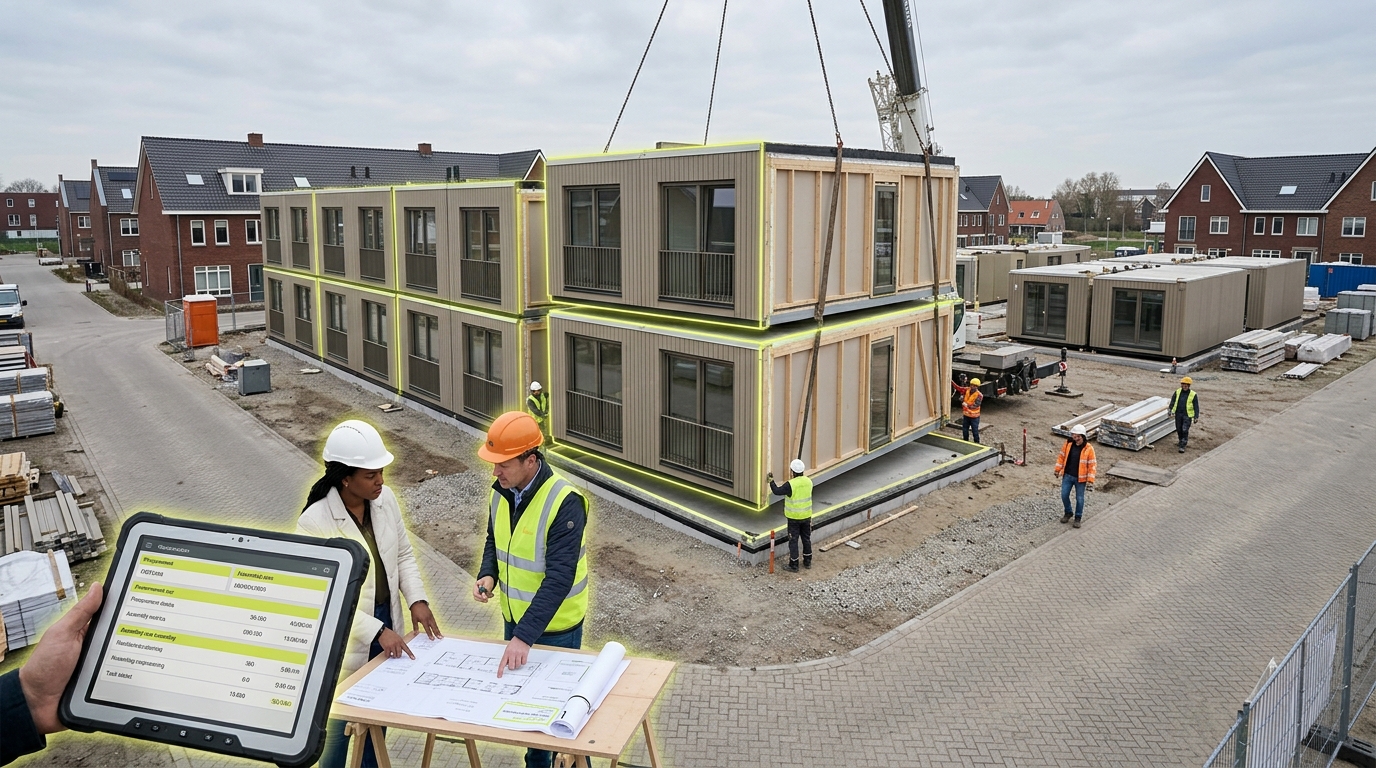
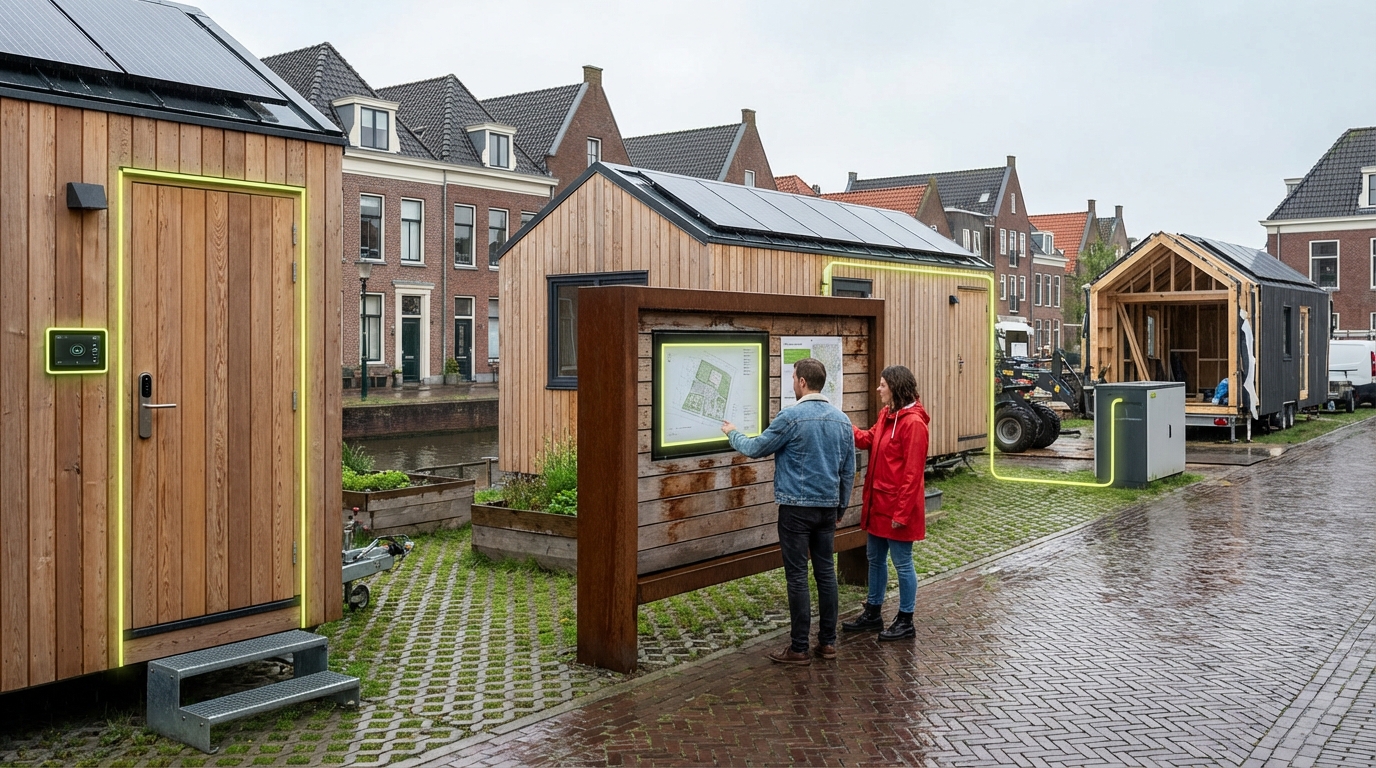
Factory-built relocatable housing units with 15-30 year lifespans, enabling rapid deployment on temporary sites to address acute shortages.
State-linked institutions that develop and finance affordable housing, increasingly central to Luxembourg’s ability to deliver in a land-constrained market.
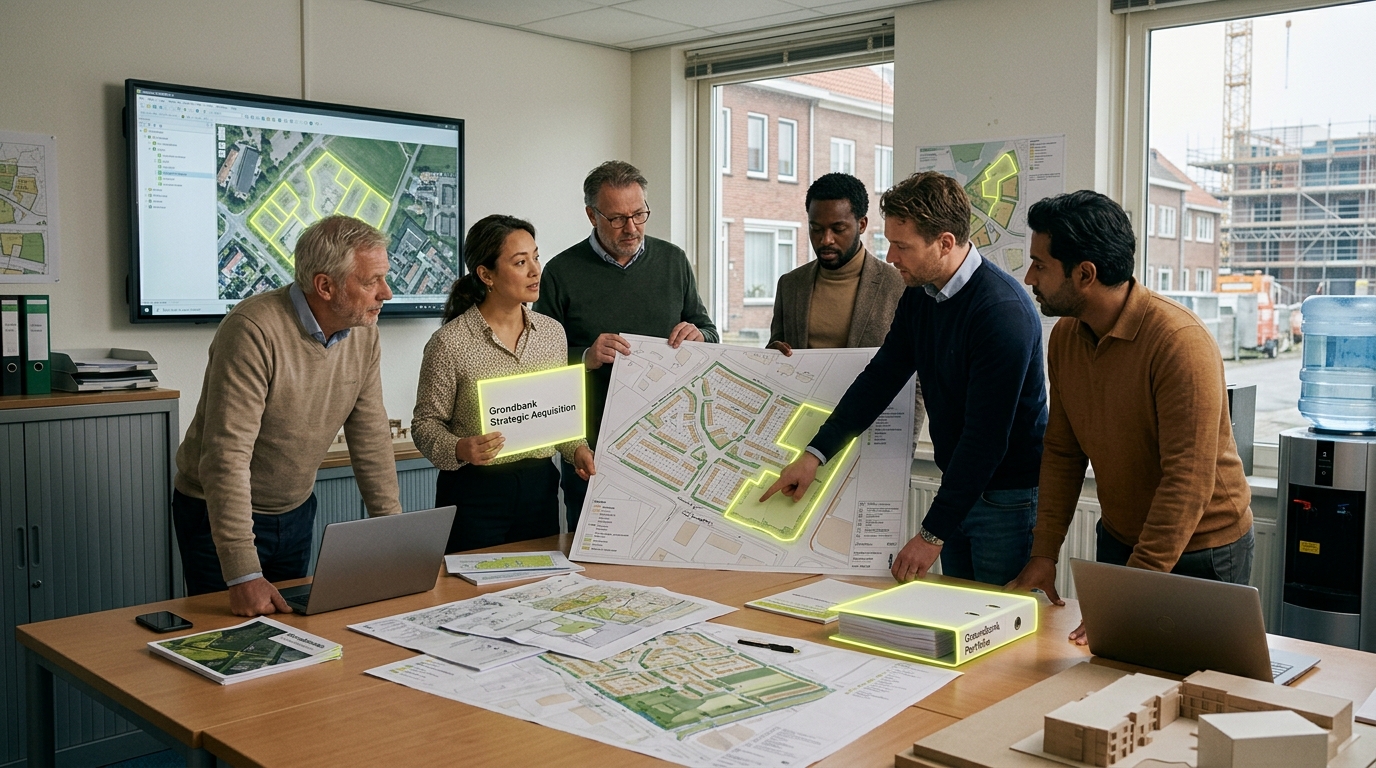
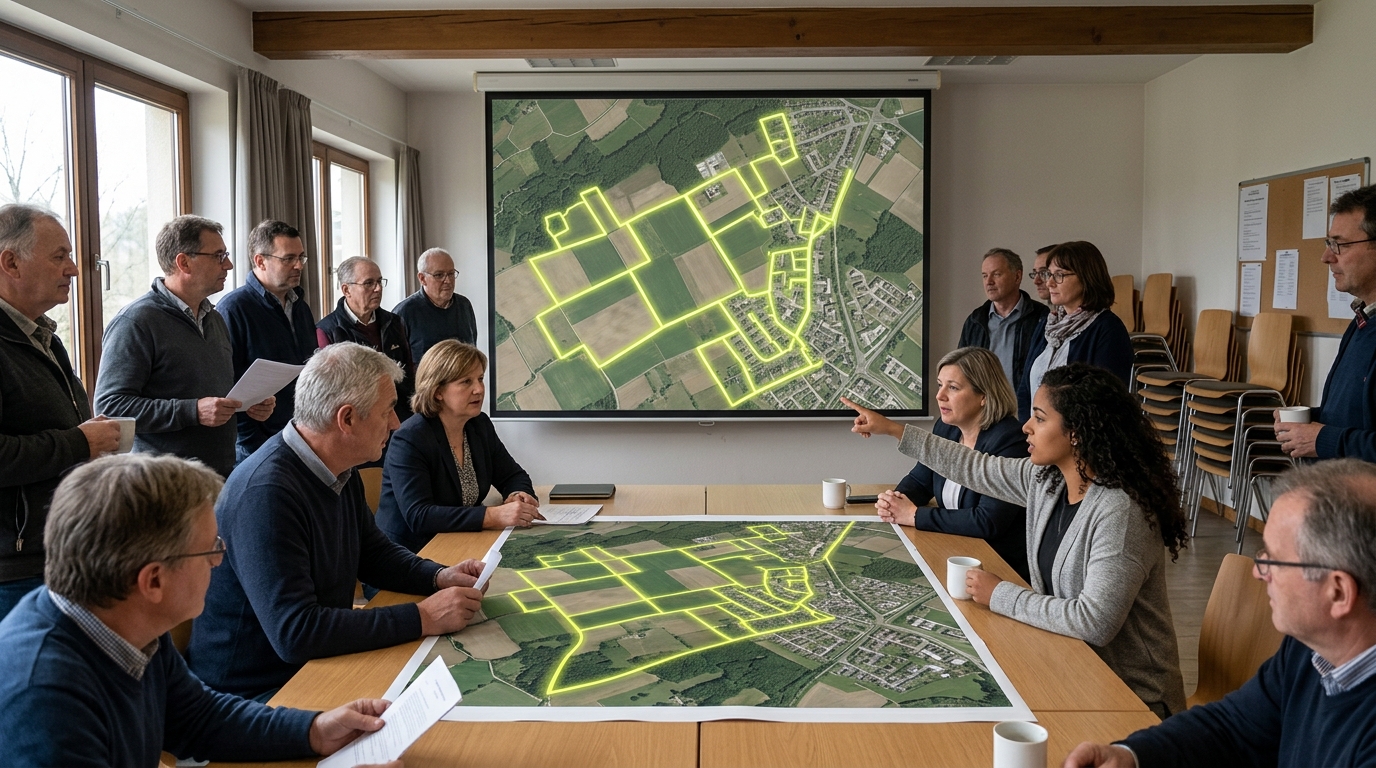
Public or non-profit entities that acquire land for strategic long-term development, removing speculative pressure and enabling social goals.
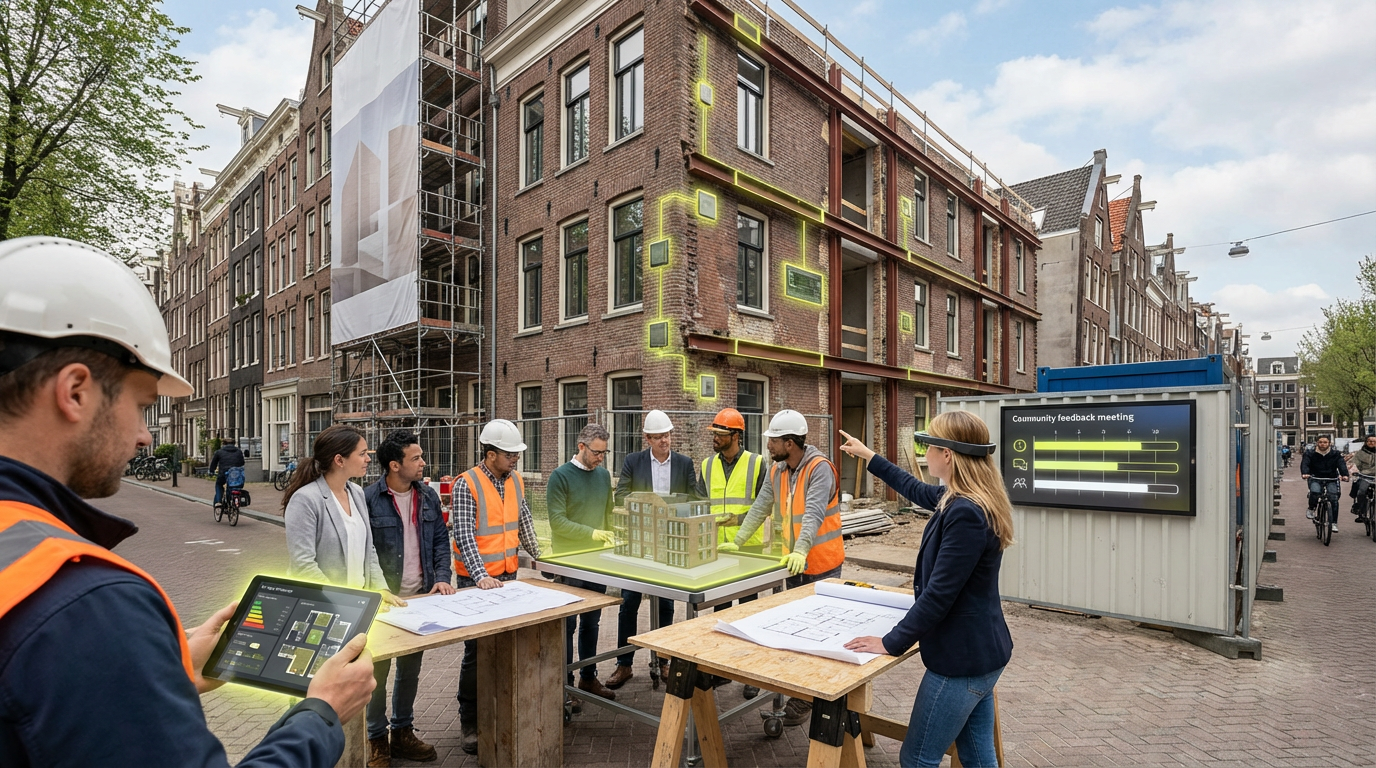
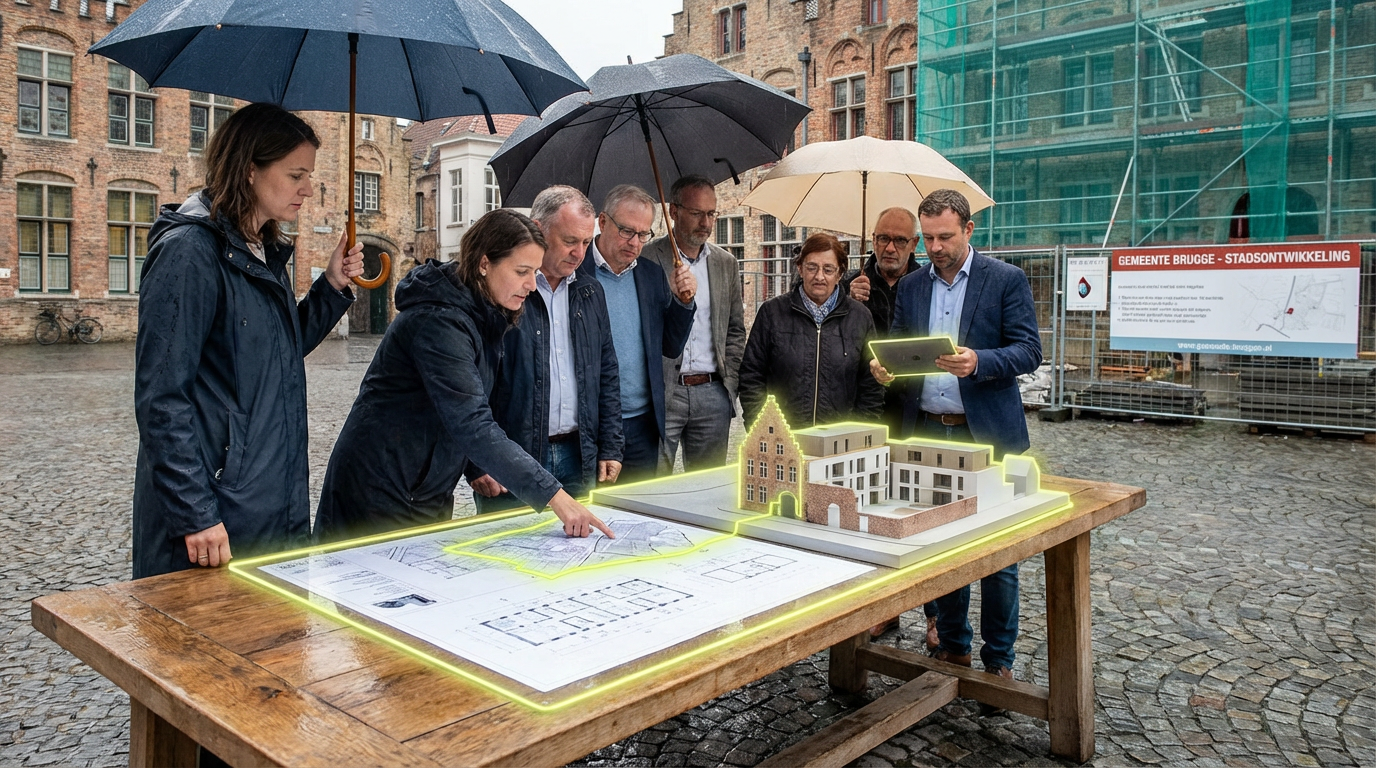
Tensions between preserving historic buildings and neighborhoods versus enabling new housing development and energy retrofits.
Evidence-based policy providing permanent housing to homeless individuals without preconditions, demonstrating housing as social infrastructure.
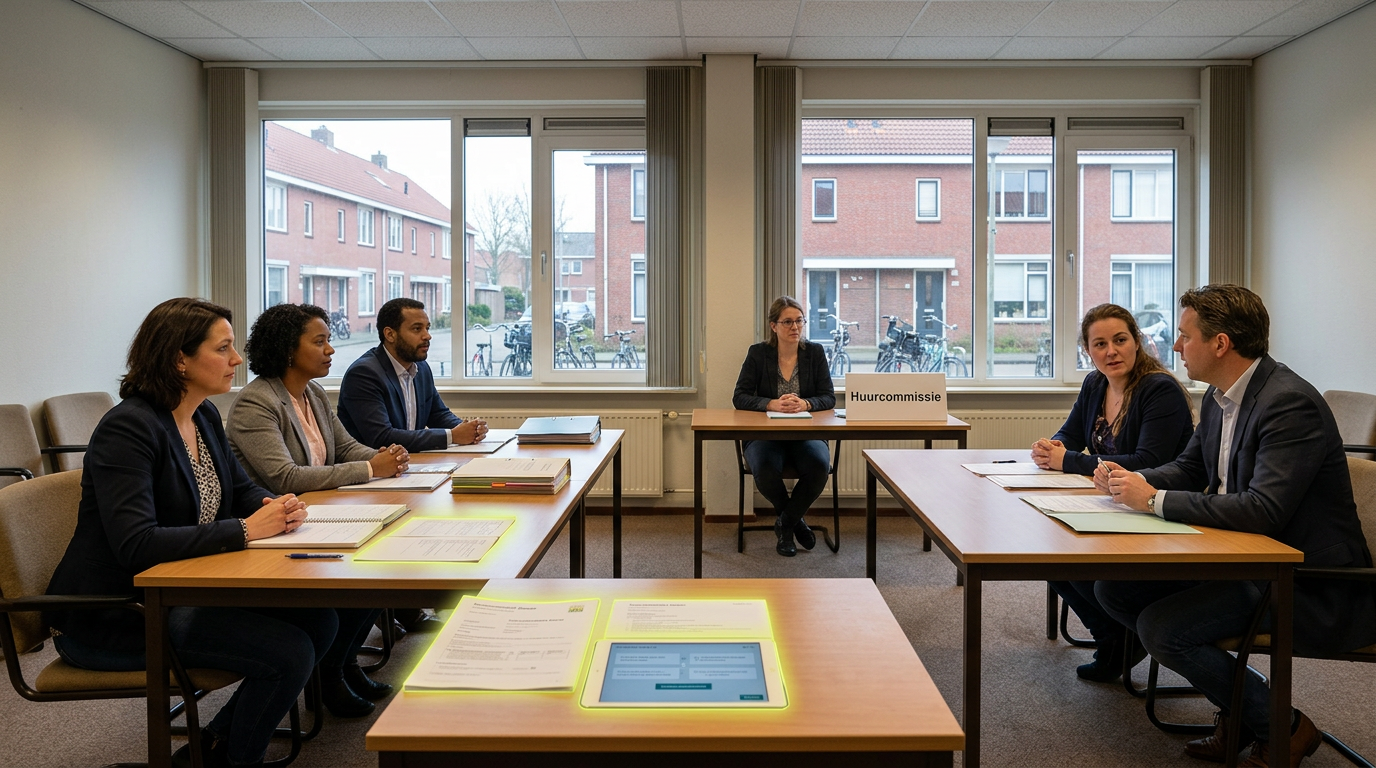
Independent bodies adjudicating rent disputes and enforcing rent regulation, providing tenant protection and market oversight.
The shift from ‘modular exists’ to ‘modular delivers’: standard designs, repeatable approvals, and aggregated procurement that make factories viable.
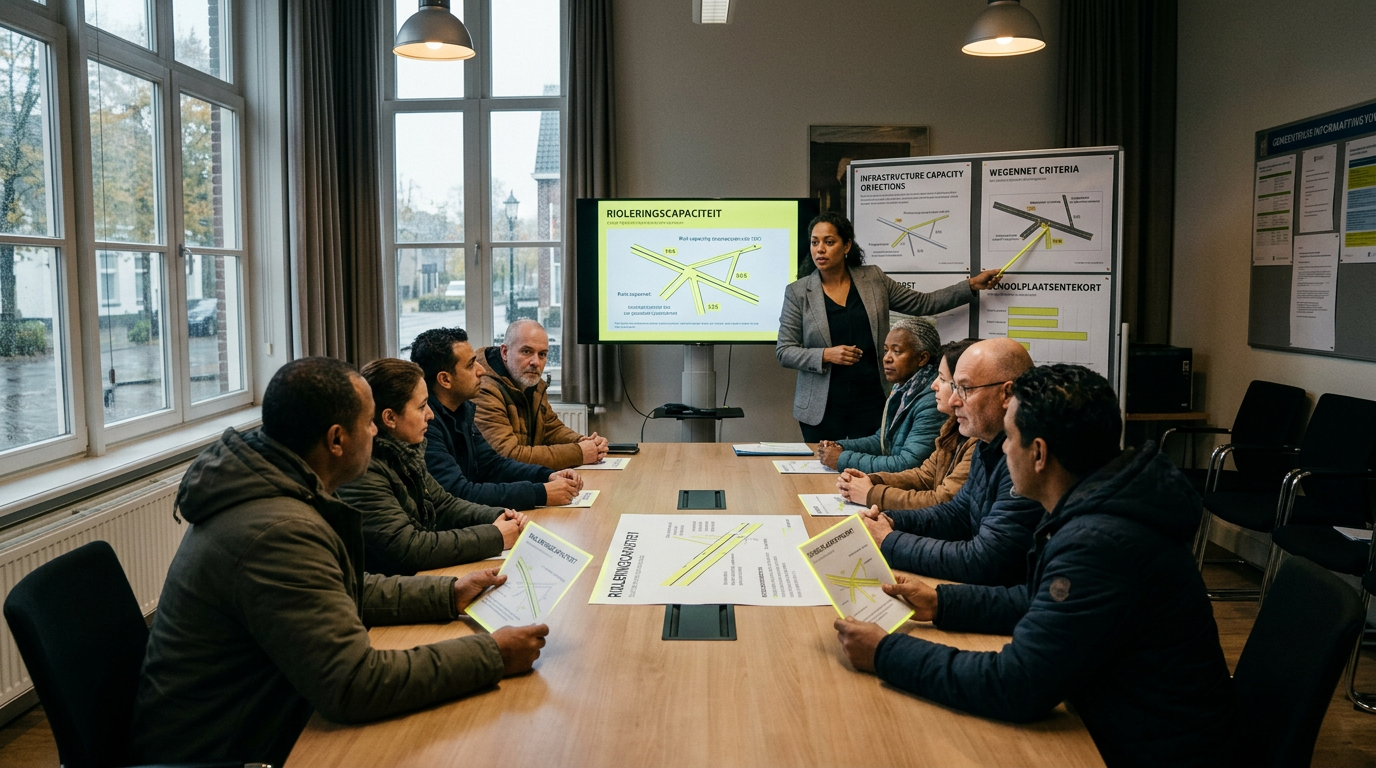
A durable blocking frame: ‘no capacity’ in schools, roads, sewers, water, or healthcare becomes the socially acceptable rationale to stop housing.
Large-scale long-term capital funding new rental supply—often essential for delivery, but politically contested as ‘investor housing’.
Modernization of land registries enabling transparent ownership data, faster transactions, and identification of development opportunities.
Official status for multi-generational living arrangements, allowing elderly care and affordable housing to coexist within single properties.
Schemes where buyers purchase a percentage of their home while housing associations retain the rest, enabling entry to ownership at lower income levels.
Dutch sequential test requiring proof of housing need and prioritization of existing urban areas before greenfield development is permitted.
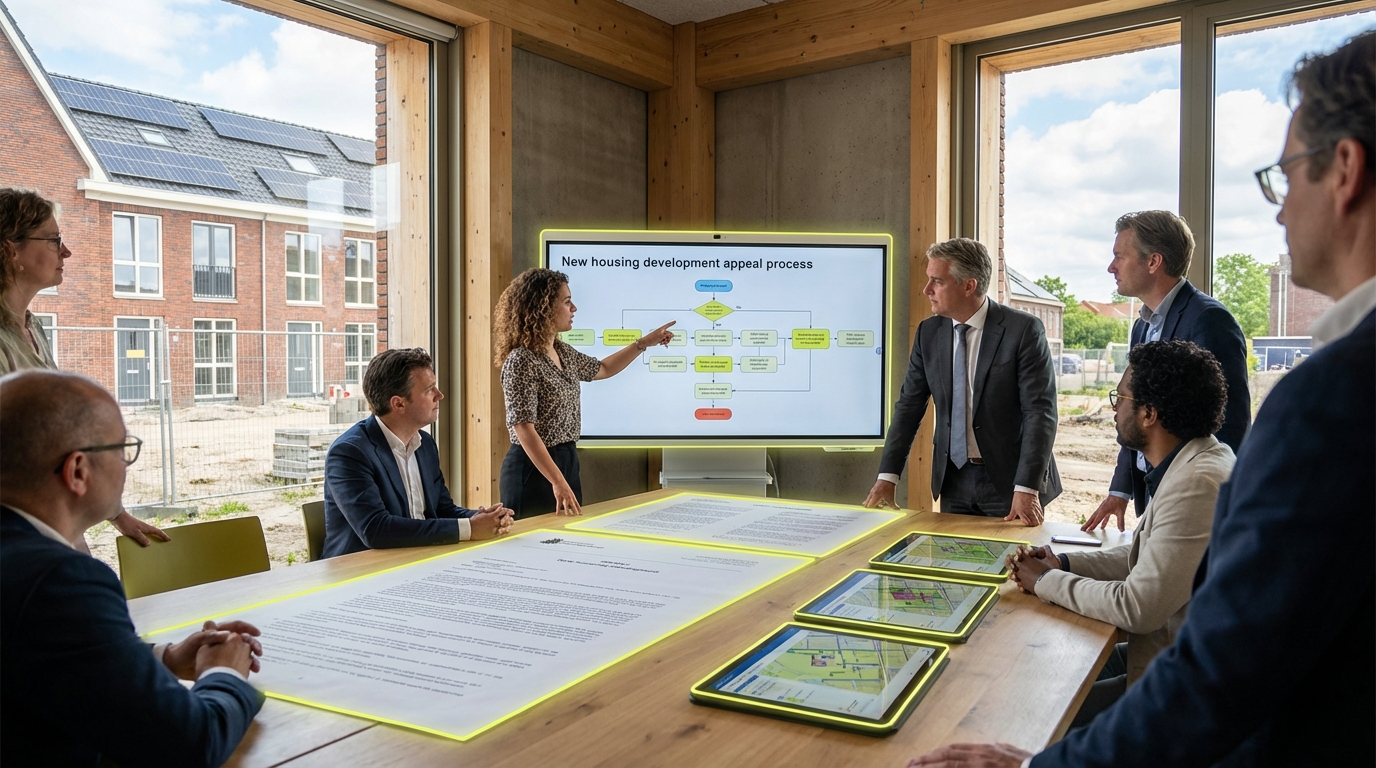
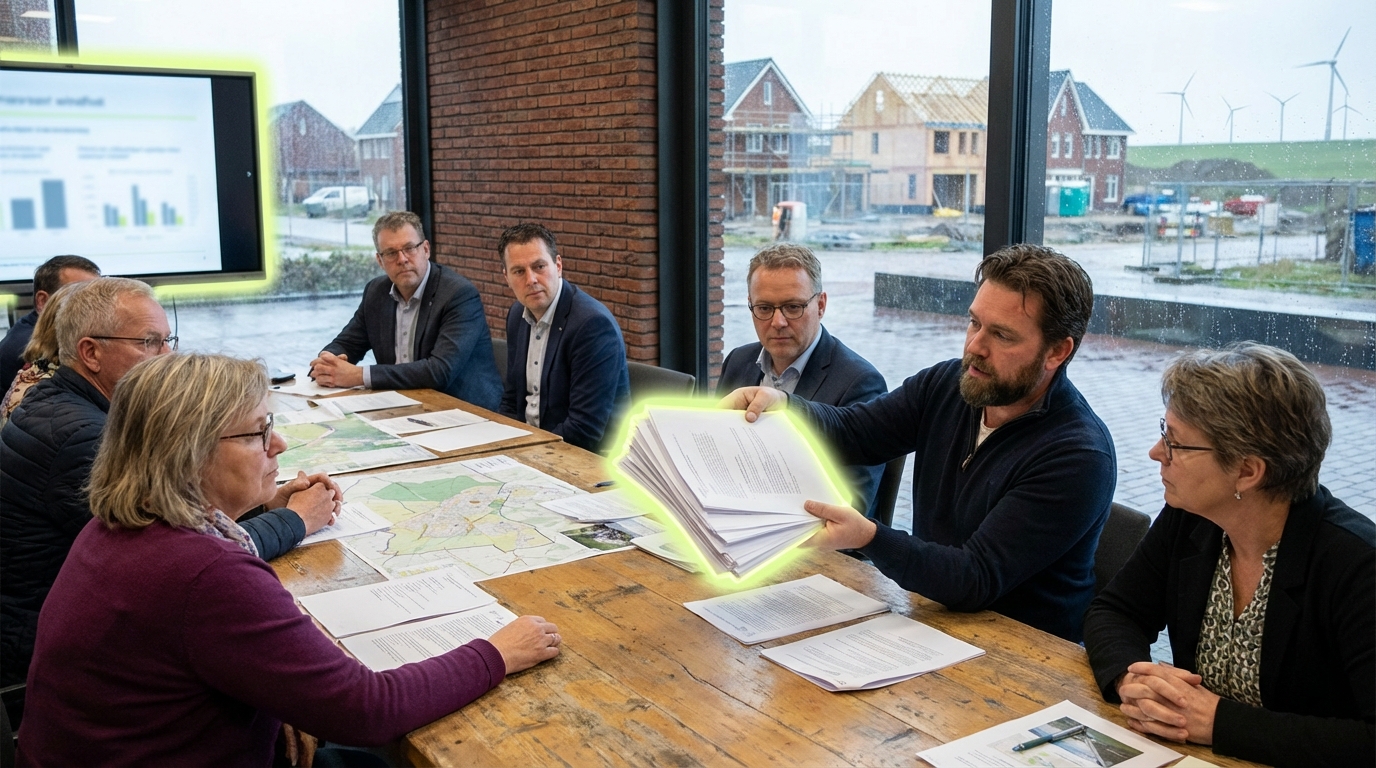
Policy interventions designed to prevent the weaponization of legal appeals to delay housing projects, addressing procedural abuse.
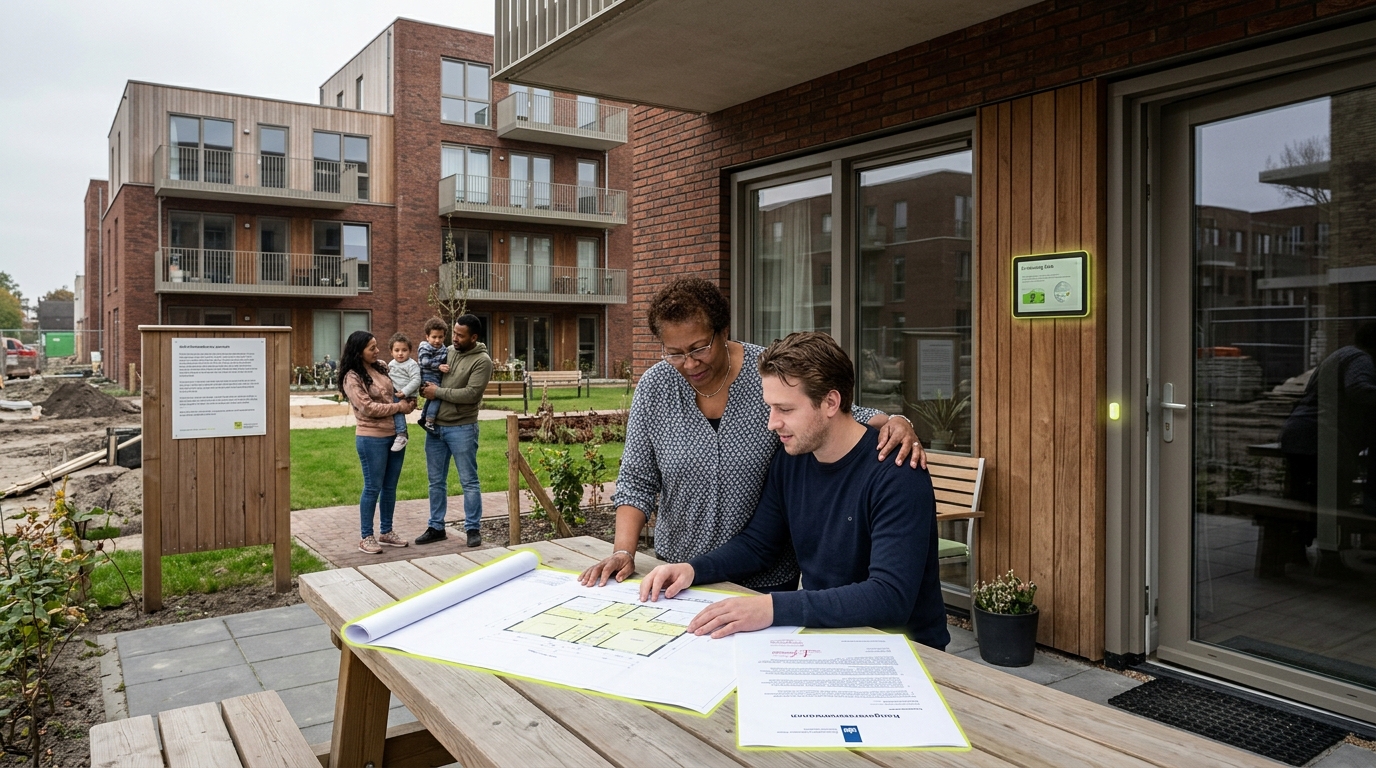
Development models where developers or community organizations maintain long-term responsibility for social value, beyond initial construction.
Extreme concentration of developable land ownership among few families, enabling strategic withholding and price manipulation.
Policy focus on the 'missing middle' rental segment between social housing and free market, addressing middle-income housing needs.
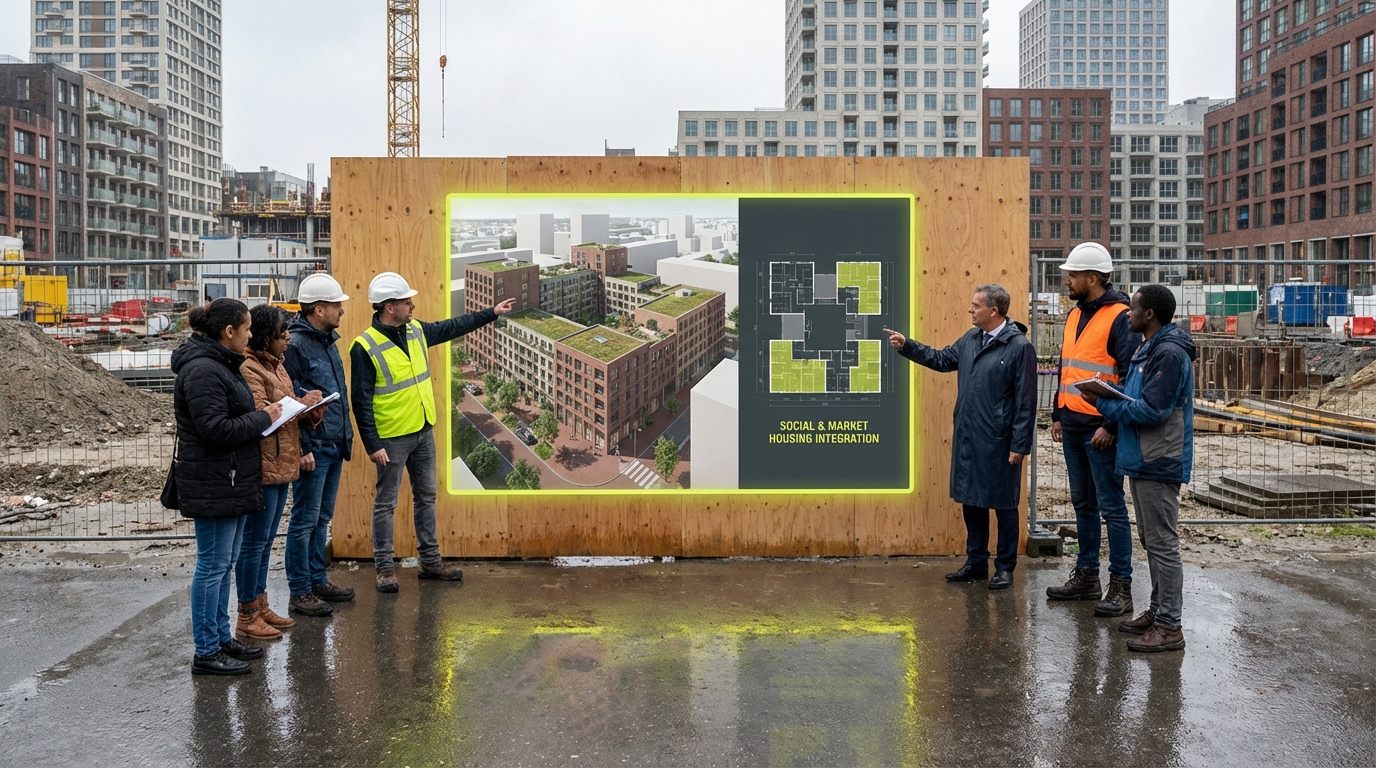
Regulatory requirements or incentives for developments to include affordable housing alongside market-rate units, generating social value.
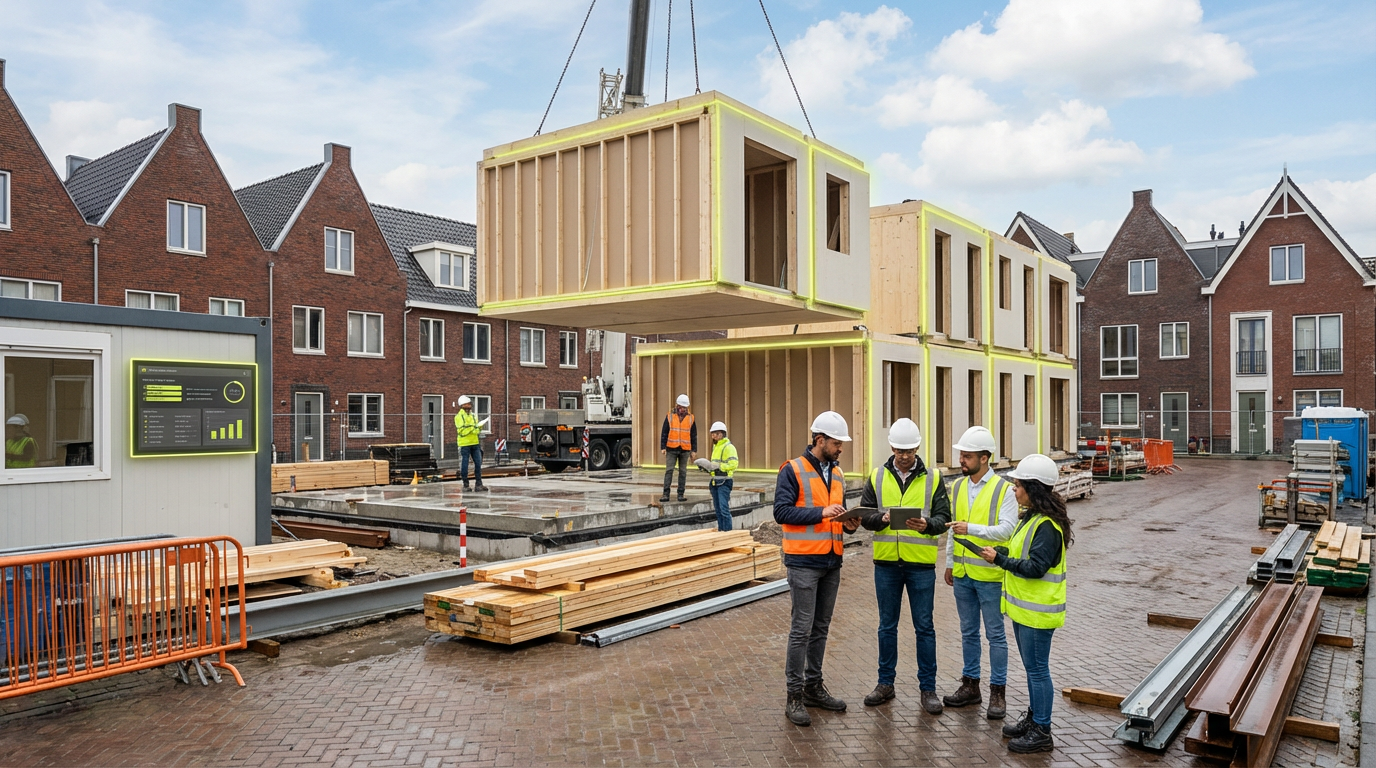
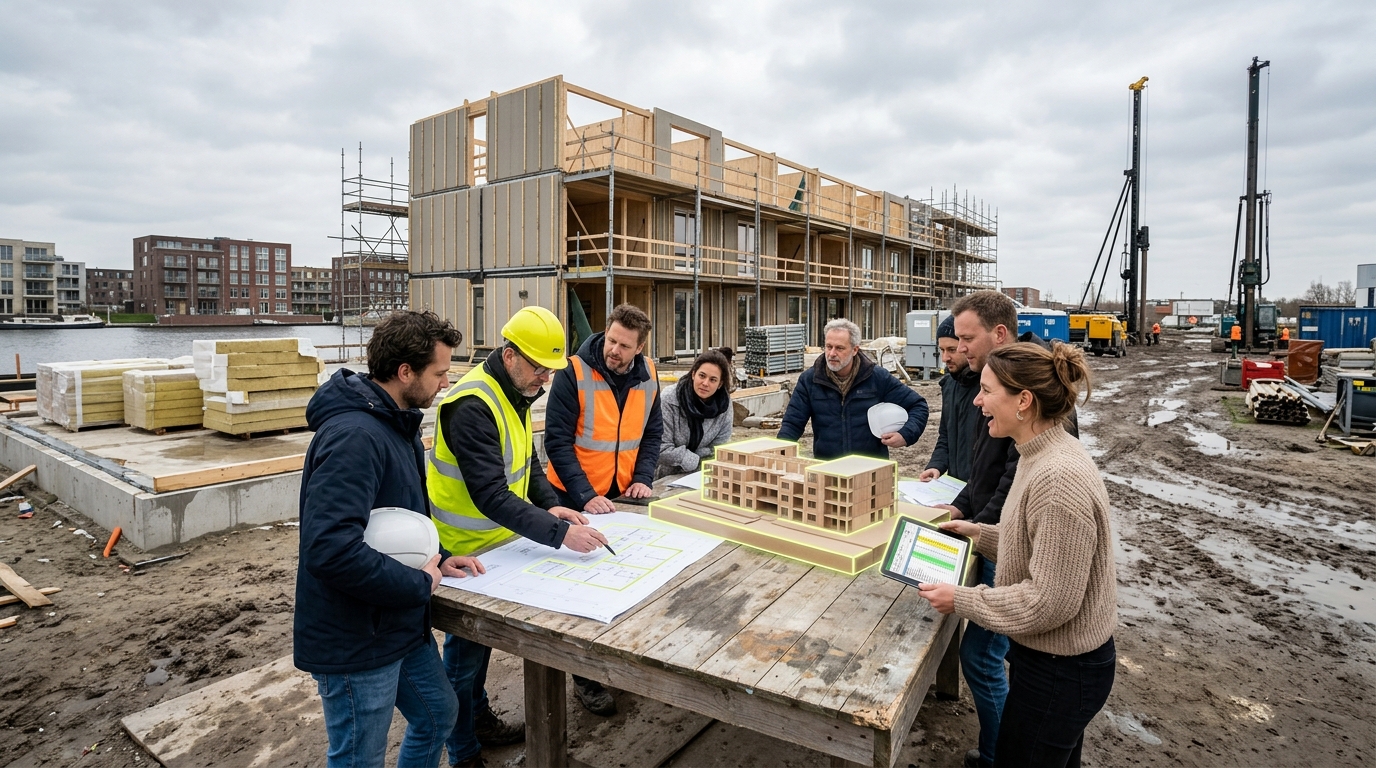
Factory-built housing components assembled on-site, potentially reducing construction time, costs, and disruption while enabling faster delivery.
Governance arrangements that coordinate approval processes across municipal, regional, and national levels.
A silent bottleneck: staffing and expertise constraints inside municipalities that turn ‘streamlined rules’ into backlogs and long lead times.
Regulatory frameworks requiring or incentivizing net-zero energy housing, aligning sustainability with development approval.
Electricity grid capacity constraints delaying new-build connections, heat pump rollouts, and electrification—turning housing delivery into an energy-infrastructure problem.
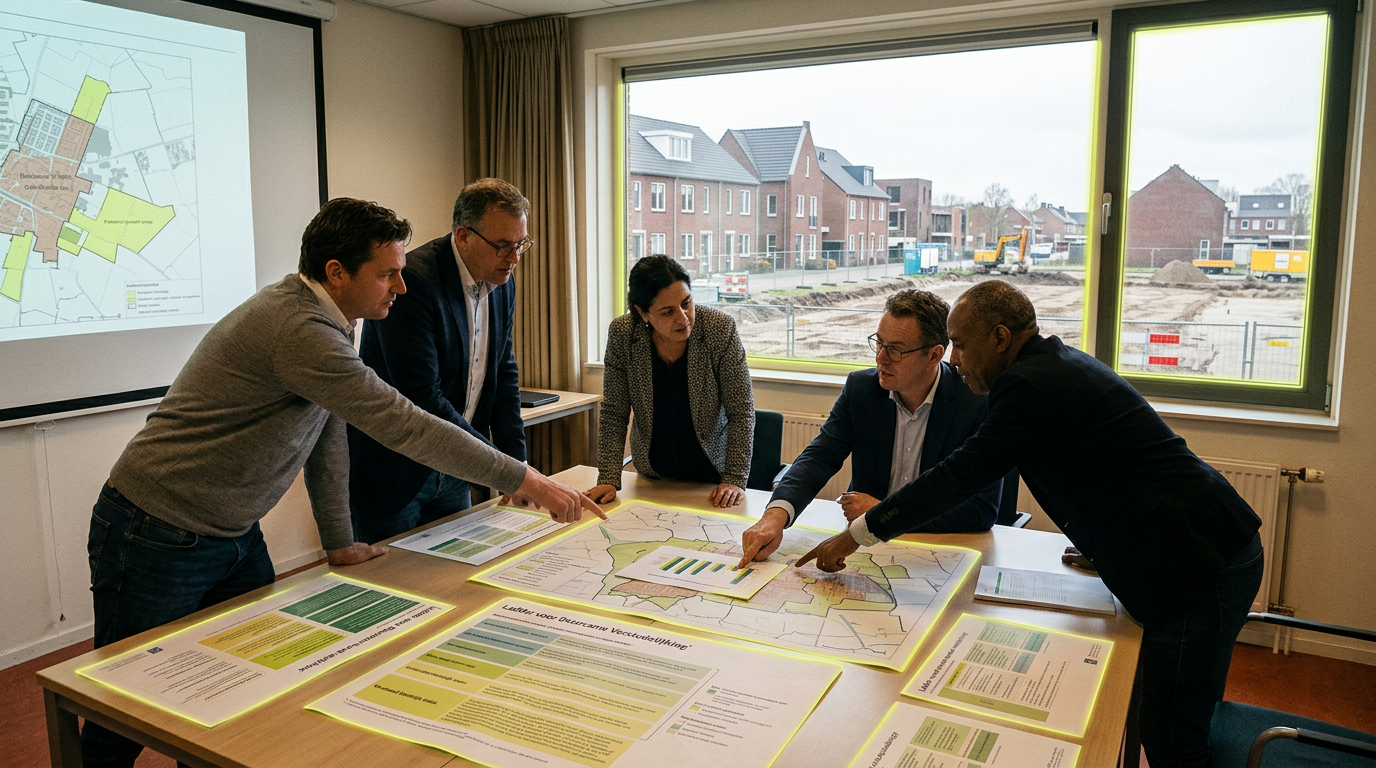
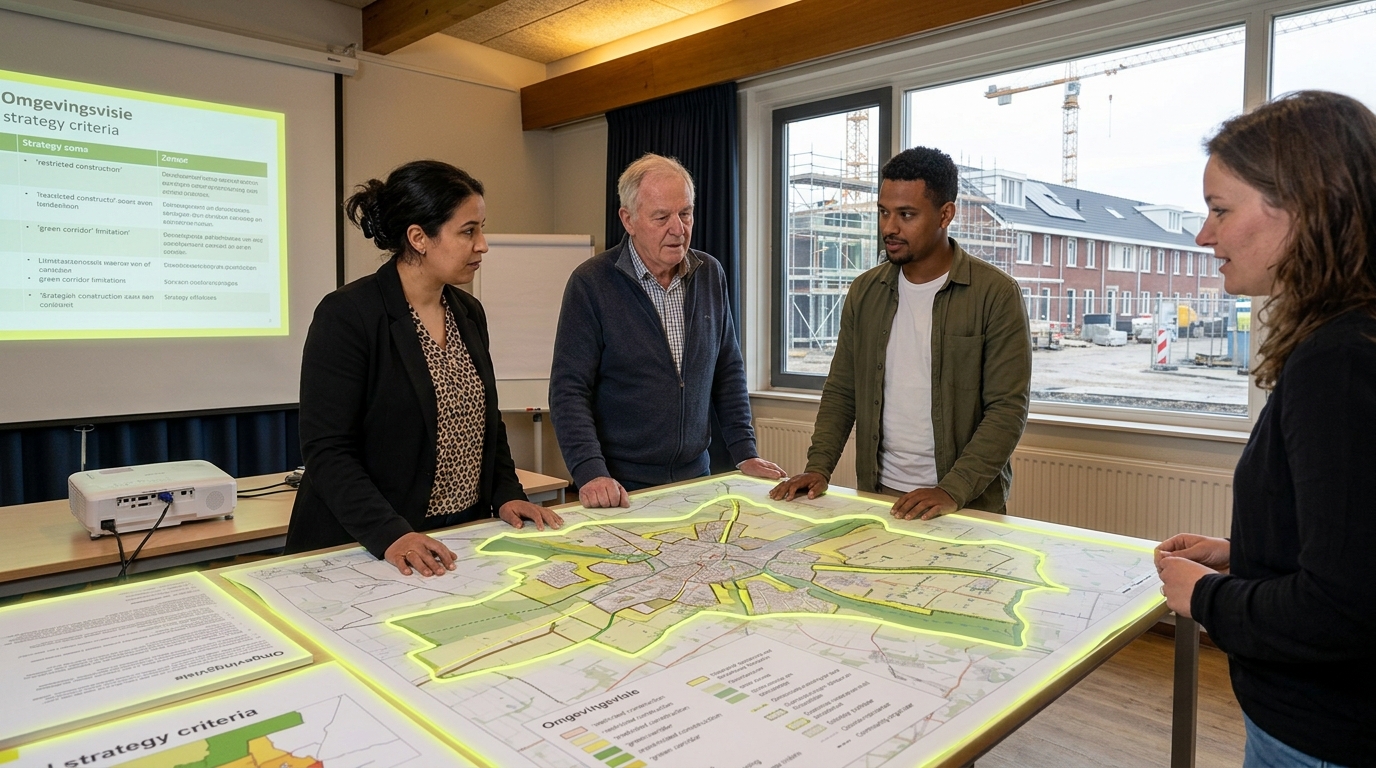
Long-range spatial strategies (national, provincial, municipal) that increasingly decide what can be built before any project enters permitting.
Netherlands' integrated environmental law consolidating 26 laws into one framework, intended to simplify and accelerate planning processes.
Municipal powers to restrict investor purchases in designated areas, requiring owner-occupation to preserve housing for residents.
Luxembourg's national housing pact incentivizing municipalities to increase housing supply through financial rewards and planning flexibility.
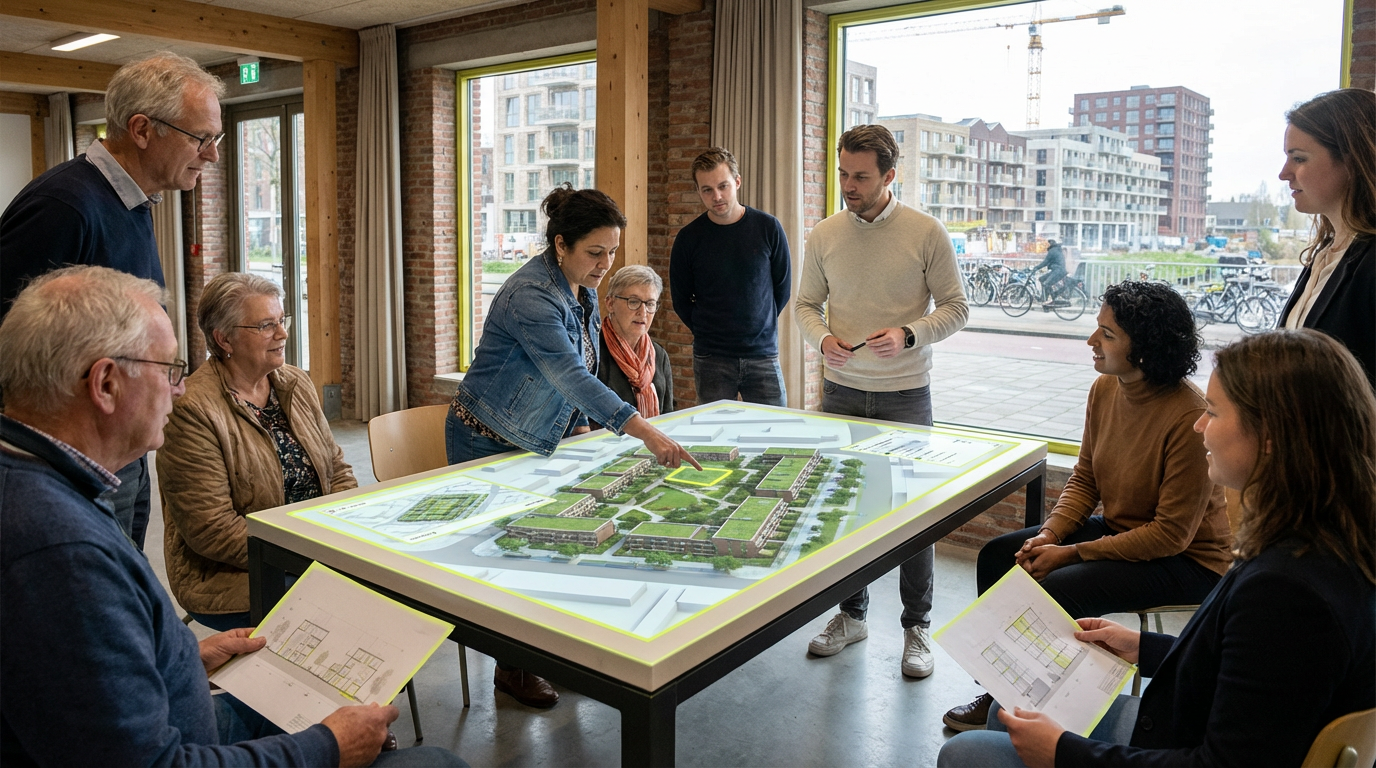
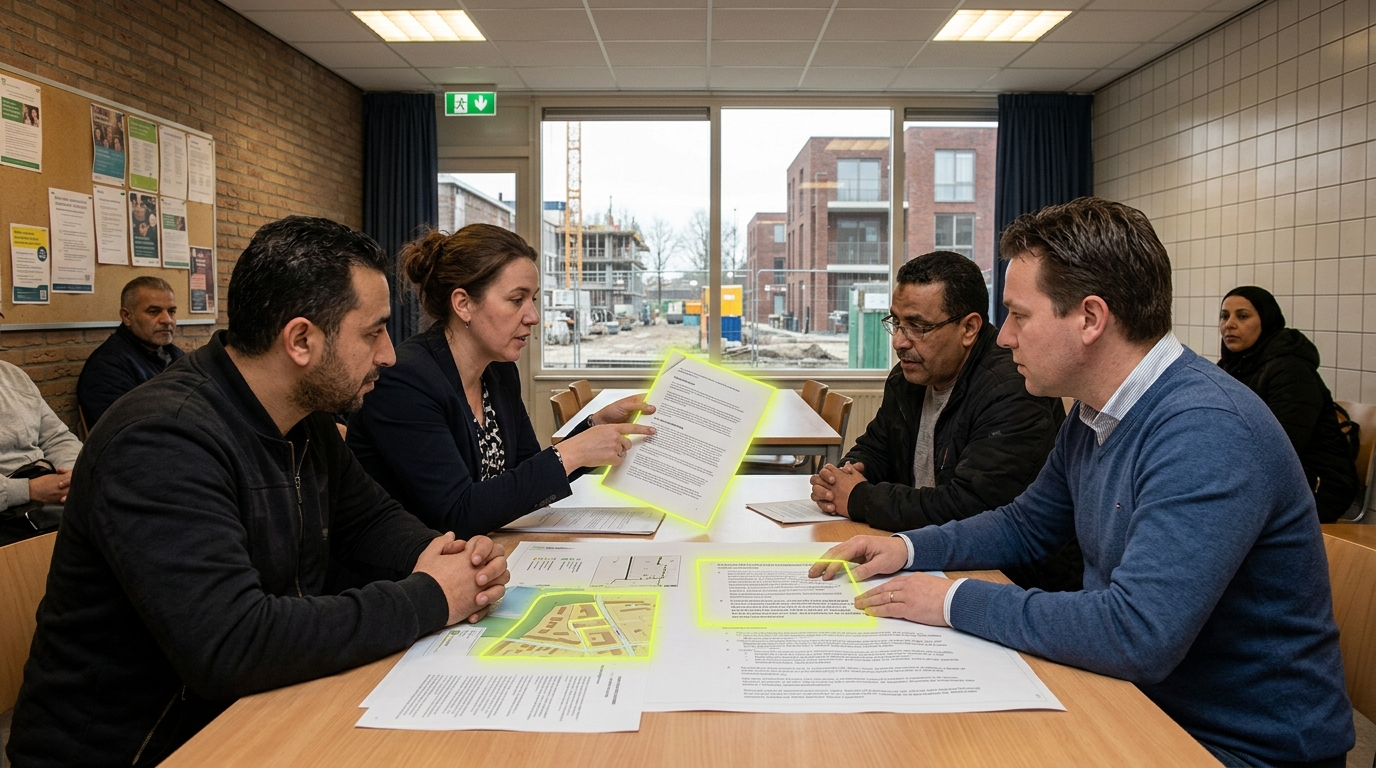
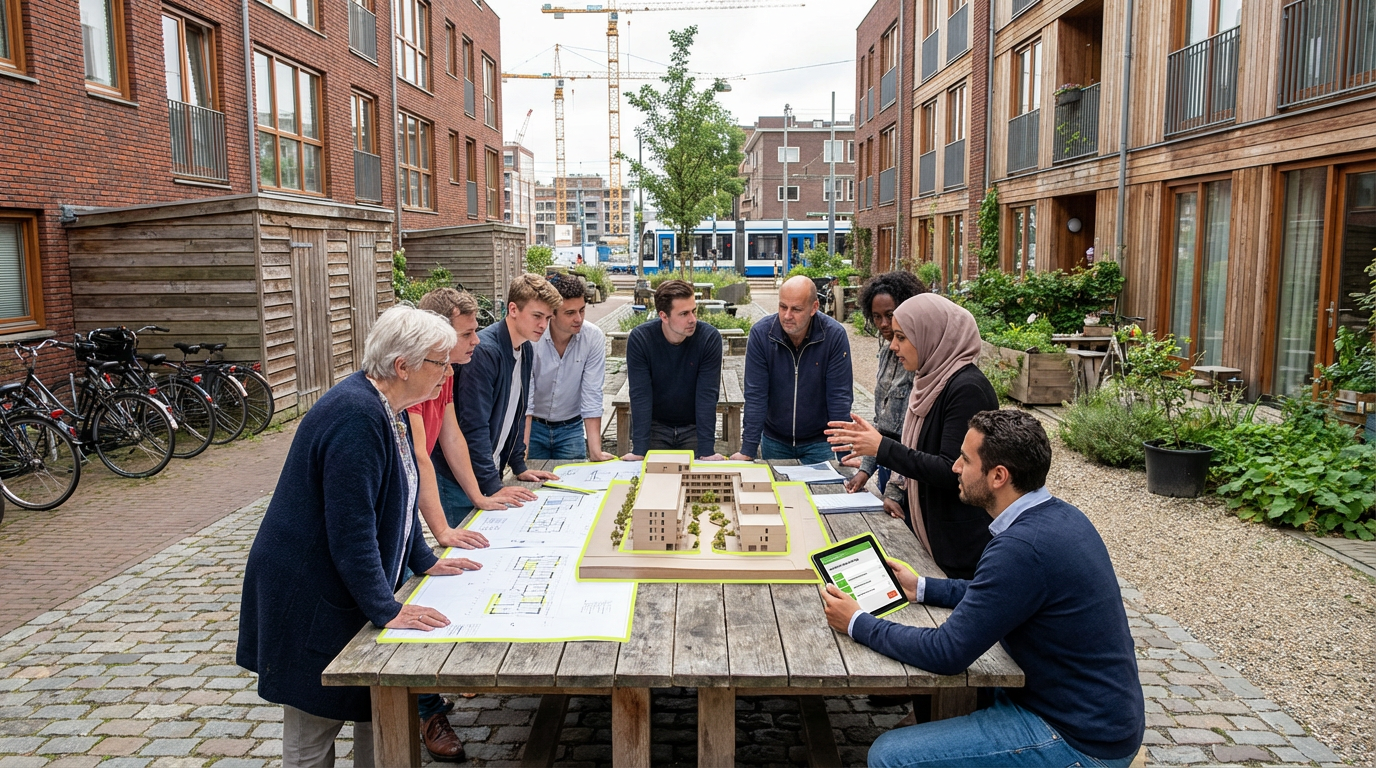
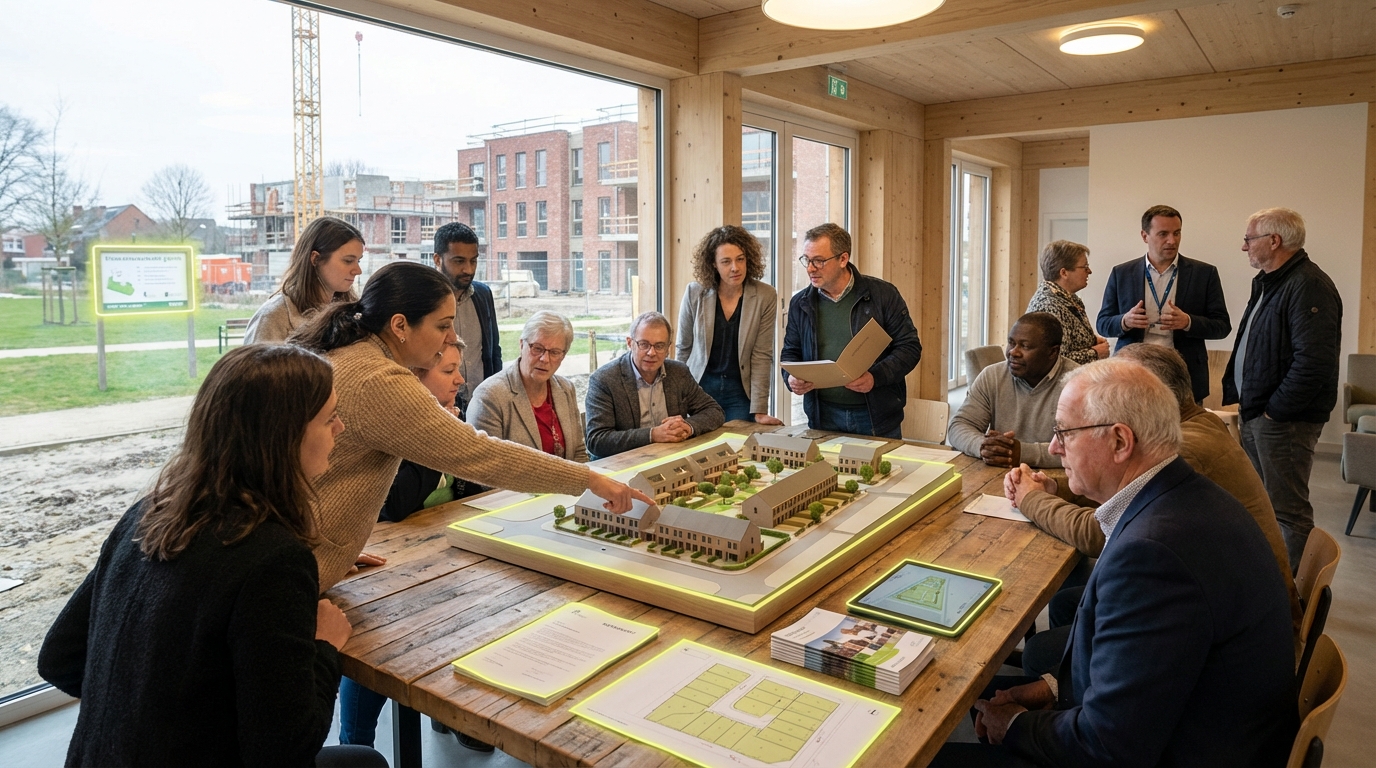
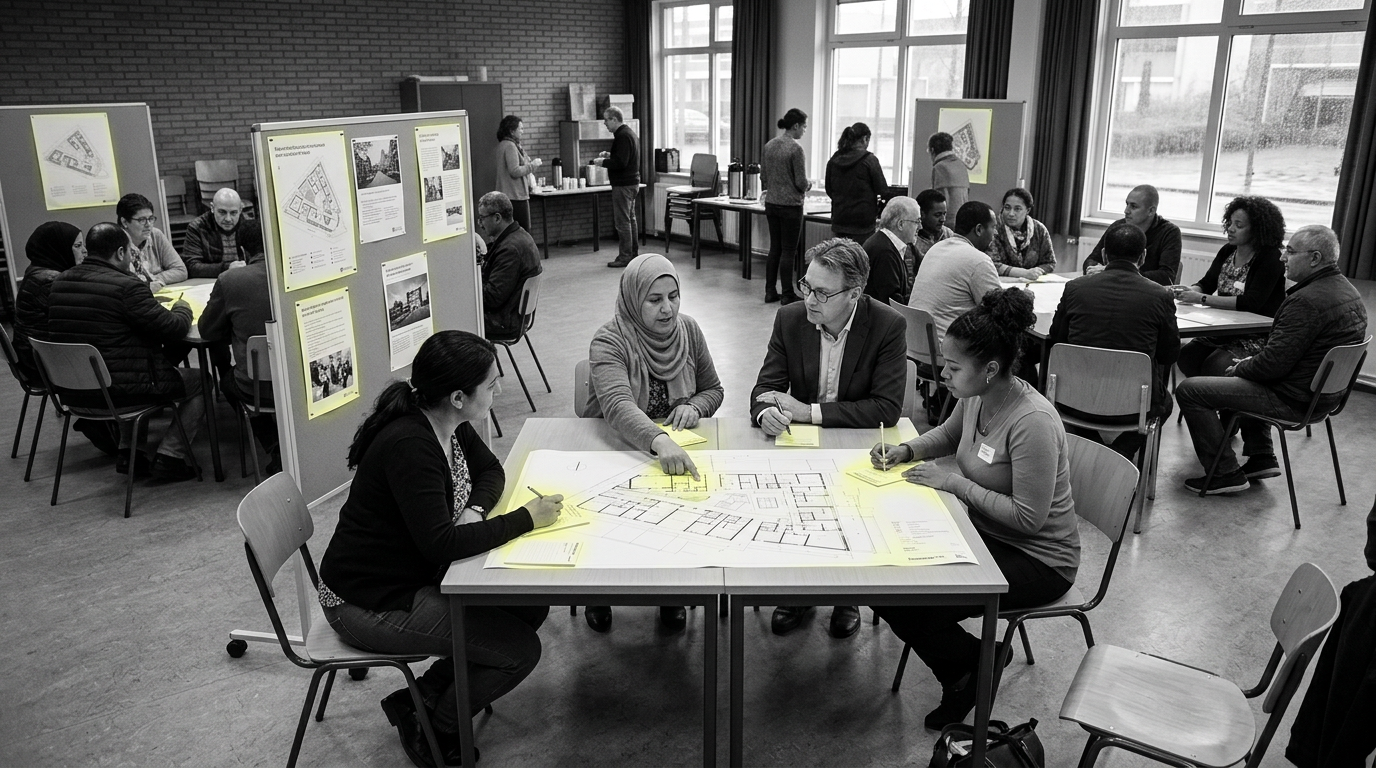
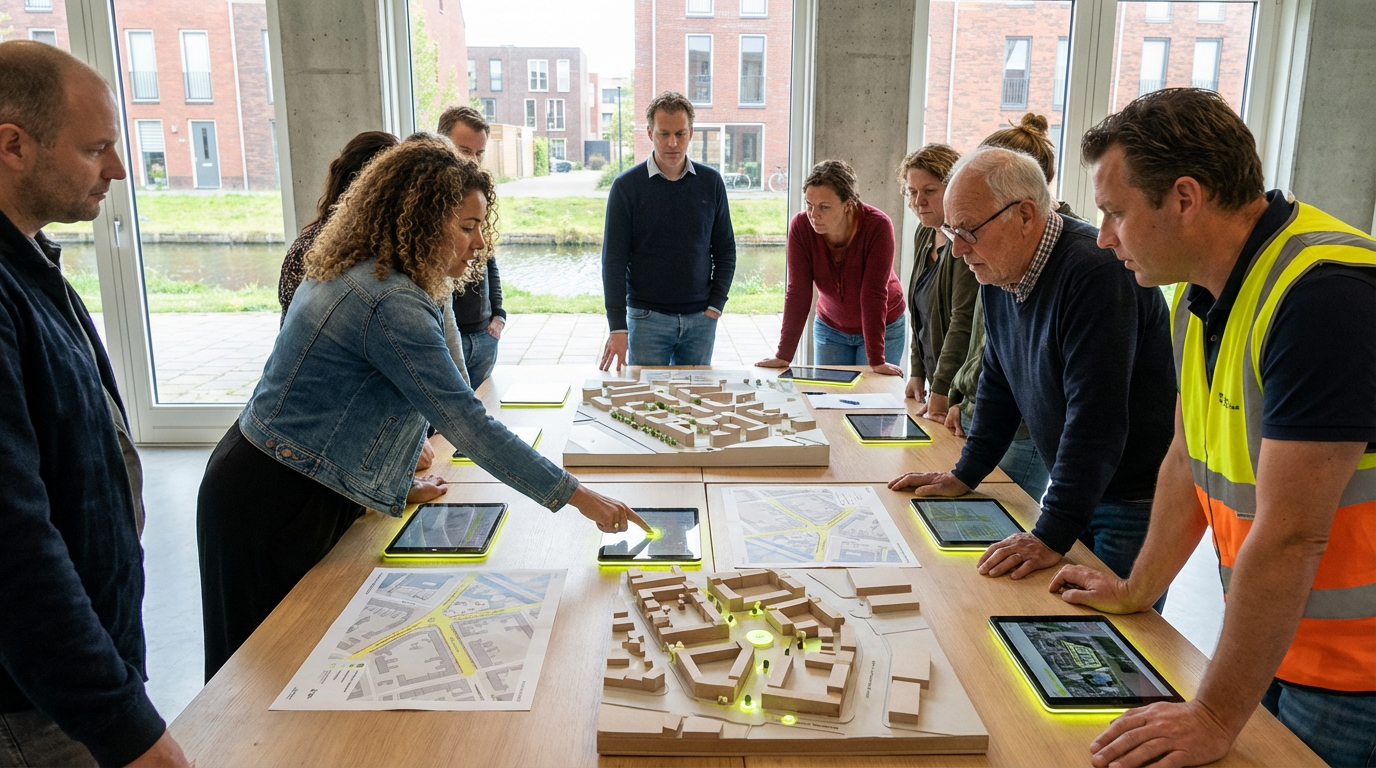
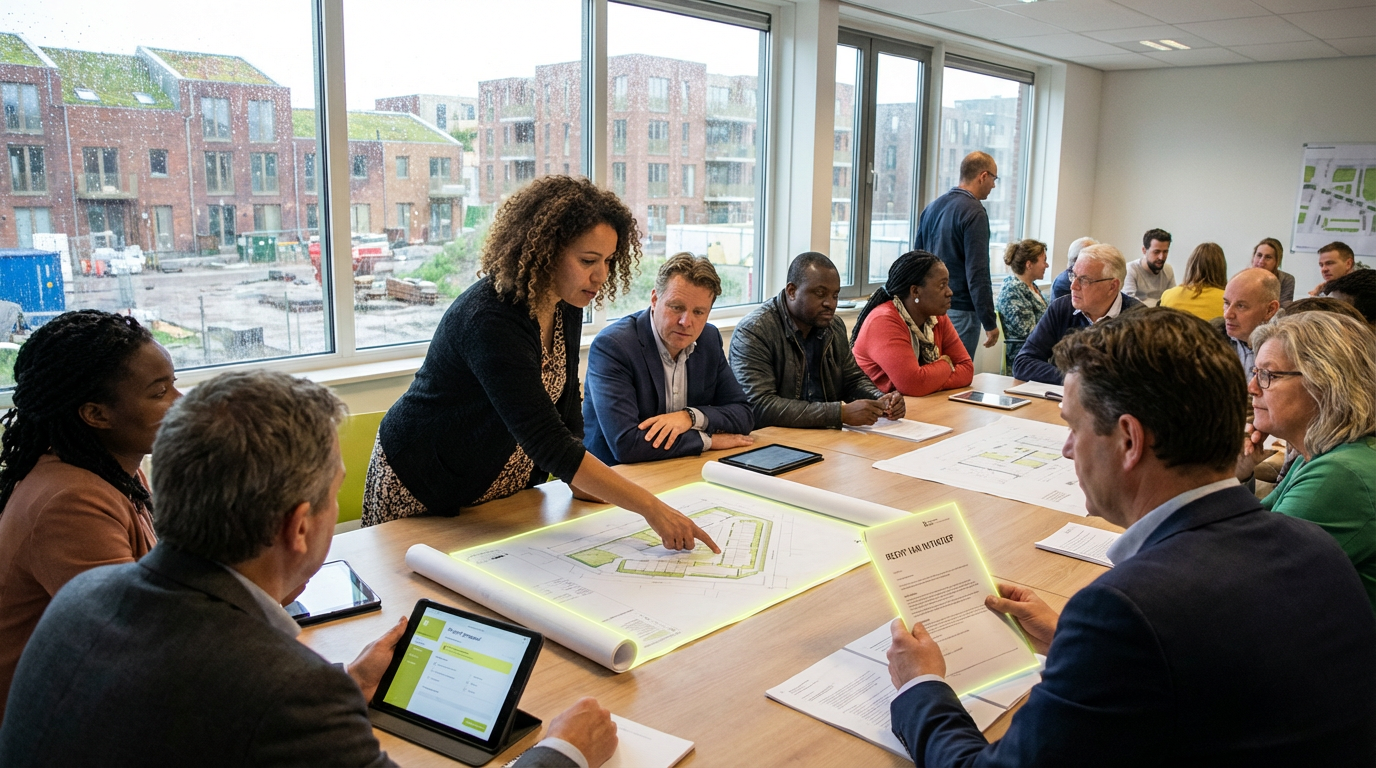
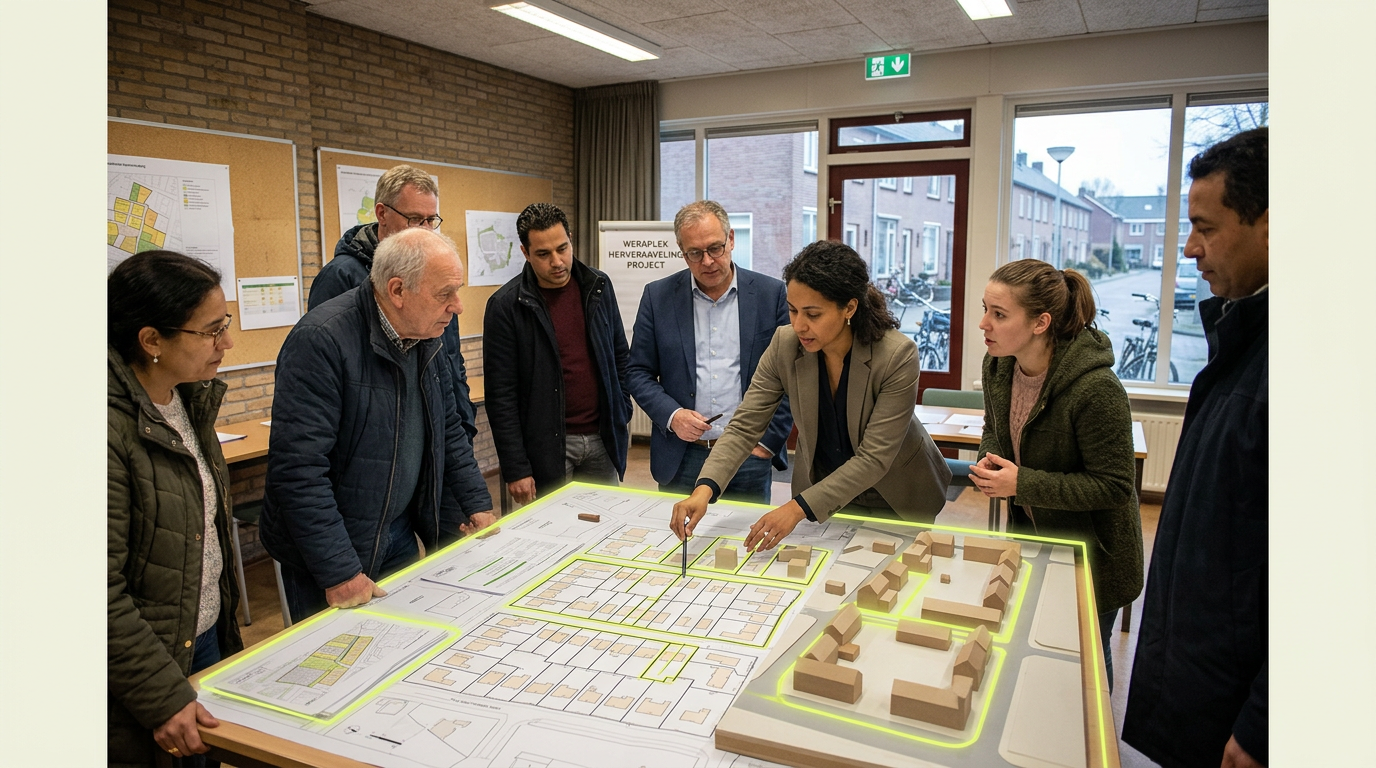
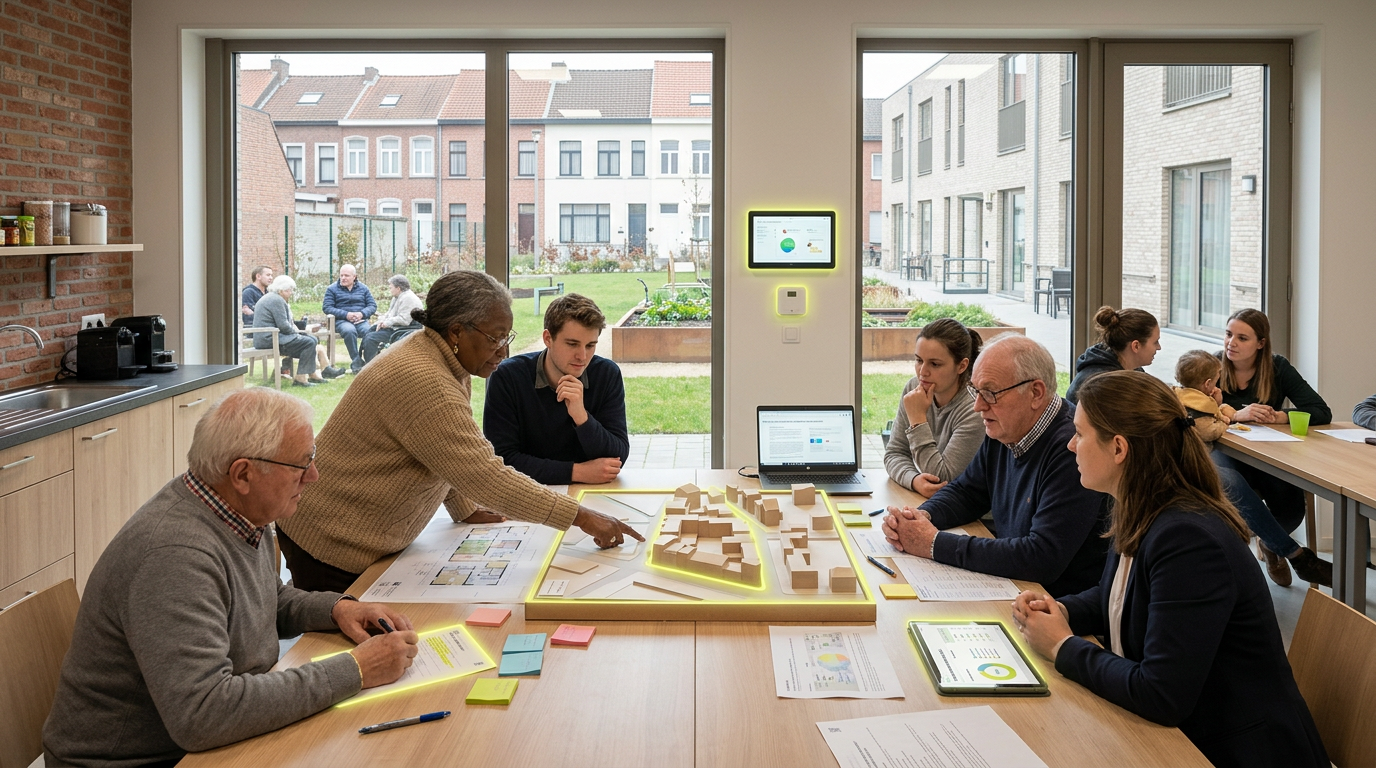
Co-creation frameworks that involve communities in design and planning processes from project inception.
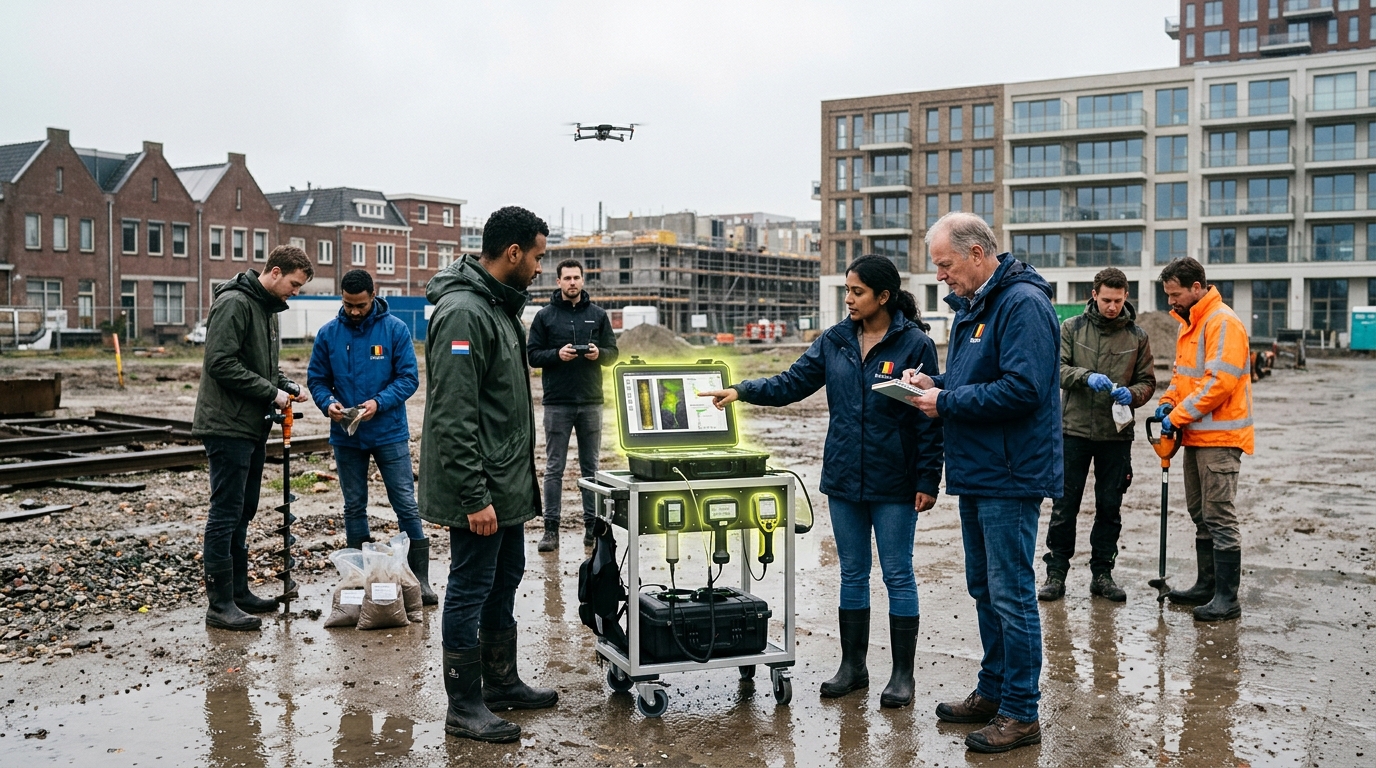
Emerging 'forever chemicals' contamination crisis blocking brownfield development and requiring costly remediation across Benelux.
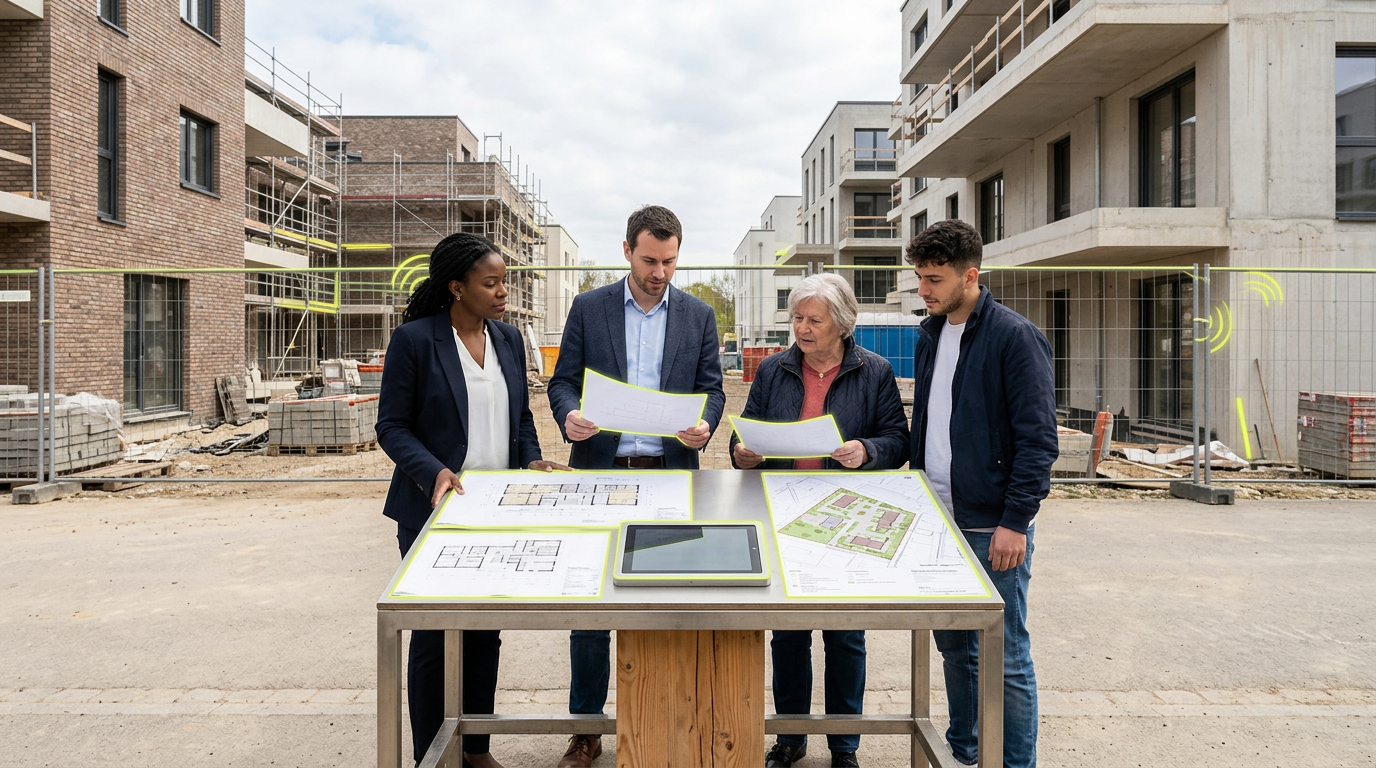
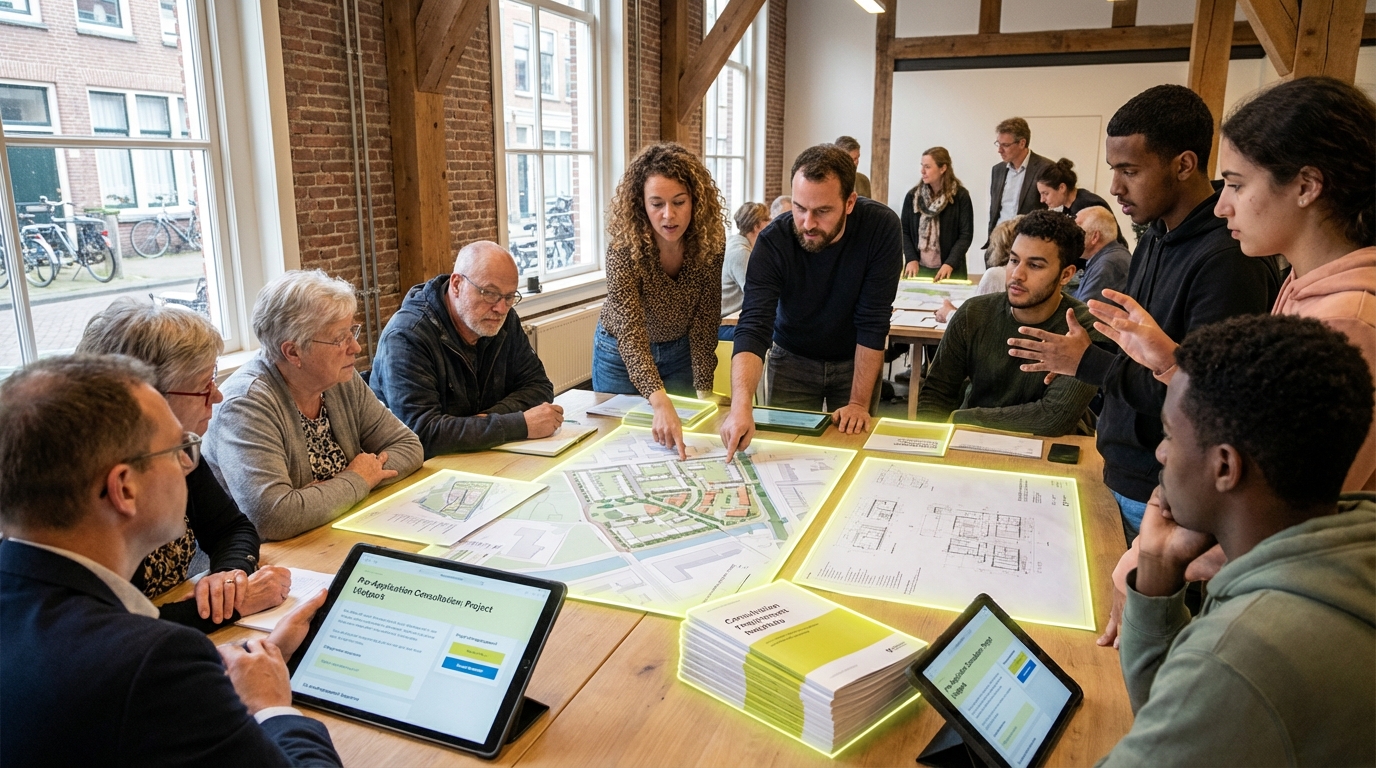
Mandatory or encouraged early engagement with communities and authorities before formal permit applications, intended to identify and address concerns early.
Scaled opposition ecosystems using legal templates, expert reports, and coordinated campaigns to delay or stop projects across jurisdictions.
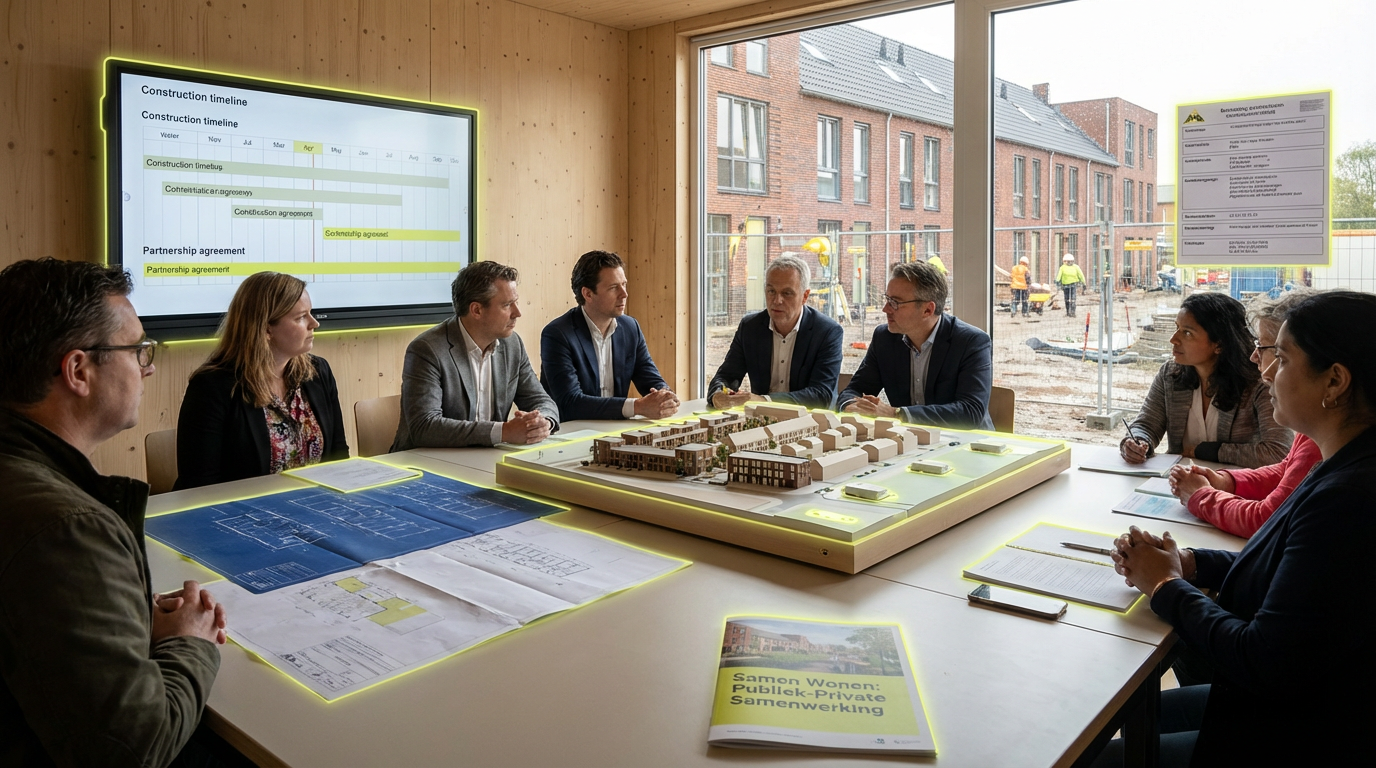
Collaborative models between public authorities and private developers that combine public goals with private efficiency and innovation.
Legal mechanisms allowing citizens to propose and develop projects, shifting from reactive opposition to proactive community-led development.
Housing projects designed as long-term regenerative partners that contribute to local wellbeing and urban resilience.
Legal frameworks enabling communities to collectively own and benefit from renewable energy, integrated with housing development.
Municipal regulations limiting tourist rentals to protect housing stock for residents, addressing platform-driven housing market distortions.
Integrating housing development with smart city infrastructure, potentially building acceptance through innovation and efficiency benefits.
Financial instruments where private investors fund housing interventions and receive returns based on measurable social outcomes.
Misaligned incentives between landlords and tenants (and between owners and the public) that block deep renovation without smart finance and regulation.
Converting single-family homes into multiple units, increasing density within existing structures but facing regulatory and neighborhood opposition.
Legal and planning tools that pool fragmented parcels and redistribute development rights, enabling infill without full expropriation.
Regulatory deadlock caused by EU nitrogen emission limits, halting construction projects near protected nature areas in NL and Flanders.
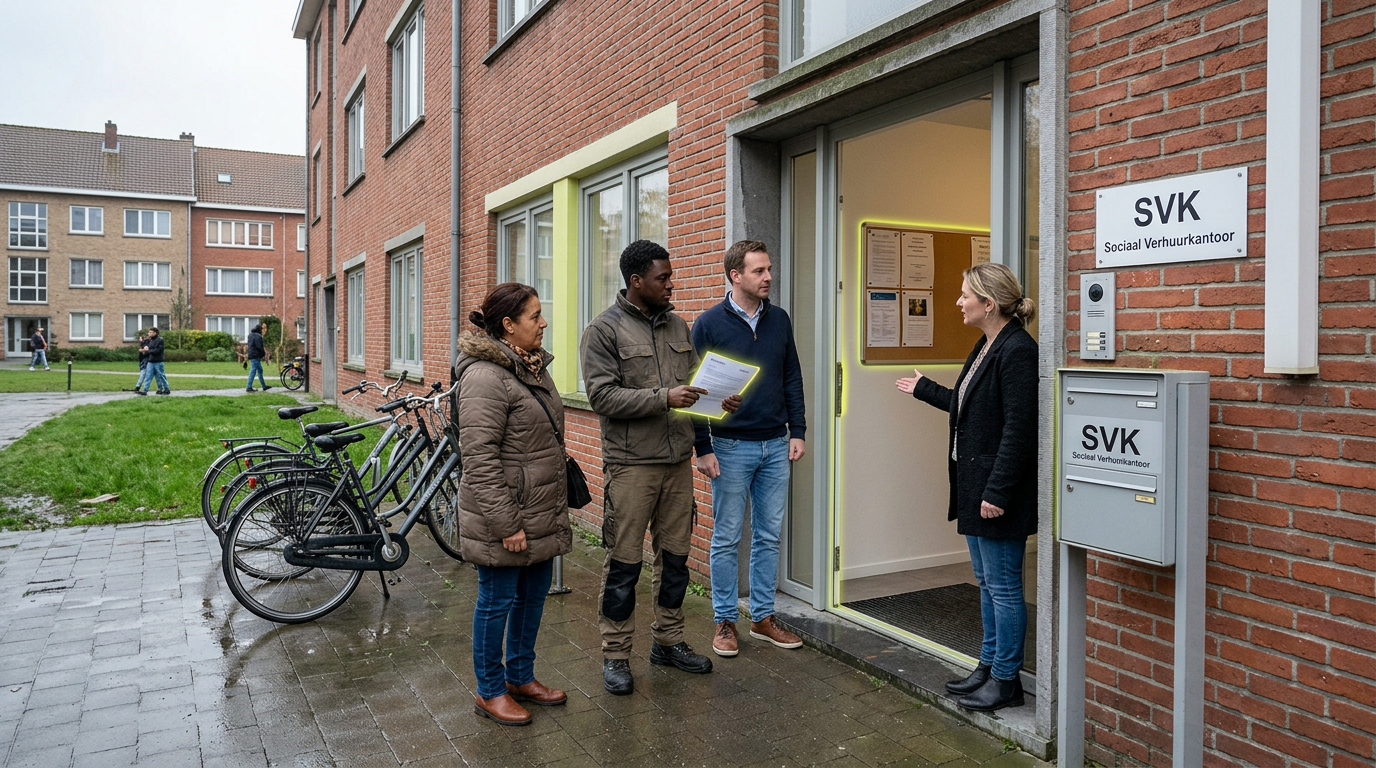
Belgian agencies that lease private rental properties and sublet them at social rates, expanding affordable supply without new construction.
Organized opposition to renewable energy projects that can block both energy and housing developments when integrated, even when aligned with net-zero goals.
Legal frameworks enabling interim use of vacant land or buildings for housing, activating dormant assets while permanent plans develop.
Small, often mobile or semi-permanent housing units that can provide affordable options and potentially reduce regulatory barriers.
The 2023 abolition of the landlord levy that drained €10+ billion from Dutch housing associations, now enabling renewed development capacity.
Regulation of district heating pricing, ownership, and consumer protection that strongly shapes public acceptance of heat networks in new developments.
Mandatory climate adaptation assessments for development permits, increasingly restricting building in flood-prone or water-stressed areas.
Financial contributions from developers to municipalities for infrastructure, affordable housing, or community amenities, common in Netherlands.
The Netherlands' unique system of non-profit housing associations owning 29% of all housing stock, the largest social housing sector in Europe.
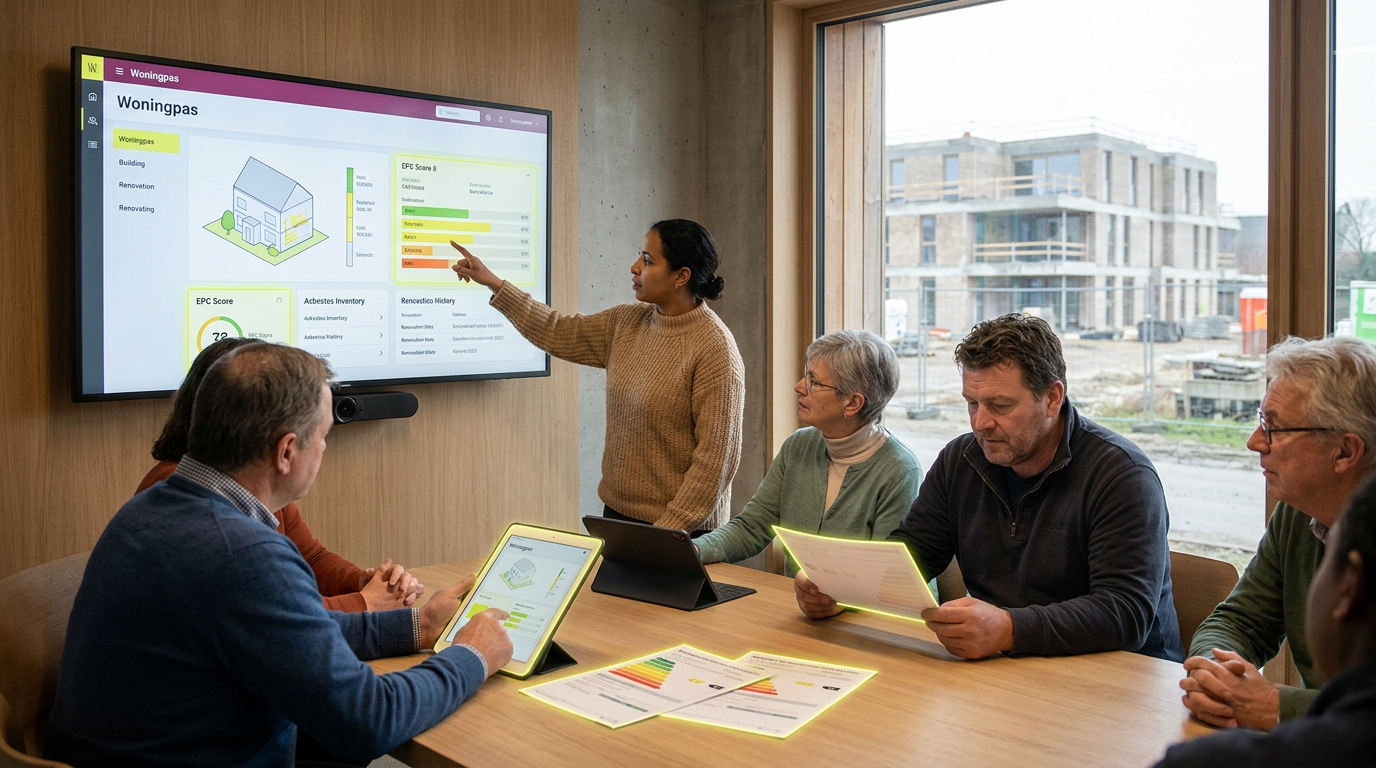
Digital documentation systems compiling all building information (energy, permits, renovations) to enable informed decisions and streamline transactions.
Member-owned housing organizations where residents collectively own and manage their housing, common in Netherlands and growing in Belgium.
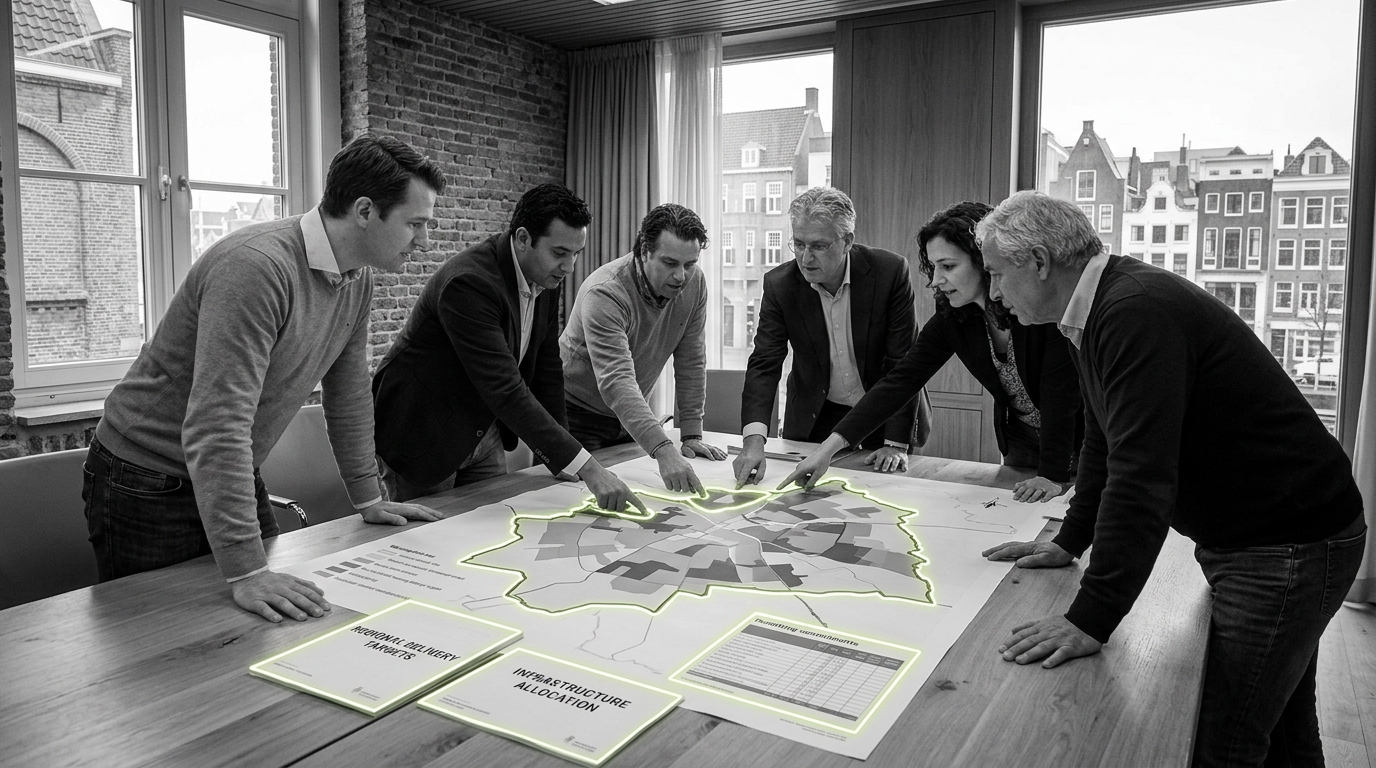
National–regional delivery agreements in the Netherlands that bundle housing targets, infrastructure, and permitting commitments into enforceable packages.
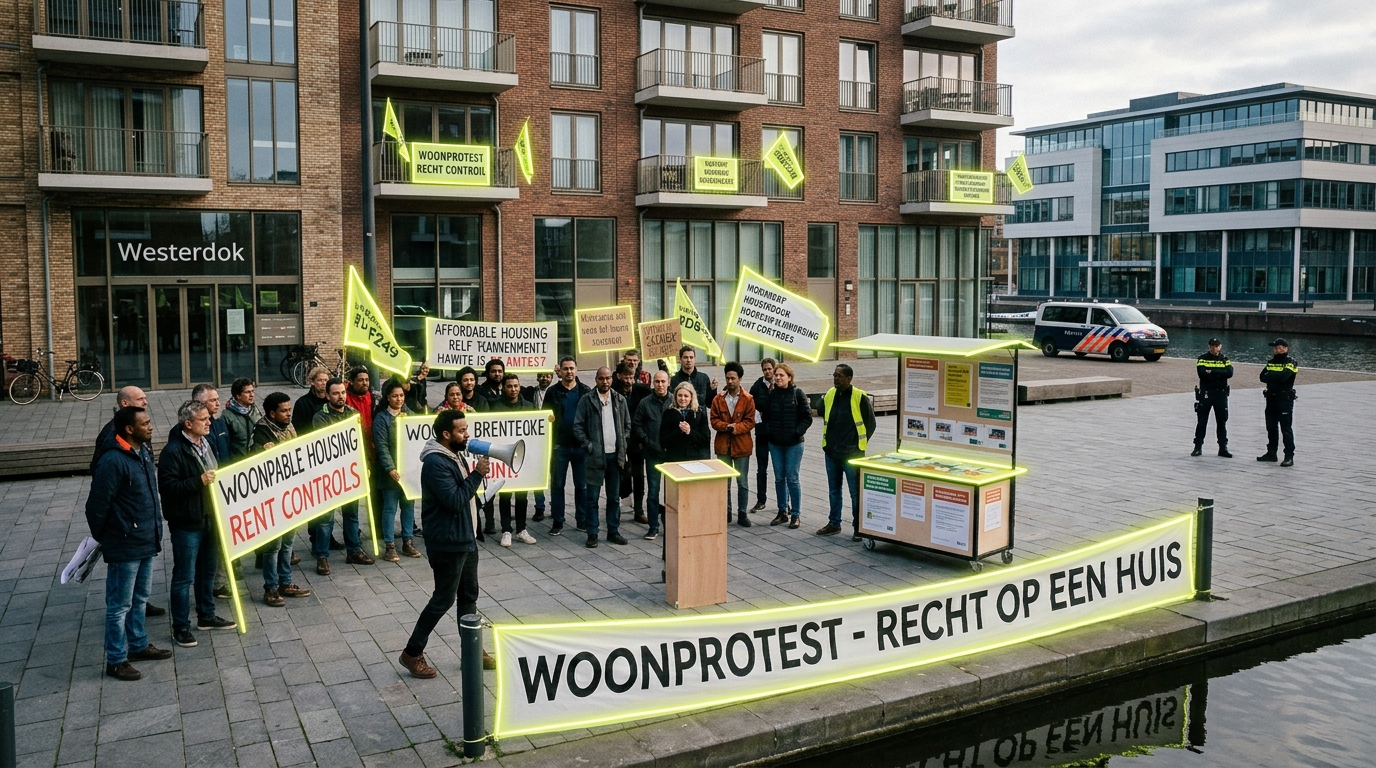
Growing tenant and affordability movements demanding policy action on housing costs, investor restrictions, and tenant protections.
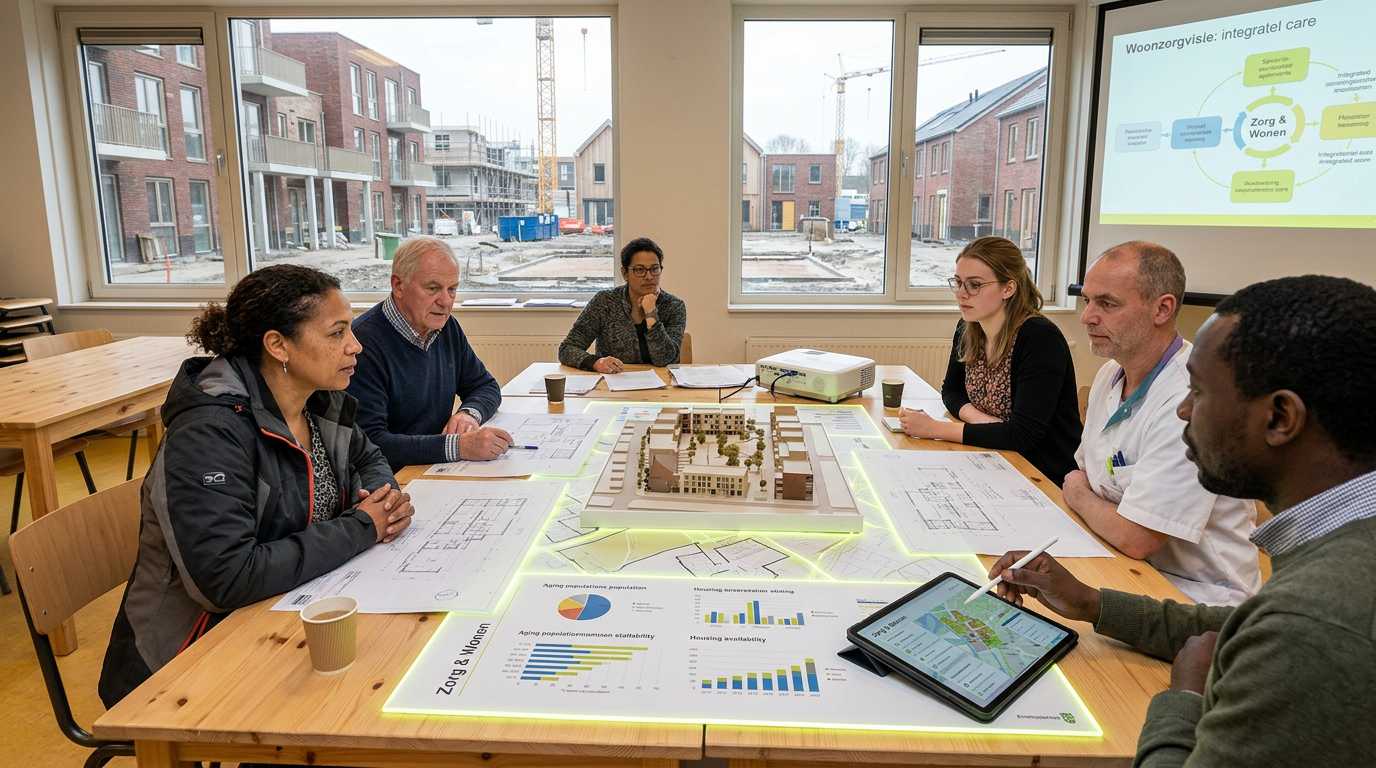
Municipal strategies integrating housing planning with healthcare needs, particularly for aging populations and deinstitutionalization.
Emerging 'Yes In My Backyard' advocacy countering NIMBY opposition, mobilizing support for housing density and development.
Self-build plots and collective private commissioning models enabling individuals and groups to develop their own housing.
Hybrid housing-care models that allow elderly to stay in neighborhoods, reducing resistance to densification by serving local needs.
Follow us for weekly foresight in your inbox.