Renewable Energy Community Models
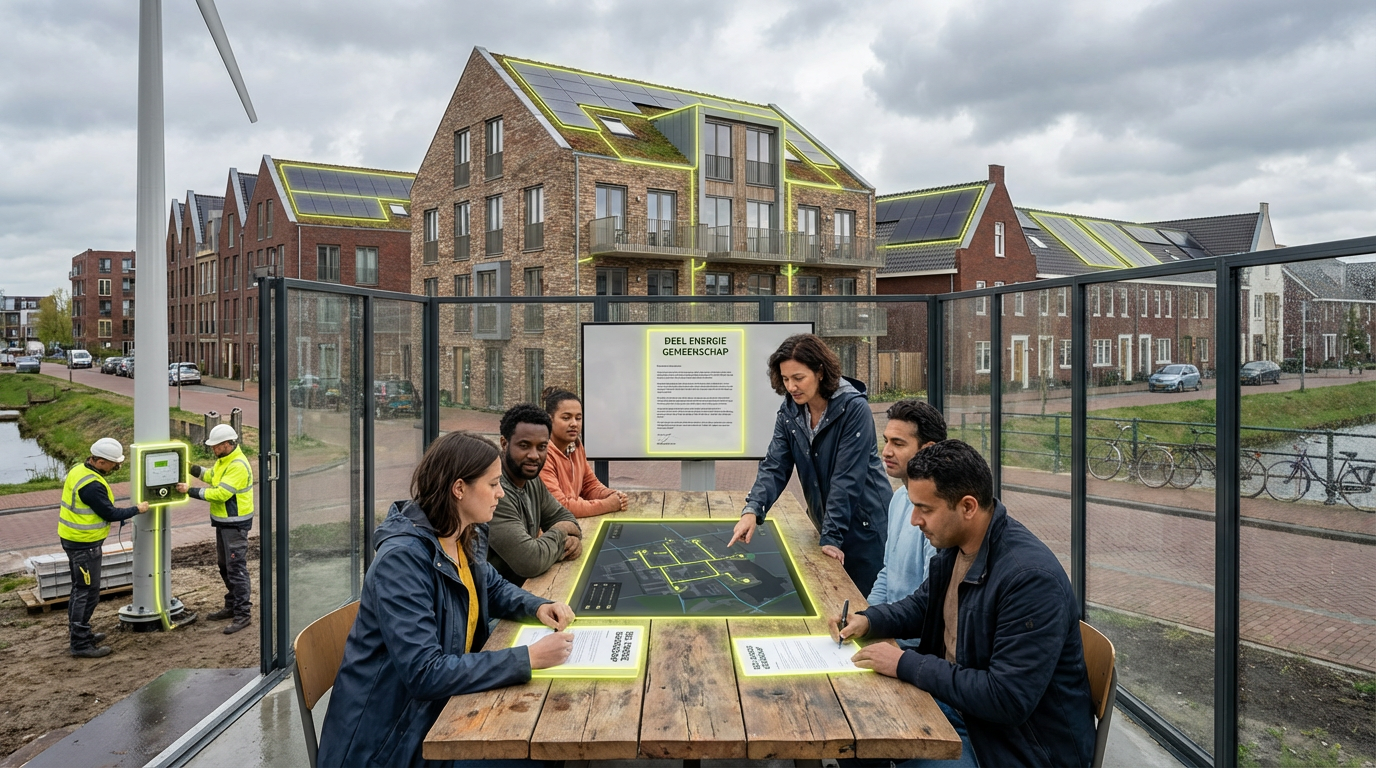
Renewable energy community models represent a structural shift in how energy infrastructure is owned, governed, and integrated into residential development. Rather than relying solely on centralized utility-scale projects or individual household installations, these frameworks enable collective action—allowing neighborhoods, municipalities, or housing cooperatives to co-own solar arrays, wind turbines, or district heating systems. The EU Renewable Energy Directive (RED II) mandates that member states establish legal pathways for such communities, recognizing that distributed ownership can reduce opposition to renewable installations, retain economic value locally, and accelerate decarbonization. In housing contexts, this matters because energy transitions often face resistance when benefits accrue to distant investors while communities bear visual or land-use impacts. Community models reframe energy infrastructure as a shared asset rather than an externally imposed burden.
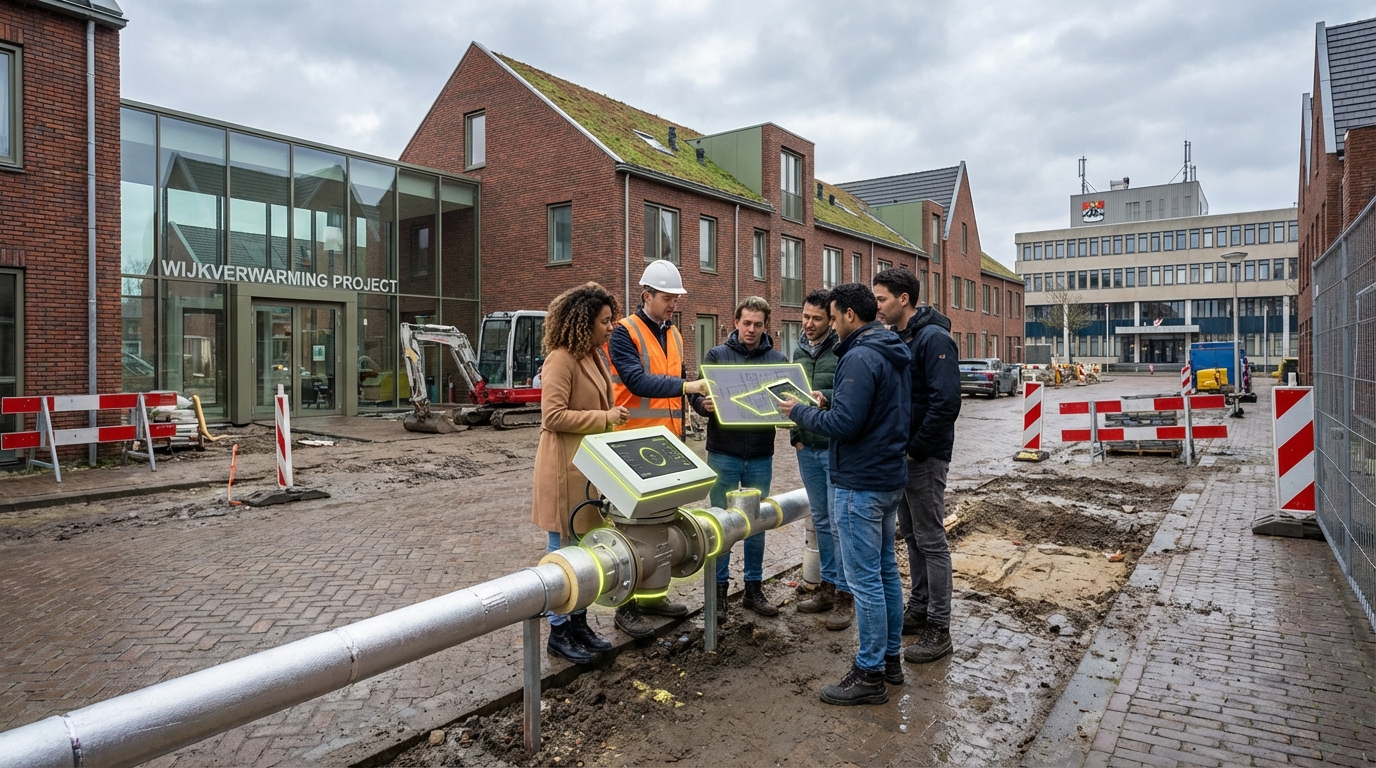
Early implementations across the Benelux region illustrate varied approaches and emerging patterns. In the Netherlands, energy cooperatives have proliferated since regulatory changes in the mid-2010s, with some housing associations embedding shared solar or geothermal systems into new developments, allowing residents to purchase shares and receive discounted electricity. Belgium's regional governments have piloted citizen energy communities that combine rooftop solar on apartment blocks with battery storage, though financing mechanisms remain fragmented. Luxembourg has experimented with integrating renewable energy communities into eco-district planning, linking housing construction timelines with grid connection approvals. These examples suggest a directional shift toward embedding energy governance within housing governance, though adoption remains uneven. Regulatory clarity varies by jurisdiction, and many projects struggle with upfront capital requirements, grid integration costs, and the technical complexity of balancing generation with consumption across multiple households.
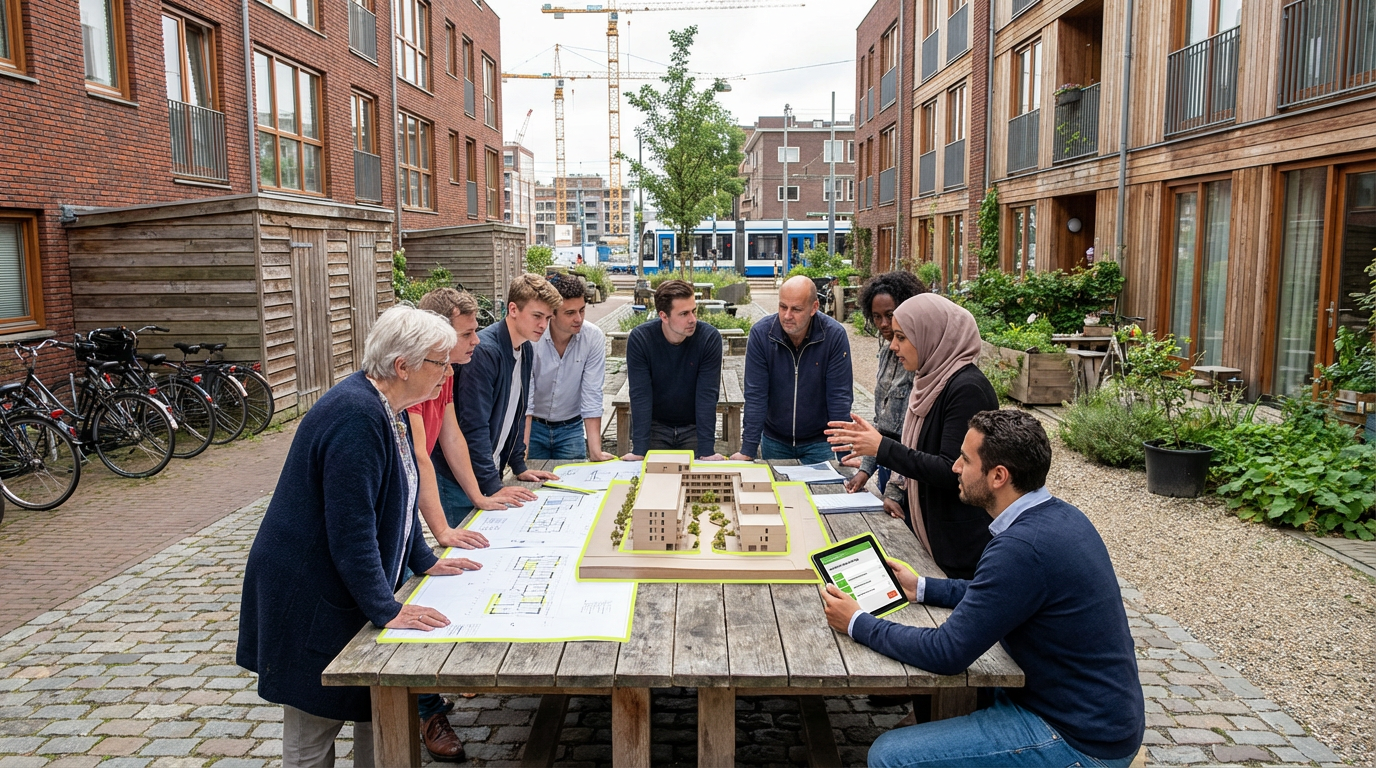
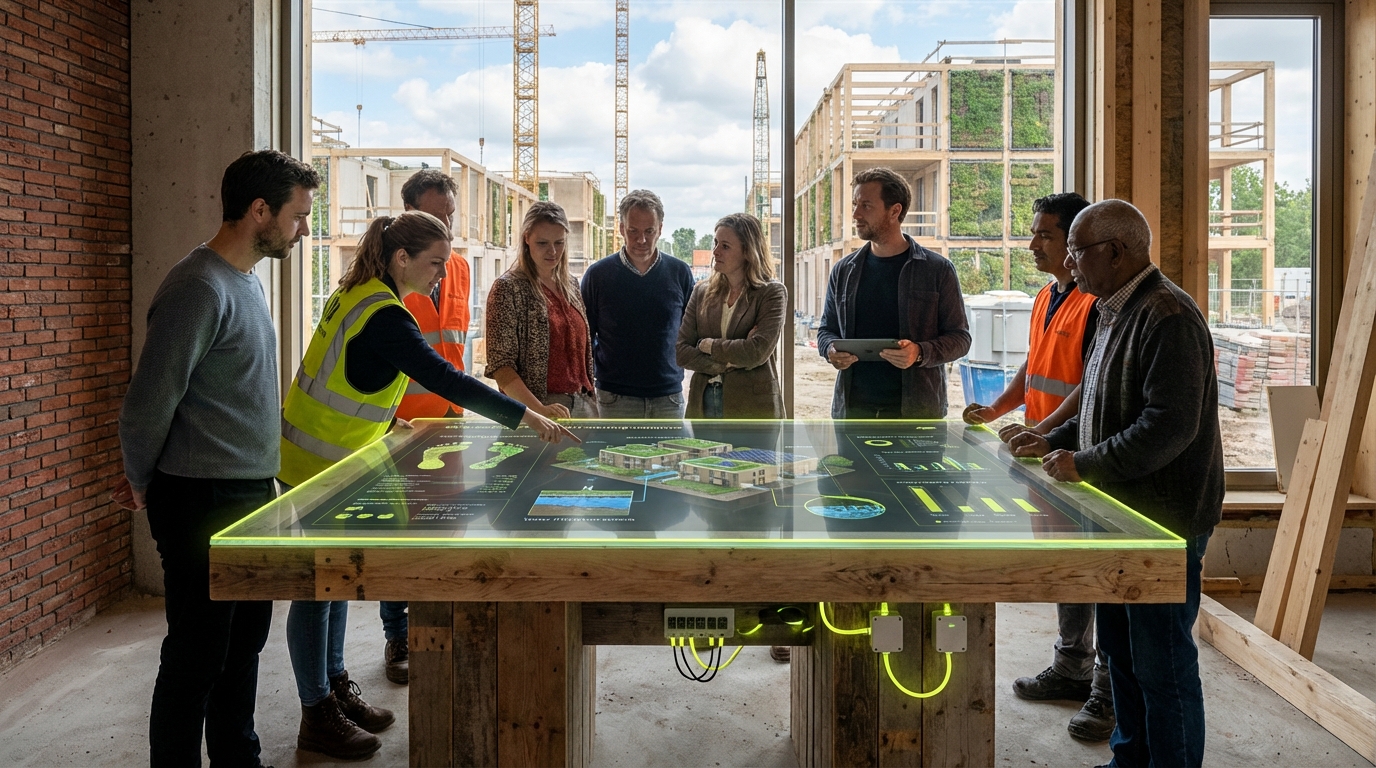
The implications extend beyond energy production to questions of housing affordability, social equity, and municipal planning authority. If community energy models scale, they could stabilize housing costs by insulating residents from volatile energy prices, particularly in social housing where energy poverty is acute. However, success depends on resolving coordination challenges: aligning construction schedules with energy infrastructure deployment, ensuring equitable access for lower-income participants, and clarifying liability when technical systems underperform. Policymakers should monitor whether national implementation of RED II translates into streamlined permitting, accessible financing (such as green bonds or municipal guarantees), and standardized contracts that reduce transaction costs. Key thresholds to watch include the percentage of new housing developments incorporating community energy by default, the emergence of replicable financial models, and whether these frameworks expand beyond affluent early adopters to mainstream social housing. The signal's trajectory will reveal whether collective energy ownership becomes a standard feature of housing development or remains a niche experiment.
Related Organizations

The European federation of citizen energy cooperatives, based in Brussels, driving the transposition of EU energy community laws.

Belgium's largest energy cooperative, supplying renewable electricity to members who own shares in the production facilities.

The national umbrella organization for energy cooperatives in the Netherlands, lobbying for community ownership rights in energy projects.

A technology company developing smart grid platforms that enable local energy communities to trade and balance energy (e.g., Schoonschip).

A Belgian renewable energy cooperative focusing on wind, solar, and heat networks owned by citizens.

An organization that activates neighbors to collectively save energy and invest in solar panels, acting as a catalyst for energy communities.

A knowledge platform supporting local energy initiatives with expertise on regulations, tax, and organization.

A fund that invests in local sustainable energy projects, often supporting the initial capital needs of energy communities.

A citizen cooperative for electric car sharing, often integrated with renewable energy cooperatives.