Expedited Permitting Frameworks
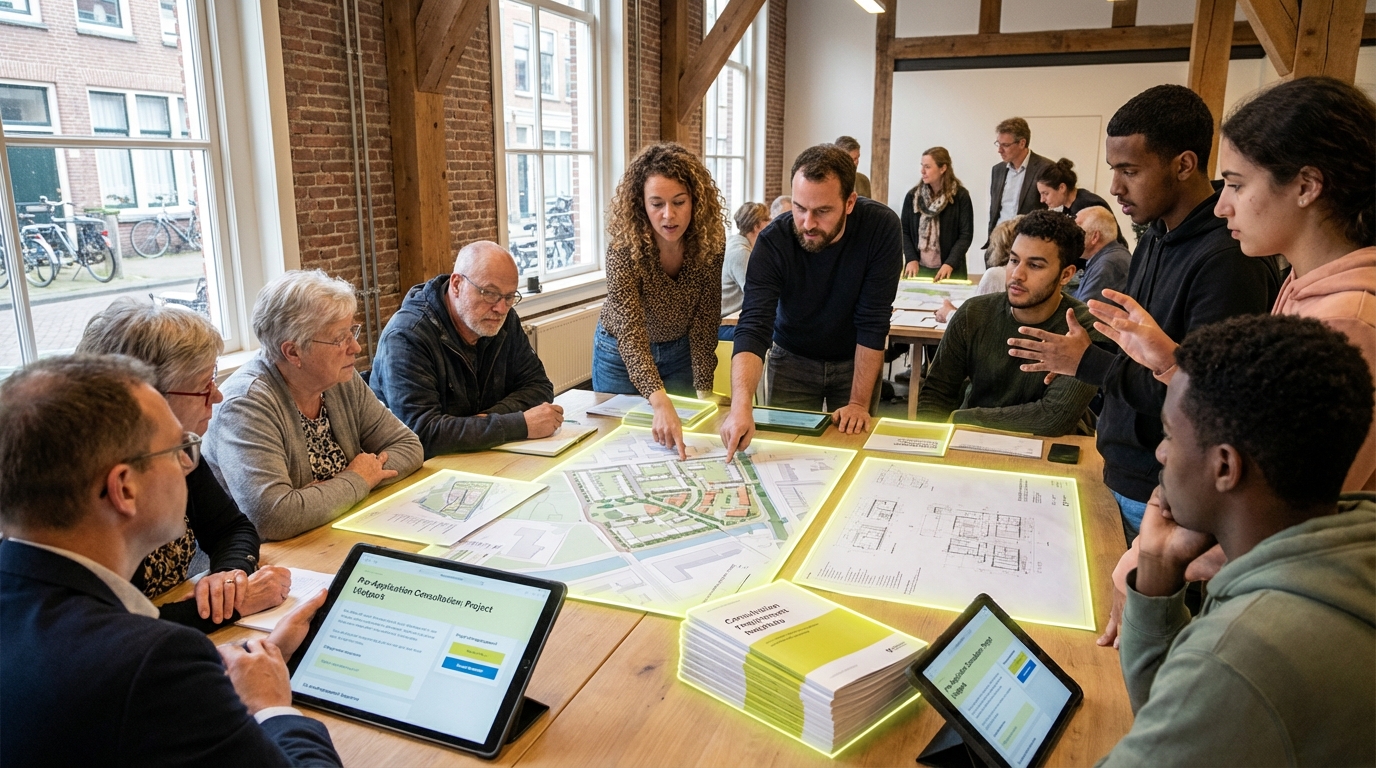
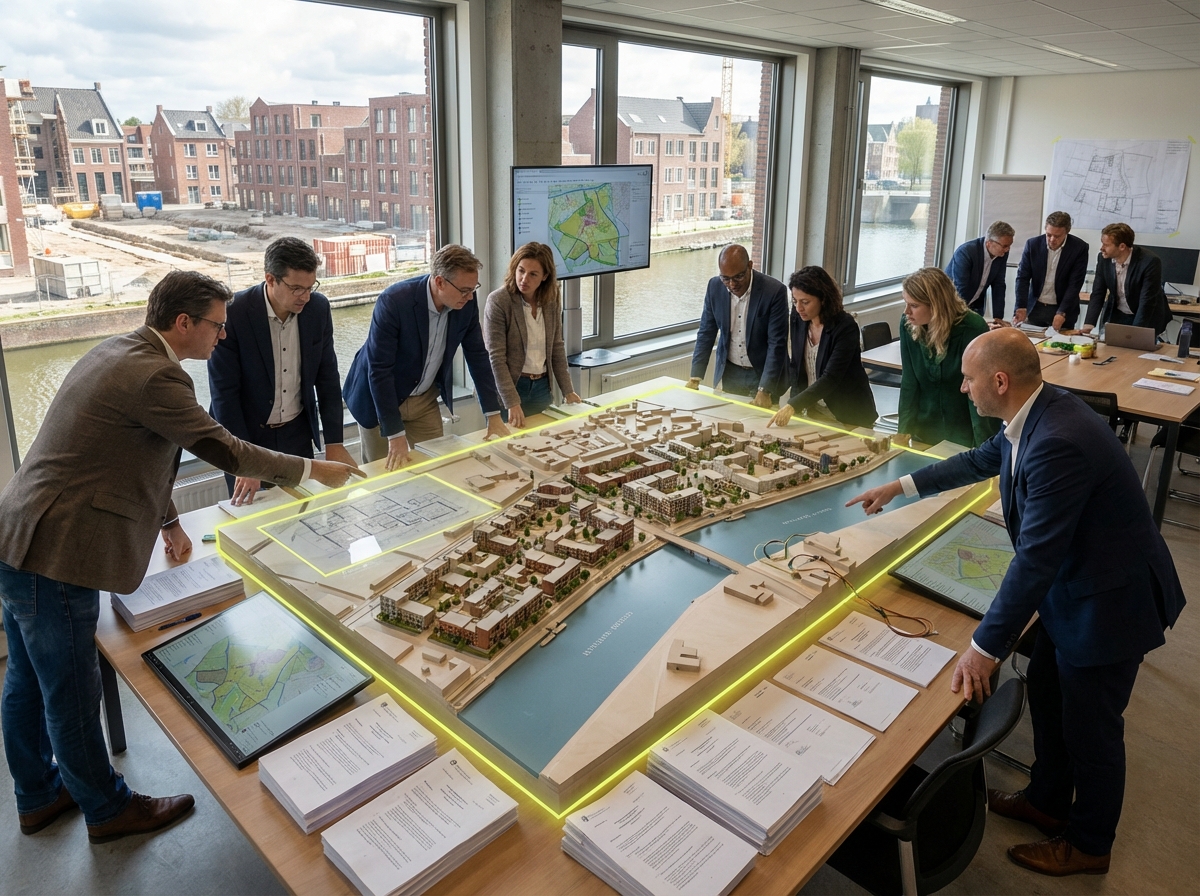
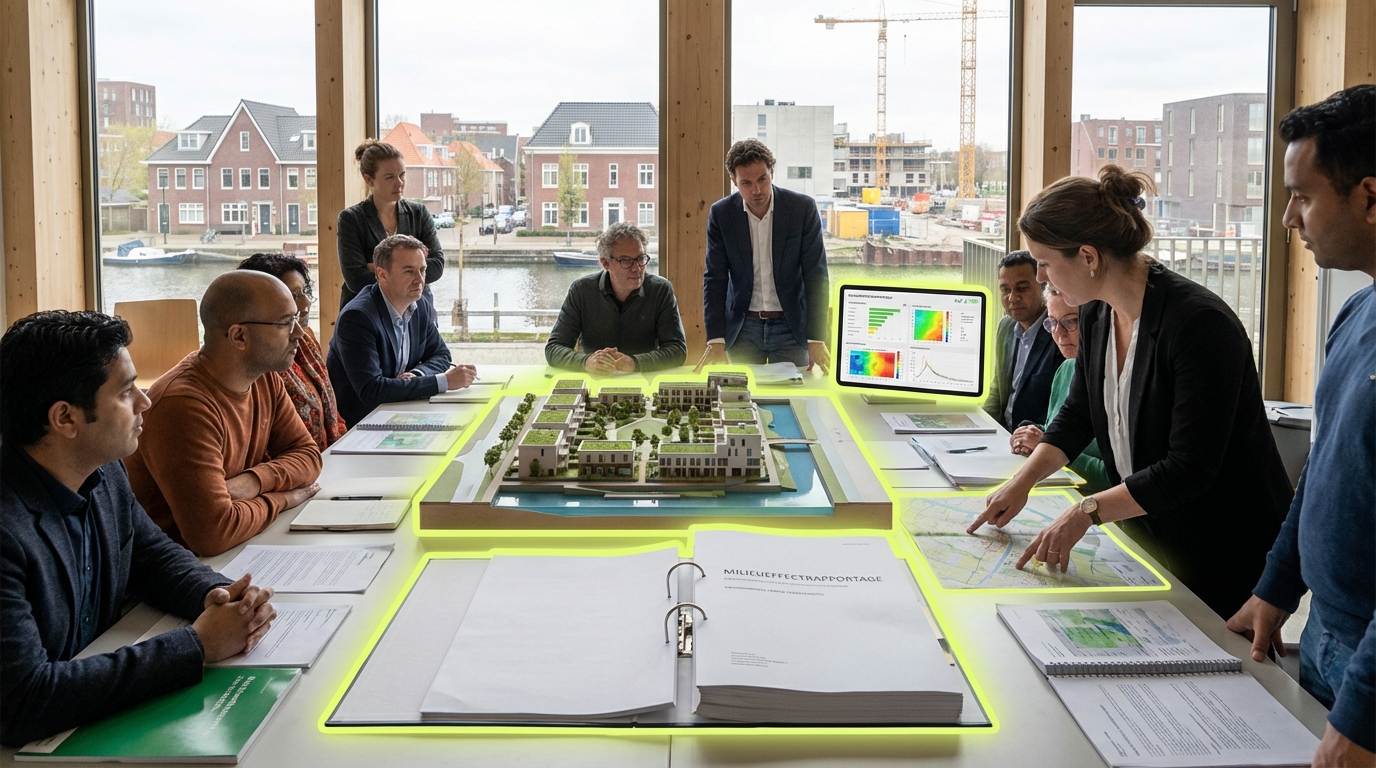
Expedited permitting frameworks represent a fundamental restructuring of how governments process development applications, addressing a critical bottleneck in housing delivery across the Benelux region. Traditional approval systems—characterized by sequential reviews across multiple agencies, unclear timelines, and fragmented decision-making—can extend project timelines by months or years, increasing costs and discouraging development. This signal reflects growing recognition among policymakers that procedural delays, rather than substantive regulatory requirements, often constitute the primary barrier to housing supply. By redesigning approval workflows to prioritize coordination, digitization, and predictability, these frameworks aim to compress approval cycles without compromising environmental protection, safety standards, or community input.
Early implementations across European jurisdictions demonstrate several converging patterns. Digital submission platforms eliminate paper-based processes and enable parallel review by multiple agencies, reducing sequential handoffs that traditionally extended timelines. One-stop-shop models consolidate fragmented approval authorities under coordinated management, providing developers with single points of contact and integrated decision-making. Fast-track procedures for projects meeting pre-defined criteria—such as social housing developments, energy-efficient construction, or brownfield redevelopment—create predictable pathways for priority initiatives. The Netherlands' Omgevingswet (Environment and Planning Act), implemented in 2024, exemplifies this approach by integrating 26 separate laws into a unified digital framework with standardized timelines. Belgium's regional governments have introduced accelerated procedures for specific housing types, while Luxembourg has piloted coordinated review processes for mixed-use developments. These experiments suggest that meaningful timeline reductions—often 30-50% compared to traditional processes—are achievable when institutional coordination and digital infrastructure align.
The implications extend beyond simple efficiency gains to reshape development economics and governance relationships. Compressed approval timelines reduce holding costs and financial uncertainty, potentially unlocking projects that would otherwise be economically marginal. However, implementation challenges remain substantial: ensuring adequate staffing for faster reviews, maintaining transparency when processes accelerate, and preventing expedited frameworks from becoming tools for circumventing legitimate public participation. Monitoring should focus on actual timeline reductions across project types, developer satisfaction metrics, and community perception of procedural fairness. Critical thresholds include whether expedited frameworks become standard practice rather than exceptions, and whether timeline compression translates into measurable housing supply increases. The success of these frameworks will ultimately depend on whether they can demonstrate that speed and thoroughness are compatible rather than competing objectives.
Related Organizations

The Dutch Ministry of the Interior and Kingdom Relations.

The Flemish government department responsible for the environment and spatial planning.

Develops the Tygron Geodesign Platform, which allows governments and developers to simulate and test urban plans against regulations instantly, speeding up approval.

The Association of Netherlands Municipalities, which coordinates the implementation of the Digital System Environment Act (DSO).

The primary industry association for construction and infrastructure companies in the Netherlands, lobbying for faster procedures and the 'Wet Kwaliteitsborging'.

The joint environmental protection agency for the Rijnmond region, handling complex environmental permits and working on streamlining these processes.


An open-source participatory democracy platform developed by the Municipality of Amsterdam to facilitate faster community engagement in planning.

Owner of the Arnold renderer, which integrates AI denoising to optimize high-end VFX workflows for film and TV.