Woondeals (Housing Delivery Deals)
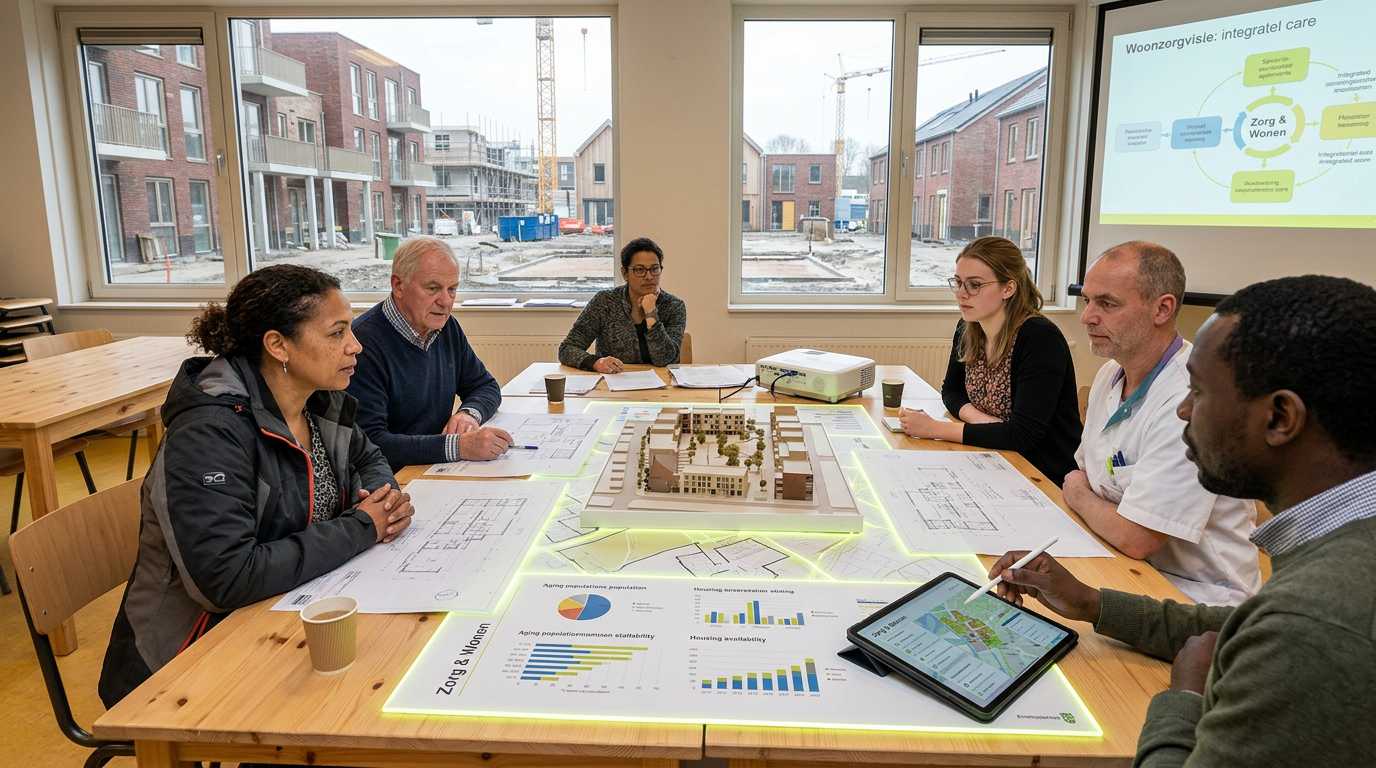
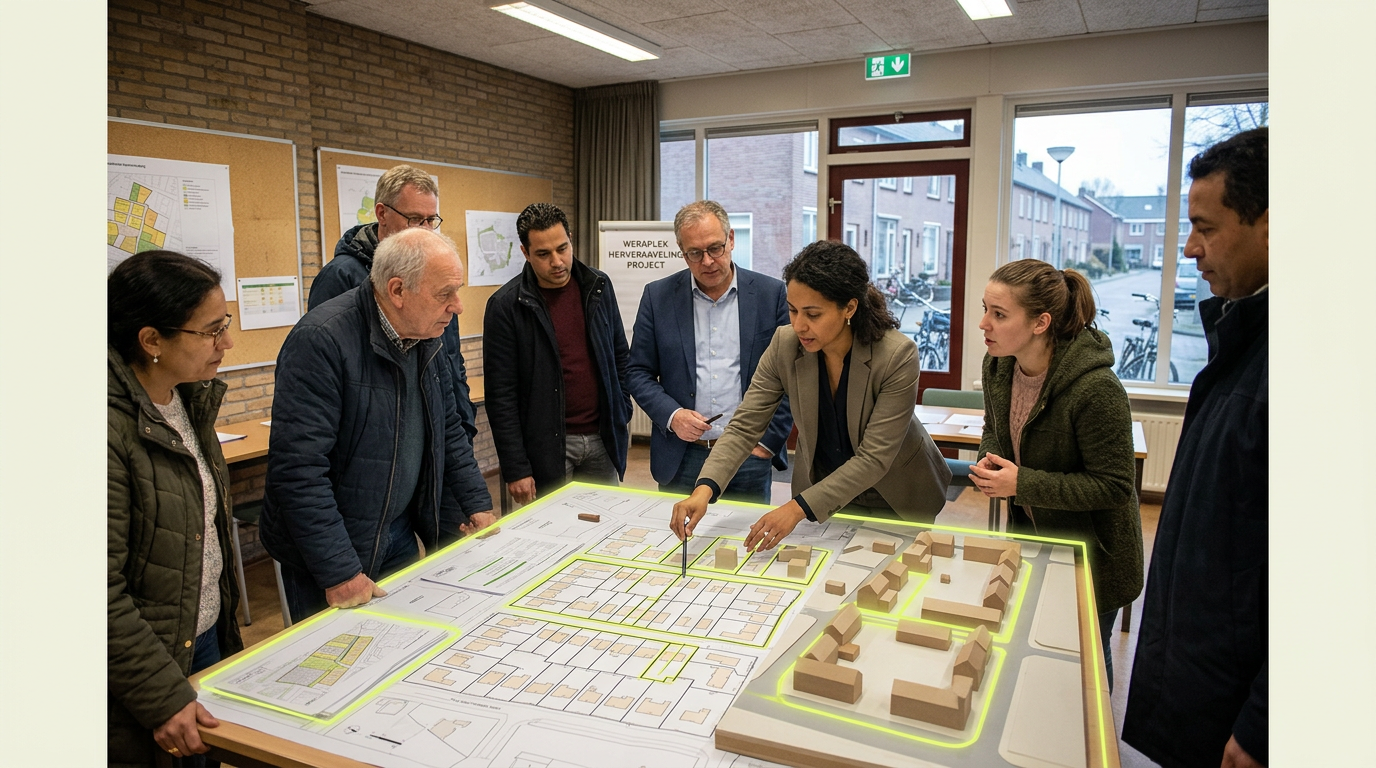
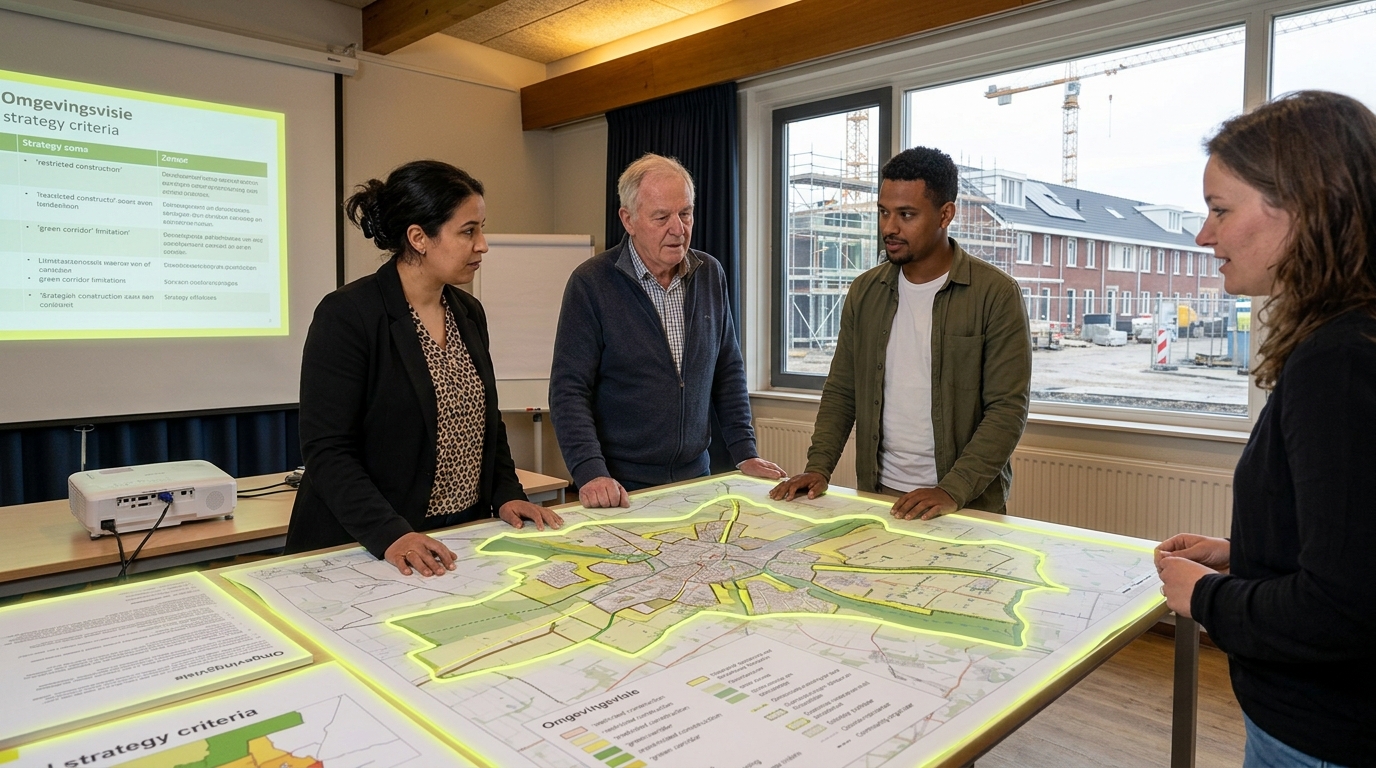
Woondeals represent a governance innovation designed to address the Netherlands' acute housing shortage by transforming fragmented municipal planning into coordinated delivery frameworks. These negotiated agreements bind the national government, provincial authorities, metropolitan regions, and municipalities into enforceable packages that specify housing targets, infrastructure commitments, permitting timelines, and land-use priorities. The fundamental challenge they address is the chronic mismatch between national housing ambition and local execution capacity—a gap that has widened as population growth, household formation, and immigration have outpaced construction. By institutionalizing cross-jurisdictional coordination, woondeals aim to overcome the "every municipality for itself" dynamic that has historically allowed individual councils to delay or block development while neighboring cities face mounting pressure. The signal matters because it reflects a shift from aspirational policy statements to binding delivery contracts, introducing accountability mechanisms that tie infrastructure funding and regulatory support to measurable housing outcomes.
Early evidence suggests woondeals are reshaping planning culture in several metropolitan regions, though implementation remains uneven. The first wave of agreements, signed between 2022 and 2024, bundled commitments for tens of thousands of homes with upgrades to public transport, water infrastructure, and energy grids—recognizing that housing delivery fails without enabling systems. Some regions report faster permitting cycles and clearer land-use priorities, while others struggle with misaligned timelines: municipalities commit to zoning changes, but provincial infrastructure budgets lag, or national rail expansion schedules slip. Behavioral shifts are emerging among local officials, who now face reputational and financial consequences for missing targets, yet enforcement mechanisms remain contested. When parties underdeliver, it is unclear whether penalties will be applied or renegotiation will dilute accountability. Democratic legitimacy is another friction point; some councils argue that woondeals override local resistance to density or green-space conversion, raising questions about whether efficiency gains come at the cost of participatory governance.
The implications for housing systems are significant if woondeals prove durable. They could normalize integrated planning across transport, utilities, and land policy, reducing the siloed decision-making that has historically delayed projects. For institutions, the model introduces a contractual logic to spatial planning, potentially influencing how other European countries approach housing crises. Key monitoring points include whether infrastructure commitments are honored on schedule, how enforcement evolves when targets are missed, and whether public trust erodes if deals are perceived as technocratic overrides of local voice. If woondeals succeed in linking ambition to execution, they may become a template for governance under scarcity; if they fail, the signal will highlight the limits of top-down coordination in decentralized planning systems.
Related Organizations

The Dutch Ministry of the Interior and Kingdom Relations.

A partnership of 30 municipalities, 2 provinces, and the Transport Authority in the Amsterdam region.

Aedes
Netherlands · Consortium
The umbrella association of Dutch housing corporations, facilitating knowledge exchange on sales models.


The provincial authority for the most densely populated province in the Netherlands.

Association of Institutional Property Investors in the Netherlands.

A knowledge and network organization for urban and regional development, researching best practices for mixed neighborhoods.

The Dutch Union of Tenants, advocating for policies that enforce mixed neighborhoods and prevent the segregation of low-income tenants.

The Central Government Real Estate Agency of the Netherlands, which actively procures flex housing to address asylum and housing crises.

Consultancy firm specializing in spatial economy and real estate.