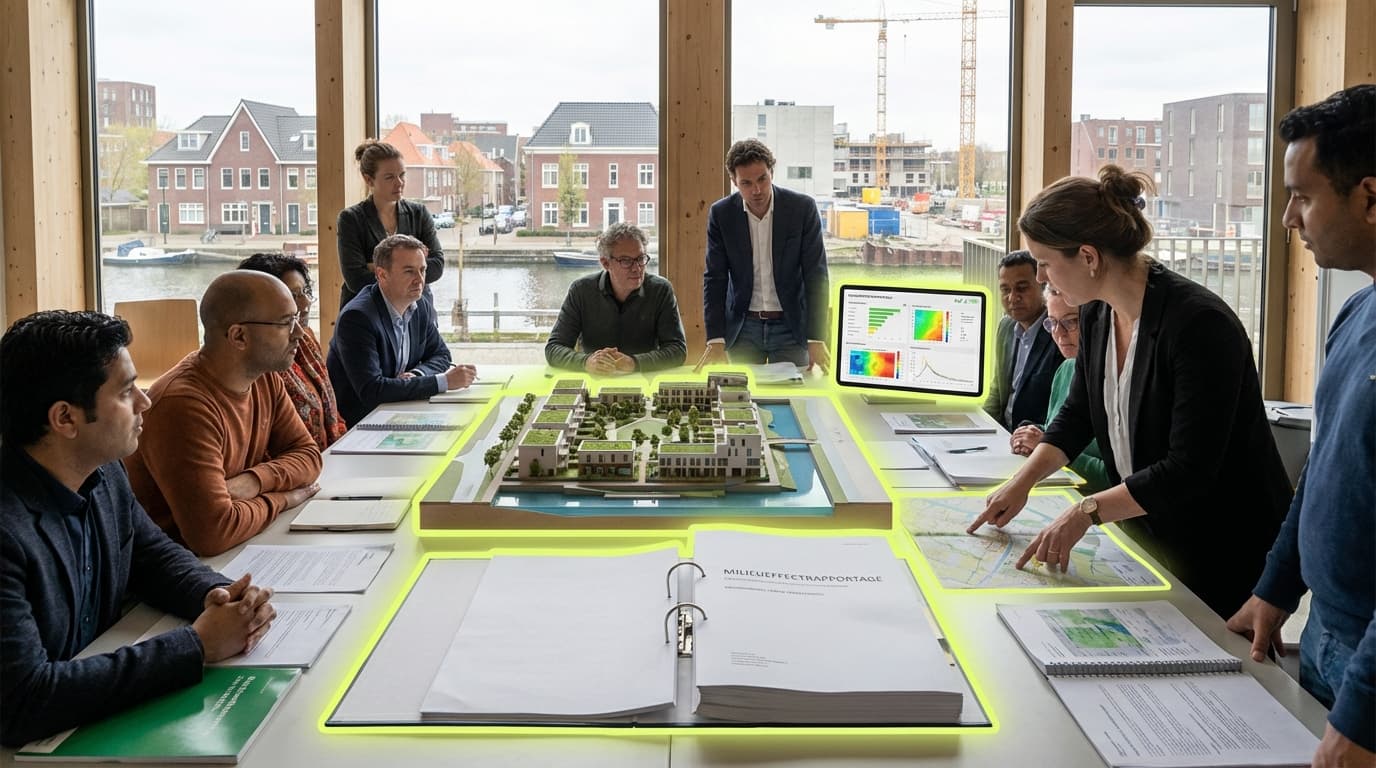
Environmental Impact Assessment Processes
Environmental Impact Assessment (EIA) processes represent a critical governance mechanism that shapes how housing and infrastructure projects navigate environmental protection requirements across the Benelux region. These mandatory review procedures require developers to systematically evaluate the potential environmental consequences of proposed projects before construction begins, examining effects on air quality, water resources, biodiversity, noise levels, and community health. The fundamental challenge EIAs address is the historical tendency for development decisions to externalize environmental costs onto communities and ecosystems. By requiring upfront assessment, these processes force project proponents to internalize environmental considerations early in planning, potentially preventing costly mistakes and building social license to operate. However, EIAs also introduce procedural complexity and timeline uncertainty that can discourage housing development in regions already facing acute supply shortages, creating a governance tension between environmental stewardship and the urgent need for new residential construction.
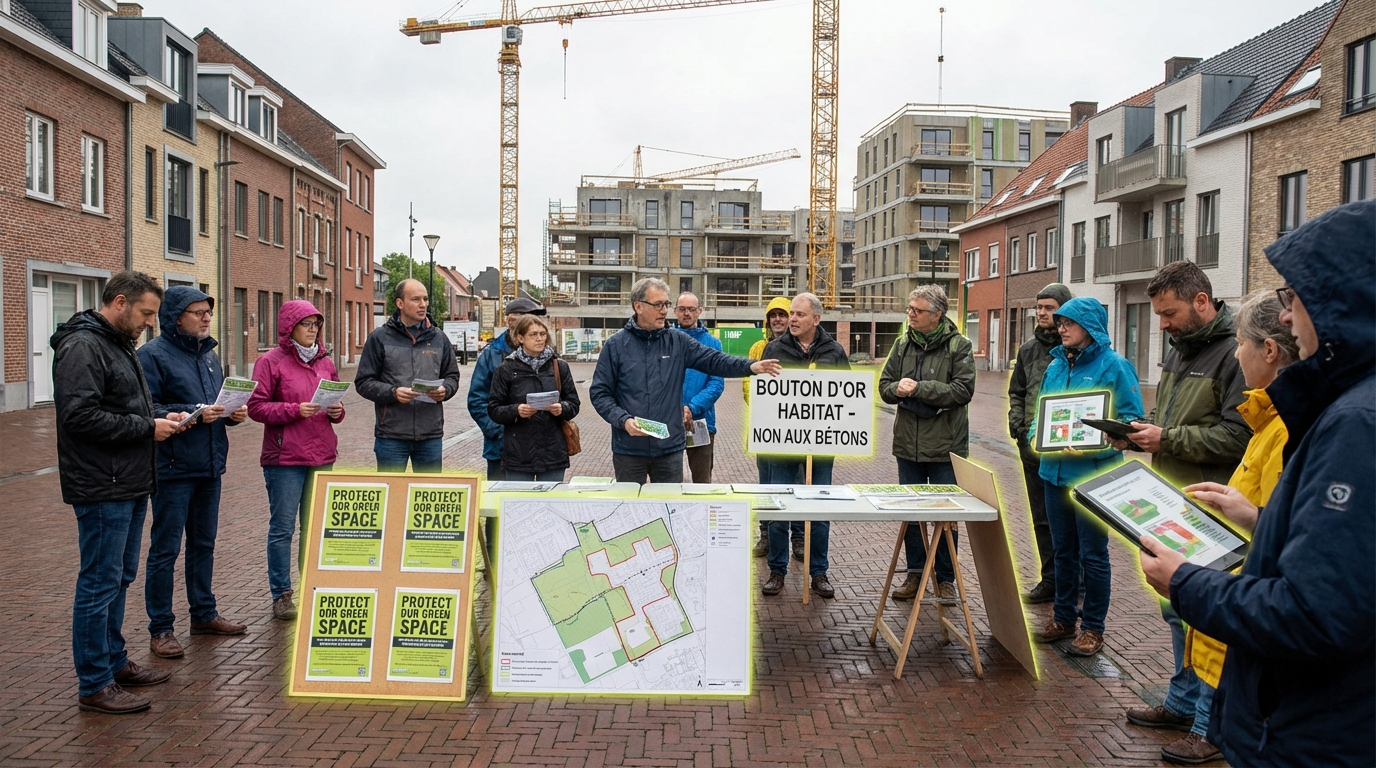
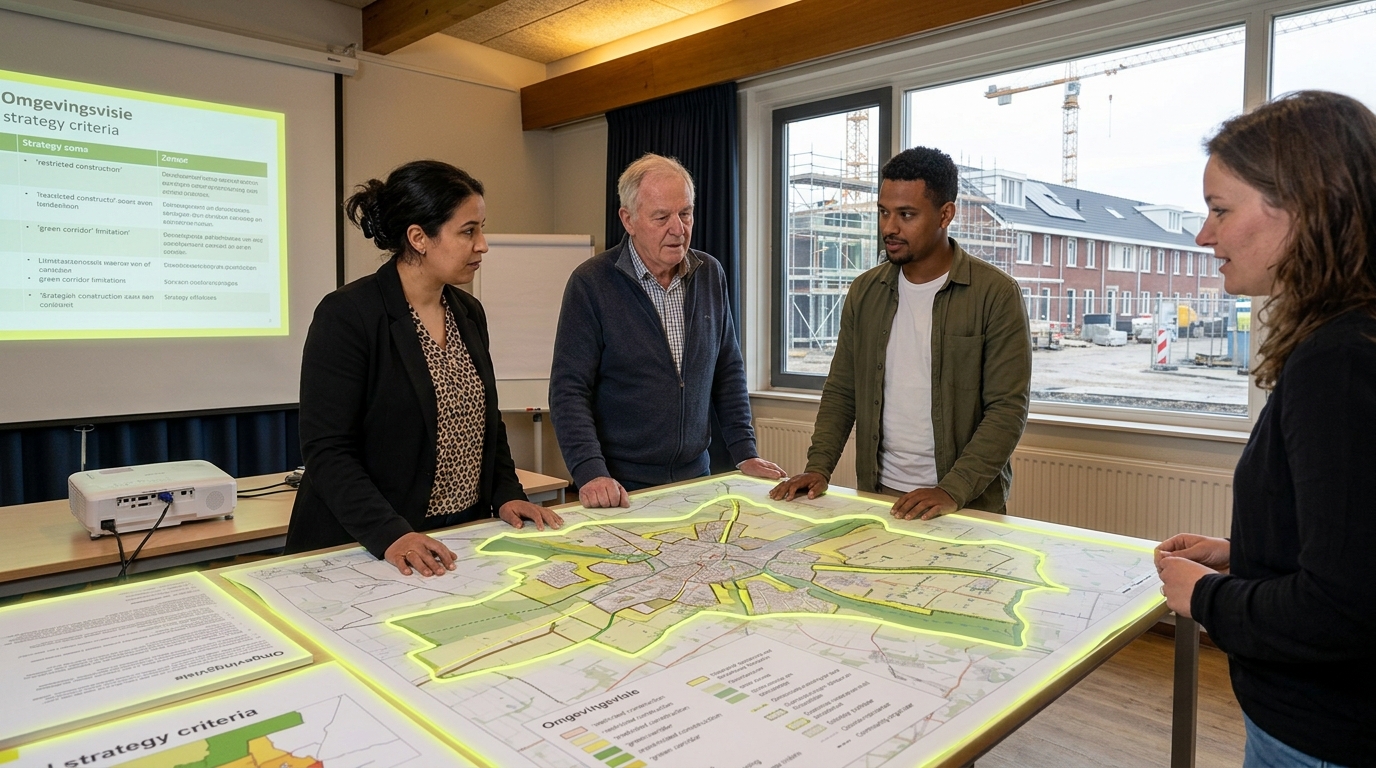
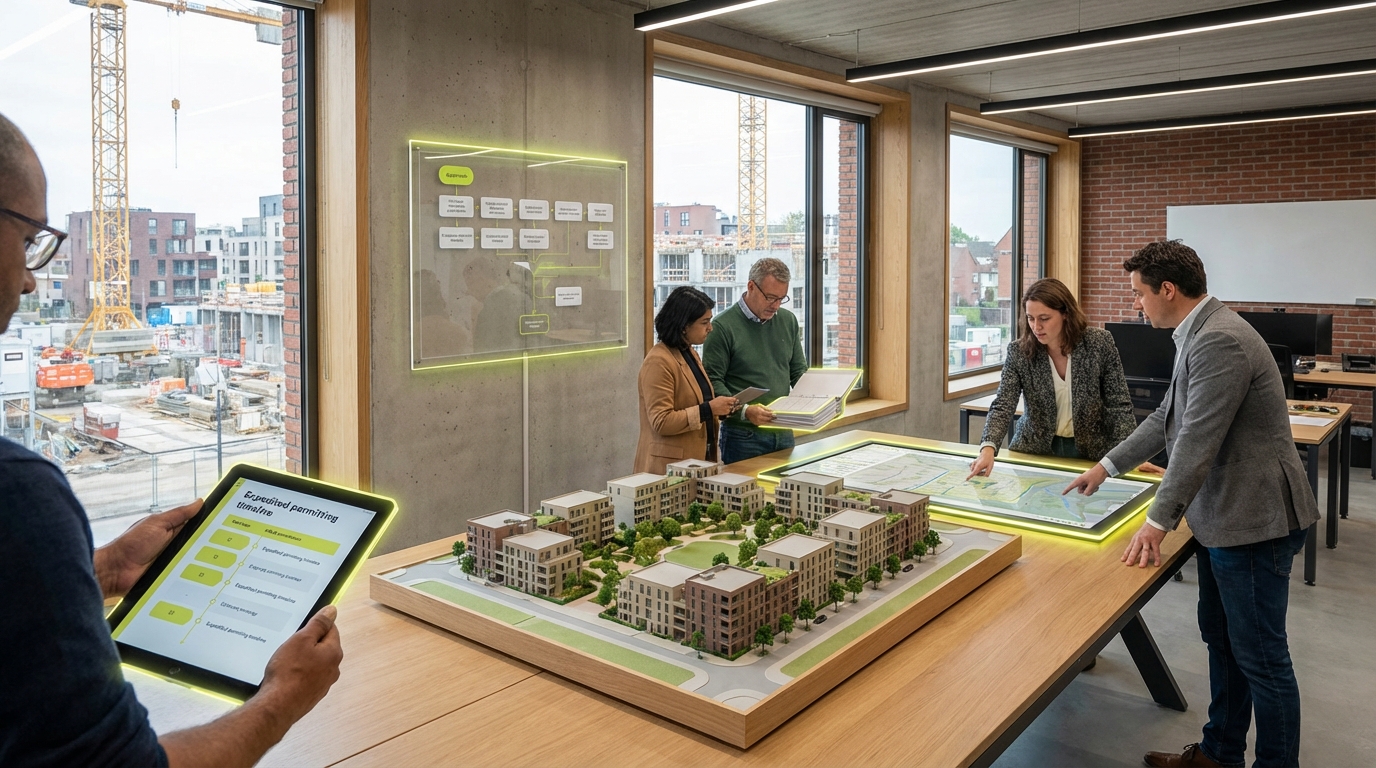
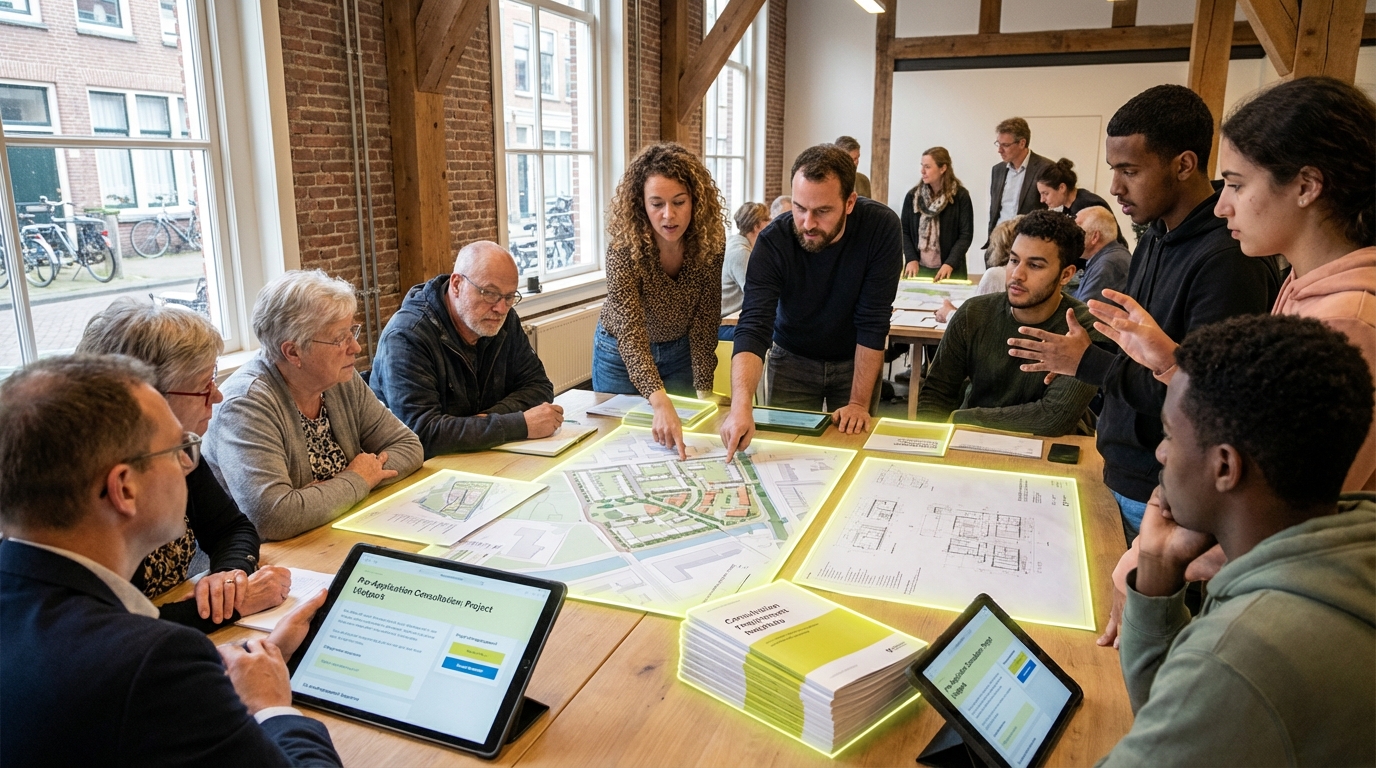
The mechanics of EIA processes vary significantly across Netherlands, Belgium, and Luxembourg, reflecting different regulatory philosophies and administrative capacities. Generally, projects exceeding certain thresholds—such as residential developments above a specified number of units or infrastructure projects of particular scale—trigger mandatory assessment requirements. The process typically involves scoping studies to identify relevant environmental concerns, baseline data collection, impact modeling, alternative scenario analysis, and public consultation periods where affected communities can raise objections or suggest modifications. Research on EIA effectiveness suggests that outcomes depend heavily on procedural design: jurisdictions with clear timelines, well-defined assessment criteria, and adequate technical capacity tend to complete reviews more efficiently while maintaining environmental rigor. Conversely, systems with ambiguous standards, inadequate staffing, or multiple overlapping review layers can create prolonged uncertainty that stalls projects without necessarily improving environmental outcomes. Early evidence from streamlining initiatives in some Benelux municipalities indicates that integrating EIA requirements earlier in zoning and planning processes, rather than treating them as separate approval hurdles, can reduce overall project timelines while preserving environmental scrutiny.
The strategic implications of EIA processes extend beyond individual project delays to shape broader housing development patterns and investment decisions. Developers increasingly factor EIA complexity into site selection, potentially avoiding environmentally sensitive but otherwise suitable locations due to perceived procedural risk. This dynamic can inadvertently push development toward less optimal sites or reinforce sprawl patterns. For policymakers, the challenge lies in calibrating EIA requirements to maintain environmental protection without creating disproportionate barriers to needed housing supply. Key monitoring indicators include the average duration of EIA processes, the rate at which assessments identify substantive design improvements versus procedural compliance exercises, and the correlation between EIA rigor and actual environmental outcomes in completed projects. As climate adaptation and biodiversity protection become more urgent, EIA processes may evolve to incorporate forward-looking resilience criteria rather than solely assessing immediate impacts, potentially transforming them from approval hurdles into strategic planning tools that guide development toward environmentally sound locations and designs.
Related Organizations

The independent Dutch committee that advises on the quality and content of Environmental Impact Assessments (Milieueffectrapportage) for complex projects.

The Flemish government department responsible for the environment and spatial planning.

The Luxembourgish government agency responsible for environmental permits and impact assessments.

Global design and consultancy firm for natural and built assets.

An independent international engineering and project management consultancy.

An international engineering and environmental consulting firm.

The executive agency of the Ministry of Infrastructure and Water Management.

Architecture and engineering consultancy that conducts environmental studies and permit applications.

European environmental consulting firm with strong expertise in soil investigation and remediation management.
Witteveen+Bos
Netherlands · Company
Engineering and consultancy firm advising on infrastructure, water, and environment.

Full-service law firm with a strong administrative law practice focusing on EIA litigation and compliance.

Environmental NGO that reviews EIAs and participates in public consultation processes to ensure ecological standards.