Tiny House Movements
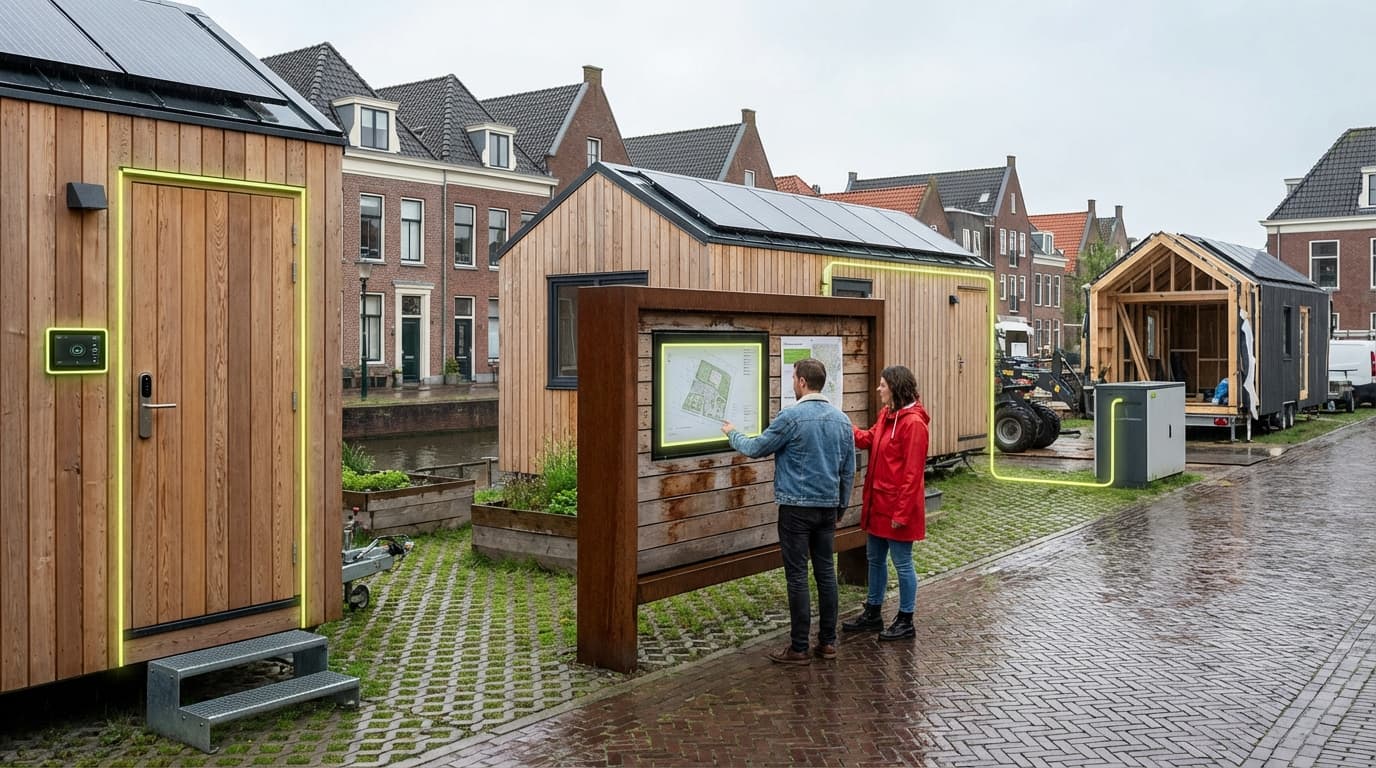
The tiny house movement represents a deliberate shift toward radically downsized living spaces—typically under 40 square meters—as a response to escalating housing costs, environmental concerns, and the desire for greater residential flexibility. At its core, this signal reflects growing dissatisfaction with conventional housing markets that have priced out younger generations and lower-income households across the Benelux region. Tiny houses, whether built on wheels to exploit mobile home classifications or constructed as semi-permanent structures on leased land, challenge fundamental assumptions about minimum dwelling standards, property ownership models, and the relationship between housing security and spatial footprint. The movement matters because it tests the boundaries of existing regulatory frameworks while offering a tangible alternative for those unable or unwilling to participate in traditional homeownership or rental markets.
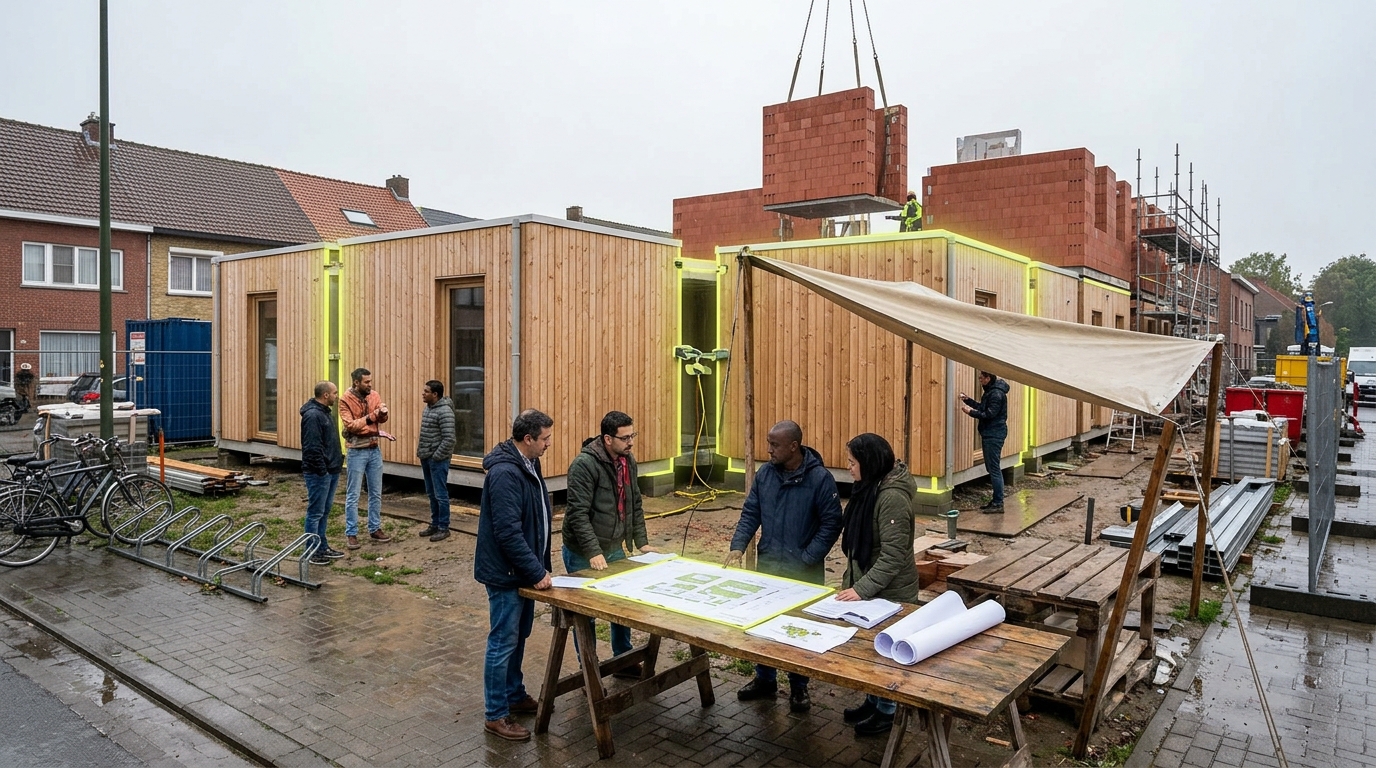
Early evidence across the Netherlands, Belgium, and Luxembourg reveals a patchwork of experimental communities, pilot projects, and regulatory friction points. Dutch municipalities have begun designating specific zones for tiny house settlements, with some allowing clusters of micro-dwellings on agricultural land or brownfield sites as temporary solutions to housing shortages. Belgian initiatives often navigate mobile home regulations, positioning tiny houses as recreational vehicles to sidestep minimum size requirements, though this creates legal ambiguity around permanent residency. Luxembourg has seen scattered individual experiments, but faces particularly rigid zoning codes that complicate wider adoption. The pattern suggests growing grassroots interest colliding with municipal uncertainty: some local governments view tiny houses as innovative affordable housing tools, while others resist them as threats to property values, aesthetic standards, or tax revenue. Industry observers note that the movement remains largely confined to early adopters and lifestyle-driven participants rather than representing a scalable solution for mainstream housing need.
The implications for housing policy and urban planning are substantial but uncertain. If regulatory frameworks evolve to accommodate tiny houses—through revised minimum dwelling standards, dedicated zoning categories, or streamlined permitting for clustered developments—this model could provide transitional housing for students, temporary accommodation during housing transitions, or permanent options for minimalist-oriented households. However, critical questions remain around long-term livability, integration with existing infrastructure, and whether tiny houses genuinely expand affordable housing supply or simply create a parallel market for those with sufficient capital to invest in custom-built units. Monitoring points include municipal policy experiments, the emergence of standardized tiny house construction codes, financing mechanisms that treat these dwellings as legitimate residential assets, and demographic data on who actually inhabits tiny houses beyond the lifestyle narrative. The signal's trajectory will likely depend less on grassroots enthusiasm and more on whether governments choose to embrace regulatory flexibility or maintain traditional housing standards.
Related Organizations

The central advocacy and knowledge platform for the Tiny House movement in the Netherlands.

A municipality in the Netherlands known for experimental urban planning.

Heijmans
Netherlands · Company
A major Dutch construction firm known for the 'Heijmans ONE', a movable prefab home for temporary placement.


A Belgian company specializing in industrialized, modular timber-frame housing.

An architecture and construction collective focused on bio-based, modular, and tiny living.

Develops modular, stackable wooden buildings that can serve as temporary or permanent housing.


Digital magazine and platform dedicated to the tiny house and small living movement.