Erfpacht (Ground Lease) Systems
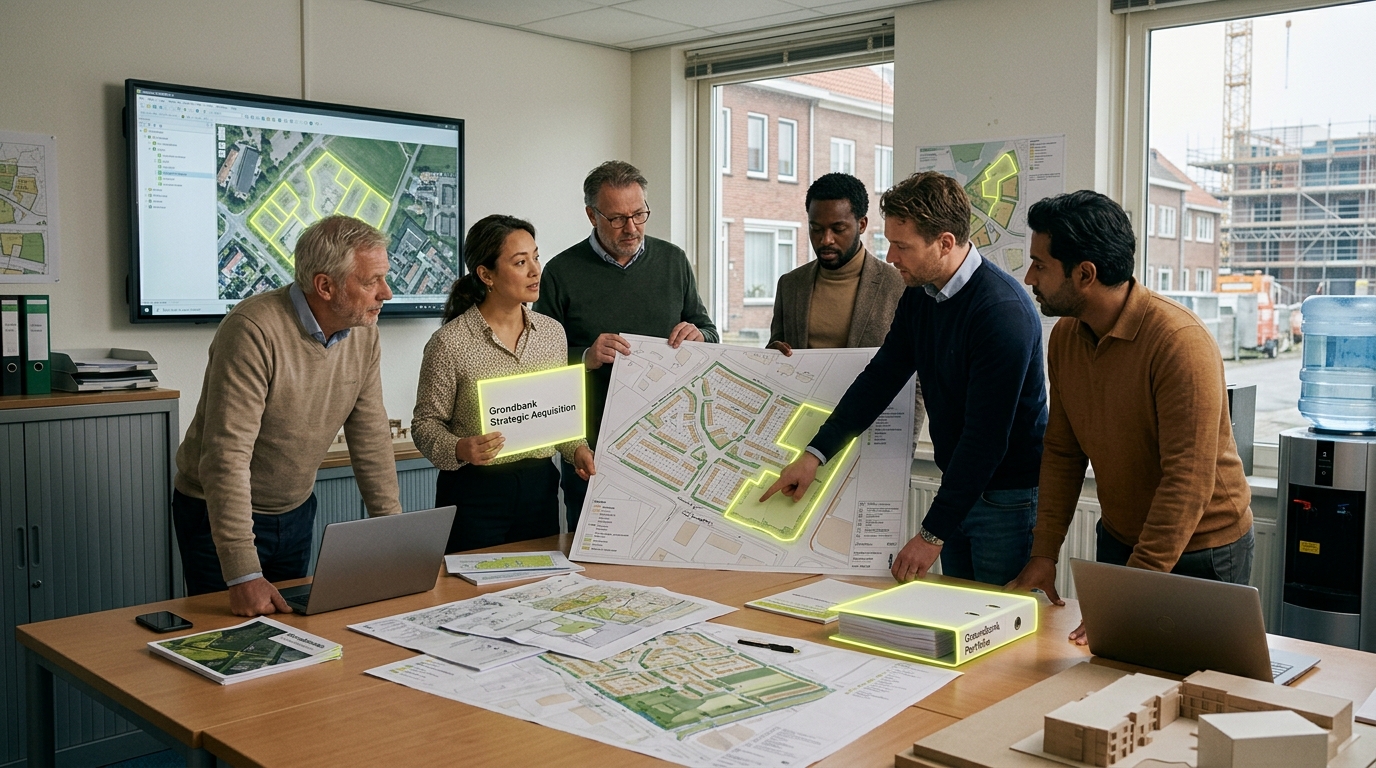
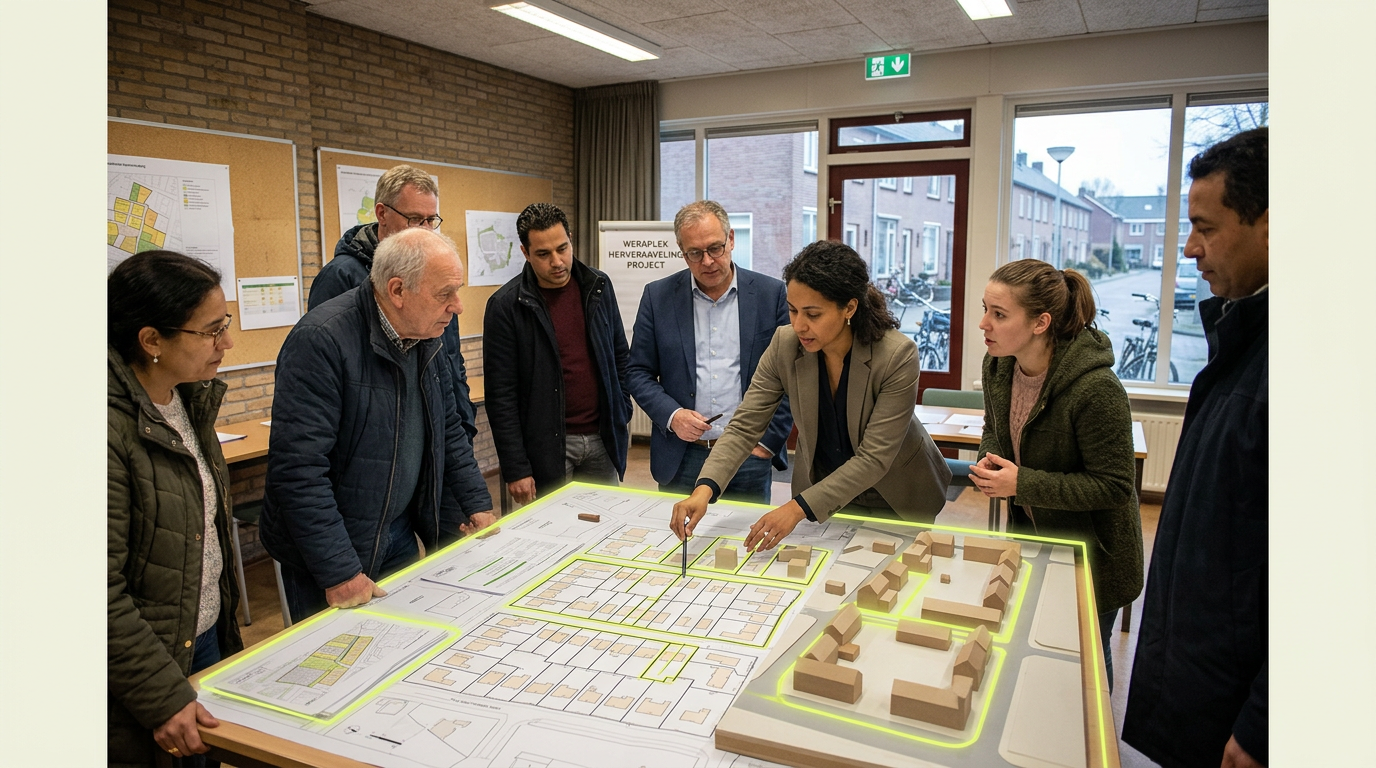
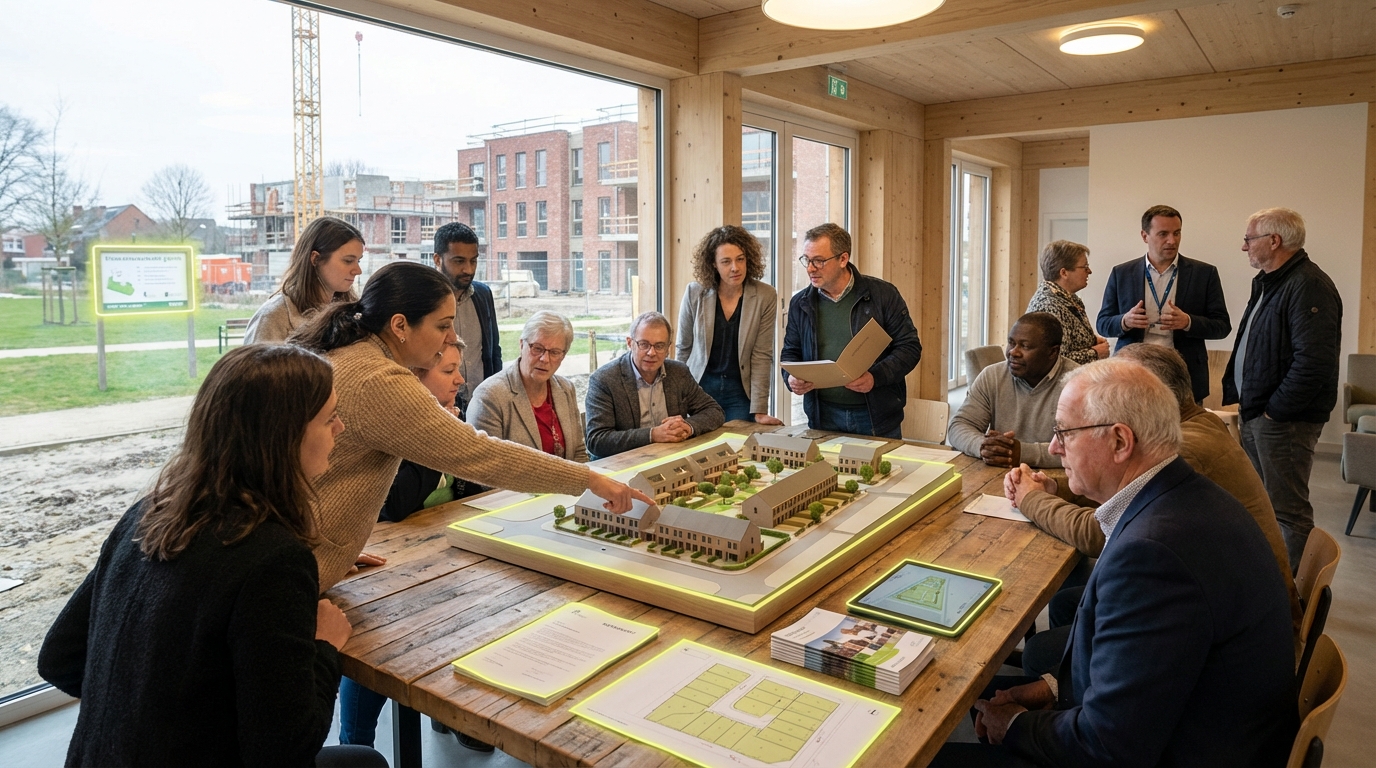
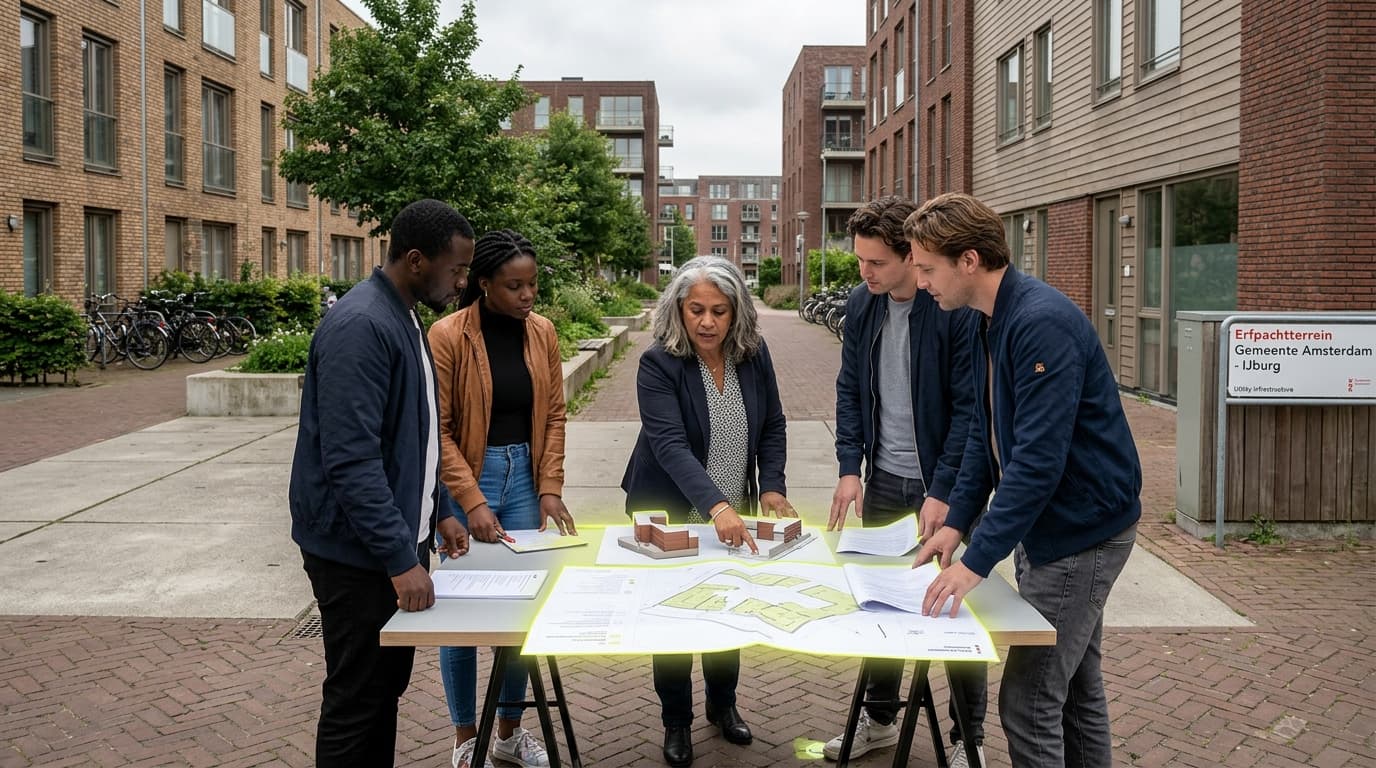
Ground lease systems represent a fundamental restructuring of property rights that addresses one of housing's most intractable challenges: the separation of land value from housing value. In traditional freehold systems, landowners capture the full appreciation of land values driven by public investments in infrastructure, zoning changes, and urban development—a dynamic that fuels speculation and inflates housing costs beyond the reach of many residents. Erfpacht intervenes at this structural level by maintaining public ownership of land while allowing private development and occupation of buildings. This model enables municipalities to retain long-term control over land use, capture value increases for public benefit, and set conditions that align development with broader policy objectives around affordability, sustainability, and social mix. The system is particularly significant in contexts where land scarcity drives housing crises, offering a mechanism to decouple housing costs from speculative land markets.
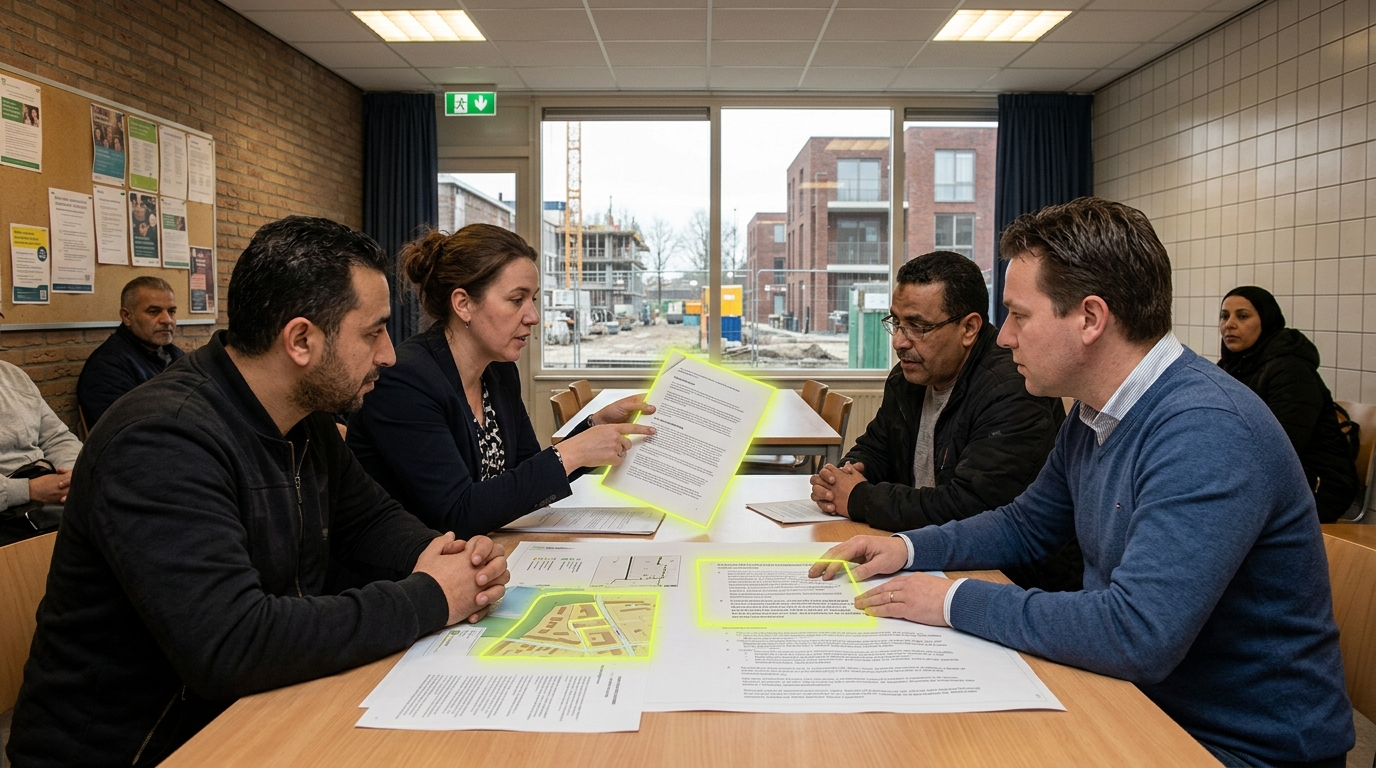
The Netherlands provides the most mature examples of erfpacht implementation, with Amsterdam leading where approximately 80% of land remains under municipal ownership through ground lease arrangements. Under typical erfpacht contracts, developers or homeowners lease land for periods ranging from 50 to 99 years, paying an annual canon (ground rent) that municipalities can adjust periodically based on land value assessments. This structure allows cities to impose conditions on development density, architectural standards, and even social housing requirements as terms of the lease. Recent reforms in Amsterdam introduced 'eternal' erfpacht options with fixed canons, responding to homeowner concerns about unpredictable canon increases that were creating affordability shocks. Other Dutch cities including Utrecht and The Hague maintain similar systems, though with varying terms and political acceptance. Beyond the Netherlands, variations appear in Singapore's leasehold system and emerging experiments in Germany and the UK, where municipalities are exploring ground lease models to regain control over land markets. The pattern suggests growing recognition that public land ownership offers leverage points for housing policy that purely regulatory approaches cannot achieve.
The implications of erfpacht systems extend beyond immediate affordability questions to fundamental governance of urban development. For municipalities, ground leases provide ongoing revenue streams that can fund infrastructure and social housing, while maintaining influence over neighborhood evolution across decades. For housing markets, the model theoretically reduces entry costs by eliminating land purchase requirements, though this depends heavily on canon structures and whether savings are passed to residents or captured by developers. Critical monitoring points include whether erfpacht genuinely improves affordability or merely shifts costs between generations, how canon calculation methodologies balance public revenue needs against housing accessibility, and whether political resistance from existing property owners limits expansion of the model. The system's complexity—requiring sophisticated land valuation, long-term contract management, and navigation of intergenerational equity questions—means implementation challenges are substantial. As housing crises intensify across European cities, erfpacht represents a proven but politically contentious tool for reasserting public authority over land markets, with outcomes heavily dependent on specific design choices around lease terms, canon structures, and conversion pathways from freehold to leasehold systems.
Related Organizations

Gemeente Amsterdam
Netherlands · Government Agency
The Municipality of Amsterdam operates one of the world's most extensive municipal ground lease systems, retaining land ownership to control urban development and capture value appreciation.

The pioneer of the CLT model in continental Europe, developing permanently affordable housing projects in Brussels.

A Belgian non-profit organization promoting and supporting communal living forms, including kangaroo living (kangoeroewonen), through advice, workshops, and policy advocacy.

The Dutch government organization for forestry and nature management, which utilizes ground lease contracts for recreational and residential properties on its land.

A leading research institute analyzing the economic and social impacts of ground lease systems and urban property markets.
A Dutch foundation advocating for land reform and taxation shifts to address the housing crisis, promoting ideas related to community land ownership.

The Netherlands' Cadastre, Land Registry and Mapping Agency.

One of the world's leading sustainable banks, financing projects with positive social, environmental, and cultural change.

The Port of Rotterdam Authority leases port land to industrial tenants rather than selling it, maintaining strategic control over the port area.