Municipal Permitting Capacity (Planner Shortages)
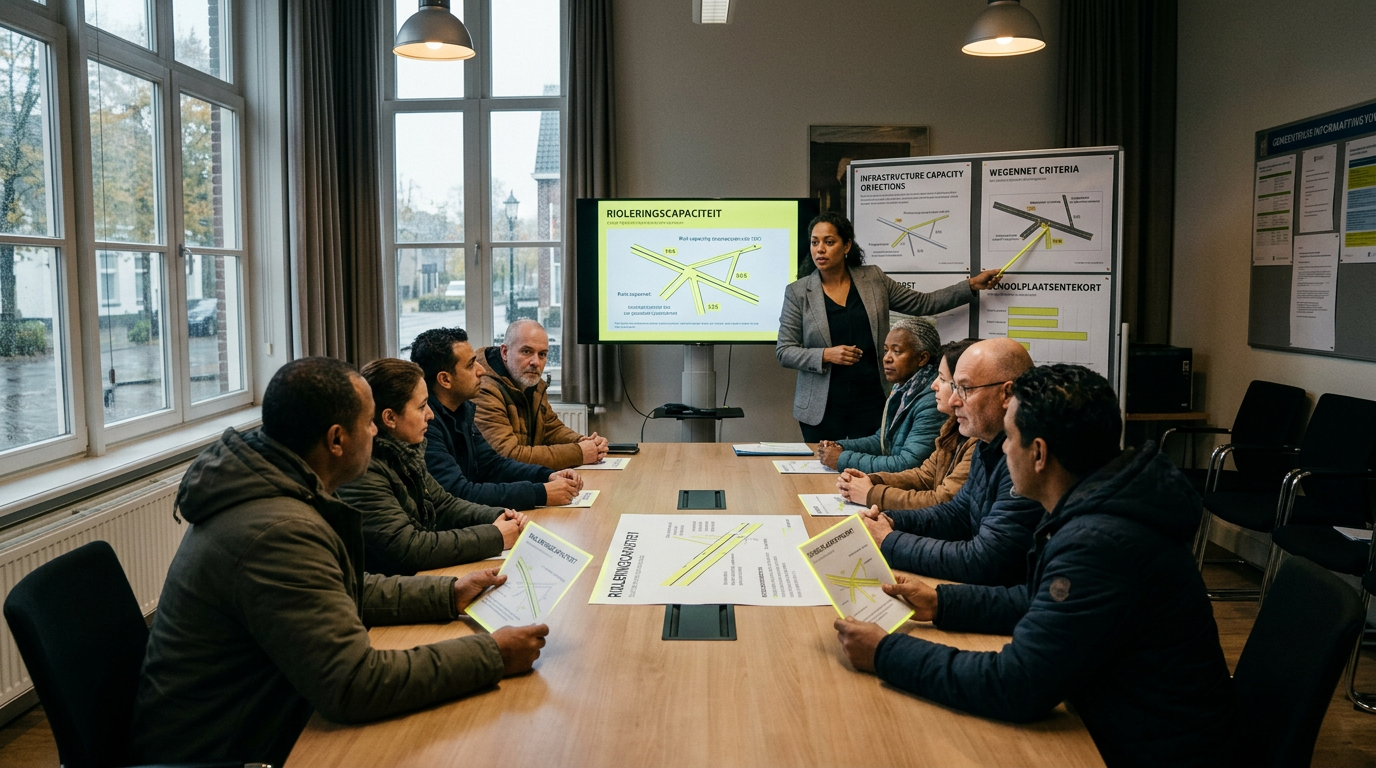
Municipal permitting capacity—the availability of trained planners, legal reviewers, technical specialists, and administrative staff within local government—has emerged as a critical bottleneck in housing and real-estate development across the Benelux region and beyond. While policy debates often focus on zoning reform, streamlined procedures, or digital portals, the practical speed and quality of permitting depend on whether municipalities can staff, train, and retain the professionals who interpret rules, review applications, and coordinate multi-stakeholder processes. In many jurisdictions, chronic understaffing, high turnover, and limited budgets for recruitment have created persistent backlogs, turning nominally "streamlined" systems into multi-month or multi-year delays. This signal points to a structural mismatch: governance reforms assume administrative capacity that does not yet exist, shifting the blame for slow approvals onto communities rather than recognizing capacity constraints as an infrastructure deficit requiring direct investment.
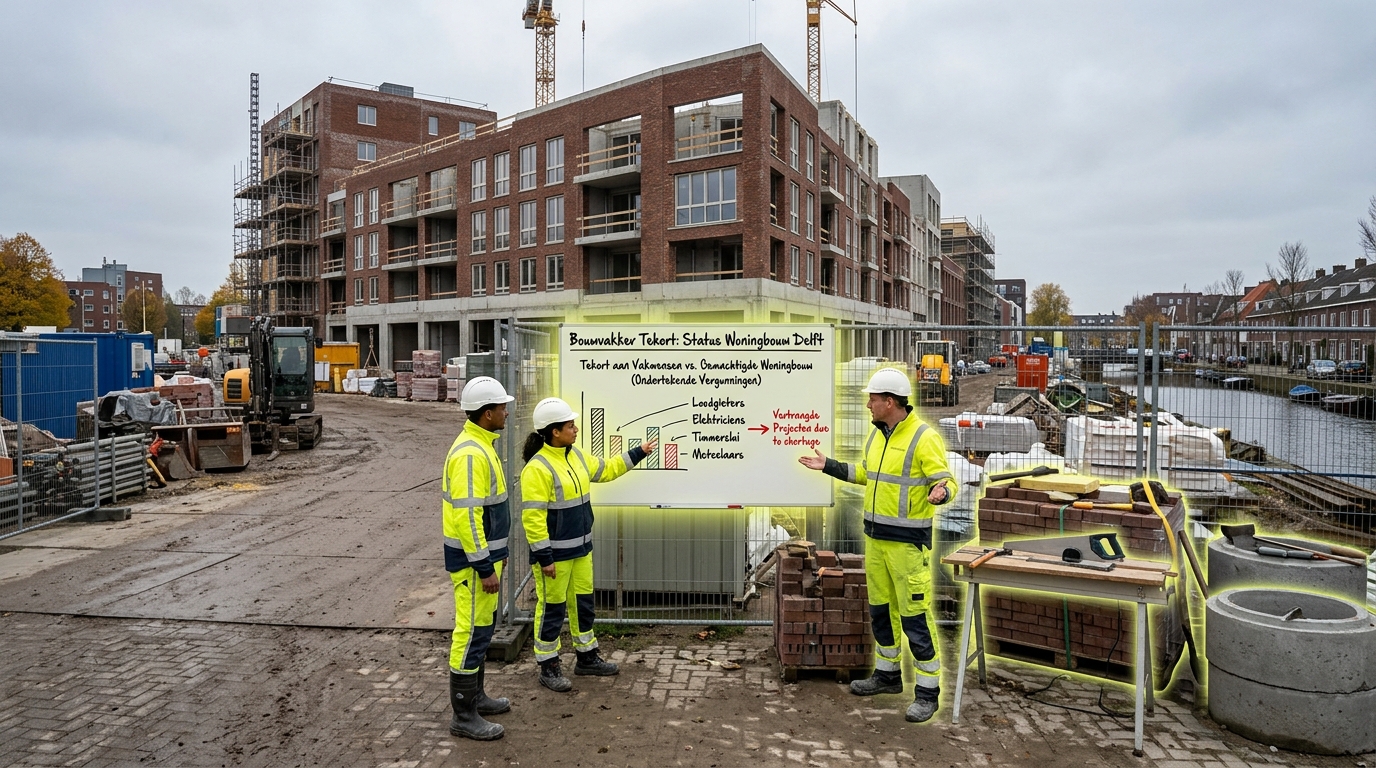
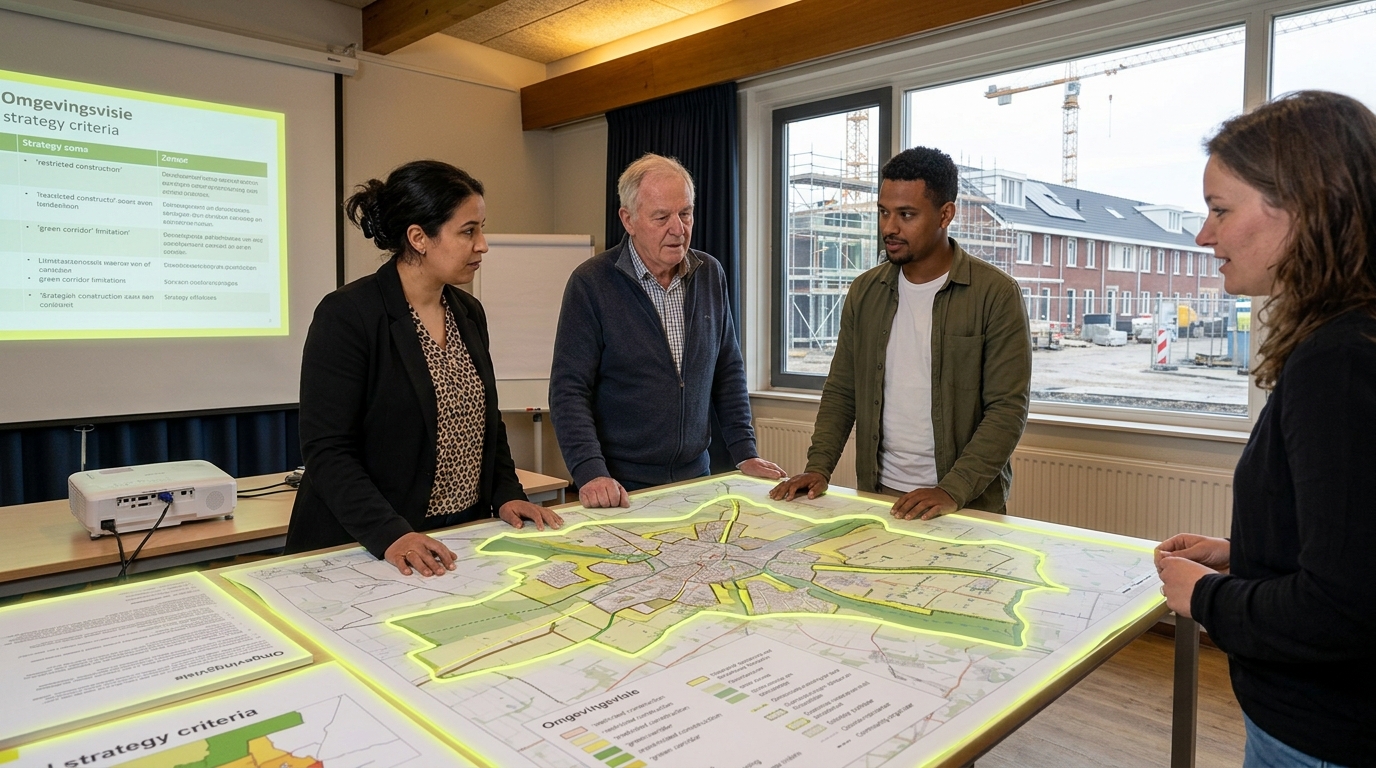
Early evidence of this pattern appears in multiple forms. Municipal associations and planning bodies across the Netherlands, Belgium, and Luxembourg report difficulty filling vacancies for spatial planners and environmental reviewers, particularly in smaller municipalities competing with private-sector salaries and larger cities. When new digital permitting systems or environmental assessment frameworks are introduced, they often require retraining existing staff or hiring specialists in GIS, sustainability assessment, or participatory planning—roles that are scarce in tight labor markets. Pilot programs in some regions have shown that targeted funding for temporary staff or shared regional planning teams can reduce backlogs, but these remain exceptions rather than systemic solutions. Behavioral shifts are also visible: developers increasingly factor permitting timelines into project feasibility, sometimes abandoning proposals in under-resourced municipalities in favor of jurisdictions with stronger administrative capacity. This creates uneven development pressure and reinforces spatial inequalities.
The implications for housing supply, governance legitimacy, and regional equity are significant. Persistent capacity shortages risk undermining the effectiveness of national housing targets and zoning reforms, as bottlenecks shift from legal frameworks to administrative execution. For municipalities, chronic understaffing erodes staff morale, increases burnout, and reduces the quality of plan review and public engagement. Monitoring should focus on municipal hiring trends, turnover rates in planning departments, and the correlation between staffing levels and permitting timelines. Policy responses may include dedicated funding streams for municipal capacity-building, regional shared-service models, or standardized training programs that balance procedural consistency with local context. Recognizing permitting capacity as a public infrastructure challenge—rather than a bureaucratic inefficiency—will be essential to translating regulatory reform into tangible housing outcomes.