Density Opposition Patterns
Density opposition patterns describe the recurring social and political resistance to higher-density housing proposals, even in contexts where urban growth pressures, housing shortages, and climate commitments point toward the need for more compact development. This signal matters because it reveals a fundamental tension in contemporary housing governance: the gap between strategic planning goals—such as reducing sprawl, preserving green space, and increasing housing supply—and the localized concerns of existing residents who fear that densification will degrade their quality of life, strain infrastructure, or alter neighborhood character. Across the Benelux region, where land scarcity and demographic pressures make densification a policy priority, these opposition patterns have become a critical barrier to housing delivery. The challenge is not simply about overcoming resistance, but understanding the conditions under which communities accept or reject density, and whether planning systems can reconcile competing interests without stalling necessary development.
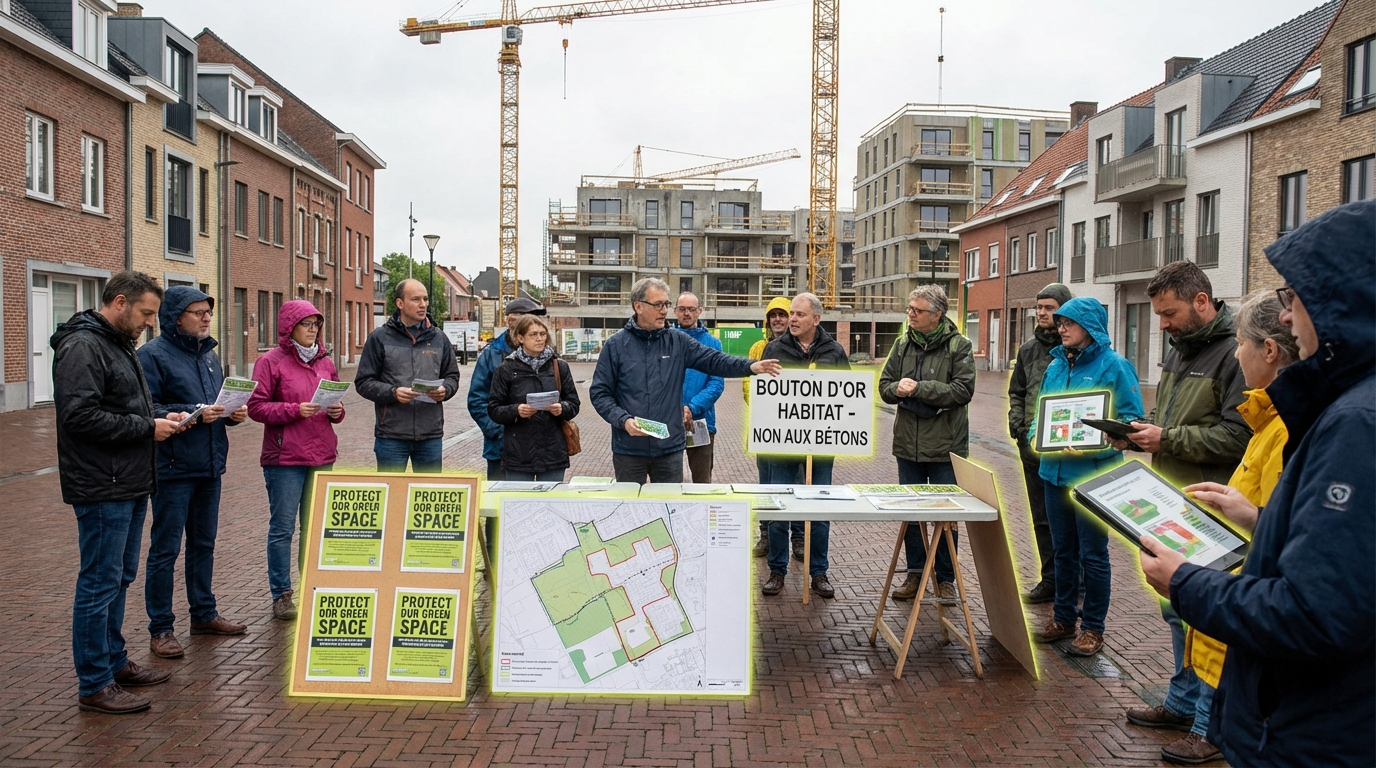
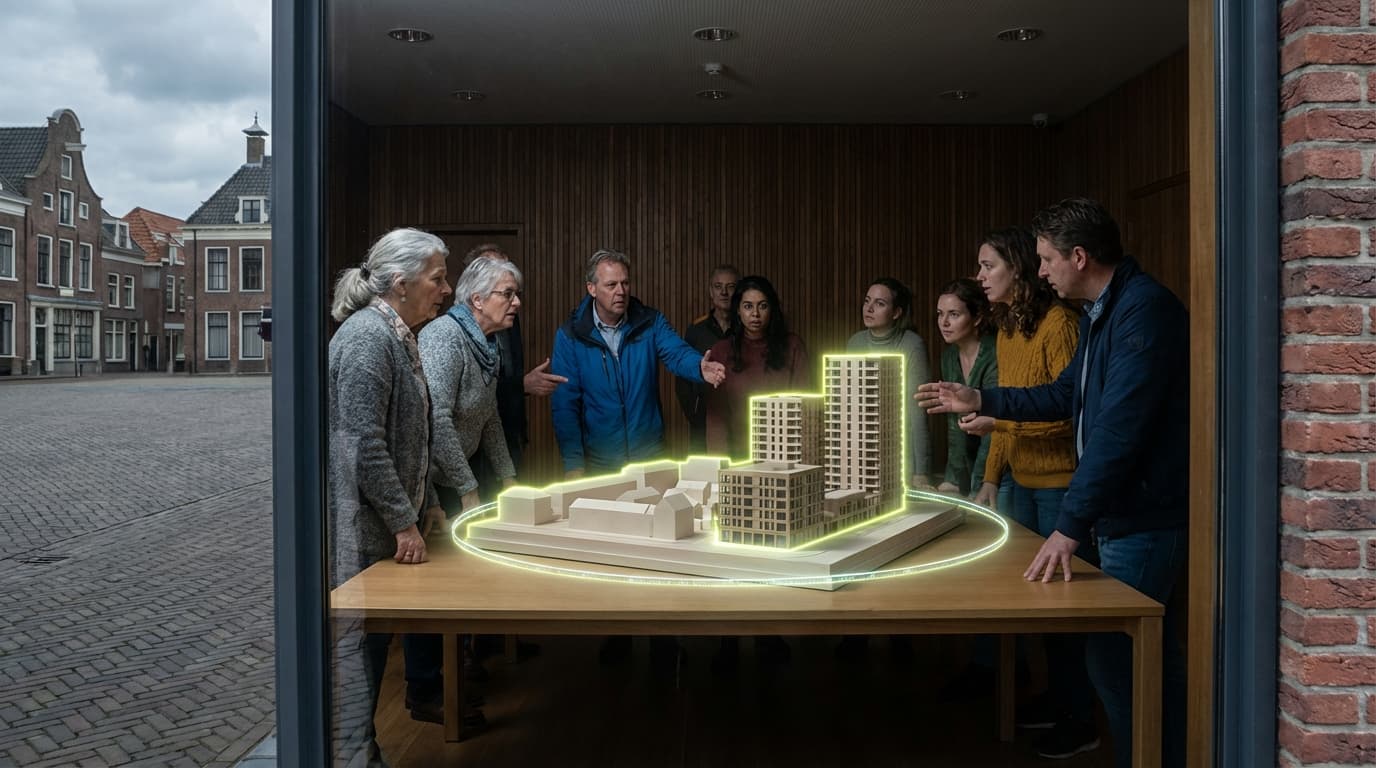
Early evidence of this pattern appears in neighborhood-level campaigns against apartment buildings, mid-rise developments, and infill projects in cities across the Netherlands, Belgium, and Luxembourg. In Dutch cities, residents' associations have mobilized against proposals that would replace low-rise housing or parking areas with multi-story residential blocks, citing concerns about traffic congestion, parking shortages, and loss of sunlight. In Belgium, opposition to densification often centers on fears of overcrowding in already dense urban cores, while in Luxembourg, resistance to high-rise development reflects anxieties about skyline changes and the pace of urban transformation. These movements typically begin with specific objections—inadequate school capacity, insufficient green space, or parking deficits—but can evolve into broader anti-development coalitions that challenge the legitimacy of planning authorities. Research suggests that opposition is not uniform: it varies by project scale, architectural quality, community engagement processes, and the perceived fairness of development benefits. Some resistance reflects genuine infrastructure constraints, while other cases reveal deeper anxieties about social change, property values, or loss of control over neighborhood futures.
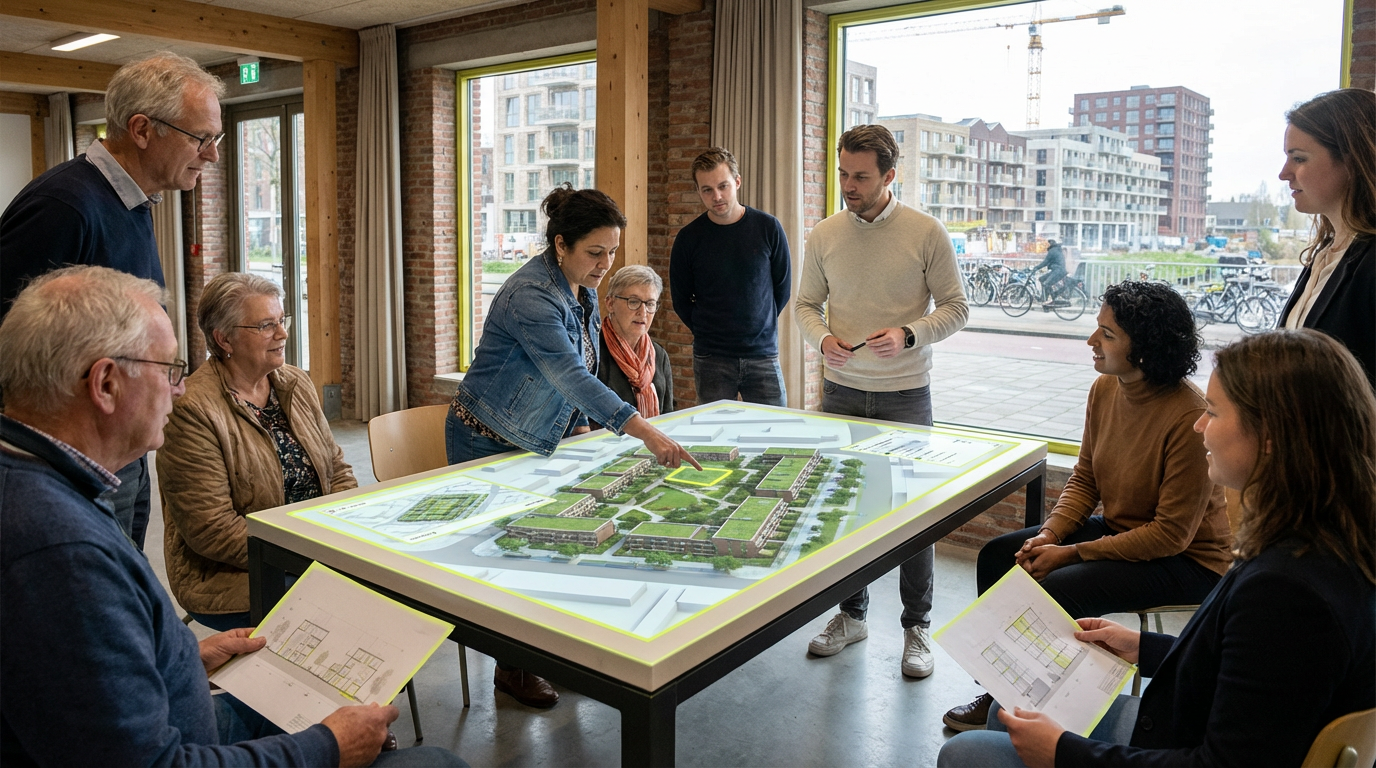
The implications of density opposition patterns extend beyond individual projects to the broader functioning of housing systems and climate strategies. Persistent resistance can slow housing supply, drive up prices, and push development toward greenfield sites on urban peripheries, undermining sustainability goals. For policymakers, the challenge is to distinguish between opposition rooted in legitimate concerns—such as underfunded infrastructure or poor design—and resistance driven by exclusionary motives or misinformation. Monitoring should focus on the frequency and success rates of density-related appeals, the geographic distribution of opposition, and the effectiveness of participatory planning models in reducing conflict. Key thresholds to watch include whether opposition leads to systematic downzoning, whether certain neighborhoods become effectively off-limits to densification, and whether new governance models—such as community land trusts or benefit-sharing mechanisms—can shift acceptance patterns. Understanding these dynamics is essential for designing housing policies that are both ambitious and politically viable.