Watertoets (Water Assessment)
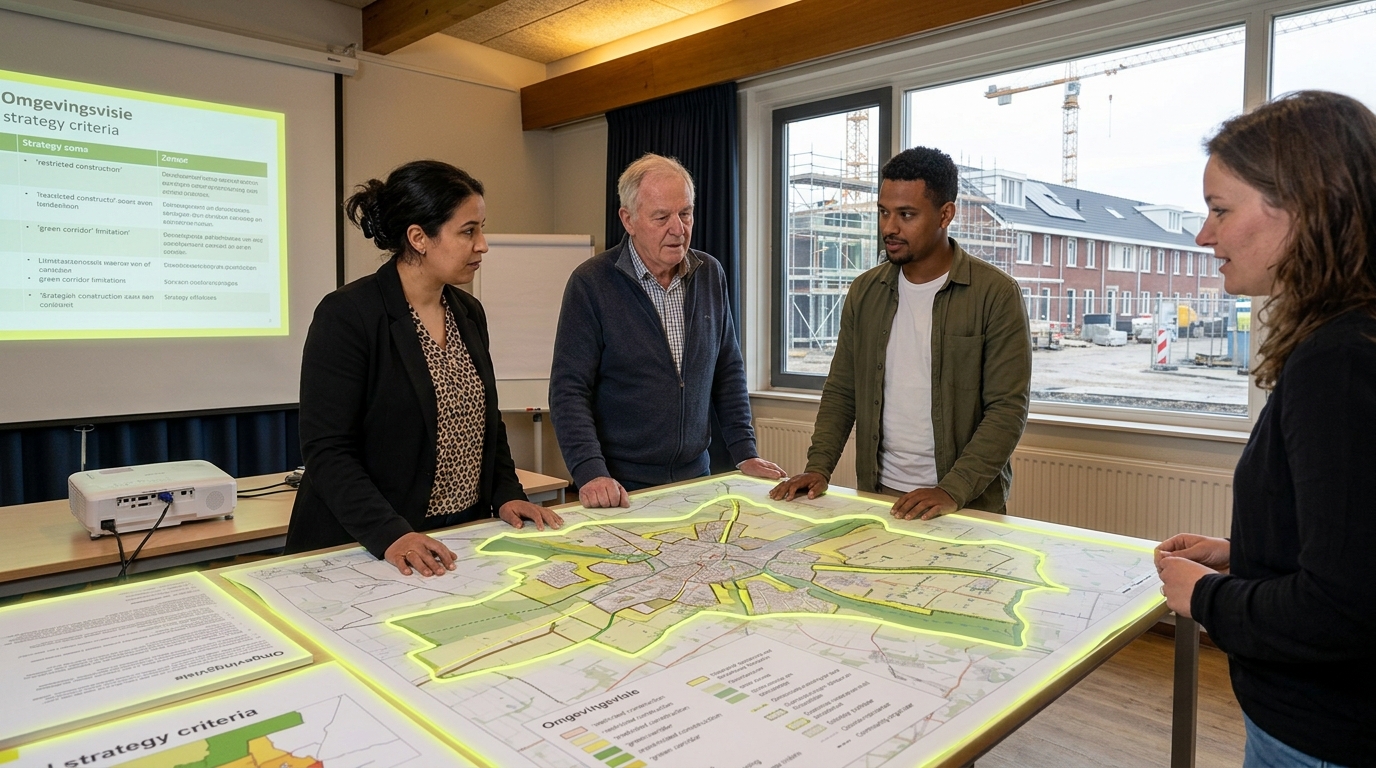
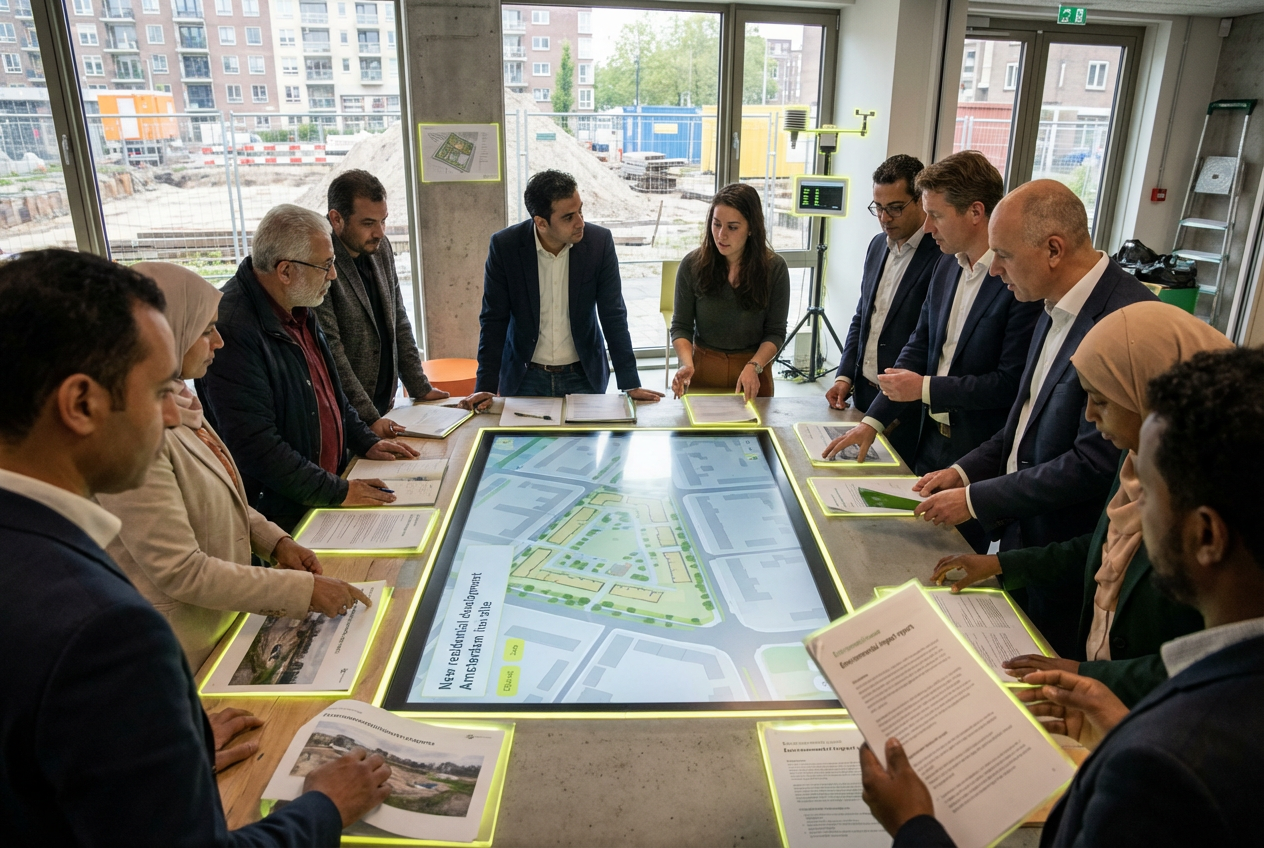
The Watertoets represents a fundamental shift in how climate adaptation requirements intersect with development rights across the Low Countries. This mandatory assessment framework compels developers to demonstrate that proposed projects will not exacerbate flood risk, compromise water quality, or exceed the capacity of existing water management systems before permits can be granted. What began as a procedural safeguard is evolving into a substantive barrier as climate pressures intensify. Rising sea levels, increased precipitation variability, and groundwater stress are tightening the criteria by which projects pass review. In the Netherlands, the principle of 'water en bodem sturend'—using water and soil conditions as primary determinants of land use—is fundamentally reshaping spatial planning logic. Rather than engineering solutions to overcome natural constraints, this approach treats hydrological and geological realities as non-negotiable boundaries. Similar frameworks exist in Belgium and Luxembourg, though with varying degrees of enforcement and political will. The signal matters because it reveals how climate adaptation is transitioning from aspiration to regulatory constraint, potentially rendering significant land areas undevelopable precisely when housing demand remains acute.
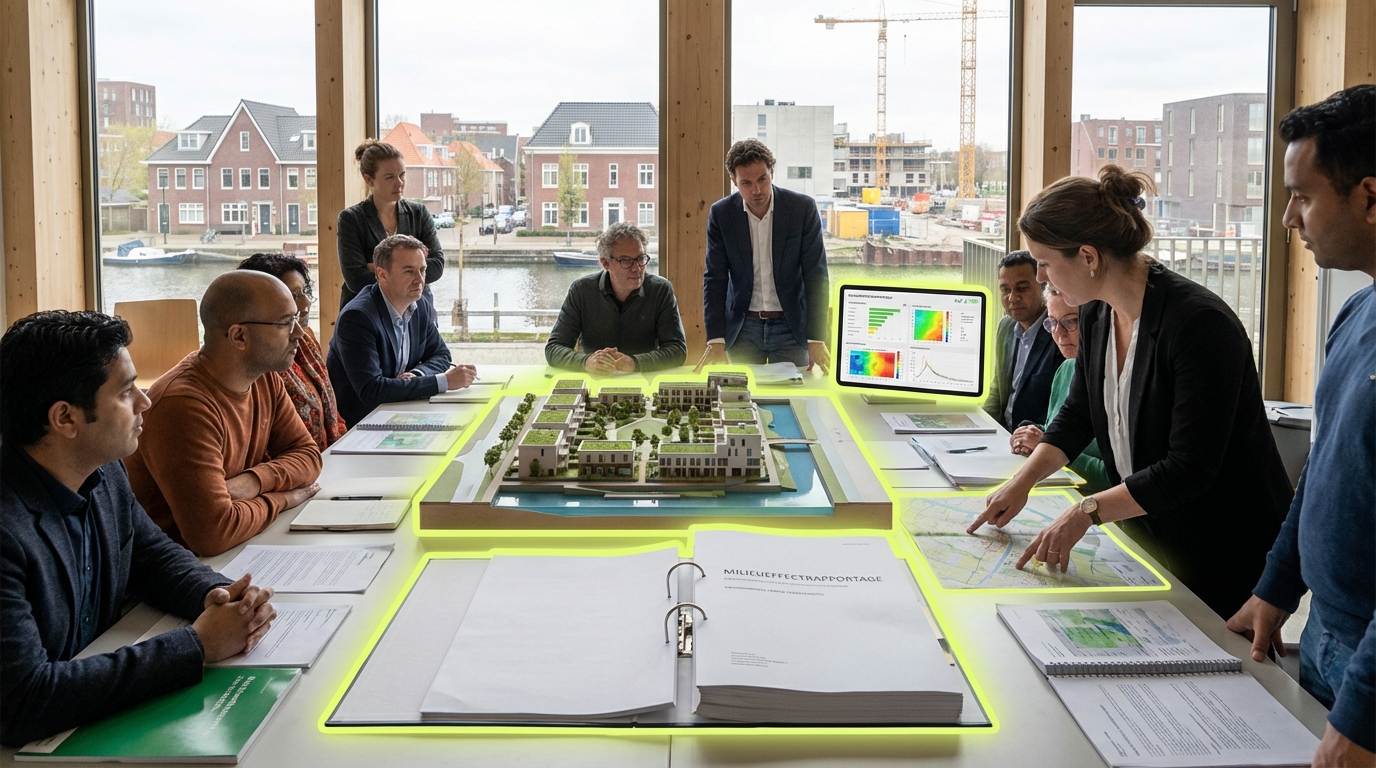
Early evidence of this tightening appears in permit denials, delayed approvals, and escalating construction costs for climate-adaptive design. Dutch municipalities report increasing instances where watertoets assessments halt projects in polders, coastal zones, and areas with high groundwater tables. Developers face requirements for expensive interventions—elevated foundations, permeable surfaces, integrated water storage, green roofs—that can render projects economically unviable. In Flanders, similar water management requirements are being strengthened following devastating floods, while Luxembourg's smaller scale allows for more case-by-case negotiation. The pattern direction suggests a gradual hardening of standards as climate projections worsen and political tolerance for flood damage decreases. However, uncertainty remains around enforcement consistency, the willingness of governments to restrict development in politically sensitive areas, and whether exceptions will be carved out to address housing shortages. Some jurisdictions may prioritise climate safety; others may find ways to accommodate development pressure through technical workarounds or political override.
The implications extend beyond individual projects to fundamental questions about where and how housing can be built. Stricter watertoets standards could accelerate urban densification in climate-safe areas while depopulating vulnerable zones, creating spatial inequality and political backlash. Construction costs may rise across the board as adaptive measures become standard, potentially worsening affordability. Monitoring should focus on permit approval rates in flood-prone areas, the frequency of watertoets-based denials, changes in land values reflecting climate risk, and political responses when housing targets conflict with water safety requirements. The critical threshold to watch is whether governments maintain stringent standards when housing crises intensify, or whether climate adaptation gives way to development pressure. This tension between immediate housing needs and long-term climate reality will define the practical meaning of climate-adaptive planning in the coming decade.
Related Organizations
Independent institute for applied research in the field of water and subsurface.

The association of Dutch Water Boards, which are the primary governing bodies enforcing the Watertoets in the Netherlands.

The Flemish Environment Agency, responsible for water policy and the 'Watertoets' instrument in Flanders.
Develops the Tygron Geodesign Platform, which allows governments and developers to simulate and test urban plans against regulations instantly, speeding up approval.

Global design and consultancy firm for natural and built assets.

An IT and consultancy firm specializing in water management, creators of the Lizard platform and 3Di water management software.

An independent international engineering and project management consultancy.
An international engineering and environmental consulting firm.
The Foundation for Applied Water Research, funded by the Dutch water managers.

A specialized engineering firm focusing on water, infrastructure, and construction.