Construction Cost Inflation
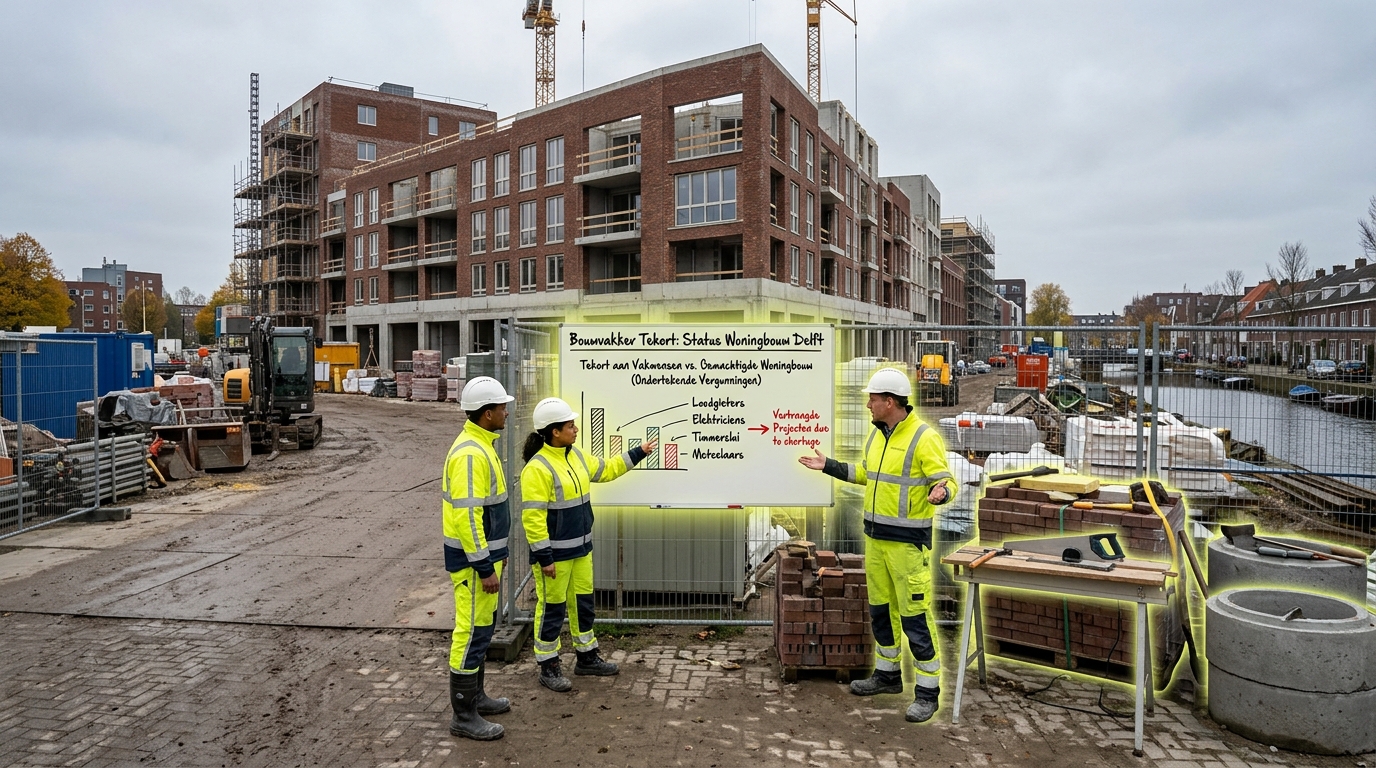
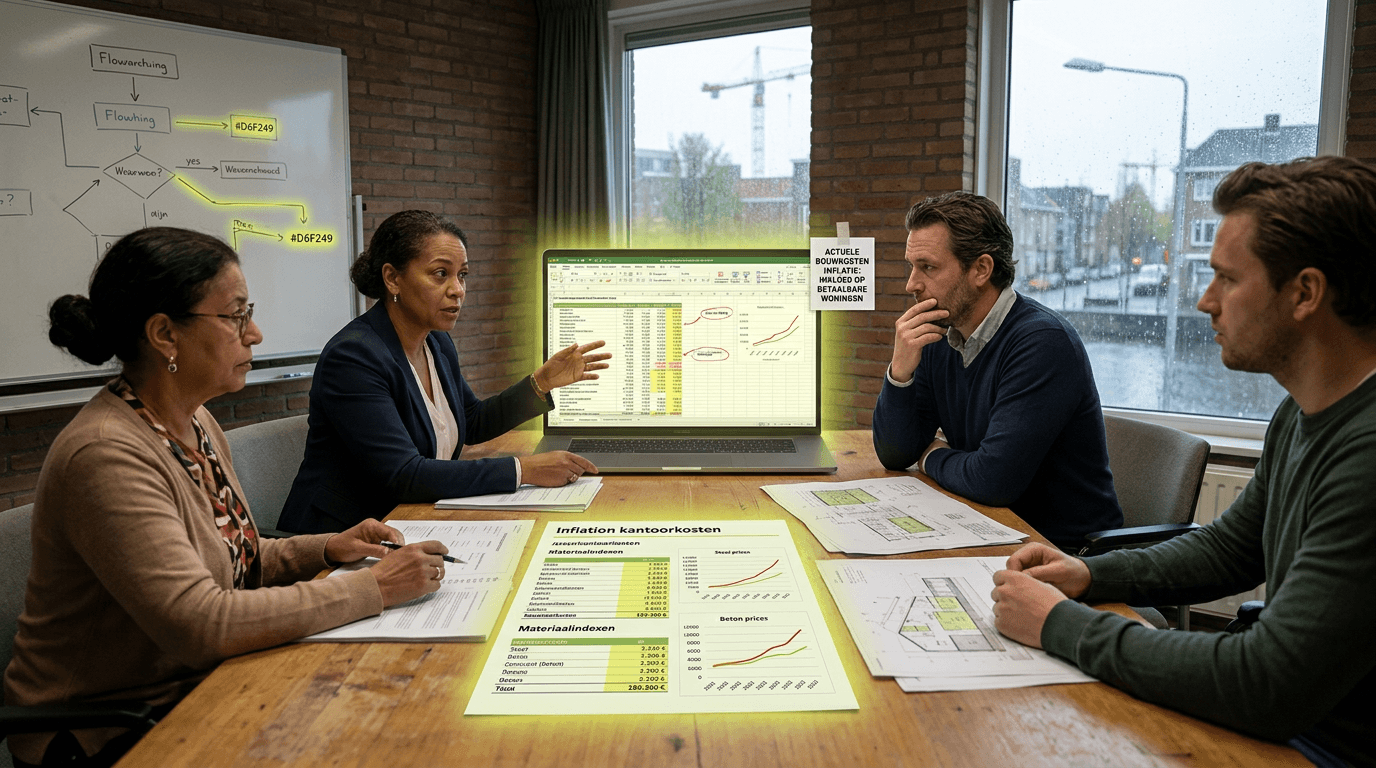
Construction cost inflation represents a fundamental economic barrier reshaping housing development across the Benelux region, where post-pandemic price increases have rendered previously viable projects financially unworkable. Since 2020, construction costs have surged between 20-40% across Netherlands, Belgium, and Luxembourg, driven by compounding pressures including material price volatility for timber, steel, and concrete, elevated energy costs affecting production and transportation, persistent labor shortages in skilled trades, and ongoing supply chain disruptions. This inflationary environment creates particular challenges for affordable and social housing development, where revenue is constrained by regulatory rent caps or predetermined sale prices while input costs respond to market forces. Housing associations and developers report projects that secured financing and permits under pre-pandemic cost assumptions now facing mid-development viability crises, forcing difficult decisions about project continuation, scope reduction, or abandonment.
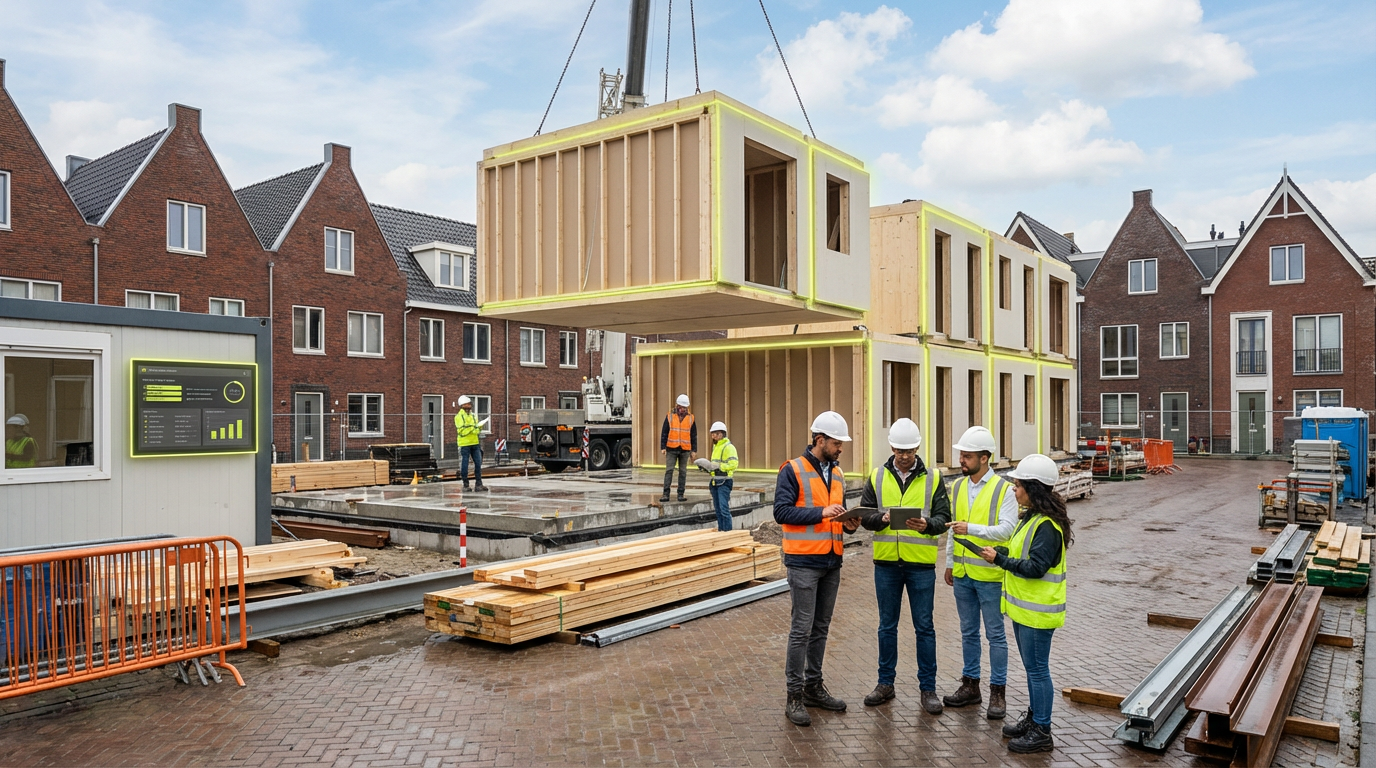
The mechanics of this barrier extend beyond simple price increases to create systemic mismatches in housing development timelines. Development projects typically operate on multi-year cycles from initial planning through permitting to construction, yet material costs can shift dramatically within months. Early evidence suggests this volatility is not purely temporary—while some pandemic-era supply chain bottlenecks have eased, structural factors including energy transition costs, demographic shifts in construction labor markets, and geopolitical disruptions to material supply chains indicate persistent upward pressure. Housing associations in Dutch cities have publicly documented cases where projects approved with specific affordability commitments became financially impossible to deliver at those price points, creating tensions between maintaining social housing obligations and financial sustainability. Some developers are exploring industrialized construction methods and modular approaches as potential cost stabilization strategies, though adoption remains limited and uncertain in effectiveness against macro-economic pressures.
The implications for housing policy and development strategies are substantial. If cost inflation proves structural rather than cyclical, it fundamentally alters the economics of affordable housing provision, potentially requiring increased public subsidy levels, revised affordability definitions, or acceptance of reduced housing production volumes. Policymakers face difficult trade-offs between maintaining affordability standards and enabling sufficient housing supply. Key monitoring points include whether material costs stabilize or continue climbing, how labor market dynamics evolve as construction demand potentially softens, and whether innovations in construction methods can meaningfully reduce cost volatility. The signal also raises questions about the adequacy of existing financing models for social housing and whether new mechanisms—such as inflation-indexed subsidies or public assumption of cost-risk during development—may be necessary to maintain affordable housing production in a higher-cost environment.
Related Organizations

The national statistical office of the Netherlands.

Independent research institute providing authoritative data and forecasts on construction costs, wages, and market trends in the Netherlands.

The primary industry association for construction and infrastructure companies in the Netherlands, lobbying for faster procedures and the 'Wet Kwaliteitsborging'.

One of the largest area developers in Europe, responsible for realizing large-scale residential projects that must comply with municipal mixed-income quotas.

The Belgian construction association (formerly Confederatie Bouw).

A major European construction firm that has had to restructure projects and renegotiate contracts due to volatile input costs.

Formerly the Belgian Building Research Institute (BBRI), focusing on innovation and technical standards.

A major Dutch cooperative bank that offers specific mortgage products tailored to Koopgarant and Koopstart conditions.

Global design and consultancy firm for natural and built assets.

A management and consultancy firm specializing in construction, housing, and real estate.