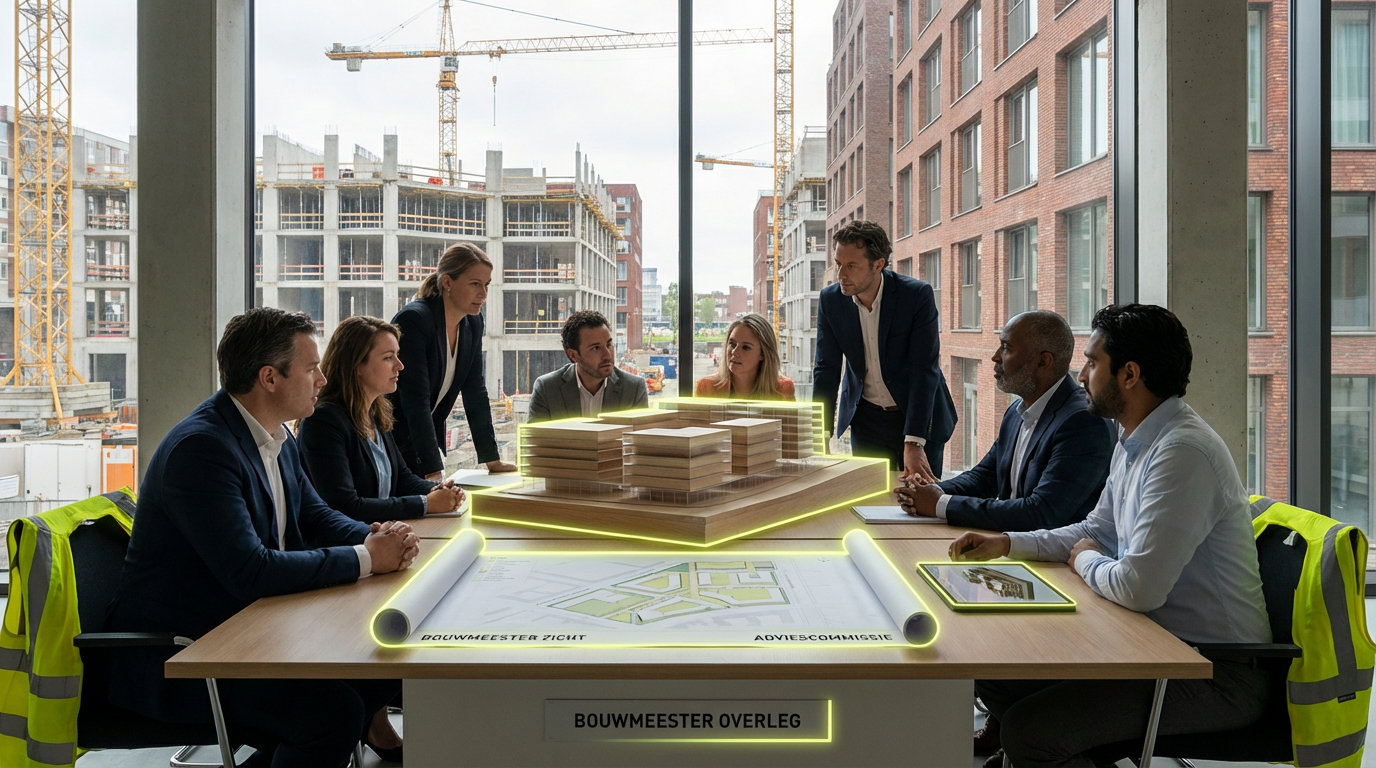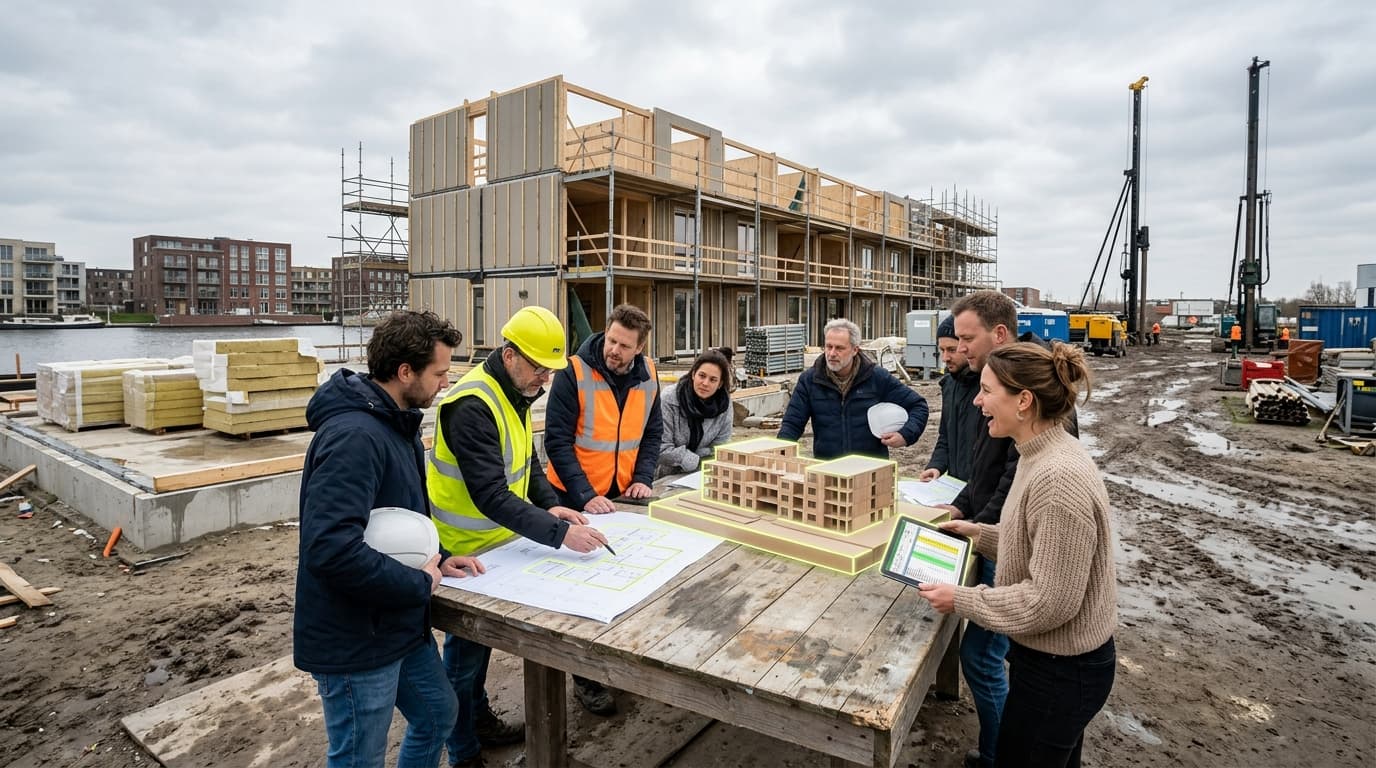
Zelfbouw / Collectief Particulier Opdrachtgeverschap
Self-build and collective private commissioning represent a fundamental shift in housing development governance, transferring control from commercial developers to residents themselves. In traditional housing markets, developers determine what gets built, where, and for whom—often prioritizing standardized products that maximize returns over community needs or architectural diversity. Zelfbouw and CPO challenge this model by enabling individuals or small groups to commission their own homes directly, working with architects and contractors of their choosing on municipally-allocated plots. This approach addresses several interrelated pressures: the shortage of affordable, diverse housing stock; declining trust in developer-led models; and growing demand for participatory urbanism that reflects residents' actual needs rather than market assumptions.
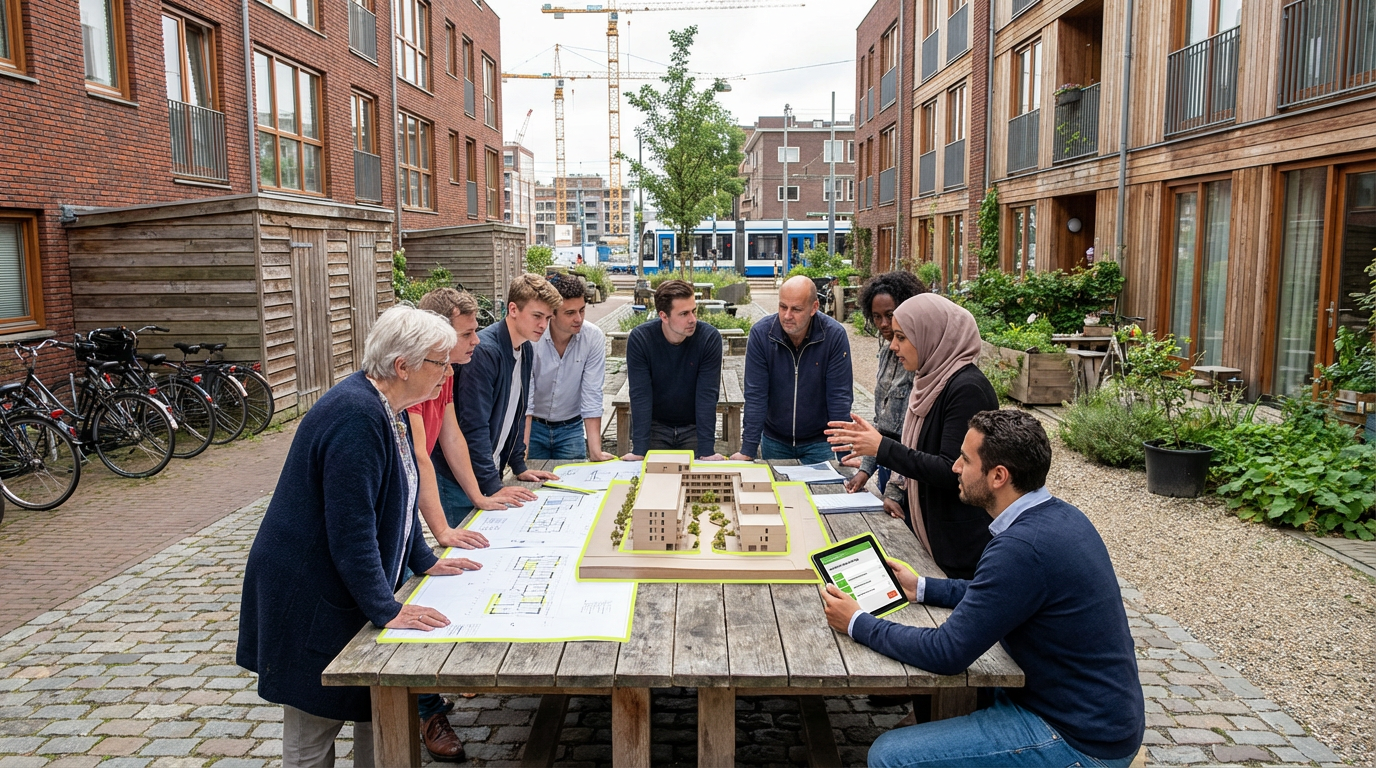
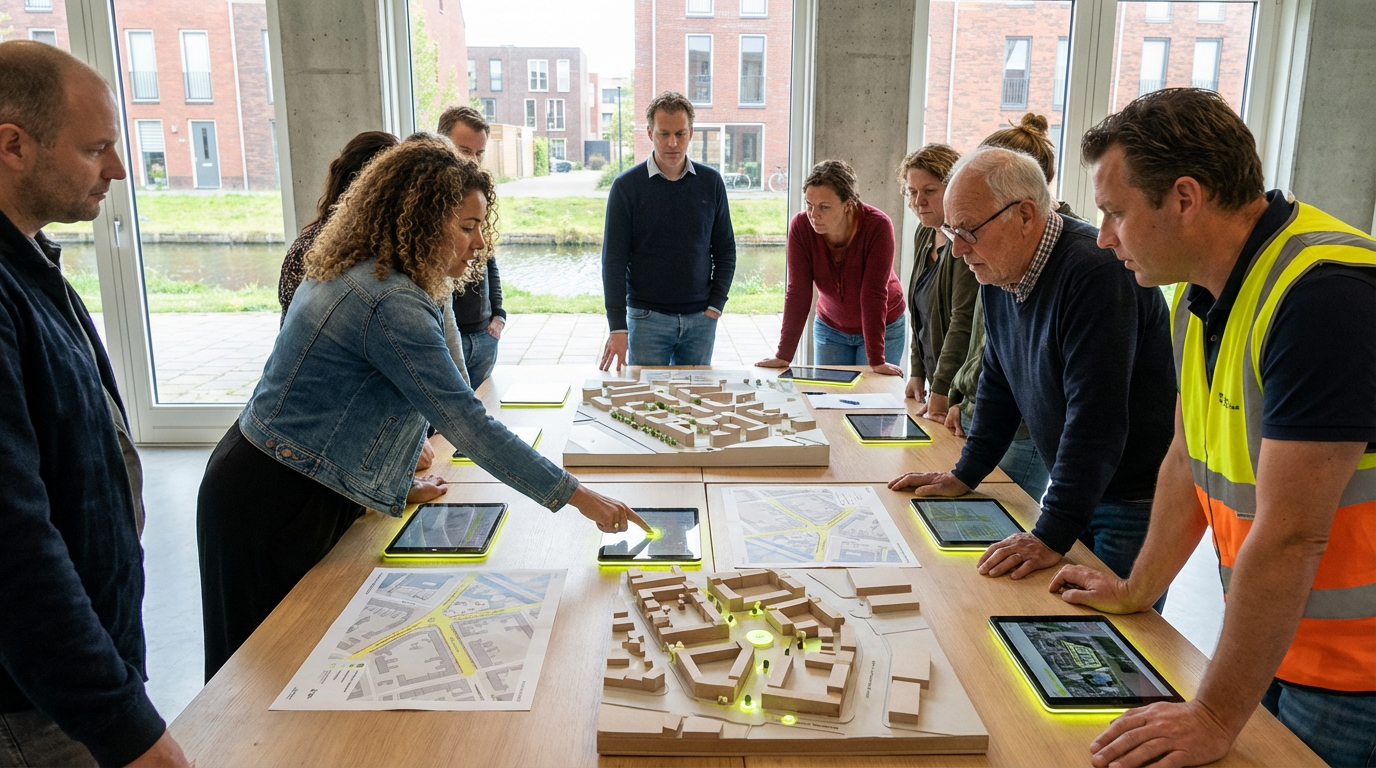
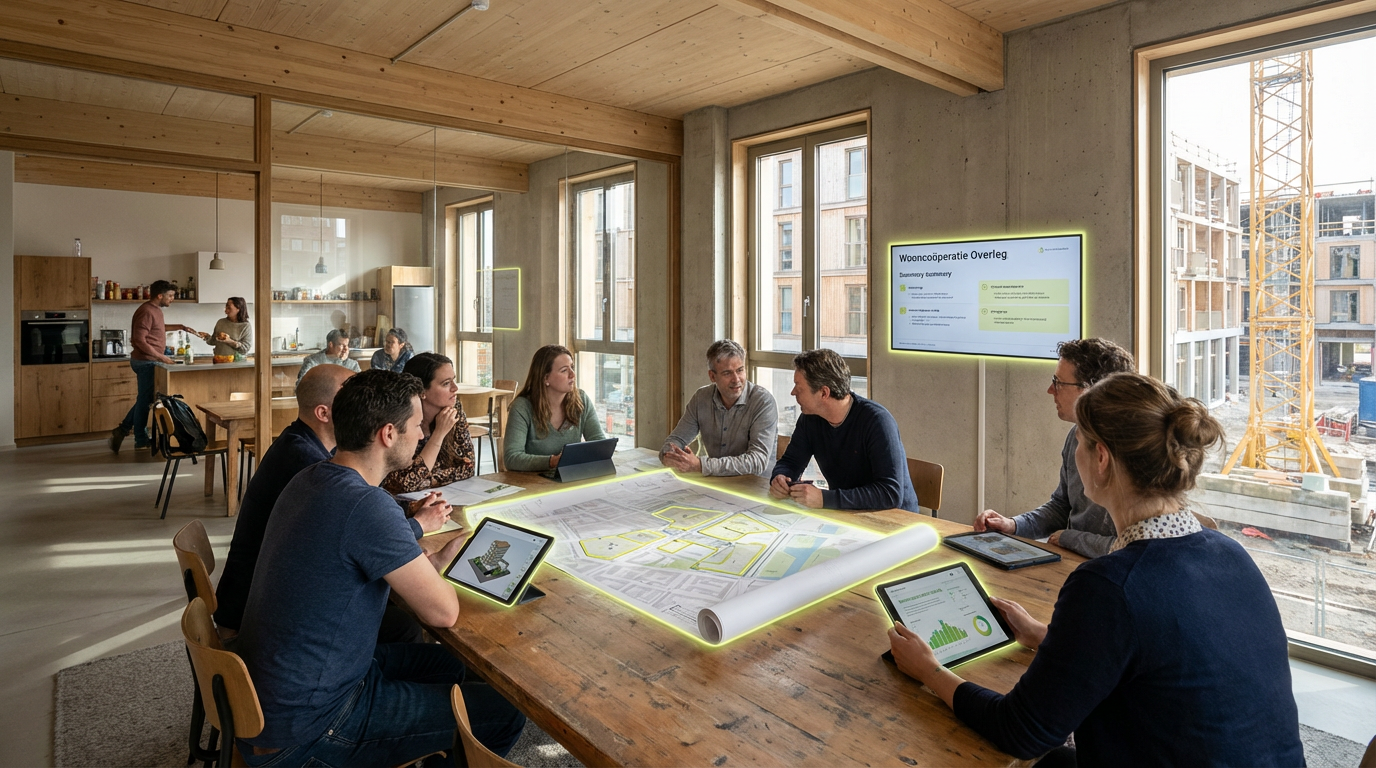
The mechanics vary by context, but typically involve municipalities designating specific plots for self-build or collective commissioning, often with supportive frameworks around financing, permitting, and technical assistance. In CPO arrangements, groups of future residents—sometimes dozens of households—collaborate from the earliest design stages, sharing costs and decision-making while maintaining individual ownership of their units. Amsterdam's target of allocating 10% of new housing plots to self-build reflects policy recognition of these models' potential, though implementation remains uneven across municipalities. Early evidence suggests these approaches can deliver housing at lower cost per square meter than commercial developments, while producing greater architectural variety and stronger social cohesion among residents who've collaborated through the building process. However, significant barriers persist: securing financing for non-standard projects remains difficult, as banks prefer predictable developer-led schemes; managing complex construction processes demands time, expertise, and risk tolerance that not all households possess; and there's emerging concern that without careful policy design, self-build opportunities may primarily benefit educated, financially secure households capable of navigating bureaucratic and technical complexities.
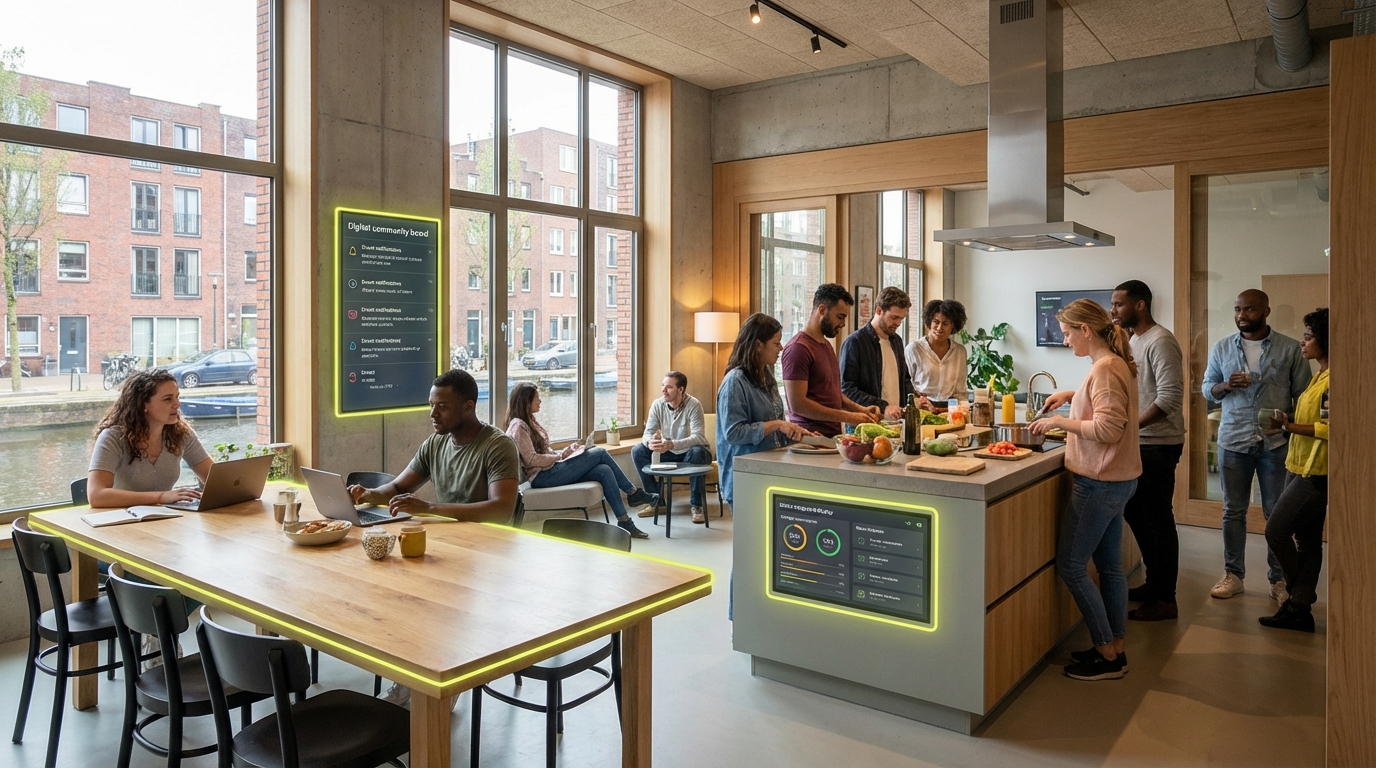
The implications extend beyond housing supply to questions of urban governance and equity. If scaled thoughtfully, these models could democratize development, creating pathways for middle-income households priced out of conventional markets while fostering neighborhoods with stronger community ties and more diverse built environments. Yet without deliberate support structures—technical assistance programs, innovative financing mechanisms, capacity-building initiatives—self-build risks becoming a niche option for the already-privileged rather than a genuine alternative development pathway. Monitoring should focus on: the demographic profile of participants in self-build programs; whether municipalities expand plot allocations beyond symbolic percentages; emergence of intermediary organizations that reduce barriers to participation; and banking sector adaptation to non-traditional commissioning models. The critical threshold will be whether these approaches remain experimental exceptions or evolve into mainstream development options accessible across income levels.