Systematic Anti-Wind Energy Movements
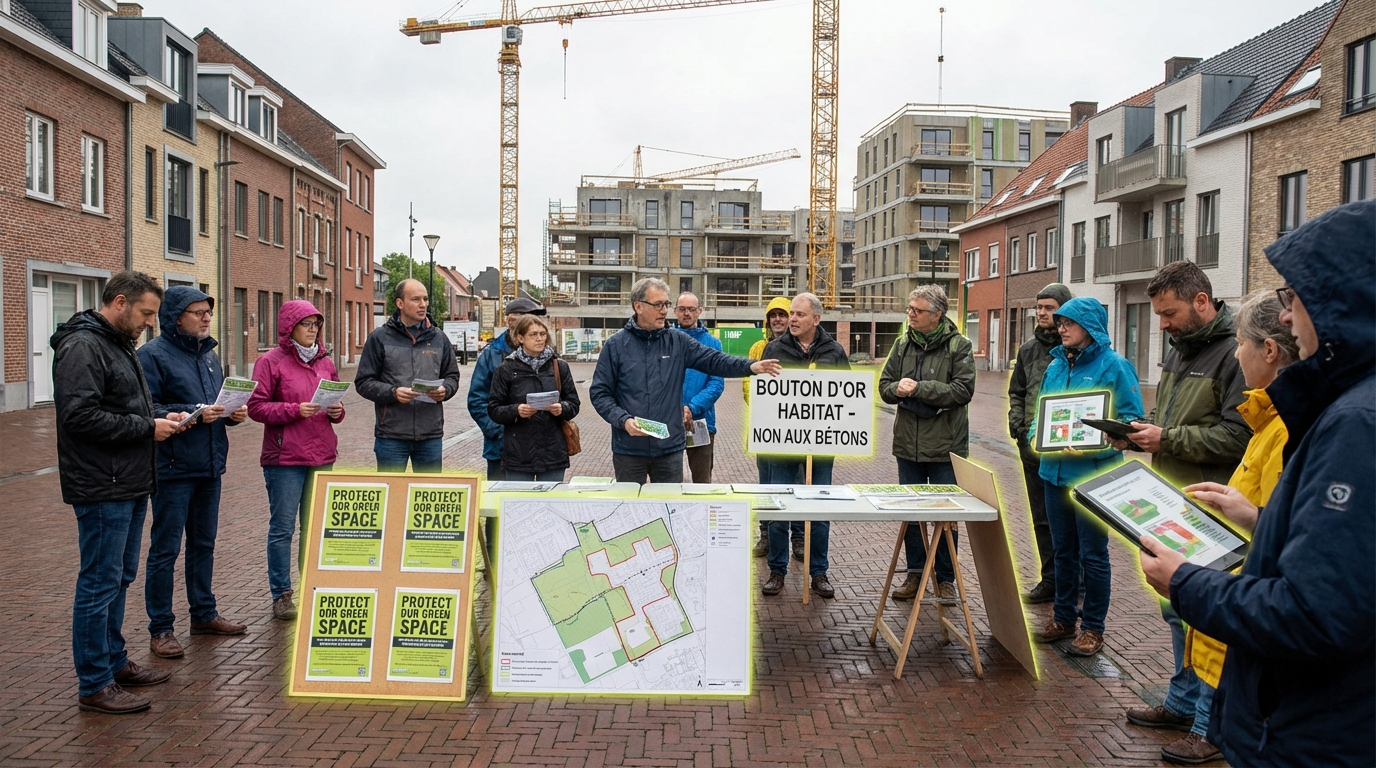
Systematic anti-wind energy movements signal a growing pattern of organized resistance to renewable energy infrastructure that extends beyond isolated local objections into coordinated campaigns capable of blocking or delaying projects for years. While opposition to wind farms is not new, what distinguishes this signal is the professionalization and networking of resistance groups, their ability to mobilize legal and political resources, and their evolution from neighborhood-level NIMBY (Not In My Backyard) concerns into broader anti-development coalitions. In the Benelux context, where spatial constraints are acute and renewable energy targets are ambitious, this opposition creates a fundamental tension: governments commit to net-zero pathways that require substantial wind capacity, yet local resistance can effectively veto projects that are technically viable and policy-aligned. The challenge intensifies when housing developments attempt to integrate renewable energy infrastructure, as opposition can target both the energy component and the broader development, creating compounding barriers to sustainable urban expansion.
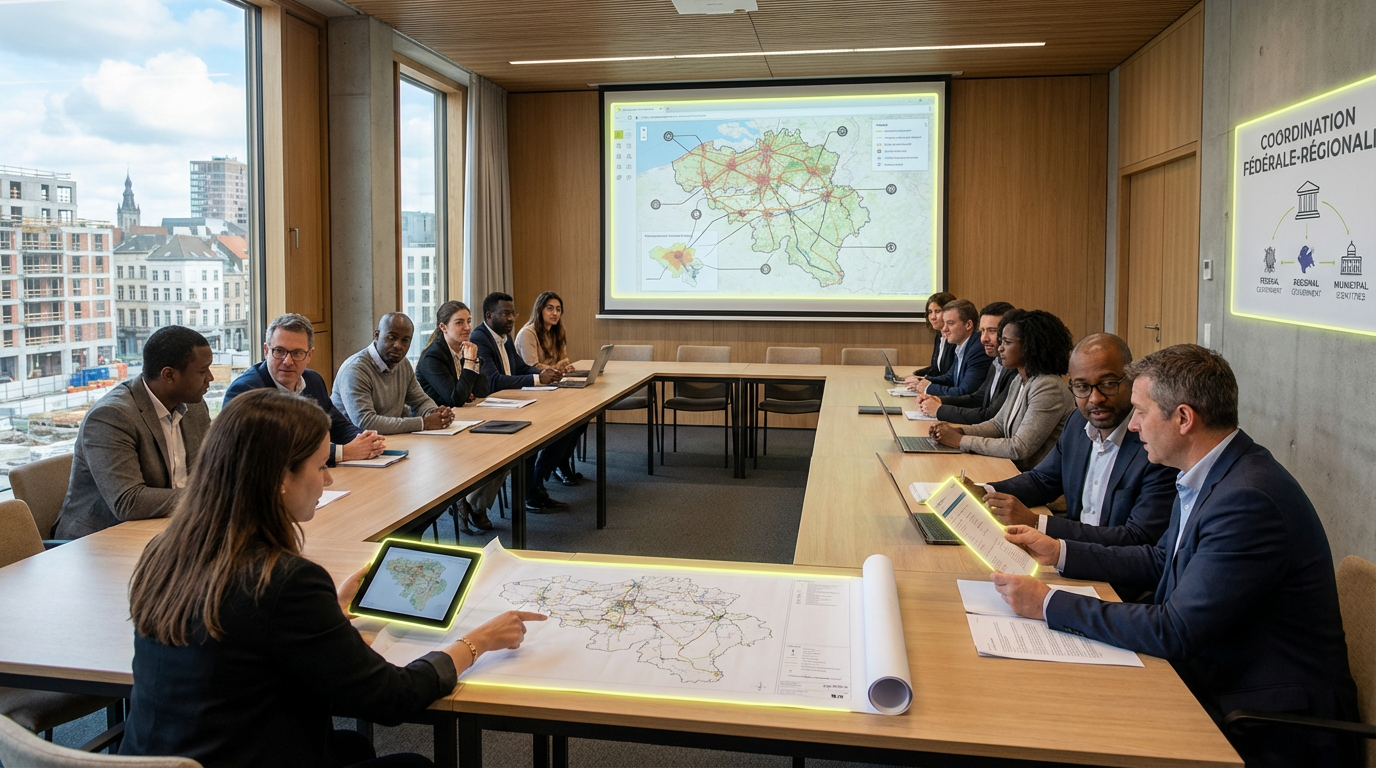
The drivers of these movements are multifaceted. Legitimate concerns about visual impact, noise pollution, property value depreciation, and perceived health effects provide initial mobilization points, particularly in densely populated regions where wind turbines are necessarily closer to residential areas than in more spacious geographies. However, research suggests that opposition often hardens through social contagion and information ecosystems that amplify worst-case scenarios while downplaying mitigation measures or comparative benefits. In the Netherlands, well-organized groups have successfully delayed offshore and onshore wind projects through legal challenges and political pressure, while Belgian campaigns have leveraged regional governance fragmentation to create patchworks of resistance. Luxembourg's small size means that almost any renewable project affects multiple communities, intensifying coordination among opposition groups. Importantly, some movements receive support from actors with vested interests in fossil fuel infrastructure or from ideological opponents of energy transition, though disentangling genuine local concern from strategic opposition remains analytically difficult.
The implications for housing and energy policy are substantial. If systematic opposition becomes the default response to renewable integration, the Benelux region faces a credibility gap between climate commitments and implementation capacity, potentially forcing reliance on energy imports or continued fossil fuel use. For housing development, the signal suggests that sustainability features marketed as amenities may instead become political liabilities, complicating efforts to build net-zero neighborhoods or energy-positive communities. Policymakers should monitor whether opposition patterns are spreading to other renewable technologies (solar farms, geothermal installations) and whether resistance is concentrating in specific demographic or geographic profiles. Effective responses likely require earlier and more substantive community engagement, benefit-sharing mechanisms that create local stakeholders in project success, and clearer frameworks for distinguishing legitimate concerns requiring design changes from strategic delay tactics. The threshold to watch is whether opposition movements begin coordinating across national borders within Benelux, which would signal a shift from localized resistance to a regional anti-renewables infrastructure capable of systematically blocking the energy transition.