Participatory Planning Models
Participatory planning models represent a fundamental shift in how housing and urban development projects are conceived and executed, moving away from top-down decision-making toward genuine co-creation with affected communities. The core challenge these models address is the persistent disconnect between what gets built and what communities actually need or want—a gap that has historically resulted in project delays, community opposition, and developments that fail to serve their intended populations. In the Benelux region, where strong civic traditions and robust planning regulations give communities significant influence over development outcomes, this disconnect has become particularly costly. Projects designed without meaningful community input frequently encounter resistance that can extend timelines by years or halt construction entirely, creating uncertainty for developers and prolonging housing shortages for residents.
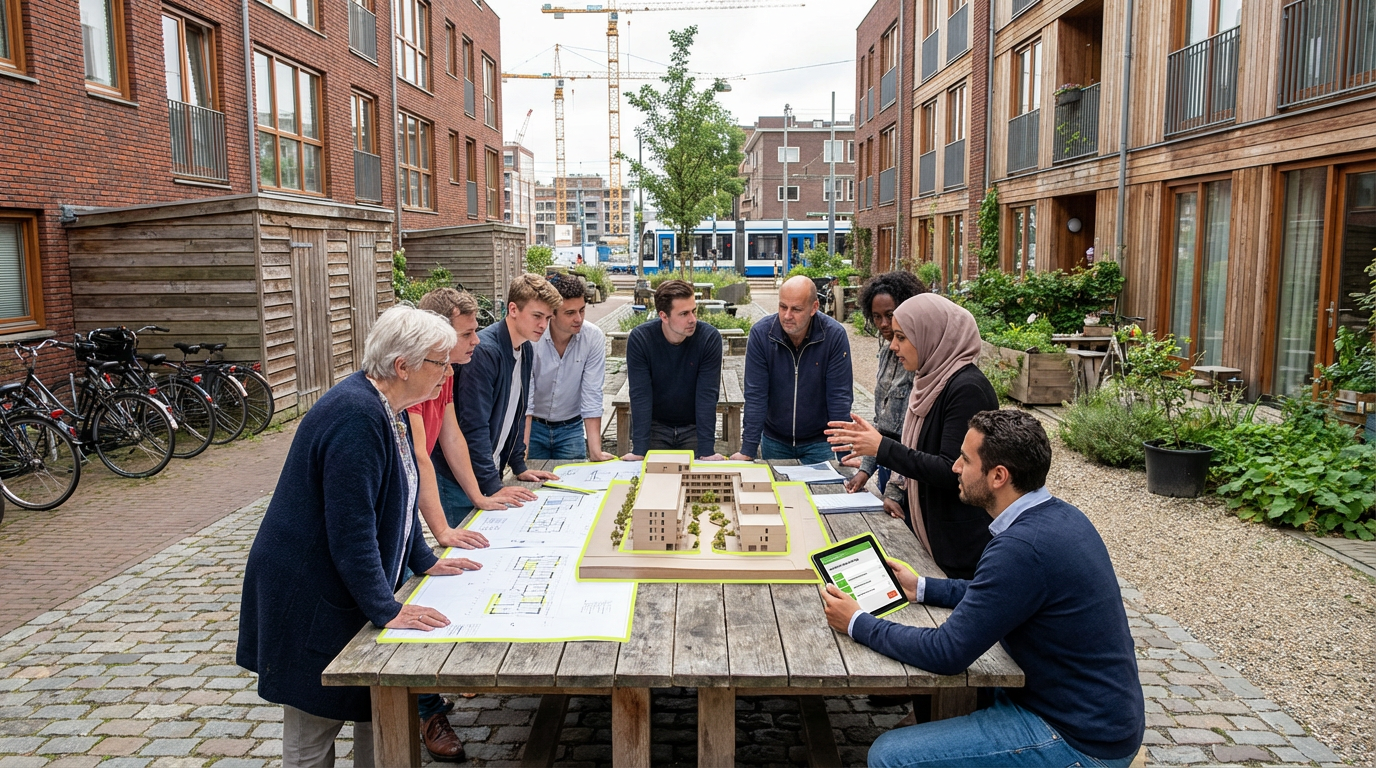
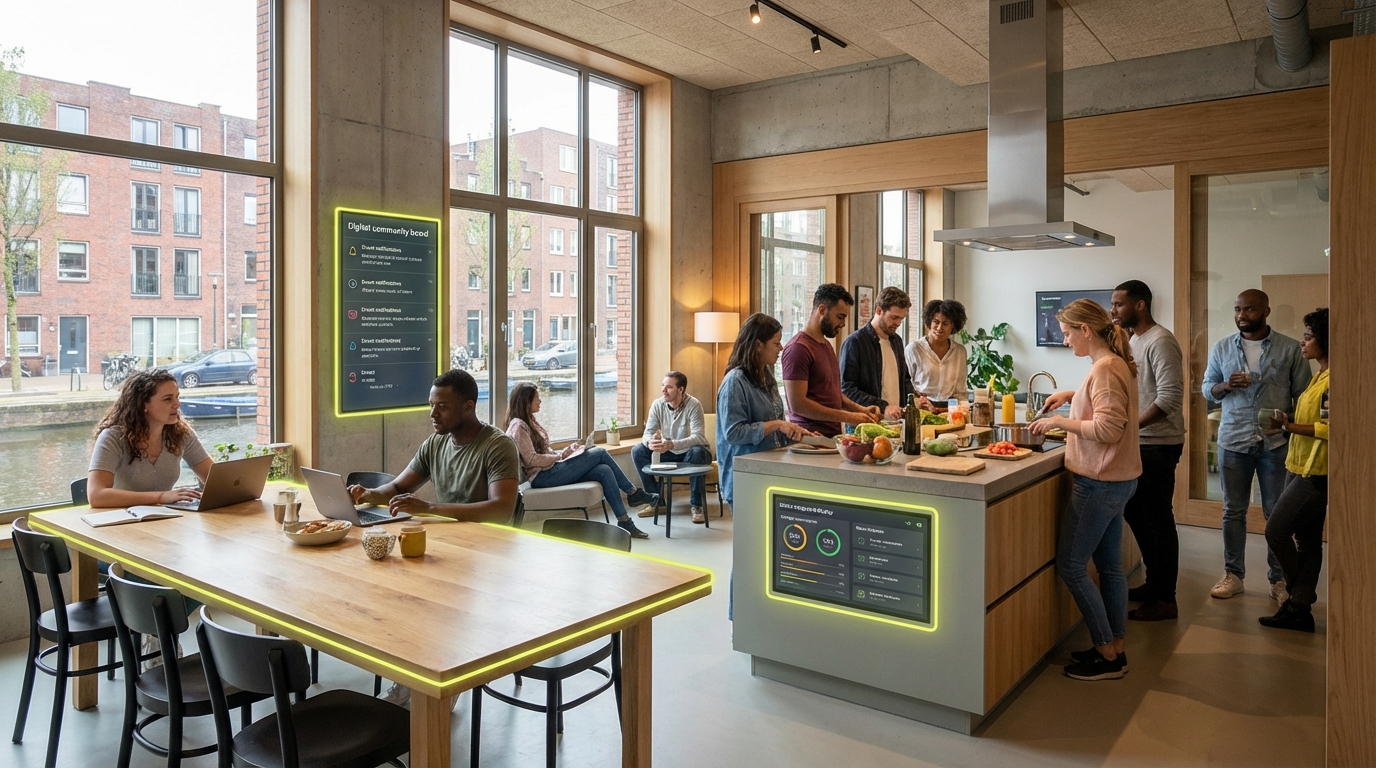
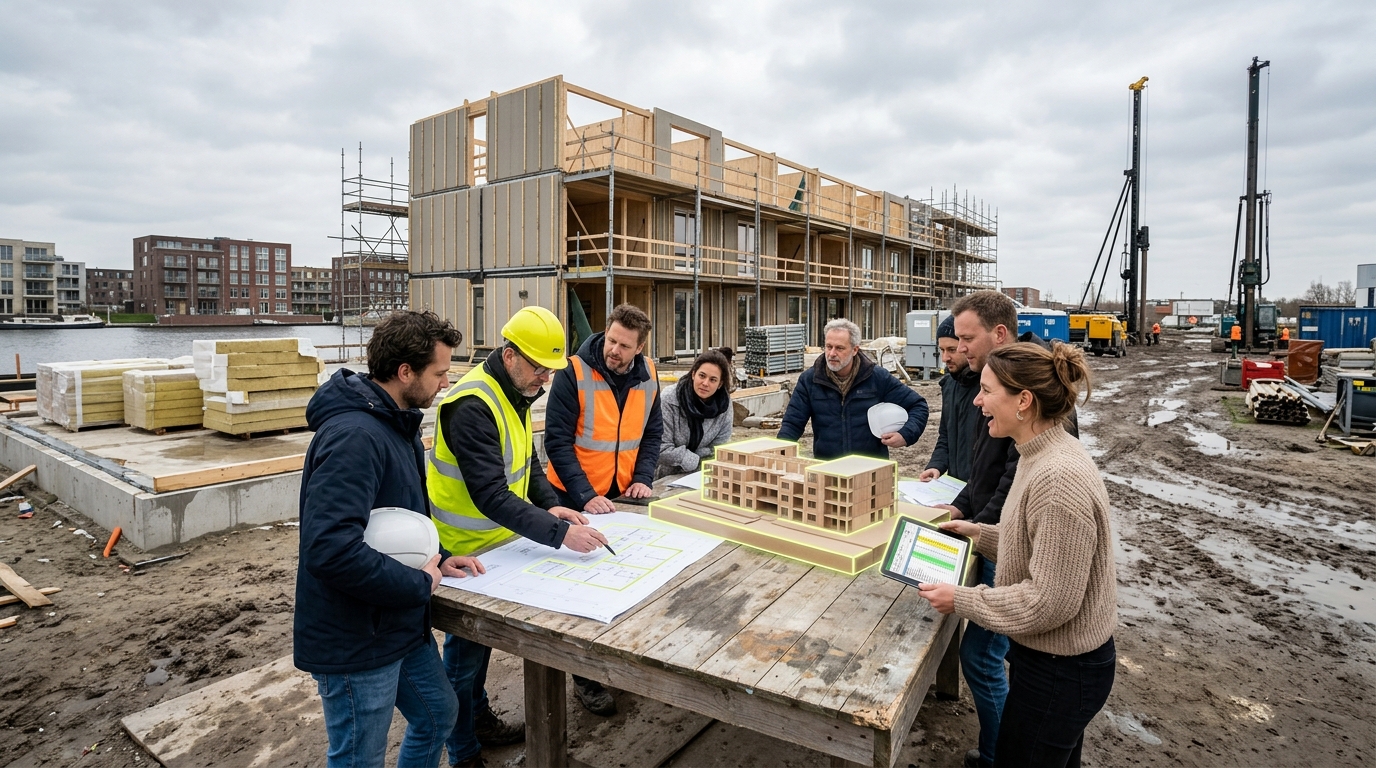
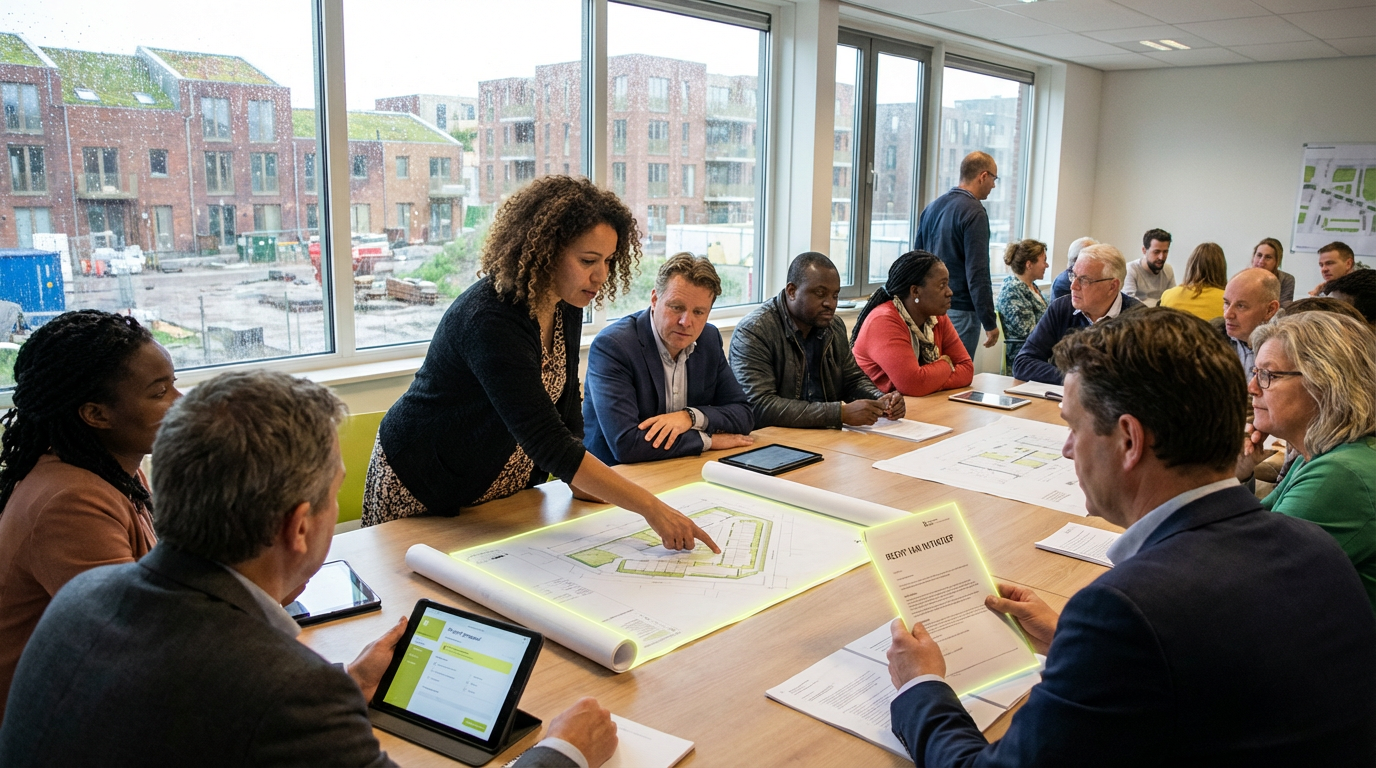
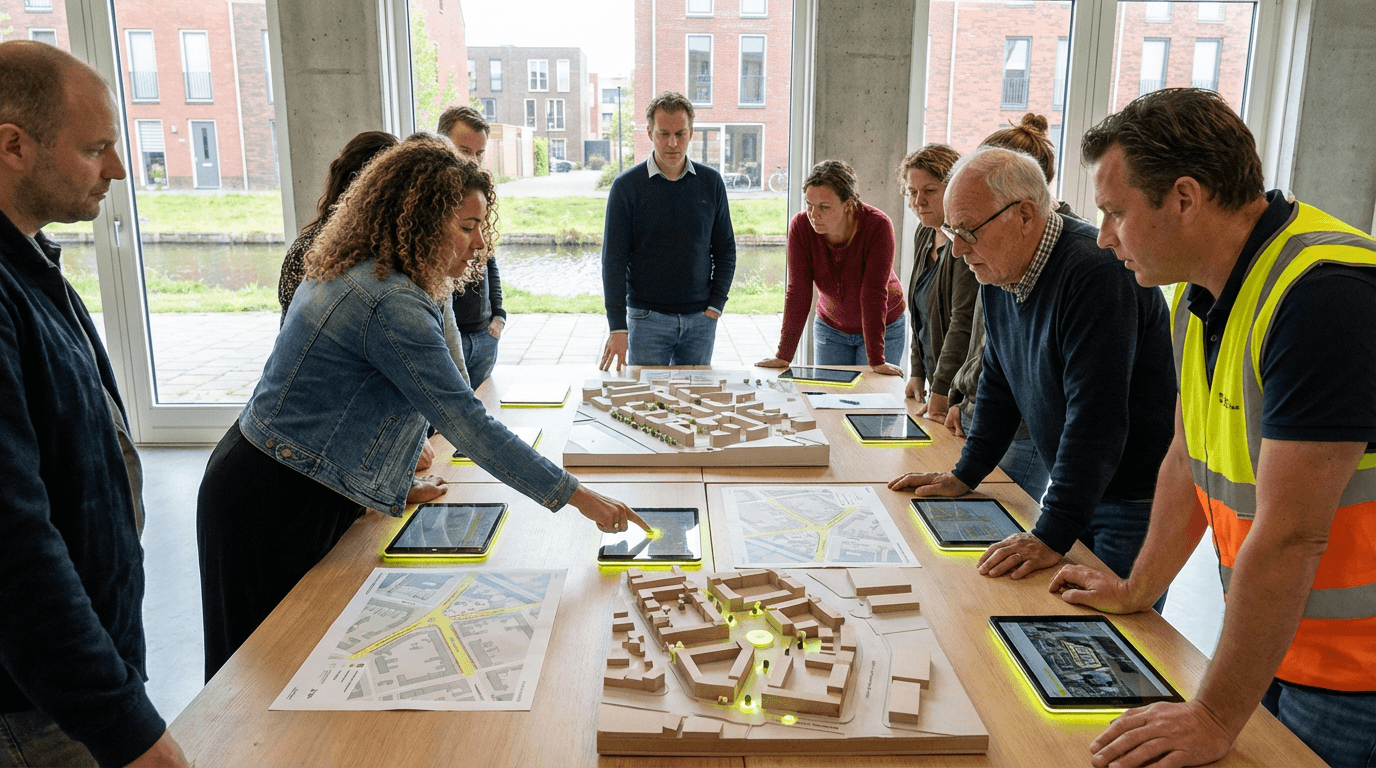
These frameworks operate by embedding community voices into the planning process from project inception rather than treating consultation as a late-stage formality. Mechanisms include co-design workshops where residents work alongside architects and planners, community planning charrettes that bring diverse stakeholders together for intensive collaborative sessions, resident advisory boards with ongoing decision-making authority, and iterative feedback loops that allow communities to shape proposals as they evolve. In the Netherlands, wooncooperaties exemplify this approach, with future residents collectively determining design priorities, amenity configurations, and governance structures before construction begins. Belgian community land trusts similarly involve neighborhoods in deciding how collectively-owned land should be developed, while Luxembourg's participatory budgeting initiatives allow residents to allocate public funds toward housing priorities they identify themselves. Early evidence suggests these models can reduce opposition and accelerate approvals, though outcomes vary significantly based on how genuinely power and decision-making authority are shared.
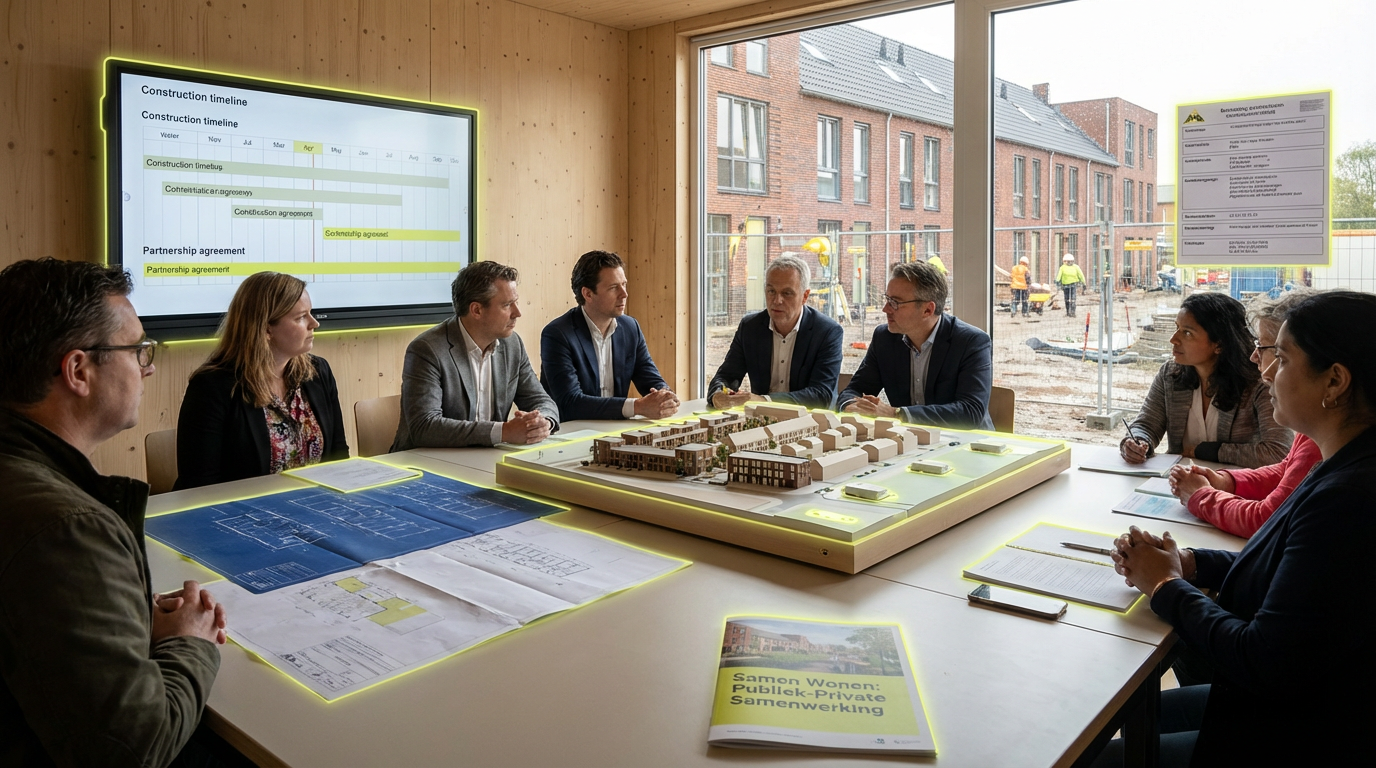
The implications extend beyond individual projects to broader questions about urban governance and social equity. When implemented authentically, participatory planning can produce housing that better matches community needs, strengthen social cohesion, and build trust between residents and institutions. However, critical challenges remain around ensuring participation is truly representative rather than dominated by vocal minorities, managing expectations when community preferences conflict with financial viability or regulatory requirements, and determining which decisions genuinely belong to communities versus technical experts. Monitoring should focus on participation demographics, the degree to which community input actually shapes final outcomes, project timeline impacts, and whether these models successfully reduce opposition or simply redistribute conflict to earlier stages. The distinction between genuine co-creation and performative consultation will likely determine whether participatory planning becomes a standard practice or remains a niche approach in Benelux housing development.