District Heating Networks
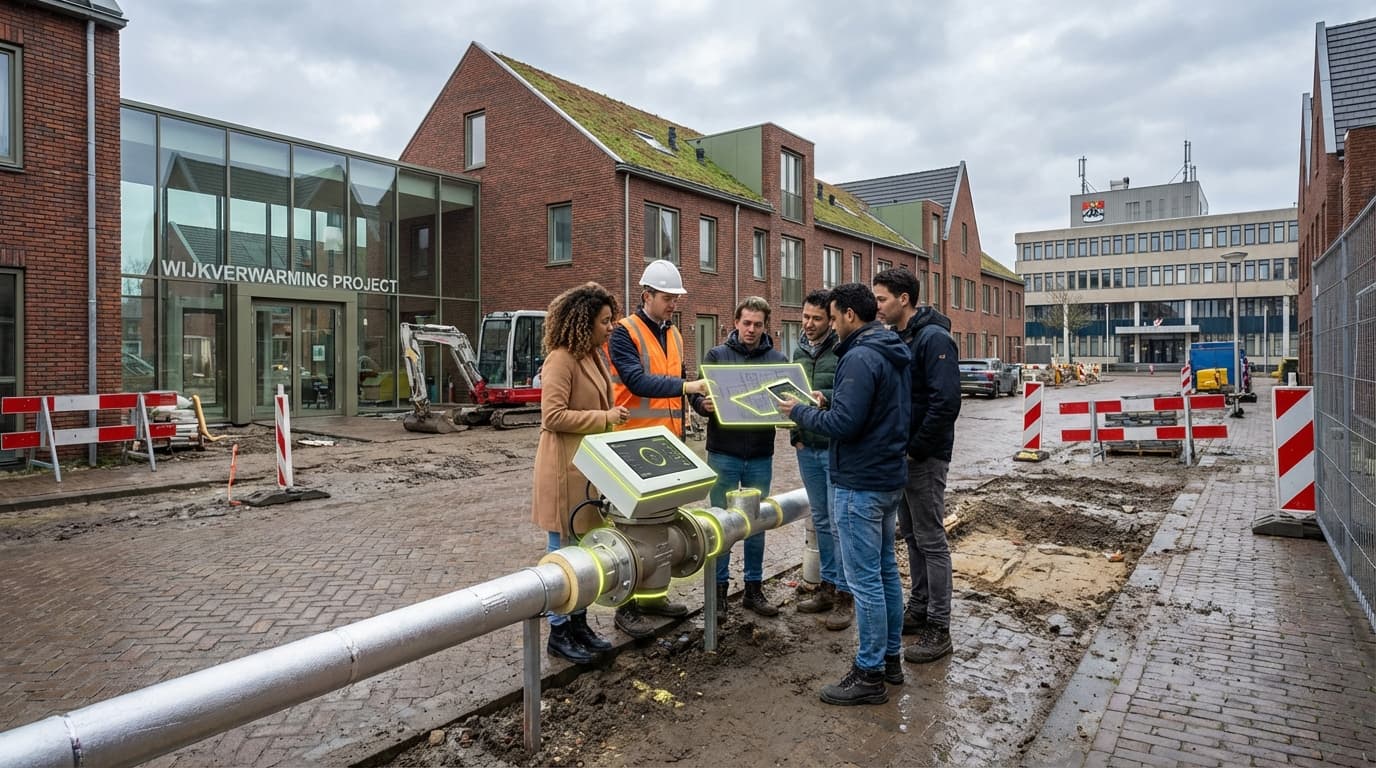
District heating networks represent a fundamental shift in how communities approach thermal energy distribution, moving from individual building-level systems to shared infrastructure that serves entire neighborhoods or districts. These centralized systems distribute heat—and increasingly cooling—through insulated underground pipes, drawing from large-scale renewable sources such as geothermal wells, biomass plants, industrial waste heat recovery, or combined heat and power facilities. The core challenge this signal addresses is the inefficiency and carbon intensity of fragmented heating systems, where each building operates its own boiler or furnace. By pooling thermal demand across multiple buildings, district heating enables the economic deployment of renewable energy technologies that would be impractical at individual building scale, while simultaneously reducing overall energy consumption through economies of scale and heat recovery opportunities. This transition matters particularly in dense urban contexts where building-level renewable installations face space constraints and where aging natural gas infrastructure requires replacement.
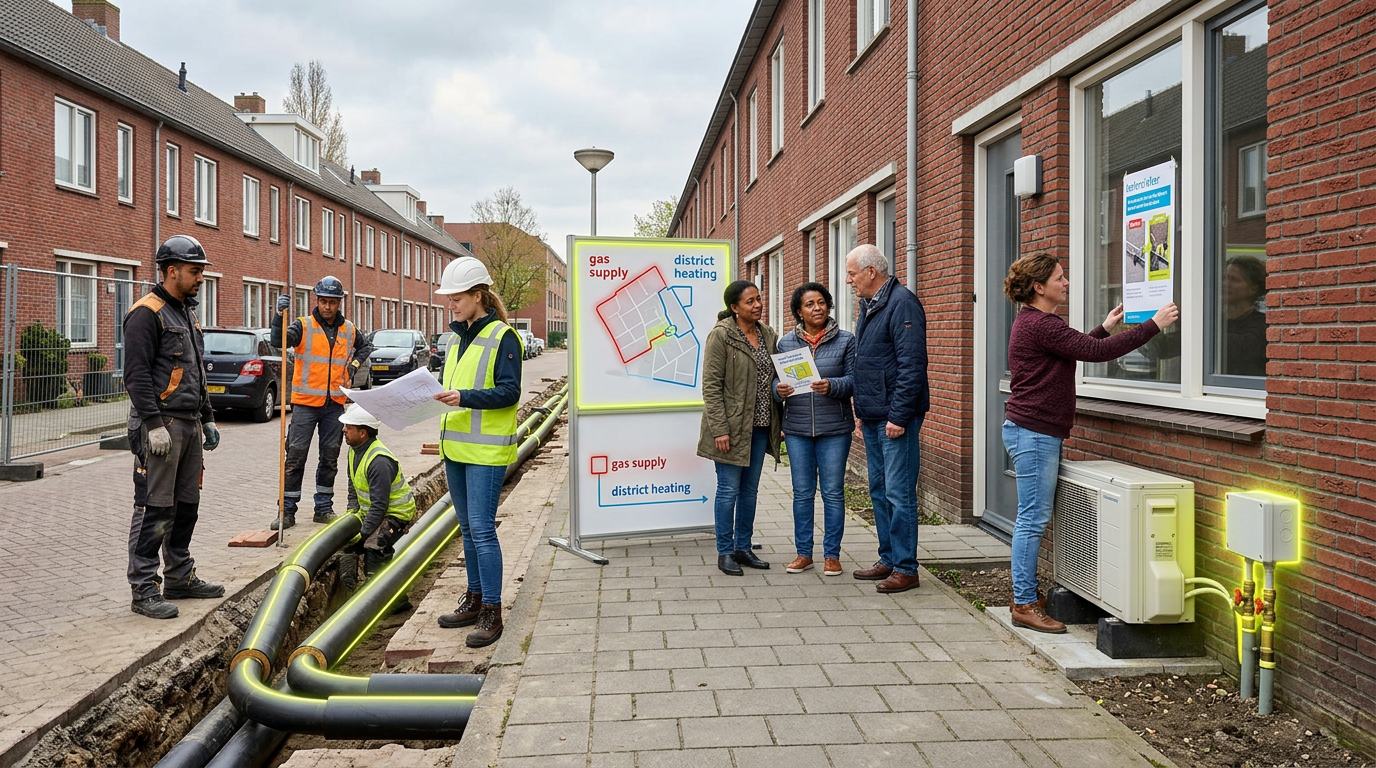
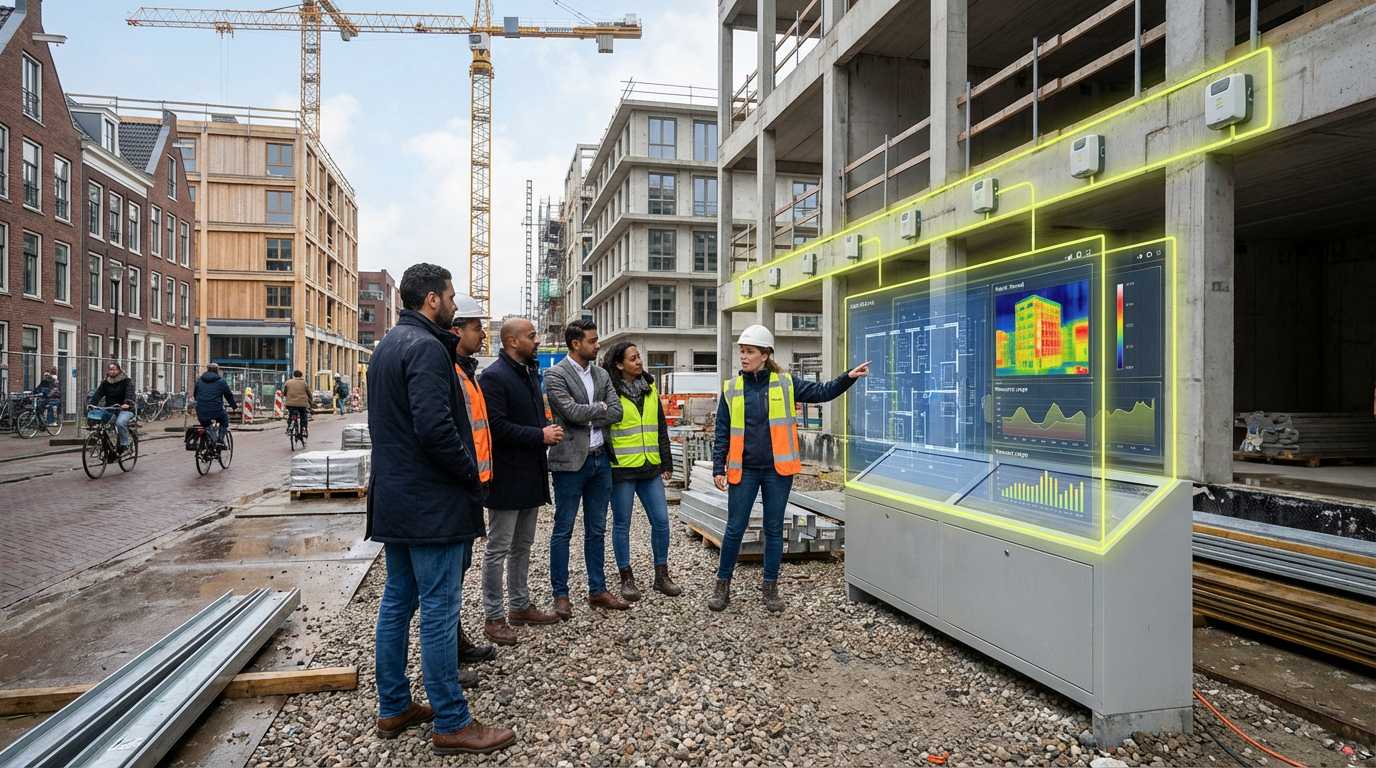
Early evidence across the Benelux region reveals both the technical viability and the governance complexities of district heating expansion. Dutch new-build developments increasingly incorporate district heating as standard infrastructure, particularly in areas designated for natural gas phase-out, though retrofit projects in existing neighborhoods encounter resistance over street disruption and connection costs. Belgian cities have piloted urban heating networks linking municipal buildings and social housing blocks, with mixed results depending on heat density and anchor customer commitment. Luxembourg's geothermal district heating initiatives demonstrate the potential for low-carbon baseload heat, yet progress remains constrained by subsurface rights negotiations and grid extension economics. Industry analysts note that successful implementations typically require public sector coordination to align property developers, energy utilities, and municipal planning authorities around shared infrastructure timelines. The pattern suggests that district heating advances most readily where governance structures enable long-term planning horizons and where regulatory frameworks can mandate or incentivize network connections, rather than relying purely on voluntary participation.
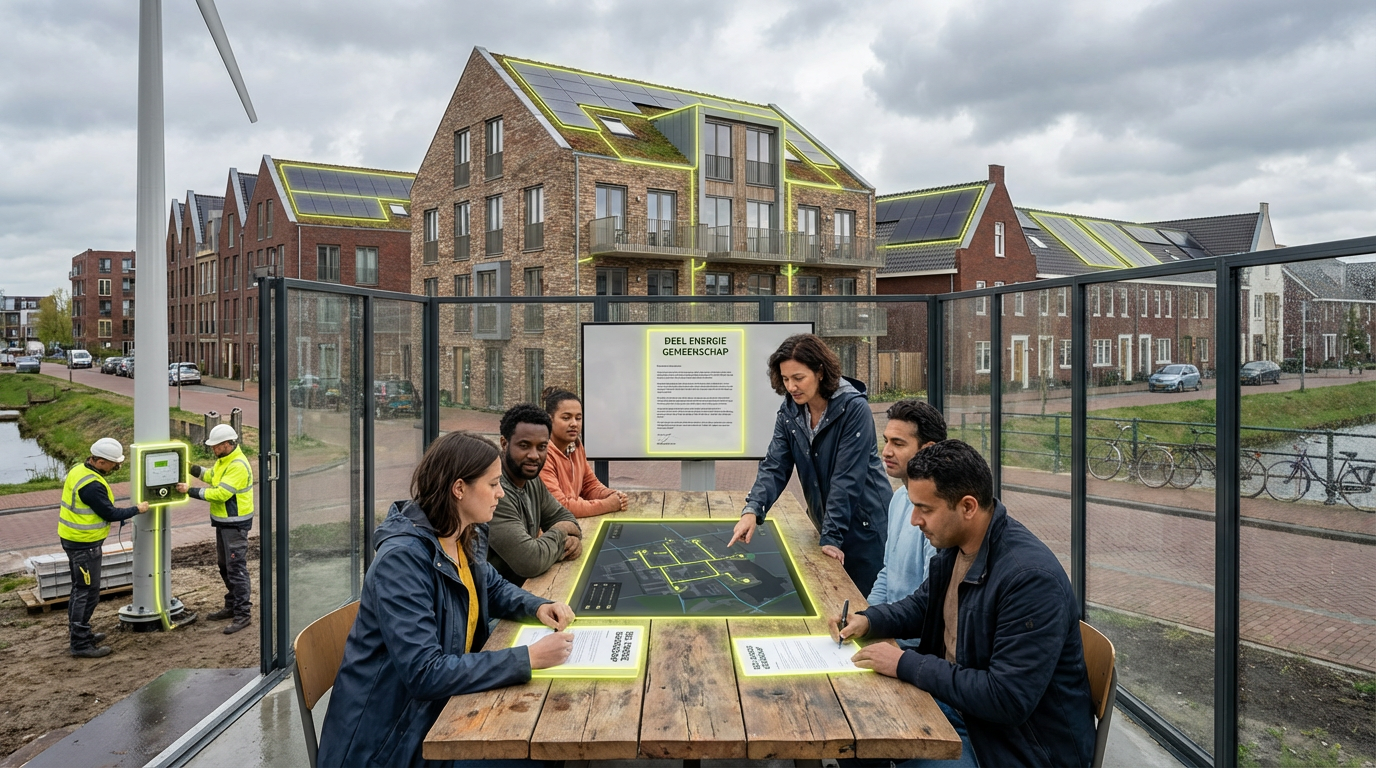
The implications for housing development and urban energy transitions are substantial but contingent on resolving coordination challenges. District heating networks create path dependencies—once installed, they lock in thermal infrastructure for decades, making fuel source decisions and system design critical to long-term decarbonization goals. For municipalities, this technology offers a mechanism to meet climate targets while maintaining energy affordability through bulk purchasing and waste heat integration, but requires upfront capital that competes with other infrastructure priorities. Property owners face decisions about connection timing and cost allocation that can delay or fragment network buildout. Monitoring should focus on regulatory developments around heat planning obligations, financing mechanisms that distribute infrastructure costs across beneficiaries, and public acceptance thresholds in retrofit contexts. The key uncertainty remains whether governance innovations—such as heat zoning requirements or cooperative ownership models—can overcome the collective action problems that have historically limited district heating to new developments and willing participants, or whether fragmented decision-making will constrain this pathway's contribution to housing sector decarbonization.