Professionalized Anti-Development Networks
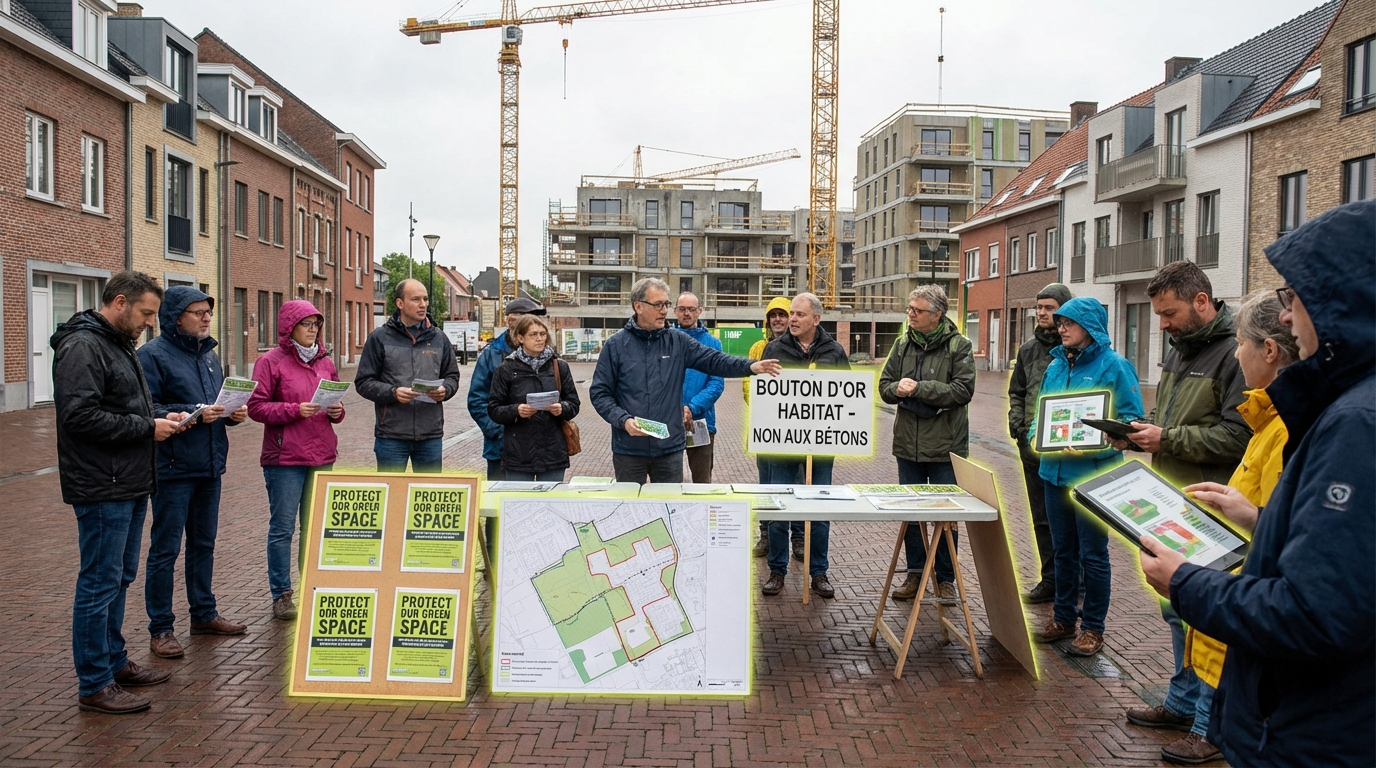
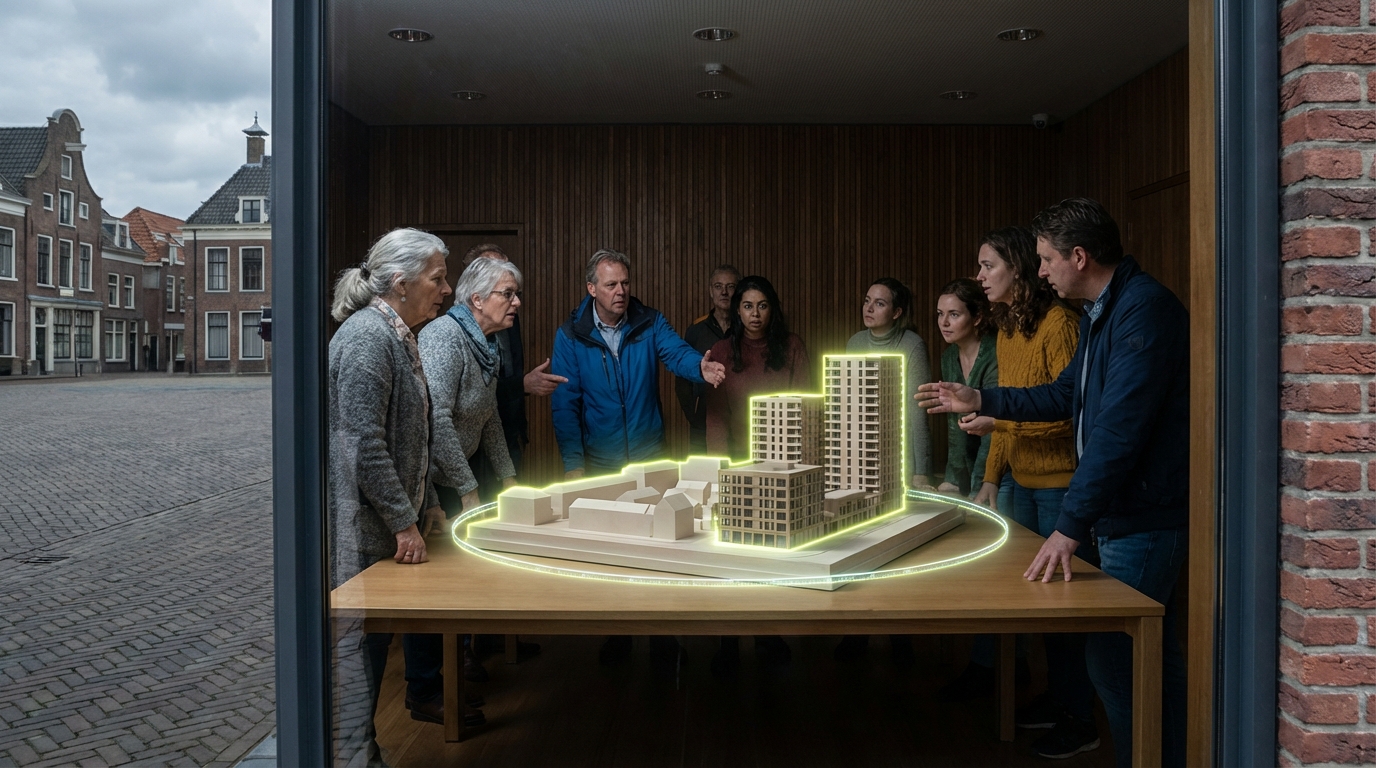
A new form of organized resistance to housing and infrastructure development has emerged across Europe and North America, transforming what was once scattered local protest into a coordinated, technically sophisticated opposition apparatus. These professionalized anti-development networks operate across jurisdictions, sharing legal templates, commissioning expert environmental and traffic studies, and deploying coordinated media campaigns to delay or halt projects. Unlike traditional NIMBY movements rooted in neighborhood sentiment, these networks function as persistent institutional actors—often supported by dedicated funding, legal expertise, and cross-border coordination mechanisms. The challenge they pose is structural: by systematizing opposition tactics and distributing them as replicable tools, they can multiply the procedural burden on developers and municipalities far beyond what any single community could achieve alone. This shift matters because it transforms housing supply constraints from a political problem into an operational one, where even broadly supported projects face years of delay regardless of their merit or local approval.
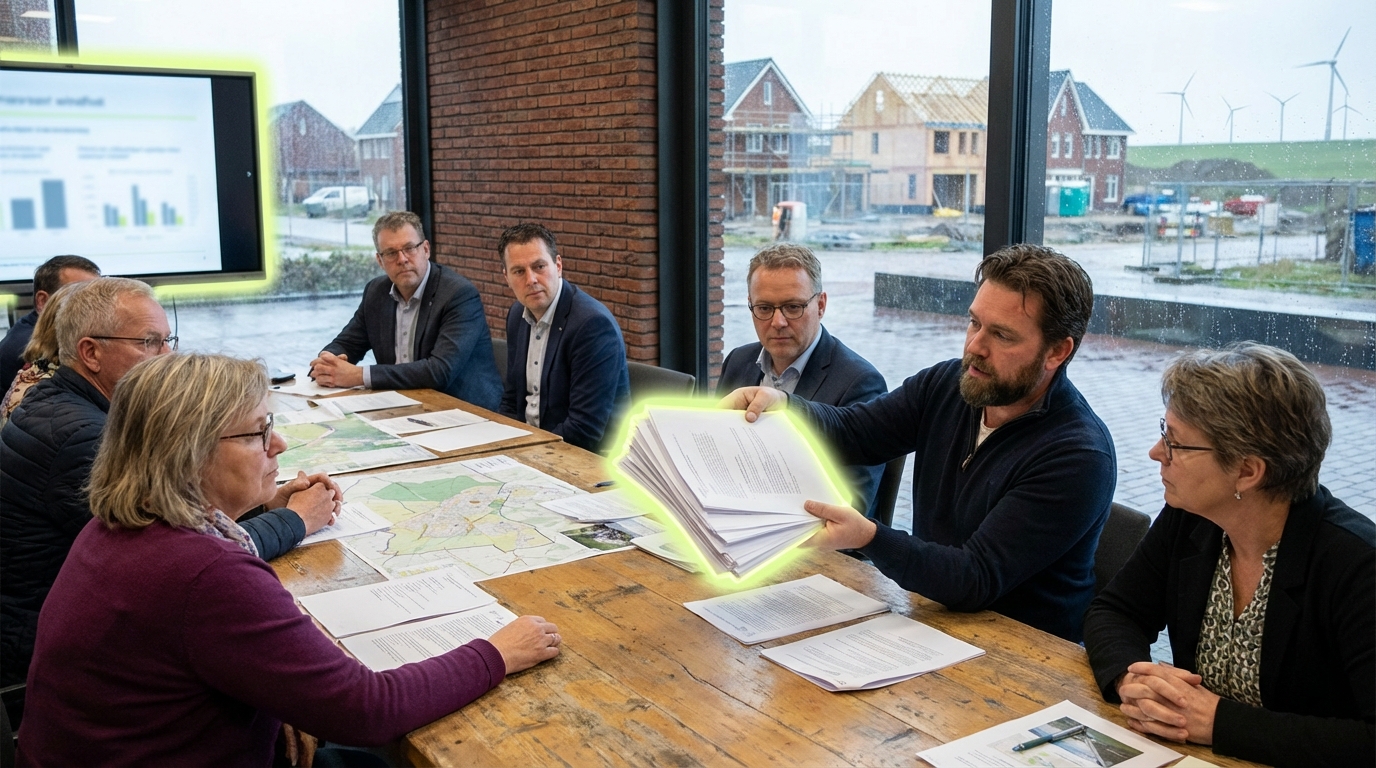
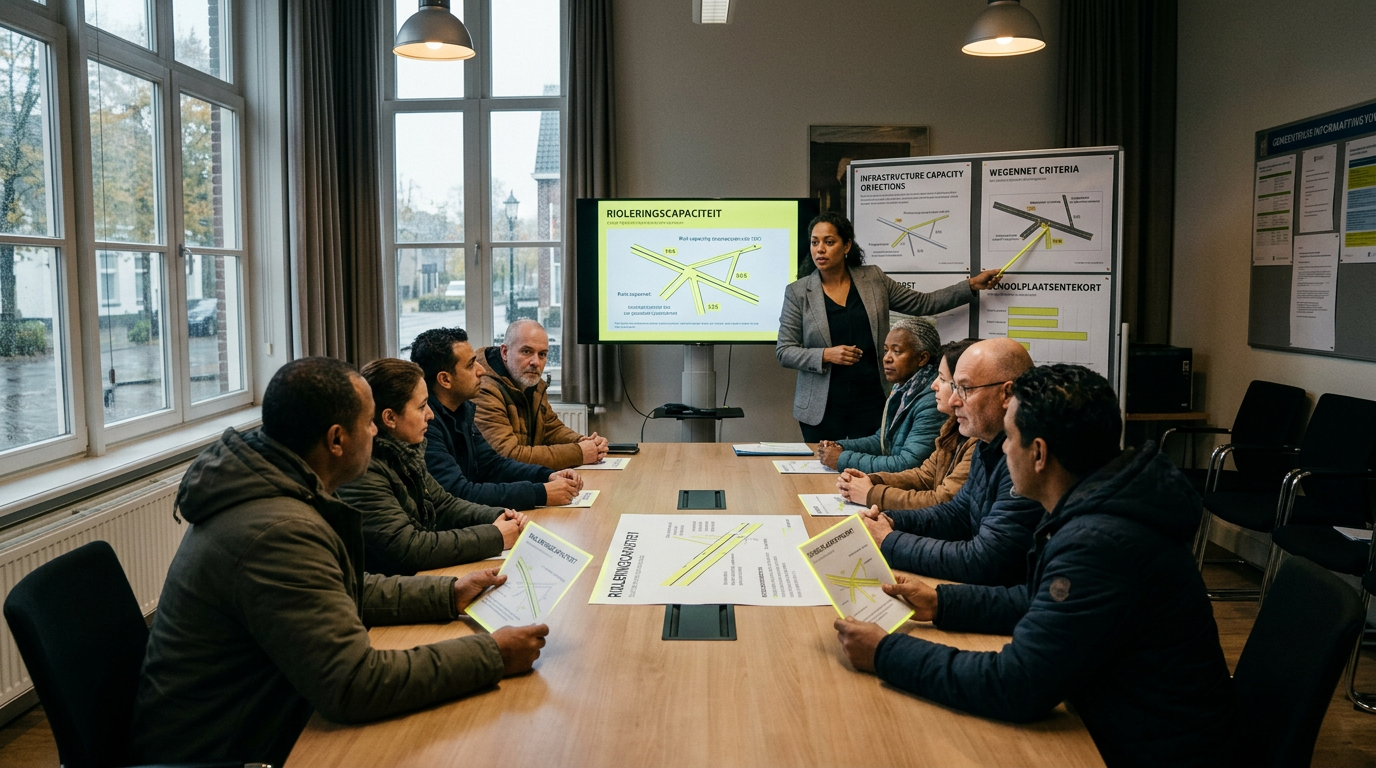
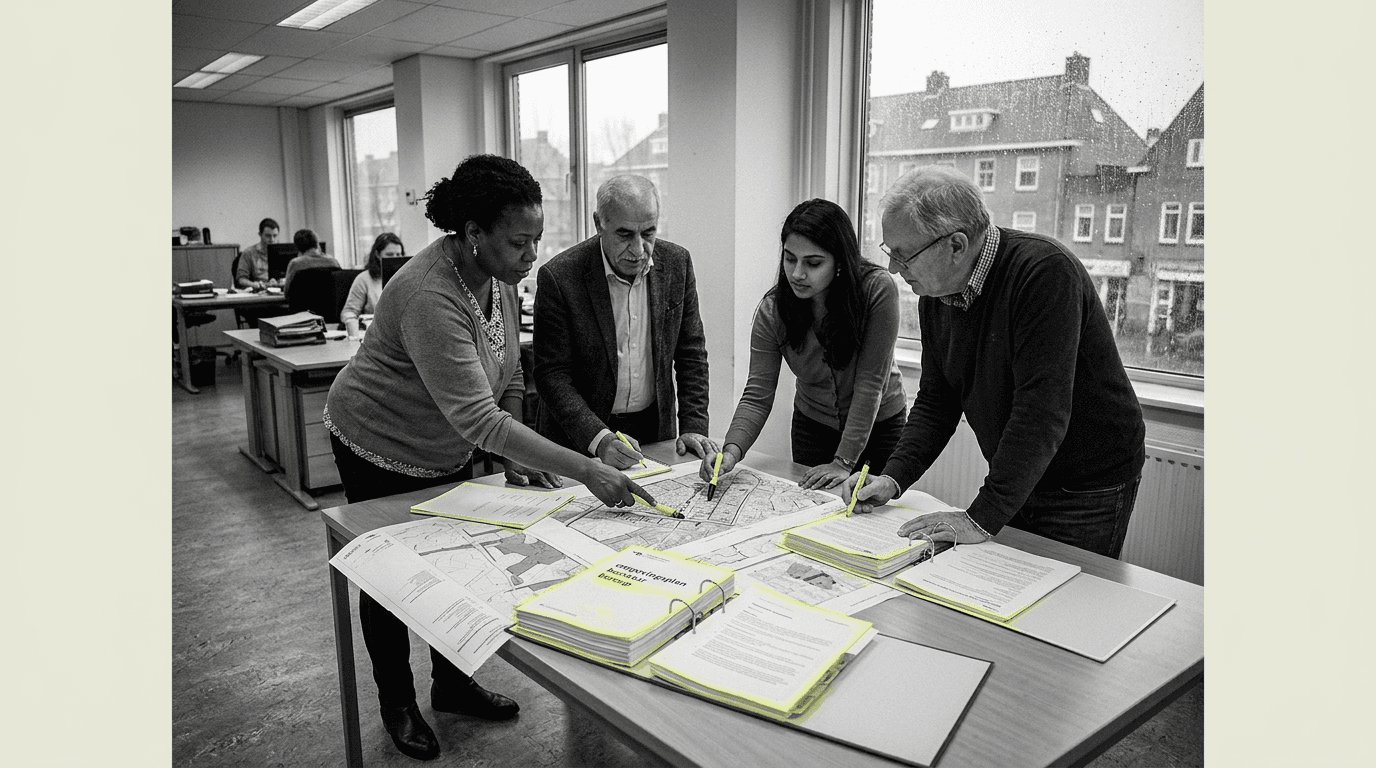
Early evidence of this pattern appears in the proliferation of template legal filings that circulate among opposition groups, enabling rapid challenges to zoning changes, environmental permits, and construction approvals. Research from planning departments in the Netherlands and Belgium indicates that objection letters increasingly cite identical legal precedents and technical arguments across unrelated projects, suggesting centralized coordination. In some cases, networks fund expert reports—on traffic impact, heritage preservation, or ecological disruption—that are strategically deployed to trigger mandatory review processes, effectively weaponizing procedural safeguards designed to ensure accountability. Media campaigns follow predictable patterns: framing developments as threats to community character, amplifying worst-case scenarios, and positioning opposition as grassroots even when organizationally sophisticated. These tactics are not inherently illegitimate; many draw on genuine environmental and planning concerns. However, their systematic application can create a blanket anti-change dynamic where procedural complexity becomes the goal rather than improved outcomes. The distinction between legitimate advocacy and strategic obstruction grows harder to discern as networks professionalize.
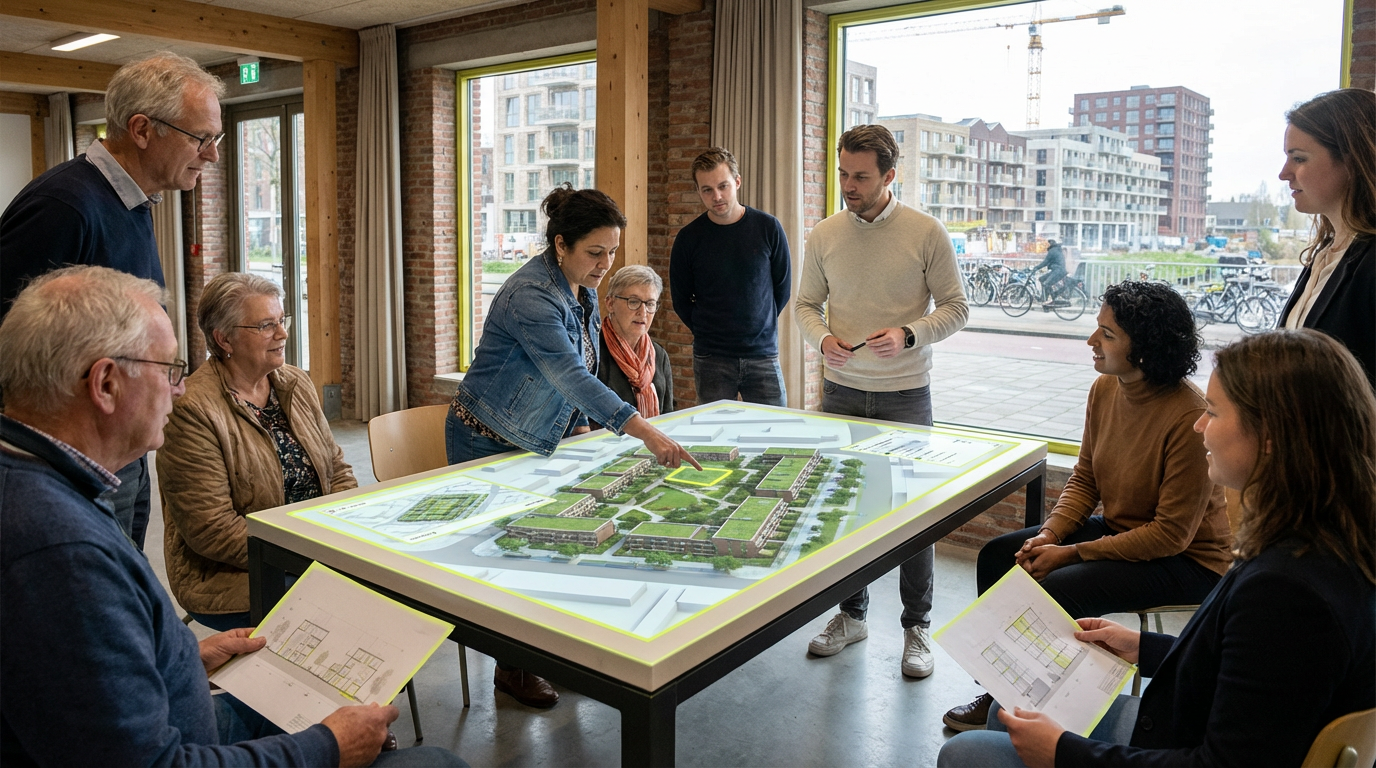
The implications for housing policy are significant. If opposition can be scaled and sustained indefinitely, even well-designed projects in high-demand areas may become economically unviable due to delay costs and legal fees. Municipalities face a dilemma: preserving citizen participation rights while preventing their abuse requires new governance frameworks that can distinguish good-faith engagement from procedural warfare. Potential responses include stricter standing requirements, time limits on objection periods, and transparency rules around opposition funding sources. Monitoring should focus on the diffusion patterns of legal tactics, the financial structures supporting sustained campaigns, and jurisdictions experimenting with procedural reforms that maintain accountability without enabling indefinite delay. The broader question is whether democratic planning systems can adapt quickly enough to prevent professionalized opposition from becoming a de facto veto on necessary development.