Adaptive Reuse of Buildings
Adaptive reuse of buildings addresses a fundamental tension in contemporary housing policy: how to expand housing supply in constrained urban markets without triggering community opposition or eroding the architectural character that makes neighborhoods desirable. Traditional new construction often faces resistance from existing residents concerned about density, aesthetics, or neighborhood transformation. By converting underutilized office towers, vacant industrial facilities, or heritage structures into residential units, adaptive reuse offers a pathway that preserves the physical fabric of cities while meeting urgent housing needs. This approach is particularly relevant across the Benelux region, where historic urban cores, aging commercial districts, and shifting economic patterns have left numerous buildings functionally obsolete yet structurally sound. The signal points to a strategic shift in how housing development navigates political feasibility and cultural preservation simultaneously.
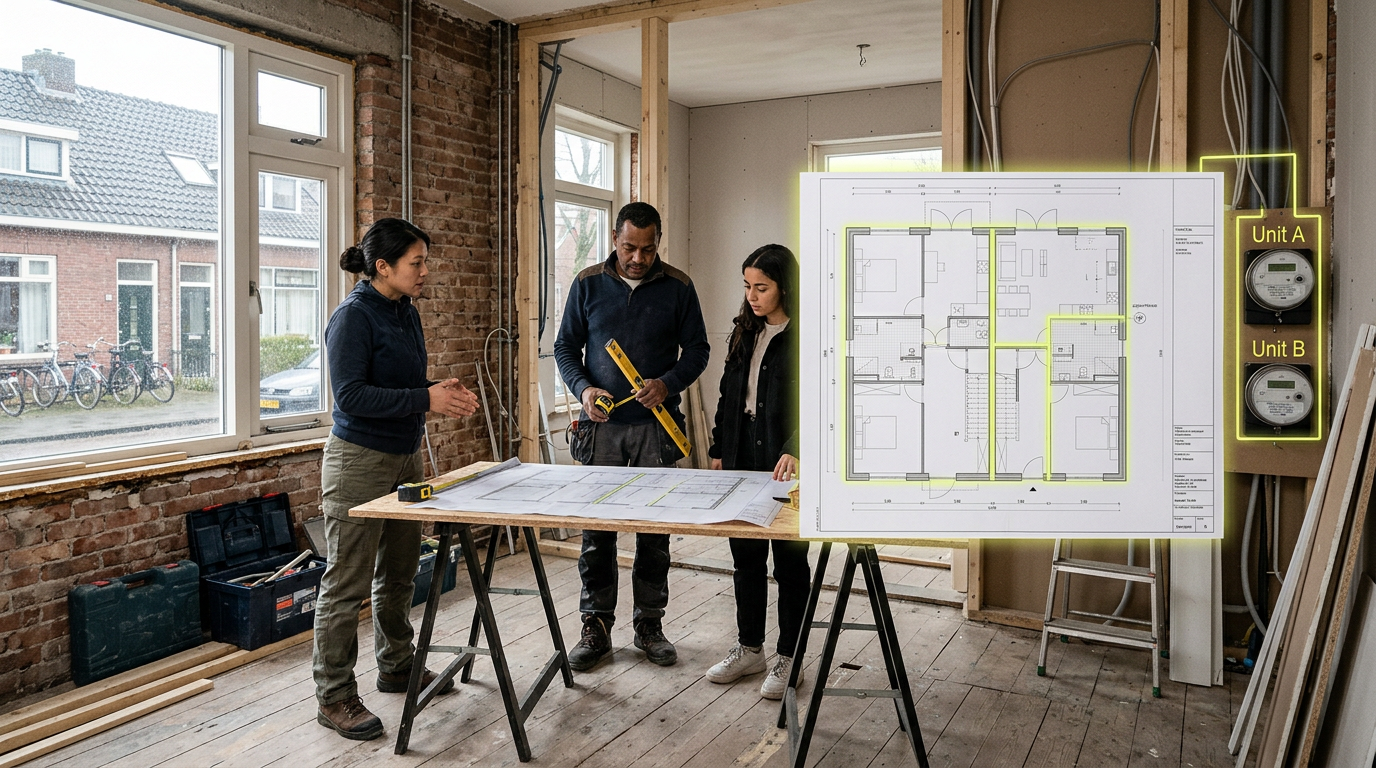
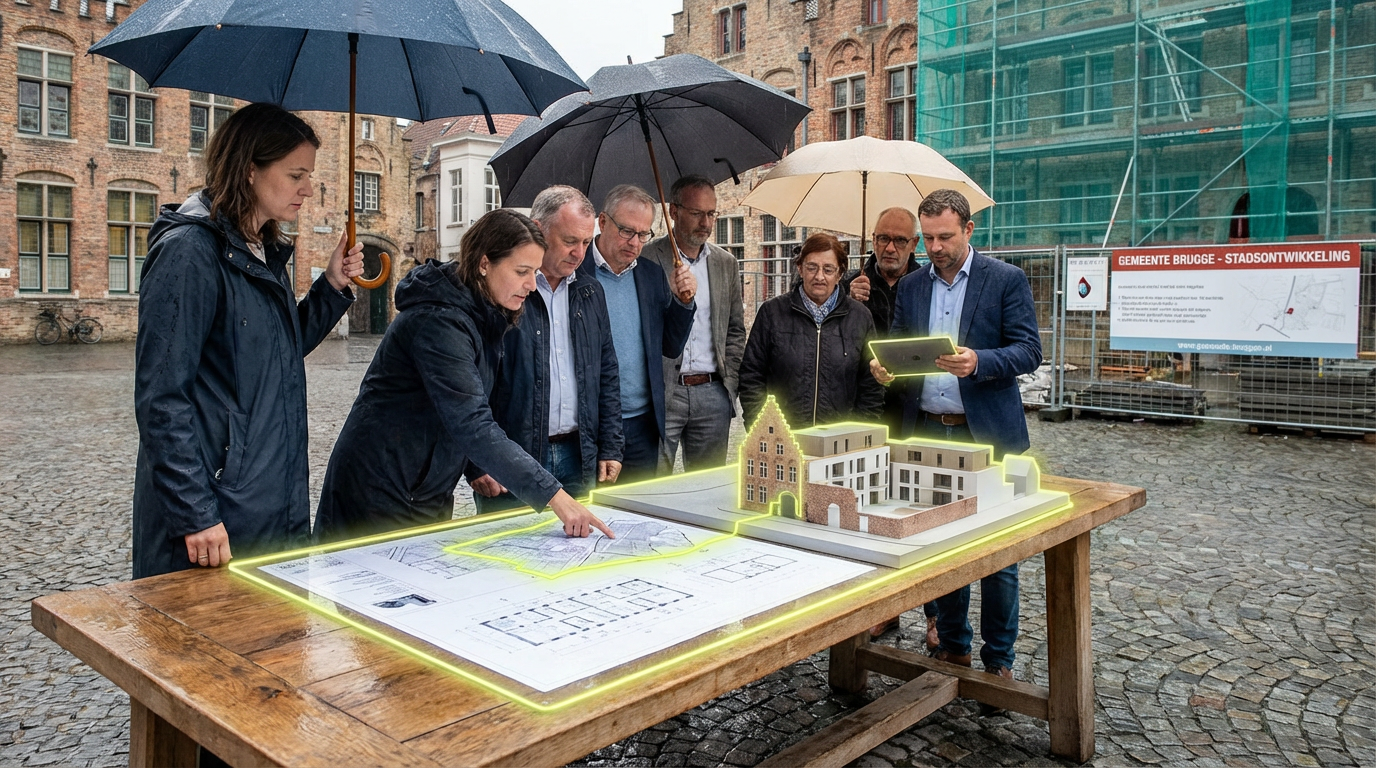
Early evidence of this pattern emerges from multiple directions across Netherlands, Belgium, and Luxembourg. Dutch cities have pioneered office-to-housing conversions as commercial real estate vacancy rates climbed, with municipalities streamlining permitting processes to accelerate transformations. Belgian industrial zones, particularly in former manufacturing centers, are seeing warehouse and factory buildings reimagined as loft-style housing that retains industrial character while introducing residential density. Luxembourg's heritage preservation requirements have driven innovative approaches to converting protected structures into modern housing while maintaining facades and historical elements. These conversions vary widely in scale and complexity—from straightforward residential fit-outs in structurally compatible buildings to ambitious projects requiring significant structural intervention, new circulation systems, and updated building services. Market dynamics also play a role, as developers increasingly recognize that adaptive reuse can offer faster approval timelines and lower community resistance compared to ground-up construction, though technical challenges and conversion costs remain significant variables affecting project viability.
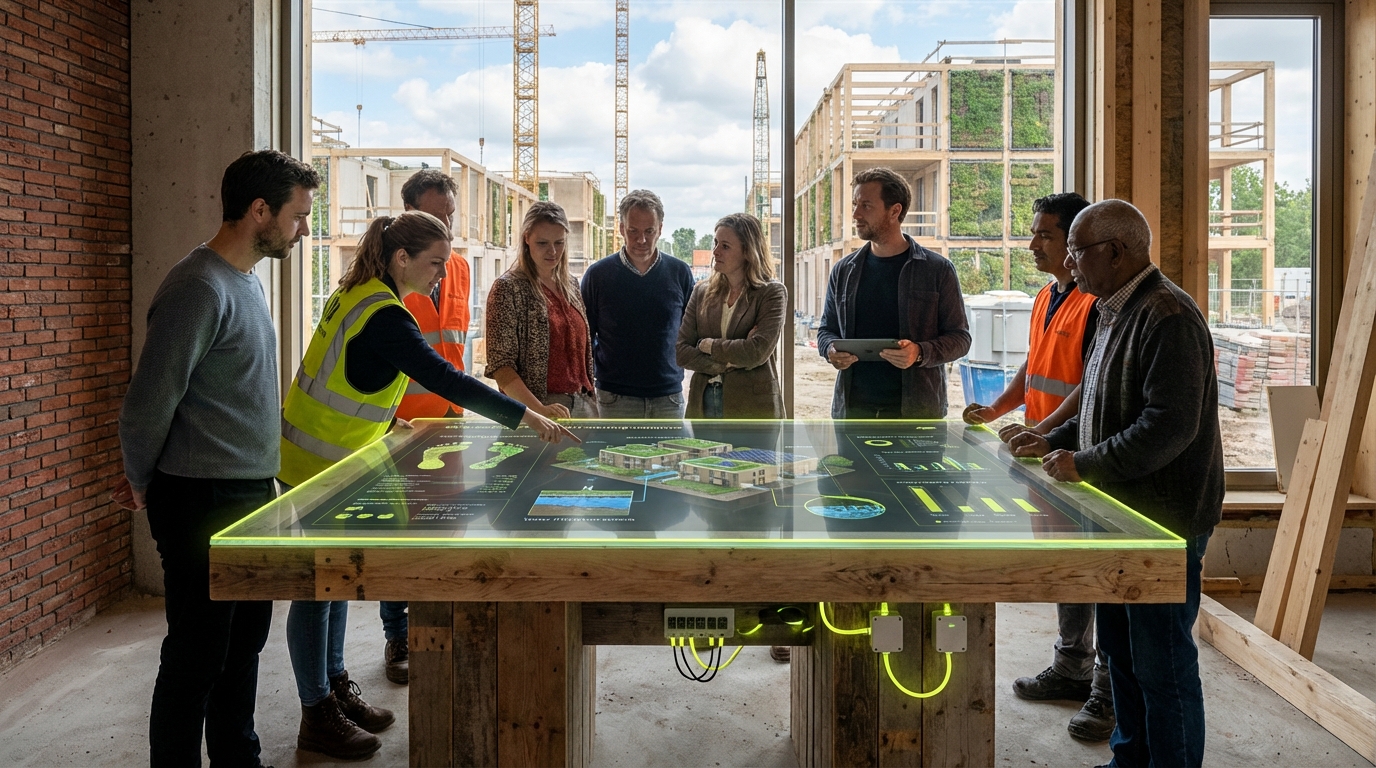
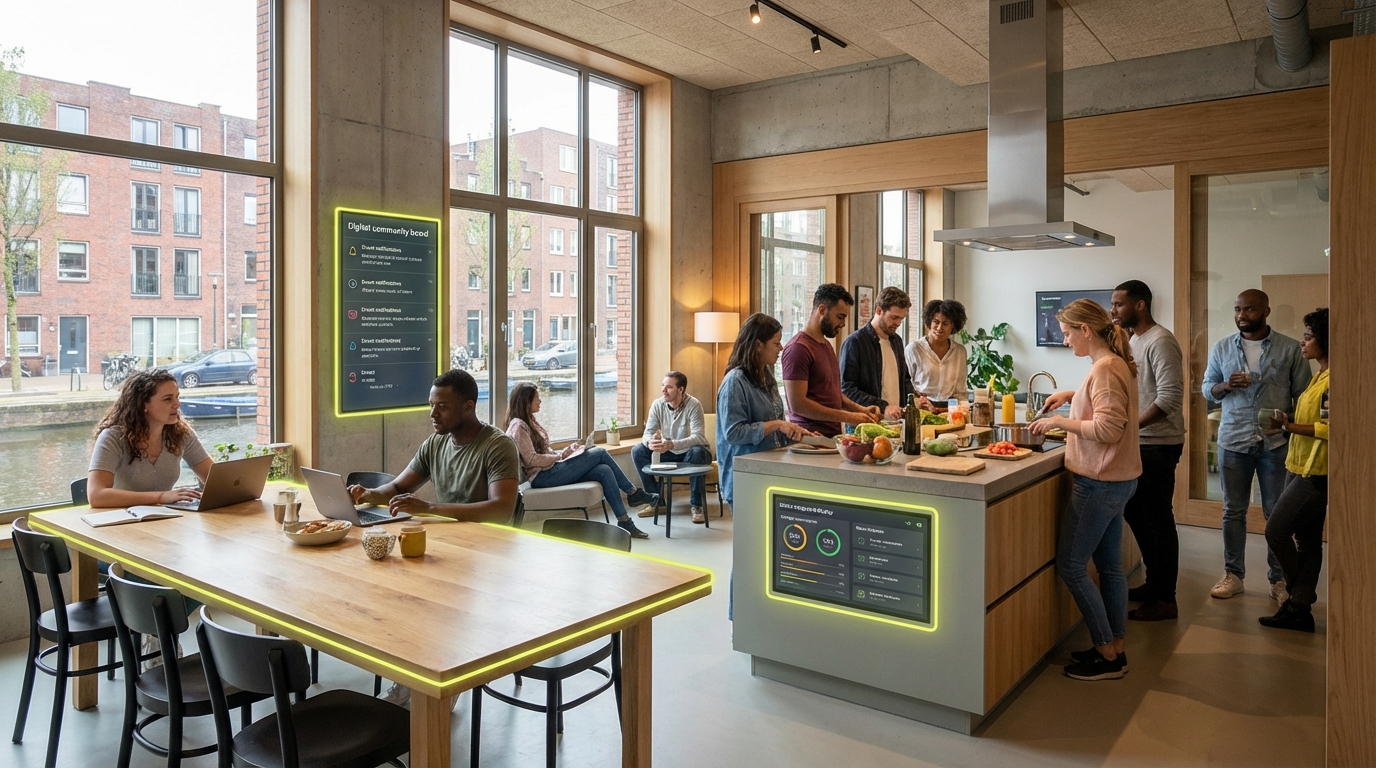
The implications extend beyond individual projects to broader housing strategy and urban governance. If adaptive reuse gains momentum, it could reshape how cities approach housing targets, potentially prioritizing building inventories and conversion potential alongside traditional development sites. Municipalities may need to develop specialized regulatory frameworks that balance housing standards with the constraints of existing structures, particularly regarding natural light, ceiling heights, and accessibility requirements. Social outcomes depend heavily on execution quality—successful conversions can create distinctive housing options and preserve neighborhood identity, while poorly executed projects risk producing substandard units or displacing existing commercial activities without adequate replacement. Monitoring should focus on conversion approval rates, the proportion of housing targets met through adaptive reuse versus new construction, and emerging best practices for technical feasibility assessments. Regulatory evolution around building code flexibility for conversions will signal whether this approach can scale beyond opportunistic projects into a systematic housing delivery mechanism.
Related Organizations
A non-profit organization dedicated to the restoration and repurposing of industrial, religious, and agricultural heritage into new functions, including housing.

An architecture firm internationally recognized for adaptive reuse, such as the Fenix I project in Rotterdam (warehouse to lofts).

The Cultural Heritage Agency of the Netherlands, which advises on and funds the transformation of monuments, balancing preservation with new housing needs.

A flexible housing concept that allows residents to customize their interiors, often applied in the transformation of industrial shells.

One of the world's leading architecture schools, with a strong research focus on heritage, restoration, and circular building adaptation.

An Amsterdam-based developer known for complex inner-city projects and transformations of existing buildings.

A developer specializing in inner-city transformations and redevelopment of existing real estate into residential and mixed-use projects.
A high-profile Dutch developer that engages in complex inner-city redevelopments, including the transformation of existing sites.

An investment fund manager that has launched specific funds targeting the transformation of office buildings into residential units.