Industrialized Construction at Scale (Procurement + Standardization)
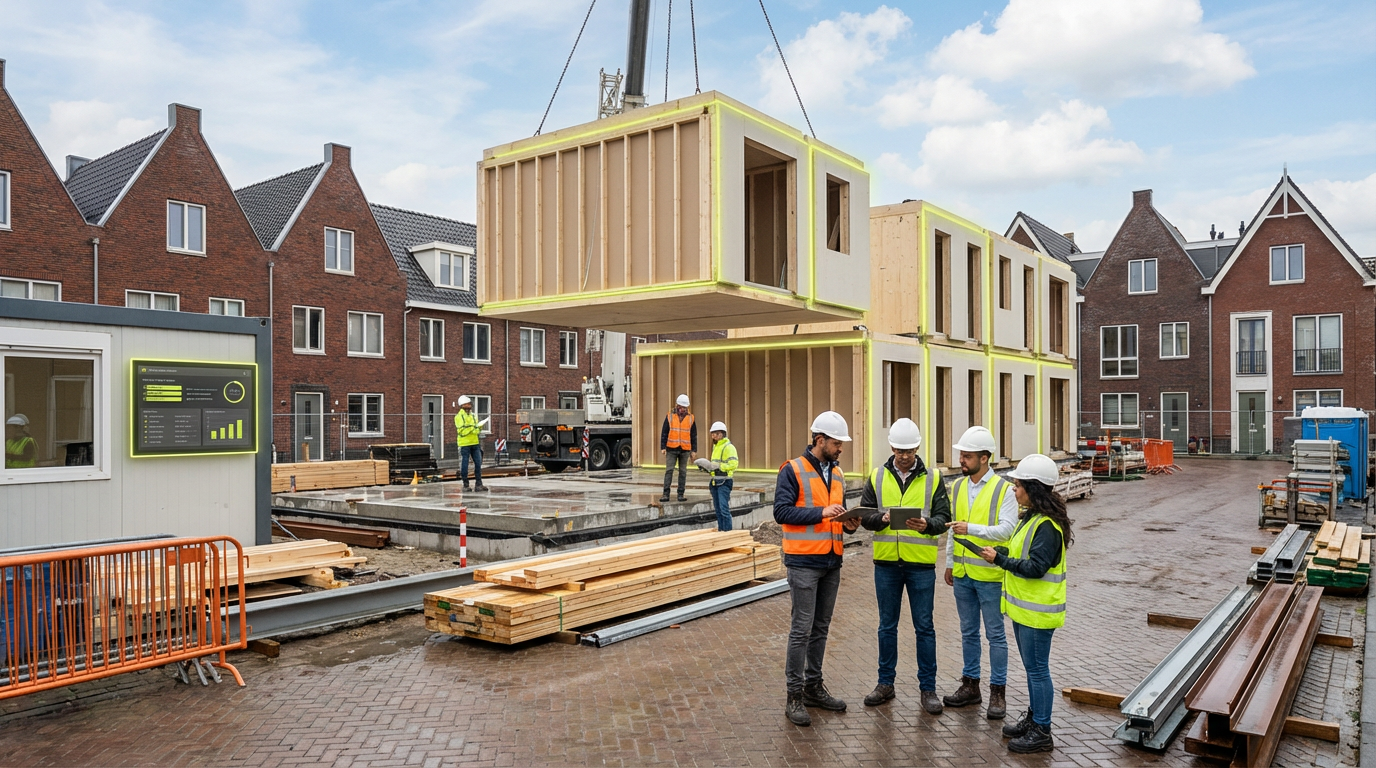
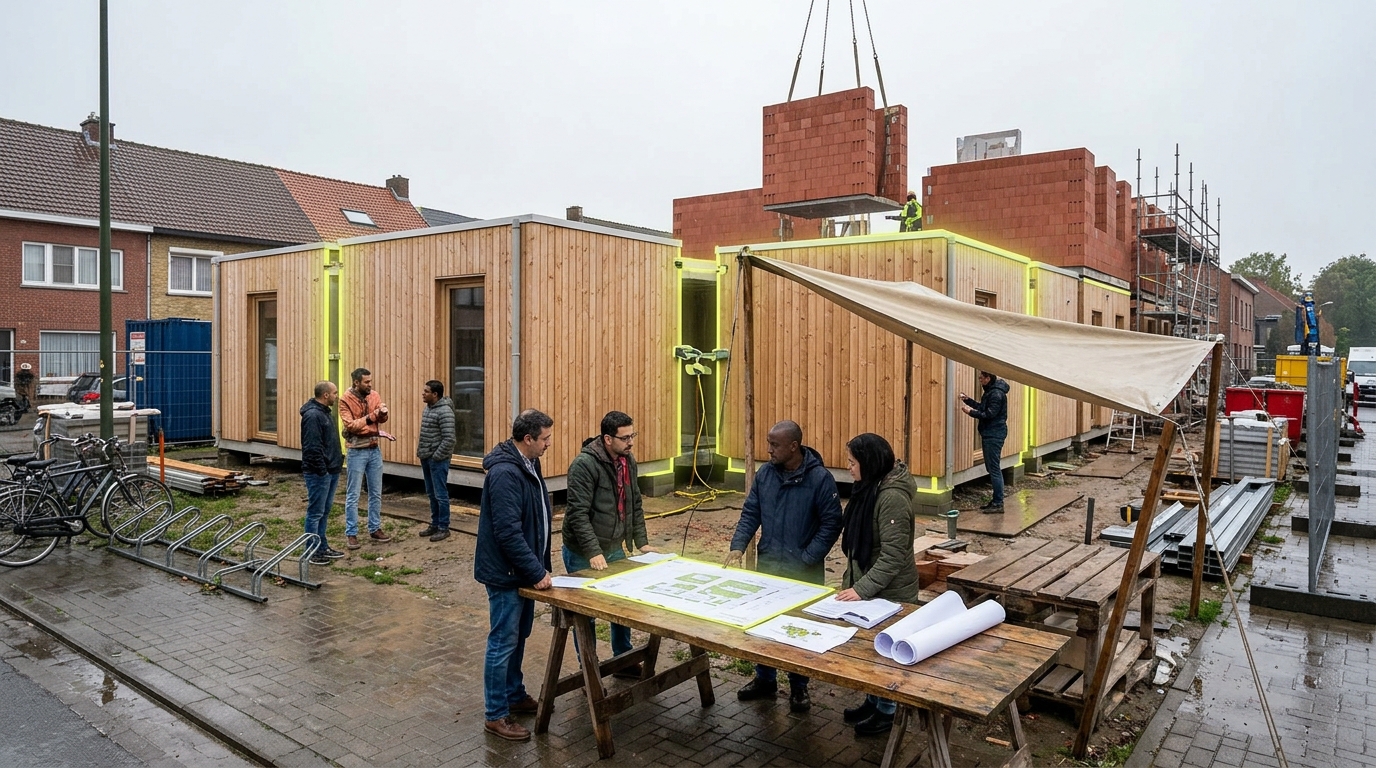
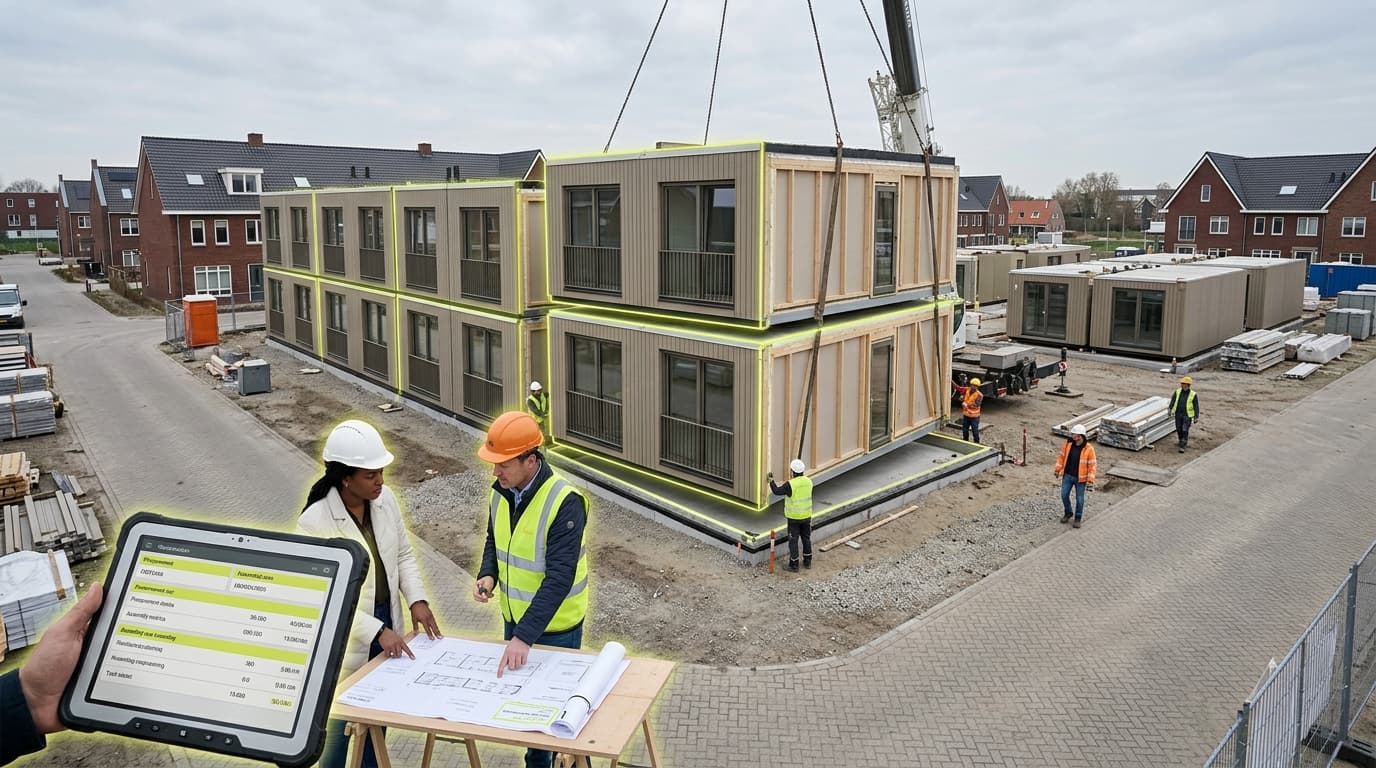
Industrialized construction has long promised faster, cheaper housing delivery, yet its potential has remained largely unrealized in fragmented markets where each project is treated as a unique endeavor. The fundamental challenge this signal addresses is the gap between modular construction's technical feasibility and its economic viability at scale. Without standardization of designs, repeatable regulatory approvals, and aggregated procurement volumes, factory-based production cannot achieve the economies of scale that make industrialization competitive with traditional methods. This shift from "modular exists" to "modular delivers" represents a systemic transition in how housing is commissioned, approved, and built—moving from bespoke projects to platform-based production systems that can meaningfully address housing shortages, construction labor constraints, and cost volatility across the Benelux region.
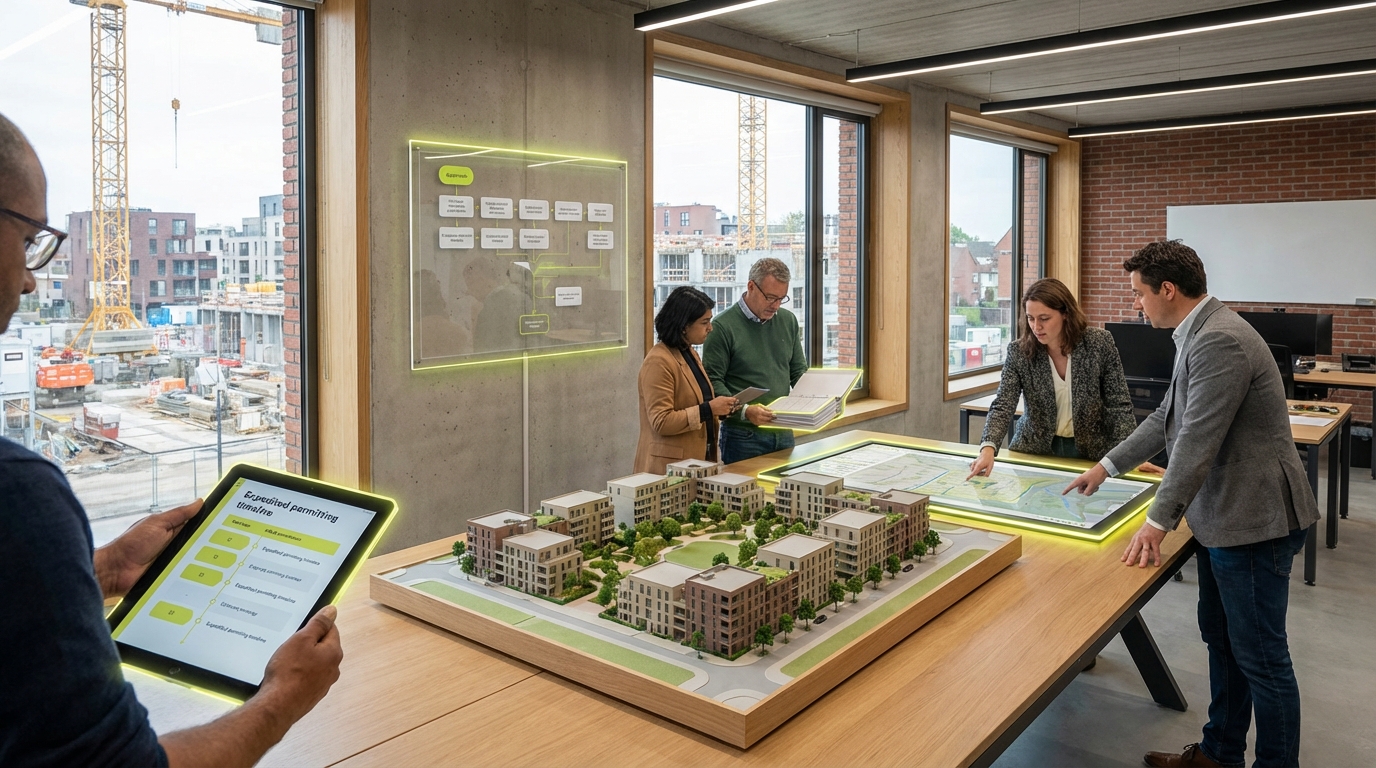
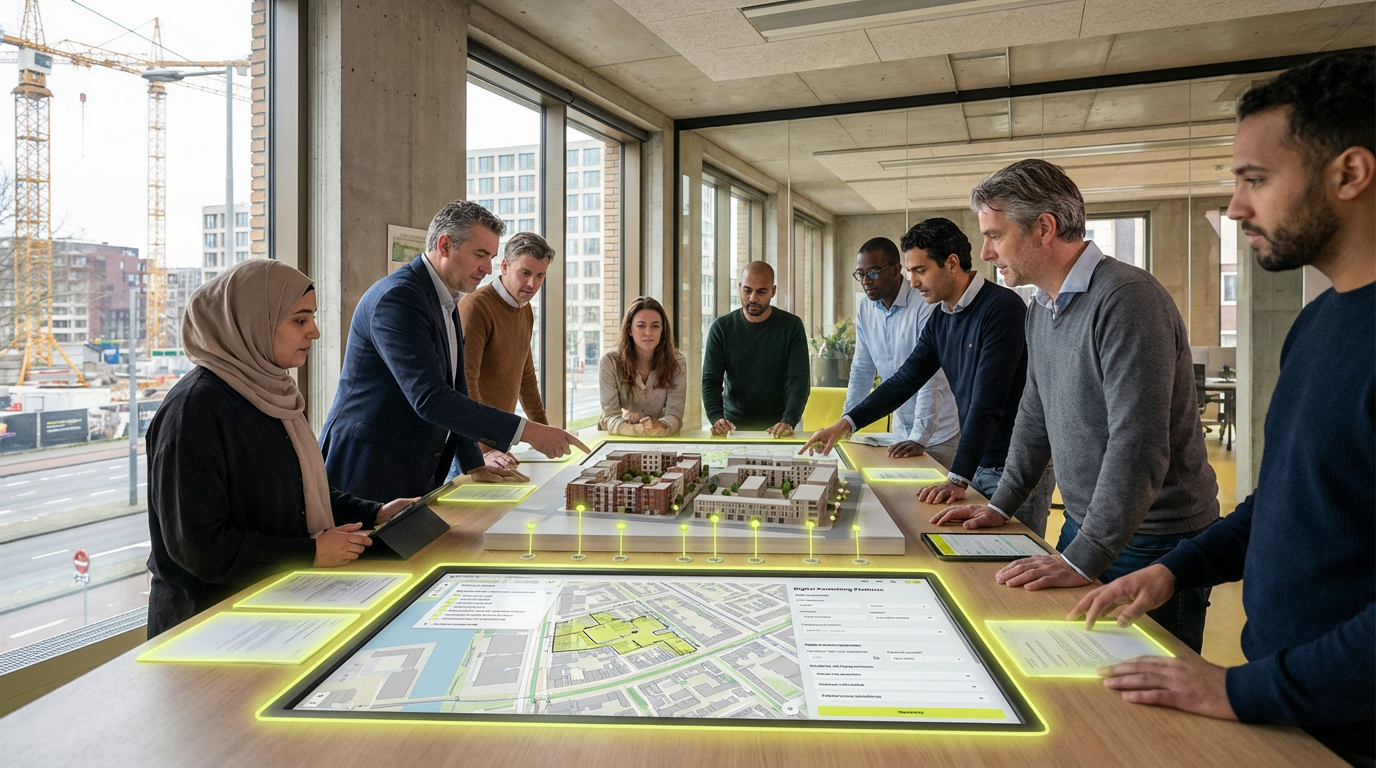
The operational mechanics of this transition depend on coordinated action across multiple actors. Housing associations and municipalities are beginning to aggregate demand through framework contracts that commit to purchasing standardized housing typologies over multi-year periods, providing the volume certainty that justifies factory investment and supply chain optimization. Regulatory bodies in several jurisdictions are piloting type-approval systems where standardized designs receive blanket permits, eliminating repetitive approval processes for each site. Early evidence appears in the Netherlands, where some housing corporations have formed procurement consortia to commission standardized apartment modules, and in Belgium, where regional governments are exploring pre-certified building systems for social housing. These initiatives suggest a pattern shift from project-by-project procurement toward platform-based commissioning, though adoption remains uneven and concentrated among larger institutional buyers. The viability of this model still depends on achieving sufficient scale within specific typologies—a threshold that many markets have not yet reached.
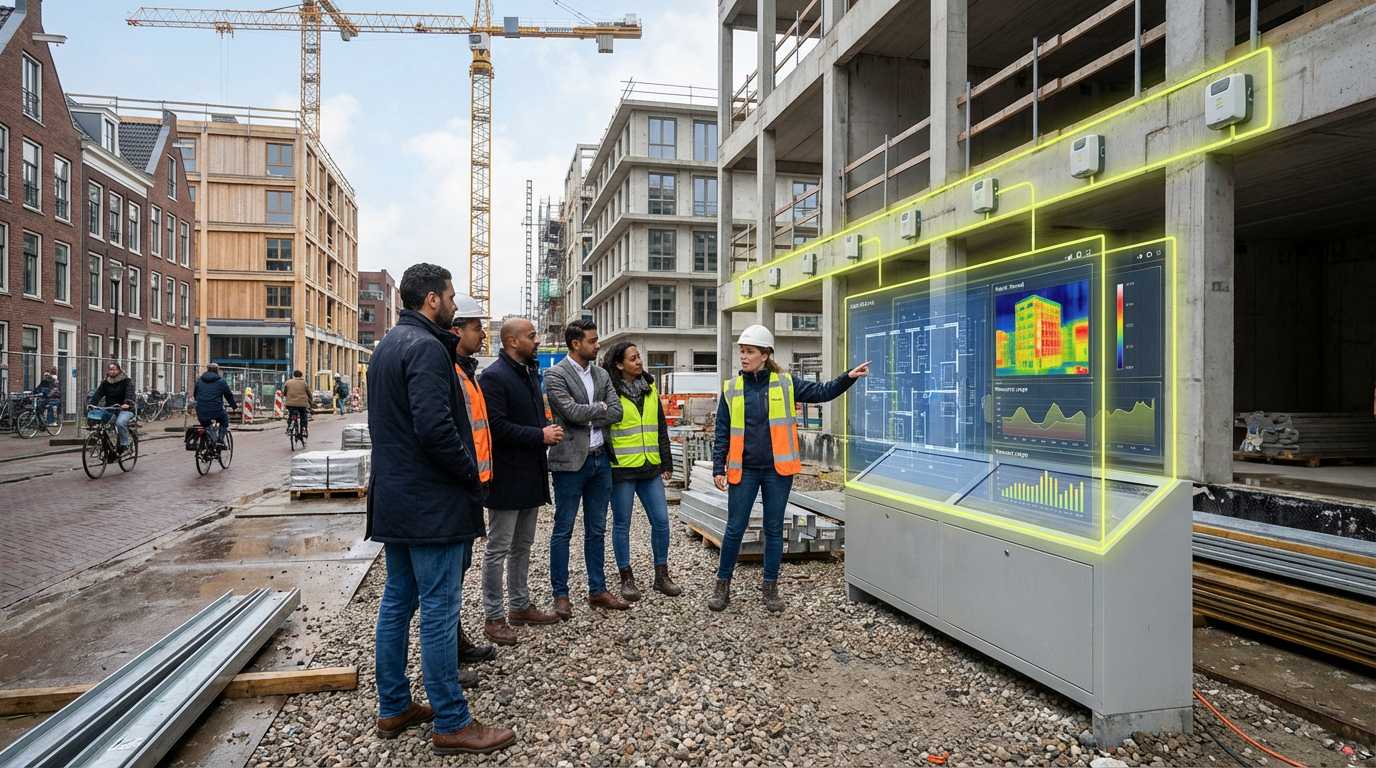
The implications for housing delivery are substantial if coordination challenges can be overcome. Reduced labor intensity and controlled factory conditions could mitigate skilled labor shortages while improving build quality and predictability—critical factors as construction costs and timelines have become increasingly volatile. However, the signal also raises important tensions: standardization risks producing visually monotonous developments that reduce social acceptance and place-based design quality, potentially undermining political support for density. Successful implementation will likely require balancing production efficiency with architectural variation systems, community engagement in typology selection, and careful integration with existing urban fabric. Monitoring should focus on the formation of multi-buyer procurement frameworks, the adoption rate of type-approval regulatory pathways, factory capacity investments by construction firms, and public reception of early standardized developments. The critical threshold to watch is whether aggregated demand can sustain multiple competing industrialized platforms—creating a market rather than isolated experiments.
Related Organizations

Aedes
Netherlands · Consortium
The umbrella association of Dutch housing corporations, facilitating knowledge exchange on sales models.

A major construction firm that launched 'Fijn Wonen', a fully automated factory for producing modular homes.

A major Japanese housing construction company known for its industrialized and prefabricated housing methods.

A specialist in flexible and modular housing solutions, now part of Daiwa House.
A knowledge network promoting conceptual and industrialized building methods.
A major Dutch manufacturer of flexible and modular building systems for housing and healthcare.

A family-owned construction and infrastructure company.

A joint venture between Skanska and IKEA providing sustainable, quality homes at a low price using industrialized modular construction.

A technology-driven modular housing manufacturer in the UK, focusing on design-led, sustainable homes.