Splitsen van Woningen (Apartment Splitting)
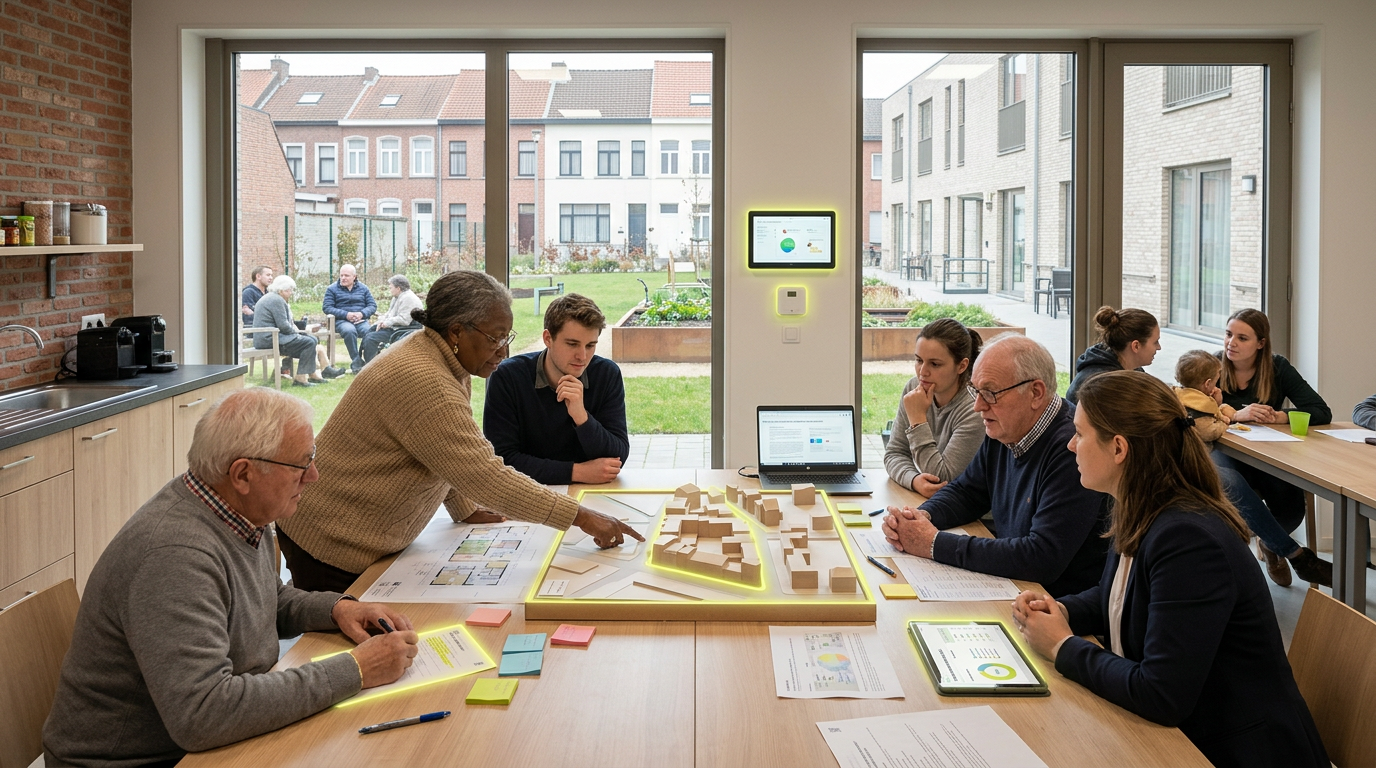
The practice of splitting single-family homes into multiple self-contained units addresses a fundamental mismatch in housing markets across the Benelux region: aging housing stock designed for large nuclear families now occupied by smaller households or standing underutilized, while demand for smaller, affordable units continues to outpace supply. This conversion strategy—known as "splitsen" in Dutch—offers a pathway to increase housing density within existing urban fabric without the time, cost, and land requirements of new construction. The signal matters because it sits at the intersection of multiple housing pressures: the need for rapid supply expansion, the political difficulty of greenfield development, the inefficient use of existing residential space, and the growing demand for smaller units from singles, students, and aging populations. Unlike large-scale redevelopment, splitting can theoretically be implemented quickly and incrementally, making it an attractive policy lever for municipalities facing acute housing shortages.
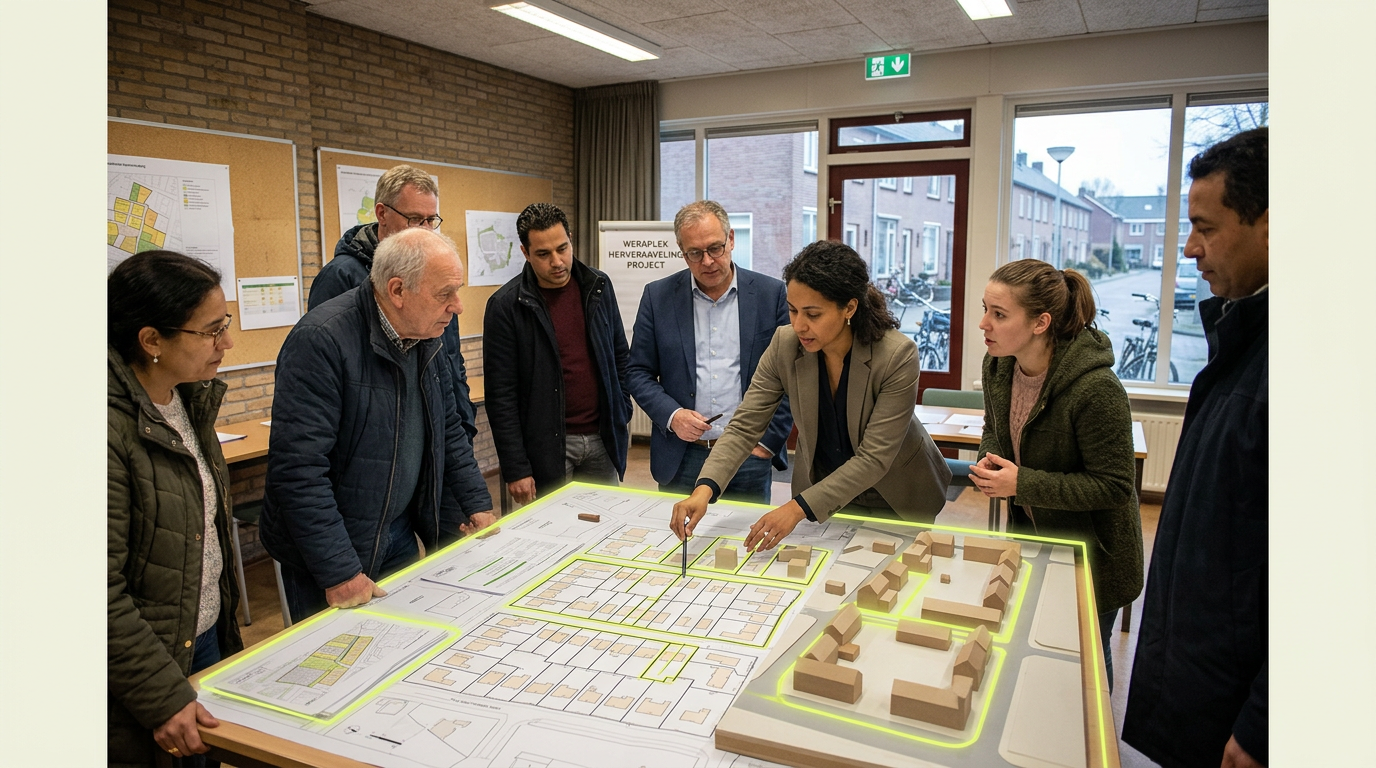
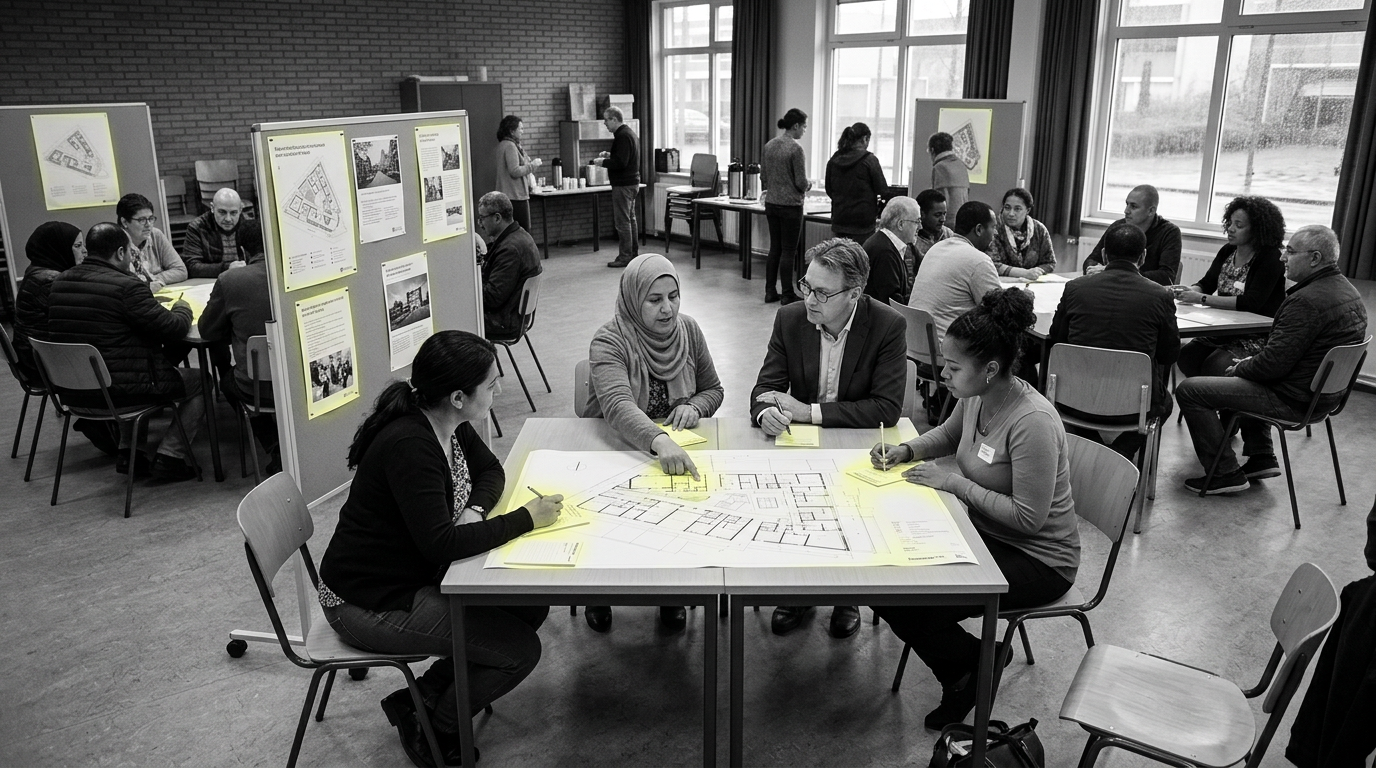
In practice, the trajectory of splitting regulations reveals deep tensions in housing governance. Historically, many Dutch and Belgian municipalities restricted or outright banned conversions, citing concerns about parking strain, neighborhood character degradation, and the risk of creating substandard housing through poorly executed subdivisions. However, recent years have seen a notable policy reversal in several jurisdictions, with cities like Amsterdam, Rotterdam, and Utrecht relaxing restrictions or establishing clearer approval pathways in response to housing crisis pressures. Early evidence suggests mixed outcomes: some conversions successfully create quality smaller units in well-located neighborhoods, while others produce cramped, poorly ventilated apartments that fail minimum habitability standards. Neighborhood opposition remains significant, with residents frequently invoking parking scarcity, noise concerns, and fears of transient populations to block proposals. The pattern indicates that splitting is moving from a largely prohibited practice toward conditional acceptance, though implementation remains highly localized and contentious.
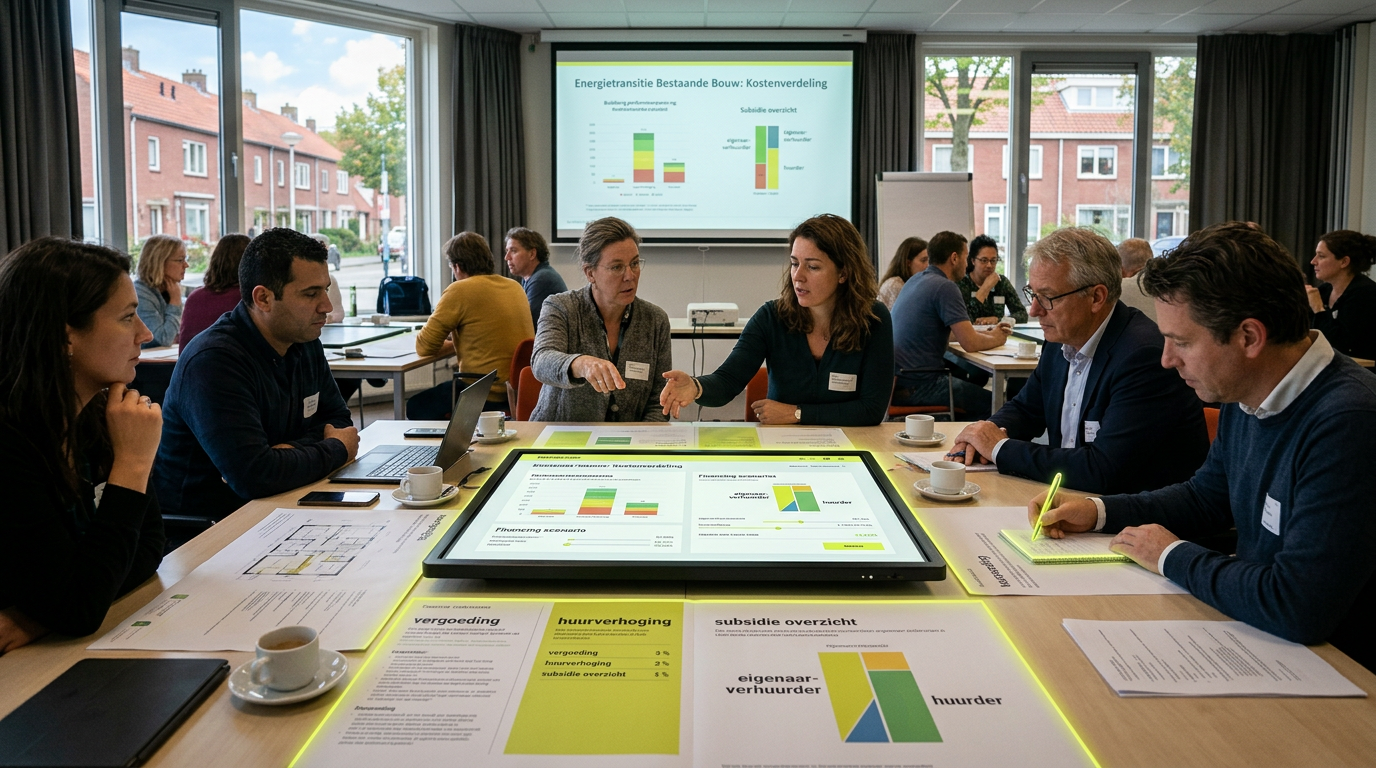
The implications extend beyond individual conversions to broader questions of municipal autonomy, housing quality standards, and the limits of gentle densification. For policymakers, the challenge lies in designing regulations that enable supply expansion while preventing exploitation and maintaining livability—monitoring conversion quality, enforcement capacity, and actual affordability outcomes will be critical. For housing systems, widespread splitting could modestly increase unit counts in established neighborhoods, but its impact depends heavily on how many homeowners find conversion financially worthwhile and how effectively municipalities can streamline approvals while maintaining standards. The signal also raises equity questions: whether splitting primarily benefits property owners through rental income or genuinely expands access to affordable housing. Key indicators to watch include the volume of approved conversions, quality compliance rates, neighborhood-level demographic shifts, and whether relaxed regulations translate into meaningful supply increases or simply legalize existing informal subdivisions.