Modular & Prefabricated Construction
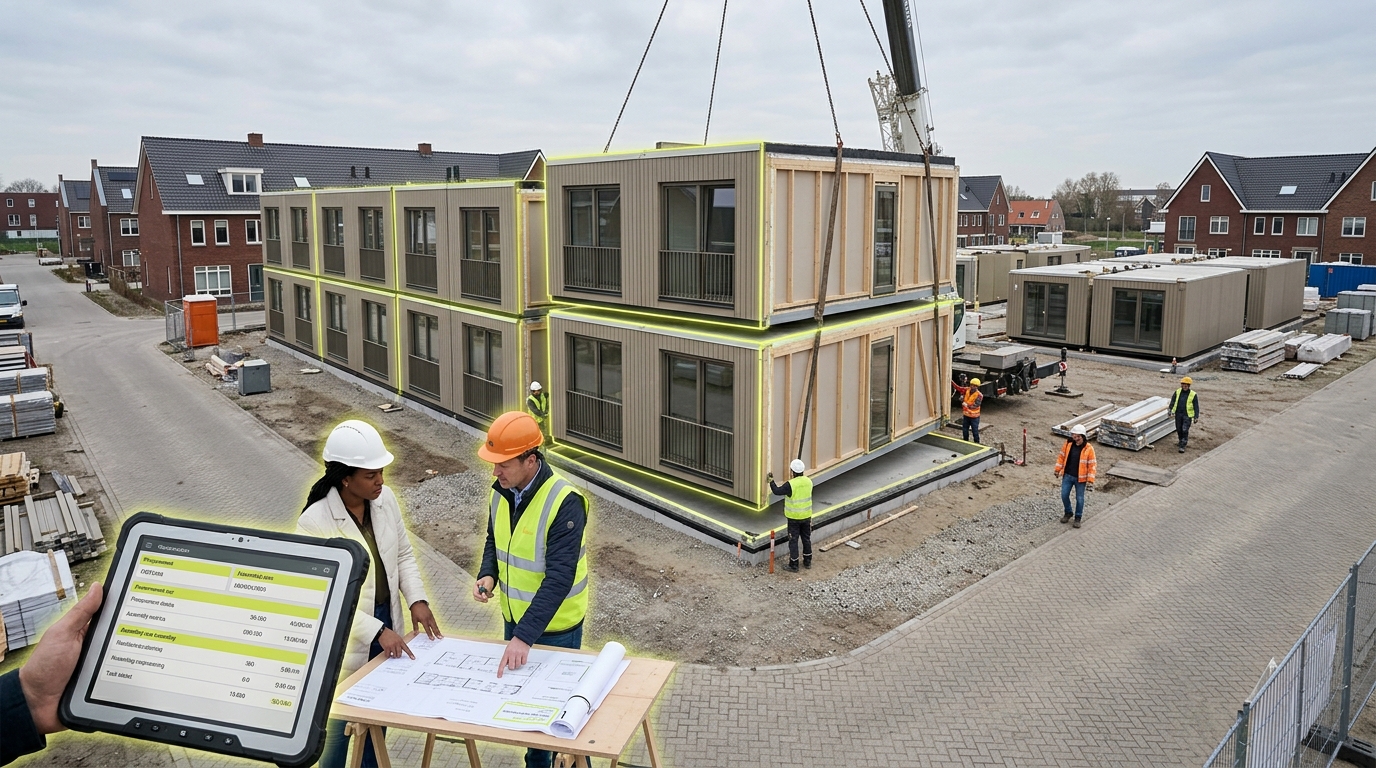
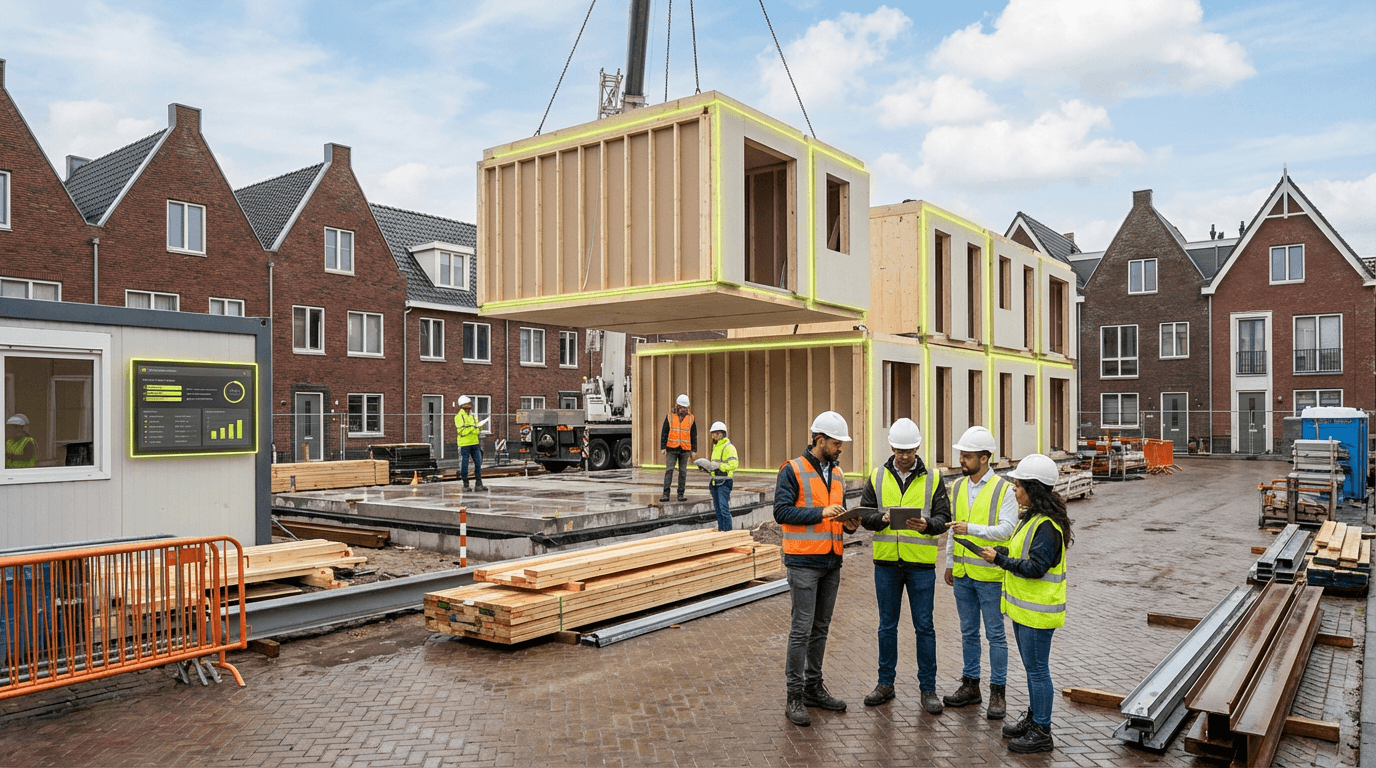
Modular and prefabricated construction represents a fundamental shift in how housing is delivered, moving significant portions of the building process from traditional on-site methods into controlled factory environments. This approach addresses several persistent challenges in housing development: chronic construction delays, skilled labor shortages, cost overruns, and the extended disruption that conventional building methods impose on neighborhoods. By manufacturing building components—ranging from wall panels and floor systems to fully finished room modules complete with electrical and plumbing systems—in factory settings before transporting them for rapid on-site assembly, this method promises to compress construction timelines from months to weeks while maintaining or improving build quality. The signal matters because it points toward a potential restructuring of the construction industry itself, challenging century-old practices and offering a pathway to scale housing production in regions facing acute supply constraints.
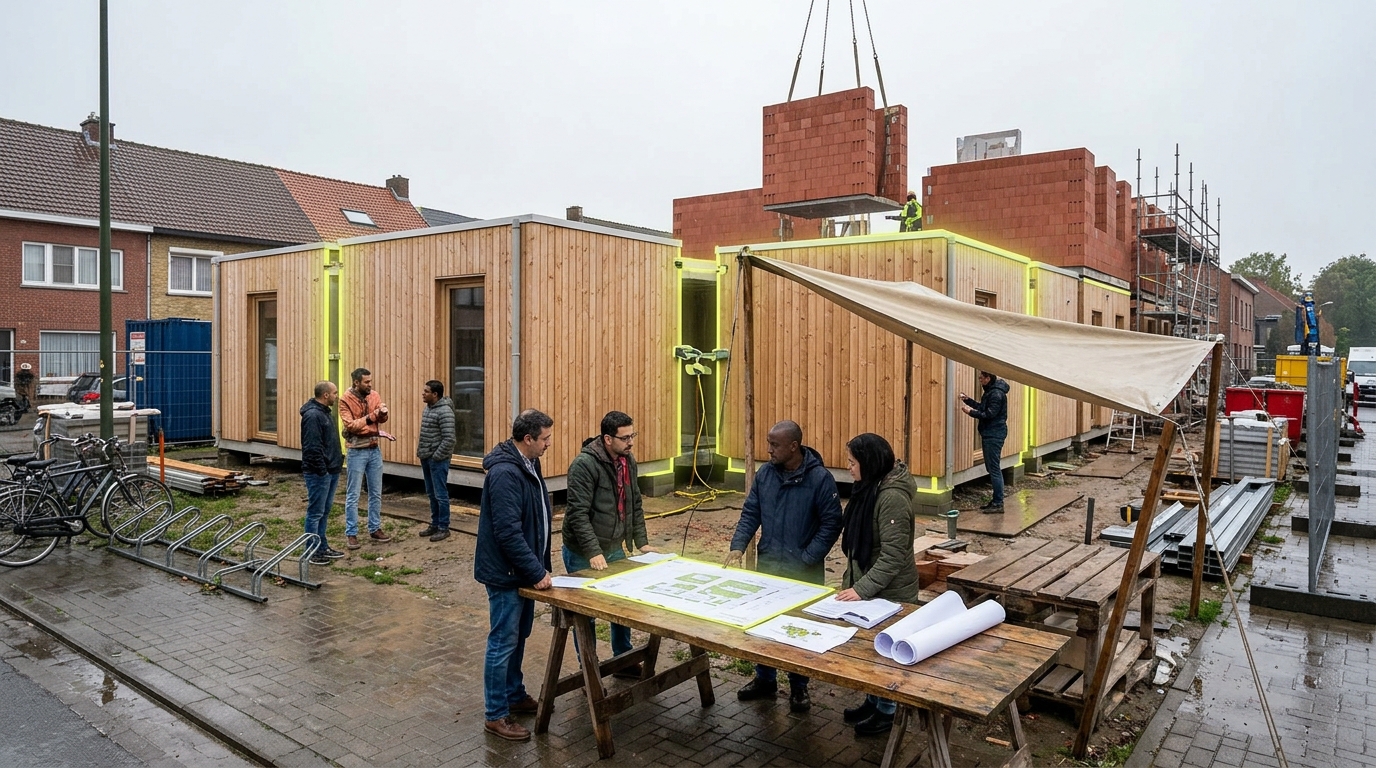
Across the Benelux region, early adoption patterns reveal both the promise and friction points of this transition. Dutch manufacturers have established modular housing factories capable of producing standardized units for student housing, social housing projects, and temporary accommodations, with some municipalities actively incorporating prefabricated solutions into their housing strategies to meet delivery targets. Belgian developers are experimenting with hybrid approaches that combine prefabricated structural systems with traditional finishing methods, seeking to balance efficiency gains with architectural customization. Luxembourg's compact geography and high construction costs have made it a testing ground for cross-border supply chains, where modules manufactured in neighboring countries are assembled locally. Industry data suggests that well-executed modular projects can reduce construction time by 30-50% compared to conventional methods, though these gains depend heavily on design standardization, factory capacity utilization, and seamless coordination between manufacturing schedules and site readiness. The technology is moving beyond purely utilitarian applications—early projects focused on temporary or budget housing—toward mid-market and even higher-end residential developments, indicating growing confidence in quality and design flexibility.
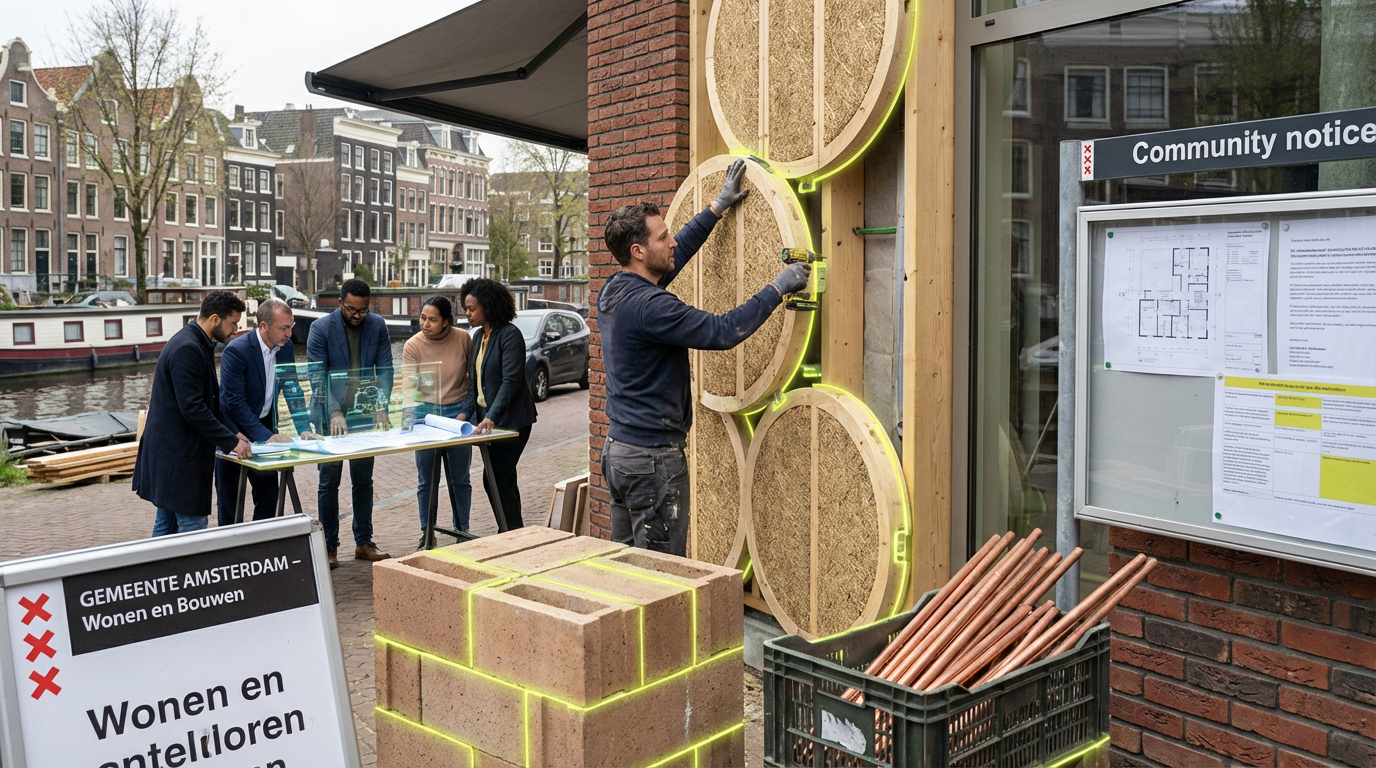
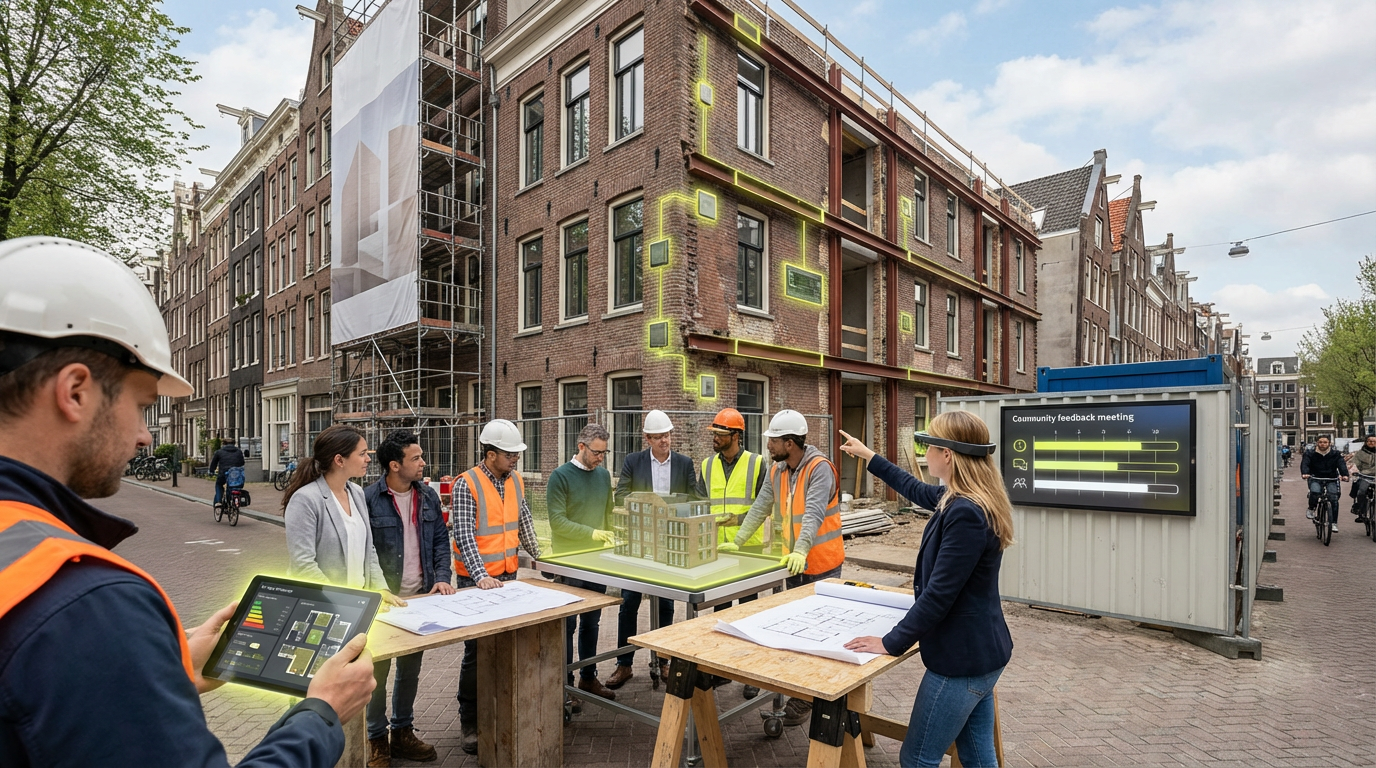
The implications for housing systems extend beyond construction speed alone. If modular methods achieve broader market acceptance, they could reshape workforce requirements, shifting demand from on-site trades toward factory-based manufacturing skills and precision assembly teams. This transition may help address labor shortages but requires significant retraining infrastructure and could face resistance from traditional construction unions. For municipalities, reduced on-site disruption makes infill development and urban densification more politically feasible, potentially unlocking sites previously deemed too disruptive to develop. However, several barriers remain: financing institutions often lack frameworks for evaluating factory-based construction risks; building codes in some jurisdictions haven't fully adapted to modular methods; and public perception still associates prefabrication with post-war quality compromises. Key indicators to monitor include the percentage of new housing starts using modular methods, the emergence of regional factory networks capable of serving multiple markets, policy changes that streamline approval processes for prefabricated buildings, and whether major developers integrate modular capacity into their standard delivery models rather than treating it as a niche solution.
Related Organizations

One of the largest modular builders in Europe (formerly Jan Snel), specializing in industrialized housing production.

A major construction firm that launched 'Fijn Wonen', a fully automated factory for producing modular homes.

A Dutch builder specializing in timber-frame modular housing for social housing corporations and developers.

A major Dutch manufacturer of flexible and modular building systems for housing and healthcare.

Develops modular, stackable wooden buildings that can serve as temporary or permanent housing.

A construction company with a 'Smart Housing Factory' that robotically produces prefab home components.

A Belgian company specializing in industrialized, modular timber-frame housing.

A pioneer in 3D modular construction, often partnering with Schouten Techniek for integrated energy modules.

Heijmans
Netherlands · Company
A major Dutch construction firm known for the 'Heijmans ONE', a movable prefab home for temporary placement.

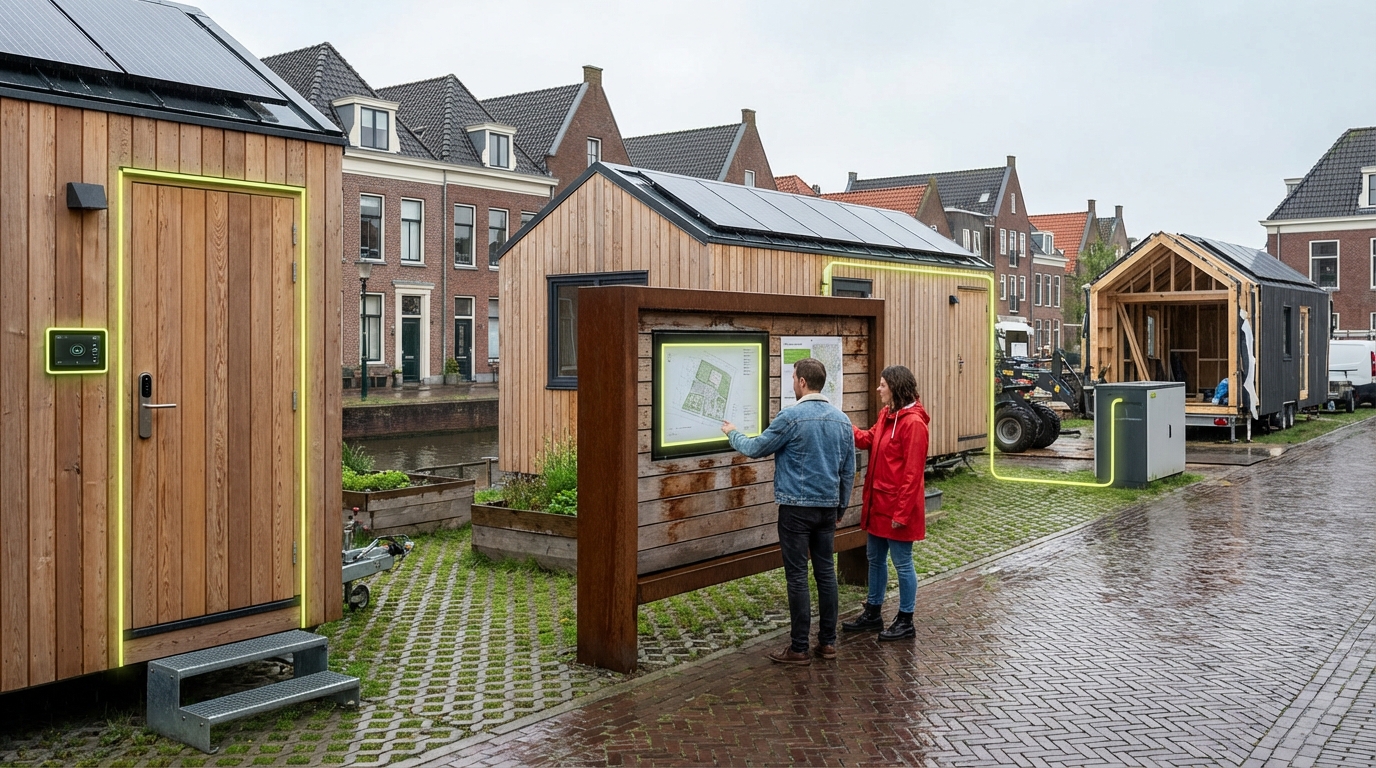
Manufacturer of compact, factory-built wooden houses designed for rapid placement on small urban plots.