Koopgarant / Koopstart (Shared Ownership)
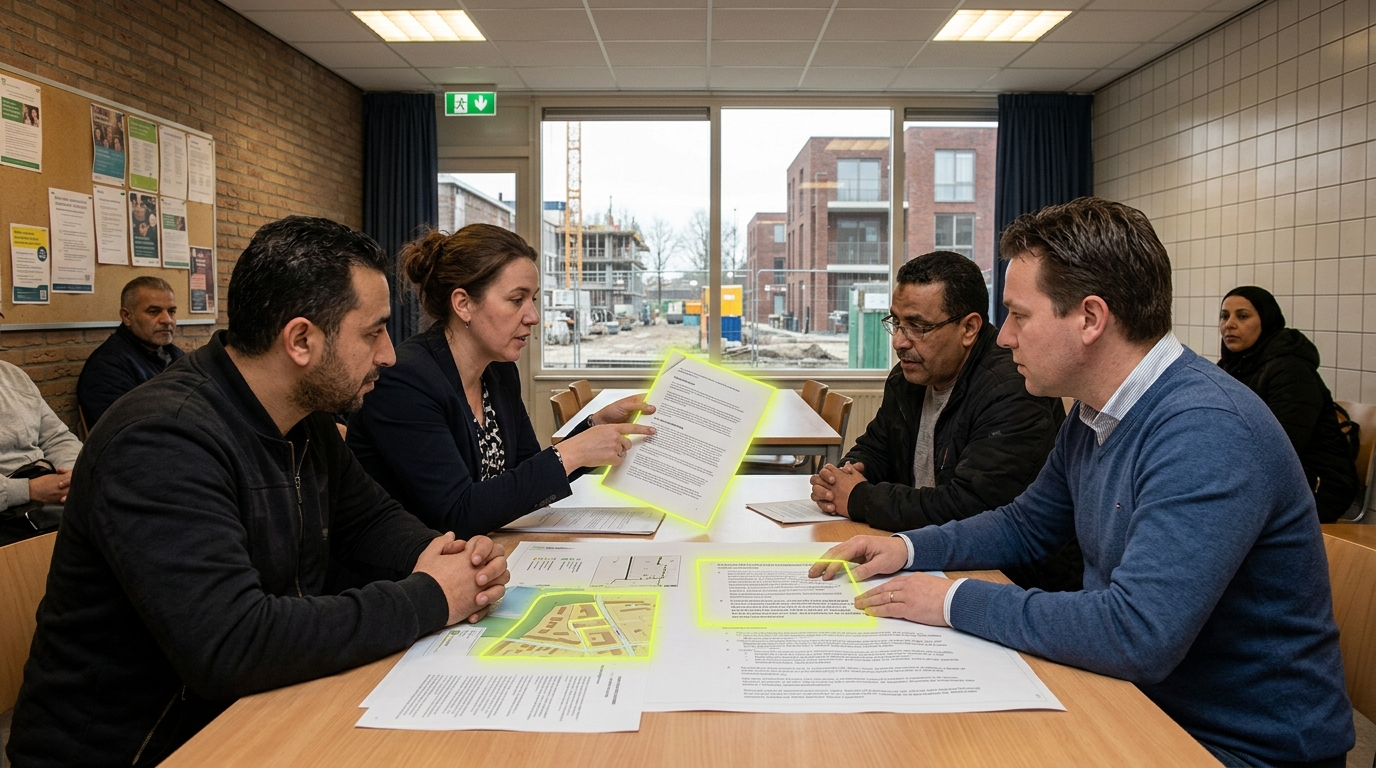
Koopgarant and Koopstart represent a class of shared-ownership instruments designed to address a fundamental tension in Northwest European housing markets: the widening gap between social rental housing and full homeownership that leaves middle-income households unable to access either affordable rental units or market-rate purchase options. These Dutch schemes allow eligible buyers to purchase a majority stake in a dwelling—typically 70 to 80 percent of its market value—while a housing association or municipal entity retains the remaining equity share. Upon eventual resale, capital gains and losses are distributed proportionally between the homeowner and the institutional partner, creating a hybrid tenure arrangement that blends elements of ownership and social housing provision. This model matters because it offers a structured pathway into asset-building for households whose incomes exceed social housing thresholds but fall short of what is required for conventional mortgages in overheated urban markets, particularly in the Randstad region where price-to-income ratios have reached levels that exclude large segments of the workforce from ownership entirely.
Early implementations of Koopgarant and Koopstart have demonstrated both promise and friction points that merit close observation. Housing associations report that these schemes enable them to deploy capital more efficiently than traditional social rental models, as the upfront buyer contribution reduces subsidy requirements and the retained equity stake provides a hedge against market downturns. Pilot projects in cities like Utrecht and Amsterdam indicate moderate uptake among teachers, healthcare workers, and other middle-income professionals, though administrative complexity remains a barrier—buyers must navigate split-equity arrangements, resale restrictions, and eligibility verification processes that are unfamiliar to most first-time purchasers. Research from housing policy institutes suggests that the schemes function best when integrated with municipal land-use strategies that reserve parcels specifically for shared-ownership development, preventing the discounted units from being absorbed into speculative markets. However, questions persist about whether the 20 to 30 percent discount genuinely reaches intended beneficiaries or whether it simply shifts the affordability threshold upward without addressing underlying supply constraints.
The broader implication of these shared-ownership models extends beyond individual household outcomes to the institutional architecture of housing provision itself. If scaled successfully, Koopgarant-style arrangements could redefine the role of housing associations from landlords into long-term equity partners, creating a new asset class that balances social objectives with financial sustainability. For policymakers, the critical variables to monitor include the rate at which shared-ownership units cycle back into the market, the demographic composition of buyers relative to stated targeting criteria, and the capacity of housing associations to manage increasingly complex portfolios that blend rental, shared-ownership, and full-sale properties. The model's viability will ultimately depend on whether it can maintain affordability across market cycles without requiring continuous public subsidy, and whether it proves replicable in smaller municipalities with less institutional capacity than major urban centers.
Related Organizations

The knowledge center and administrator that developed and licenses the Koopgarant and Koopstart models.

A large housing corporation in the Amsterdam region that utilizes Koopgarant for its sales portfolio.
One of the largest housing associations in the Netherlands, actively using Koopgarant to sell social housing to tenants.

The organization behind the Dutch mortgage guarantee scheme, which has specific provisions to support Koopgarant mortgages.

A housing corporation operating in Rotterdam and Delft, using Koopgarant to manage their portfolio mix.

A housing corporation in the Gooi region known for innovative use of sales models to fund new developments.

Aedes
Netherlands · Consortium
The umbrella association of Dutch housing corporations, facilitating knowledge exchange on sales models.

A major Dutch cooperative bank that offers specific mortgage products tailored to Koopgarant and Koopstart conditions.

The largest consumer organization for homeowners in the Netherlands, monitoring the fairness of shared ownership contracts.

A mortgage advisory chain with expertise in advising clients on complex products like Koopgarant.