Regenerative Housing Developments
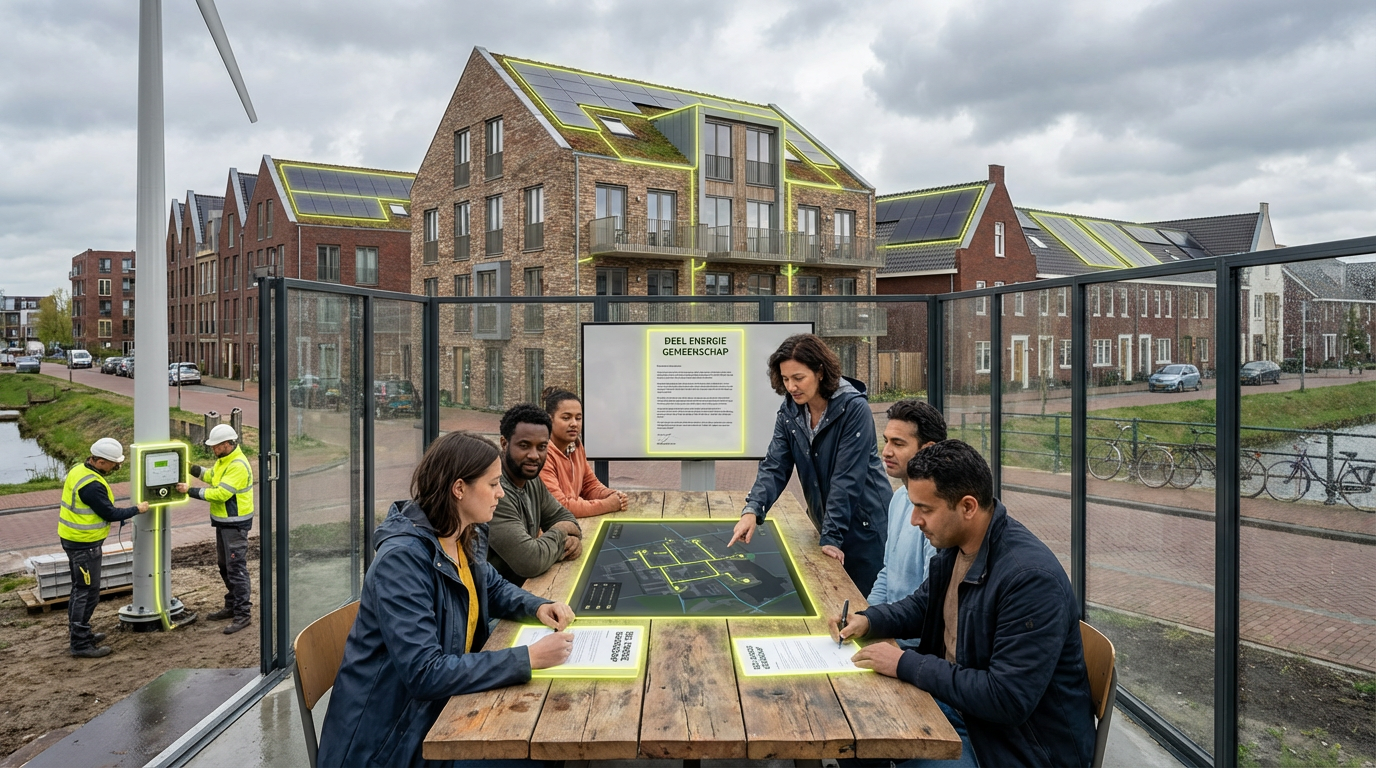
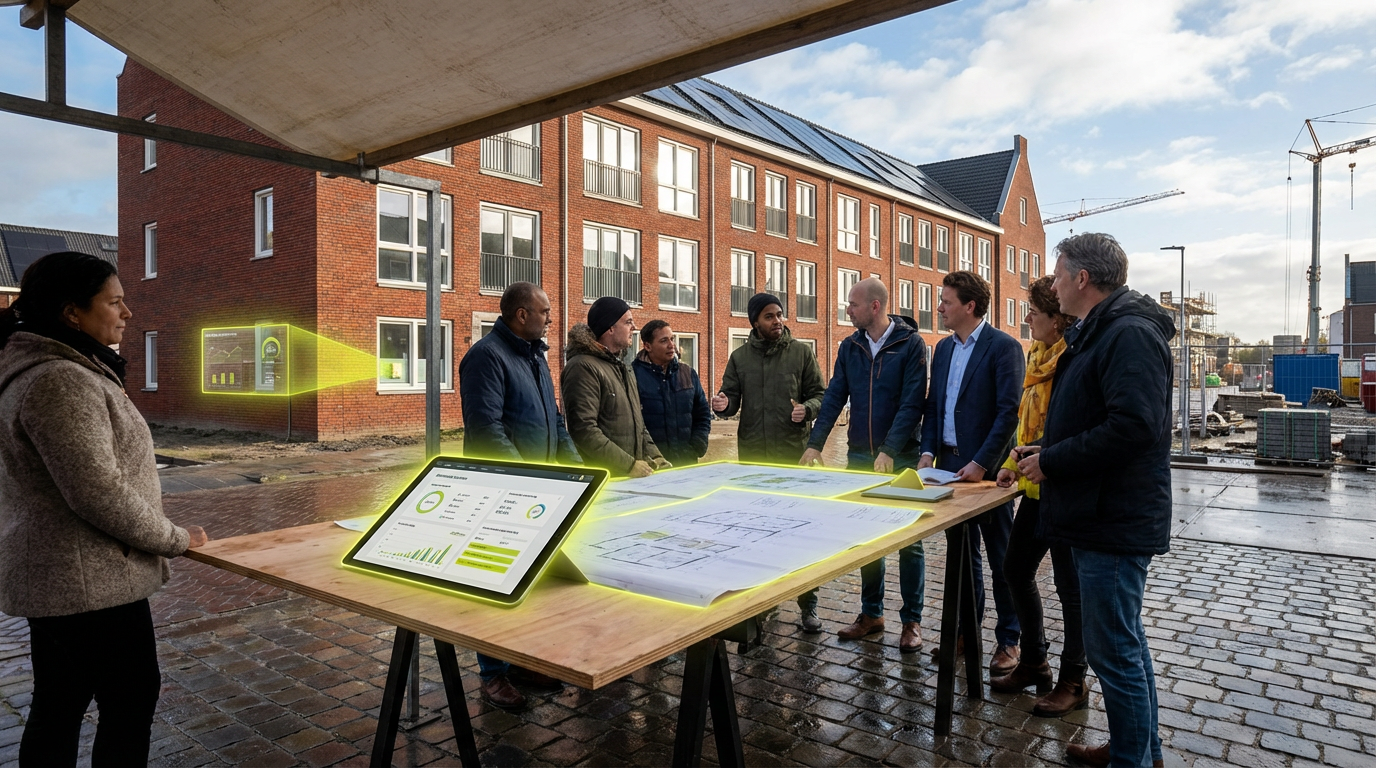
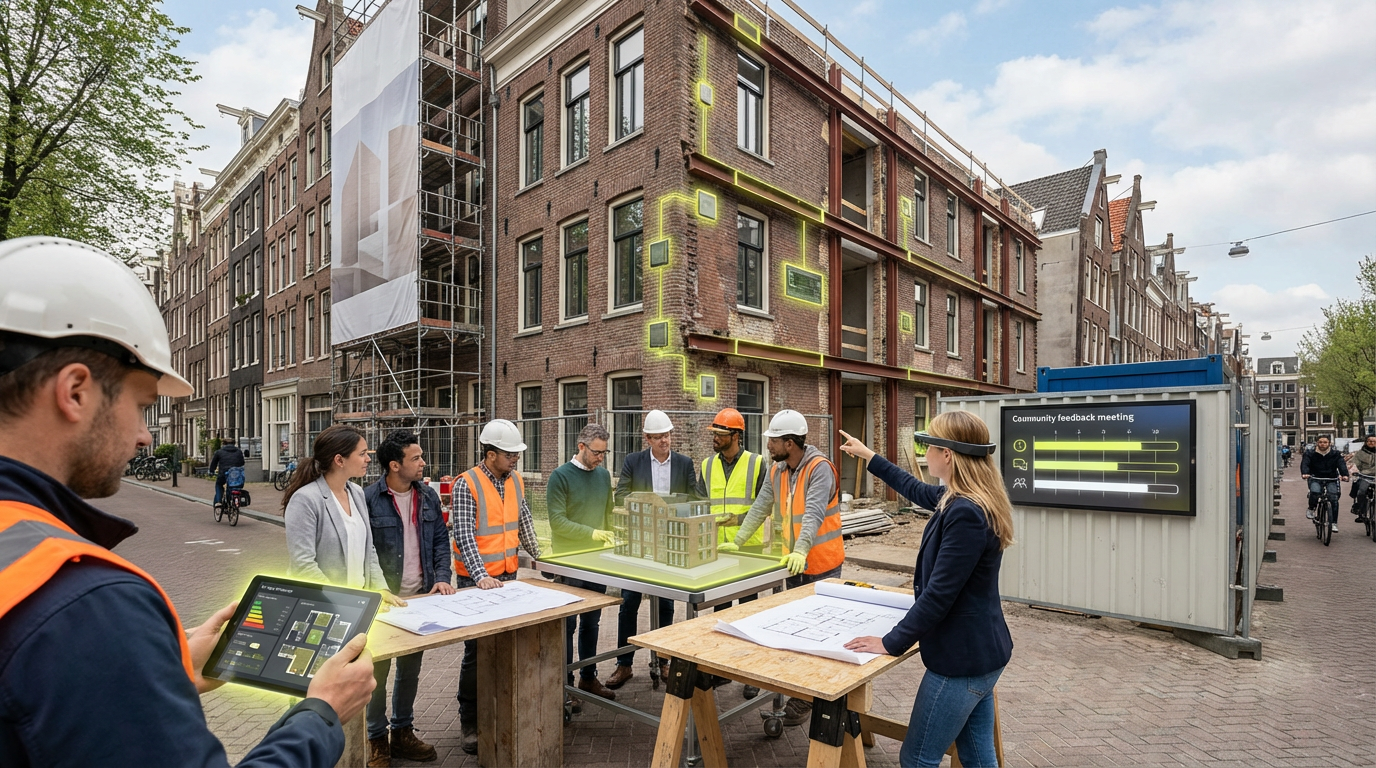
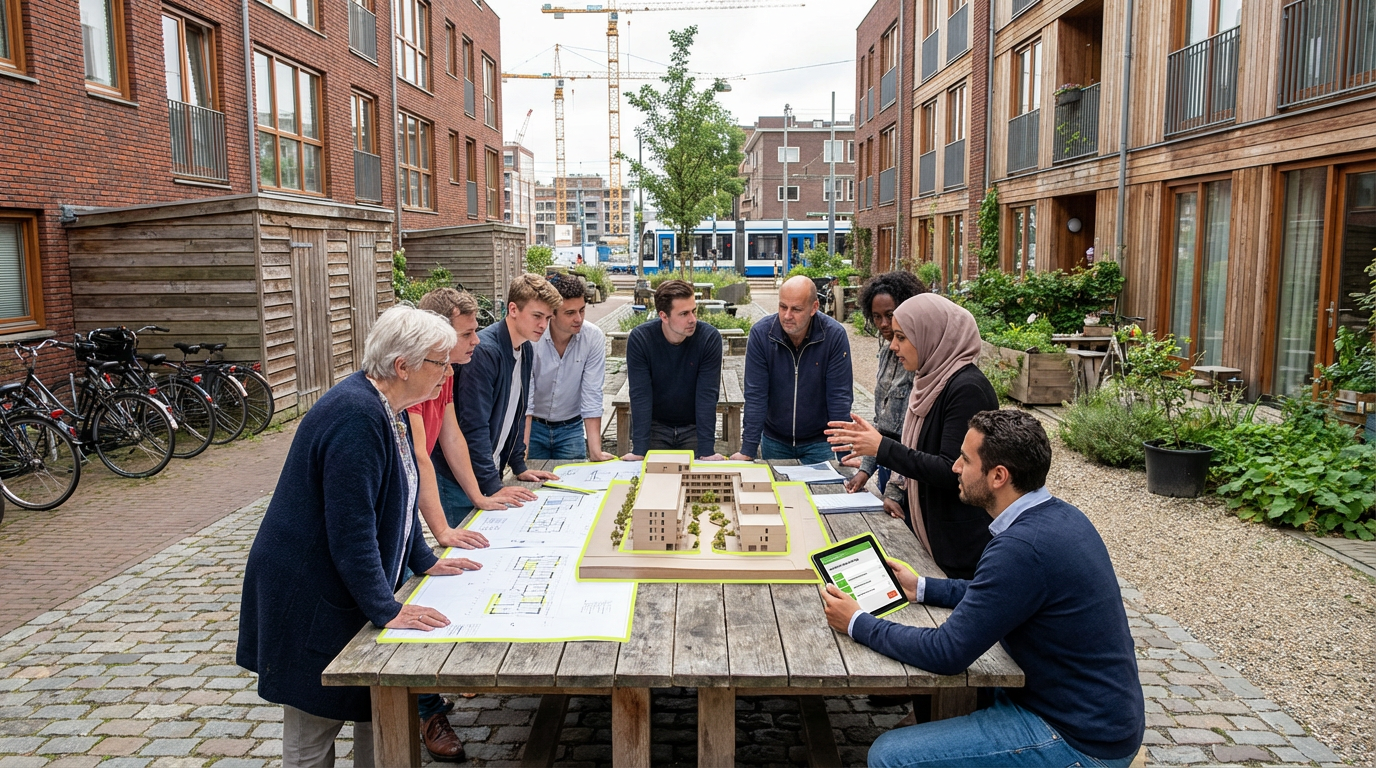
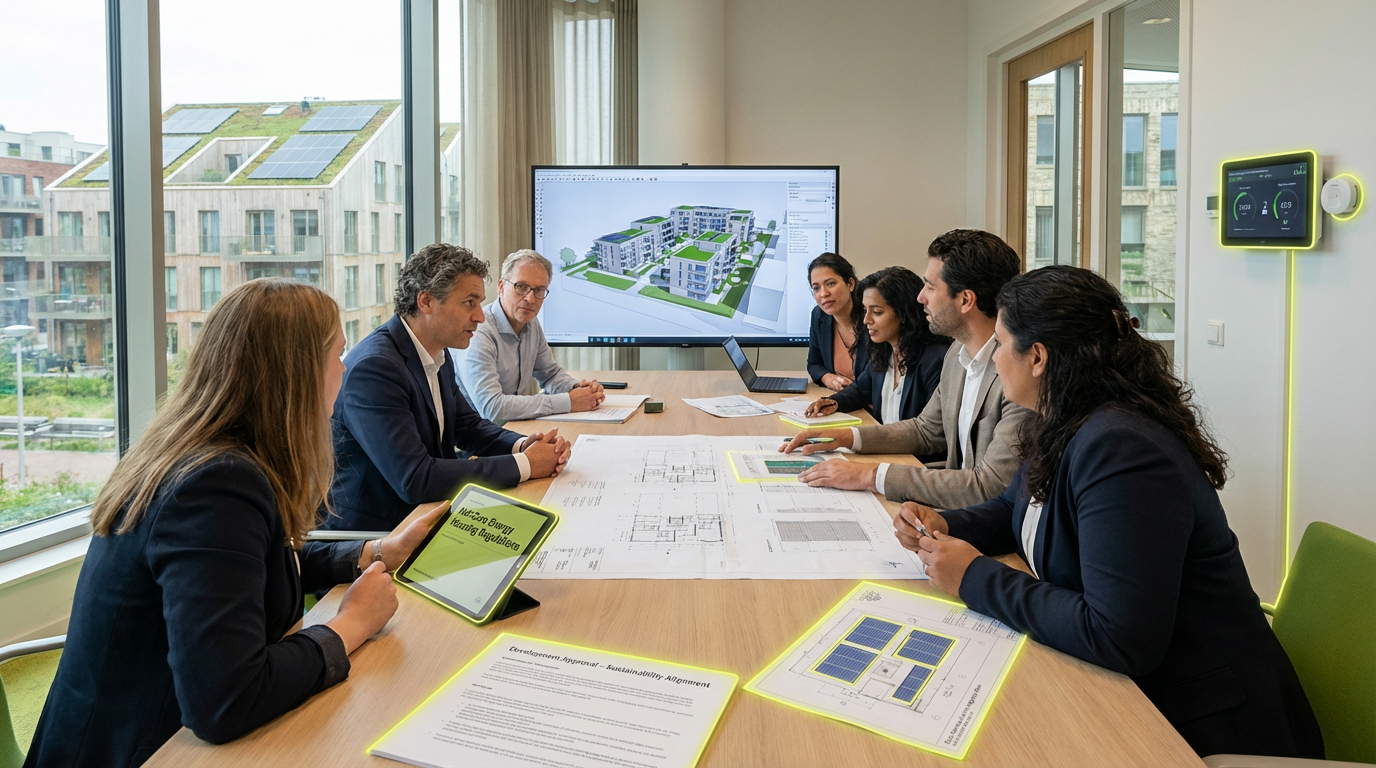
Regenerative housing developments represent a fundamental reframing of residential construction, positioning new housing not merely as shelter provision but as active contributors to ecological health, social cohesion, and economic vitality within their surrounding communities. This approach addresses a critical tension in the Benelux region: the urgent need for housing supply collides with legitimate community concerns about environmental degradation, infrastructure strain, and neighborhood character disruption. Traditional sustainability frameworks, which focus on minimizing harm through energy efficiency or reduced material consumption, have proven insufficient to overcome local resistance or address the cumulative pressures facing urban and peri-urban areas. Regenerative development offers an alternative paradigm where housing projects function as catalysts for broader community improvement, integrating affordable units with public amenities, ecological restoration, renewable energy generation, and social infrastructure that serves both residents and neighbors.
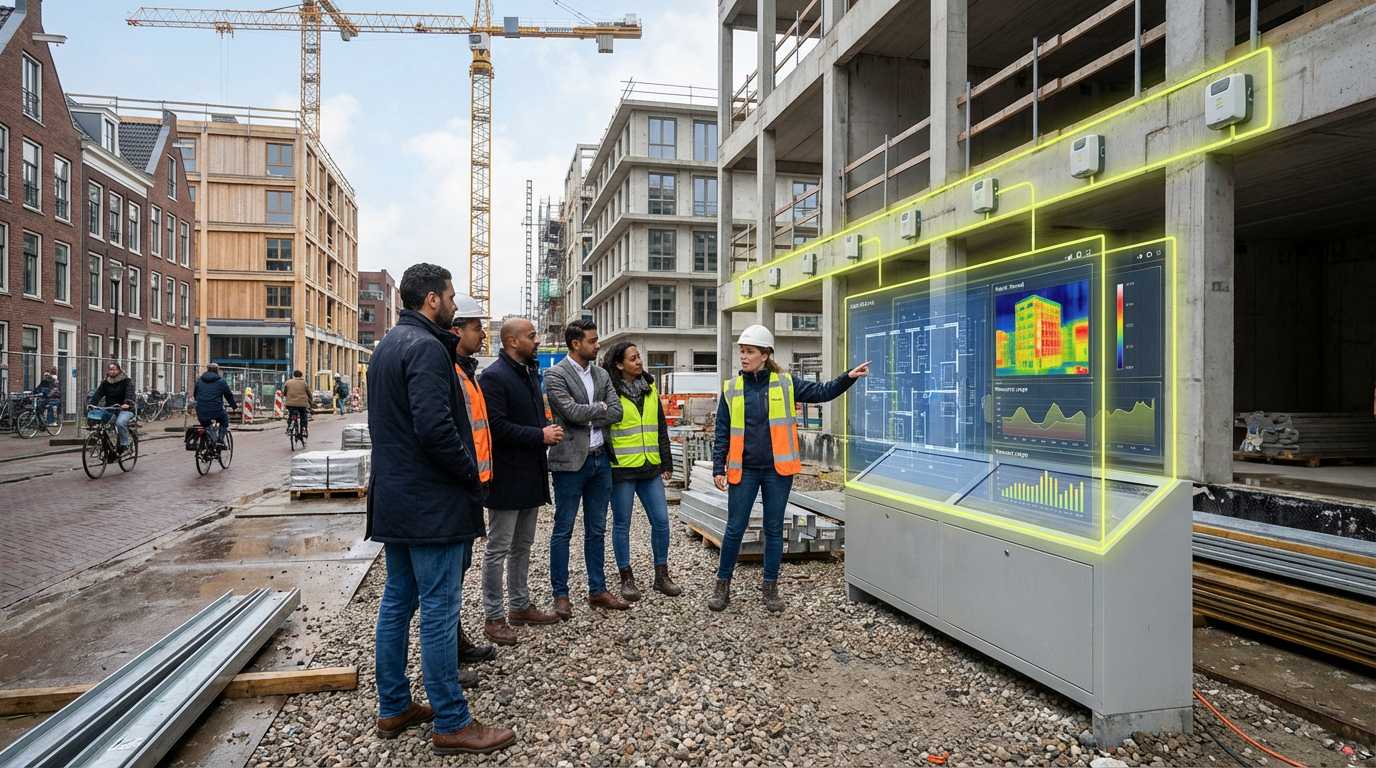
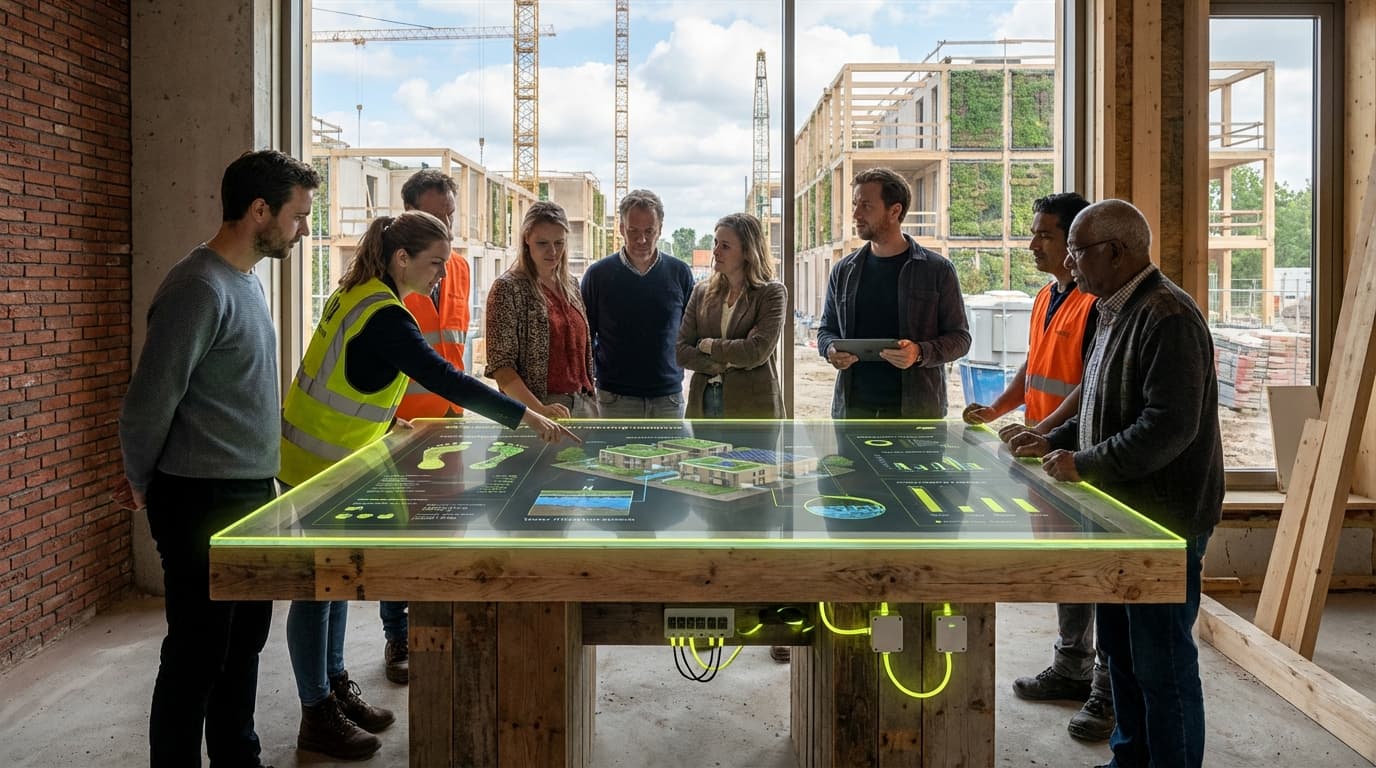
Early implementations in the Netherlands and Belgium demonstrate several operational patterns. Projects incorporate mixed-income housing alongside publicly accessible green spaces, community facilities, or cultural programming that addresses identified local needs. Energy-positive buildings generate surplus renewable power for neighborhood grids, while integrated water management systems restore natural drainage patterns and reduce flood risk. Some developments include urban agriculture, biodiversity corridors, or wetland restoration that enhance ecosystem services beyond project boundaries. Economic regeneration elements appear through local hiring commitments, social enterprise incubation spaces, or cooperative ownership models that retain value within communities. However, evidence remains concentrated in pilot-scale projects supported by progressive municipalities or mission-driven developers. Scaling challenges include higher initial capital requirements, longer development timelines, complex stakeholder coordination, and the absence of standardized metrics for measuring regenerative outcomes across social, ecological, and economic dimensions.
The strategic implications extend beyond individual projects to broader questions of housing governance and value creation. If regenerative approaches can demonstrably reduce community opposition while delivering measurable improvements in air quality, social connectivity, or local employment, they may unlock development capacity in contested urban areas. Monitoring should track whether regenerative commitments survive value engineering pressures during construction, how outcomes are measured and verified over time, and whether financial mechanisms emerge to reward long-term community contributions rather than short-term extraction. Policy developments around procurement criteria, planning incentives, or impact measurement frameworks will signal whether this remains a niche practice or evolves into a mainstream development standard capable of reshaping the relationship between housing growth and community wellbeing across the region.
Related Organizations

A consulting and research organization that advises cities and companies on circular economy strategies.

A tech-integrated real estate development company designing self-sustaining eco-villages.

Architects behind 'Schoonschip', a circular floating community in Amsterdam.

Architects pioneering the reuse of materials and 'harvest mapping' to create low-impact, regenerative buildings.

One of the world's leading sustainable banks, financing projects with positive social, environmental, and cultural change.

A leading European independent research and technology organisation in the areas of cleantech and sustainable development.
Arup
United Kingdom · Company
A multinational professional services firm dedicated to sustainable development, known for pioneering the use of BIM in complex engineering projects.

A major Dutch construction company focusing on industrial and modular construction.

An organization dedicated to large-scale landscape restoration involving 4 returns: inspiration, social, natural, and financial capital.