Burgerberaad (Citizens' Assemblies) for Housing
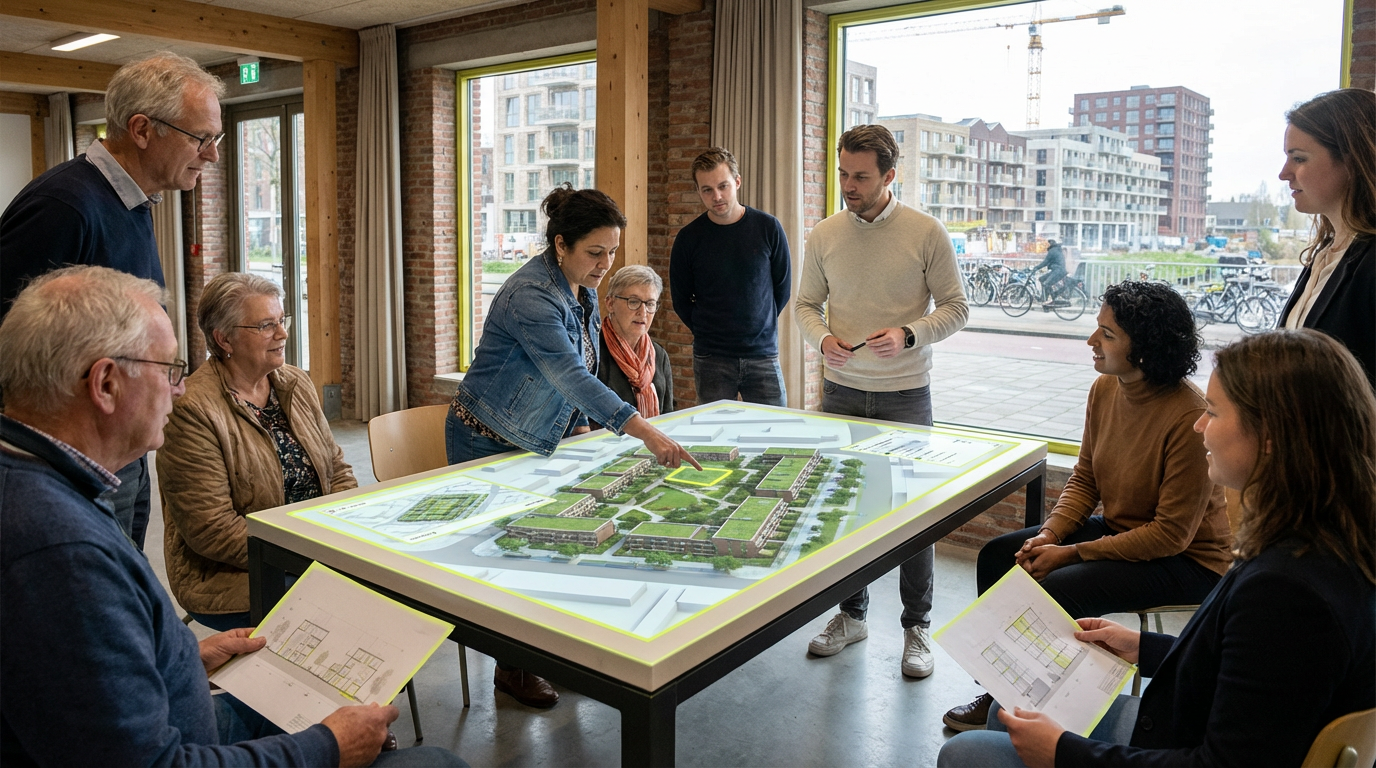
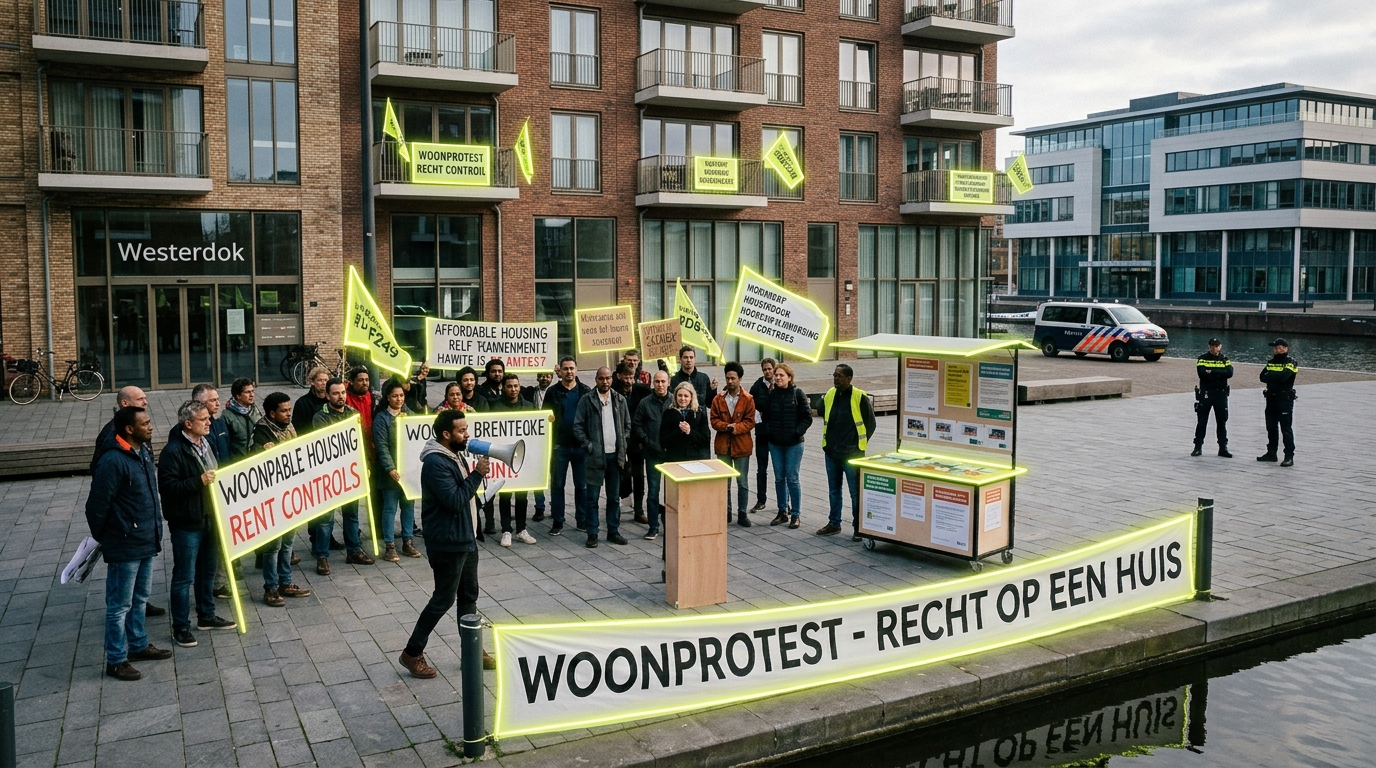
Citizens' assemblies for housing represent a deliberative governance innovation designed to break through the entrenched polarization that often paralyzes housing policy debates. In many Benelux cities, traditional public consultation processes have become battlegrounds between vocal NIMBY (Not In My Backyard) coalitions resisting development and YIMBY (Yes In My Backyard) advocates pushing for density, with little room for nuanced compromise. The fundamental challenge these assemblies address is the democratic legitimacy gap: how can cities make difficult trade-offs—such as balancing housing supply against green space preservation, or distributing affordable units across neighborhoods—when conventional participation mechanisms amplify extreme positions and exclude quieter majority voices? By convening randomly selected residents who broadly mirror the city's demographic composition, citizens' assemblies create conditions for informed, reflective dialogue rather than performative opposition or advocacy.
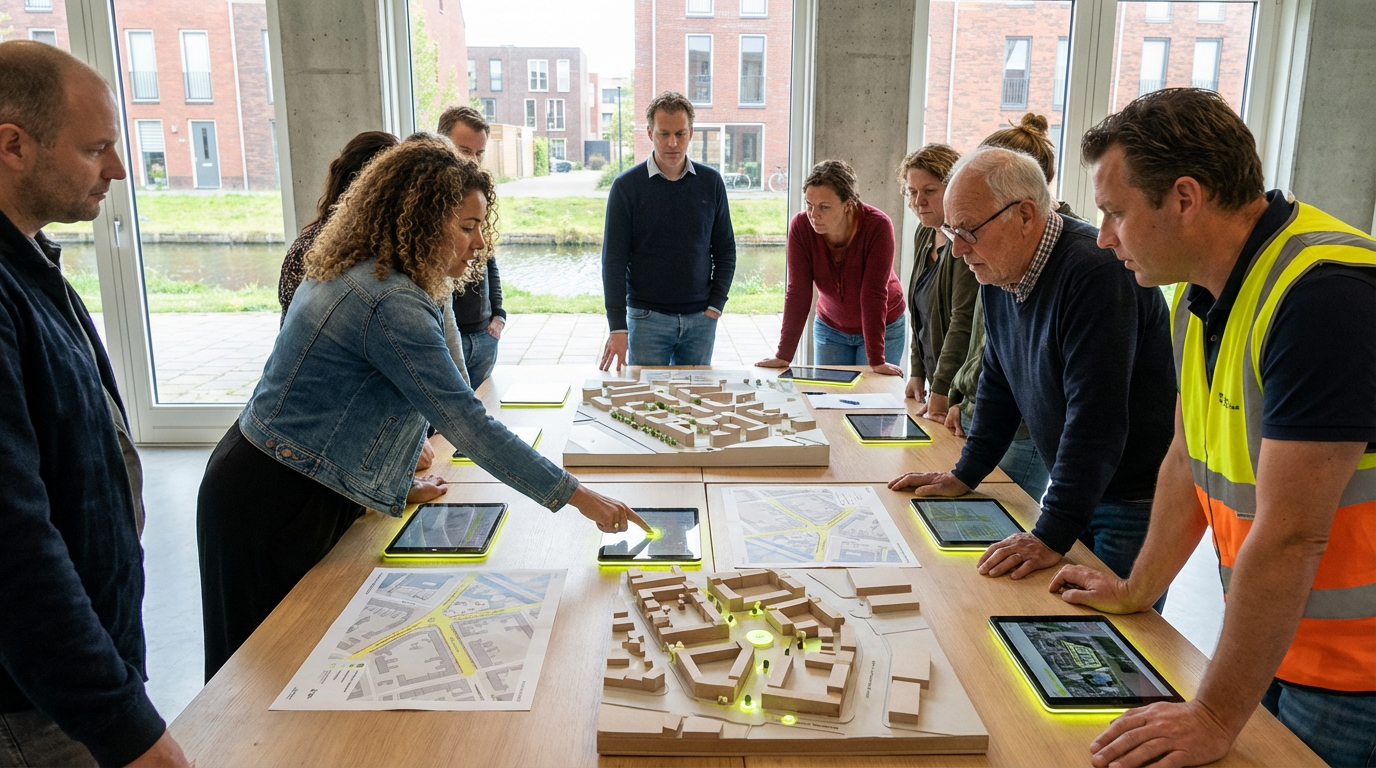
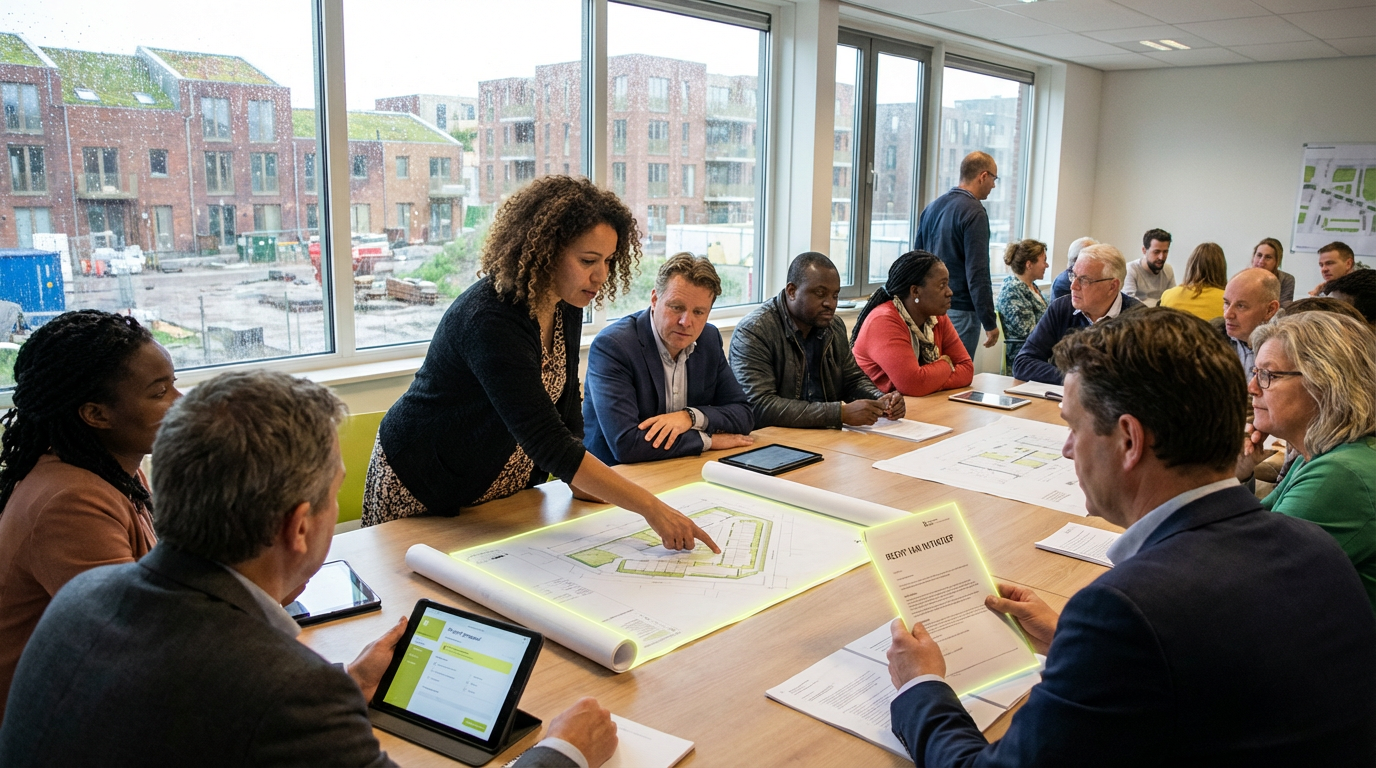
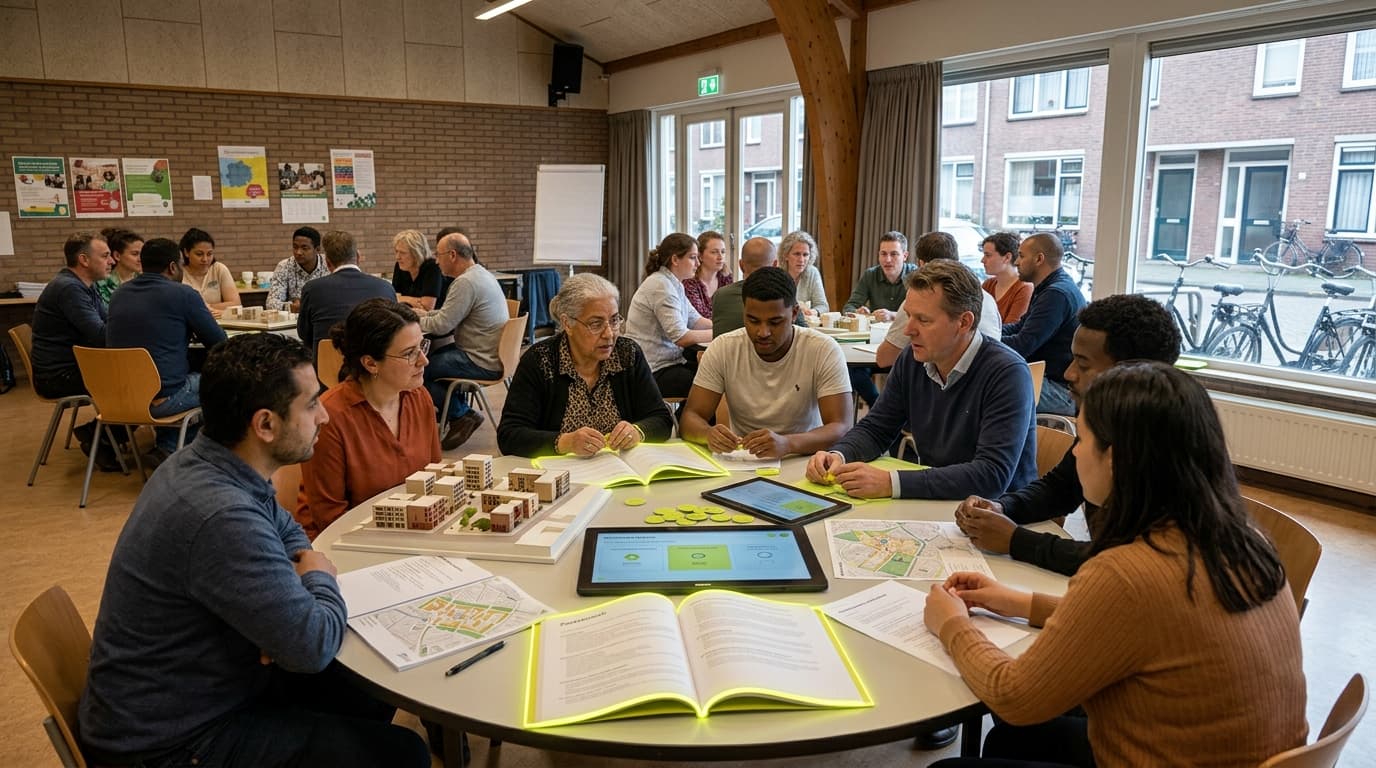
The mechanism works through sortition—civic lottery—combined with structured deliberation over multiple sessions. Participants receive expert briefings, hear from diverse stakeholders, and engage in facilitated small-group discussions before formulating collective recommendations. Early deployments in Dutch municipalities like Amsterdam and Belgian cities such as Ghent have tackled questions ranging from acceptable density thresholds in residential neighborhoods to criteria for allocating social housing. Research on these processes suggests participants often shift positions after deliberation, moving beyond initial reflexive stances toward more complex policy preferences that weigh competing values. Unlike advisory referenda, which tend to produce binary yes/no outcomes, assemblies generate detailed policy guidance with built-in justifications. The model's growing adoption signals broader frustration with adversarial participation formats and recognition that housing crises demand governance tools capable of navigating genuine value conflicts rather than simply recording objections.
The implications for housing governance are substantial but contingent on political follow-through. When municipal councils commit in advance to seriously consider or implement assembly recommendations, these bodies can unlock policy moves previously deemed too contentious—such as upzoning near transit or converting underused institutional buildings. However, assemblies risk becoming legitimacy-laundering exercises if their conclusions are ignored, potentially deepening public cynicism. Key indicators to monitor include the rate at which assembly recommendations translate into actual policy changes, whether the model spreads to regional housing planning bodies beyond individual municipalities, and how assemblies handle distributional conflicts where some neighborhoods must accept more change than others. The durability of this signal depends less on the deliberative method itself than on whether political systems develop the institutional courage to act on citizen-generated mandates that challenge established interests.
Related Organizations

An organization advocating for and assisting in the implementation of citizens' assemblies in the Netherlands to solve complex societal issues.

A platform for democratic innovation that organizes citizens' summits (Burgerberaden) across the Netherlands and Belgium.
Netwerk Democratie
Netherlands · Nonprofit
An organization working on democratic renewal, researching and implementing digital and offline participation tools.
A European non-profit based in Brussels working to create better democracies through participation and deliberation.

A major Dutch municipality that has actively experimented with 'Stadsgesprekken' and deliberative processes for urban development.

The Dutch Ministry of the Interior and Kingdom Relations.
OECD
France · Government Agency
Adopted the 'Recommendation on Responsible Innovation in Neurotechnology' to guide governments and companies.