Envisioning is an emerging technology research institute and advisory.

LinkedInInstagramGitHub

2011 — 2026

research
  • Reports
  • Newsletter
  • Methodology
  • Origins
  • My Collection
services
  • Research Sessions
  • Signals Workspace
  • Bespoke Projects
  • Use Cases
  • Signal Scanfree
  • Readinessfree
impact
  • ANBIMAFuture of Brazilian Capital Markets
  • IEEECharting the Energy Transition
  • Horizon 2045Future of Human and Planetary Security
  • WKOTechnology Scanning for Austria
audiences
  • Innovation
  • Strategy
  • Consultants
  • Foresight
  • Associations
  • Governments
resources
  • Pricing
  • Partners
  • How We Work
  • Data Visualization
  • Multi-Model Method
  • FAQ
  • Security & Privacy
about
  • Manifesto
  • Community
  • Events
  • Support
  • Contact
  • Login
ResearchServicesPricingPartnersAbout
  1. Home
  2. Research
  3. Wonen
  4. Institutional Build-to-Rent (Pension Fund Capital)

Institutional Build-to-Rent (Pension Fund Capital)

Large-scale long-term capital funding new rental supply—often essential for delivery, but politically contested as ‘investor housing’.
Back to WonenView interactive version

Institutional build-to-rent represents a fundamental shift in how rental housing is financed and delivered, particularly across the Netherlands and Belgium where traditional social housing models face capacity constraints and demographic pressures demand rapid supply expansion. The core challenge this signal addresses is the mismatch between the scale of capital required to deliver thousands of new rental units annually and the limited borrowing capacity of municipalities and housing associations. Pension funds and insurance companies, managing multi-decade liabilities, theoretically align well with long-term housing investment—they seek stable, inflation-linked returns over 20 to 40 years, matching the lifecycle of residential assets. Yet this marriage of patient capital and housing need has become politically fraught as affordability crises deepen and public sentiment increasingly frames institutional ownership as financialization rather than solution.

The model works through dedicated investment vehicles that acquire land, commission development, and retain ownership of completed buildings, professionalizing property management and maintenance at portfolio scale. Early Dutch examples demonstrated that institutional capital could deliver mid-market rental housing faster than fragmented small landlords, with quality standards enforced through asset management protocols. However, the pattern now shows growing tension: when governments impose sudden rent caps, transfer taxes, or mandatory affordable quotas without transition periods, institutional investors respond by halting acquisitions or divesting portfolios to avoid stranded assets. This creates a policy feedback loop where supply shortages prompt regulatory intervention, which then chills the very investment needed to ease those shortages. Belgium has seen pension funds hesitate over Flemish rental market reforms, while Dutch funds increasingly weigh political risk alongside financial returns when allocating capital between housing and infrastructure.

The implications extend beyond immediate pipeline effects to the structural question of who controls urban housing supply and on what terms. Monitoring should focus on covenant structures emerging in public-private partnerships—whether developments include enforceable affordability tiers, tenant protections beyond statutory minimums, or community benefit agreements that tie investor returns to social outcomes. Policy stability indices and investor sentiment surveys will signal whether institutional capital remains engaged or retreats to less contested asset classes. The threshold to watch is whether governments can design durable frameworks that guarantee reasonable returns while capturing public value, or whether the BTR model fragments into defensive niche plays, leaving the broader housing challenge unmet and forcing a return to direct public provision at scales not seen since the postwar era.

Regulatory Complexity
3/5Complex
Community Acceptance
2/5Moderate Resistance
Social Value Generation
3/5Moderate Social Value
Category
Development Models

Related Organizations

Amvest logo
Amvest

Netherlands · Company

95%

Investment manager and developer of homes and residential areas.

Investor
Bouwinvest logo
Bouwinvest

Netherlands · Company

95%

A specialized real estate investment manager for pension funds (notably bpfBOUW).

Investor
Vesteda logo
Vesteda

Netherlands · Company

95%

An internal investment manager focusing on the Dutch residential real estate market.

Investor
APG logo
APG

Netherlands · Company

90%

One of the world's largest pension investors, managing assets for ABP and other funds.

Investor
IVBN logo
IVBN

Netherlands · Consortium

90%

Association of Institutional Property Investors in the Netherlands.

Standards Body
BPD (Bouwfonds Property Development) logo
BPD (Bouwfonds Property Development)

Netherlands · Company

85%

One of the largest area developers in Europe, responsible for realizing large-scale residential projects that must comply with municipal mixed-income quotas.

Developer
Greystar logo
Greystar

United States · Company

85%

Global leader in the investment, development, and management of high-quality rental housing.

Developer
Home Invest Belgium logo
Home Invest Belgium

Belgium · Company

85%

A regulated real estate company (GVV/SIR) focusing on residential property in Belgium.

Investor
Heimstaden logo
Heimstaden

Sweden · Company

80%

A leading European residential real estate company.

Investor
Patrizia logo
Patrizia

Germany · Company

80%

A leading partner for global real estate assets.

Investor

Supporting Evidence

Evidence data is not available for this technology yet.

Connections

Development Models
Development Models
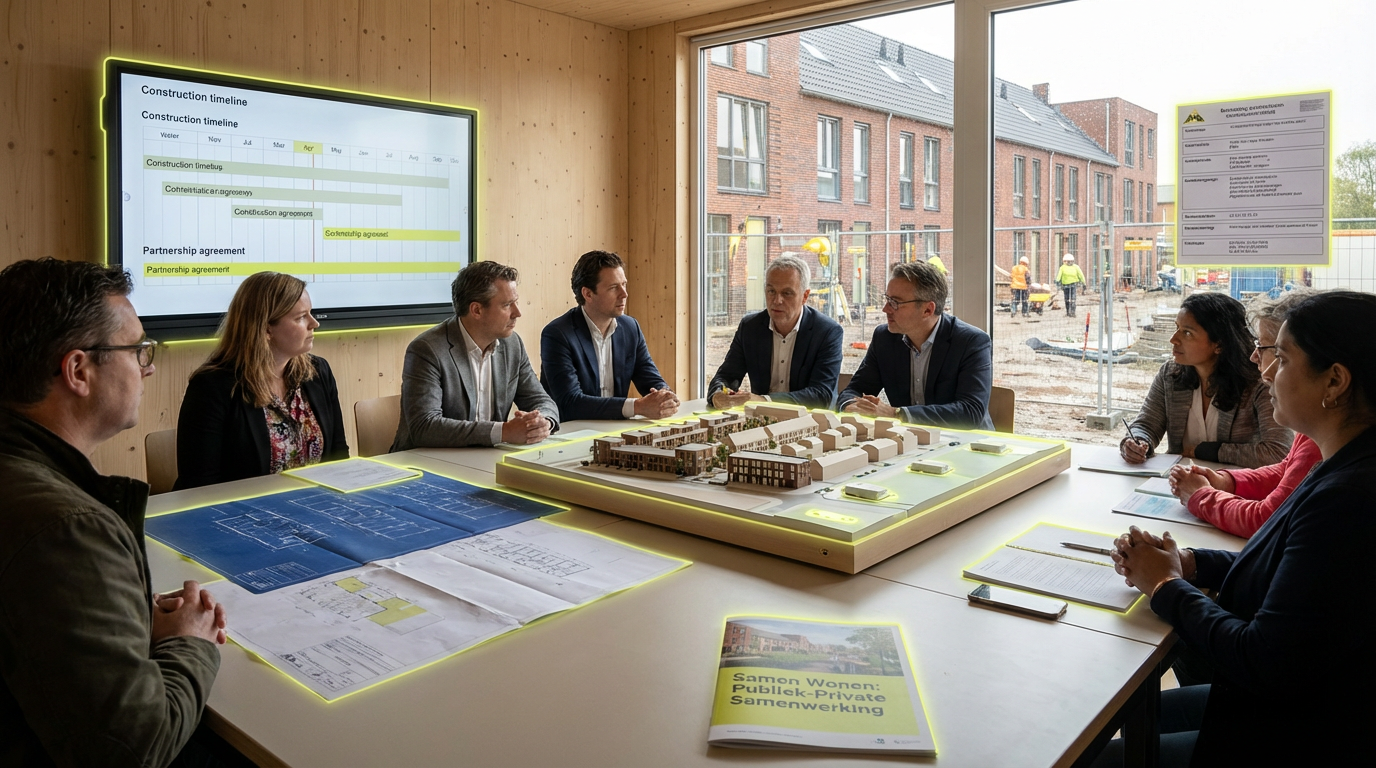
Public-Private Partnerships for Housing

Collaborative models between public authorities and private developers that combine public goals with private efficiency and innovation.

Regulatory Complexity
4/5
Community Acceptance
4/5
Social Value Generation
4/5
Community Engagement
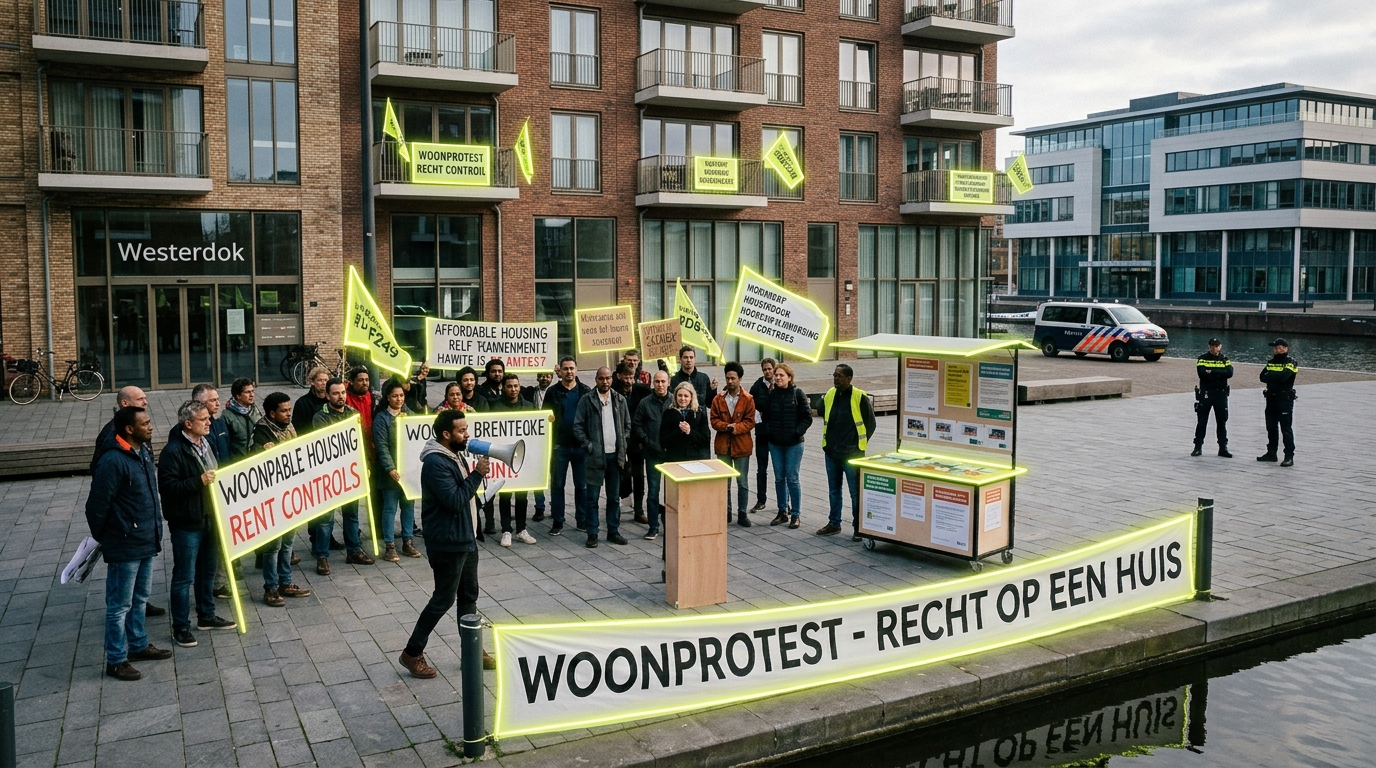
Woonprotest (Housing Activism)

Growing tenant and affordability movements demanding policy action on housing costs, investor restrictions, and tenant protections.

Regulatory Complexity
2/5
Community Acceptance
4/5
Social Value Generation
4/5
Development Models
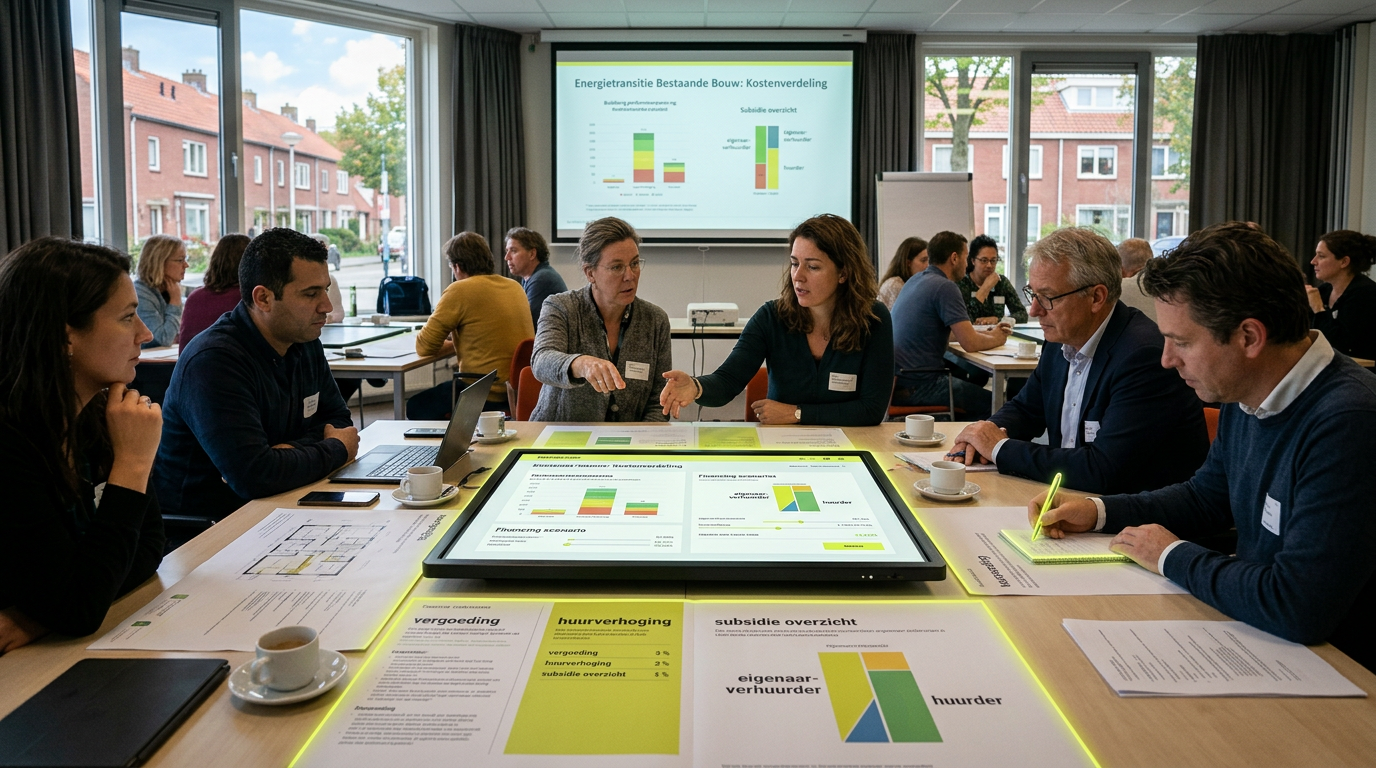
Split Incentives & Retrofit Financing Stack

Misaligned incentives between landlords and tenants (and between owners and the public) that block deep renovation without smart finance and regulation.

Regulatory Complexity
4/5
Community Acceptance
3/5
Social Value Generation
4/5
Development Models
Fonds du Logement / SNHBM (Luxembourg Delivery Vehicles)

State-linked institutions that develop and finance affordable housing, increasingly central to Luxembourg’s ability to deliver in a land-constrained market.

Regulatory Complexity
4/5
Community Acceptance
3/5
Social Value Generation
5/5
Development Models
Development Models
Long-Term Stewardship Models

Development models where developers or community organizations maintain long-term responsibility for social value, beyond initial construction.

Regulatory Complexity
3/5
Community Acceptance
5/5
Social Value Generation
5/5
Governance & Permitting
Opkoopbescherming (Buy-to-Let Protection)

Municipal powers to restrict investor purchases in designated areas, requiring owner-occupation to preserve housing for residents.

Regulatory Complexity
2/5
Community Acceptance
4/5
Social Value Generation
4/5

Book a research session

Bring this signal into a focused decision sprint with analyst-led framing and synthesis.
Research Sessions