Circular Construction Materials
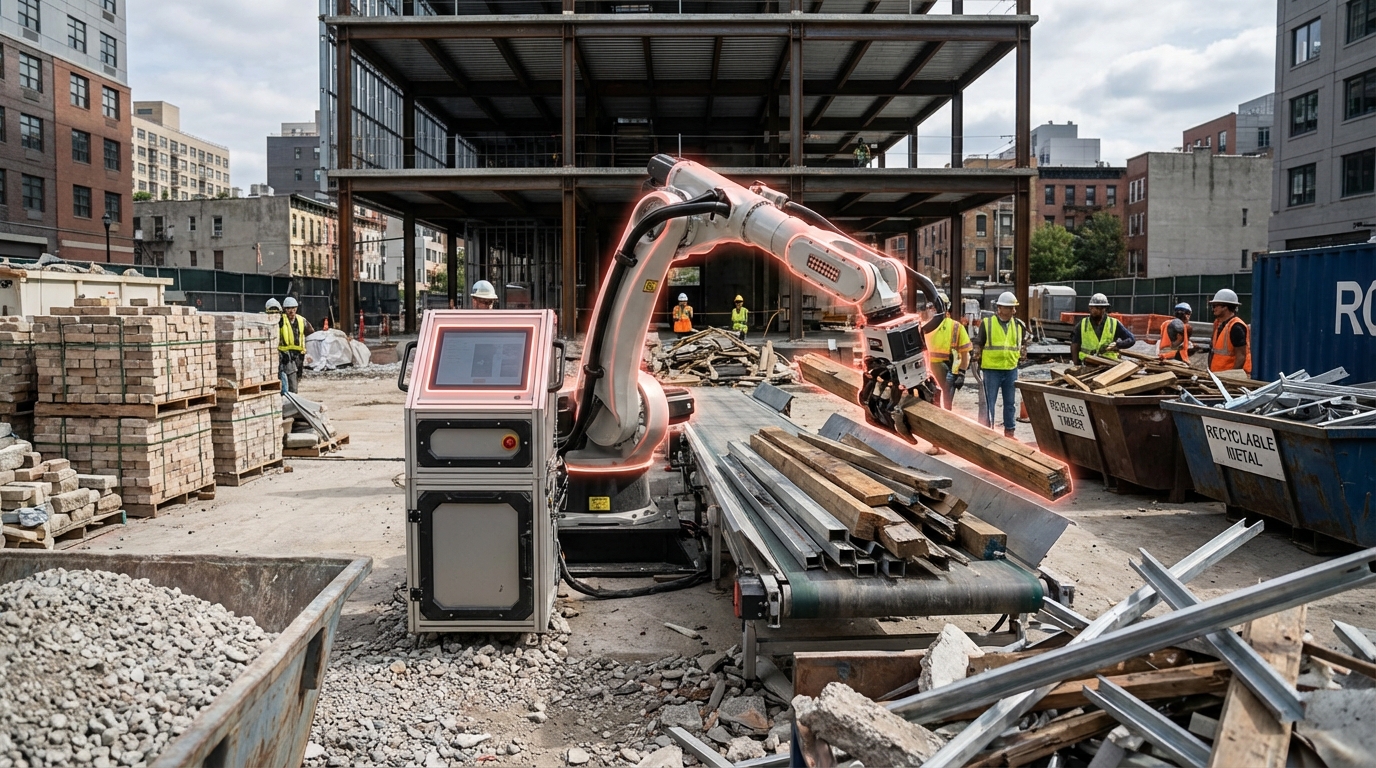
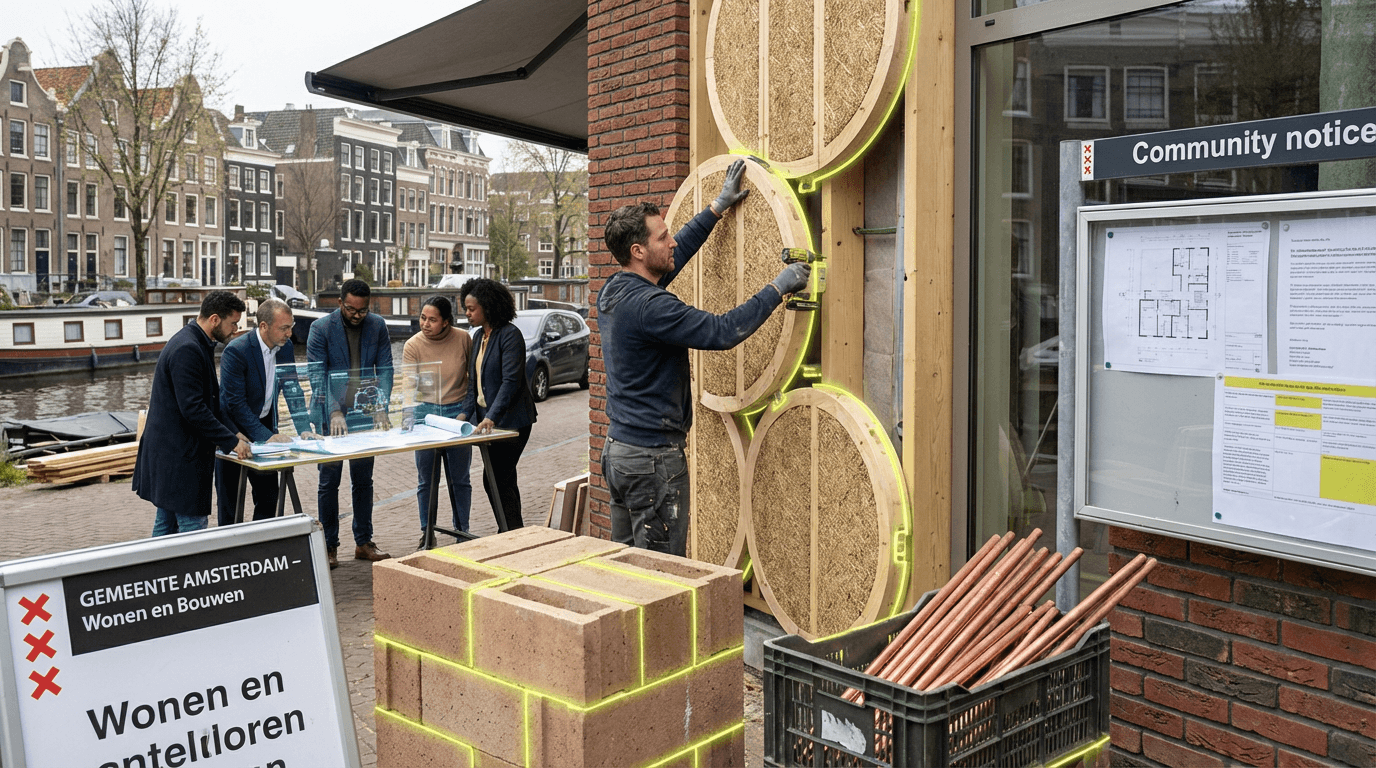
Circular construction materials represent a fundamental rethinking of how buildings are designed, constructed, and eventually deconstructed, addressing the construction sector's substantial contribution to global waste streams and carbon emissions. Traditional linear construction models—where materials are extracted, used once, and discarded—generate approximately 35% of total waste in the European Union while locking significant embodied carbon into structures that will eventually be demolished. This signal points to an emerging transition where materials are intentionally designed for multiple lifecycles through reuse, recycling, or biological regeneration, creating closed-loop systems that dramatically reduce both resource extraction and waste generation. The shift matters particularly in the Benelux region, where land scarcity, ambitious climate targets, and strong circular economy frameworks are converging to make material efficiency not merely an environmental preference but an economic and spatial necessity.
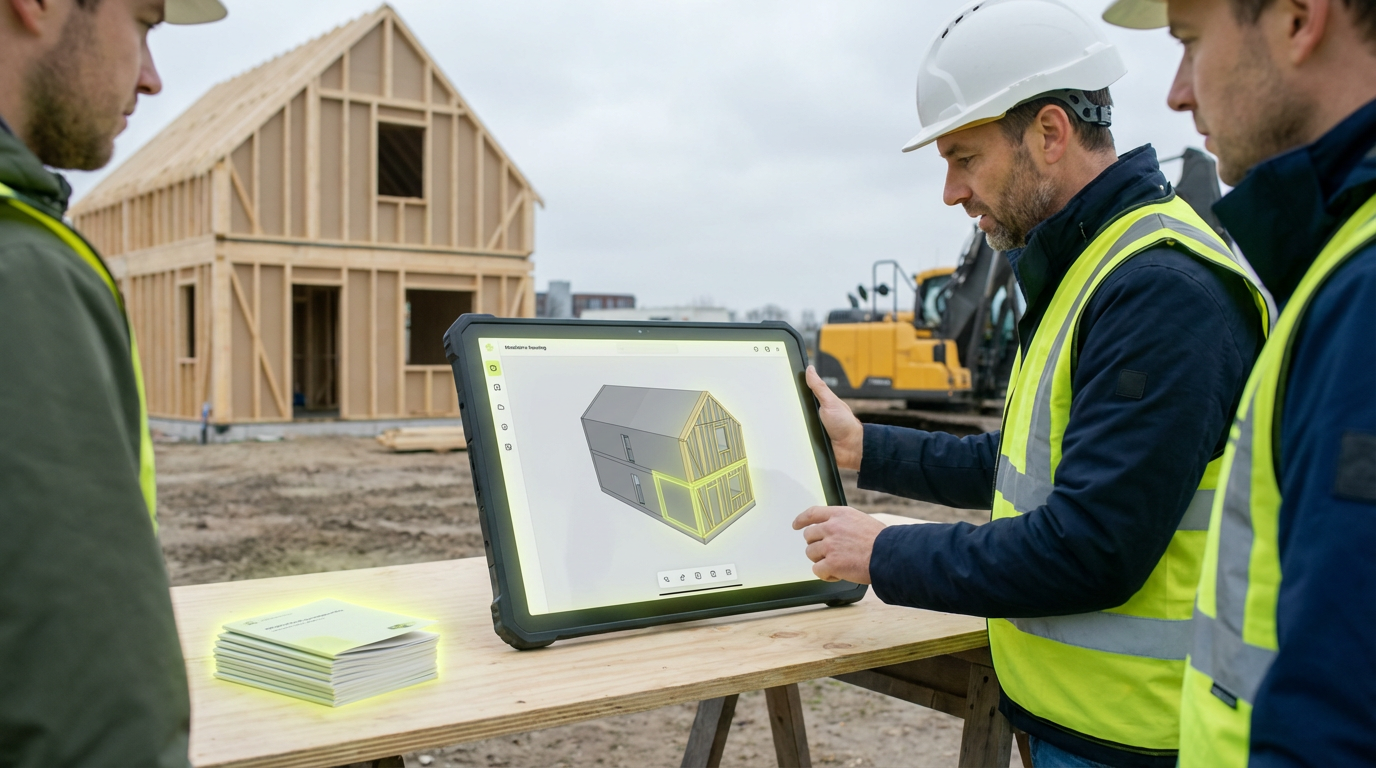
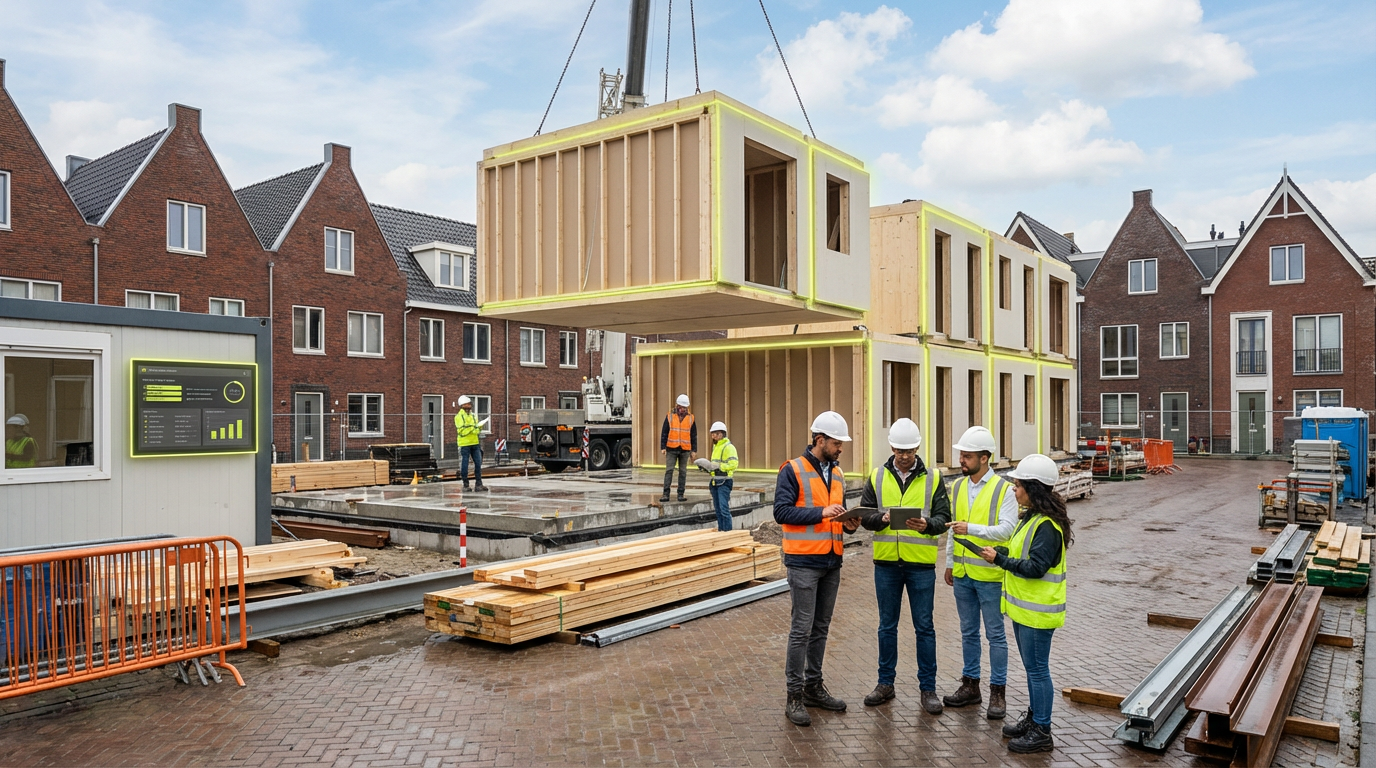
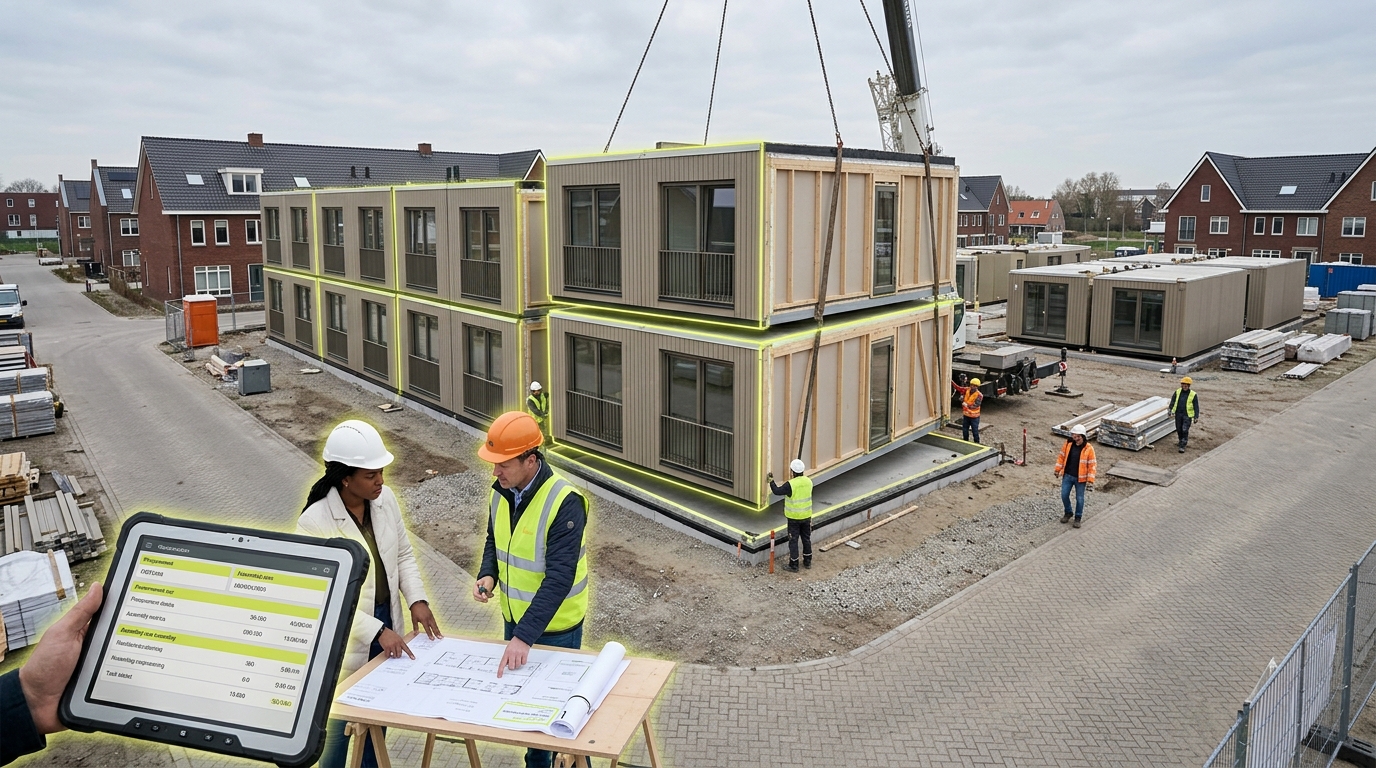
Early evidence of this transition is visible across multiple scales and actors in the Netherlands, Belgium, and Luxembourg. The Dutch government's 2050 circular economy roadmap has catalysed material passport systems that document building components for future recovery, while platforms like Oogstkaart (Harvest Map) digitally inventory reusable materials in buildings scheduled for demolition. In Belgium, organisations such as Rotor Deconstruction have professionalised the salvage industry, creating quality-assured supply chains for reclaimed materials that are beginning to compete with virgin products on both cost and reliability. Luxembourg's PRIMe House research facility demonstrates how modular, reversible construction techniques enable buildings to function as material banks. However, the pattern remains uneven—circular materials currently represent a small fraction of total construction volume, with adoption concentrated in demonstration projects, public procurement pilots, and high-profile developments where sustainability credentials justify cost premiums. Significant uncertainty persists around standardisation, liability frameworks for reused components, and whether circular approaches can scale beyond niche applications to transform mainstream construction practice.
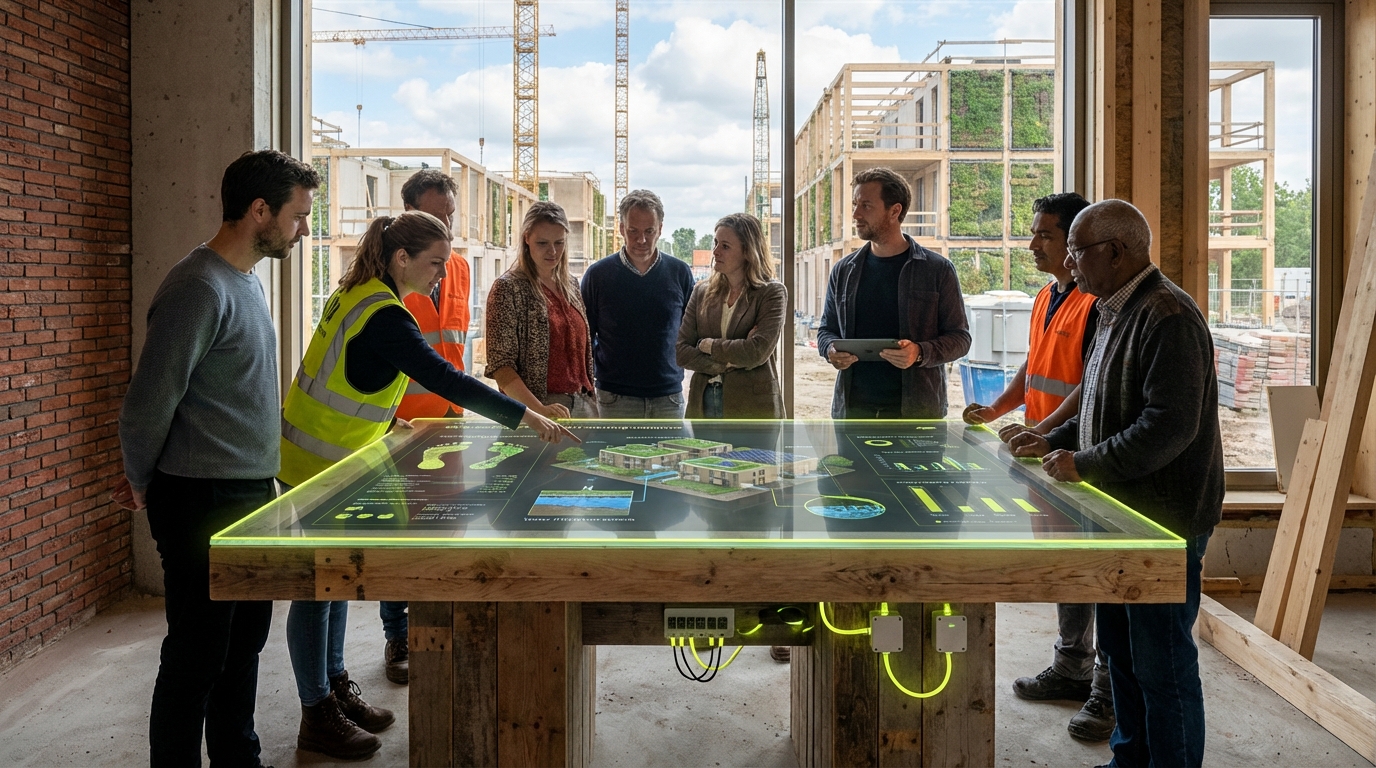
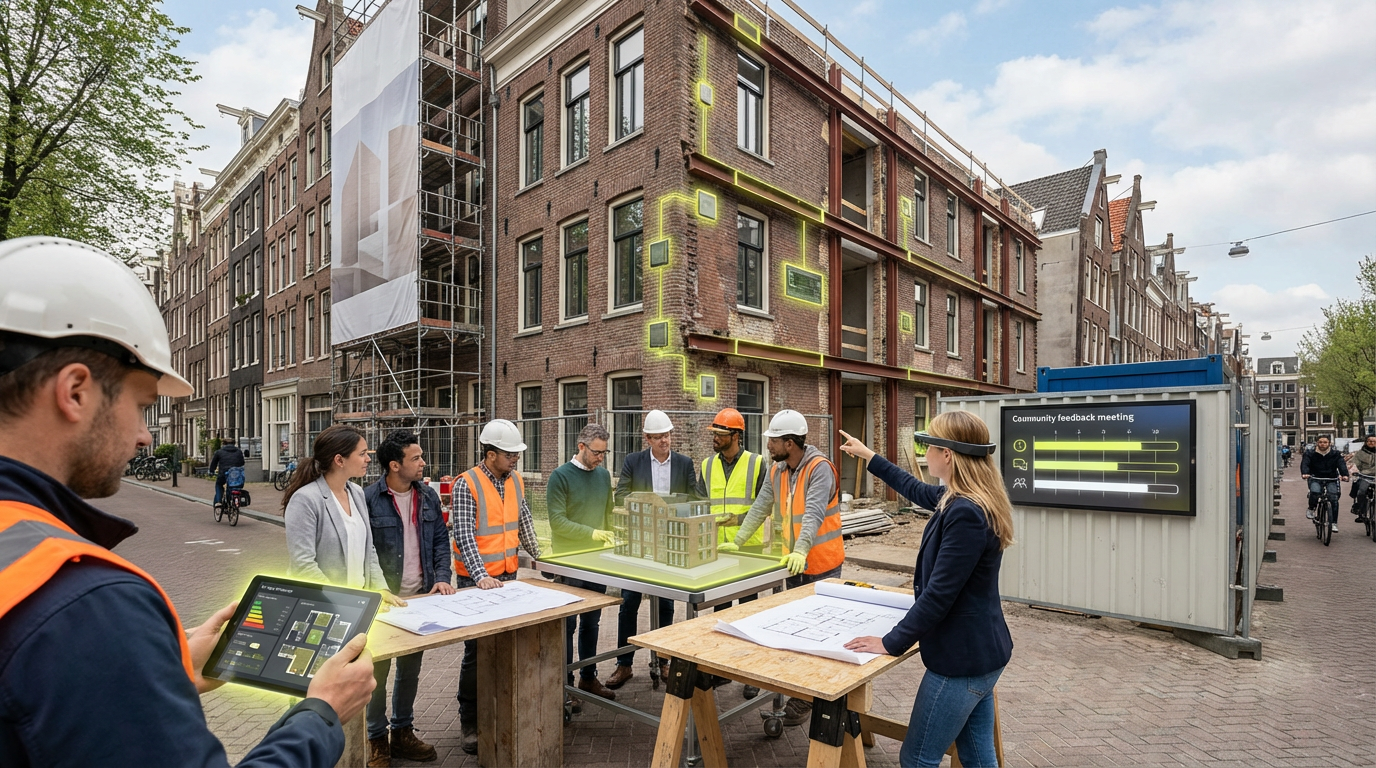
The implications extend beyond environmental metrics to reshape construction economics, professional practices, and community relations around development. If circular material markets mature, they could reduce construction costs while creating regional employment in deconstruction, refurbishment, and material processing—potentially shifting the economic geography of building supply chains toward more localised networks. For housing developers facing community opposition, demonstrable circularity offers tangible evidence of sustainability commitment that may build social license, particularly when combined with transparency about material sourcing and end-of-life planning. Key monitoring points include the emergence of standardised material passports across Benelux jurisdictions, insurance industry acceptance of reused structural components, price convergence between circular and virgin materials in specific categories, and whether upcoming building regulations mandate design-for-disassembly principles. The critical threshold will be whether circular construction transitions from a premium sustainability feature to a baseline expectation driven by regulatory requirements, resource constraints, and shifting market norms around building longevity and adaptability.
Related Organizations

An online registry for materials and products, generating 'material passports' for buildings.

A cooperative that organizes the reuse of construction materials, dismantling building components and preparing them for resale.

One of the world's leading architecture schools, with a strong research focus on heritage, restoration, and circular building adaptation.

A company specializing in 'Urban Mining', dismantling buildings to harvest materials for reuse in new construction projects.
Netherlands · Startup
A Dutch company that creates 'WasteBasedBricks' and other building materials from construction and demolition waste.

A leading European independent research and technology organisation in the areas of cleantech and sustainable development.

A Brussels-based cooperative transforming excavated earth from construction sites into building materials like clay plasters and compressed earth blocks.

A company producing facade cladding tiles made from 100% recycled plastic waste.

A major Belgian construction company actively investing in circular building methods and detachable construction systems.