Flexwoningen (Flex Housing)
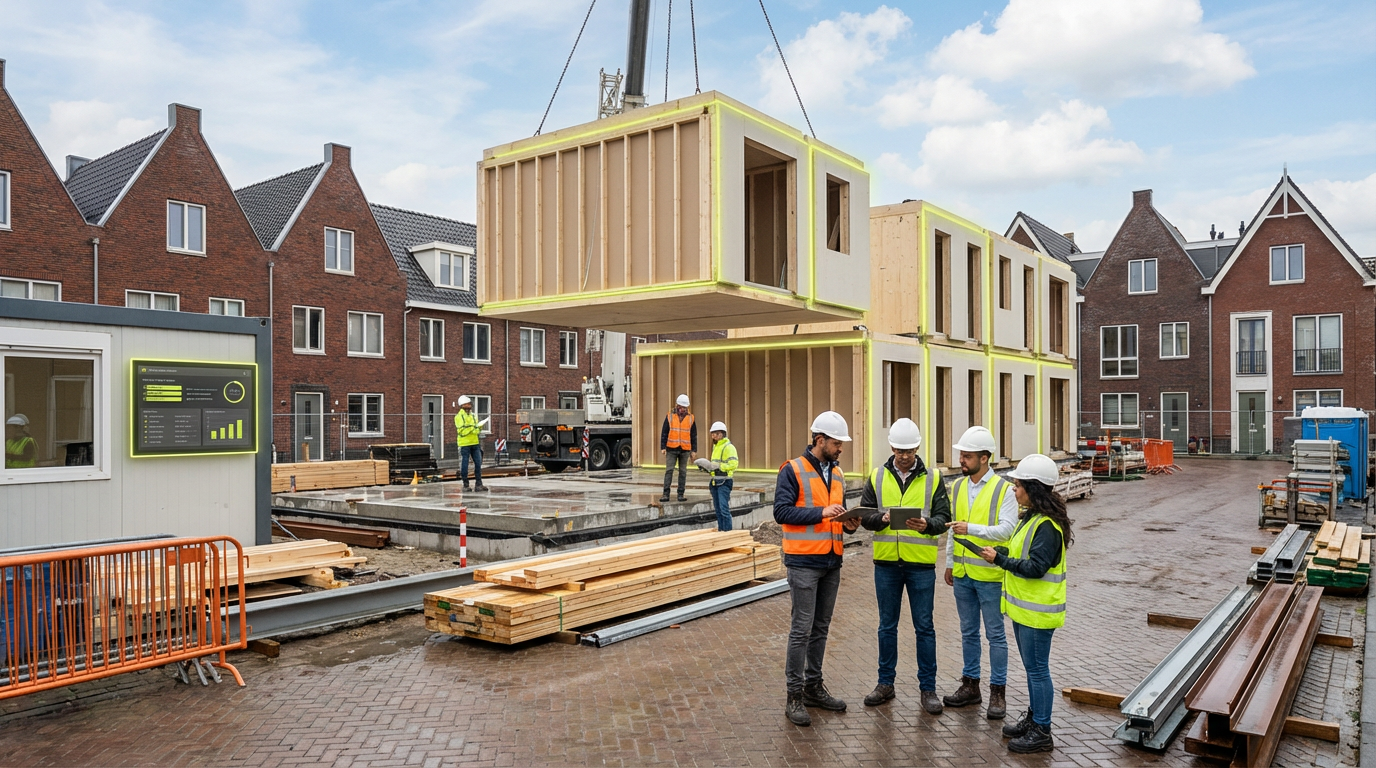
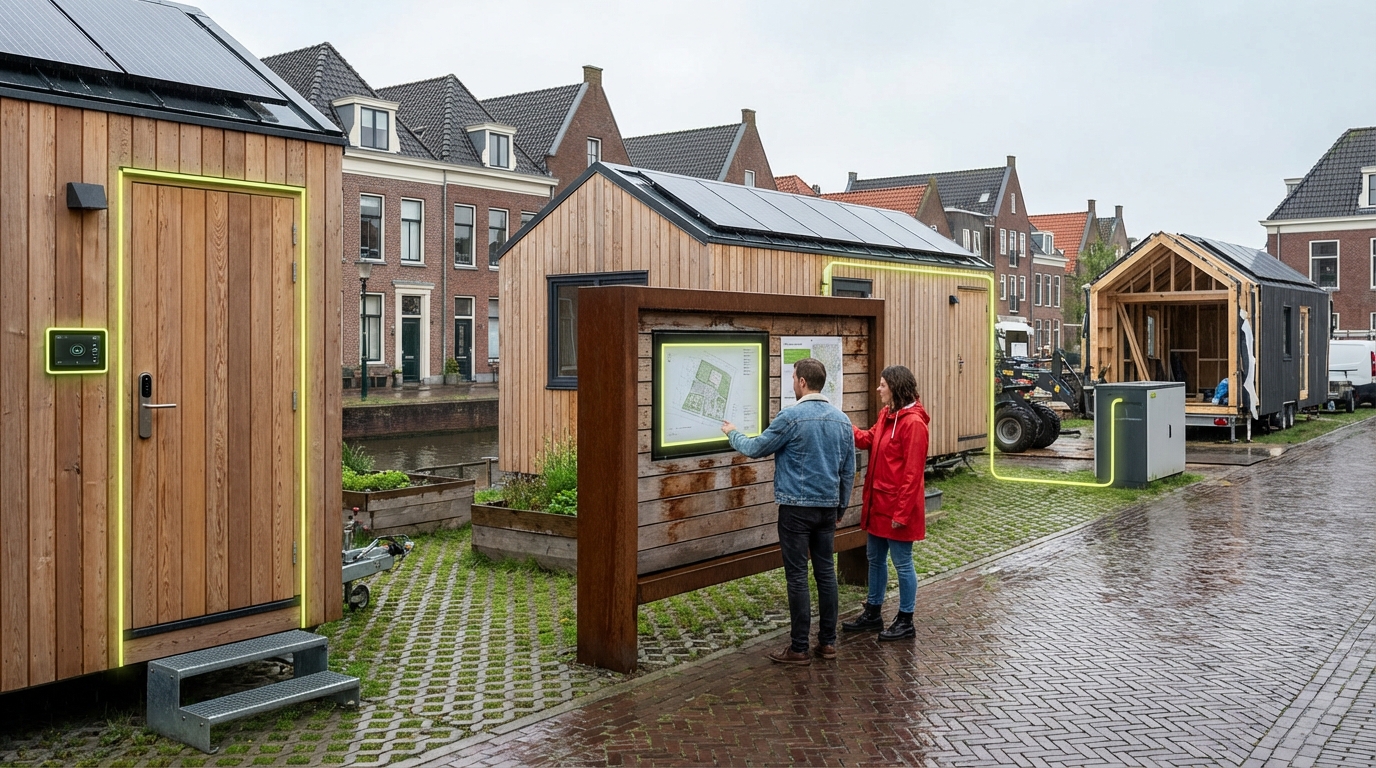
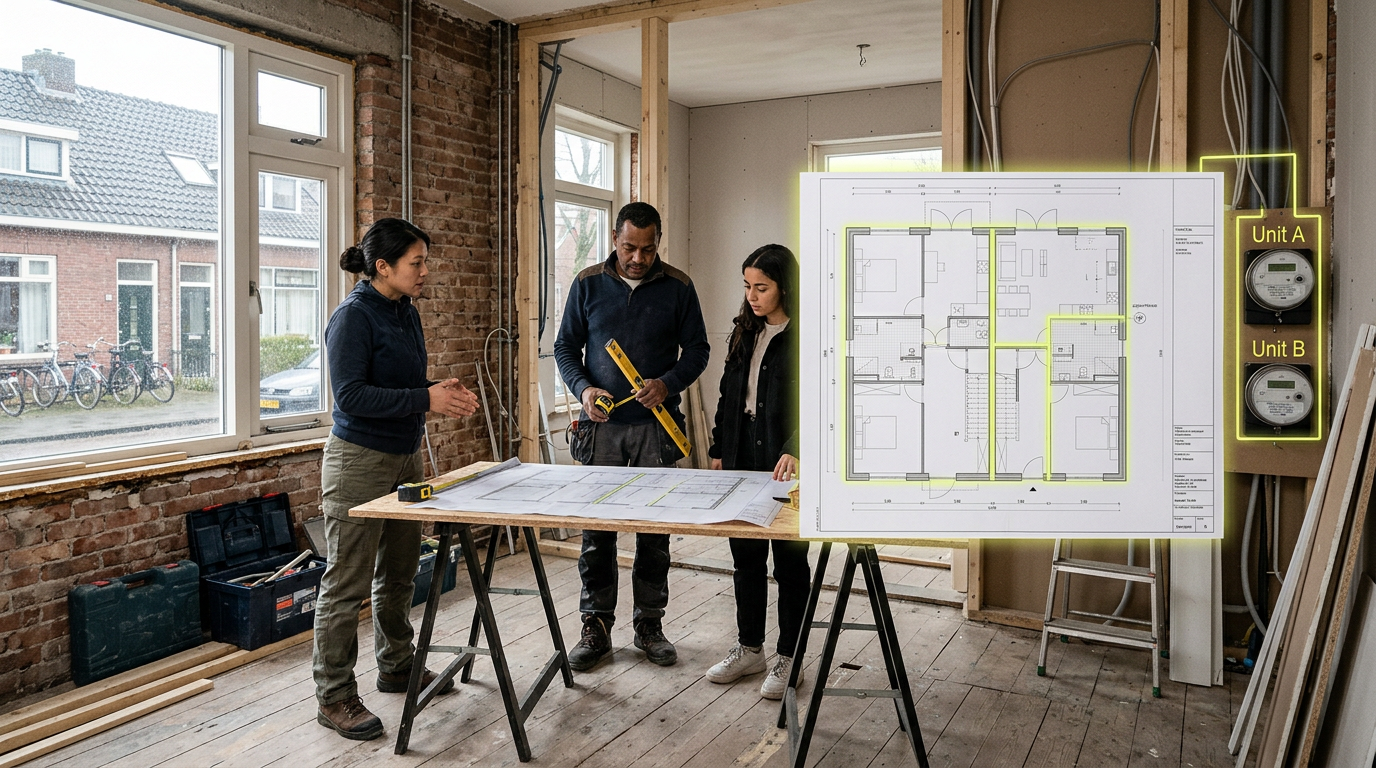
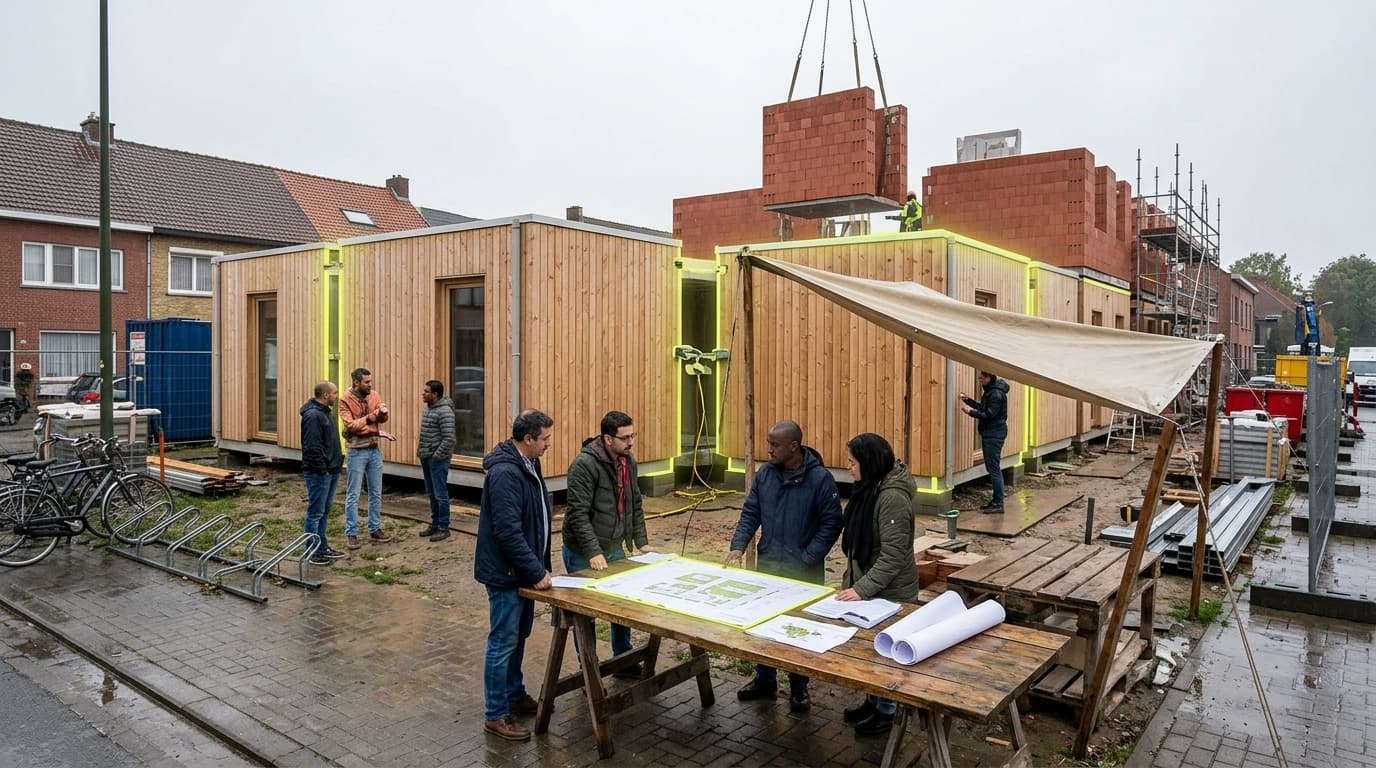
Flexwoningen represent a strategic shift in how housing systems respond to acute shortages by temporarily decoupling construction from permanent land allocation. These factory-built, relocatable units—designed for 15-30 year lifespans—can be rapidly deployed on sites awaiting long-term development, remediation, or infrastructure projects. The signal matters because it addresses a fundamental tension in densely populated regions: the urgent need for housing collides with slow planning cycles, land scarcity, and competing claims on available sites. By treating certain parcels as temporary housing opportunities rather than permanent commitments, flexwoningen create a parallel supply channel that can respond to immediate crises—whether housing waitlists, asylum seeker accommodation, or student shortages—without waiting for conventional development timelines. The Dutch government's target of 37,500 units by 2024-2025 reflects this approach's elevation from niche solution to national policy instrument.
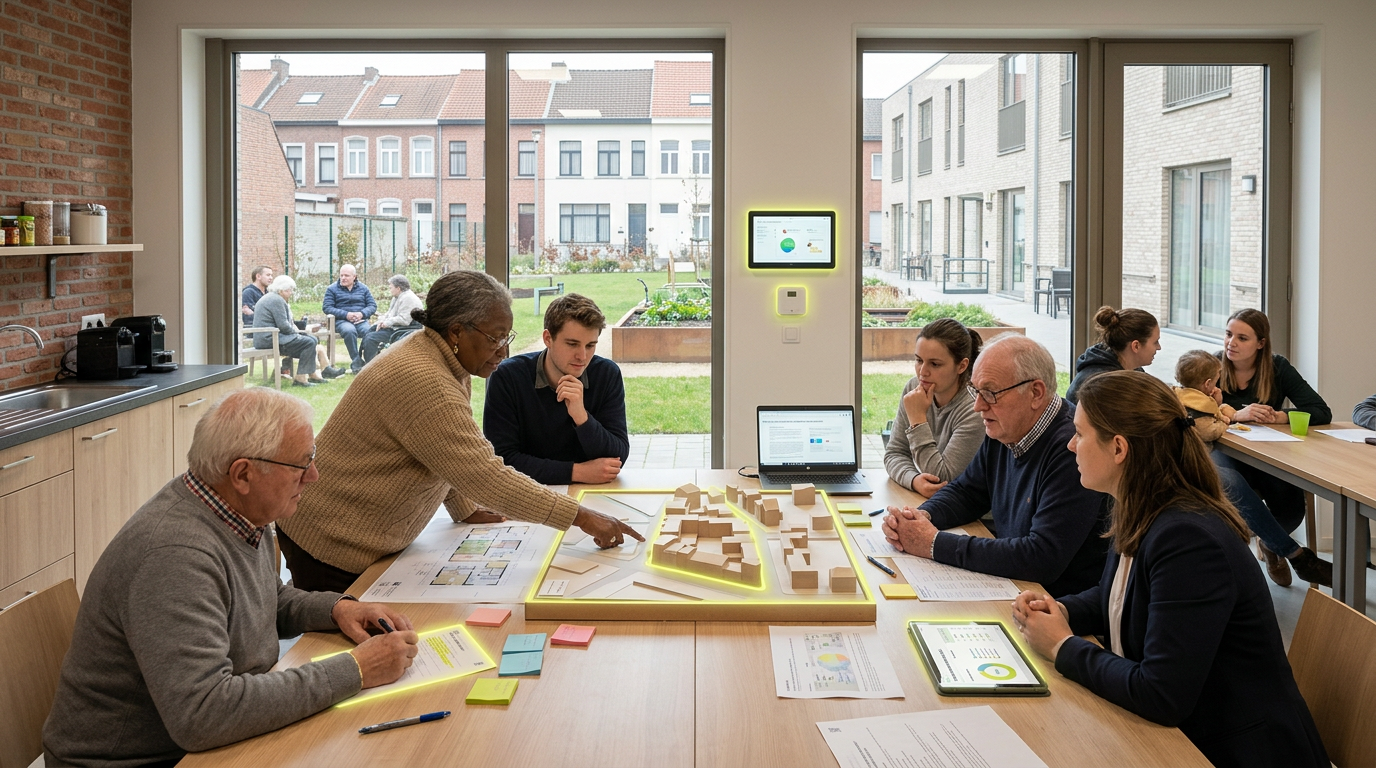
Early evidence suggests this model is maturing beyond emergency stopgaps into a recognized housing typology. Quality improvements have been substantial: modern flexwoningen increasingly feature insulation standards, interior finishes, and architectural design that make them indistinguishable from permanent construction, addressing earlier criticisms of substandard temporary housing. Municipalities are experimenting with mixed-tenure flex developments that combine social housing, market-rate units, and student accommodation on the same temporary site. However, implementation patterns reveal persistent friction points. Finding suitable sites remains challenging, as temporary land must meet infrastructure requirements (utilities, transport access) while avoiding conflicts with neighbors or future development plans. Community acceptance varies widely—some neighborhoods embrace flex housing as pragmatic problem-solving, while others mobilize opposition citing concerns about permanence creep, property values, or service strain. The economics of relocation also remain uncertain: while manufacturers design units for disassembly and redeployment, few projects have completed full relocation cycles, leaving questions about actual costs and feasibility unanswered.
The implications extend beyond immediate housing numbers to broader questions about urban flexibility and land-use governance. If flexwoningen prove economically viable through multiple deployment cycles, they could establish a new category of semi-permanent infrastructure—housing that moves with demand rather than remaining fixed. This challenges conventional assumptions about neighborhood stability, investment horizons, and the relationship between residents and place. For monitoring, key thresholds include whether relocated units actually find second sites (testing the redeployment model), how resident satisfaction compares to permanent housing over time, and whether municipalities develop systematic approaches to identifying and preparing temporary sites. Policy watchers should track whether other European countries facing similar shortages adopt comparable frameworks, and whether flex housing remains an emergency measure or becomes normalized as part of diversified housing supply strategies.
Related Organizations

One of the largest modular builders in Europe (formerly Jan Snel), specializing in industrialized housing production.
A major Dutch manufacturer of flexible and modular building systems for housing and healthcare.

The Dutch Ministry of the Interior and Kingdom Relations.

The Central Government Real Estate Agency of the Netherlands, which actively procures flex housing to address asylum and housing crises.

Aedes
Netherlands · Consortium
The umbrella association of Dutch housing corporations, facilitating knowledge exchange on sales models.

A Dutch builder specializing in timber-frame modular housing for social housing corporations and developers.

Develops modular, stackable wooden buildings that can serve as temporary or permanent housing.

Heijmans
Netherlands · Company
A major Dutch construction firm known for the 'Heijmans ONE', a movable prefab home for temporary placement.

A brand by De Meeuw focusing specifically on flexible living concepts and temporary housing developments.

Manufacturer of compact, factory-built wooden houses designed for rapid placement on small urban plots.