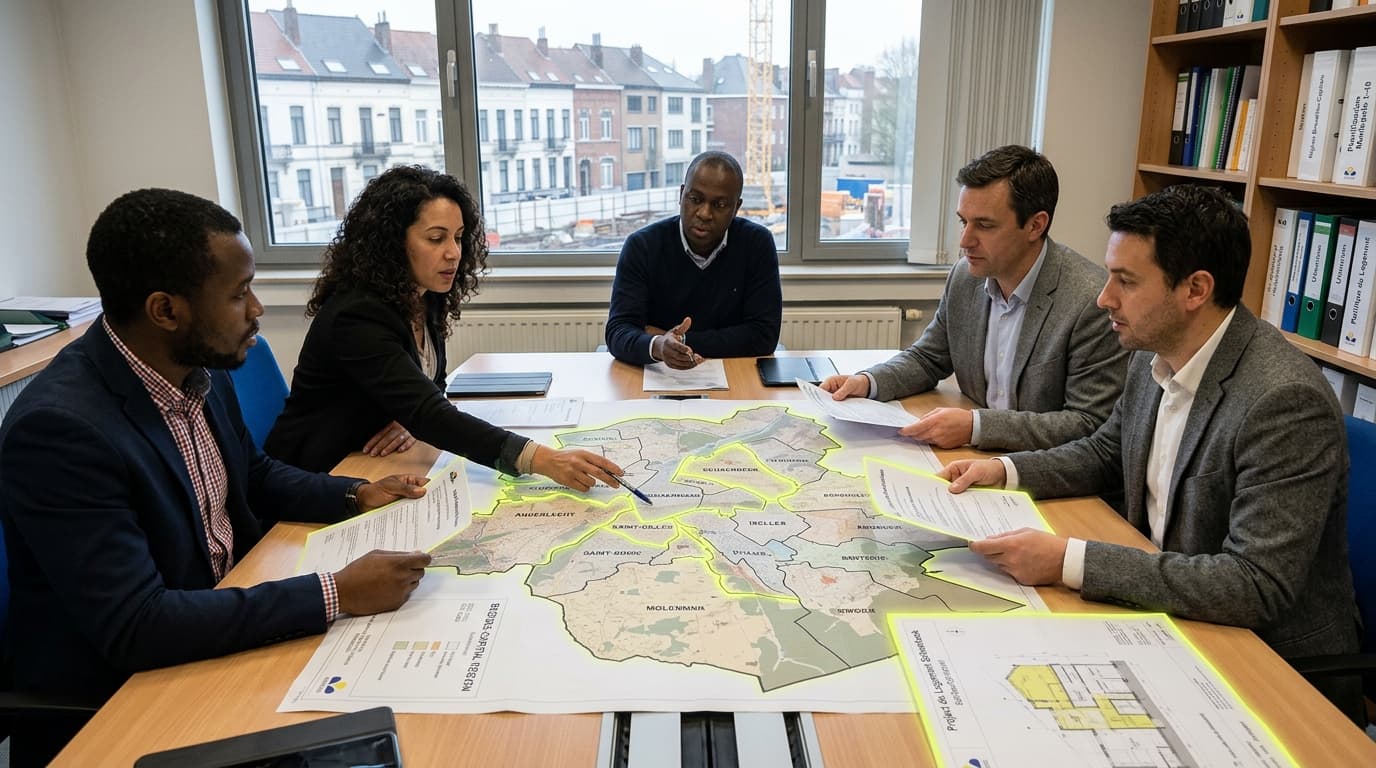
Brussels 19 Municipality Fragmentation
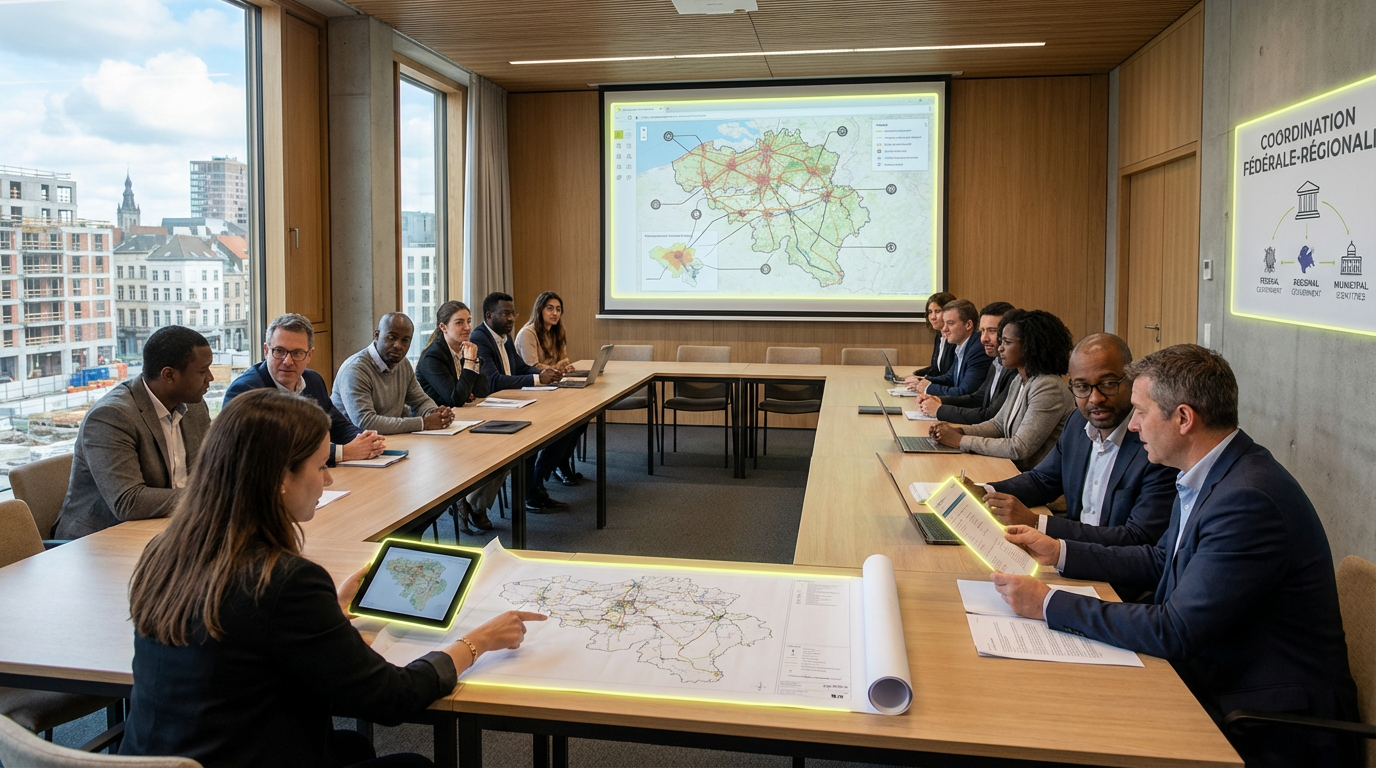
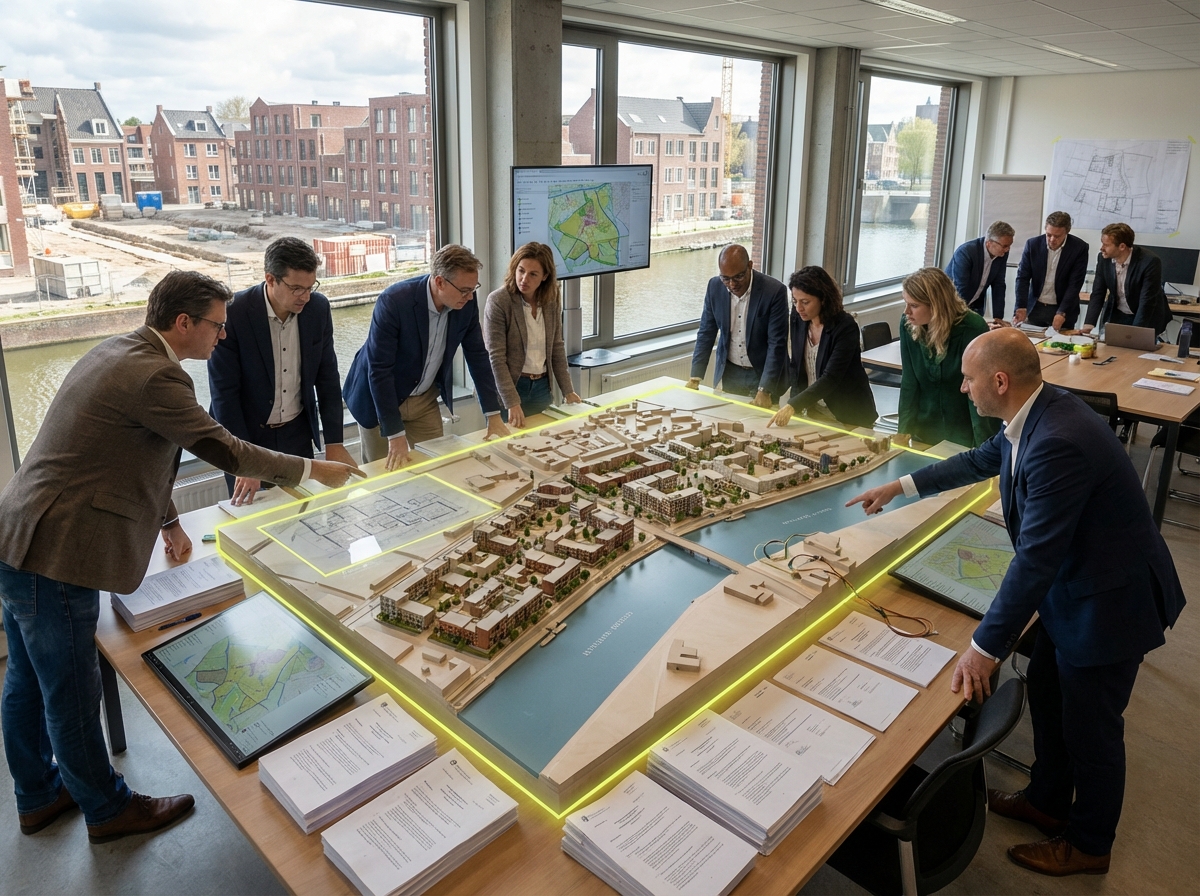
Brussels-Capital Region's division into 19 autonomous municipalities represents a governance fragmentation that systematically undermines coherent housing policy and urban development. Each municipality—from wealthy Uccle to diverse Schaerbeek—maintains its own mayor, council, and planning authority with substantial decision-making power over building permits, zoning regulations, and development strategies. This administrative patchwork creates coordination failures that directly impede the region's ability to address its acute housing shortage and affordability crisis. The challenge extends beyond mere bureaucratic inefficiency: it reflects deeper tensions between local democratic control and regional housing needs, where municipal autonomy often translates into the ability to resist density, affordable housing quotas, or transit-oriented development that might serve broader metropolitan interests.
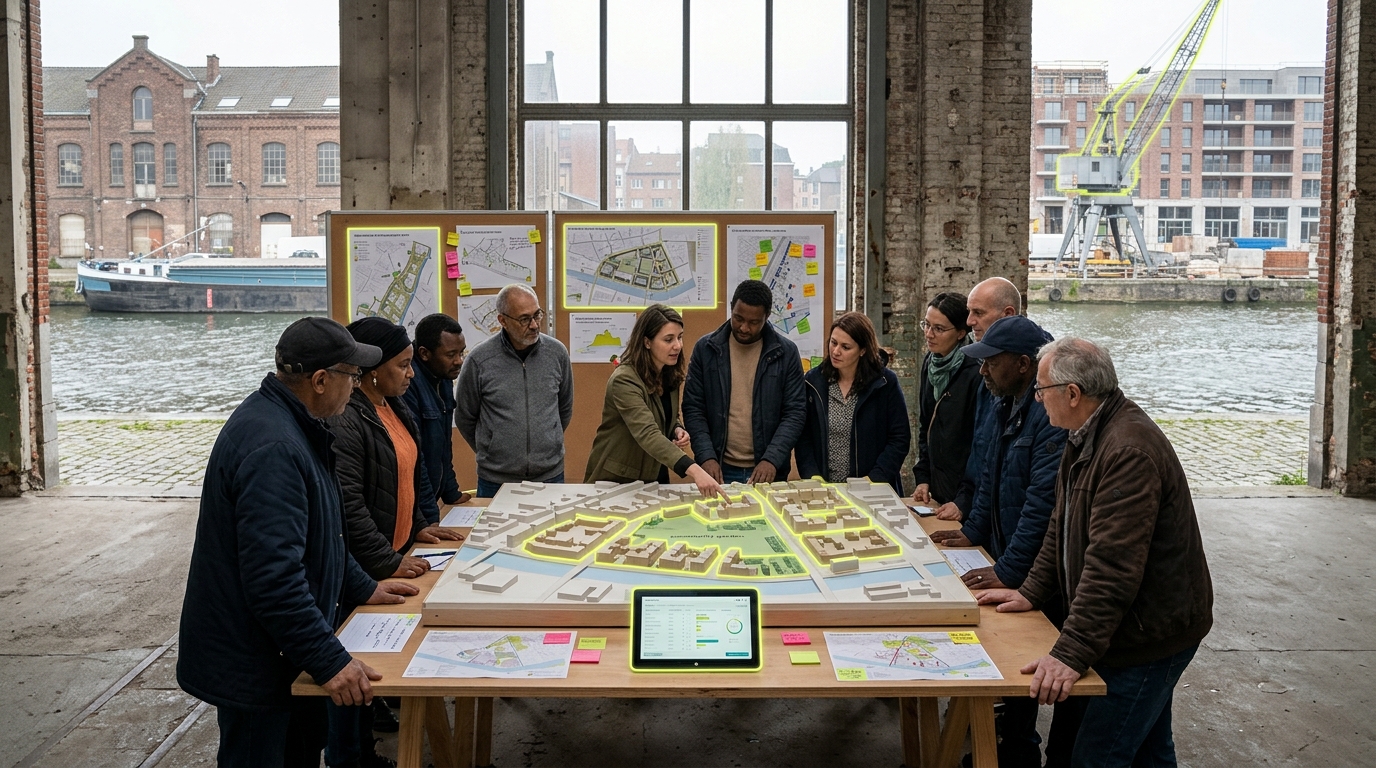
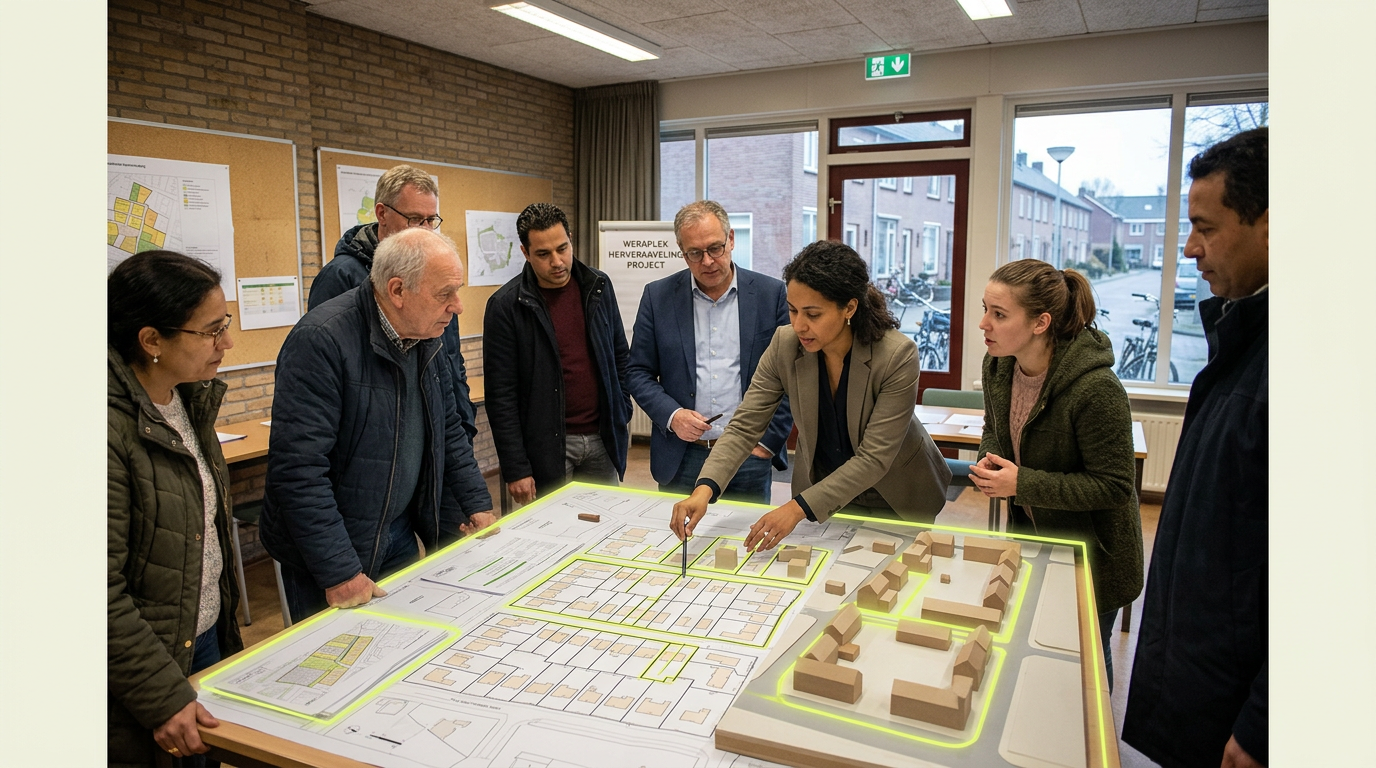
The fragmentation manifests in tangible barriers that developers, residents, and regional planners encounter daily. A single street can cross municipal boundaries where permit requirements, architectural standards, and processing timelines differ dramatically. Social housing distribution remains profoundly unequal, with some municipalities hosting substantial shares while others maintain exclusionary zoning that effectively prevents affordable units. Regional coordination mechanisms like the Plan Régional de Développement Durable struggle to impose coherent strategies when implementation depends on 19 separate political entities, each responding to distinct electoral pressures and local opposition movements. Research on Belgian urban governance suggests this fragmentation contributes to slower permit processing, inconsistent enforcement of regional sustainability goals, and the displacement of necessary but locally unpopular housing developments to municipalities with less political capacity to resist. The pattern resembles governance challenges in other fragmented metropolitan areas, though Brussels represents an extreme case where the capital region itself lacks the authority to override municipal decisions on critical housing matters.
The implications extend to fundamental questions about democratic governance and housing justice in growing urban regions. As Brussels faces pressure to accommodate population growth and address affordability, the municipal structure creates systematic obstacles to regional solutions—whether transit-oriented density corridors, equitable distribution of social housing, or streamlined approval processes for climate-adaptive construction. Monitoring should focus on political movements toward metropolitan consolidation or enhanced regional override powers, pilot coordination mechanisms that preserve local input while enabling regional housing targets, and comparative outcomes in similarly fragmented European cities. The signal also points to broader tensions between subsidiarity principles and housing crisis response, where the scale of democratic decision-making may not align with the scale of housing market dynamics or climate adaptation needs.
Related Organizations

The Chief Architect of the Brussels-Capital Region.

The Brussels Planning Agency, responsible for regional development strategy.

An inter-university research platform for Brussels.

The administration responsible for urban planning and cultural heritage in the Brussels-Capital Region.

An activist group advocating for the right to the city and democratized urban planning.

Immobel
Belgium · Company
The largest listed real estate developer in Belgium.

One of the most influential of the 19 municipalities.

A federation of neighborhood committees in Brussels.