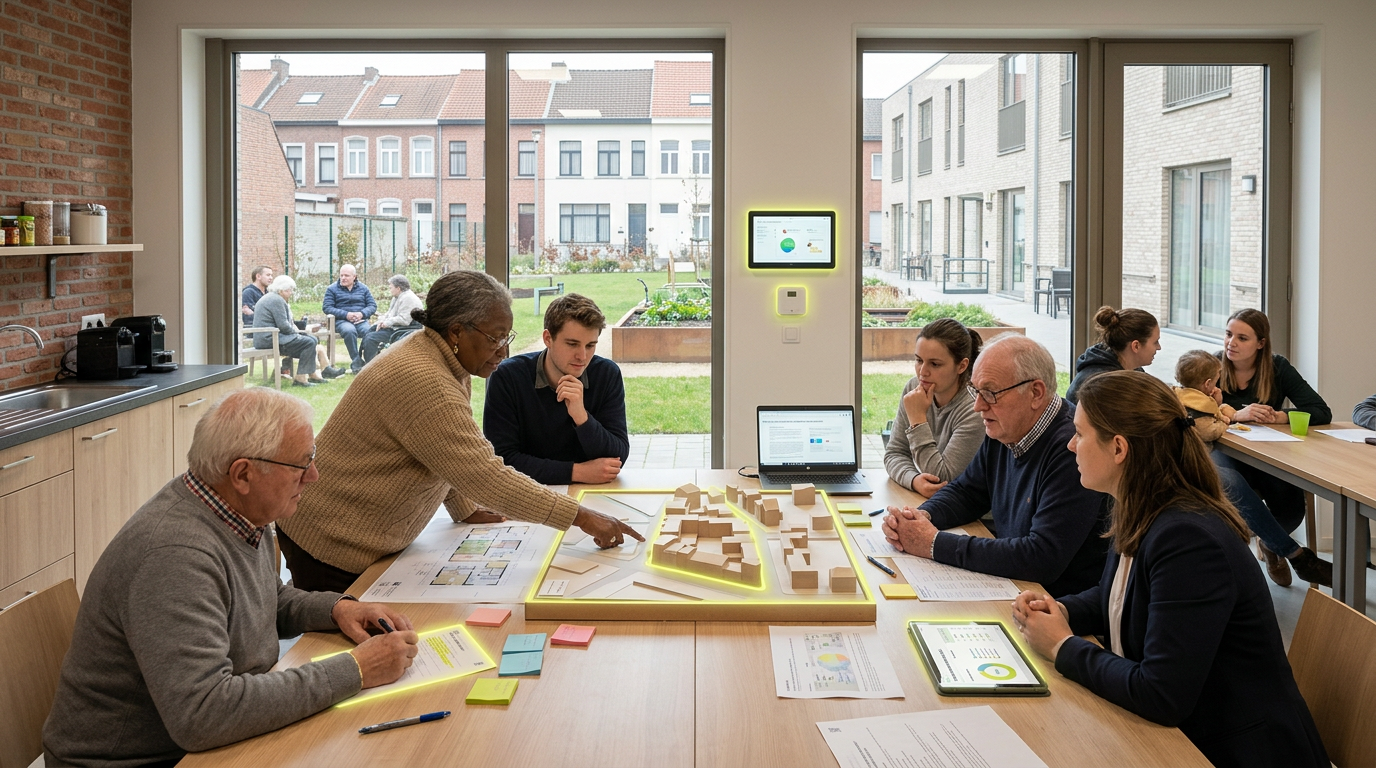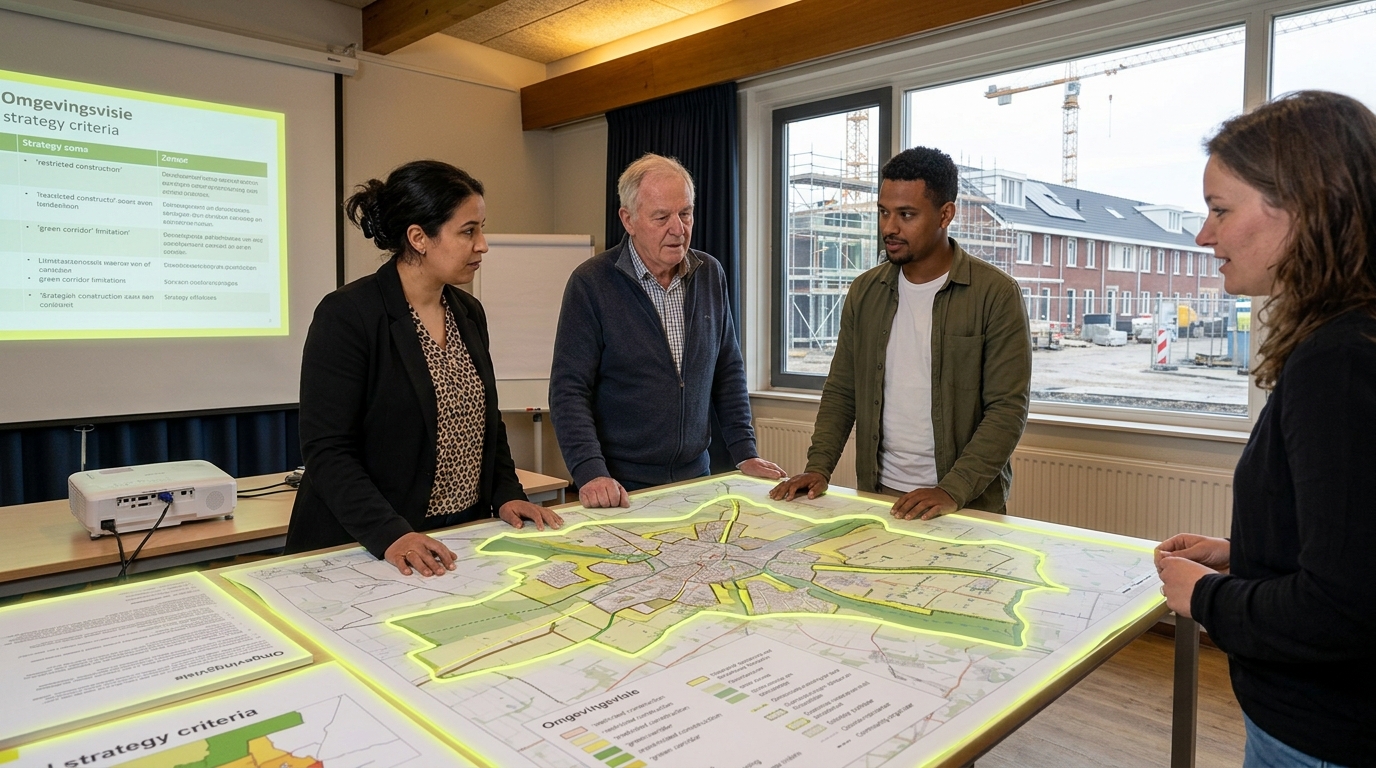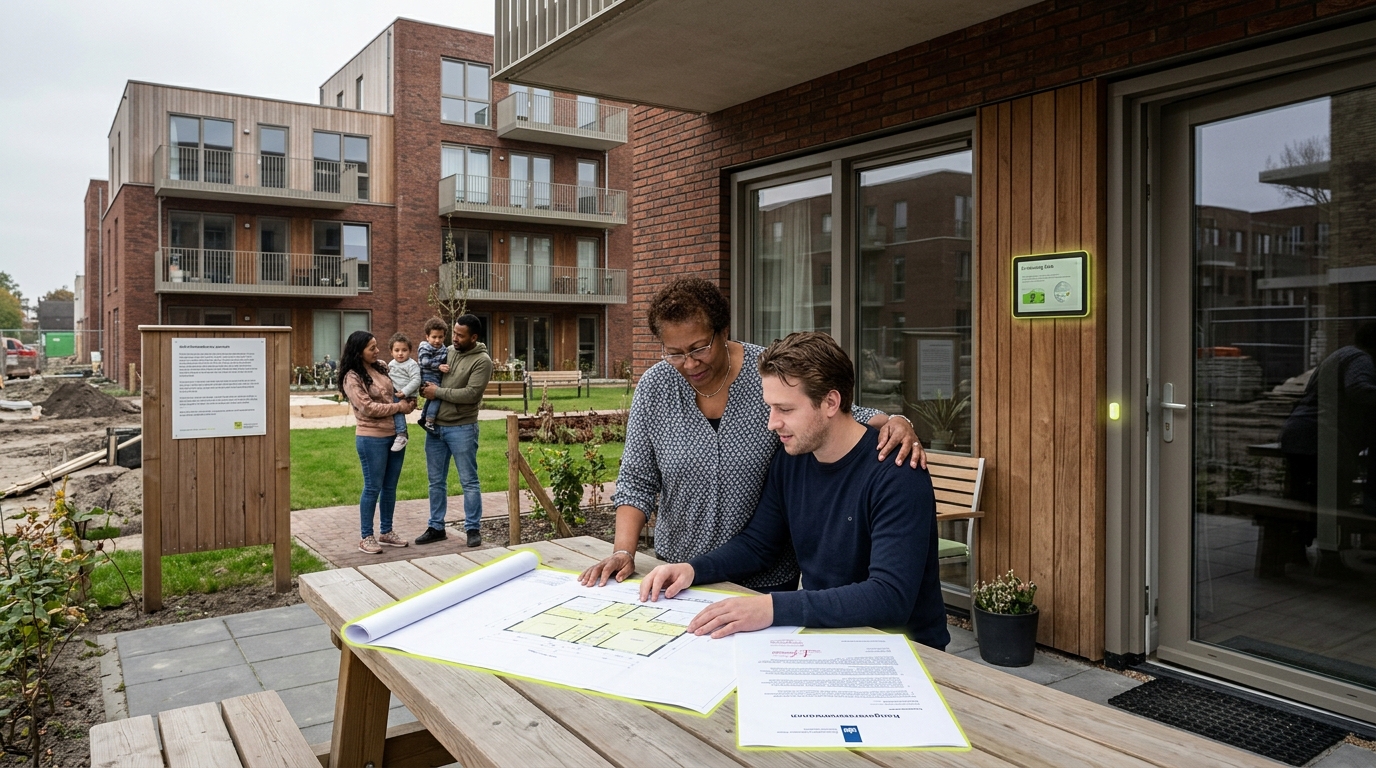
Woonzorgvisie (Housing-Care Vision)
Municipal governments across the Netherlands face mounting pressure to address a fundamental mismatch: housing systems designed for independent living increasingly serve populations requiring varying degrees of support and care. Woonzorgvisie, or housing-care vision strategies, represent a policy response to this challenge by mandating that municipalities explicitly integrate healthcare and social care considerations into housing planning processes. Since becoming a legal requirement in 2022, these strategic frameworks compel local governments to anticipate and plan for the housing needs of aging populations, people with disabilities, and individuals transitioning out of institutional care settings. The signal reflects a broader recognition that traditional sectoral boundaries between housing policy and healthcare provision have become untenable as demographic shifts and deinstitutionalization policies reshape who lives where and what support they require.
In practice, woonzorgvisie frameworks require municipalities to coordinate among housing associations, healthcare providers, and social services to identify gaps in suitable housing stock and plan interventions accordingly. Early implementations suggest varied approaches: some municipalities conduct detailed demographic projections to estimate future demand for accessible housing or group living arrangements, while others focus on mapping existing care infrastructure against housing locations to identify service deserts. The policy emerged from decades of incremental deinstitutionalization in Dutch healthcare, which moved thousands of people with intellectual disabilities and mental health conditions from large institutions into community settings, often without adequate housing preparation. Research from municipal pilot programs indicates that formal coordination mechanisms can accelerate development of intermediate housing forms—such as clustered apartments with shared support services—that traditional market mechanisms rarely produce. However, significant variation exists in implementation quality, with some municipalities treating the requirement as a compliance exercise rather than a strategic planning tool.
The critical question for monitoring is whether woonzorgvisie translates into actual housing development and service integration, or remains primarily a planning document. Key indicators include the rate at which municipalities allocate land or funding specifically for housing-care integrated projects, the degree to which housing associations modify development pipelines based on these visions, and whether vulnerable populations report improved access to suitable housing. Potential implications extend beyond the Netherlands, as other European nations grapple with similar demographic pressures and deinstitutionalization trajectories. If successful, the model could demonstrate how regulatory requirements can force cross-sectoral coordination in fragmented governance systems. Conversely, weak implementation would highlight the limitations of planning mandates without accompanying financing mechanisms or enforcement tools, particularly when political attention gravitates toward broader housing shortages affecting middle-income populations.
Related Organizations

The national knowledge platform for housing and care integration.

The Dutch Ministry of the Interior and Kingdom Relations.
The largest national housing corporation dedicated to seniors and people with care needs.

The branch association for care organizations in the Netherlands.

A housing corporation specializing in housing for the elderly, known for transforming traditional care homes into modern independent living concepts.


The national knowledge organization for long-term care.
A national platform connecting professionals in housing, care, and welfare.

A large advocacy organization for seniors in the Netherlands.

Financial consultancy for the public sector, including healthcare and housing.