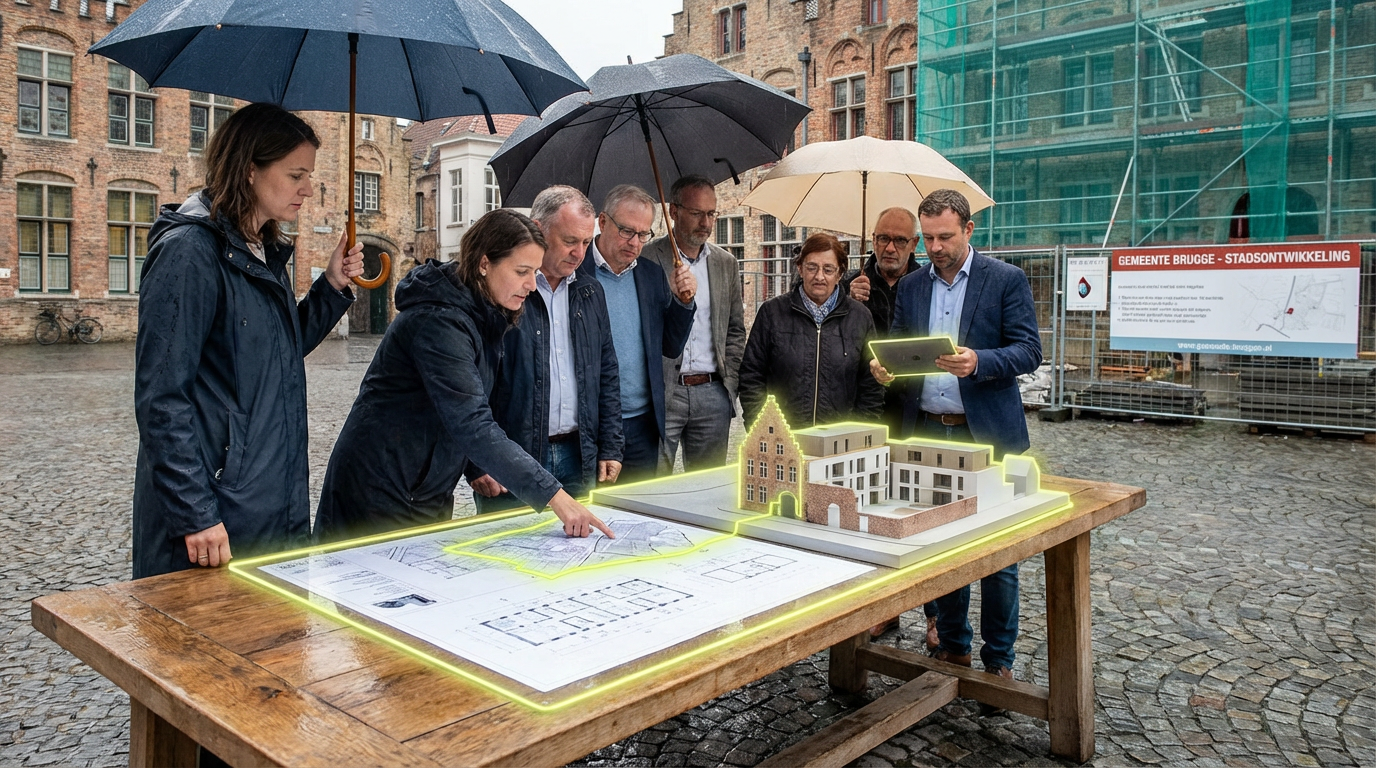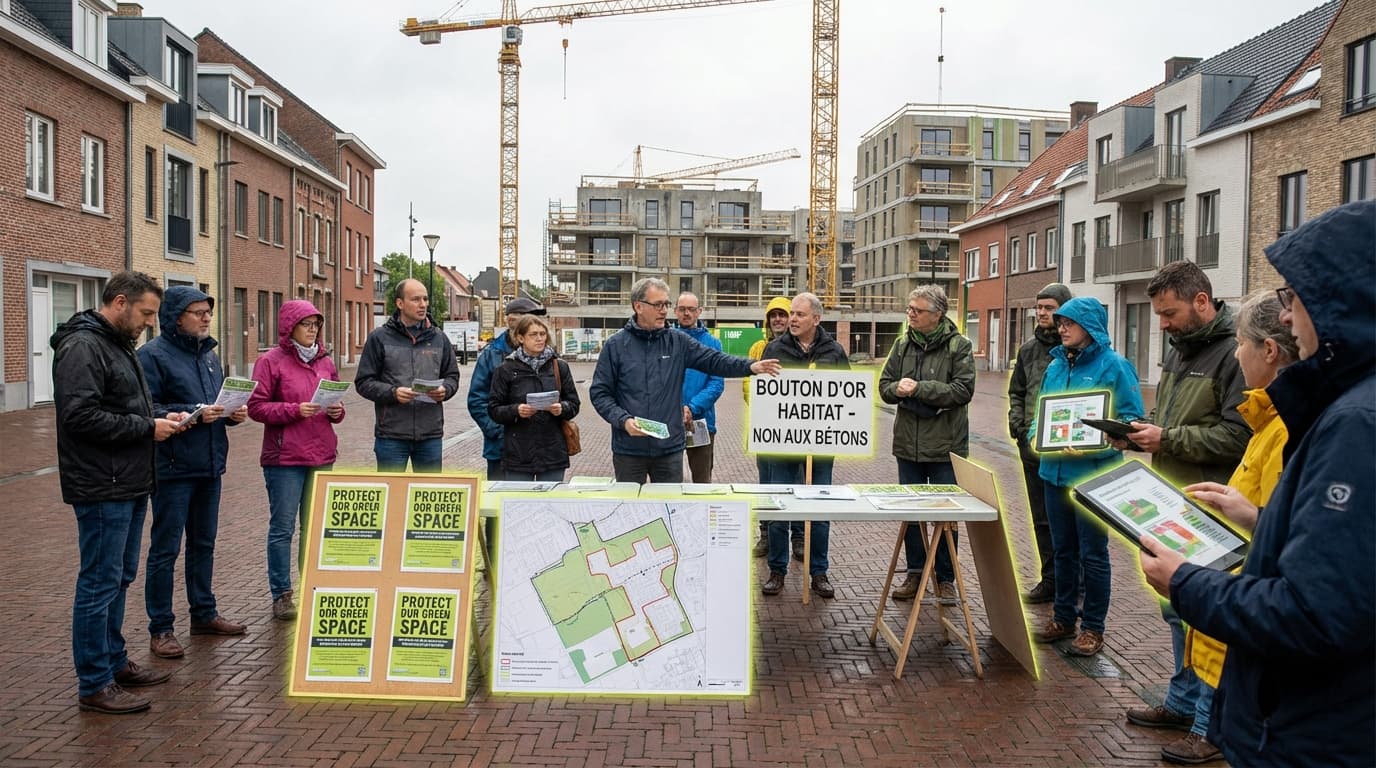
Environmental Group Opposition
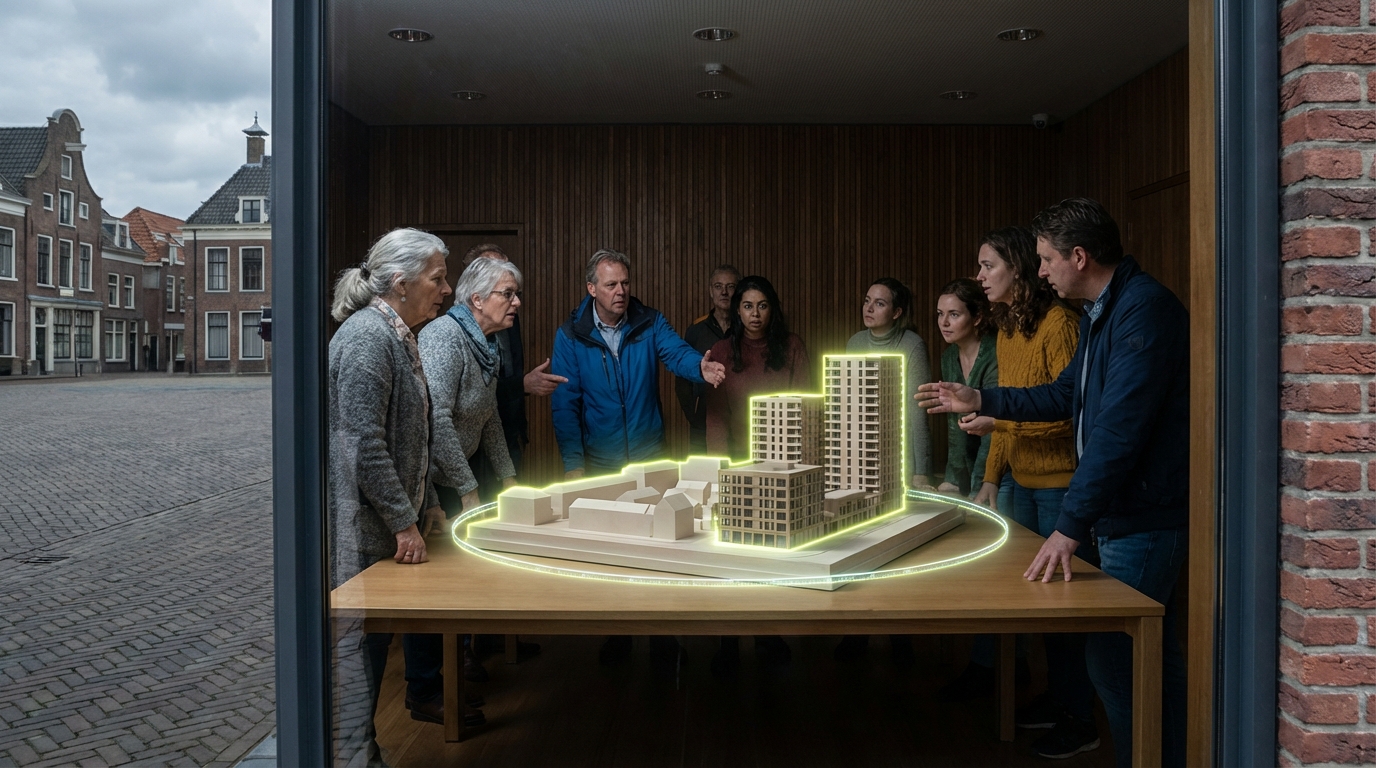
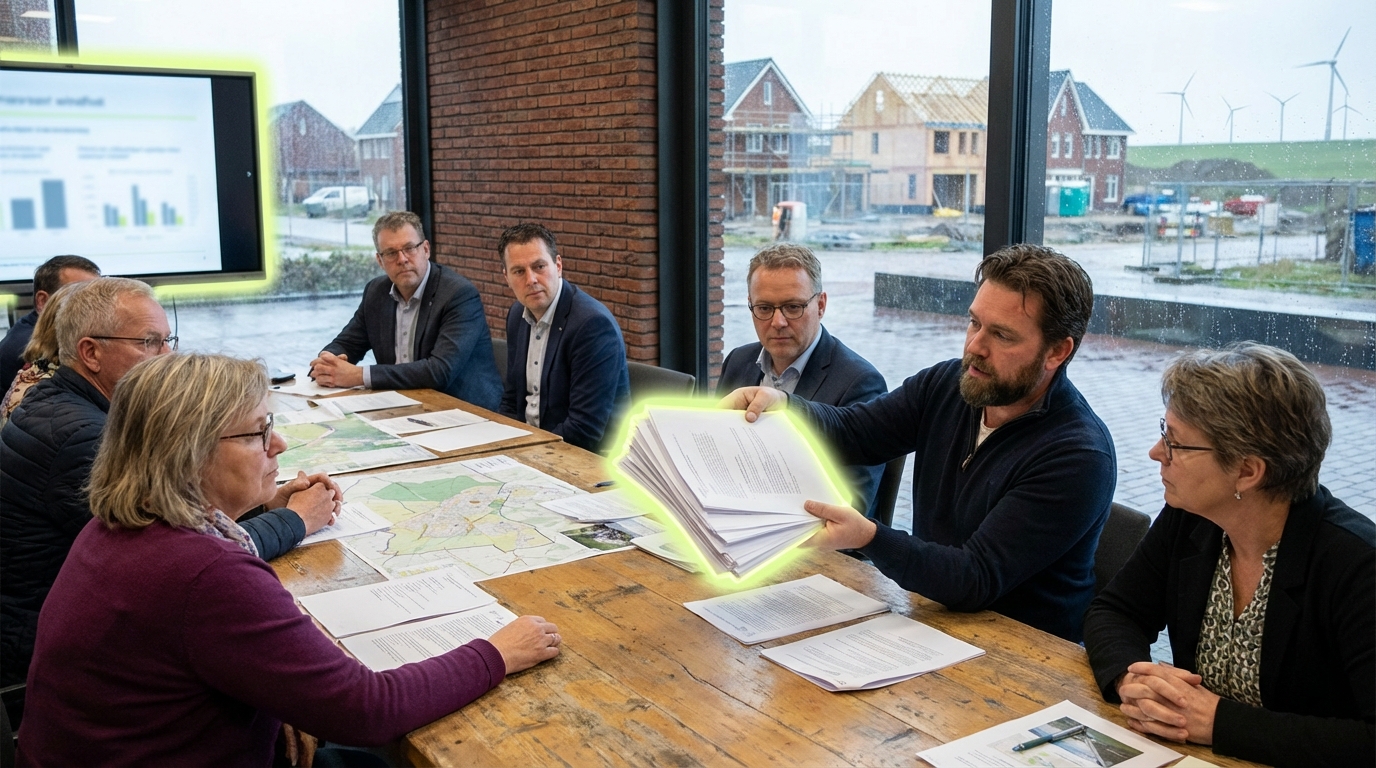
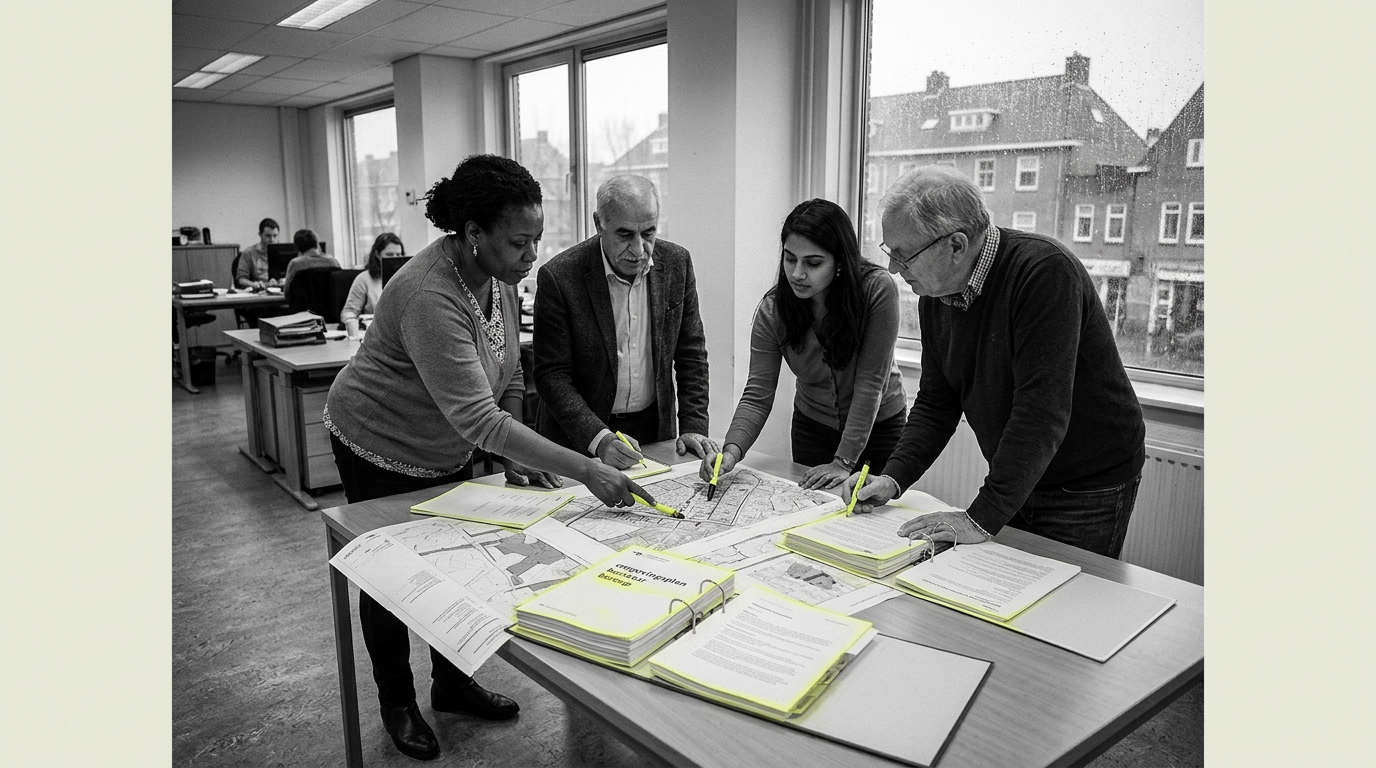
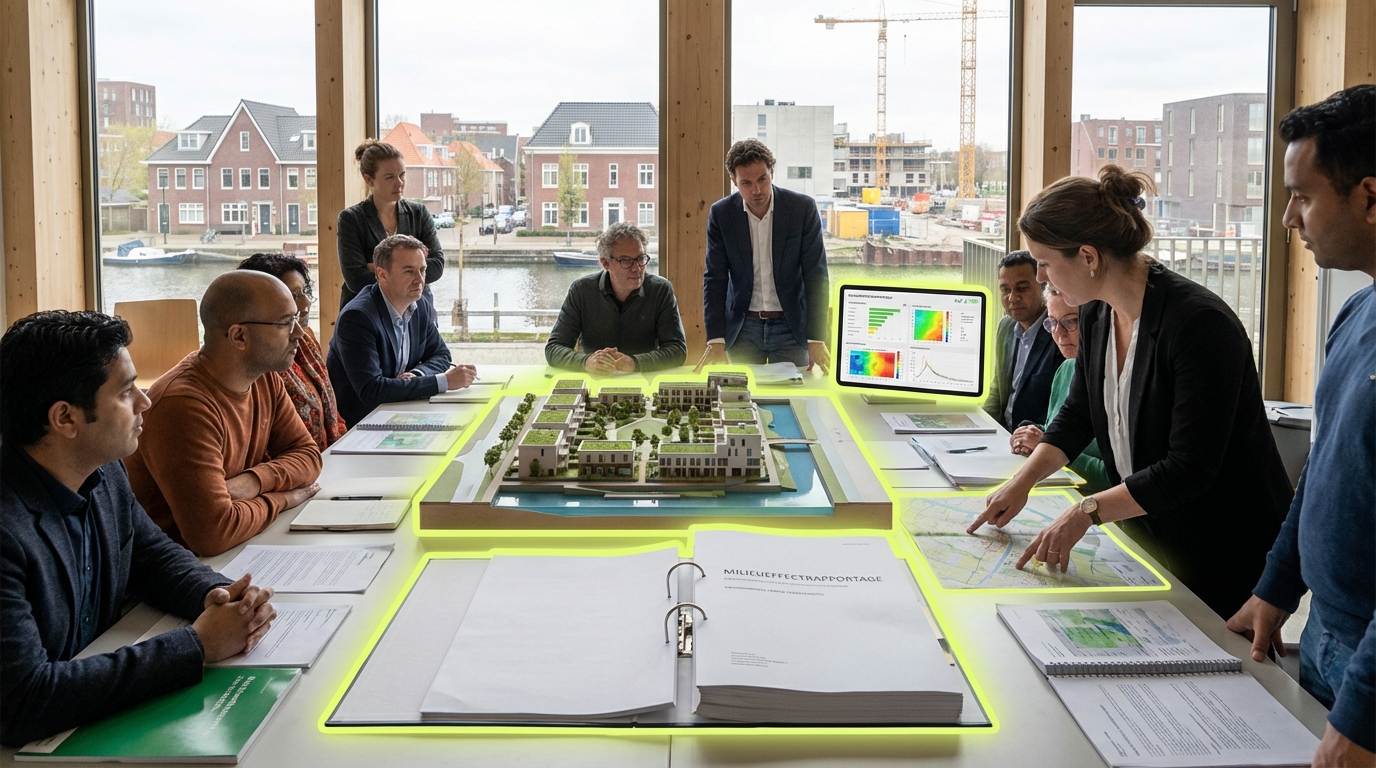
Environmental group opposition has emerged as a significant force shaping housing and development trajectories across the Benelux region, reflecting a fundamental tension between conservation imperatives and the urgent need for new housing. This signal matters because it reveals how environmental protection—a broadly supported societal value—can paradoxically constrain efforts to address housing shortages, even when proposed developments incorporate sustainability features like energy efficiency, green building materials, or transit-oriented design. The challenge extends beyond simple NIMBY dynamics; established environmental organizations wield considerable legal expertise, public legitimacy, and procedural tools that can delay or halt projects for months or years. In jurisdictions with strong environmental protection frameworks, such as the Netherlands' Natura 2000 network or Belgium's regional nature conservation laws, these groups operate within well-defined legal channels that grant them standing to challenge permits, demand environmental impact assessments, and appeal administrative decisions. The result is a complex governance landscape where housing development must navigate not only planning regulations but also environmental litigation strategies that can fundamentally reshape project timelines and feasibility.
The pattern manifests differently across contexts but shares common characteristics: opposition typically centers on habitat fragmentation, threats to protected species, loss of green corridors, or degradation of landscape character. Dutch nature organizations have successfully blocked housing proposals near ecologically sensitive areas by invoking nitrogen deposition concerns and biodiversity protection requirements, even when developers propose compensatory habitat creation elsewhere. Belgian environmental groups have challenged permits for residential projects that would convert agricultural land or woodland, arguing that densification within existing urban footprints should take precedence. In Luxembourg, conservation organizations have opposed development in transitional zones between urban and rural areas, citing the irreversible nature of land conversion and the importance of maintaining ecological connectivity. These interventions are not uniformly obstructionist—some environmental groups actively participate in collaborative planning processes—but the adversarial cases receive disproportionate attention and create chilling effects on development proposals. Research suggests that uncertainty around environmental opposition increases development costs and risk premiums, as investors factor potential delays into financial models. The signal appears strongest in jurisdictions with both acute housing pressure and robust environmental protection regimes, creating institutional friction points where competing policy objectives collide.
The implications extend beyond individual projects to broader questions about how societies reconcile environmental stewardship with social needs like affordable housing. Monitoring should focus on several dimensions: the frequency and success rates of environmental legal challenges to housing projects, the emergence of collaborative frameworks that integrate conservation and development goals from early planning stages, and policy innovations that attempt to resolve these tensions through mechanisms like biodiversity offsetting, strategic environmental assessments at regional rather than project scales, or pre-designated development zones that have undergone comprehensive environmental review. Particularly important will be tracking whether opposition patterns shift as climate adaptation becomes more urgent—environmental groups may increasingly support densification and transit-oriented development as climate mitigation strategies, even if specific projects raise local biodiversity concerns. The trajectory of this signal will likely depend on whether governance systems can evolve beyond zero-sum framing toward integrated approaches that genuinely protect ecological values while enabling housing production, or whether institutional gridlock deepens as competing imperatives intensify.