Brussels Canal Zone Development
The Brussels Canal Zone development represents a critical test case for how European cities manage large-scale urban transformation in post-industrial areas while attempting to preserve social equity and economic diversity. Spanning approximately 14 kilometers along the Willebroek canal, this zone historically served as Brussels' industrial backbone but has faced decades of economic decline and disinvestment. The fundamental challenge it addresses is whether cities can successfully convert underutilized industrial land into vibrant mixed-use neighborhoods without triggering the displacement and gentrification patterns that have plagued similar transformations in Amsterdam, London, and Berlin. This question has become increasingly urgent as Brussels faces a housing shortage estimated at tens of thousands of units, while simultaneously needing to protect its remaining industrial employment base and working-class communities.
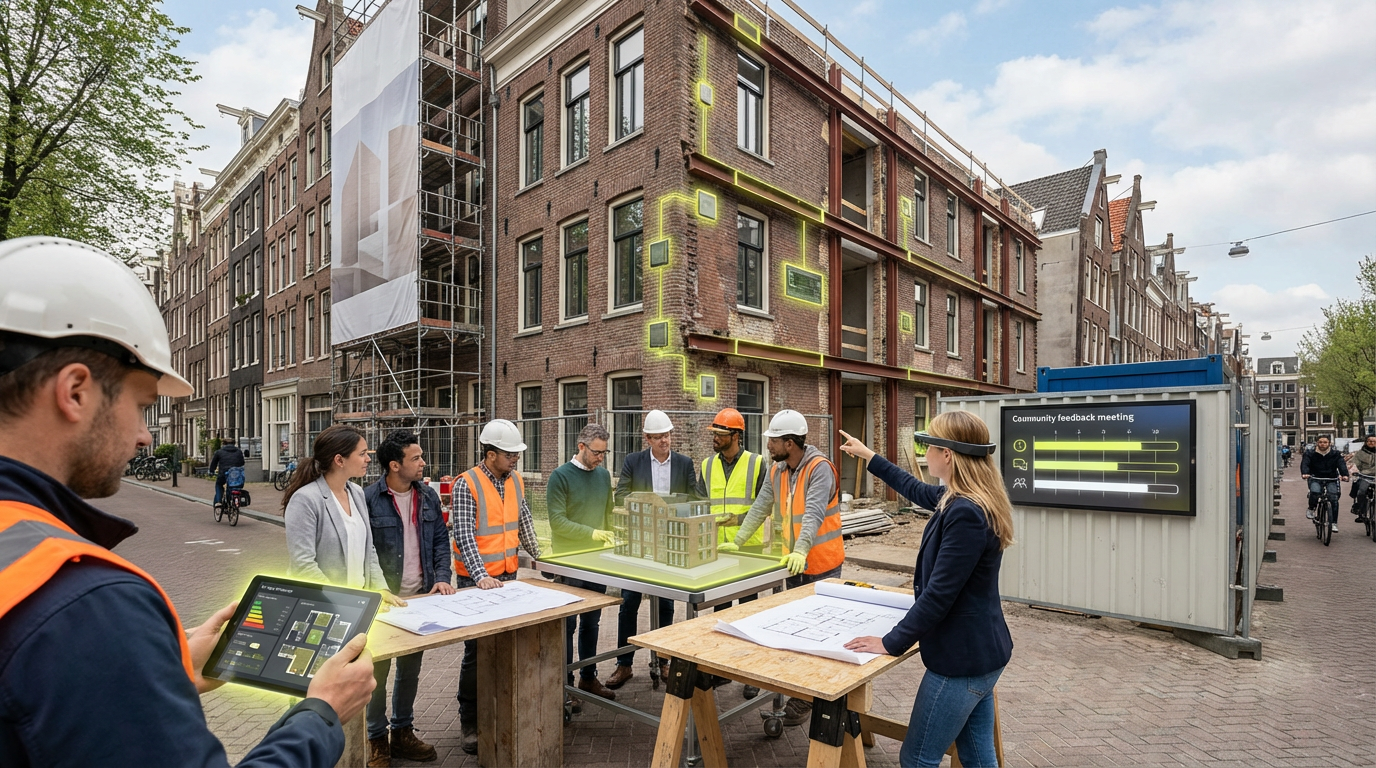
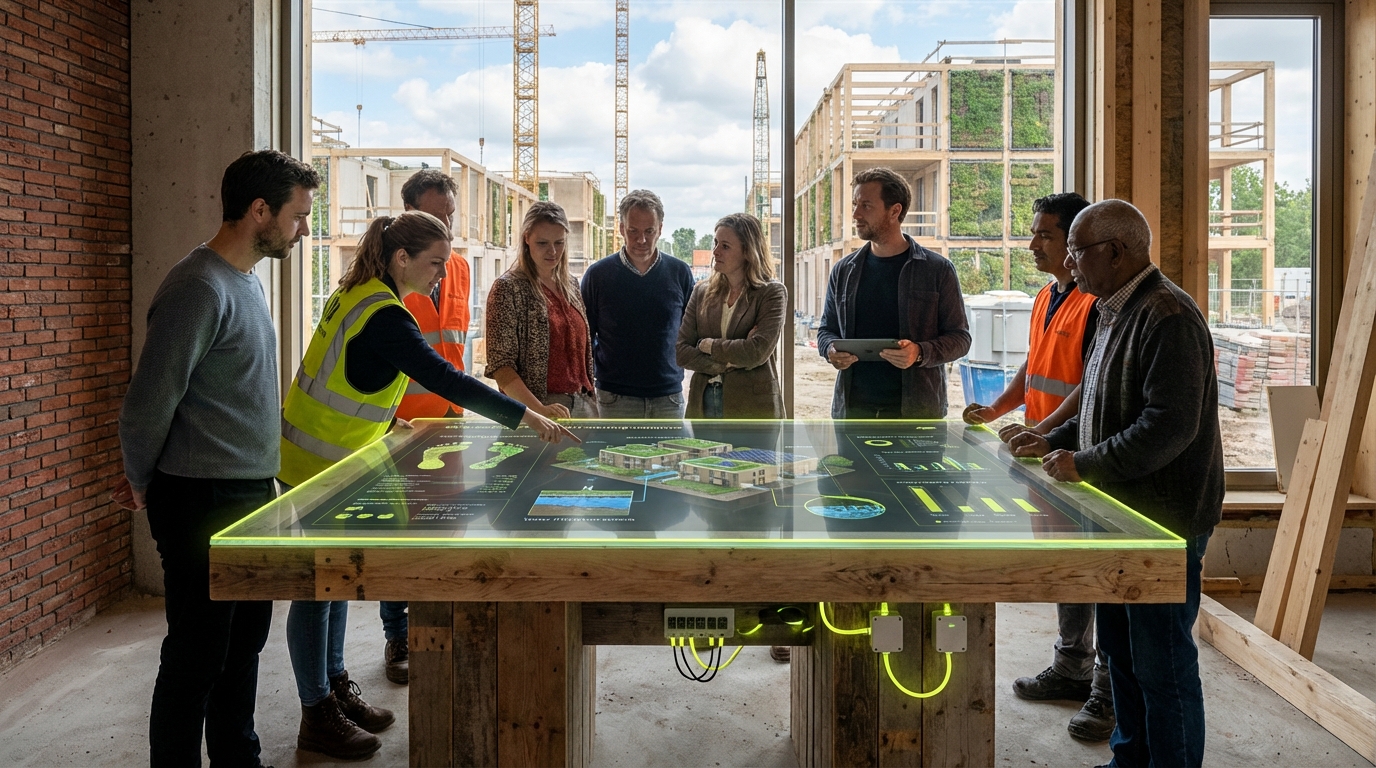
The transformation unfolds through multiple large-scale projects that reveal both the potential and pitfalls of this development model. Initiatives like Tivoli GreenCity and the Tour & Taxis conversion demonstrate sophisticated approaches to sustainable urbanism, incorporating green infrastructure, mixed-income housing, and adaptive reuse of industrial heritage. However, early evidence suggests these developments attract higher-income residents and creative industries while existing communities face rising rents and displacement pressures. The Brussels-Capital Region has attempted to address these tensions through regulatory mechanisms requiring minimum percentages of social and medium-income housing in new developments, alongside efforts to maintain productive activities through industrial zoning protections. Yet implementation remains contested, with community organizations arguing that affordable housing quotas prove insufficient and that genuine industrial jobs continue to decline despite preservation policies. The pattern emerging across the canal zone suggests that even well-intentioned planning frameworks struggle to counteract market forces that favor residential gentrification over industrial retention.
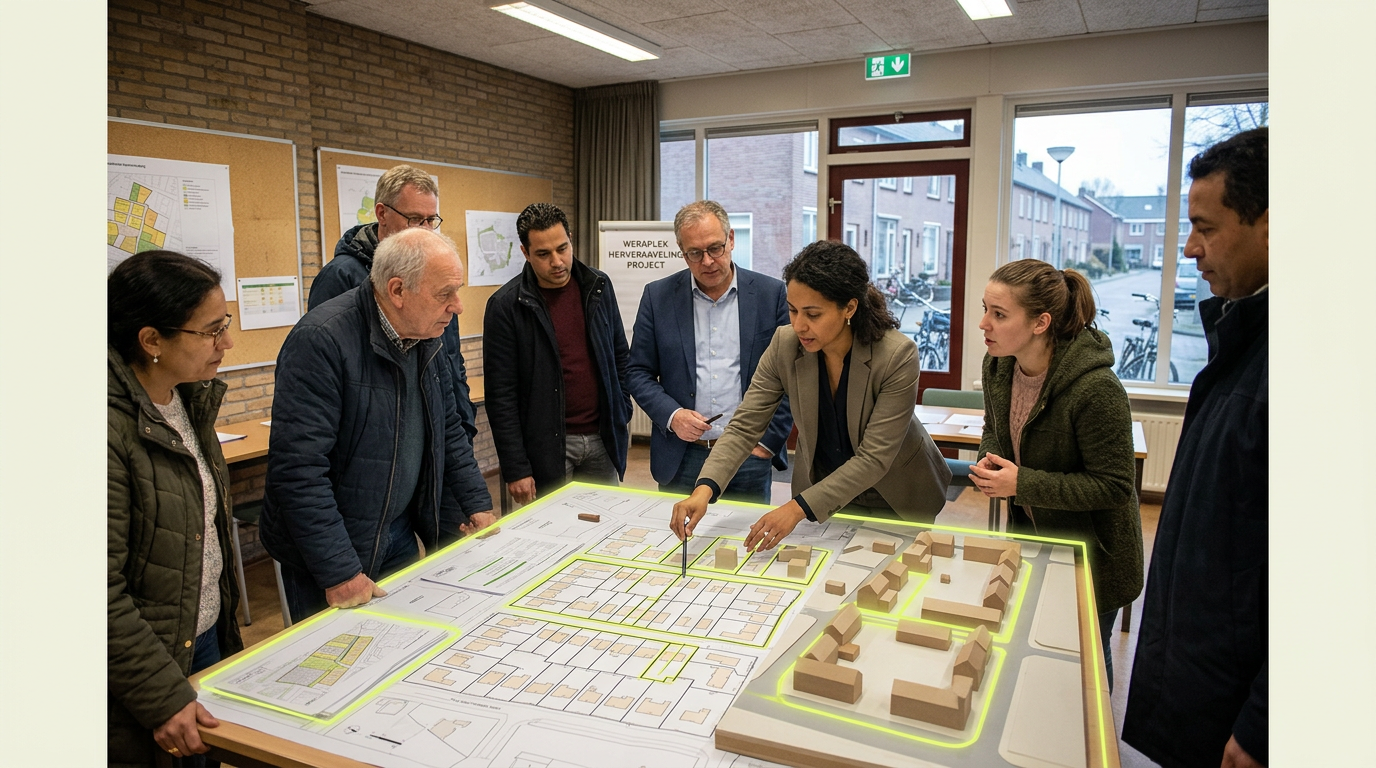
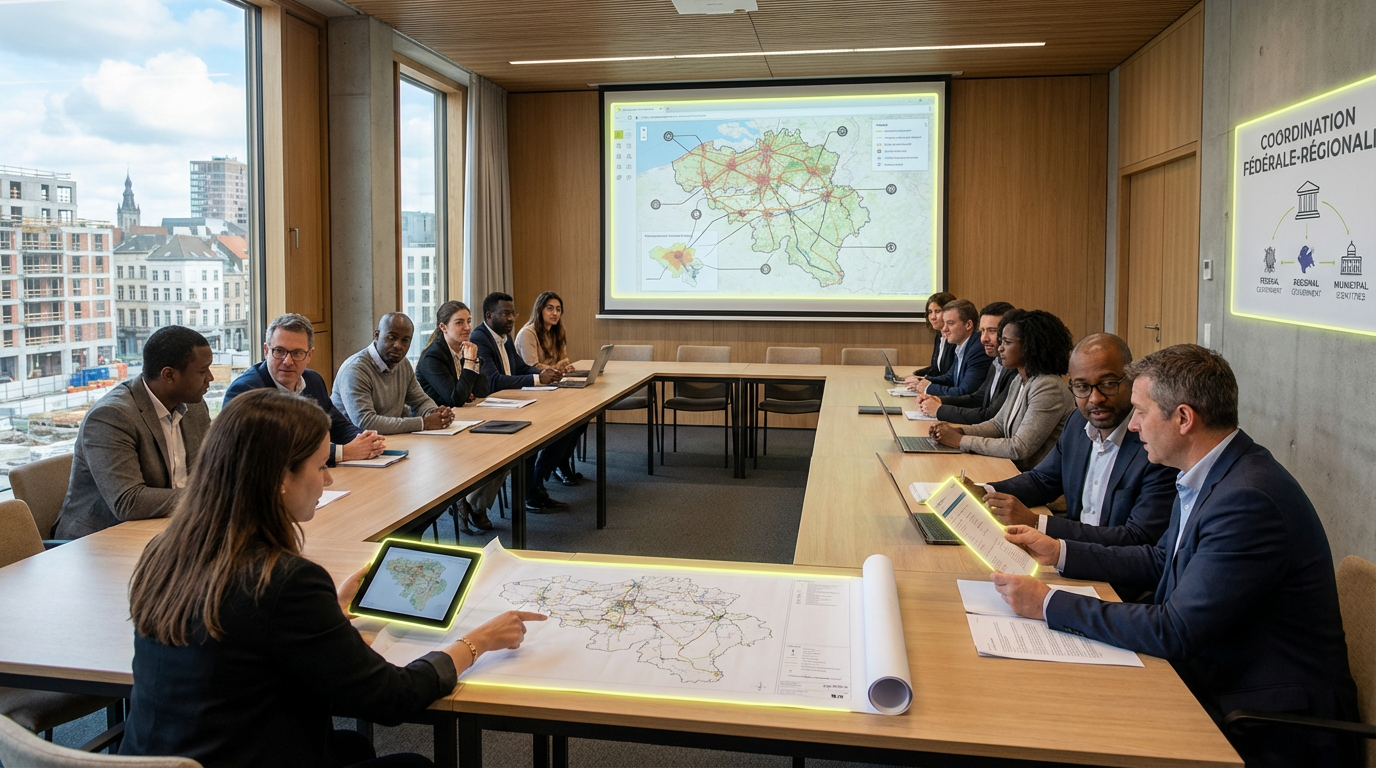
The implications of this development signal extend beyond Brussels to inform how cities across the Benelux region and Europe approach post-industrial transformation. If the canal zone succeeds in maintaining genuine social and economic diversity, it could provide a replicable model for balancing growth with equity. Conversely, if it follows familiar gentrification trajectories despite progressive planning intentions, it would suggest that regulatory tools alone cannot overcome the structural dynamics of urban land markets. Critical indicators to monitor include the actual delivery rates of affordable housing versus market-rate units, employment trends in remaining industrial sectors, and displacement patterns among existing residents. The zone also tests whether participatory planning processes can meaningfully influence outcomes or remain largely symbolic. As housing pressure intensifies across the region, understanding which mechanisms effectively preserve social value during large-scale development becomes essential for cities attempting to grow without erasing the communities and economic activities that define their character.