Envisioning is an emerging technology research institute and advisory.

LinkedInInstagramGitHub

2011 — 2026

research
  • Reports
  • Newsletter
  • Methodology
  • Origins
  • My Collection
services
  • Research Sessions
  • Signals Workspace
  • Bespoke Projects
  • Use Cases
  • Signal Scanfree
  • Readinessfree
impact
  • ANBIMAFuture of Brazilian Capital Markets
  • IEEECharting the Energy Transition
  • Horizon 2045Future of Human and Planetary Security
  • WKOTechnology Scanning for Austria
audiences
  • Innovation
  • Strategy
  • Consultants
  • Foresight
  • Associations
  • Governments
resources
  • Pricing
  • Partners
  • How We Work
  • Data Visualization
  • Multi-Model Method
  • FAQ
  • Security & Privacy
about
  • Manifesto
  • Community
  • Events
  • Support
  • Contact
  • Login
ResearchServicesPricingPartnersAbout
  1. Home
  2. Research
  3. Wonen
  4. Tijdelijk Gebruik (Temporary Use Agreements)

Tijdelijk Gebruik (Temporary Use Agreements)

Legal frameworks enabling interim use of vacant land or buildings for housing, activating dormant assets while permanent plans develop.
Back to WonenView interactive version

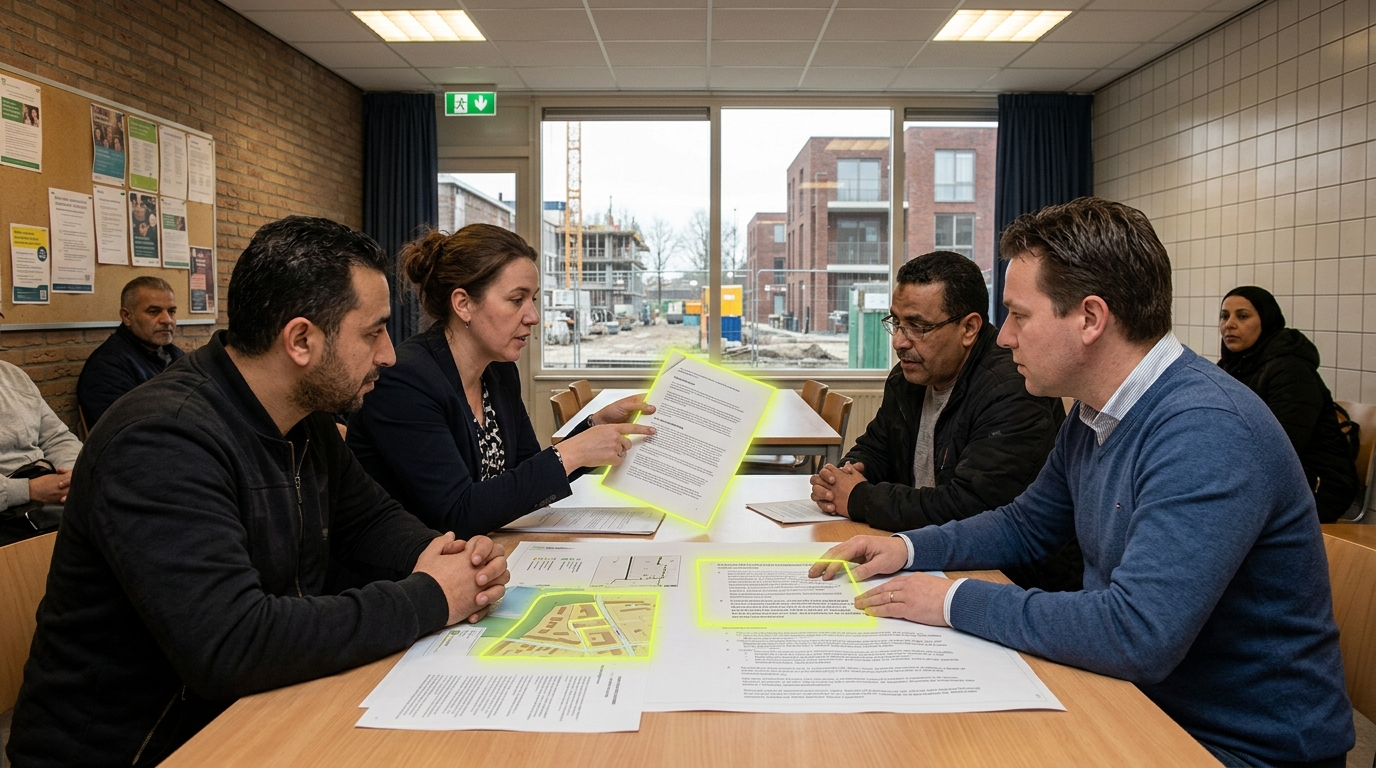
Tijdelijk gebruik, or temporary use agreements, addresses a fundamental tension in urban development: the gap between when buildings or land become vacant and when permanent redevelopment can begin. This interim period, which can stretch from months to years, traditionally leaves properties dormant—creating both economic waste and social costs through visible vacancy, security concerns, and foregone community benefits. The framework matters because it transforms this waiting period from a liability into an opportunity, particularly urgent in regions facing acute housing shortages. By establishing legal mechanisms that permit interim occupation, these arrangements activate underutilized assets while providing flexible housing options that can respond more quickly than conventional development cycles.

The practice operates through formalized agreements, typically spanning 5-15 years, between property owners, municipalities, and temporary users. In the Netherlands, Belgium, and Luxembourg, these frameworks are increasingly codified through specific permit categories that distinguish temporary use from permanent development, reducing regulatory friction and clarifying responsibilities. Early implementations suggest several emerging patterns: municipalities are developing standardized contract templates to accelerate deployment, property owners are recognizing interim rental income and reduced maintenance costs as viable alternatives to prolonged vacancy, and housing organizations are experimenting with modular or adaptable structures designed for eventual relocation. Evidence from Dutch cities indicates that temporary housing projects can activate sites within months rather than years, though data on long-term outcomes remains limited. The arrangements encompass diverse applications—from converting empty office buildings into short-term residences to establishing community-managed housing on land awaiting infrastructure development.

The implications extend beyond immediate housing provision to broader questions about urban asset management and housing security. For municipalities, temporary use offers a tool to address waiting lists and demonstrate responsiveness without committing to permanent solutions that may conflict with future planning objectives. However, this flexibility creates tension: residents in temporary housing face inherent insecurity about displacement, potentially limiting their willingness to invest in community building or property improvements. Critical monitoring points include whether temporary arrangements genuinely bridge toward permanent housing or become substitutes that defer necessary long-term investment, how tenant protections evolve as these frameworks mature, and whether the model scales beyond individual projects to become a systematic component of housing policy. The signal also raises questions about which populations benefit—whether temporary use primarily serves young, mobile residents or can accommodate families and vulnerable groups requiring stability.
Regulatory Complexity
2/5Moderate
Community Acceptance
4/5Moderate Acceptance
Social Value Generation
4/5Significant Social Value
Category
Innovation & Solutions

Connections

Innovation & Solutions
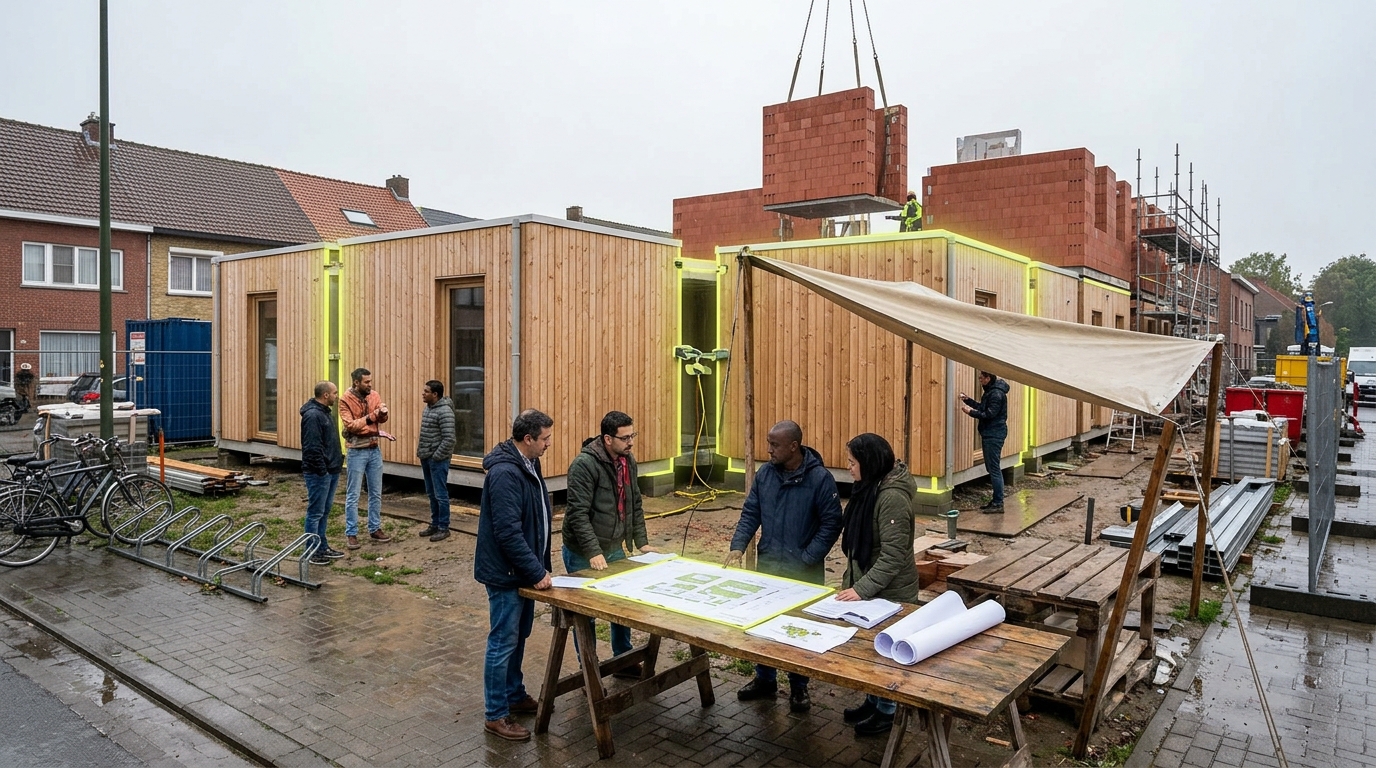
Flexwoningen (Flex Housing)

Factory-built relocatable housing units with 15-30 year lifespans, enabling rapid deployment on temporary sites to address acute shortages.

Regulatory Complexity
2/5
Community Acceptance
3/5
Social Value Generation
4/5
Innovation & Solutions
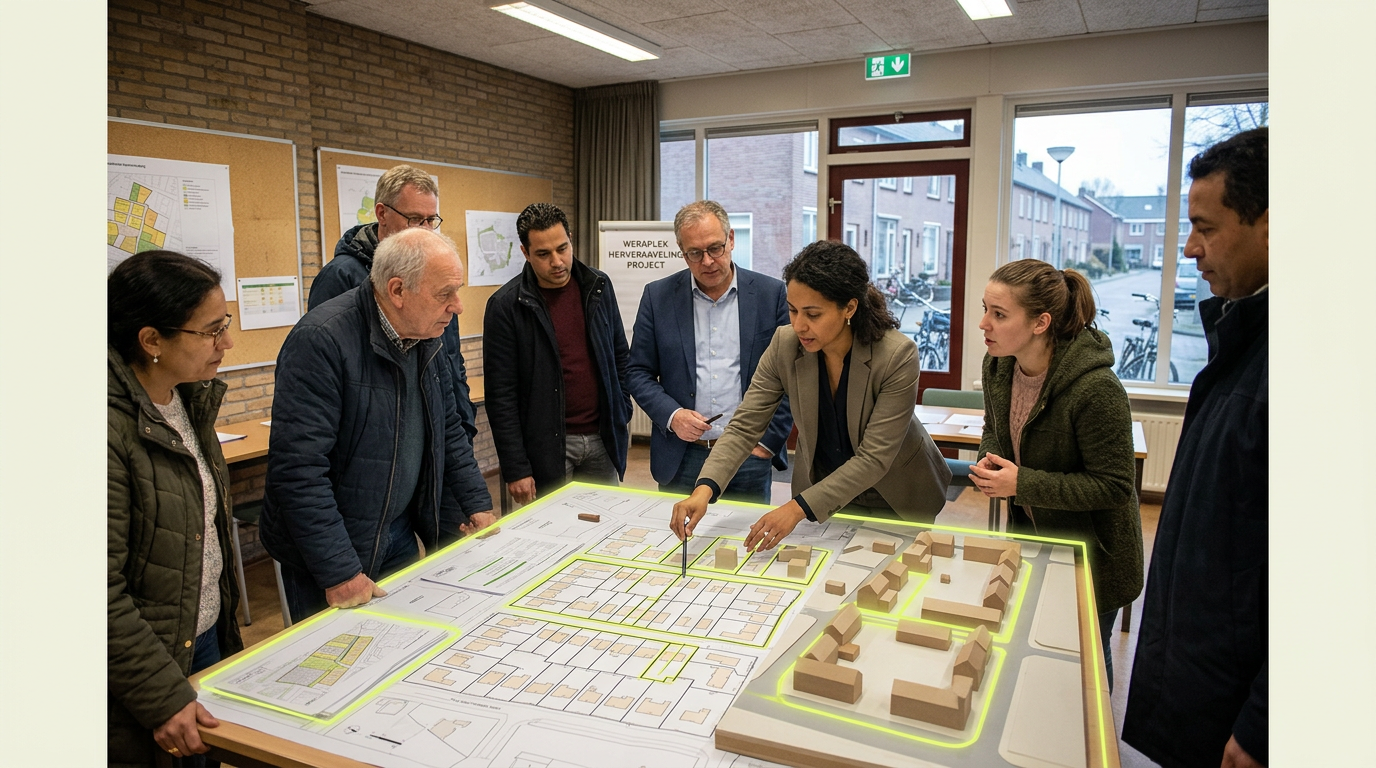
Stedelijke Herverkaveling (Land Readjustment)

Legal and planning tools that pool fragmented parcels and redistribute development rights, enabling infill without full expropriation.

Regulatory Complexity
4/5
Community Acceptance
3/5
Social Value Generation
4/5
Development Models
Actief Grondbeleid (Active Land Policy)

Municipalities buying/servicing land and capturing land value to steer development outcomes (affordability, timing, infrastructure).

Regulatory Complexity
4/5
Community Acceptance
3/5
Social Value Generation
5/5
Development Models
Anti-Speculatiebedingen (Anti-Speculation Clauses)

Deed restrictions preventing quick resale or requiring profit-sharing, ensuring housing serves residents rather than investors.

Regulatory Complexity
2/5
Community Acceptance
4/5
Social Value Generation
4/5
Governance & Permitting
Opkoopbescherming (Buy-to-Let Protection)

Municipal powers to restrict investor purchases in designated areas, requiring owner-occupation to preserve housing for residents.

Regulatory Complexity
2/5
Community Acceptance
4/5
Social Value Generation
4/5
Development Models
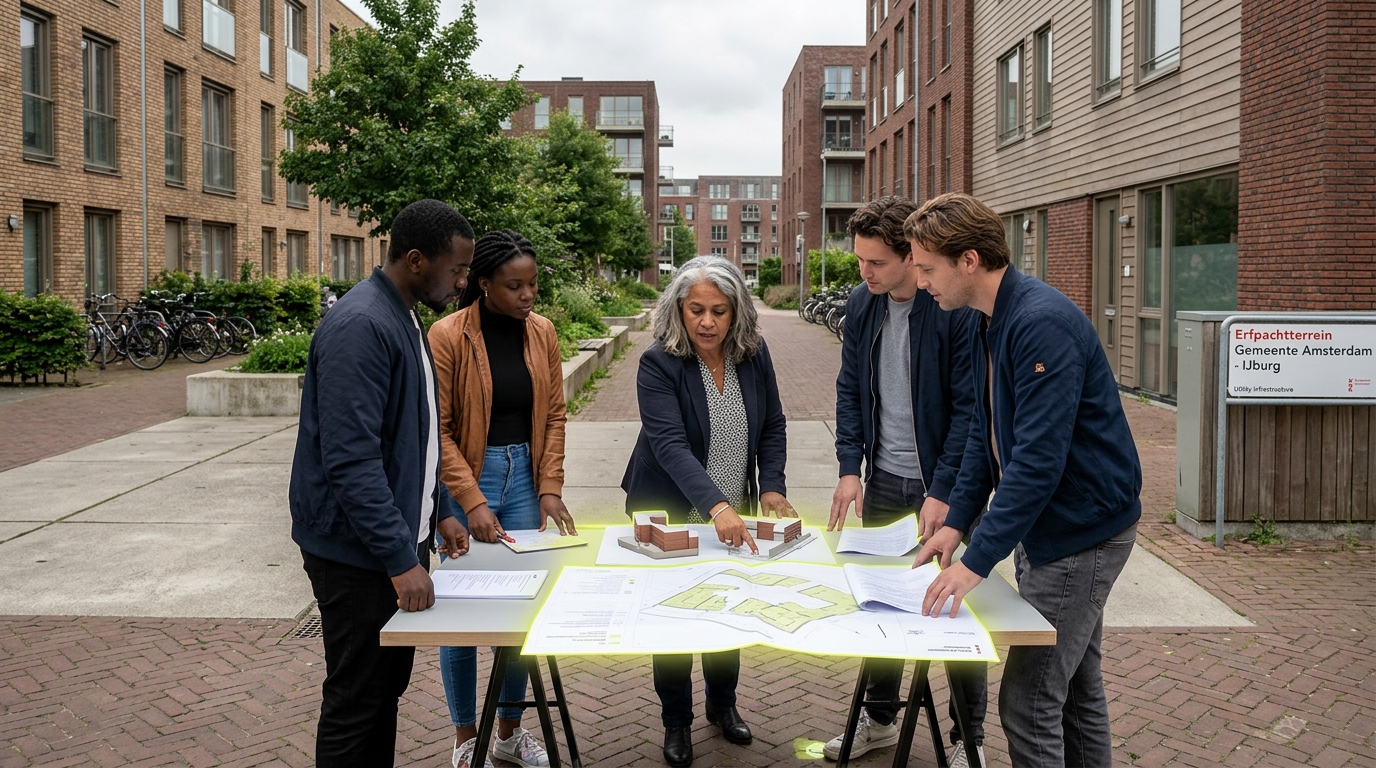
Erfpacht (Ground Lease) Systems

Municipal ground lease models separating land ownership from building ownership, enabling long-term public control over land value and speculation.

Regulatory Complexity
4/5
Community Acceptance
3/5
Social Value Generation
5/5

Book a research session

Bring this signal into a focused decision sprint with analyst-led framing and synthesis.
Research Sessions