Kangoeroewonen (Intergenerational Housing)
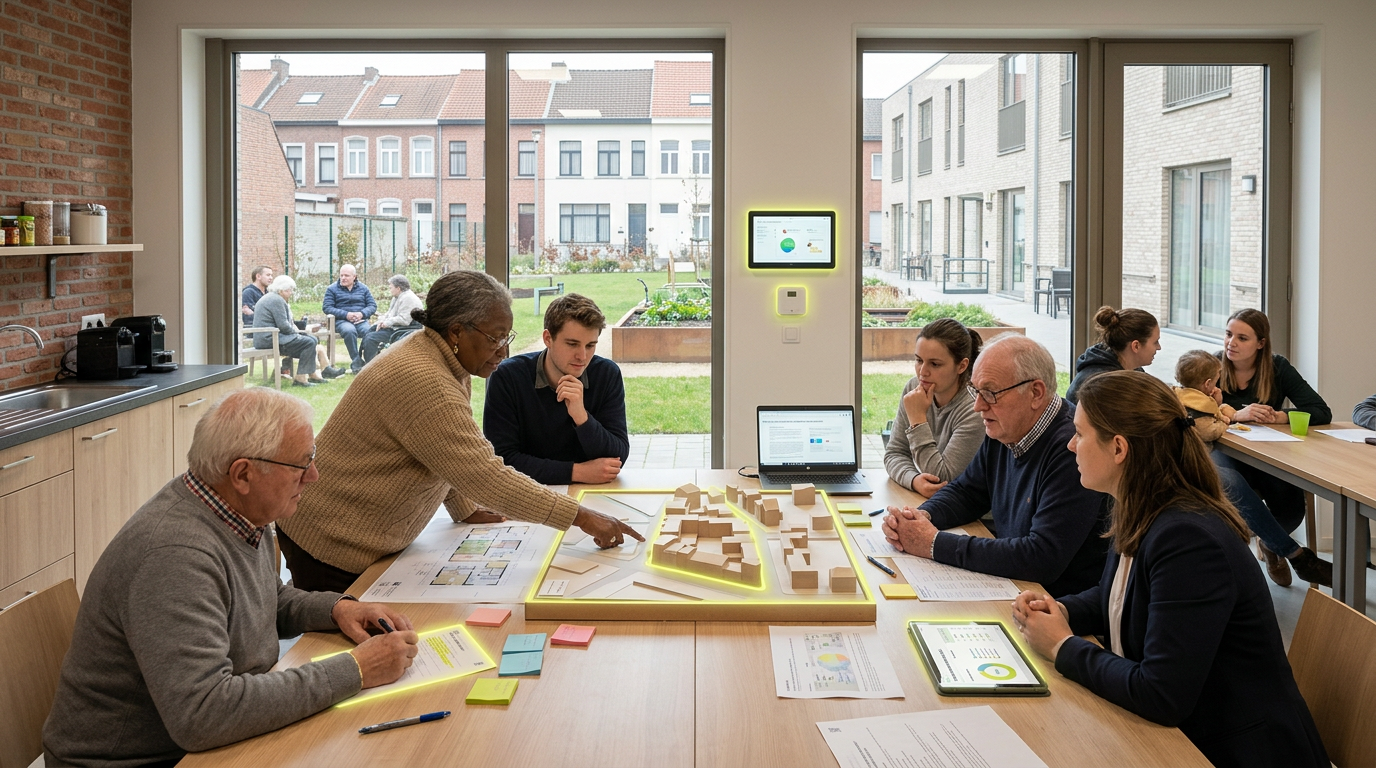
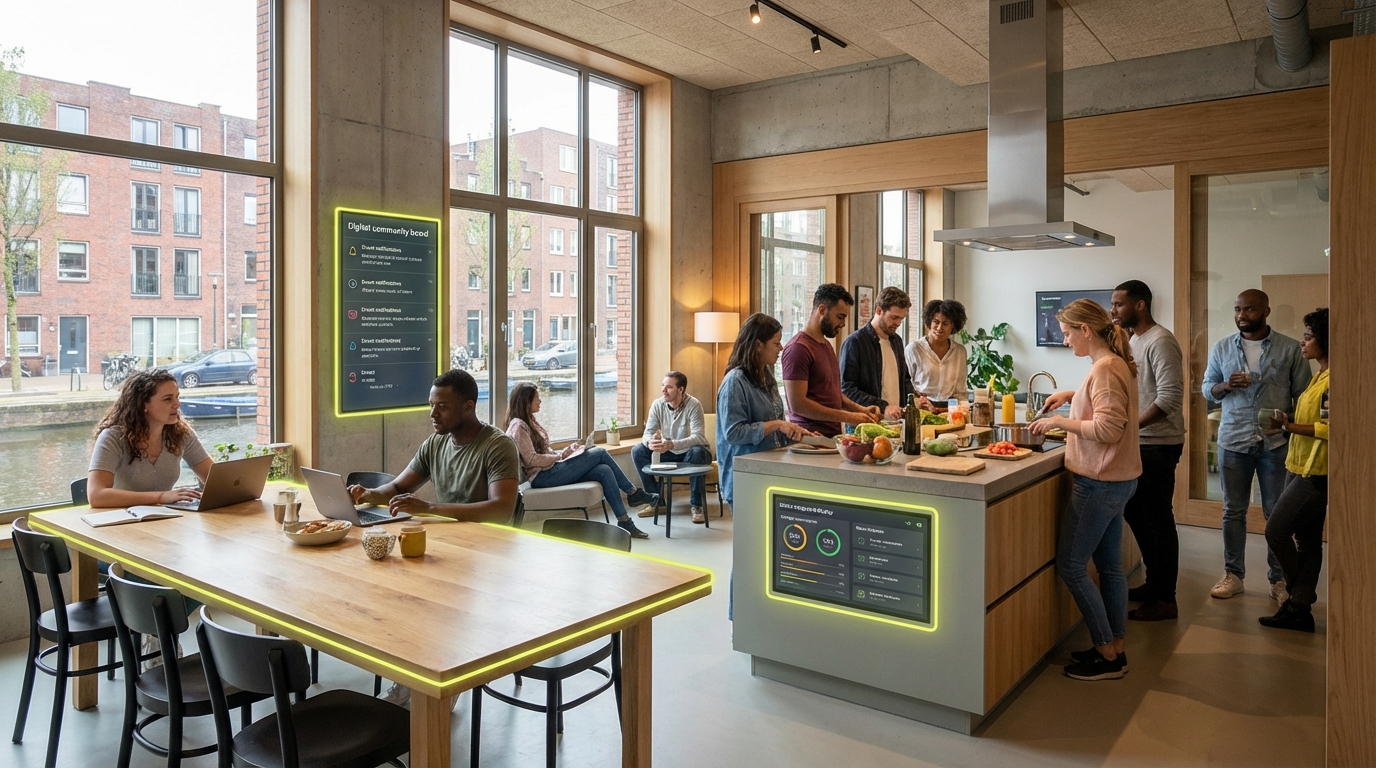
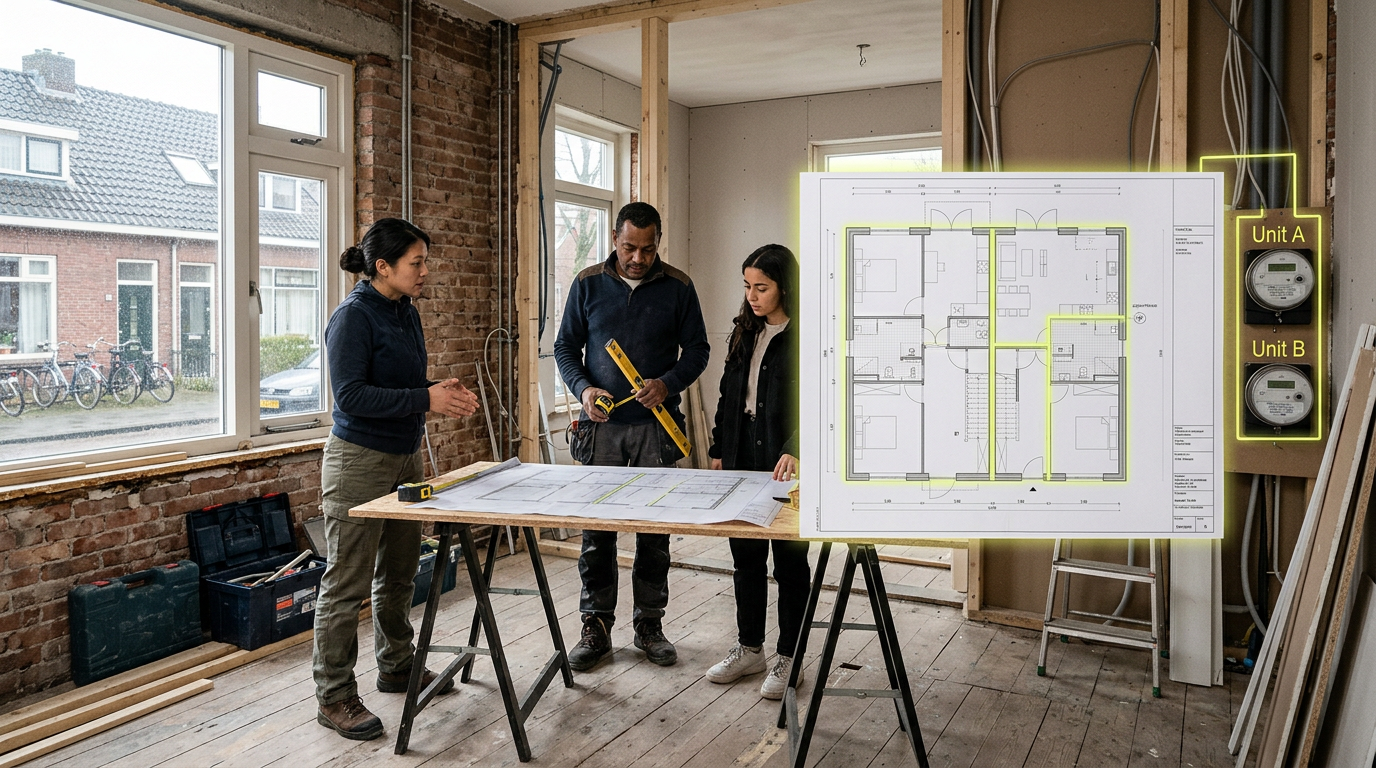
Kangoeroewonen, or "kangaroo living," represents a formalized approach to intergenerational housing that addresses two converging pressures in Belgium and the Netherlands: the growing care needs of an aging population and the acute shortage of affordable housing for younger generations. The model allows for the creation of a smaller, semi-autonomous dwelling unit within or attached to an existing family home, enabling elderly parents to live in close proximity to adult children while maintaining a degree of independence. This arrangement differs from traditional multi-generational households by providing separate living spaces with their own entrances, kitchens, and bathrooms, thus balancing proximity with privacy. The significance of this signal lies in its dual function as both a care solution and a housing strategy, offering an alternative to institutional eldercare while simultaneously creating affordable living space without consuming additional land or requiring new construction. As demographic shifts intensify across the Benelux region, with projections indicating that one in four residents will be over 65 by 2040, the pressure to find scalable, humane, and economically viable housing models has never been greater.
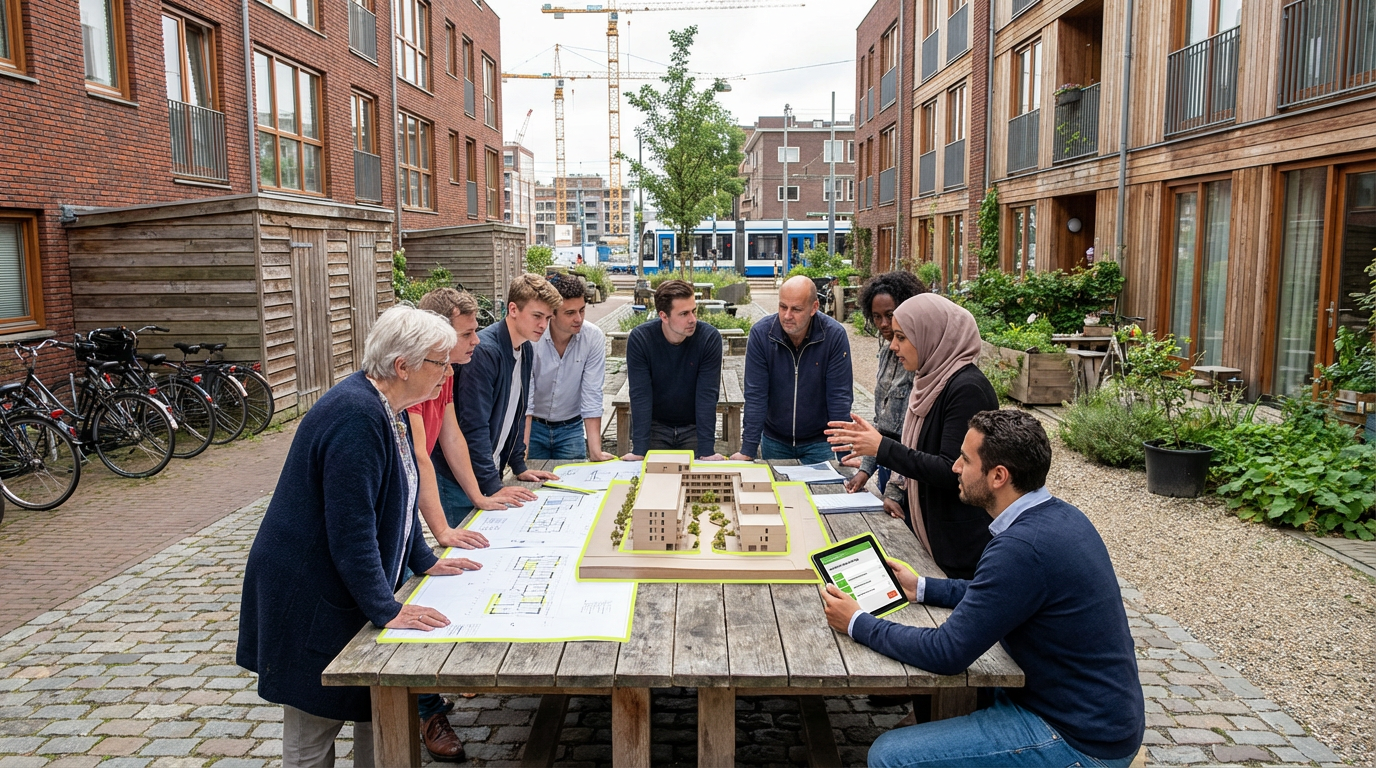
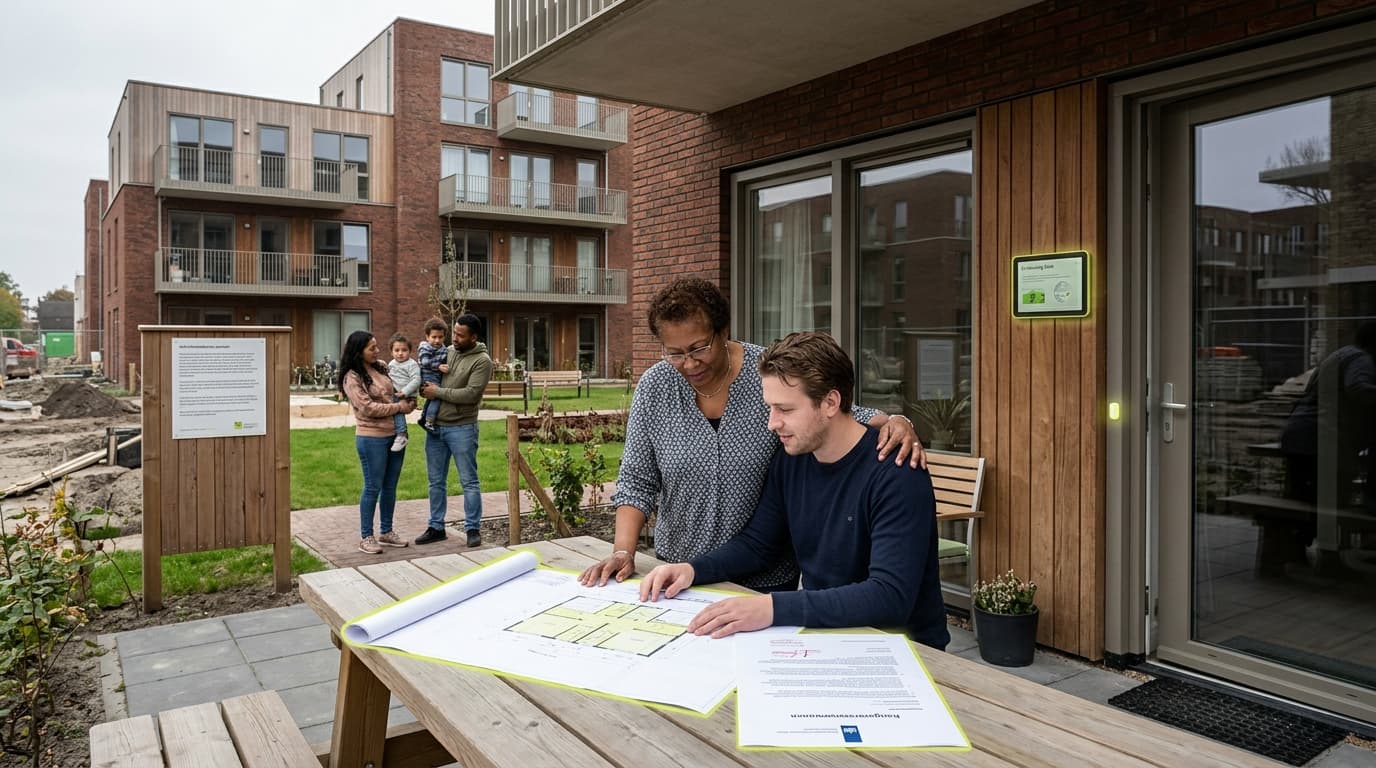
Recent regulatory developments in Belgium, particularly in Flanders, have moved kangoeroewonen from informal family arrangements to officially recognized housing status, with streamlined permitting processes and clarified tax implications. These changes reduce bureaucratic barriers that previously discouraged homeowners from formalizing such arrangements, addressing concerns about property valuations, inheritance complications, and municipal zoning restrictions. Early adoption patterns suggest that the model appeals particularly to middle-income families who can afford modest renovations but cannot access traditional care facilities or separate housing for adult children. The approach represents what planners call "gentle densification"—increasing housing capacity within existing urban fabric without altering neighborhood character or requiring greenfield development. Pilot programs in Dutch municipalities are now exploring similar frameworks, with some local governments offering subsidies or low-interest loans to facilitate conversions. However, the evidence base remains relatively thin, with most data coming from municipal permit applications rather than longitudinal studies of outcomes, leaving questions about long-term viability and social impacts partially unanswered.
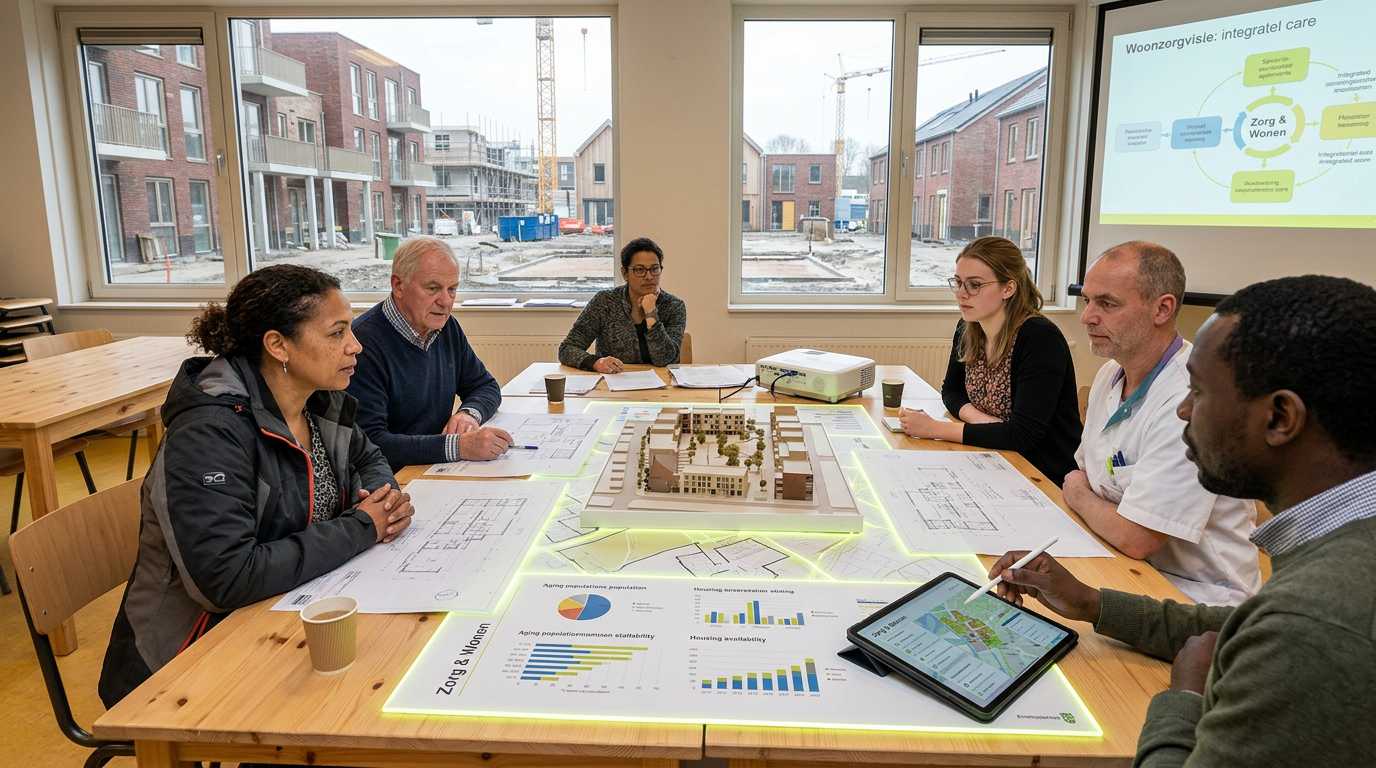
The implications of normalizing kangoeroewonen extend beyond individual households to broader housing policy and urban planning strategies. If widely adopted, this model could reduce demand for both nursing homes and starter apartments, two of the most strained segments of the housing market. It also challenges conventional assumptions about household composition and the nuclear family structure that has dominated post-war housing development. Key factors to monitor include the rate of permit applications in municipalities that have simplified approval processes, the demographic profile of adopters, and any emerging tensions around caregiving expectations or property disputes. Policymakers will need to address questions about building code adaptations for aging-in-place features, the potential for exploitation in informal care arrangements, and whether financial incentives are necessary to scale adoption beyond early enthusiasts. The success of kangoeroewonen as a systemic solution will ultimately depend on whether regulatory support can be paired with cultural acceptance of intergenerational proximity and whether the model proves adaptable to diverse housing typologies beyond the single-family homes where it has initially taken root.
Related Organizations

A Belgian non-profit organization promoting and supporting communal living forms, including kangaroo living (kangoeroewonen), through advice, workshops, and policy advocacy.

The Flemish government agency responsible for housing policy, including the regulations and subsidies that define and govern 'zorgwonen' (care living) and kangoeroewonen.
A national platform connecting professionals in housing, care, and welfare.

A municipality in the Netherlands known for experimental urban planning.
A knowledge center in Brussels supporting the wellbeing and housing sectors, researching and advising on intergenerational housing solutions for the elderly.

An architecture and urban strategy firm in the Netherlands known for designing social housing and community-focused living environments.
The largest national housing corporation dedicated to seniors and people with care needs.

The largest consumer organization for homeowners in the Netherlands, monitoring the fairness of shared ownership contracts.