Smart City Housing Integration
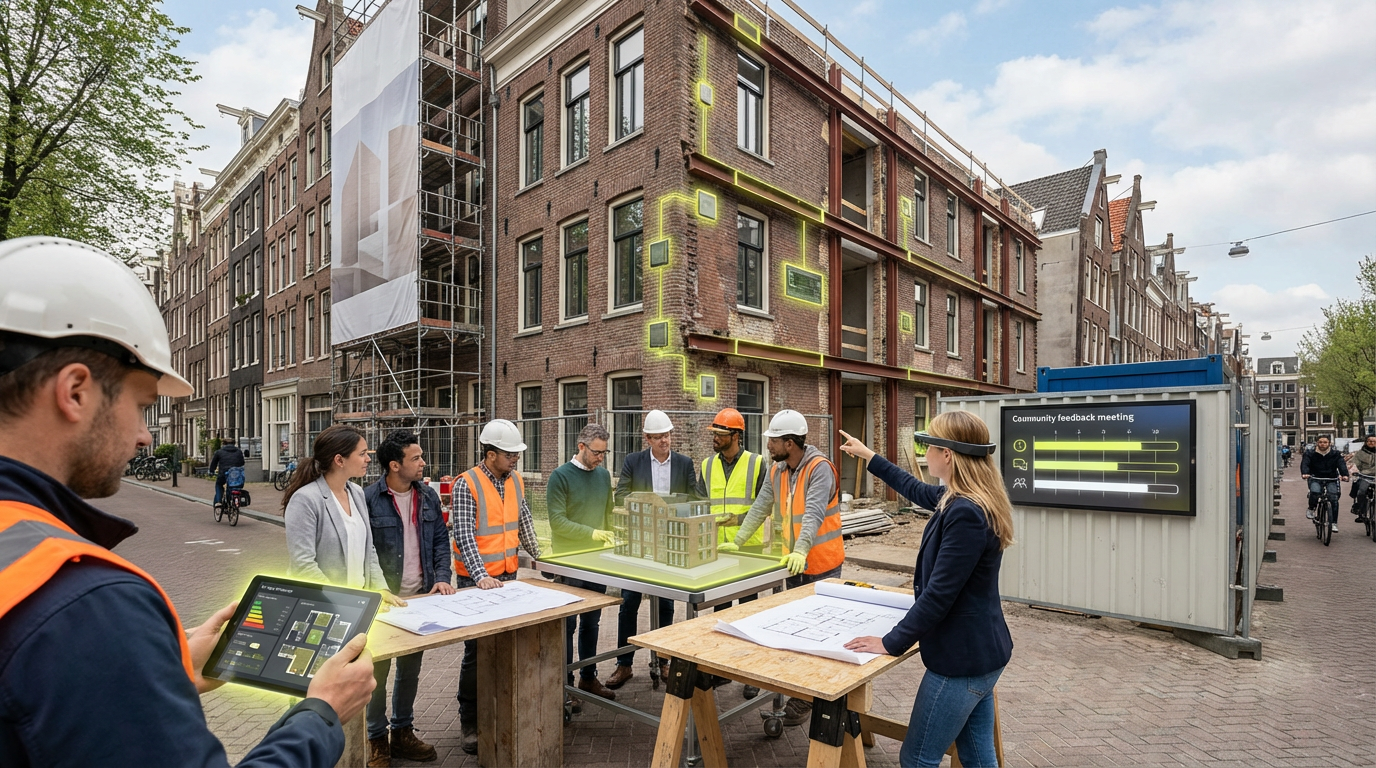
Smart city housing integration represents a strategic convergence of residential development with digital infrastructure, energy systems, mobility networks, and data platforms designed to enhance urban efficiency and livability. This approach addresses a fundamental tension in contemporary housing policy: the need to deliver new residential capacity while simultaneously meeting sustainability targets, improving quality of life, and managing resource constraints in increasingly dense urban environments. Rather than treating housing as a standalone sector, this signal points toward a systemic shift where residential developments function as nodes within broader urban operating systems, enabling real-time energy optimization, integrated mobility services, and responsive public amenities. The challenge it seeks to resolve is not merely technical but also social—building public acceptance for housing development by demonstrating tangible innovation benefits that extend beyond individual dwellings to neighborhood-scale improvements in efficiency, convenience, and environmental performance.
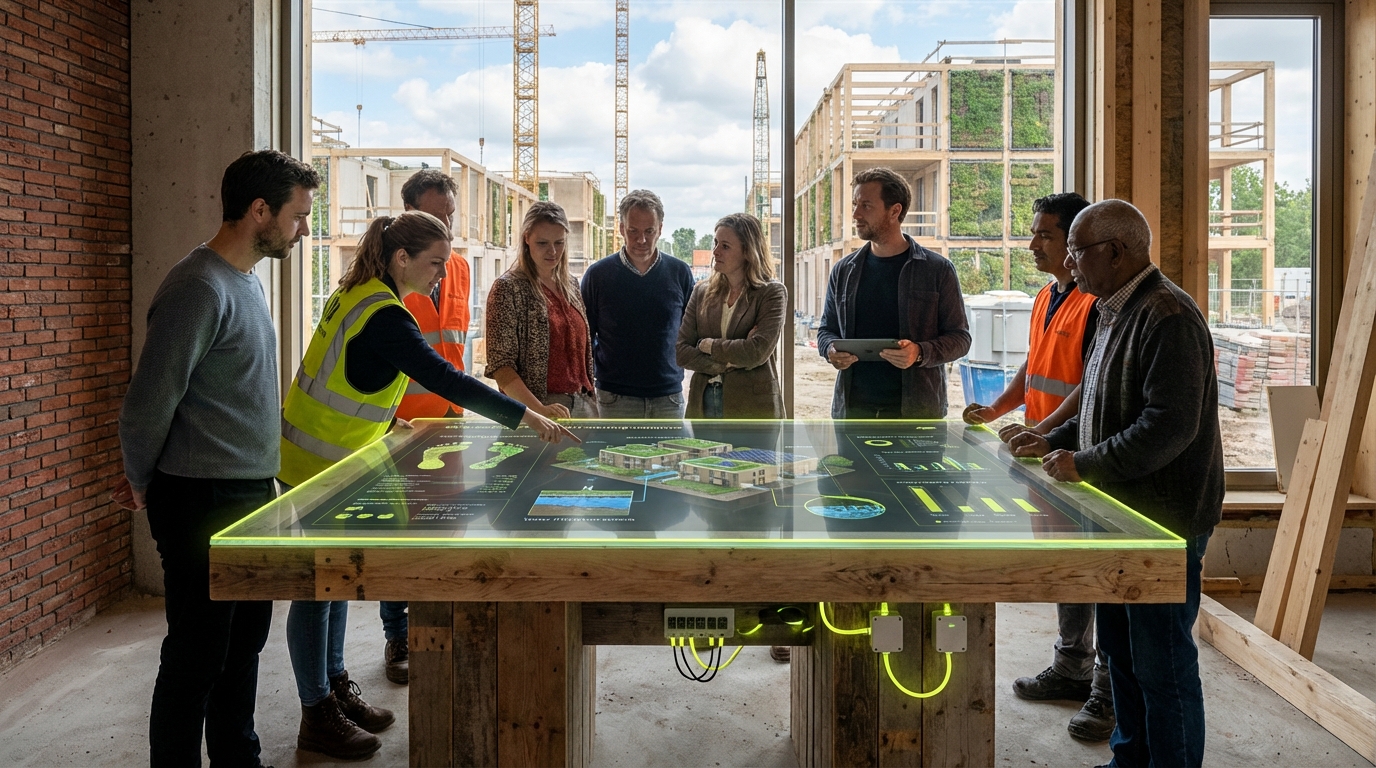
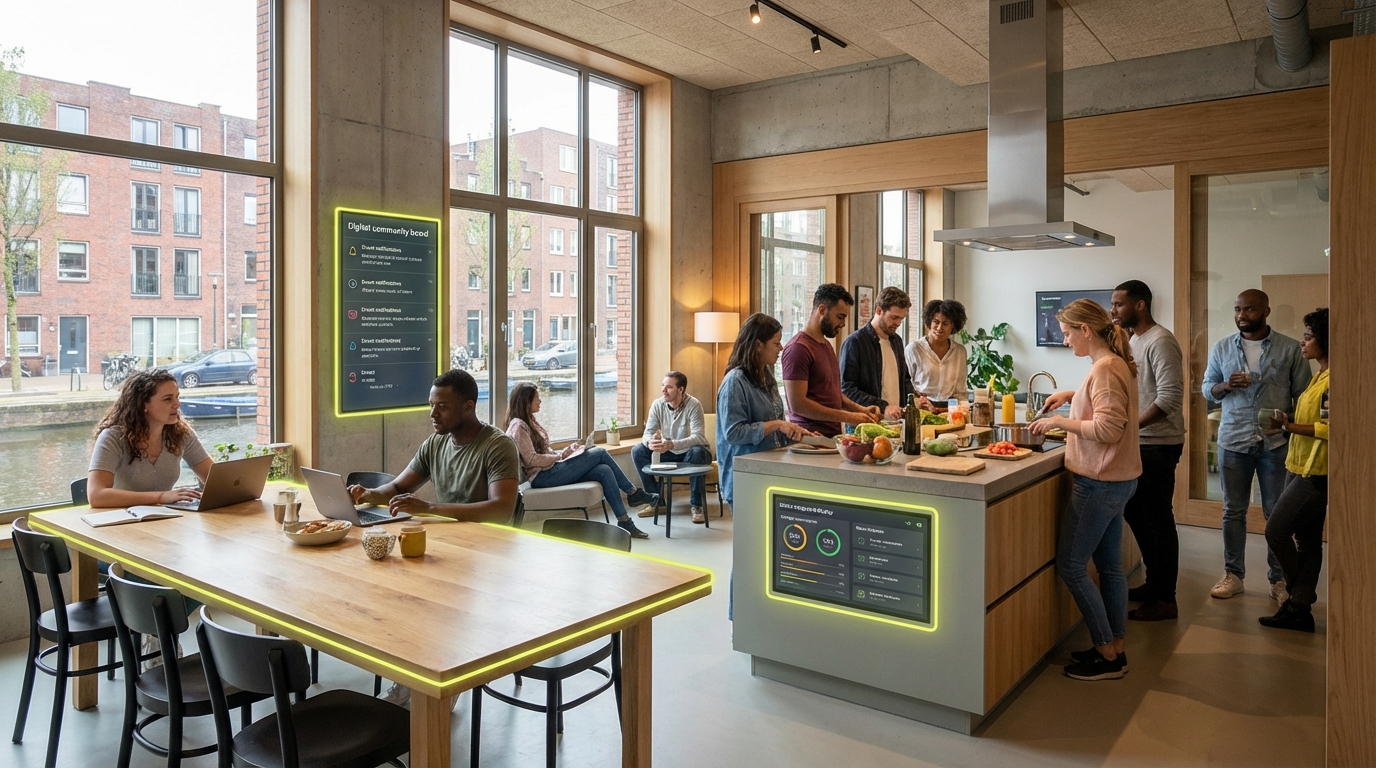
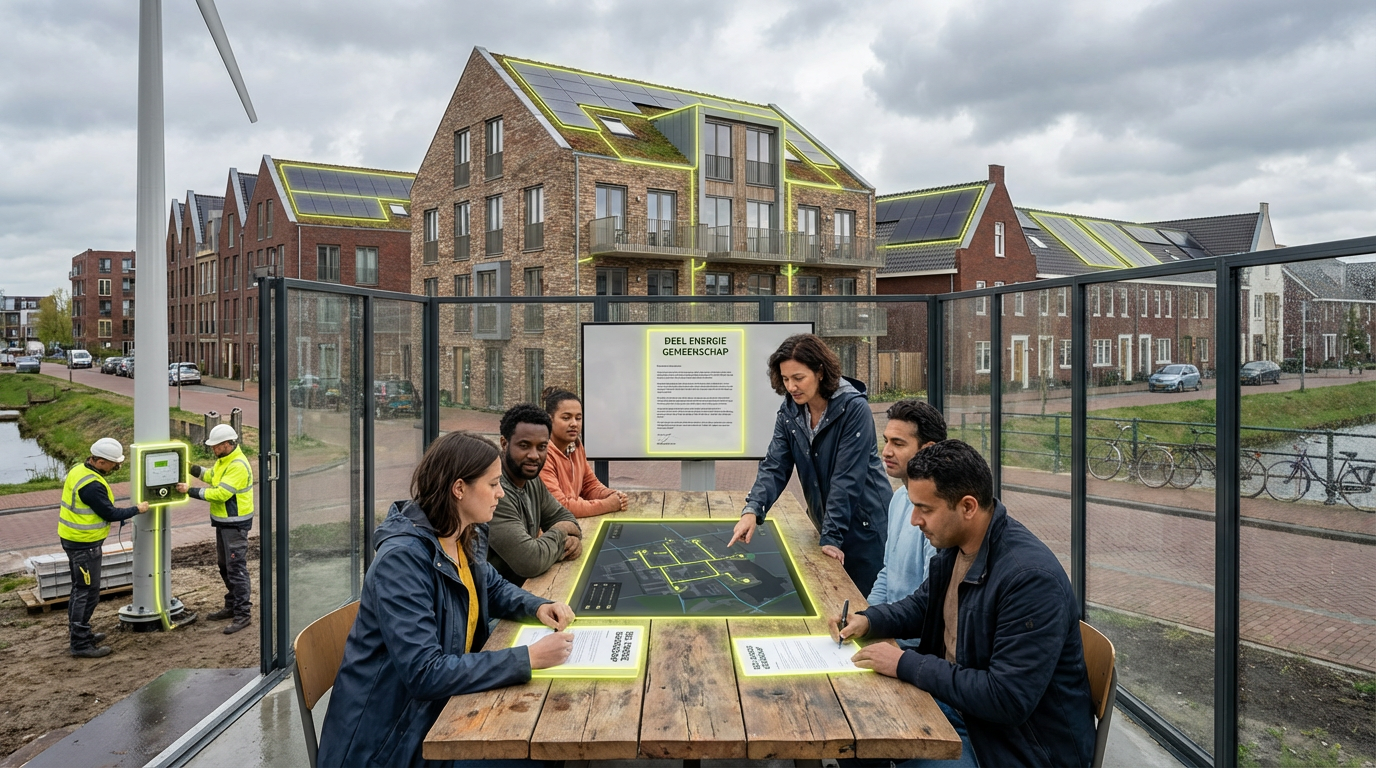
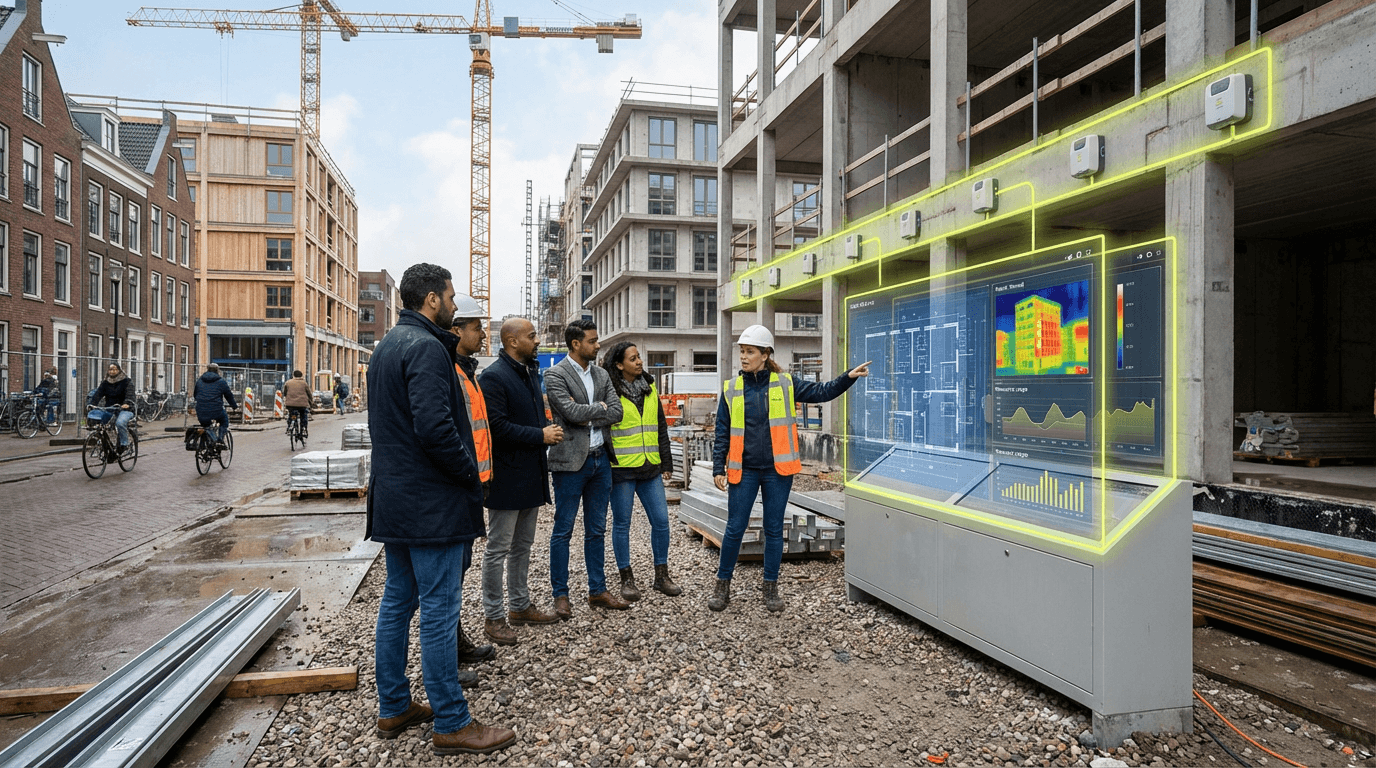
Early evidence of this integration emerges across Benelux contexts through pilot neighborhoods and policy frameworks that mandate digital readiness in new developments. Dutch smart neighborhood projects increasingly incorporate shared energy grids, sensor networks for waste management, and mobility hubs that connect residents to multimodal transport options, while Belgian initiatives focus on connected housing developments that integrate building management systems with municipal data platforms. Luxembourg's compact urban geography has enabled experiments in city-scale integration, where housing developments are designed from inception to interface with centralized energy, mobility, and service networks. Industry analysts note growing interest from developers in positioning smart integration as a market differentiator, particularly for rental housing where operational efficiency translates directly to competitive advantage. However, the pattern remains uneven—deployments often concentrate in higher-end developments or specific municipalities with strong digital governance frameworks, raising questions about equitable access to these efficiency benefits.
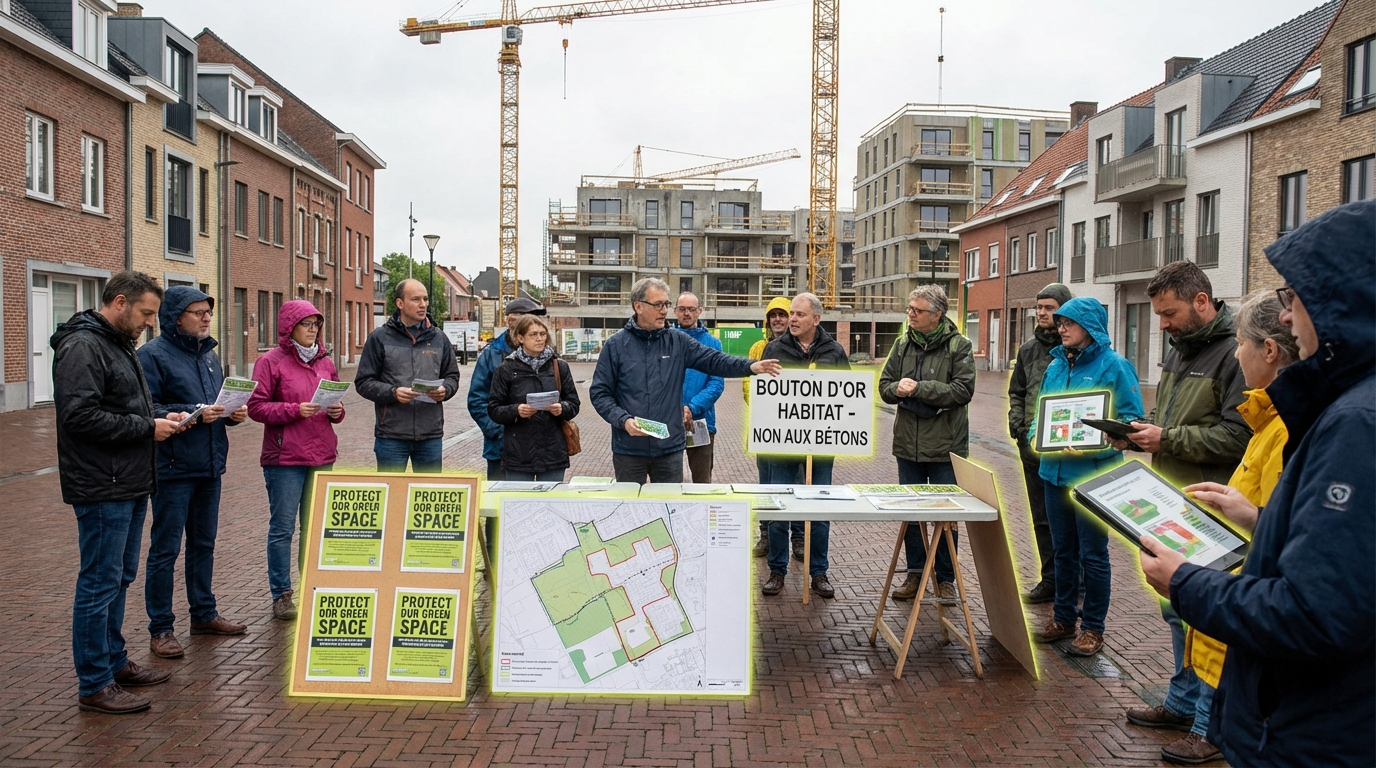
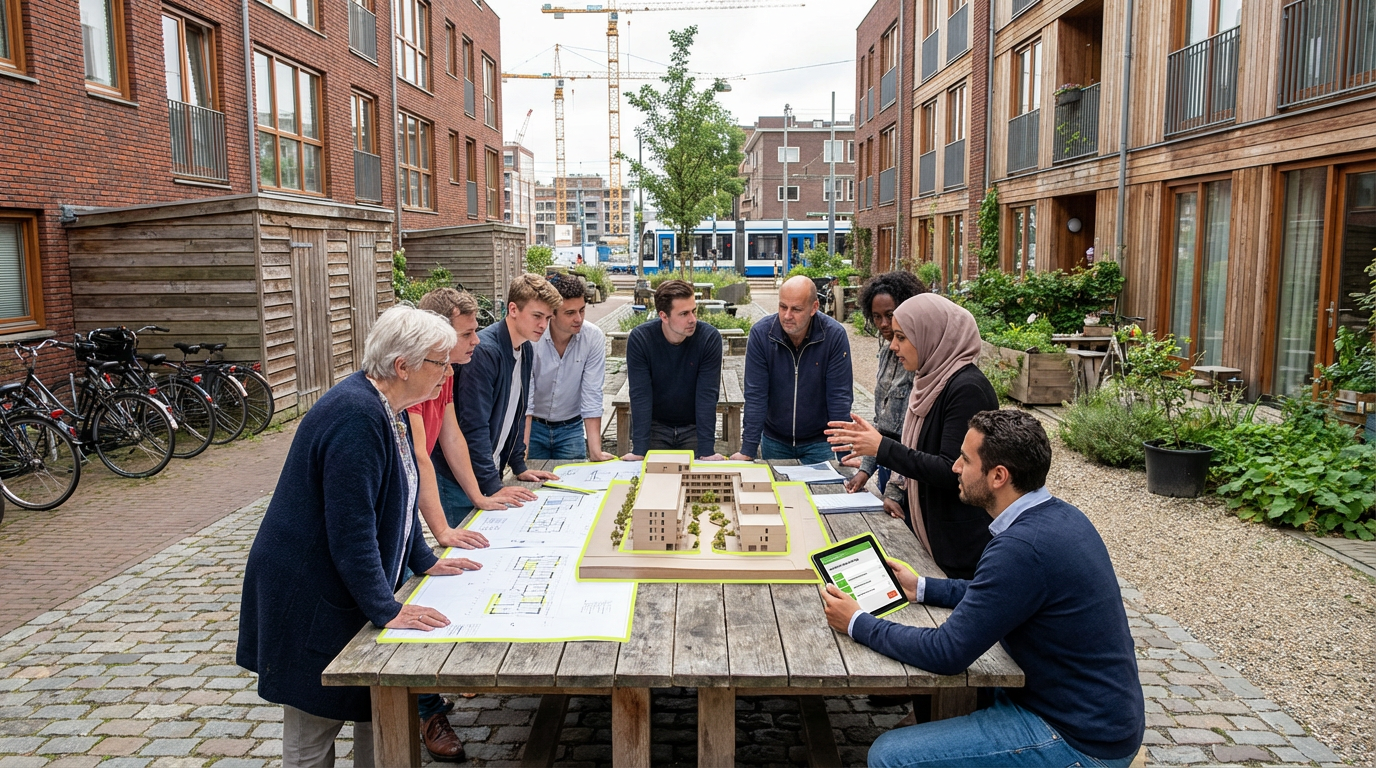
The implications for housing acceptance and urban governance are significant but contingent on execution quality. If smart integration delivers measurable reductions in energy costs, improved access to services, and enhanced neighborhood functionality, it could shift public perception of new development from burden to opportunity, potentially easing NIMBY resistance in constrained housing markets. Critical monitoring points include whether efficiency gains materialize at household level, how data governance frameworks protect resident privacy while enabling system optimization, and whether technology integration addresses genuine community priorities rather than imposing solutions in search of problems. Policymakers should track adoption patterns across income segments, measure resident satisfaction with integrated services over time, and assess whether smart infrastructure investment diverts resources from more fundamental housing affordability interventions. The risk remains that technology-forward branding obscures failure to deliver core housing needs—affordability, accessibility, and community integration—making it essential to evaluate these initiatives against tangible outcomes rather than innovation narratives alone.